7.1 C
New York
Home Blog Page 17

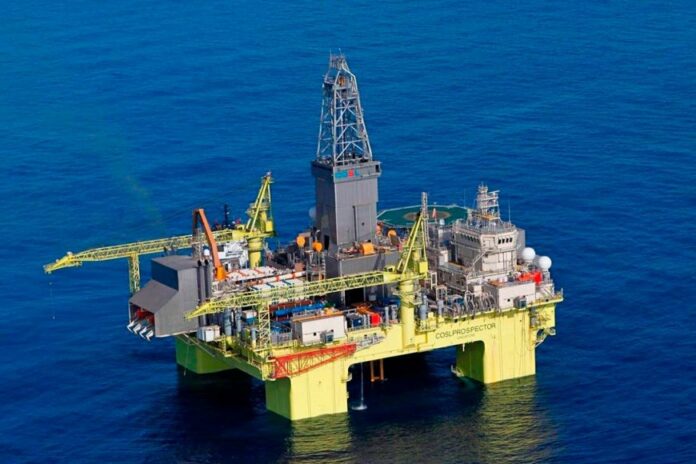
Equinor and its partners drill a dry well in the Snorre area in the North Sea

0

This production licence was awarded in 2010 (APA 2009). 34/6-9 S is the ninth wildcat well drilled within the production licence’s acreage. This is the third exploration well drilled in this area this year, and like wells 34/8-20 S (“Narvi Nord”) and 34/6-8 S (“Garantiana NV”), it was also dry.

There is considerable activity around production licence 554, both within exploration and discovery development. Equinor has conducted a major exploration campaign in the area along with Aker BP and Vår Energi.

These companies also have ownership interests in several other production licences in the area, including 932, 1218 and 1215.

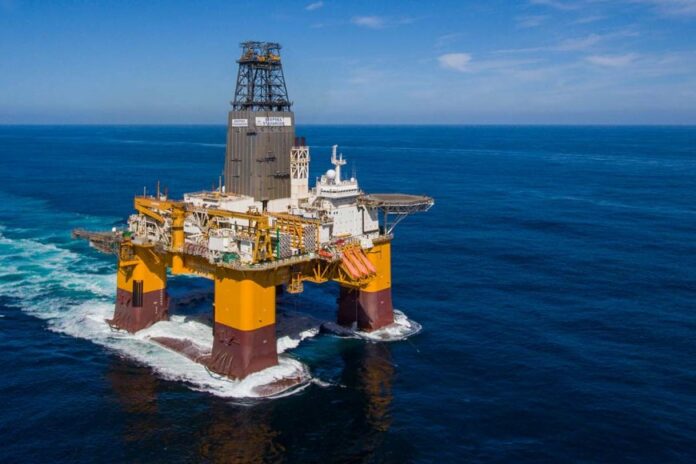
Well 34/6-9 S was drilled using the COSL Innovator rig.

The objective of the well was to prove petroleum in Lower Jurassic reservoir rocks in the Cook Formation.

The well encountered the Cook Formation in a total of about 106 metres, 39 metres of which with moderate to good reservoir quality. The well is classified as dry.

Well 34/6-9 S was drilled to respective measured and vertical depths of 4042 and 4001 metres below sea level, and was terminated in the Burton Formation in the Lower Jurassic.

Data was collected, including pressure points in the Cook Formation.

Water depth at the site is 387 metres. The well has been permanently plugged and abandoned.

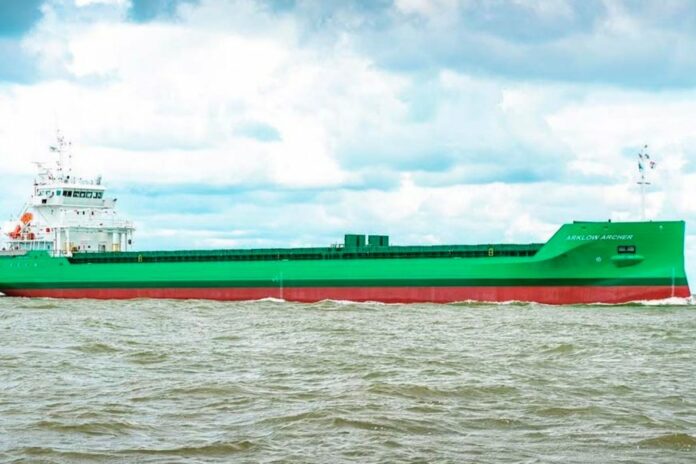
Berge Rederi signs contract with Wattlab to outfit coaster BRF Froan with 96 Solar Flatracks

0

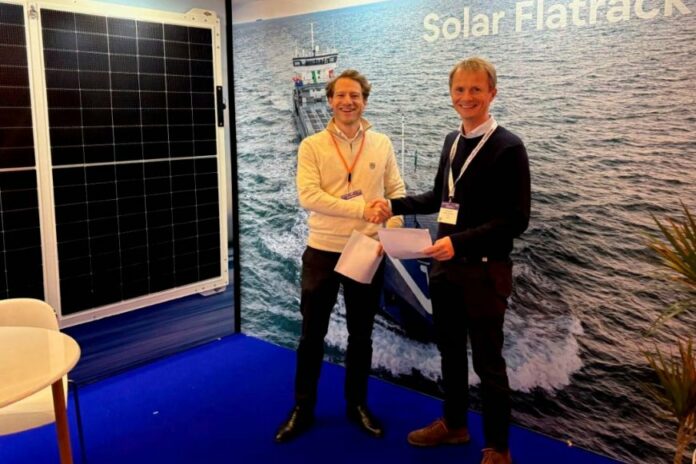
After delivering its first full-scale seagoing project last week, Wattlab signed a contract at Europort Rotterdam to outfit the hatches of the BRF Froan with their onboard solar energy system.

For Norwegian, family-owned Shipping company Berge Rederi this is the icing on the cake, as the vessel will be the world’s largest battery-powered bulk carrier. BRF Froan is expected to be delivered in Q2 2026 and will transport marble from Brønnøy and Visnes to a production plant in Elnesvågen.

Bo Salet, co-founder and CEO of Wattlab is very proud: 

“First of all, we thank Berge Rederi for trusting our system – and us. It is an honour that with our second seagoing project, we, as a scale-up, can be a part of such an innovative vessel as the BRF Froan. In addition, this proves that both in the Netherlands and internationally there is a real demand for solar energy in shipping. It also shows that our tested and proven technology is ready to be deployed at scale.”

The vessel is currently under construction and will sail to Norway next summer. At a stop-over in Flushing, the Netherlands, Wattlab will install the 96 Solar Flatracks in one day. Production will start in May at their new production facility in the port of Rotterdam. 

“For shipowners, time is money,” says Bo. “Fast installation is crucial. Thanks to the smart design installing the system is simple, fast, and flexible. Should the need arise to clear the deck for special cargo, the Solar Flatracks can easily be stacked on the footprint of a 20 ft container.”

Wattlab is currently the only solar power supplier focused 100% on the maritime industry. But that was only one of the reasons for Berge Rederi to choose their system. 

Oivind Berge, Owner of Berge Rederi says:

“The knowledge that Bo Salet and Davd Kester have shown about vessel operations was key in our decision-making process. Berge Rederi is always looking to innovate. We were already familiar with their recent project for a Dutch shipowner, which demonstrated not only the installation process, but also the system’s real-world performance and operations.”

“Bo and David understand the things that a shipowner has to take into account. For example, they know what kind of damages can come about, and how to prevent them. They’ve also ensured that the crew only has to spend minimal time in piling the hatches during loading; the system is easy to use. And, important, they are easy to communicate with. So far, our collaboration is moving ahead smoothly.”

The fact that BRF Froan is a groundbreaking coaster is not only due to Wattlab’s solar installation. Berge Rederi has opted to pioneer in their market with a zero-emission vessel. BRF Froan will feature two 24m x 4m rotor sails saving an average of 339 kW per voyage. 

The 23,5 MWh battery package will be charged at the loading port in Remman (Brønnøy) and the discharging port in Elnesvågen. Shore power facilities will be installed in both ports. Additionally, the ship is fitted with an electric excavator to ensure emission-free cargo operations.

Fincantieri to build new ultra-luxury cruise ship for Regent Seven Seas Cruises

0

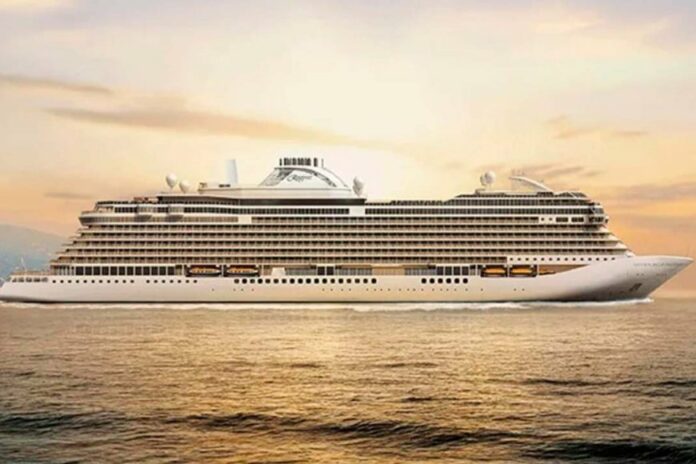
Strengthening its long-standing partnership with Norwegian Cruise Line Holdings Ltd. (NCLH), Fincantieri has secured a new order for the construction of an ultra-luxury cruise ship to be operated by Regent Seven Seas Cruises. The value of this agreement, subject to financing and other typical terms and conditions, is considered as large.

Scheduled for delivery in 2033, the new vessel will be a sister ship to “Seven Seas Prestige”, the first of the new Prestige Class, currently under construction at the Marghera shipyard and set for delivery in 2026. A second ship in the same class is already scheduled for delivery in 2030.

With a gross tonnage of 77,000 tons and a length of 257 meters, the new unit will host 822 passengers, offering one of the highest guest-to-space ratios in the industry. She will embody timeless elegance and sophistication, integrating cutting-edge environmental technologies.

The partnership between Fincantieri and Norwegian Cruise Line Holdings Ltd. stands out as one of the most solid and long-lasting in the industry: the Group has already delivered ten ships across NCLH’s various brands, and as a testament to this established trust, the current order book includes thirteen additional vessels, set to further strengthen the fleet. These newbuilds include all of the company’s brands – Norwegian Cruise Line, Regent Seven Seas Cruises, and Oceania Cruises – and mark another step in a shared growth journey, driven by a collaboration distinguished by continuity, strategic vision, and the ability to evolve in line with the demands of the global market.

“Our long-term strategic expansion with Norwegian Cruise Line Holdings Ltd., established over the past years through multiple successful orders, continues to strengthen our collaboration, especially within the ultra-luxury segment represented by Regent Seven Seas Cruises”, commented Pierroberto Folgiero, CEO and Managing Director of Fincantieri. “This latest contract confirms the trust NCLH places in Fincantieri’s expertise to deliver innovative, sustainable, and exquisitely crafted ships that meet the evolving aspirations of the luxury cruise market. As the industry embraces new challenges and opportunities, including stronger environmental commitments and enhanced guest experiences, Fincantieri remains fully dedicated to supporting our clients’ growth strategies and the future of cruising worldwide.”

“This newbuild order continues our measured, strategic expansion within the luxury space, providing guests with yet another way to experience the unrivaled aboard The World’s Most Luxurious Fleet,” said Jason Montague, Chief Luxury Officer at Norwegian Cruise Line Holdings Ltd. “It reflects our confidence in the growing demand for Regent’s best-in-class offering and reaffirms our long-standing partnership with Fincantieri, one rooted in craftsmanship and shared pursuit of perfection.”

Van Oord’s Boreas successfully completes first assignment

0

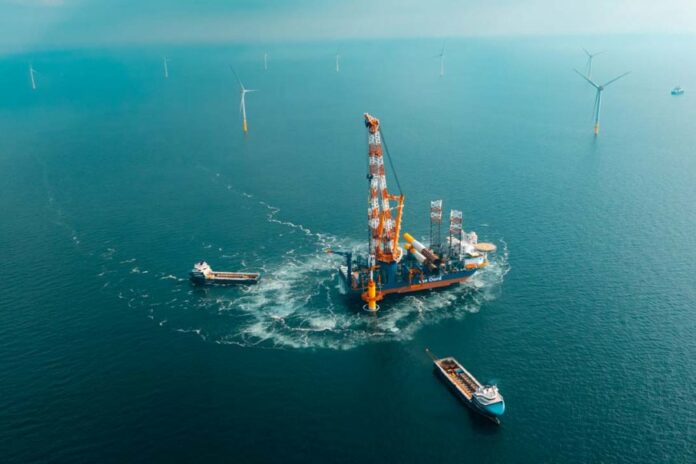
Van Oord’s brand-new offshore wind installation vessel Boreas has successfully completed its first assignment: the installation of 45 monopiles at Nordseecluster A, the first phase of the 1.6 GW offshore wind farm in the German North Sea. The Boreas is the largest and most sustainable vessel of its kind. Its maiden project is expected to generate renewable electricity for the equivalent of 1.6 million households.

Van Oord has been contracted to install a total of 105 extended monopiles for the Nordseecluster offshore wind farm, a joint project by RWE (51%) and Norges Bank Investment Management (49%). With the successful installation of the first 45 monopiles, a significant milestone has been reached. The remaining 60 monopiles will be installed at the second expansion stage, Nordseecluster B, scheduled for 2027. During its first assignment, the Boreas has demonstrated its advanced monopile installation capabilities. With its impressive size, smart design and powerful equipment, the vessel is ready to meet the demands of sustainable offshore wind projects. 

Maurits den Broeder, Managing Director Offshore Energy at Van Oord, said:

‘With the Boreas now operational and its first assignment successfully completed, we are well-positioned to accommodate the increase in scale in the offshore wind industry. This milestone underscores our commitment to enhancing the energy transition. It’s exciting to see this magnificent vessel in action, and we look forward to its successful deployment on many more offshore wind projects.’ 

In addition to the Boreas, Van Oord deployed its offshore wind installation vessel Aeolus to install secondary steel. Flexible fallpipe vessels Stornes and Bravenes were deployed for rock installation around the monopile foundations, to prevent erosion caused by strong currents and waves.

Henk Jan van Dijk, Project Director at Van Oord, said:

‘The great performance of the Boreas on its first project marks a major milestone, that is made possible by the dedication, expertise, and energy of everyone involved. The timely and precise installation of the first 45 monopiles reflects not only the capabilities of the vessel, but also the strength of our team.’

Petronas subsidiary granted Malaysia’s first-ever offshore CCS permit

0

PETRONAS’ wholly-owned subsidiary, PETRONAS CCS Ventures Sdn Bhd (PCCSV), has been granted an Offshore Assessment Permit for Carbon Capture and Storage (CCS) for the Duyong area by the Malaysia Carbon Capture, Utilisation, and Storage (MyCCUS) Agency on 10 October 2025.  

This is the first permit issued under the newly enacted Carbon Capture, Utilisation, and Storage Act [Act 870] (CCUS Act 2025) enforced on 1 October 2025, marking a historic milestone for Malaysia’s energy sector. 

The Offshore Assessment Permit grants the exclusive rights to conduct comprehensive offshore geological assessments over the Duyong field, located offshore Peninsular Malaysia. This permit enables the ongoing collaboration between PCCSV, TotalEnergies and Mitsui & Co., Ltd. (MITSUI) under the Key Principles Agreement (KPA) dated July 2025 to continue advancing studies and evaluation of the Duyong area’s potential as a carbon storage site, which is part of the Southern CCS offshore hub development. 

“The granting of the Offshore Assessment Permit by the MyCCUS Agency represents a critical milestone for the Duyong CCS project,” said Emry Hisham Yusoff, Chief Executive Officer of PCCSV. “This permit allows our collaboration with TotalEnergies and MITSUI to advance to the next phase of technical studies and evaluations, bringing us closer to realising Duyong’s potential as a safe and commercially viable carbon dioxide (CO₂) storage site. It reinforces PETRONAS’ commitment towards reducing emissions and offering decarbonisation solutions to our customers and partners.” 

All assessment activities will be conducted in full compliance with the CCUS Act 2025 and its Offshore Permit and Licensing Regulations 2025, adhering to national laws and relevant guidelines to determine the site’s technical and commercial feasibility. 

The KPA enables PCCSV, TotalEnergies, and MITSUI to lay the foundation for the front-end engineering design (FEED) phase for the Duyong area. This partnership paves the way for the first-of-its-kind integrated CCS solution for industries in the Asia Pacific region. The agreement builds upon the initiatives outlined in the CCS Development Agreement signed by PETRONAS, TotalEnergies, and MITSUI in 2023.  

The permit issuance marks a pivotal step in building Malaysia’s carbon capture and storage industry, positioning the nation as a regional leader in cross-border CO₂ collaboration and responsible energy transition. This milestone reinforces PETRONAS’ leadership in lower-carbon technologies and its commitment through PCCSV to advance CCS as a key pathway toward Net Zero by 2050, supporting regional and global climate goals.

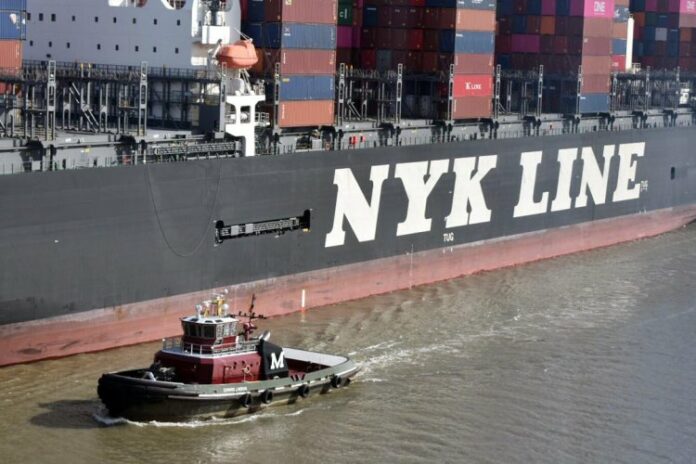
NYK and Moonrakers to collaborate to develop innovative uniforms

0

Through this initiative, the two companies will conduct trials of Moonrakers’ advanced functional wear on NYK-operated vessels and at Keihin Dock, the NYK Group’s sole shipyard. 

Feedback will be gathered directly from the frontline, and the results will be incorporated into the design of new uniforms. The collaboration also envisions the development and commercial distribution of innerwear tailored to the working conditions of seafarers, with potential expansion to general consumers.

Traditionally, uniforms used aboard ships and in shipyards have not been specifically designed to meet the very distinct needs of maritime environments. NYK aimed to create uniforms that significantly enhance seafarers’ comfort by incorporating Moonrakers’ proprietary MOON-TECH® advanced-textile technology. Co-developed by the Japan Aerospace Exploration Agency and Toray, MOON-TECH® has demonstrated its capability to provide comfort in even the most extreme environments, including the International Space Station. 

This joint effort is expected to foster greater workplace well-being during extended voyages and in the demanding shipbuilding environment, and elevate the logistics industry’s public image.

This initiative is part of “KANDO – Innovation through Logistics,” an NYK-led program geared toward redefining logistics and introducing new values to society. 

New LNG carrier Elisa Halcyon delivered to EDF

0

A new liquefied natural gas (LNG) carrier, Elisa Halcyon, ordered by France LNG Shipping SAS from Hyundai Samho Heavy Industries in Korea, was completed and delivered on October 31. 

Elisa Halcyon is equipped with a highly efficient WinGD-manufactured dual-fuel slow-speed diesel engine capable of operating on fuel oil and boil-off gas (natural gas vaporized during transport). 

The vessel also features a 174,000-cubic-meter membrane-type cargo tank with superior insulation that minimizes boil-off. Additionally, an Air Liquide-developed re-liquefaction system is installed to convert surplus boil-off gas back into liquid form, further enhancing operational efficiency and reducing environmental impact.

Vessel Particulars

  • Length overall: approx. 297.2 meters
  • Breadth: approx. 46.4 meters
  • Main engine: X-DF diesel engine
  • Cargo tank capacity: approx. 174,000 cubic meters; (membrane type)
  • Shipbuilder: Hyundai Samho Heavy Industries Co., Ltd.
  • Ship’s registry: France

Aker BP and partners have drilled a dry well in the Yggdrasil area in the North Sea

0

Well 30/11-16 S (“Natrudstilen”) was drilled in production licence 873, just over 1 kilometre east of Fulla and 155 kilometres west of Bergen.

Production licence 873 was awarded in 2017 (APA 2016). This is the eighth exploration well drilled within the licence area.

There is plenty of activity in the area around production licence 873; Yggdrasil is being developed, and in August, Aker BP and its partners made a substantial oil discovery in the Omega Alfa exploration campaign. This campaign covered three production licences in the area. 

Well 30/11-16 S was drilled by the Deepsea Stavanger rig.

The objective of the well was to prove petroleum in the “Natrudstilen” prospect in the Tarbert Formation in the Middle Jurassic.

The well encountered the Tarbert Formation with a thickness of about 350 metres, 197 metres of which were sandstone with moderate to poor reservoir quality. The well is classified as dry with hydrocarbon shows.

Hydrocarbon shows were observed in the Hardråde Formation and Tryggvason Formation in the Upper Cretaceous.

Data was collected, including pressure points in the upper part of the Tarbert Formation.

Well 30/11-16 S was drilled to a vertical depth of 4327 metres below sea level and was terminated in the Tarbert Formation in the Middle Jurassic.

The water depth is 112 m, and the well has now been permanently plugged and abandoned.

Wärtsilä and Sinocrew partner to establish a leading international training centre

0

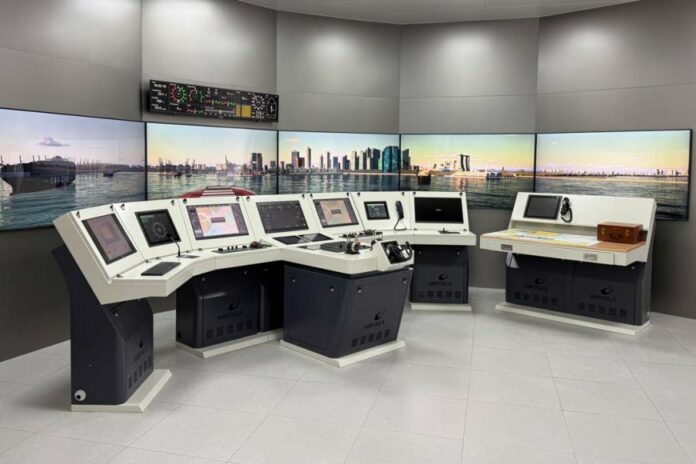
The new simulation suite will provide advanced, simulation-based training to equip seafarers with the skills needed for the safe adoption of new decarbonisation technologies and will support the transformation of the maritime industry towards sustainability and innovation. 

The two parties have also signed a framework Memorandum of Understanding (MOU) to establish the first Maritime Advancement in Simulation, Technology and R&D Services (MASTERS) programme site in China. The order for the new simulation suite was booked by Wärtsilä in Q3 2025.

The Beihai International Seafarer Training Center (BISTC) represents a key international facility with a special focus on the ASEAN (Association of Southeast Asian Nations) region. It features state-of-the-art Wärtsilä marine simulators and specialised training solutions with a focus on cruise ship operations and is a pioneering model for future maritime education and international cooperation. pioneering model for future maritime education and international cooperation. 

“Together with Wärtsilä’s expertise and support, we are creating a world-class, international centre of excellence, not merely training seafarers, but preparing them for the future of cruise sector shipping. This involves familiarisation with the coming wave of decarbonisation technologies, including those related to future alternative marine fuels. Ultimately, our aim is to build an innovative, sustainable maritime talent ecosystem,” says Captain WANG Jixuan, Founder/Chairman, Sinocrew Maritime Services.

Beyond providing tailored training courses, technical assistance, and facilitating knowledge sharing, Wärtsilä will further support Sinocrew through comprehensive, long-term service and maintenance contracts. This approach ensures that the centre’s technology remains state-of-the-art, reducing the need for unexpected and costly upgrades.

“The marine industry’s transition to future sustainable fuels and the adoption of new technologies requires a highly skilled workforce. This training centre will be at the forefront of building that competency in a key global shipping region,” comments Johan Ekvall, Director, Simulation & Training – Wärtsilä Marine. “Our cooperation with Sinocrew will help enable the safe adoption of the new technologies that decarbonisation requires. Seafarers trained on Wärtsilä’s high-fidelity simulators will be more proficient in fuel-efficient voyage planning, engine optimisation, and smooth port operations.”

Wärtsilä has developed a strong relationship with Sinocrew for more than a decade. The Beihai project marks the fourth simulator-training project for the two companies, following the installation of Wärtsilä simulators in the Wuhan, Rizhao and Qingdao training centres.

Berge Rederi contracts Wattlab to install 96 Solar Flatracks on battery powered BRF Froan

0

After delivering its first full-scale seagoing project last week, Wattlab signed a contract at Europort Rotterdam to outfit the hatches of the BRF Froan with their onboard solar energy system. 

For Norwegian, family-owned Shipping company Berge Rederi this is the icing on the cake, as the vessel will be the world’s largest battery-powered bulk carrier. BRF Froan is expected to be delivered in Q2 2026 and will transport marble from Brønnøy and Visnes to a production plant in Elnesvågen.

Bo Salet, co-founder and CEO of Wattlab is very proud: 

“First of all, we thank Berge Rederi for trusting our system – and us. It is an honour that with our second seagoing project, we, as a scale-up, can be a part of such an innovative vessel as the BRF Froan. In addition, this proves that both in the Netherlands and internationally there is a real demand for solar energy in shipping. It also shows that our tested and proven technology is ready to be deployed at scale.”

The vessel is currently under construction and will sail to Norway next summer. At a stop-over in Flushing, the Netherlands, Wattlab will install the 96 Solar Flatracks in one day. Production will start in May at their new production facility in the port of Rotterdam. 

“For shipowners, time is money,” says Bo. “Fast installation is crucial. Thanks to the smart design installing the system is simple, fast, and flexible. Should the need arise to clear the deck for special cargo, the Solar Flatracks can easily be stacked on the footprint of a 20 ft container.”

Wattlab is currently the only solar power supplier focused 100% on the maritime industry. But that was only one of the reasons for Berge Rederi to choose their system. Oivind Berge, Owner of Berge Rederi says: 

“The knowledge that Bo Salet and Davd Kester have shown about vessel operations was key in our decision-making process. Berge Rederi is always looking to innovate. We were already familiar with their recent project for a Dutch shipowner, which demonstrated not only the installation process, but also the system’s real-world performance and operations.”

“Bo and David understand the things that a shipowner has to take into account. For example, they know what kind of damages can come about, and how to prevent them. They’ve also ensured that the crew only has to spend minimal time in piling the hatches during loading; the system is easy to use. And, important, they are easy to communicate with. So far, our collaboration is moving ahead smoothly.”

The fact that BRF Froan is a groundbreaking coaster is not only due to Wattlab’s solar installation. Berge Rederi has opted to pioneer in their market with a zero-emission vessel. BRF Froan will feature two 24m x 4m rotor sails saving an average of 339 kW per voyage. 

The 23,5 MWh battery package will be charged at the loading port in Remman (Brønnøy) and the discharging port in Elnesvågen. Shore power facilities will be installed in both ports. Additionally, the ship is fitted with an electric excavator to ensure emission-free cargo operations.