7.2 C
New York
Home Blog Page 16

New floating wind test rig project to break new ground in Aberdeen

0

The mooring line rig, will enable critical technology development, byproviding access to essential test facilities for Large Scale Synthetic Mooring lines, which are unavailable at the scale and with the functionality, anywhere else in the World.

There is limited capacity and capability in the existing rig market, and the rig being developed in partnership with Apollo, will be designed to specifically meet the requirements of the floating wind sector.

Peter MacDonald, Head of Engineering at ORE Catapult, said:

“A market-leading rig of this kind will create a game changing economic opportunity for Aberdeen and the North East of Scotland,

“Mooring line innovation is essential to address the specific requirements of floating offshore wind, including new materials, and this mooring line test rig will provide a catalyst for further investment in the region.

“We are delighted to receive support from the Scottish Government and the Energy Transition Zone (ETZ) for this project – supporting the growth of floating offshore wind and propelling us towards our Clean Power targets.”

Lack of access to test rigs in the UK could significantly delay floating wind projects. Crucially, this new rig will provide much needed local access to develop new products and provide the testing required for operational deployment.

The project has secured £1.1m for the first phase from both the Scottish Government’s Just Transition Fund and from the Energy Transition Zone (ETZ Ltd). This will include installing the rig foundations, clearing the site, drainage, creating an access road and ensuring it is securely fenced – making it ‘shovel ready’ for installation of the rig at the Hareness Road site.

(The project has been awarded £500,000 from the Scottish Government’s Just Transition Fund – focused on offshore wind infrastructure and supply chain development in the North East and Moray region.)

Nigel Robinson, Marine Energies Director at Apollo, said:

“We are very excited to be working with ORE Catapult and the local supply chain to deliver this critical piece of validation equipment. The scope of work aligns ideally with our detailed design capability and there is an excellent opportunity for the local supply chain to undertake the build-out.  It will be great to see mooring validation centred here on the North East of Scotland.”

In Scotland, there is currently over 30GW offshore wind in the pipeline from the ScotWind and INTOG leasing rounds. Rough estimates show that if 50 per cent of this was dedicated to floating offshore wind, 1000km of synthetic rope would be required. At £1,000 per metre, the market for these moorings could be worth £1bn.

Work on the Aberdeen site is due to start in January 2026.
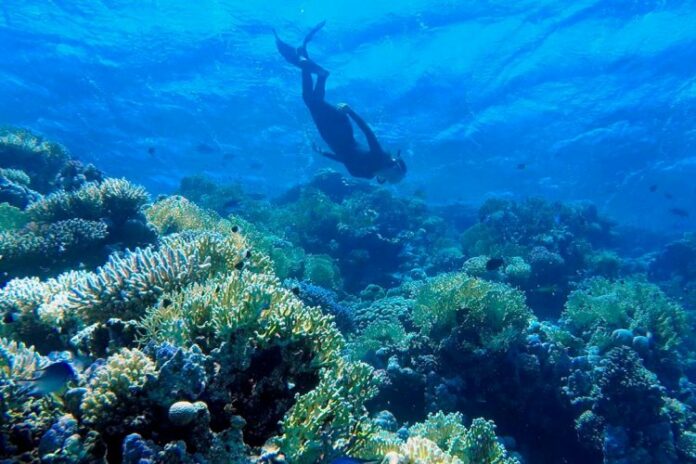
AIMS AI technology helps coral reef monitoring across the Pacific

0

Most coastal communities in the Pacific depend on the ocean for nutrition and livelihoods. Ensuring the long-term sustainability of these resources requires effective management of habitats, such as coral reefs, and sustainable fishing practices.  

ReefCloud, an open-source AI-powered coral reef monitoring platform, developed by AIMS, enables more effective and efficient coral reef monitoring.  

It has automated reporting features that help researchers and conservation practitioners inform policymakers and local decision-makers of important scientific findings.

ReefCloud is integrating additional reporting tools – such as those incorporating fish population data – to broaden ecological insights. 

AIMS Research Team Leader Dr Manuel Gonzalez Rivero said remote Pacific reef systems made regular monitoring difficult. Limited monitoring resources and capacity meant a streamlined and efficient delivery of science was vital for timely reef management.  

With the support of the Australian Government, through the Department of Foreign Affairs and Trade (DFAT), Dr Gonzalez Rivero and his team have been working on the ReefCloud Pacific Program with representatives from Micronesia, Melanesia and Polynesia.

“We want to better understand their monitoring challenges and explore how tools developed and used in Australia can be shared and adapted to strengthen reef monitoring across the Pacific,” he said.

“Standardising data across nations and regions is also an important goal to develop a common understanding on the status and trends of coral reefs at management scales.”

Sea Women of Melanesia director Naomi Longa said by using the AIMS tools to survey a crown-of-thorns starfish outbreak, she was able to provide the Papua New Guinea Government with findings on the impact on coral reefs within 48 hours.

Dr Gonzalez Rivero said the AIMS team was also seeking a better understanding of the needs of practitioners in the community-based management programs.  

In addition to hosting a Pacific regional workshop to share progress, AIMS recently held a workshop with regional experts on supporting community-based management of coral reefs and a ‘training of trainers’ program on coral reef monitoring.

AIMS ecologist Yashika Nand said 10 emerging leaders in reef monitoring participated in the training program which equipped them with the knowledge and skills to train others to use ReefCloud for monitoring.

“It covered everything to do with reef monitoring, starting with designing a monitoring plan to data collection and analysis,” she said.

“We helped the trainers develop a deeper understanding of using AI in coral reef science, and in interpreting and communicating results to drive meaningful change in management strategies.”  

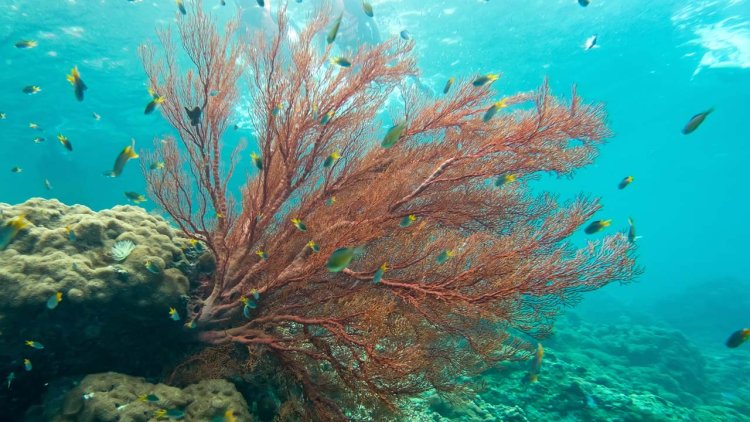
The Australian Institute of Marine Science (AIMS) is collaborating with Pacific Island nations to boost coral reef monitoring by integrating scientific methods with artificial intelligence (AI).

Most coastal communities in the Pacific depend on the ocean for nutrition and livelihoods. Ensuring the long-term sustainability of these resources requires effective management of habitats, such as coral reefs, and sustainable fishing practices. 

ReefCloud, an open-source AI-powered coral reef monitoring platform, developed by AIMS, enables more effective and efficient coral reef monitoring.  

It has automated reporting features that help researchers and conservation practitioners inform policymakers and local decision-makers of important scientific findings.

AIMS Research Team Leader Dr Manuel Gonzalez Rivero said remote Pacific reef systems made regular monitoring difficult. Limited monitoring resources and capacity meant a streamlined and efficient delivery of science was vital for timely reef management.  

With the support of the Australian Government, through the Department of Foreign Affairs and Trade (DFAT), Dr Gonzalez Rivero and his team have been working on the ReefCloud Pacific Program with representatives from Micronesia, Melanesia and Polynesia.

“We want to better understand their monitoring challenges and explore how tools developed and used in Australia can be shared and adapted to strengthen reef monitoring across the Pacific,” he said.

“Standardising data across nations and regions is also an important goal to develop a common understanding on the status and trends of coral reefs at management scales.”

BW Offshore and BW Group to jointly develop floating desalination units

0

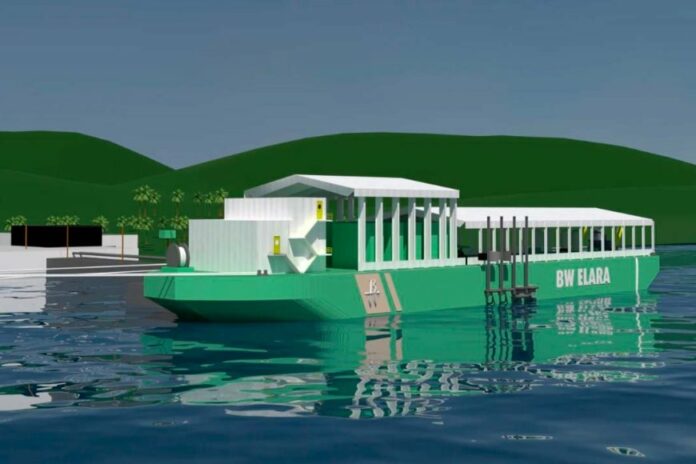
BW Offshore and BW Group have established a 50/50 joint venture entity (JV), BW Elara, to design and build Floating Desalination Units (FDUs), producing fresh water from salt water to address growing global water constraints. The FDUs will combine BW Offshore’s experience from developing over 40 floating production units with BW Water’s 35-year desalination expertise to offer a rapidly deployable fresh water solution.

BW Offshore will oversee the overall FDU project execution, including hull design and construction, and system integration, and will co-invest alongside a company affiliated with BW Group; and BW Water will design and build the desalination plant using its custom-engineered reverse osmosis systems.

Access to fresh water is an emerging global challenge. While permanent infrastructure remains the typical long-term solution, there is a widening gap between immediate water requirements and availability in many areas. This challenge is particularly acute in mid-size municipal and industrial settings, where existing emergency water supply options such as containerised units are insufficient to meet demand, while large onshore desalination plants take too long to address urgent needs.

Developed over the last two years on proven technology, the FDU concept offers a flexible and scalable solution to bridge that gap. A ready-built FDU can be deployed and fully operational within as little as three months from contract signing. The modular unit can supply 20 to 40 million litres of drinking water per day. It is ideal for urgent deployment in response to droughts, delays in land-based desalination projects and temporary industrial demand spikes. The JV sees clear market potential underpinning our intention to develop and operate a multi-regional fleet over time.

“The formation of BW Elara is testament to the wide-ranging capabilities of the BW network, leveraging synergies between our affiliates. This partnership combines BW Offshore’s capabilities with BW Water’s desalination expertise to address the world’s growing fresh water demand”, says Andreas Sohmen-Pao, Chairman of BW Group.

“Applying our extensive offshore engineering and operations expertise to developing new floating transition solutions is a strategic focus area for BW Offshore. Together with BW Water, we will tackle this challenge with innovative solutions, and thereby seek to deliver long-term value,” says Marco Beenen, CEO of BW Offshore.  

“Floating Desalination Units fill a critical gap between emergency relief and long-term infrastructure investments in today’s market for water desalination solutions,” says Matthew White, Executive Chairman of BW Water. “We combine an efficient modular design with a proprietary seawater intake system and a flexible service supply model. Our solution has generated strong interest from potential clients globally in both municipal and industrial sectors.”

MPCC orders four container ship newbuildings with long-term charters

0

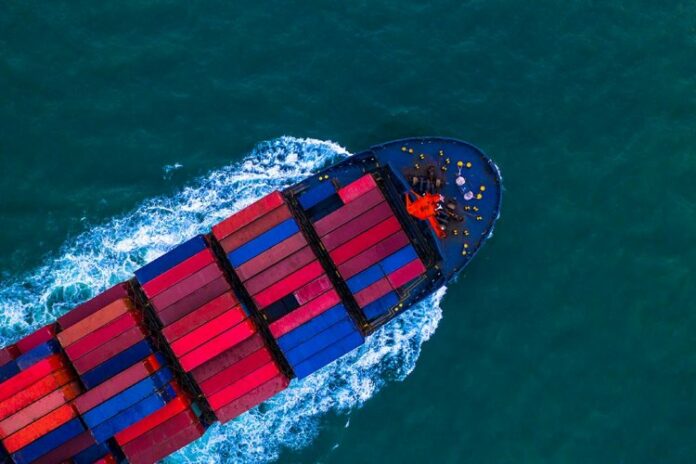
MPC Container Ships ASA has entered into contracts with Jiangsu Hantong Ship Heavy Industry Co. Ltd. in China for the construction of four 4,500 TEU container vessels, scheduled for delivery starting first half of 2028. 

The contract price per vessel is USD 58m and the agreement includes options for two additional vessels at the same price. Each vessel will operate under a 10-year time charter, with extension options, for a leading global liner company. The vessel design and commercial structure were optimized collaboratively with the charterer to ensure an optimal fit for their network, operational profile, and long-term sustainability objectives.

The initial charter period is expected to generate approximately USD 375 million in revenue and around USD 242 million in EBITDA.

The vessels will feature advanced energy-efficient technologies, reducing slot costs by about 50% compared to similar-sized peers. This investment supports MPCC’s ongoing transition to a younger, more efficient, and environmentally compliant fleet, reducing exposure to regulatory and environmental risks.

The project will be financed through a balanced mix of equity and debt, ensuring financial flexibility and maintaining a prudent capital structure.

“Our fleet renewal strategy continues to gain momentum with this latest initiative,” said Constantin Baack, CEO of MPCC. “I would like to thank the teams on both sides for the constructive dialogue and the trustful cooperation over the past months, which has been essential in bringing this project to fruition. With today’s announcement, MPCC has secured 10 newbuildings with attached charters this year, underscoring our ability to deliver value-accretive deals with top-tier partners and strengthen strategic customer relationships – while reinforcing our commitment to long-term shareholder value.”

Damen acquires UK-based I.M.E Group

0

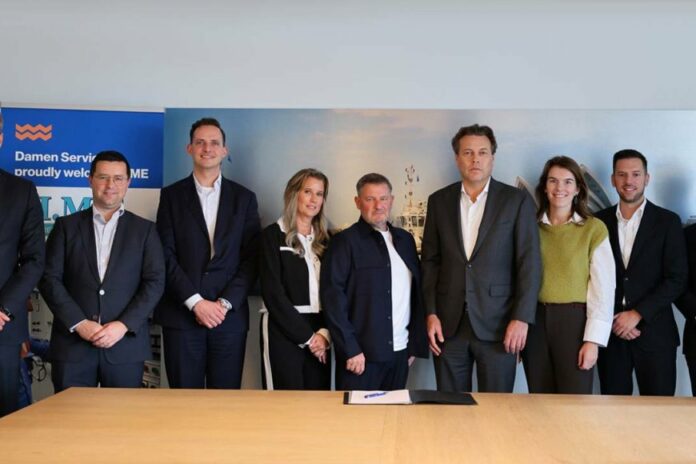
With this step, Damen’s UK customers are assured of access to prompt on-site support, mechanical and electrical engineering, docking services, parts supply, and maintenance for both Damen and non-Damen vessels.

Edwin van der Poel, Director at Damen Services UK, said: “This development demonstrates the close synergy between our two organisations during the past years. We have cooperated well together, growing our relationship and aligning our values and standards. By bringing I.M.E into the Damen Services family, we take the next step in the development of our services offering to our UK-based clients, ensuring them of seamless, round-the-clock support they can count on.”

Paul Langford, Founder and Managing Director of I.M.E, said: “From the very beginning, our collaboration with Damen Services and Michael Nolan, Service Hub Manager UK, has felt like a natural fit. We share a commitment to quality, responsiveness, and putting the customer first. Becoming part of the Damen Services family is a great step for us at I.M.E, and we’re excited to continue delivering exceptional service, now with even greater reach and resources behind us.”

Damen opened its UK Service Hub in 2021 with the aim of providing lifecycle support to operators of Damen vessels in the region. The company operates a global network of such hubs, offering its clients fast and reliable local services. 

When planning to open its UK Service Hub, Damen Services selected the strategic location of Southampton due to its proximity to the marine traffic and large number of work boats in the English Channel area.

As is the practice of Damen Shipyards Group in its international operations, the Service Hub aimed to work, wherever possible, with local suppliers. This brought Damen Services into frequent contact with I.M.E, the two parties sharing a number of clients in common. 

Founded in 2006, I.M.E specialises in the provision of 24/7 repair and maintenance support to clients in the maritime and energy sectors. Its services cover everything from day-to-day breakdowns to turnkey projects. 

In 2023, the close cooperation between Damen Services and I.M.E led to the two companies signing an MoU. With this, Damen Services received access to I.M.E’s facilities, including office space, workshop, yard and equipment, and was able to grow its service operations in the UK.

Delineation of the Zagato oil discovery in the Barents Sea

0

The well was drilled just north of the Goliat field, 90 kilometres from Hammerfest.

The discovery, which was made in production licence 229, is estimated at between 2.8 and 10.1 million standard cubic metres of recoverable oil equivalent (Sm3 o.e.). This corresponds to between 18 and 64 million barrels.

The licensees are considering tying the discovery back to existing infrastructure on the Goliat field.

Exploration well 7122/8-4 S is the 13th well drilled in the production licence, which was awarded in the Barents Sea Project in 1997.

The well was drilled by the COSL Prospector rig.

The discovery was proven in Lower Jurassic/Upper Triassic reservoir rocks in the Realgrunnen Subgroup and in Middle Triassic reservoir rocks in the Kobbe Formation earlier this year. Before well 7122/8-4 S was drilled, the operator’s resource estimate for the discovery was between 2.4 and 9.7 million Sm3 of recoverable oil equivalent (o.e.).

The objective of the well was to delineate the 7122/8-3 S (Zagato) discovery in Lower Jurassic-Upper Triassic and in Middle Triassic reservoir rocks in the Realgrunnen Subgroup and the Kobbe Formation, respectively.

Well 7122/8-4 S encountered an 11-metre oil column in the Tubåen Formation in the Realgrunnen Subgroup in reservoir rocks totalling 8.5 metres with good reservoir quality. The oil/water contact was encountered 1523 meters below sea level.

Additional reservoir rocks were encountered in the Kobbe Formation totalling 48 metres with moderate reservoir quality, but the reservoirs were aquiferous.

An 80-metre oil column was also proven in the Klappmyss Formation in sandstone layers totalling 1 metre with poor reservoir quality. The oil/water contact was not encountered.

The well was not formation-tested, but extensive data acquisition and sampling were carried out.

Appraisal well 7122/8-4 S was drilled to respective measured/vertical depths of 2986/2793 metres below sea level, and was terminated in the Klappmyss Formation in the Lower Triassic.

Water depth at the site is 406 metres, and the well has been permanently plugged and abandoned.

ESL Shipping upgrades fleetwide connectivity

0

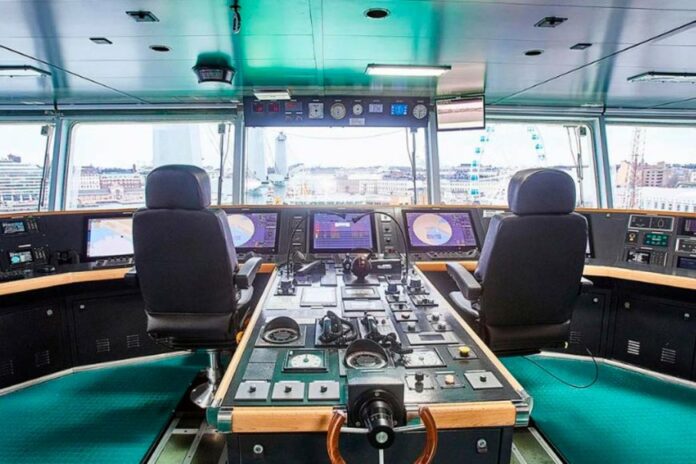
The solution, delivered by Pentonet, leverages Low-Earth Orbit (LEO) satellite technology and mobile networks to deliver robust, high-speed communications at sea. The solution is independent of any single service provider, ensuring flexibility and future scalability.

The initiative marks a milestone in ESL Shipping’s long-term strategy to improve operational efficiency, data-driven decision-making, and overall fleet connectivity. The rollout was preceded by extensive pilot testing, which demonstrated measurable improvements in bandwidth, reliability, and system resilience.

“Reliable internet connectivity is a necessity for modern shipping operations. This new system enables real-time data exchange, remote diagnostics, and enhanced integration with shore-based systems, supporting both operational and strategic goals,” says Janne Eklöf, Technical Director of ESL Shipping.

The collaboration with Pentonet has been instrumental in ensuring seamless integration and performance optimisation. Pentonet has taken a leading role in the technical implementation, coordinating efforts across multiple technology partners.

“Our solution is tailor-made to ESL Shipping’s requirements, ensuring secure, reliable, and future-proof connectivity across their entire fleet”, says Darryn Trowell, CEO & Founder of Pentonet.

In addition to operational benefits, improved connectivity also supports crew welfare. Enhanced internet access enables better communication with loved ones, access to digital services, and opportunities for remote learning and support, contributing to a healthier and more connected onboard experience.

Orsted claims completion of global green transformation

0

Ørsted has delivered on its industry-leading decarbonisation target, transforming from one of Europe’s most fossil-fuel-intensive utilities to a market leader in offshore wind.

Renewable energy now accounts for 99 % of the company’s energy production, while its scope 1 and 2 emissions intensity has been reduced by more than 98 % compared to 2006. As Ørsted will meet its 2025 target, it will become the world’s first energy company to complete a green transformation from fossil fuels to renewable energy.   

“Decarbonisation is at the heart of Ørsted. We were founded on a promise to deliver green, affordable, and secure energy to governments around the world, and over the past years, we’ve built 18,5 GW of renewable energy. In parallel, we’ve delivered on our own green transformation. With a 99 % renewable energy share and 98 % emissions reduction in line with science, we’re pleased to share that Ørsted’s green transformation is effectively complete,” says Ingrid Reumert, Senior Vice President for Global Stakeholder Relations at Ørsted.  

“As the past ten years are the warmest on record, emissions reductions across societies are more important than ever. We’ll continue to build out offshore wind in our core markets and will take the next steps in our decarbonisation journey with a focus on reducing our upstream and downstream carbon emissions towards 2040,” says Reumert. 

Ørsted has reached this major milestone on its net-zero journey through a combination of several levers: deploying offshore wind power and other renewable energy sources, closing coal-fired combined heat and power plants and converting the remaining plants to certified sustainable biomass, divesting oil and gas activities, electrifying the vehicle fleet, and covering its own electricity consumption with renewable electricity certificates.   

Going forward, Ørsted will collaborate with partners and continue to systematically drive down its emissions across the full value chain (scopes 1-3) towards its science-based 2040 net-zero target. A net-zero road map has been established, including efforts to decarbonise remaining emissions from e.g. steel, copper, and maritime fuels.  

Ørsted’s decarbonisation landmark comes at a pivotal moment, as COP30 unfolds in Brazil and the world struggles to meet the climate targets set out in the Paris Agreement.

“This COP is about action. Rapid electrification through renewables is key to meeting climate targets. But in order to scale technologies such as offshore wind, governments need to provide predictability, attractive frameworks and certainty. In return, industry can unlock the investments needed to meet governments’ climate targets and help shape a clean, secure and affordable energy future,” says Reumert.

Equinor transfers operatorship of Peregrino to PRIO

0

Equinor has received a total payment of USD 2.33 billion for its 40% operated interest. After adjustment for a deposit paid by PRIO and cashflow received by Equinor after the effective date of the transaction, Equinor has received USD 1.55 billion at closing. The deposit of USD 335 million paid by PRIO at signing relates to both the 40% and 20% transactions.

“With the closing of this part of the transaction we are handing over operatorship of Peregrino to PRIO and realising significant value for Equinor. The deal is part of our ongoing effort to high-grade our international portfolio, by divesting more mature assets to redeploy capital to assets with greater robustness and more long-term value potential. Brazil remains a core area for Equinor and just last month we started production from Bacalhau, our largest international offshore field, and acquired two exciting exploration blocks in the Campos basin,” says Philippe Mathieu, executive vice president for Exploration and Production International at Equinor.

The Peregrino field, located in the Campos Basin east of Rio de Janeiro, has been a cornerstone of Equinor’s international portfolio since production began in 2011. Over the years, the field has produced approximately 300 million barrels of oil and has been a significant contributor to Equinor’s growth in Brazil.

“I want to express gratitude to our employees, partners and suppliers for their contribution to the success of Peregrino over the years. Equinor’s journey in Brazil continues with full momentum with Bacalhau, our Raia gas project, our partnership with Petrobras in Roncador and our growing exploration and renewables portfolio,” says Veronica Coelho, senior vice president and country manager for Equinor Brazil.

In May 2025, Equinor also signed a contract for the sale of the remaining 20%, which is subject to certain conditions precedent. Equinor will continue as a non-operated partner until the closing of the remaining 20% share is completed. A further payment is expected at closing of that transaction.

Successful delivery of Damen dredging component packages for TSHD constructions

0

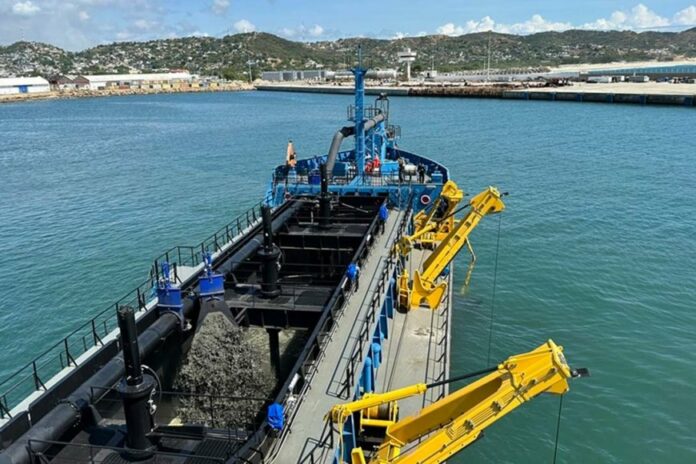
These vessels, which are being constructed at different shipyards in Central America, where two of them have already successfully undergone various dredge trials and have been accepted by the customer, while the remaining two are expected to be finished in 2026. 

The TSHDs are equipped with a state-of-the-art dredge package designed and manufactured by Damen. Each package includes a 700 millimetre trailing suction pipe designed to operate at depths of up to 25 metres, a powerful dredge pump, and a bow coupling unit for efficient material discharge. Additional features such as overflows, bottom dump valves, jet water pumps, nozzles, and advanced dredge monitoring instrumentation ensure optimal performance and reliability during dredging operations.

Horacio Delgado Bravo, Damen Sales Manager, commented, “The successful cooperation with all parties involved has been instrumental in the completion of these vessels. We are proud to contribute by delivering fit-for-purpose dredging systems, entirely designed and manufactured in the Netherlands. This high-quality dredging gear ensures the success of the vessels for decades to come. Furthermore, this is another example of Damen Technical Cooperation’s concept, under which Damen contributes to the development of local shipbuilding.”

The identical 2,800 m3 TSHDs, though of a non-Damen design, are fitted with complete Damen dredge packages including both hopper loading as well as discharging gear. Discharge operations can be performed using the dump valves, pumping or rainbowing over the bow. These hopper dredgers are set to play a crucial role in maintaining port access, supporting local economies, and performing essential tasks such as land reclamation and beach replenishment. 

All dredge packages were manufactured at the Damen Dredging Equipment yard in Nijkerk, the Netherlands, and shipped to the various yards for installation. This international effort underscores Damen’s commitment to delivering high-quality and reliable dredging solutions to its clients worldwide. The successful completion of the TSHDs demonstrates Damen’s ability to deliver complex projects on time and to the highest standards, further solidifying its reputation as a leading provider of dredging equipment packages and services.