5.5 C
New York
Home Blog Page 1260

Singaporeans secure Hornsea 2 topside double

0

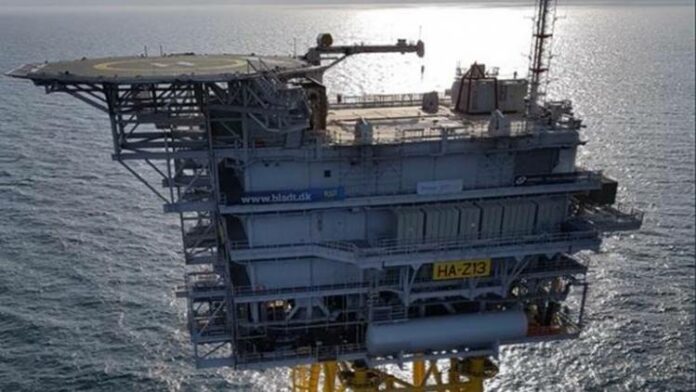
Singapore outfit Sembcorp Marine has secured a contract for the engineering, procurement, construction, installation and commissioning of two topsides for the offshore substations at Orsted's 1400MW Hornsea 2 wind farm off the east coast of England.

The contract, which is with Orsted Wind Power subsidiary Optimus Wind, will see the topsides fabricated at Sembcorp Marine’s integrated yard facilities for delivery in the first quarter of 2021.

The combined weight of the structures will be 8700 tonnes, Sembcorp said.

Sembcorp Marine head of offshore platforms Samuel Wong said: “Sembcorp Marine is honoured to have the customer’s trust in our ability to deliver the topsides safely, on time and with the desired quality.”

We are very grateful to Orsted and Optimus for the contract, and for the opportunity to progress further in the competitive offshore renewable energy market.

Source:renews

Fugro enters next generation

0

Fugro has signed a joint development agreement with autonomous vessel technology company L3 ASV.

The organisations will work together on a variety of fit-for-purpose unmanned surface vessels (USVs) as part of the deal.

The delivery of the first USV is expected in the second quarter of 2019 and will be for medium-to-large-scale hydrographic survey applications.

Fugro innovation marine director Wim Herijgers said: “We believe that over time a significant portion of our marine business can be optimised through the use of autonomous and remote technology, and we are very excited that we have reached an agreement with L3 ASV.”

This partnership aligns with our strategy to leverage technology to reduce offshore staff exposure and make our operations more efficient.

L3 ASV sales and marketing director Vince Dobbins said: “We are delighted to join forces with Fugro, combining our unmanned vessel expertise with their unrivalled global survey capability.”

This partnership will generate a wave of change throughout the entire marine survey industry, offering new ways to collect more data, more efficiently and safely.

Source:renews

Dubai sues China’s Merchants Port

0

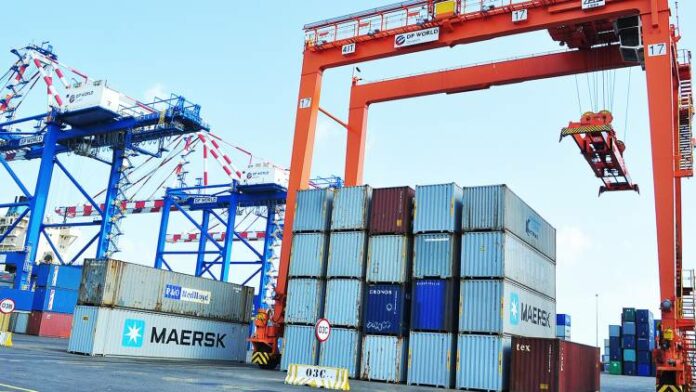
United Arab Emirates’ (UAE) DP World Limited and its subsidiaries has taken legal action against China for building an international free zone on a terminal being disputed with Djibouti.

The lawsuit was filed in the High Court of Hong Kong for unlawfully procuring and inducing the Republic of Djibouti to breach various agreements between the African country and DP World.

In the lawsuit, DP World sought damages, interest, and a declaration that China Merchants unlawfully procured and/or induced Djibouti’s breaches of its agreements with DP World.

When the contract between DP World Limited and the Republic of Djibouti was signed, both parties seemed happy and satisfied with the business deal and pledged to respect the terms of the agreement.

Under these agreements, Djibouti granted DP World Limited exclusive rights over port and free zone facilities within Djibouti, including container handling facilities, and DP World constructed, developed, and managed a state-of-the-art container terminal at Doraleh (“Terminal”) that is jointly owned by DP World (33,34 perent) and a Djibouti state-owned entity, PDSA (66,66 percent).

In 2013, China Merchants bought 23,5 percent of PDSA from Djibouti.

China, which has the only foreign military base near the Red Sea terminal, developed and financed the free trade zone as it considers Djibouti an important part of its $1 trillion “Belt and Road” global investment initiative.

DP World said its concession agreement over the terminal “remains in force” and warned that the “illegal seizure of the facility does not give the right to any third party to violate the terms of the concession agreement.” DP World Limited, operates 78 ports in more than 40 nations.

UAE ports operator DP World Limited has vowed to continue defending its rights as a shareholder in Djibouti’s Doraleh Container Terminal, after it was nationalised.

In a statement the government of Dubai said: “DP World will continue to pursue all legal means to defend its rights as a shareholder and concessionaire in Doraleh Container Terminal in the face of Djibouti’s blatant disregard for the rule of law and respect for commercial contracts.”

The president of Djibouti enacted a decree on September 9 purporting to transfer the private entity Port of Djibouti’s shareholding in the Doraleh terminal to the country’s government.

The move to nationalise the terminal and escalate the battle with the UAE company comes after a UK tribunal ruled that Djibouti’s cancellation in February of DP World’s contract to run Doraleh terminal was unlawful.

On August 31, the High Court of England and Wales issued an injunction against the Port of Djibouti ordering it not to wrest control of the terminal from DP World, or act as if the joint venture agreement with the port operator had been terminated.

DP World said the transfer of ownership to the government of Djibouti appeared to have been made in an attempt to “flout” the injunction.

Investors across the world must think twice about investing in Djibouti and reassess any agreements they may have with a government that has no respect for legal agreements and changes them at will without agreement or consent.” said the Dubai company.

In ‘violation’ of DP World’s exclusivity rights, Djibouti has in recent years partnered with China Merchants to construct, develop, and/or operate six new ports and free zones within Djibouti.

Source:hellenicshippingnews

DSME hopeful of finally getting delayed payment for drill ships from Sonangol

0

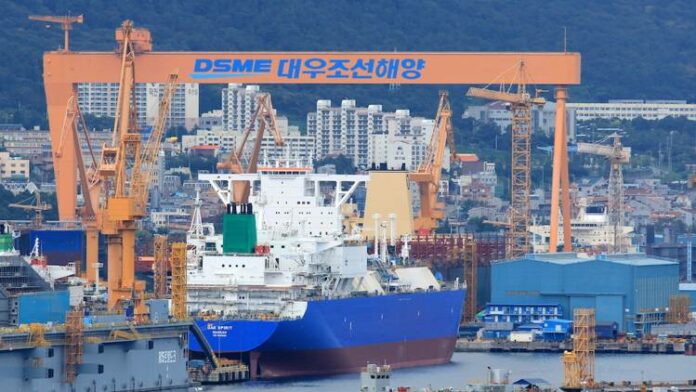
Daewoo Shipbuilding & Marine Engineering (DSME), South Korea’s second-largest shipbuilder, has gotten its hopes up to finally receive the delayed payment of near $1 billion from Sonangol EP for two drill ship orders from the Angolan state oil firm.

According to industry sources on Sunday, Rosário Isaac, executive administrator and director of Sonangol, and other key board members last week visited the Korean shipbuilder’s Geoje shipyard. It marks the first visit by the firm’s top board members after a management reshuffle alongside a power transition that brought an end to the 38-year ruling of José Eduardo dos Santos last year.

DSME and Sonangol entered negotiations over when to deliver the two drill ships worth $1.24 billion in return for the payment of remaining dues.

A DSME official said the shipbuilder is more likely to recover the unpaid receivables from Sonangol with ship delivery in the first half of next year with situational changes such as the inauguration of the new administration, replacement of Sonangol’s leadership team and high oil prices.

DSME won the order to build the two drillers for the Angolan state firm for $1.24 billion in 2013. Upon signing the deal, the Korean shipbuilder received 20 percent or $250 million of the total contract value in advanced payment. Under the so-called heavy tail contract terms where a shipbuilder makes larger payment in the final phase of the building process, DSME should receive the remaining $990 million upon delivery.

But the delivery has been delayed as Sonangol struggled under low oil prices and weak demand, while its government had to seek a rescue fund from the International Monetary Fund.

Sonangol’s payment will be a big relief to the shipbuilder but it remains to be seen how much of the remaining dues will be recovered as the drill ship price already fell 30 to 40 percent from the time the contract was made.

Source:hellenicshippingnews

Wärtsilä’s Fully Integrated Scope Chosen For Largest LNG Fuelled High-Speed Catamaran

0

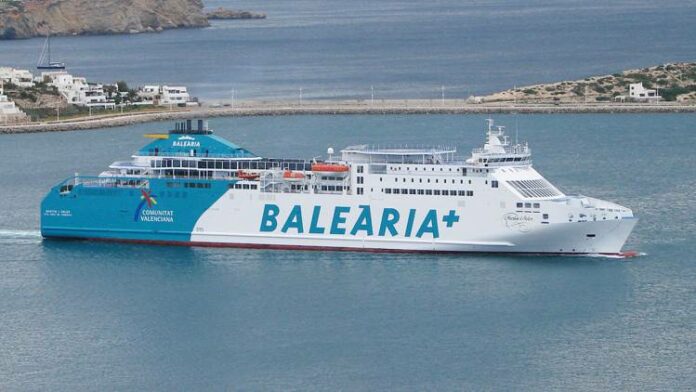
The largest ever high-speed catamaran, which will operate on LNG fuel, will feature a fully integrated scope of supply from the technology group Wärtsilä. The 125 metres long vessel is being built at the Armon Gijón shipyard in Spain for Spanish ferry operator Baleària. The order with Wärtsilä was booked in Q2, 2018.

The ability of Wärtsilä to deliver a fully integrated scope, including the engines, the waterjets, and the LNG fuel storage and supply system, together with all the related auxiliary systems, was an important option for both the owner and shipyard.

High efficiency, reduced operating costs, and environmental sustainability were the key values in the design of this exciting new high-speed ferry. Wärtsilä has a strong focus and excellent track record in all these areas, as well as unique integration capabilities. This project redefines the conventional standard for this type of vessel, enabling ‘greener’ operations and lower lifecycle operating costs. We have worked closely in the past with both the yard and the owners, and we are proud to be once again their vessel solutions provider,” says Stefan Wiik, Vice President, Marine Power Solutions, Wärtsilä.

This ferry will very much shape the future for high-speed, gas powered, catamarans and trimarans. This completely new design, which optimizes the performance of the ship, not only in terms of speed but also in seakeeping, and which utilises Wärtsilä’s LNG technology, makes this a breakthrough vessel. The use of LNG allows us to fulfil our commitment to the environment and to energy efficiency, while also keeping us one step ahead of the new pollutant gas reduction regulations scheduled for 2020,” says Juan M. Paino, CTO of Armón.

Baleària’s strategic commitment to LNG responds to criteria of social responsibility and economic profitability. The axiom, less pollution, greater economic profitability, works fully with liquefied natural gas,” says the CEO of Baleària, Adolfo Utor,

The vessel will operate on four highly efficient Wärtsilä 31DF dual-fuel engines, four Wärtsilä waterjets, and the Wärtsilä LNGPac fuel gas storage and supply system. It will have a service speed of 35 knots, and a top speed of more than 40 knots. The storage tanks give the ferry a range of 400 nautical miles. The equipment is scheduled for delivery to the yard in the latter half of 2019.

When delivered, the ferry will be capable of carrying 1200 passengers and 500 cars, or trucks covering a length of 500 metres plus 250 cars. Baleària will invest 90 million euros in the construction of this fast ferry, which is scheduled to start the aluminum cut next December and to enter into service in the summer of 2020.

Press Release

Simon Møkster PSV takes part in NATO exercise

0

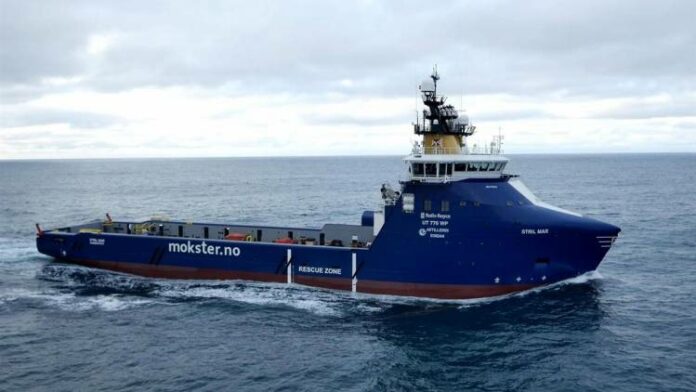
Stril Mar, a Simon Møkster-owned PSV, is participating in a NATO exercise to trial using civilian vessels to support military operations.

As part of the exercise 'Trident Juncture', Stril Mar’s civilian crew will be joined by a military crew from the Royal Norwegian Navy’s Maritime Combat Service Support unit.

The large-scale exercise started on 25 October and concludes on 7 November. It involves 50,000 participants from 31 NATO and partner countries, and involves 65 vessels, 250 aircraft and up to 10,000 vehicles. It is taking place in Norway and surrounding areas including the North Atlantic and the Baltic Sea.

Stril Mar’s role in Trident Juncture is to trial the Ship Taken Out of Trade concept, in which a civilian vessel is taken out of its normal role to support military operations at sea. Is being used as a platform for maintenance, fuel supply and logistics support in the exercise.

MARCSS Kommandør Kaptein Frode Staurset said “To be able to test this capacity during Trident Juncture will enable the armed forces to support vessels that are in operation in a better way.”

Immediately, we will test the preparedness and civil society's ability and willingness to support the armed forces in the framework of the total defence.”

Delivered in March 2016, Stril Mar is built to a Rolls-Royce UT776 WP design and measures 91 m in length by 20 m in breadth with a dwt of approximately 5000.

Source:osjonline

Untrained staff is the greatest cyber risk, report finds

0

According to Willis Towers Watson and ESI ThoughtLab, the vast majority of companies (87%) consider untrained staff as their greatest cyber risk. Untrained staff is believed to be one of the categories where the least progress has been observed.

The research also concluded to the most common types of attacks, which are:

  • Malware/spyware (81%);
  • Phishing (64%);
  • External unsophisticated hackers (59%);
  • Cyber criminals (57%).

Moreover, according to the survey, a company’s threat perception varied based on the firm’s cyber security awareness. Namely, those who give a lot of attention to cyber security focus more on “Hacktivists” (52%) and malicious insider threats (40%), while cyber security beginners spend more time focusing on external threats (42%), such as partners, vendors, and suppliers.

In addition, regarding cyber resiliency, or processes after a cyber incident, cyber security leaders invest more in cyber resilience in comparison to their beginner counterparts. In fact, cyber security leaders, invest more cyber security resilience, spending 18% of the cyber budget in recovery, with cyber security beginners spending 14%.

Th study also found some other key highlights, which are as follows:

  • 91% of cybersecurity leaders feel their investment is enough to meet their needs;
  • 33% of cybersecurity beginners view their investment as enough to meet their need;
  • 73% of companies plan to use behaviour analytics as a cyber security tool over the next two year;
  • 80% of companies have at least a small amount of cyber security insurance.

Commenting on the study, Anthony Dagostino, global head of cyber risk, Willis Towers Watson, mentioned:"Leaders in cybersecurity are devoting significant resources towards protecting IT and risk functions within their organisations against external threats, but employee processes and training as well as corporate culture play a more integral role than many realize."

Source:safety4sea

EMSA: 25% of accidents on Ro-Ros are fire related

0

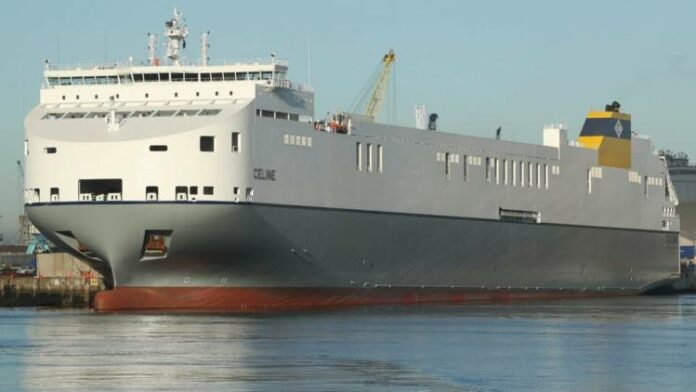
According to EMSA data, the last seven years, 3,236 Ro-Ro accidents were reported out of which 25% are fire related, 19% collisions and 16% are attributed to loss of control. Assessing risks before starting an operation is a critical step, EMSA notes, highlighting lessons learned from Ro-Ro analysis.

Namely, EMSA created an infographic analyzing the operation of Ro-ROs in which EMSA notes that from 2011 until 2018 3236 accidents regarding Ro-Ros have been reported, of which 25% are fire related.

In fact, there are three main types of accidents that have taken place in Ro-Ros:

  • Fire related – 25%;
  • Collisions – 19%;
  • Loss of control – 16%

The findings of the analysis concerning safety focus on:

  • Working practises

When analyzing the causes of the accidents, EMSA noted that they occur because of incorrect executions such as mooring, navigation and watchkeeping. Moreover, miscommunication is another factor that causes accidents in cases such as the process of loading and unloading between the bridge and the garage of the ro – ro ships.

  • Safety assessment & planning

Knowing the risks before starting an operation is crucial as this is a key factor that could contribute to occupational accidents. Examples are easily found when loading forklift trucks, maintenance works by crew in enclosed spaces and navigational planning when entering a port

  • Securing vehicles

Inadequate procedures to load and secure vehicles as well as to ensure they disembark safety from a ship’s ramp is another common contributing factor

  • Familiarisation

The factor of inexperience such as lack of knowing the ship, its characteristics and duties could cause accidents. An inexperienced master may face several difficulties when trying to anchor a ship in difficult weather conditions

  • Situational awareness

Situational awareness is  important to prevent dangerous situations, such as grounding or collisions. In addition, in order to ensure safe the proper collection, processing and prioritisation of information from many sources is important.

  • Design & ergonomics

Low safety standards in hardware design are a common factor to accidents, such as a missing safety barrier at the top of an hydraulic oil tank. Infrastructure ergonomics and poor equipment causes crew members not to perform efficiently.  The design of a bridge and its appliances is an often cited problem.

  • Safety recommendations

Finally, the safety recommendations mainly aim to alert the safety barriers for fire detection, fire fighting and cargo operations.

You may see more information in the following infographic
Source:safety4sea

USCG allows tankers to operate certain automatic pilot systems

0

The US Coast Guard published a Final Rule in the Federal Register, allowing tankers with automatic pilot systems that meet certain international standards to operate using those systems in shipping safety fairways and traffic separation schemes. The rule will apply from December 5, 2018.

This rule removes the previous regulatory restriction and updates the technical requirements for automatic pilot systems.

Prohibiting the use of autopilots creates regulatory burdens for both industry and the USCG, as tanker owners and operators must apply for deviations from the prohibition.

USCG grants those deviations on a case-by-case basis and, since 2013, has issued around 35 deviations to allow tankers to operate specific IEC and IMO compliant autopilots in fairway or TSS waters within specific Captain of the Port (COTP) zones.

The new rule amends allow tankers equipped with specific IEC-compliant autopilots to use those systems in fairway and TSS waters without needing to apply to individual COTPs for deviations, and without the need for COTPs to ensure IEC compliance and issue deviations.

This action aims to cut the current burdens on industry applying for deviations and the US Coast Guard granting those deviations that are no longer necessary because of advances in technology.

What is more, USCG expects that this rule will improve maritime safety because the autopilots in question offer better precision and navigational safety than conventional autopilots and even human steering.

Lastly, by implementing industry standards, this rule compies with Executive Order 13609 (Promoting International Regulatory Cooperation), which encourages international regulatory cooperation to reduce, eliminate, or prevent unnecessary difference in regulatory requirements.

This final rule will be effective as from December 5, 2018.

Source:safety4sea

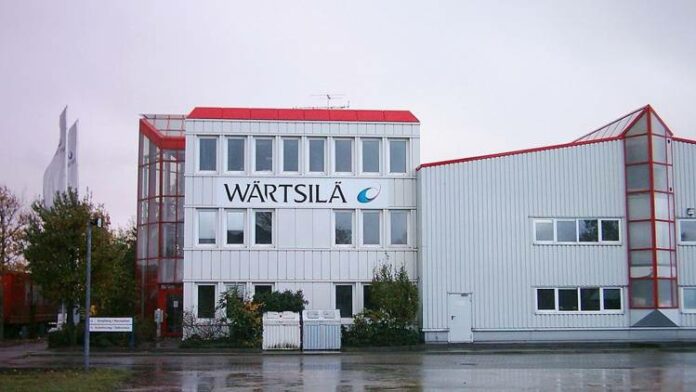
Wärtsilä is developing a roadmap for localization of its equipment manufacture in Russia

0

Wärtsilä is developing a roadmap for localization of its equipment manufacture in Russia, Vitaly Konovalov, Sales Director of Wärtsilä Vostok, said at 2nd LNG Fleet and LNG Bunker in Russia Conference organized by IAA PortNews.

We are in negotiations with different Russian companies concerning localization. Several agreements of intent have been signed, the work on a roadmap is underway”, said Vitaly Konovalov. 

The first step of Wärtsilä was to launch local manufacture of frames for diesel-generator sets based on Wärtsilä 20 engines. Besides, Wärtsilä used generators of Russian origin to produces diesel-generator sets as part of some Russian projects.

According to Vitaly Konovalov, the company’s competence covers LNG technologies for offshore and onshore systems. 

Our company can manufacture and supply equipment for LNG powered, LNG bunkering and LNG carrying ships. We build different LNG terminals of small and medium capacity, floating power plants running on LNG and different storage systems for LNG. We also supply ship propulsion units running on LNG, dual-fuel diesel generators for power plants. We design and build LNG terminals for power plants and mini-plants producing LNG”, he said.

Wärtsilä Vostok LLC is designing a factory fishing trawler with length of 121 meters, width of 21 meters and displacement of over 5,000 tonnes. The ship will be built by Yantar shipyard for Fishing Collective Farm named after V. Lenin. That will be the largest fishing freezer trawler ever built by a Russian shipyard.

Wärtsilä is a global leader in smart technologies and complete lifecycle solutions for the marine and energy markets. By emphasising sustainable innovation, total efficiency and data analytics, Wärtsilä maximises the environmental and economic performance of the vessels and power plants of its customers. In 2017, Wärtsilä’s net sales totalled EUR 4.9 billion with approximately 18,000 employees. The company has operations in over 200 locations in more than 80 countries around the world. Wärtsilä is listed on Nasdaq Helsinki.

Source:portnews