4.5 C
New York
Home Blog Page 1252

Pirates Attack LNG Carrier in Gulf of Guinea

0

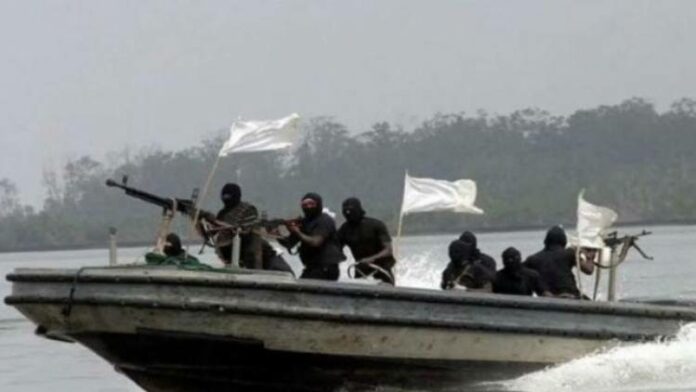
On November 6, pirates pursued and fired on an unnamed LNG tanker in the Gulf of Guinea. 

At about 0600 hours UTC, nine pirates in a speedboat approached the vessel at a position about 30 nm southwest of Bonny, Nigeria, an oil and gas production hub in the Niger River Delta. The attackers opened fire on the vessel and made several attempts to get close, but the master sped up and took evasive maneuvers. The pirates ultimately abandoned the attack and departed. 

According to maritime security firm AKE, LNG carriers' double-walled, insulated tanks are not vulnerable to small arms fire. The ICC IMB reports that the vessel and crew are safe. 

Piracy is unfortunately common in the Gulf of Guinea, especially off the coast of the Niger River Delta. Kidnap-for-ransom is the most common type of attack, and according to Oceans Beyond Piracy, 100 seafarers were kidnapped in the waters off the Gulf of Guinea last year.

Last month, pirates abducted 11 crewmembers from the container ship Pomerania Sky as she was headed for the port of Onne, Nigeria. Those abducted included eight from Poland, two Filipinos and a Ukrainian. Nine crew members remained on board the vessel and brought her safely into port. 

In September, pirates kidnapped 12 crewmembers from the Swiss bulk carrier Glarus in Nigerian waters. The vessel was carrying wheat between Lagos and Port Harcourt in the Niger Delta, and the attack happened about 45 nm southwest of Bonny Island. The pirates reportedly used long ladders and cut the razor wire on deck to gain access to the vessel.

Source:maritime-executive

IEA: Government Policy Critical Driver for Global Energy Future

0

At a time when geopolitical factors are exerting new and complex influences on energy markets, the World Energy Outlook 2018 published by the International Energy Agency (IEA) states that government policy will be critical to the future shape of the energy sector.
 
While the geography of energy consumption continues its historic shift to Asia, the report finds mixed signals on the pace and direction of change. Oil markets, for instance, are entering a period of renewed uncertainty and volatility, including a possible supply gap in the early 2020s. Demand for natural gas is on the rise, erasing talk of a glut as China emerges as a giant consumer. 
 
In all scenarios proposed, governments will have a critical influence in the direction of the future energy system. Under current and planned policies, modeled in the New Policies Scenario, energy demand is set to grow by more than 25 percent to 2040, requiring more than $2 trillion a year of investment in new energy supply.
 
Our analysis shows that over 70 percent of global energy investments will be government-driven and as such the message is clear – the world’s energy destiny lies with government decisions,” said Dr. Fatih Birol, the IEA’s Executive Director. “Crafting the right policies and proper incentives will be critical to meeting our common goals of securing energy supplies, reducing carbon emissions, improving air quality in urban centers and expanding basic access to energy in Africa and elsewhere.”
 
The analysis shows oil consumption growing in coming decades, due to rising petrochemicals, trucking and aviation demand. But meeting this growth in the near term means that approvals of conventional oil projects need to double from their current low levels. Without such a pick-up in investment, U.S. shale production, which has already been expanding at record pace, would have to add more than 10 million barrels a day from today to 2025, the equivalent of adding another Russia to global supply in seven years – which would be an historically unprecedented feat.
 
In power markets, renewables have become the technology of choice, making up almost two-thirds of global capacity additions to 2040, as a result of falling costs and supportive government policies. This is transforming the global power mix, with the share of renewables in generation rising to over 40 percent by 2040, from 25 percent today, even though coal remains the largest source and gas remains the second-largest.
 
The expansion of renewables brings a new set of challenges that policy makers need to address quickly. With higher variability in supplies, power systems will need to make flexibility the cornerstone of future electricity markets. The issue is of growing urgency as countries around the world are quickly ramping up their share of solar PV and wind, and will require market reforms, grid investments, as well as improving demand-response technologies, such as smart meters and battery storage technologies.  
 
Electricity markets are also undergoing a unique transformation with higher demand brought by the digital economy, electric vehicles and other technological change. The analysis finds that higher electrification would lead to a peak in oil demand by 2030 and would reduce a harmful local air pollutant. But it would have a negligible impact on carbon emissions without stronger efforts to increase the share of renewables and low-carbon sources of power.

Most emissions linked to energy infrastructure are already essentially locked-in. In particular, coal-fired power plants, which account for one-third of energy-related CO2 emissions today, represent more than a third of cumulative locked-in emissions to 2040. The vast majority of these are related to projects in Asia, where average coal plants are just 11-years-old on average with decades left to operate, compared with 40 years on average age in the U.S. and Europe.
 
We have reviewed all current and under-construction energy infrastructure around the world – such as power plants, refineries, cars and trucks, industrial boilers and home heaters – and find they will account for some 95 percent of all emissions permitted under international climate targets in coming decades,” said Birol. “This means that if the world is serious about meeting its climate targets then, as of today, there needs to be a systematic preference for investment in sustainable energy technologies. ”

But we also need to be much smarter about the way that we use our existing energy system. We can create some room for maneuver by expanding the use of Carbon Capture Utilization and Storage, hydrogen, improving energy efficiency, and in some cases, retiring capital stock early. To be successful, this will need an unprecedented global political and economic effort.

Source:maritime-executive

Scots Crown all ears to tenant views

0

Crown Estate Scotland is seeking feedback from its energy and infrastructure tenants across the country on what it does well and what it can improve.

The study is being carried for Crown Estate Scotland by independent organisation Research Resource and a summary of the key results will be made available to the public following completion.

It will ask tenants about communication, service, what challenges their business face more generally and where there may be room for improvement. The surveys are anonymous and tenants have until mid-December to complete them.

Crown Estate Scotland head of marine Colin Palmer said: “Through ensuring that businesses and communities can live, work and thrive on the assets that we manage, Crown Estate Scotland plays a unique role in supporting Scotland’s economic development.

We also work with companies from some of the most innovative industries which are helping drive the transition to a low carbon economy.

To provide great tenant service, it’s vital that we understand the needs and views of our tenants, so I’d really encourage our tenants to complete the survey.”

Source:renews

Dutch on board for Merkur finale

0

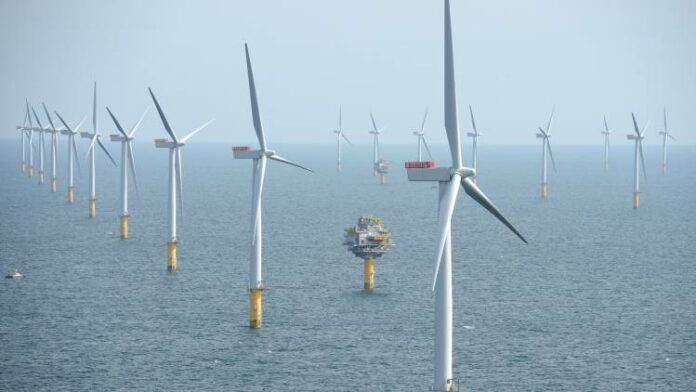
Dutch outfit Marine Coordination Services has secured a contract for work during the commissioning phase of the 396MW Merkur offshore wind farm in the German North Sea.

The company said it will carry out all operational marine coordination activities during commissioning.

As a newcomer to the Dutch market, it is our biggest challenge to gain the confidence of the international industry. It is fantastic that, at this stage, a player like Merkur Offshore has so much confidence in our know-how and innovative working approach,” Marine Coordination Services added.

Marine Coordination Services managing owner Jens Doekse said: “When you opt for Marine Coordination Services, you know where you stand, whom you are doing business with and where the responsibility lies.”

The company added that Merkur is entering a testing, operational and connecting phase.

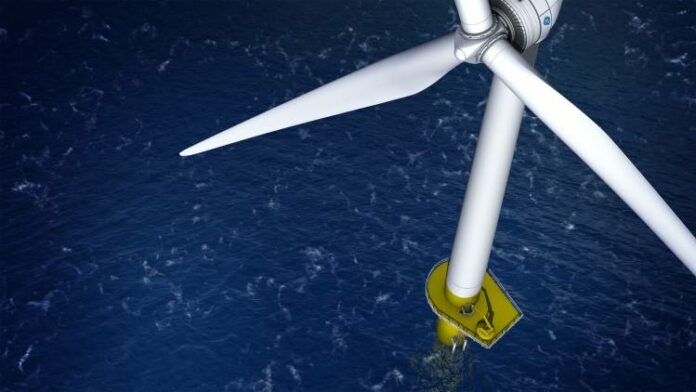
All 66 GE Haliade 150-6MW turbines have been installed and the project is expected to be fully commissioned in the first quarter of 2019.

Source;renews

Faroes to fly Minesto tidal kite

0

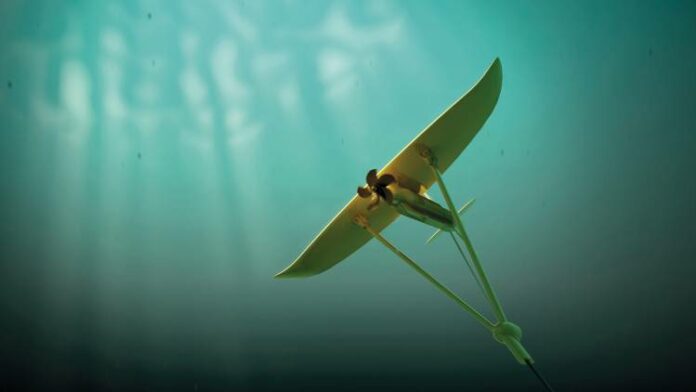
Swedish tidal developer Minesto has secured an agreement to supply two 100kW devices to Faroe Islands power utility SEV by 2020.

The deal covers the installation, commissioning and operation of two grid-connected DG100 tidal kites and a power purchase agreement which commits SEV commits to buy the electricity generated.

Installation of the first DG100 unit is planned for late 2019 or early 2020, with the second device to be installed in 2020.

Minesto said project development is in progress and a site has been identified in Vestmannasund, a strait in the northwest region of the Faroe Islands, which is a self-governing country within the kingdom of Denmark.

SEV will also provide required infrastructure such as grid connection and resources for consenting processes.

As a remote island society, we do not have the option of buying electricity from neighbouring countries so we need to create the opportunities for a sustainable future ourselves,” said SEV chief executive Hákun Djurhuus.

With Minesto’s technology, SEV can add a predictable and affordable source of clean energy with the potential to play a significant role in Faroes Islands’ transition to 100% renewable energy by 2030,” added Minesto chief executive Martin Edlund.

Source:renews

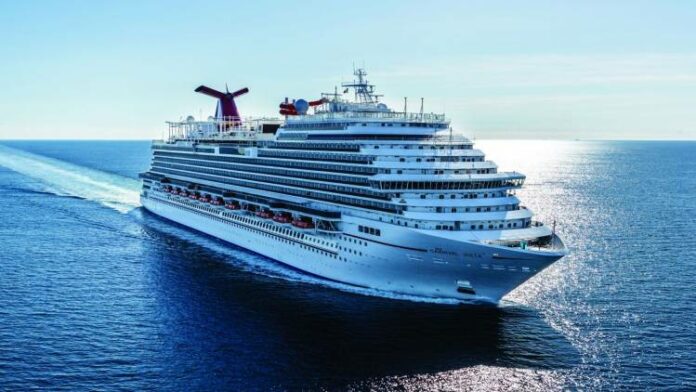
Carnival Corporation Recognized As CES 2019 Innovation Awards Honoree For OceanMedallion

0

Carnival Corporation & plc, the world’s largest leisure travel company, announced that it has been named a CES® 2019 Innovation Awards Honoree for the OceanMedallion™, the revolutionary wearable device that powers the breakthrough guest experience platform behind MedallionClass vacations.

The prestigious CES Innovation Awards honour outstanding design and engineering in consumer technology products and are judged by a preeminent panel of independent industrial designers, engineers and members of the trade media based on design, functionality, consumer appeal, engineering and how the products compare with the competition.

Originally unveiled by Arnold Donald, CEO of Carnival Corporation, and championed by Gary Shapiro, CEO of the Consumer Technology Association (CTA)™, at CES 2017, the MedallionTM device persistently connects a cruise guest’s unique digital identity with an intelligent shipboard Experience Internet of Things (xIoTTM) ecosystem to enhance guest-crew interactions and deliver a high level of personalized service on a large scale. The device enables all aspects of an elevated guest vacation including hassle-free payment, keyless, personalized stateroom access, frictionless embarkation, on-demand services and more.

Few accolades are as prestigious as the CES Innovation Awards and we are incredibly honored to receive this recognition for game-changing innovation,” said John Padgett, chief experience and innovation officer for Carnival Corporation. “Rarer is for the travel industry to be driving the apex of applied innovation in the IoT space. This award helps to further validate that technology, particularly IoT, has endless application in the travel business to transform and maximize consumers’ precious vacation time.

The OceanMedallion and the company’s xIoT currently are transforming vacations for all guests sailing on Caribbean Princess from Princess Cruises, one of Carnival Corporation’s nine world-leading cruise line brands. Guests are enjoying an extensive portfolio of OceanMedallion-enabled features, specifically designed to enhance the vacation experience, including:

  • Keyless Stateroom Access: Stateroom entry is a seamless experience where each guest is securely validated and the door automatically unlocks, with personalized greetings launching soon.
  • OceanNow™: Using smart devices, guests have the ability to place a food or drink order and have it delivered directly to them in food and beverage locations throughout the ship.
  • MedallionPay™: All guests use an easy and hassle-free payment experience enabling crew members to focus on guest service interactions.
  • OceanCasino™: On smart devices and select portals, guests can wager real money on a portfolio of games, including slots, poker, bingo, roulette, keno and lottery from anywhere on board.
  • OceanCompass™ featuring OceanNav™ and ShipMates: On the select portal,s guests can use OceanNav for point-to-point wayfinding throughout the ship via an intelligent navigation assistant, and utilize ShipMates to easily locate friends, family and kids.
  • JourneyView™: On portals throughout the ship, guests can access a real-time look at their itinerary, along with events and activities taking place during their cruise.
  • OceanView™: Guests can stream more than 100 hours of award-winning Ocean Original travel content – which airs nationally on weekends on ABC and NBC – to their smart device anywhere on the ship at no cost.
  • PlayOceanTM: On portals located shipwide, guests are able to play family games, including trivia, word jumble, a matching game and Ocean Treks Adventure – an interactive, shipwide digital scavenger hunt

The CES Innovation Awards are sponsored by CTA, owner and producer of CES, the world’s largest and most influential technology event. CTA has been recognizing achievements in product design and engineering since 1976.

Carnival Corporation’s OceanMedallion™ will be on display in the Innovation Awards Showcase at the upcoming CES 2019, which will run January 8-11, 2019 in Las Vegas. The complete list of CES 2019 Innovation Honorees, including product descriptions and photos, can be found at CES.tech/Innovation.

MSC Wins ‘Seafarer Of The Year’ In Inaugural CrewConnect Global Industry Awards

0

MSC’s Master Maksym Cherniy has won Seafarer of the Year in the inaugural CrewConnect Global Industry Awards, held at the CrewConnect Global conference in Manila, in the Philippines.

CrewConnect Global, well attended by all involved in crewing worldwide, is an important event for the industry and it launched the Global Industry Awards to mark its 20th anniversary this year.

The Seafarer of the Year award is for an active seafarer who has stood out in the last 12 months for making a real difference to the crew and operations on board.

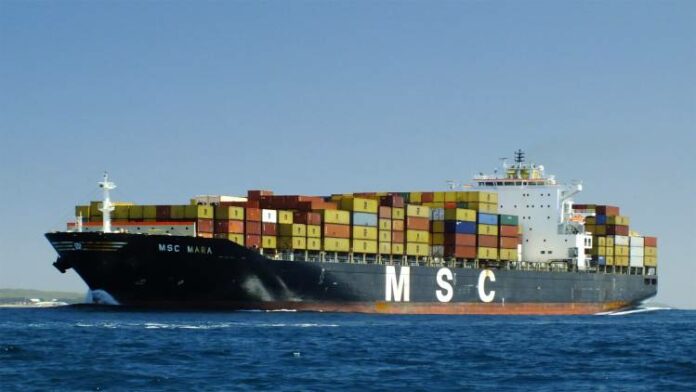
There can be many kinds of incidents on board vessels which require good preparations, procedures and teamwork, including piracy. In March, MSC Maria was pursued and boarded by armed pirates in a speedboat off Nigeria. As the pirates were boarding the vessel, the crew managed to retreat into the citadel and the incident was resolved with all crew and the vessel safe.

Continuous commitment

The award was received by Prabhat Jha, Group Managing Director of MSC Shipmanagement, on behalf of Master Cherniy. MSC was also shortlisted in two other categories, Safety at Sea and Welfare and CSR.

I am really proud of the Master’s and crew’s behaviour on the MSC Maria. This is an example of how professional skill and company procedures are important for safety at sea,” said Capt. Gianluigi Aponte, Group Executive Chairman.

I wish therefore to congratulate Prabhat and the team for the continuous commitment in improving the skill of the crew and for the implementation of the procedures, focused to protect the safety of our crew.”

The award shows how MSC’s systems – the procedures and their very close implementation – ensured that the ship and its crew were safe, Prabhat Jha explained. It also demonstrates the leadership quality of senior officers including Master Cherniy, thanks to a dedicated focus on the leadership development programme for crew.


World’s Largest Plug-In Hybrid Ship ‘Color Hybrid’ Being Finalised At Ulstein Verft

0

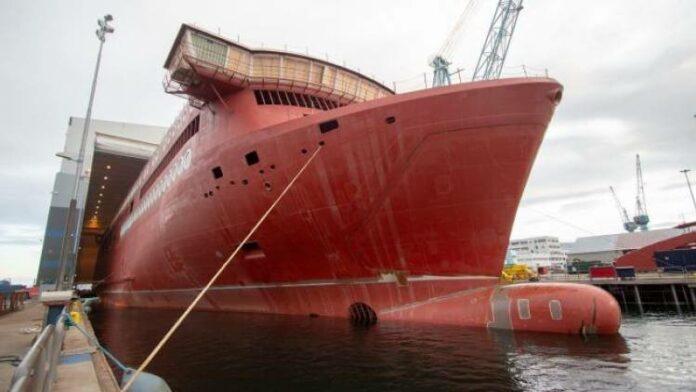
The hull of the ‘Color Hybrid’, Color Line’s next flagship that will be servicing Sandefjord-Strömstad, has arrived Ulstein Verft for completion.

The ship is contracted by Color Line at Ulstein Verft and is scheduled for delivery Q2 2019.

The ship presents an increased capacity on the line between Norway and Sweden. The ‘Color Hybrid’ is the world’s largest plug-in hybrid ship, measuring 160 metres in length, and with a capacity of 2,000 passengers and about 500 cars.

The tow of the hull arrived at Ulstein Verft on 6 November 2018, and the hull was positioned in the dock hall on 8 November.

Completion work will now commence on the various areas of the vessels such as the engine area, public area, car deck and outer decks, thereafter comes tasks such as painting, commissioning, testing and sea trial. Read more about Ulstein’s shipbuilding area.

The ‘Color Hybrid’ is the world’s largest plug-in hybrid ship, measuring 160 metres in length, and with a capacity of 2,000 passengers and about 500 cars.

Source:marineinsight

NYK Conducts Maritime Short-Term Exchange Program For Students In Japan And Philippines

0

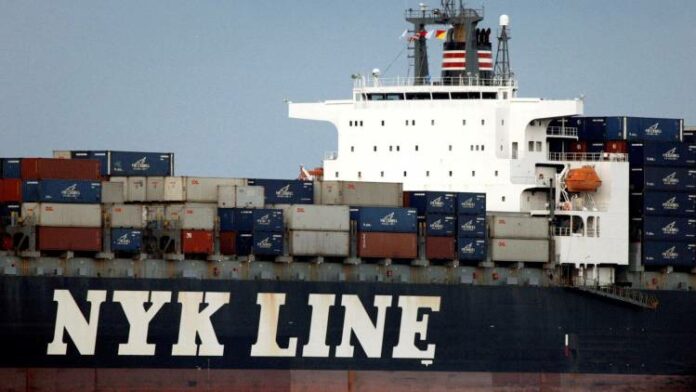
As a part of the NYK Mirai Project, NYK successfully conducted an international short-term student-exchange program with the NYK-TDG Maritime Academy (NTMA), which NYK operates in the Philippines and national maritime schools in Japan during the months of August through October 2018.

From August 29 to September 8, 2018, 23 students from four schools — i.e., Toyama, Oshima, Hiroshima, and Yuge colleges of the National Institute of Technology — travelled to the Philippines. During the visits, the students stayed at the NTMA dormitory and participated in study and activities at the school, and spent their weekend sightseeing and interacting with the NTMA students.

Short-term study abroad from NTMA

From October 14 to 19, 2018, 10 students from NTMA travelled to Japan and visited the National Institute of Technology’s Toyama College in Toyama prefecture for classes and onboard training on the college’s training ship. The students also visited NYK’s head office, the NYK Maritime Museum, and NYK Hikawamaru.

Students from both countries attended classes and training together, interacting with one another in English, and left with greater stimulation and motivation.

NYK will continue to stimulate an interest in the seafaring life by encouraging young adults to gain a global perspective.


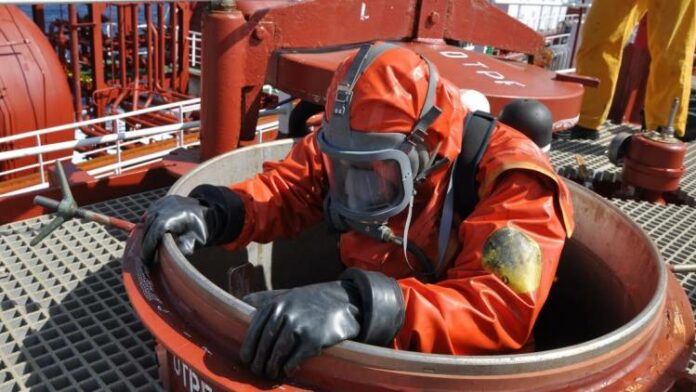
InterManager wants crew’s help to minimise enclosed space risks

0

InterManager, the international trade association for the shipmanagement sector, has launched a campaign to stimulate seafarers to think about safety issues when working in enclosed spaces and encourage them to identify and share measures which they believe would reduce risks.

InterManager announced the campaign during the Crew Connect event in Manila, Philippines.

Captain Kuba Szymanski, InterManager Secretary General, said:"The shipping industry has produced a wealth of rules, procedures, guidelines, leaflets etc concerned with the risks of working in enclosed spaces aboard vessels and yet seafarers are still dying while engaged in these activities. We want to hear from the seafarers themselves to find out why fatal mistakes are still being made? Are we missing a trick here? Is there something we haven’t taken into consideration?"

InterManager aims to eradicate or minimise unnecessary risks to life by seeking opinions from the people working in enclosed spaces. Capt Szymanski explained that often seafarers are considered to be part of the problem. InterManager is encouraging them to be part of the solution by sharing their experiences and points of view."Please tell us what you think is the best solution? Is there a simple, user friendly procedure, change or technology gadget which would be universally beneficial for colleagues working in enclosed spaces?"

Captain Kuba Szymanski encouraged crew members to answer.

According to the IMO, enclosed spaces have limited openings for entry and exit, inadequate ventilation, or a design not intended for continuous worker occupancy.

Examples of enclosed spaces include:

  • Cargo spaces;
  • Double bottoms;
  • Fuel tanks;
  • Ballast tanks;
  • Cargo pump-rooms;
  • Compressor rooms;
  • Chain lockers.

For this reason, InterManager established a committee to examine seafarers responses in order to produce industry guidelines and share best practices. Captain Kuba Szymanski also requested ship operators to encourage their crew members to take part in the campaign.

Responses should be received by 1st January 2019.

Source:safety4sea