2.3 C
New York
Home Blog Page 1187

Port of Antwerp to invest in sustainable project

0

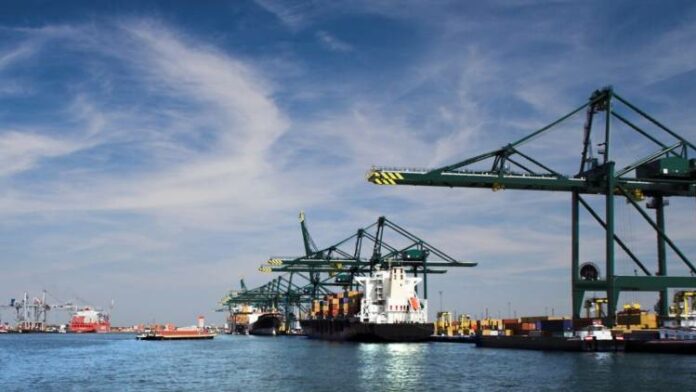
In 2019 the Port Authority will keep to the same course, further building a sustainable future for the port. In pursuit of this goal it is concentrating heavily on structural solutions to challenges such as mobility, the energy transition, digitisation and innovation.

Specifically, the port's transition to a low-carbon economy is a priority goal.

According to the port's press release, in the three years following the port will invest more than 35 million euros in sustainable projects.

An objective is to make an onshore power supplies available for seagoing ships at berth in the Deurganck dock in the near future, which will lower NO2 (nitrogen oxide) emissions by 36%.

Additionally, the port aspires to promote different sustainable fuels, as LNG and hydrogen. Moreover, the Port's Authority is, for the time being, discussing on setting up a hydrogen fuel station in the port.

Concluding, in December the port installed in the Kallo lock to generate electricity from water power. The goal is to properly use the technology to make all sea locks in the port energy-neutral for the future.

Source:safety4sea

Five alive for 800MW NY offshore wind call

0

Five developers including a number of joint ventures have signalled their intent to take part in New York’s debut offshore wind solicitation for around 800MW of capacity.

The New York State Energy Research & Development Authority said in a tweet that Equinor has indicated its interest.

The Norwegian developer will compete with its Empire Wind lease area off Long Island.

To the south, the Shell and EDF Renewables Atlantic Shores joint venture off New Jersey are also likely to participate.

Meanwhile, to the north a trio of joint ventures including the Orsted/Eversource Energy Bay State Wind project, the Copenhagen Infrastructure Partners/Avangrid Vineyard site and the Shell/EDPR Mayflower scheme are all in the hunt.

Bid are due to be filed in February and capacity awards are due in the spring.

Source:renews

Eni To Boost Alaska Production Following Offshore Acquisition

0

Eni SpA said Jan. 3 it plans to boost its total Alaska production following an acquisition offshore the state’s North Slope coast.

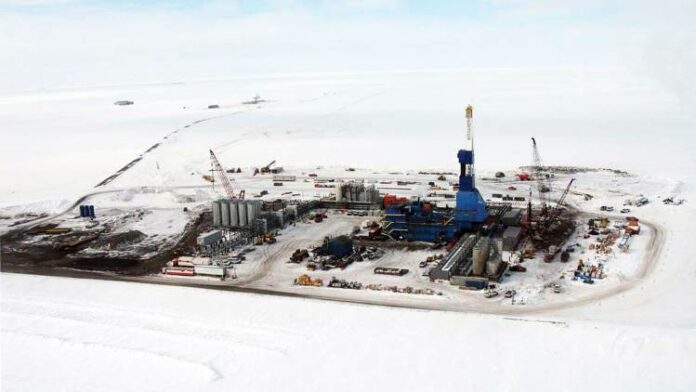
The Italian oil major agreed to acquire the assets consisting of 70% working interest plus operatorship in the Oooguruk oil field in the Beaufort Sea about 5 km (3.1 miles) off Alaska’s North Slope coast from an affiliate of Dallas-based privately-held Caelus Energy LLC. The terms of the transaction weren’t disclosed.

Eni already owns the remaining 30% working interest in the Oooguruk oil field, which has been in production since 2008. The company said the acquisition of Oooguruk’s remaining interest provides the addition of 7,000 barrels per day (bbl/d) of oil production and important operational synergies with the nearby Nikaitchuq Field.

The acquisition also further strengthens Eni’s presence in Alaska after its recent purchase of exploration leases covering about 350,000 acres located in the Eastern North Slope from Caelus in August 2018.

Pro forma, Eni will hold 228 leases in Alaska including 100% working interest and operatorship in the Nikaitchuq oil field, located roughly 13 km (8.1 miles) northeast of Oooguruk.

Eni plans to drill further production wells at Oooguruk and Nikaitchuq with the target to boost its total Alaska production beyond 30,000 barrels of oil equivalent per day (boe/d), a 10% increase from its current production of 20,000 boe/d, the company said.

Source:epmag

Kalmar to Automatize Melbourne VICT Terminal

0

The provider of cargo handling solutions and services to ports, terminals, Kalmar has signed a maintenance and support agreement with International Container Terminal Services, Inc (ICTSI) covering the automated container handling solution operating at Victoria International Container Terminal (VICT).

The order was booked in Cargotec's Q4 2018 order intake with the agreement coming into effect in November 2018, said a press release.
 
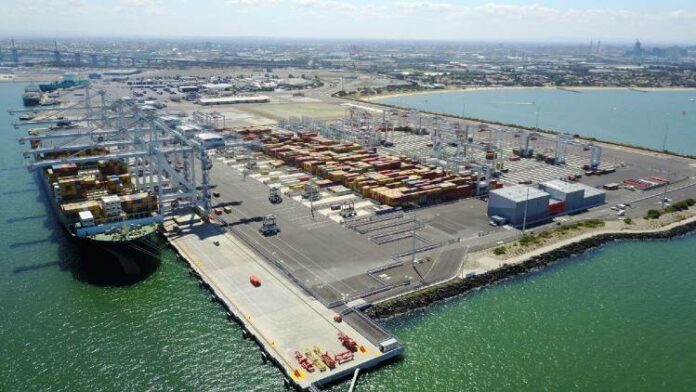
Australia's first fully automated container terminal, VICT, welcomed its first vessel in March 2017. Located at Webb Dock East in the Port of Melbourne, the terminal's unique location on the bay side of the port means a faster turnaround time for imports and exports as well as easier berthing for ships.
 
The maintenance and support agreement covers all aspects of the OneTerminal automated solution, which comprises Navis N4 Terminal Operating System (TOS), 20 Kalmar automated stacking cranes (ASCs) and 11 Kalmar AutoShuttles(TM).

The Kalmar Terminal Logistics System (TLS) conducts routing and execution for automated operations based on the orders from the Navis N4 TOS. TLS is connected through open Kalmar Key interface to five automatic neo-Panamax ship-to-shore (STS) cranes.  
 
Anders Dømmestrup, Chief Executive Officer, VICT said: "VICT is one of the most advanced container terminals in the world. With the strong collaboration of Kalmar's cutting-edge technology and equipment and Navis' industry-leading TOS, we have reached an important point in our development: going from implementation into optimisation to now achieve the highest standards in port safety and efficiency. This integrated maintenance and support agreement will allow us to maximise the productivity, equipment efficiency and availability of our OneTerminal automated systems, ensuring that we can provide our customers with world-class service."
 
Arto Keskinen, Vice President, Intelligent Service Solutions, Kalmar said: "This is a significant milestone for both parties and lays the groundwork for Kalmar to further support VICT with optimising and expanding their operations. This agreement is the result of the hard work and collaborative, customer-focused approach of the Kalmar Australia team."

Source:marinelink

Sovcomflot to add three more LNG-fuelled vessels to its fleet

0

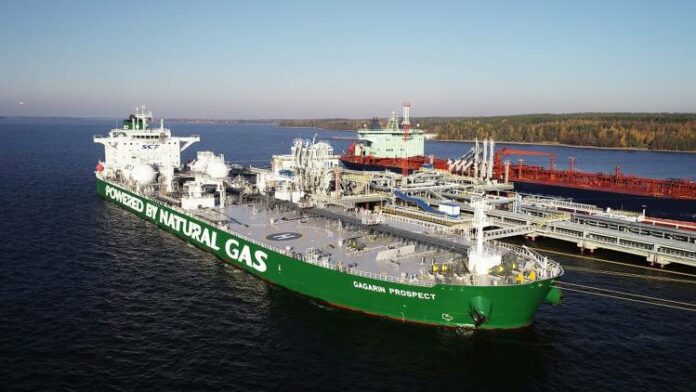
Sovcomflot, a pioneer in adopting LNG as the primary fuel for large-capacity oil tankers, placed an order with Russia’s Zvezda shipbuilding complex in late December for three product carriers of 51,000 dwt each that will also use LNG as their main fuel.

The three MR-class vessels, which will transport petroleum products and gas condensate, will be chartered under long-term contracts to Novatek, Russia’s largest independent natural gas producer. The ships will have a 1B ice-class rating suitable for routes in challenging sub-zero conditions including the Baltic. According to Sovcomflot, the tankers’ technical specifications will meet IMO emissions limits on sulphur, nitrogen and greenhouse gases due to apply from 2020.

The latest orders reflect Sovcomflot’s continuing LNG-driven strategy to the benefit of Zvezda. In September 2018 the group also commissioned two 114,000-dwt, LNG-fuelled Aframax crude oil tankers from the shipyard. That order followed the addition to Sovcomflot’s fleet of three other Aframax tankers during 2018. Currently, the group has a fleet of 144 vessels with a combined dwt of nearly 12.5M tonnes. Of these, Sovcomflot’s gas fleet numbers 13 ships with 12 specialised vessels.

In late 2018, the Zvezda shipyard began serial production of heavy-tonnage crude oil tankers, starting with Aframax vessels, the first built in the Russian Federation. In what politicians described as “a new era in the shipbuilding industry”, the country has launched into “heavy-range shipbuilding” at the request of the Kremlin that handed it contracts for 25 vessels from Rosneft, the state-owned oil giant.

Source:lngworldshipping

ABP Wins Hornsea One Blade Contract

0

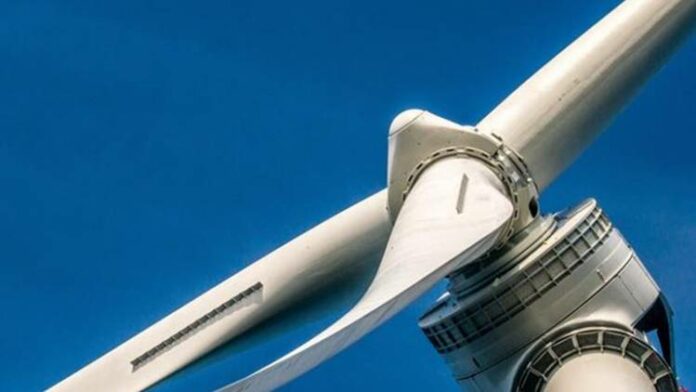
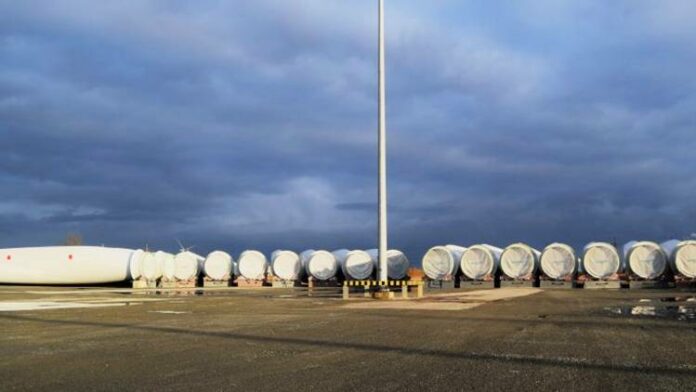
Spanish manufacturing company Siemens Gamesa Renewable Energy has contracted Associated British Ports (ABP) to provide storage for 37 of its wind turbine blades destined for the Hornsea Project One offshore wind farm.

The UK's port group said  UK's leading ports group said that to accommodate the expanding business of the leading wind turbine blade manufacturer, a six-acre area located at the Port of Hull's Eastern Access, on King George Dock, is now being leased for the storage of the 75 metre, 30 tonne blades.

David Morriss, ABP Humber Head of Property, said: "We're proud to be able to say that we have been an essential link in a major green project such as this, which will eventually see the blades powering one-million homes. It’s also another example of our expertise in handling such large and specialist components."

We have worked closely with Siemens Gamesa to offer solutions and to support their business growth, so that together as partners, we can keep Britain trading and provide the nation with environmentally-friendly power.

A meticulous operation is underway to transport the fibreglass blades nearly two miles from the current site on Alexandra Dock.

The process involves a remote-controlled loader being guided by an operator to carefully transport the blades through the port to its new location at 5mph. Each blade takes around 1 hour 15 minutes to move during the early hours of the morning to cause minimal disruption to port traffic.

“Siemens Gamesa is delighted to again be working with ABP, continuing a ground-breaking partnership in Humberside,” said Anton Bak, Factory Director, Siemens Gamesa Renewable Energy Hull. “To deliver clean, green energy to millions of UK households is a complex team effort, and ABP is a crucial member of that team.”

To help facilitate further investment in the city and port, Hull City Council has made improvements to the Northern Gateway Roundabout to help facilitate the movement of abnormal loads.

The council utilised funding from the Green Port Growth Programme to create a route through the centre of the junction and part-time signals to control traffic during the movements.

Councillor Daren Hale, Deputy Leader of Hull City Council, said: “Hull City Council is proud to work with Siemens Gamesa and ABP to help smooth the implementation of this operation. This contract between the two firms represents further fantastic investment into the city and strengthens Hull’s ambition to become the renewables capital of the UK.

Source:marinelink

Chemicals Found on Dutch Beach after Container Spill

0

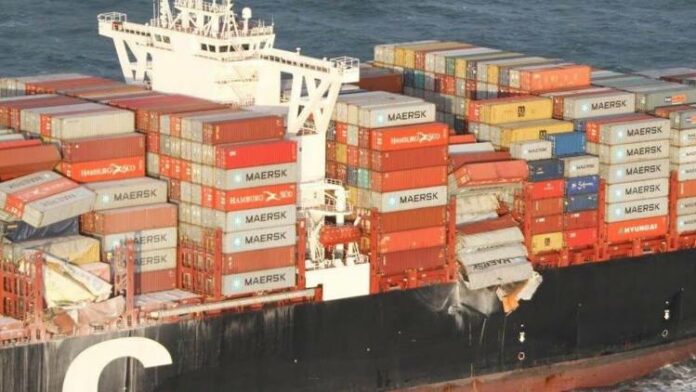
A load of dangerous chemicals that fell off one of the world's largest container ships into the North Sea washed up on a Dutch beach on Thursday, and more debris was expected to land overnight, officials said.

The Dutch Defence Ministry said the loss of 270 containers from the freighter MSC Zoe on Wednesday, some of them thought to contain hazardous chemicals, was one of the biggest incidents of its kind, they said.

It was unclear how many of the containers sank to the sea bottom and how many were still floating and could pose a hazard to marine traffic or beach scavengers who turned out in response to reports of the cargo spill.

A 25-kg (55-pound) bag of organic peroxide, a strong bleaching agent that can cause injury on contact with skin, was swept ashore on Thursday, among dozens of containers from the ship to have appeared on or near the Dutch islands of Terschelling, Vlieland, Ameland and Schiermonnikoog.

"The expectation is that more things may wash up on beaches tonight," Defence Ministry spokesman Sjaak Van Elten said.

At least three of the containers were thought to contain hazardous chemicals.

Dutch soldiers were summoned to help clean up the mess. Emergency services warned volunteers not to touch the containers, but scavengers and treasure-hunters also flocked to the jetsam, which included shoes, dolls and flat-screen TVs.

The peroxide was removed by emergency crews without incident, Friesland provincial authorities said.

But the Dutch Coast Guard said attempts to locate floating containers were being "hindered by multiple sport planes that have come to look … We ask them to remain out of the area of this air space to prevent dangerous situations".

German authorities are leading the investigation into what caused the accident, which occurred in German waters near the island of Borkum.

An MSC statement said the containers were lost overboard during "heavy weather", and a salvage company had been hired to assist in the cleanup and search for missing items.

MSC said it was taking the incident "very seriously, both in terms of the impact of such accidents on the natural environment and in terms of any damage to customers’ cargo".

The MSC Zoe, one of the world's largest container vessels, is owned by Geneva-based Mediterranean Shipping Company. The freighter is now at port in Bremerhaven, Germany.

Reporting by Toby Sterling Editing by Mark Heinrich

Potential Of AI-powered Directional Drilling

0

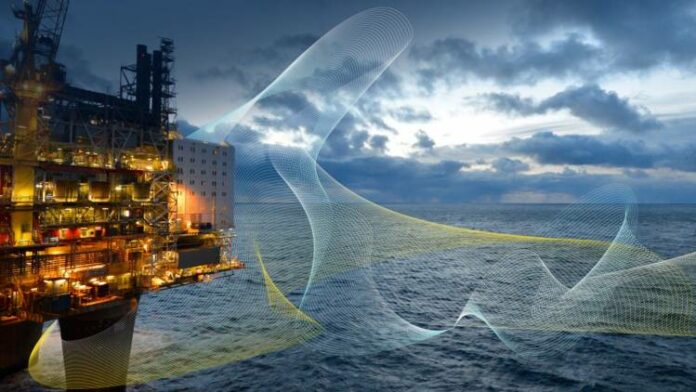
Directional drilling is a challenging task even during the best of conditions, with many aspects described as more art than science. Successful and cost-effective directional drilling often comes down to an expert who has a good feel of how to navigate thousands of feet underground, site unseen. Therefore, the art of drilling often comes down to the artists, who are in high demand and short supply.

To address this scarcity, improve the economics and deliver consistently better outcomes, Oceanit was challenged to develop an artificial intelligence (AI)- driven system that performed as well as the experts and could augment or replicate their capabilities. The result is a system that, so far, delivers results within a 1.5% margin of expert drillers. Oceanit’s AI drilling system is playfully referred to as “Deep Thought,” a reference to the fictional computer in The Hitchhiker’s Guide to the Galaxy.

Deep Thought is capable of continuously learning and improving on its directional drilling decision-making. The scalable capabilities it provides can significantly reduce costs for operators while increasing high-performance outcomes through its reinforcement learning, replication and optimization of drilling mechanics.

Minimizing deviation, tortuosity

Working with Shell International Exploration, Oceanit developed Deep Thought to optimize value in directional drilling by minimizing deviation from planned wellbore trajectory, minimizing tortuosity, maximizing the ROP and reducing the number of personnel onboard, all factors that have serious impacts on the bottom line.

With directional drilling, expert teams maintain a stationary drillstring at the surface to achieve a curved hole. There are two main categories of systems used in directional drilling: bent-sub downhole motors and rotary steerable systems. Oceanit focused on the prior, as bent-sub downhole motors are generally more costeffective and prevalent in shale plays.

It is incredibly challenging to control the angular orientation of the drillbit toolface while ensuring adequate ROP. Eliminating trajectory deviations and the associated, costly corrective measures are imperative for improved outcomes. To reduce deviations, Oceanit used machine learning techniques in training Deep Thought to replicate the decisions of expert drillers.

A multilayer perceptron neural network is a class of ANNs that uses a supervised learning technique called backpropagation for training and can distinguish data that are not linearly separable. 

Source:epmag

TradeLens supports Saudi blockchain pilot

0

As part of a blockchain pilot program, between Saudi Customs and IT partner Tabadul, Saudi Arabia’s cross-border trade platform FASAH has been integrated with Maersk and IBM’s TradeLens service. Saudi Customs is a governmental authority responsible for the safe and efficient import and export of trading products and associated services through land, sea and air.

In the past, Maersk and IBM experienced problems concerning their blockchain project, TradeLens. Yet, both companies seem to have overcome their difficulties by having Modern Terminals joining and supporting the project and ports such as Port of Valencia, Port of Montreal.

The pilot blockchain program aspires to connect FASAH, a Saudi Arabia’s national platform which connects all government and private entities involved in cross border trade, with TradeLens  for selected services to ensure immutability, traceability, reduced reconciliation, auditability, and compliance.

Also, H.E Mr. Ahmed Alhakbani, Governor of Saudi Customs stated that the pilot aligns with Saudi Custom's aims to facilitate trade and enhance security levels.

Saudi Customs addressed that it has been able to develop a new roadmap that takes a new approach to accelerating change across its operations through the adoption of new technologies that simplify and automate customs procedures and deliver world-class services to clients.

According to TradeLens press release, Saudi Customs is the first in the region to provide an efficient service in order to transform Saudi Arabia in a global logistics hub.

As Tarek Zarg El Aioun, Country General Manager, IBM Saudi Arabia stated "Through its adoption of blockchain-enabled TradeLens, Saudi Customs is helping transform the shipping industry in the region and enabling faster, transparent and more efficient real-time operations."

Moreover, TradeLens' press release supports that Saudi Customs is testing the use of blockchain to create a real solution for a fragmented peer-to-peer business ecosystem in solving difficult problems such as platform challenge business challenge, data interoperability, and solution construction.

Concluding, Saudi Customs by adopting the blockchain project aspires to educate, experiment and extend to the broader ecosystem by setting realistic expectations, experimenting, understanding the decentralized nature of this technology and preparing to migrate away from the traditional platform technology.‬

Source:safety4sea

Pirates Kidnap Crewmembers from MSC Container Ship

0

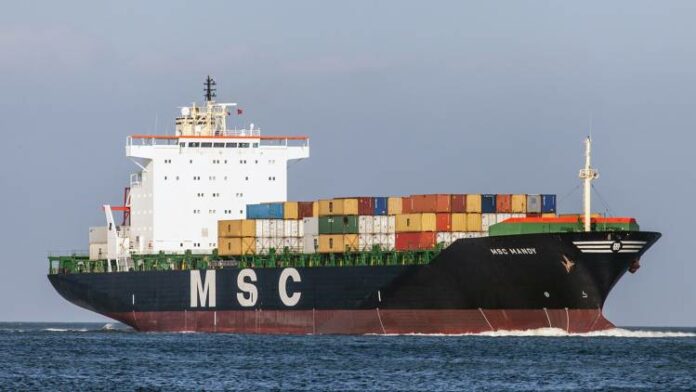
MSC has confirmed a successful pirate attack on the sub-Panamax container ship MSC Mandy off the coast of Cotonou, Benin. 

The 2,700 TEU Mandy was under way in the Gulf of Guinea on Wednesday when she was attacked and boarded at a position about 55 nm offshore. Six crew members have been reported missing. 

According to MSC, the vessel was quickly secured after the attack, and the safety of the other seafarers on board has been assured. The Mandy diverted to an anchorage off Lagos, Nigeria after the incident, where she remained Thursday. 

The attack was first reported by the Maritime Domain Awareness for Trade – Gulf of Guinea (MDAT-GoG), a NATO partnership operated by the French and British navies. MDAT-GoG collects daily voluntary reports from vessels under way in the Gulf of Guinea, an area with high piracy risk.

Maritime piracy – particularly kidnapping – is a serious concern in the Gulf of Guinea. According to Oceans Beyond Piracy, 100 seafarers were kidnapped in the waters off the Gulf of Guinea in 2017, and EOS Risk Group counted 35 more in the first half of 2018 alone. Last month, the IMB ICC piracy reporting center was informed of one attempted attack on a chemical tanker and one successful boarding of an OSV under way, both off Nigeria. Millions of dollars have been spent on additional maritime security measures for the region, but local authorities have had only limited success in interdicting and foiling attacks. 

In a concerning trend, the reach of Nigerian pirates has expanded from the historic center of activity off the Niger River Delta to include waters off Benin and Ghana, well to the west. Despite this expansion, most attacks are still concentrated in the vicinity of the petroleum hub of Bonny Island, with pirates searching out vessel targets as far as 100 nm from shore.

Source:maritime-executive