2.5 C
New York
Home Blog Page 1171

Equinor plans to cut emissions 50% on NCS by 2030

0

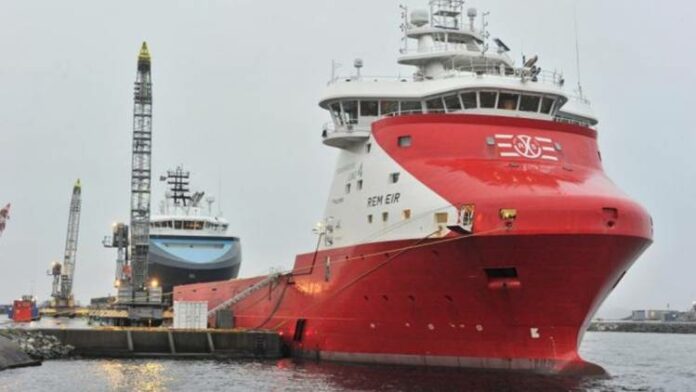
Since 2011, Equinor has cut CO2 emissions from its logistical operations for the Norwegian continental shelf (NCS) by 600,000 tonnes. The company now aims to halve emissions in the NCS supply chain by 2030.

On Friday 18 January, NorSea will open a shore-to-ship power supply station at the Dusavik supply base by Stavanger. Shore-to-ship power supply is one of the measures to reduce emissions in logistics.

Since 2011, overall emissions have been reduced by 37%, while emissions adjusted for reduced activity have been reduced by 26%. Now Equinor aspires to reduce its emissions in the NCS supply chain from 26% to 50% by 2030, based on 2011 level.

Currently, more and more shipowners with supply vessels in the Equinor portfolio are prepared for hybrid battery operation and shore power supply.

A key financial contributor for shipowners aiming to adapt their vessels to hybrid battery operation and shore power supply, the NOX fund provides financial support based on how much the systems are being used up to a ceiling.

"We have an ambition of moving all vessels on long-term contract with us to shore power, because we have seen that it is an efficient tool for reducing emissions. We note that shipowners, crews, base companies and authorities are strongly committed and willing to prepare for operation and infrastructure that will help reduce emissions."

Philippe F. Mathieu, head of Equinor’s joint operations support cluster, stated.

In addition, shore-to-ship power supply stations have been installed at the supply bases at Mongstad in Hordaland, Florø in Sogn og Fjordane, Kristiansund in Møre og Romsdal and Hammerfest in Finnmark during 2018.

Source:safety4sea
Newcastle College presents VR offshore wind training facility

0

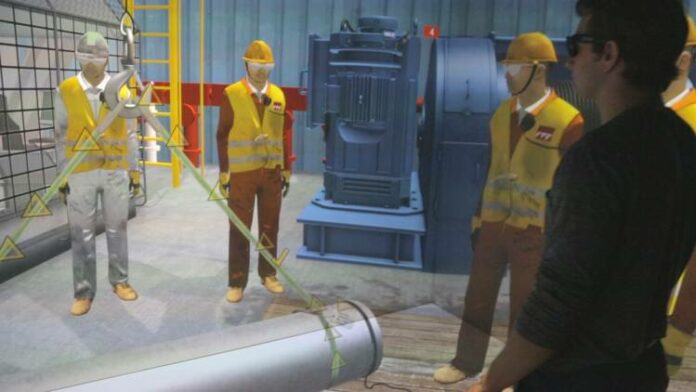
Newcastle College’s Energy Academy in Wallsend installed an Immersive Hybrid Reality (iHR) offshore wind training facility. This is a virtual reality system to help train future engineers.

The system replicates working conditions experienced by wind turbine engineers operating on offshore wind farms. The technology enables users to virtually find and diagnose faults, in a realistic but safe environment which helps them develop the key skills they need to work in the wind industry.

The technology will allow Newcastle College to support the region’s growing energy sector, as part of the UK’s aim to create 27,000 skilled jobs in the industry by 2030.

Director of Business Partnerships Marc McPake said:"Technology and innovation are changing the future of education and training and we hope that this facility will create a lasting legacy by supporting the creation of highly skilled jobs and employment for our region."

For her part, Carol Bell, Executive Director of Great Exhibition of the North, noted that the goal is to move forward to train future engineers from the North East.

Future engineers at the Energy Academy will begin training with the new system immediately, boosting their future employability in the sector. The Energy Academy has trained more than 1,200 students since it opened in 2012 and works with industry stakeholders to deliver courses, degrees and apprenticeships for subsea and renewable energy.

Source:safety4sea

Salvage Effort Begins for MSC Zoe’s Containers

0

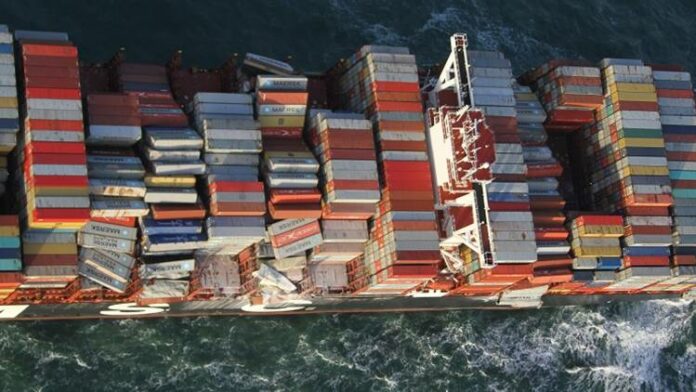
Salvage operations have begun for the recovery of sunken cargo containers from the 19,000 TEU MSC Zoe, which lost about 290 boxes in a storm on the night of January 2. 

The incident occurred near the German island of Borkum, and the containers floated south-west, with some washing up on the Dutch islands of Terschelling and Vlieland. MSC has confirmed that 21 containers have washed up on shore, and seven have been recovered from the water. The contents of many others ended up on the beach, leading to an extended cleanup effort. Of the remaining containers, about 240 have been found. 

Two subsea construction vessels, the Geosund and the Atlantic Tonjer, have been chartered to raise the sunken containers from the bottom of the sea and bring them to shore. The broken containers will be "taken out of the sea with a gripper," according to the Rijkswaterstaat, and the less-damaged ones are marked for later removal. Several fishing boats are working alongside these ships to scoop up any cargo debris that washes loose during the operation, and six survey vessels are supporting the effort to locate the missing boxes. The salvage response is expected to take several months, and has already been delayed by poor weather conditions. 

Authorities in the Netherlands intend to seek damages from ocean carrier MSC for the cleanup costs stemming from the cargo loss. They have also opened a criminal inquiry into whether the casualty was the result of any criminal acts – in particular, whether the country's domestic Pollution Prevention Act may have been violated. The inquiry is expected to last at least several weeks. 

Source:maritime-executive

New global alliance commits over $1.0 billion USD

0

New global alliance commits over $1.0 billion USD to help end plastic waste in the environment; sets goal of investing $1.5 billion USD

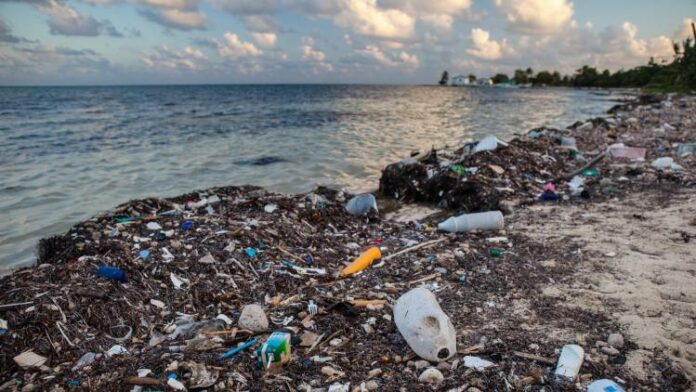
The cross value chain Alliance to End Plastic Waste (AEPW), currently made up of nearly thirty member companies, has committed over $1.0 billion with the goal of investing $1.5 billion over the next five years to help end plastic waste in the environment. The Alliance will develop and bring to scale solutions that will minimize and manage plastic waste and promote solutions for used plastics by helping to enable a circular economy. The Alliance membership represents global companies and located throughout North and South America, Europe, Asia, Southeast Asia, Africa, and the Middle East.

“Everyone agrees that plastic waste does not belong in our oceans or anywhere in the environment. This is a complex and serious global challenge that calls for swift action and strong leadership. This new alliance is the most comprehensive effort to date to end plastic waste in the environment,” said David Taylor, Chairman of the Board, President and CEO of Procter & Gamble, and chairman of the AEPW. “I urge all companies, big and small and from all regions and sectors, to join us,” he added.

“History has shown us that collective action and partnerships between industry, governments and NGOs can deliver innovative solutions to a global challenge like this,” said Bob Patel, CEO of LyondellBasell, and a vice chairman of the AEPW. “The issue of plastic waste is seen and felt all over the world. It must be addressed and we believe the time for action is now.”

The Alliance is a not-for-profit organization that includes companies that make, use, sell, process, collect, and recycle plastics. This includes chemical and plastic manufacturers, consumer goods companies, retailers, converters, and waste management companies, also known as the plastics value chain. The Alliance has been working with the World Business Council for Sustainable Development as a founding strategic partner. The Alliance today also announced an initial set of projects and collaborations that reflect a range of solutions to help end plastic waste:

  • Partnering with cities to design integrated waste management systems in large urban areas where infrastructure is lacking, especially those along rivers which transport vast amounts of unmanaged plastic waste from land to the ocean. This work will include engaging local governments and stakeholders, and generate economically sustainable and replicable models that can be applied across multiple cities and regions. The Alliance will pursue partnerships with cities located in high plastic leakage areas. The Alliance will also be looking to collaborate with other programs working with cities, such as Project STOP, which is working in Indonesia.
     
  • Funding The Incubator Network by Circulate Capital to develop and promote technologies, business models and entrepreneurs that prevent ocean plastic waste and improve waste management and recycling, with the intention of creating a pipeline of projects for investment, with an initial focus on Southeast Asia.
     
  • Developing an open source, science-based global information project to support waste management projects globally with reliable data collection, metrics, standards, and methodologies to help governments, companies, and investors focus on and accelerate actions to stop plastic waste from entering the environment. The Alliance will explore opportunities to partner with leading academic institutions and other organizations already involved in similar types of data collection.
     
  • Creating a capacity building collaboration with intergovernmental organizations such as the United Nations to conduct joint workshops and trainings for government officials and community-based leaders to help them identify and pursue the most effective and locally-relevant solutions in the highest priority areas.
     
  • Supporting Renew Oceans to aid localized investment and engagement. The program is designed to capture plastic waste before it reaches the ocean from the ten major rivers shown to carry the vast majority of land-based waste to the ocean. The initial work will support the Renew Ganga project, which has also received support from the National Geographic Society.

In the months ahead, the Alliance will make additional investments and drive progress in four key areas: 

  • Infrastructure development to collect and manage waste and increase recycling;
     
  • Innovation to advance and scale new technologies that make recycling and recovering plastics easier and create value from all post-use plastics;  
     
  • Education and engagement of governments, businesses, and communities to mobilize action; and,
     
  • Clean up of concentrated areas of plastic waste already in the environment, particularly the major conduits of waste, like rivers, that carry land-based plastic waste to the sea.   


PFR Close to Purchasing Strategic Polish DCT Gdansk Terminal

0

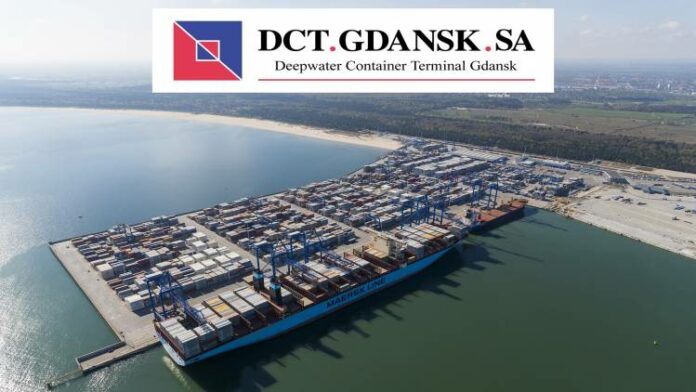
With the help of Goldman Sachs, Macquarie (Australia) launched the sale of the 1.5 billion Euros (US$1.7 billion) DCT Gdansk port terminal. According to sources familiar with the matter, Poland’s sovereign wealth fund PFR is close to buying the strategic Polish port terminal.

Poland’s government, run by the nationalist Law and Justice (PiS) party, believes the country has been too dependent on the foreign investors who bought into the country in the 1990s and 2000s. As part of the government’s effort to buy back strategic assets in the country’s energy and infrastructure industries, PFR was created in 2016 .

As the only deep-sea port facility in Poland, DCT Gdansk is an important hub for container shipping traffic between the Far East and the Baltic countries. The terminal has attracted the interest of international companies, such as Cosco and PSA international, looking at expanding their footprint in the region.

Source:pacifictycoon

Digitalization to benefit oil and gas sector, report says

0

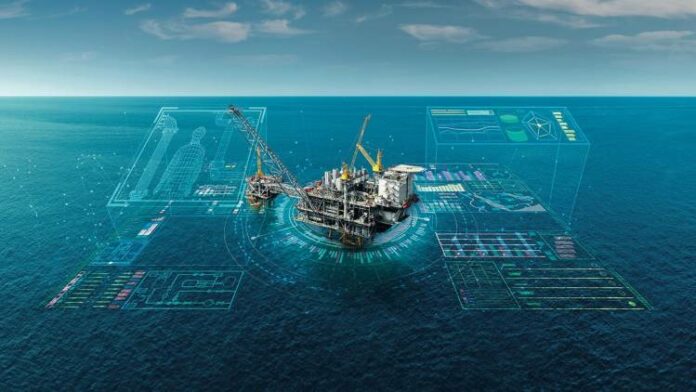
Despite the increasing speed of technology and innovation that is pressuring the industry, oil and gas CEOs consider technological disruption as more of an opportunity, 2018 KPMG CEO Outlook: Oil & Gas, reported.

Namely, oil and gas CEOs see technological disruption as an opportunity, and not as a threat, to acquire more knowledge and to improve their more work.

Specifically, CEOs see technological disruption as an opportunity as:

  • 85% are piloting testing AI or have implemented AI;
  • 59% feel their organization is an active disruptor in their sector.

Commenting on the report, Regina Mayor, Global Sector Head, Energy and Natural Resources, KPMG in the US, said that AI and robotic solutions can create models to predict behavior or results more accurately. This will in turn improve rig safety, dispatch crews faster, and identify systems failures before they happen.

When asked about the biggest long-term benefits of AI:

  • 39% answered that this is increased agility;
  • 39% pointed to improved risk management;
  • 46% indicated the acceleration of revenue growth.

What is more, CEOs expect job growth, as 58% feel that AI and robotics will create more jobs, while 93% expect an increase in industry-wide headcount.

Moreover, as oil prices remain high, industry confidence is also up and CEOs are setting their sights on growth opportunities. In fact:

  • 85% are very confident on industry growth;
  • 88% are very confident on company growth prospects.

Regarding, their growth strategies, 83% anticipate a moderate to high demand for M&A activity over the next three years. This will be largely driven by the need to cut costs through synergies/economies of scale; a rapid transformation of business models; increased market share; and low interest rates.

Anton Oussov, Global Oil and Gas Leader, KPMG in Russia, stated: "Executives are really honing in on ways they can improve internal efficiencies through strategic M&A moves and the use of robotics, AI and other means of digitalization across the industry."

However, there are still concerns and threats to achieving growth. Among the biggest threats, 23% of CEOs pointed out to emerging/disruptive technology risk, 20% say environmental and climate change risks, and 18% answered that a return to territorialism is most concerning.

Source:safety4sea

Uniper and Titan LNG to cooperate boosting LNG Wilhelmshaven Terminal functionality

0

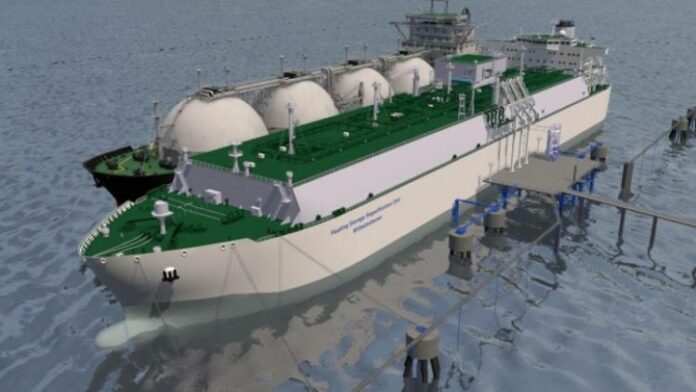
Uniper SE and the Dutch Titan LNG signed a Memorandum of Understanding to accelerate the growth of Liquified Natural Gas (LNG) as a fuel in the downstream markets for industry, road fuel and shipping fuel in Germany.

The parties are planning to develop a user-friendly technical interface and commercial products for small-scale LNG players from the Wilhelmshaven Floating Storage and Regasification Unit (FSRU) for LNG. The terminal in Wilhelmshaven will enable the loading of small LNG seagoing vessels and barges. In addition, several truck loading bays are planned to enable the onward transport of LNG by road.

The distribution of LNG by truck from Wilhelmshaven is seen as an important impulse for the establishment of LNG as truck fuel. Numerous LNG filling stations are currently under construction in Germany.

Compared to diesel, LNG will significantly reduce CO2 emissions. In addition, no particles will be emitted and nitrogen and sulfur oxide emissions will be greatly reduced. The German Federal Government supports logistics companies with subsidies and the toll-free use of German roads for LNG-powered trucks.

Source:vesselfinder

Commercial power platform to undergo testing

0

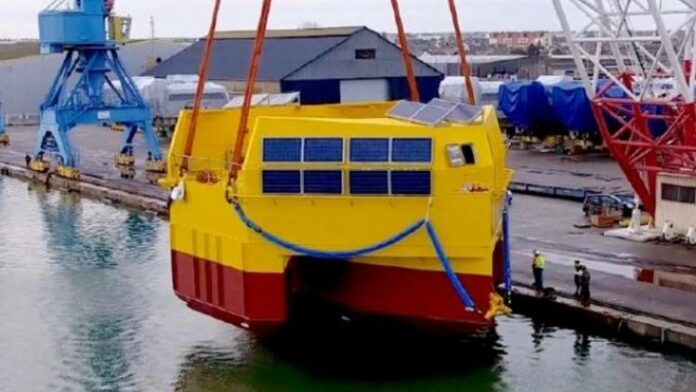
A new 150KW capacity renewable energy power platform utilising wave, solar, wind and current energy will undergo 18 months of testing.

Geps Techno’s WAVEGEM converts wave energy into electricity by the flow of sea water flow through a turbine. The constant water flow in different corridors enables the platform to deliver constant power. To increase the production of electricity, this unit is equipped with 70sqm of solar panels.

Measuring 21m long, 14m wide and 7m high, the 200t platform is moored with anchors ready to deliver off-grid energy to multiple operations including wind farms, aquaculture farms and oil and gas sites.

IHES project

Inspired by Geps Techno’s hybrid platform MLiner, WAVEGEM was designed and built in Saint-Nazaire (France). The platform is a part of the R&D project IHES (Integrated Harvesting Energy System), which includes partners as Blue Solutions by Bolloré, Centrale Nantes, Chantiers de l’Atlantique, ICAM, Ifremer, SNEF et financed by Bpifrance PIAVE and INTERREG FORESEA.

Testing will take place on the site of SEM-REV operated by Central Nantes and located off the coast of Le Croisic in France.

Geps Techno also supplies vessels newbuilding and refitting with its an anti-roll stabilisation system GSIRE, based on the same turbine principle as WAVEGEM.

GSIRE installs power up to 250kW capacity and features integrated turbines/generators which recover stabilisation power from the water load in motion, while offering an additional source of electric power without any CO2 emissions.

Source:maritimejournal

Subsea Integration Alliance secures first project offshore Australia

0

Esso Australia Pty Ltd. has awarded Subsea Integration Alliance EPCIC contracts for the West Barracouta gas project offshore Australia.

This is the first integrated subsea project for Subsea Integration Alliance, a partnership between OneSubsea and Subsea 7, in Australia.

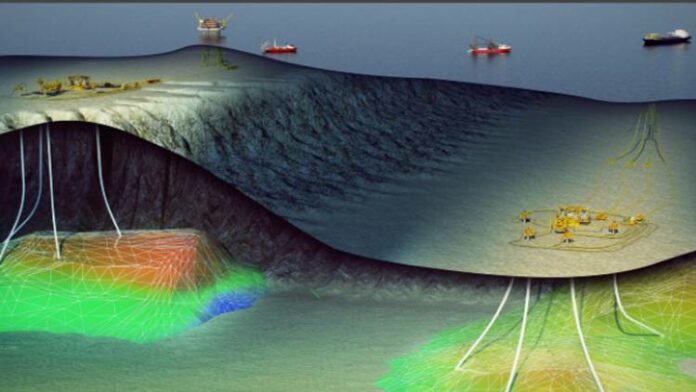
The work scope includes engineering, procurement, construction, and installation of two production wells. The wells are in a water depth of approximately 45 m (148 ft) and will be tied back to the Longford onshore gas plants.

Project management and engineering will be provided by OneSubsea and Subsea 7 from offices in Perth and Melbourne, Australia. Offshore installation activities are scheduled for 2020.

The Subsea 7 scope includes project management, engineering, procurement, construction, and installation of two production wells and a single electrohydraulic umbilical from the Barracouta platform to the West Barracouta drill center.

The OneSubsea scope includes the provision of two vertical monobore on-wellhead production trees, wellheads, controls, and installation and commissioning services.

Don Sweet, president, OneSubsea, Schlumberger, said: “By adopting our supplier-led approach, Esso Australia will leverage our technical specifications as well as standardized configurable products that will allow for shorter lead times, overall lower system costs, and accelerated first gas production."

“Further, Subsea Integration Alliance’s execution strategy will enable Esso to achieve cost and schedule certainty and reduce interface risk.”

Source:offshore-mag

Seabased to shut Swedish wave converter factory

0

Swedish wave energy developer Seabased is closing down one of its subsidiaries in its home country.

"Seabased Industries, which has a wave converter factory at Lysekil, is being liquidated because of “multiple factors”, the developer said.

The company said it is no longer able to paint or weld at Lysekil and so generators cannot be produced at the facility.

There is also no deep harbour access, which means it is not possible to ship kit from Lysekil, it added.

Seabased chief executive Oivind Magnussen said: “For over a year we have tried to resolve these issues, either in current or nearby facilities, and have retained our team of employees as we have done so. Unfortunately, we have been unable to find an adequate solution.”

Magnussen added that the closure will not impact the company's agreements to develop several wave energy facilities across the world.

Seabased said it will work closely with the authorities to find acceptable solutions for the employees affected by this closure.

Seabased chair of the board of directors Gunn Ovesen said: “It is with a heavy heart that we must close Seabased Industries, which has been a valuable part of the Seabased group for the last decade."

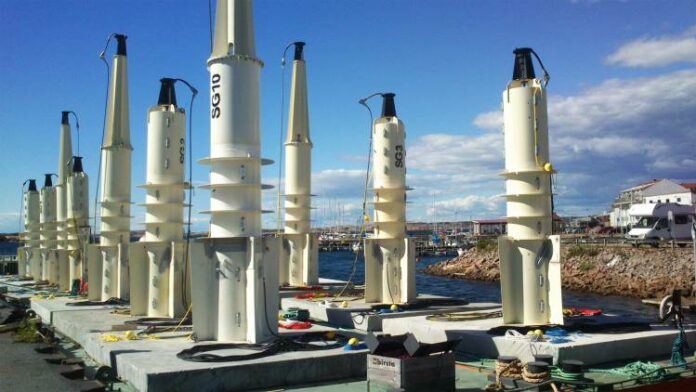
As the world’s first and largest dedicated manufacturing facility for wave energy converters, the factory at Lysekil and the committed team of employees in Seabased Industries has made ocean energy history on multiple occasions.

It is through this facility, and this team, that we manufactured the generators and buoys for the Sotenas wave energy park and developed many methods to scale up the production of our generators.

It is largely because of the work done by the team at Lysekil that Seabased is poised to go commercial.

For these reasons, we have endeavoured to keep the factory going as long as possible, despite extensive challenges in recent years, both practical and financial. Unfortunately this is no longer possible.