1.1 C
New York
Home Blog Page 113

Awake.AI wins the CO2 and Logistics Activity Digital Tool tender

0

A CO2 and logistics activity Digital tool has been procured from Awake.AI as part of the Sustainable Flow (Sustainable flow of goods and decreased CO2 emissions of transportation) Interreg project. 

“Developing solutions for emission reduction was the main driver when we started the company. Now we are very excited to start a project that takes this journey a major leap forward. We will collect emission data straight from sources provided by ports through APIs, estimate emissions where needed based on standards and best practices, and enable manual data inputs by users of the system. The tool will provide ports an up to date view of their emissions, enabling them to develop their operations to be more sustainable,” says Dr. Jussi Poikonen, Co-founder and VP of AI & Analytics at Awake.AI.

In this project, Awake.AI develops a CO2 and logistics activity ICT tool for reducing and calculating CO2 emissions in ports. Pilot ports (Rauma, Pori, Norrköping, Tallinn, Oxelosund, Mariehamn, Riga) will use the tool for monitoring and improving the efficiency of logistic chains. The basic principle of the CO2 and logistics activity ICT application is to identify different emission sources, calculate emissions and provide comprehensive and up to date statistics and reports on scope 1, 2, and 3 emissions. The solution will guide ports to improve their energy efficiency and decrease their CO2 emissions. 

Life and business in the Central Baltic countries are extremely dependent on the Baltic Sea in transportation of goods (i.e. freight transport/ cargo traffic). The transport sector emits greenhouse gases, especially carbon dioxide (CO2). The flow of goods at sea, ports and on hinterland (i.e. intermodal/multimodal transport systems) should be environmentally, economically and socially sustainable, driving the need to reduce CO2 emissions and to tackle the climate crisis.

CO2 emissions are reduced by the Sustainable Flow project on flow of goods in intermodal/multimodal transport systems. Implementation is done through real-life pilots, which are implemented in transport nodes for sea and land. There are seven intermodal transport nodes targeting CO2 reductions (ports of Rauma, FI; Pori, FI; Mariehamn, Å; Norrköping, SE; Oxelösund, SE; Tallinn, EE; Riga, LV). The project provides decision-making tools with practical solutions for various stakeholders to reduce their CO2 emissions in intermodal/multimodal transport systems already during the project and well beyond.

Cross-border co-operation ensures that the developed tools are the most suitable and appropriate for Central Baltic geographical and other conditions. The partnership combines different organizations to ensure best available knowledge, methods, and solutions to be used. Sustainable Flow is globally the first project focusing both on developing digital tools and focusing on energy savings and renewable energy to reduce CO2 emissions in the transport sector, especially on maritime and ports. The reduced CO2 emissions foreseen is 10% on average (from baseline 0) in pilot ports by the end of the project.

Project Partners:

  • Satakunta University of Applied Sciences Ltd
  • Swedish Confederation of Transport Enterprises
  • Åland University of Applied Sciences
  • Tallinn Technical University. Taltech Estonian Maritime Academy
  • International Transport Development Association
Finland seizes tanker carrying Russian oil suspected of knocking out internet, power cables

0

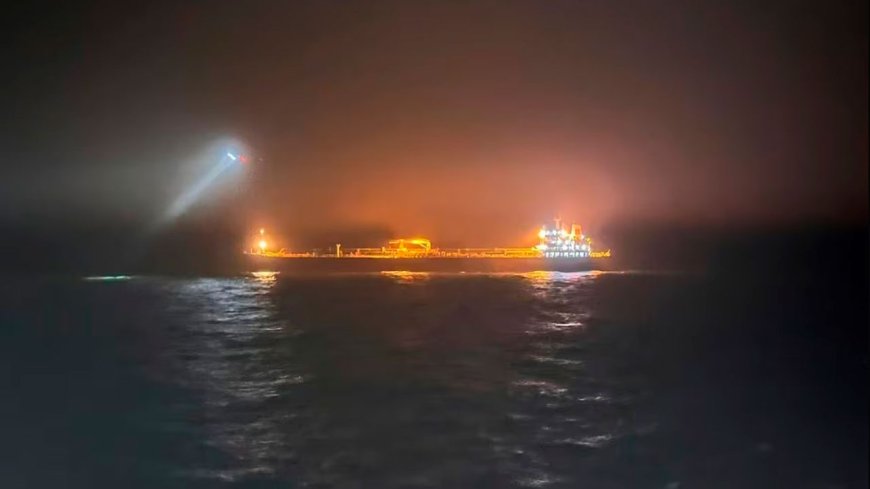
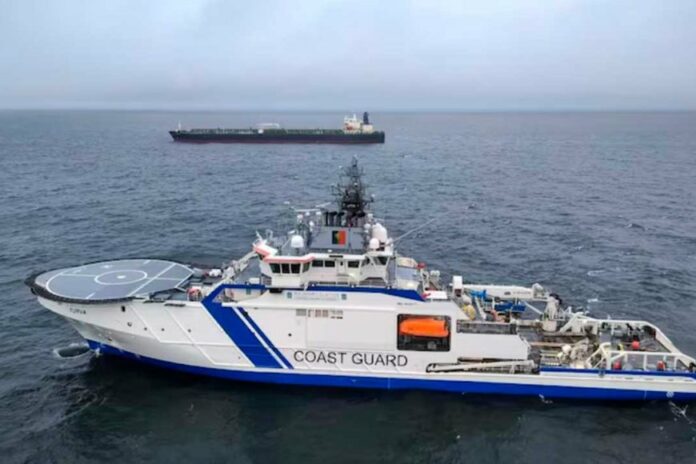
The Cook Islands-registered ship, named by authorities as the Eagle S, was boarded by a Finnish coast guard crew that took command and sailed the vessel to Finnish waters, a coast guard official said at a press conference.

“From our side we are investigating grave sabotage,” said Robin Lardot, director of the Finnish National Bureau of Investigation.

“According to our understanding, an anchor of the vessel that is under investigation has caused the damage.”

The Finnish customs service said it had seized the vessel’s cargo and that the Eagle S was believed to belong to Russia’s so-called shadow fleet of aging tankers that seek to evade sanctions on the sale of Russian oil.

Two fibre optic cables owned by Finnish operator Elisa linking Finland and Estonia were broken, while a third link between the two countries owned by China’s Citic was damaged, Finnish transport and communications agency Traficom said.

The oil tanker Eagle S is seen at sea outside Porkkalanniemi on Thursday. (Finnish Border Guard/The Associated Press)

A fourth internet cable running between Finland and Germany and belonging to Finnish group Cinia was also believed to have been severed, the agency said.

“We are co-ordinating closely with our allies and stand ready to support their investigations,” said a spokesperson for the U.S. National Security Council, adding that the incident underscored the need for closer international co-operation on safeguarding critical undersea infrastructure.

“We are following investigations by Estonia and Finland, and we stand ready to provide further support,” NATO Secretary General Mark Rutte said in a post on social media X.

Both the Finnish and Estonian governments held extraordinary meetings on Thursday to assess the situation, they said in separate statements.

Baltic Sea nations are on high alert for potential acts of sabotage following a string of outages of power cables, telecom links and gas pipelines since 2022, although subsea equipment is also subject to technical malfunction and accidents.

Repairing the 170-kilometre Estlink 2 interconnector will take months, and the outage raised the risk of a strained power supply during the winter, operator Fingrid said in a statement.

Source: CBC

Damen Naval signs contract with Nevesbu for Colombian PES Frigate

0

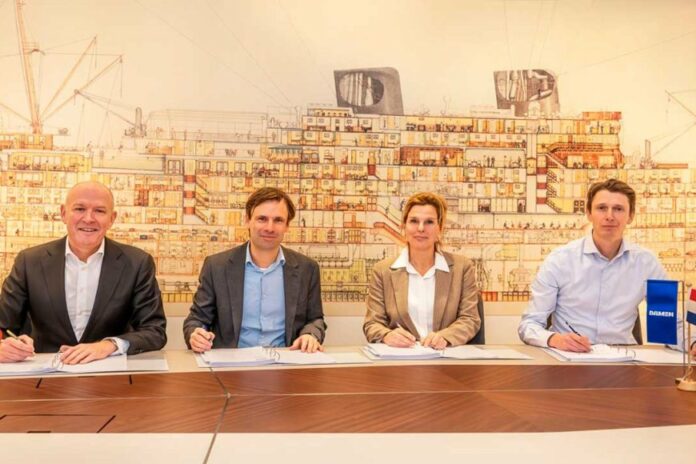
This scope includes both basic engineering and detailed engineering. The collaboration highlights the strength of the Damen Shipyards Group, with Damen Naval and Nevesbu joining forces as sister companies within the organisation.

Based on Damen Naval’s proven SIGMA 10514 series, the PES frigate is designed to combine versatility and combat capability while being tailored to meet Colombia’s specific requirements. This partnership allows Damen Naval to enable COTECMAR, Colombia’s leading shipyard in Cartagena, to construct a frigate locally for the first time.  

“This project highlights the power of collaboration within the Damen Shipyards Group, with Nevesbu’s advanced naval architecture and platform systems integration capabilities playing a key role,” says Damen Naval Project Director Jasper Oreel. “Through our shared expertise, we contribute to a strong, self-sufficient defence industry in Colombia.” 

Nevesbu, a specialised naval architect and platform systems integrator, brings extensive experience in supporting Damen Naval projects, seamlessly integrating into the project team. The Nevesbu Platform Engineers work closely with Damen Naval Procurement to evaluate and contract suppliers to meet the equipment and service requirements of the PES frigate.

Bart van Rijssen, Managing Director of Nevesbu, says: “We are proud to contribute to the realisation of this advanced frigate for the Colombian Navy.” 

The first PES frigate, set for delivery in 2030, represents a major milestone for Colombian shipbuilding. It combines global expertise with local job creation and knowledge sharing, paving the way for a stronger, more self-reliant industry.

Aker Solutions awards ABB contract for major UK floating offshore wind project

0

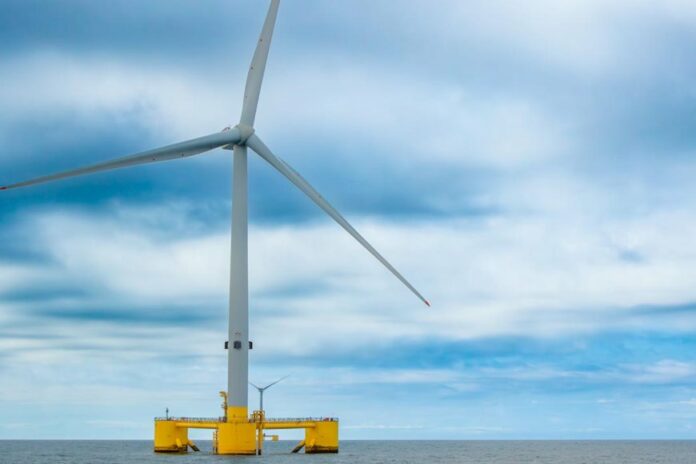
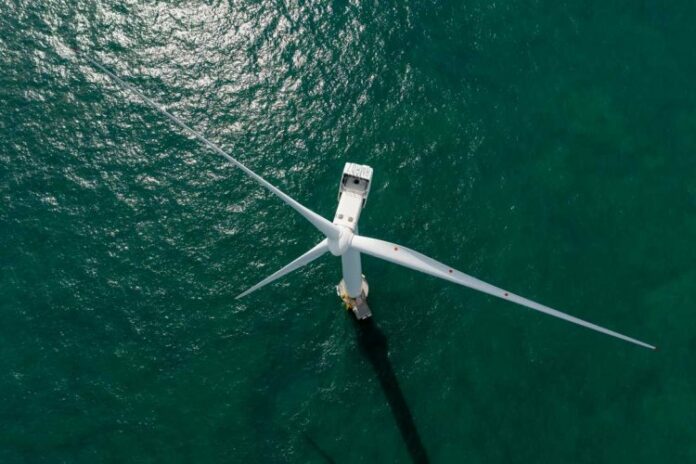
Aker Solutions has awarded ABB a front-end engineering and design (FEED) contract for the 560 MW Green Volt floating offshore wind project in the UK, led by Vårgrønn and Flotation Energy. Green Volt, located 80km off the coast of Peterhead in northeast Scotland, aims to become the first commercial-scale floating wind farm in Europe and will contribute to the decarbonization of the UK energy system.

When fully operational in 2029, the project is expected to supply 1.5 TWh of renewable power to the grid annually1- enough to supply approximately 555,000 homes a year2 – contributing to both the UK Government’s commitment to reach net zero by 20503 and Scotland’s target for net zero by 2045.

As part of FEED Phase 1, ABB will work alongside Aker Solutions on the complete electrical study for the facility, including system design and high voltage equipment. ABB will lead the electrical infrastructure development, including integrated automation and telecommunications systems for the offshore platform and onshore substation. ABB will also manage the integration of renewable energy into the grid, deploying advanced power and energy management systems to optimize operations.

“Our partnership with Vårgrønn, Flotation Energy and ABB underscores our dedication to contribute to Europe’s vision for accelerating the deployment of offshore wind,” said Henrik Inadomi, Executive Vice President for New Energies at Aker Solutions. “This collaboration will also make a significant contribution to our shared commitment to building profitable value chains for the European offshore wind industry.”

ABB is actively involved in seven offshore wind projects across the UK, which collectively represent 9 GW of capacity. These include Dogger Bank, currently the world’s largest offshore wind farm. By leveraging its advanced automation, electrification and digital solutions, ABB helps offshore wind projects minimize operational costs, optimize energy production and ensure the safe, reliable integration of renewable power into the grid.

“We are proud to partner with Aker Solutions on the Green Volt project and deploy our technologies to help accelerate progress towards the UK’s 60 GW4 offshore wind capacity target,” said Per Erik Holsten, President of ABB Energy Industries. “Wind power currently accounts for almost 30 percent5 of the UK’s total electricity generation, with a record daily amount of 21.8 GW6 generated last year, and projects like Green Volt are important to sustaining this momentum.”

Developed under Crown Estate Scotland’s Innovation and Targeted Oil and Gas (INTOG) leasing round, the project will also bolster the Scottish and UK supply chains for floating offshore wind technology.

Suez Canal Economic Zone attracts $64 billion in green hydrogen investments

0

The Suez Canal Economic Zone (SCZONE) has finalized $64 billion in green hydrogen investments through 12 framework agreements, aiming to produce 18 million tons of green hydrogen annually. 

Chairperson Waleid Gamal El-Din highlighted these milestones during a meeting with Egyptian Prime Minister Mostafa Madbouly, emphasizing SCZONE’s strategic role in the global green energy transition.

“The SCZONE is committed to localizing the green hydrogen industry within the economic zone’s industrial areas and ports,” said Gamal El-Din.

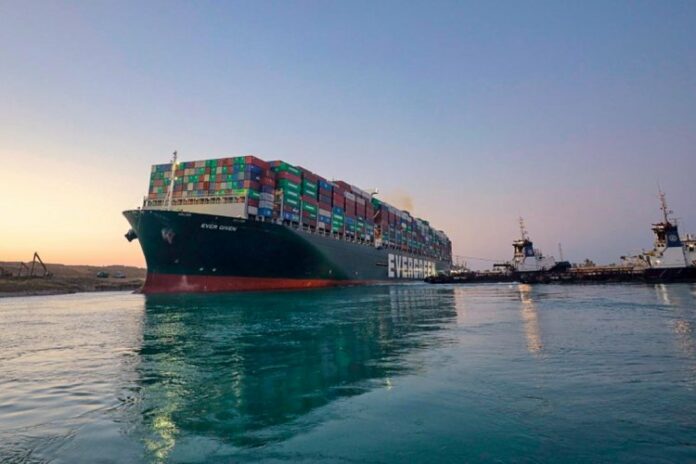
SCZONE spans 455 square kilometers, featuring six major ports and four industrial areas. It facilitates 12% of global trade via the Suez Canal, with 26,000 vessels annually passing through. This positioning has attracted 400 operational facilities and created 100,000 direct and indirect jobs.

Key projects include:

  • A proposed green hydrogen production complex.
  • Investments in electrolyser components, wind turbines, and solar panels.
  • A focus on ship bunkering infrastructure to meet global demand for green fuels.

Beyond green hydrogen, SCZONE is targeting growth in electric vehicles, pharmaceutical manufacturing, and sustainable building materials.

“Our initiative addresses rising global demand for green fuels while leveraging the Suez Canal’s strategic advantages,” Gamal El-Din noted.
SCZONE is advancing several logistics and infrastructure projects:

  • A four-phase water desalination plant in Sokhna, with operations for the first phase slated for 2026.
  • A logistics corridor and tank farm to support trade operations.
  • A liquid cargo terminal and gas network project at Sokhna Port.

These initiatives underscore SCZONE’s mission to become a global hub for sustainable industry and trade.

Source: esgnews

New Saipem offshore contract in Nigeria worth $900 million

0

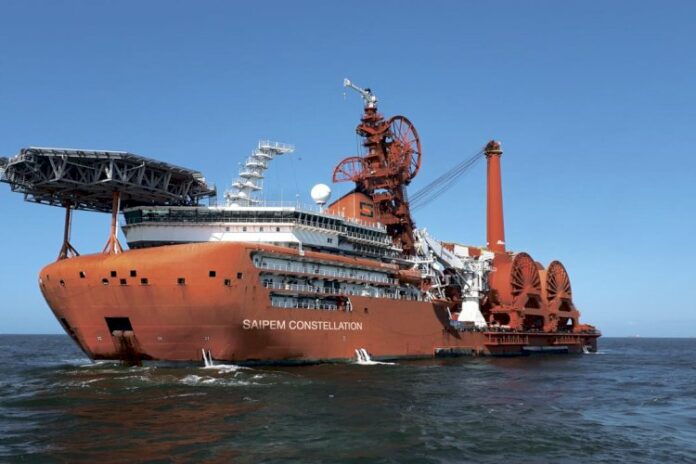
Saipem, in consortium with KOA Oil & Gas and AVEON Offshore, has been awarded a new offshore contract by Shell Nigeria Exploration and Production Company Limited (SNEPCo) for the Bonga North Project, relevant to the development of a deepwater oil field, 130 km off the coast of Nigeria. The overall value of the contract is about 1 billion USD and Saipem’s share amounts to approximately 900 million USD.

The project is related to the tieback of wells to the existing FPSO. Saipem’s scope of work encompasses the Engineering, Procurement, Construction and Installation (EPCI) of risers, flowlines, subsea umbilicals, and associated subsea structures.

Design and fabrication activities will be carried out locally, also involving Nigerian suppliers and subcontractors.

This major contract contributes to the overall fleet booking until 2027 and confirms Saipem’s leading role in deep-water activities, particularly in West Africa and in Nigeria where Saipem is present since the late 1960s.

Equinor and its partners drill two dry wells in the North Sea

0

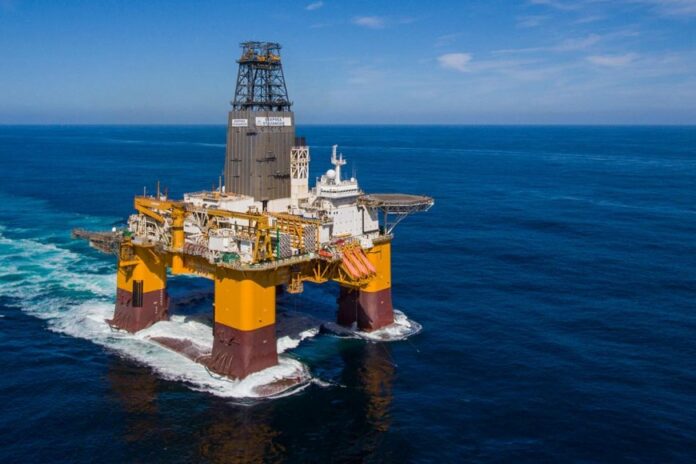
The wells were drilled by the Deepsea Stavanger rig.

The primary exploration target for the wells was to prove petroleum in Upper and Middle Jurassic reservoir rocks in the Kvernbit prospect (Viking Group) and the Mimung sør prospect (Brent Group), respectively. The secondary exploration target was to prove petroleum in the Cook Formation in the Lower Jurassic.

In the primary exploration target in well 35/10-14 S, the well encountered more than 80 metres of sandstone reservoir in the Upper Jurassic with poor reservoir properties. The Brent Group was 193 metres thick, 51 metres of which were sandstone layers with poor reservoir properties. The Cook Formation was 77 metres thick, 18 metres of which were sandstone layers, mainly with poor reservoir properties.

In well 35/10-14 A, the Tarbert, Ness, Etive and Rannoch formations were encountered with a total thickness of 163 metres, 63 metres of which were sandstone layers with poor reservoir properties. Extensive data acquisition was carried out in both wells, including core sampling in well 35/10-14 A.

  • Well 35/10-14 S was drilled to respective vertical and measured depths of 4885 metres and 4925 metres below sea level, and was terminated in the Johansen Formation.
  • Well 35/10-14 A was drilled to respective vertical and measured depths of 4275 metres and 4710 metres below sea level, and was terminated in the Rannoch Formation in the Mid Jurassic.

Iberdrola working with Norfolk for its East Anglia Two offshore wind farm

0

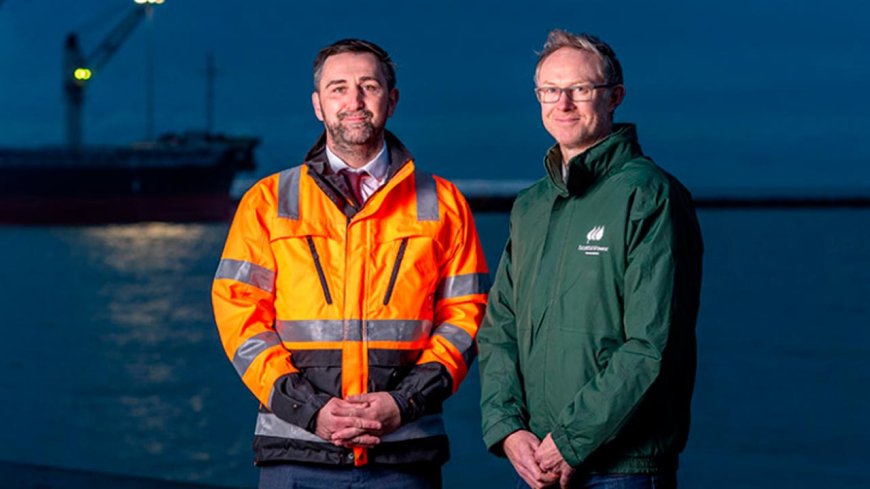
Iberdrola, through its renewable subsidiary in the United Kingdom, ScottishPower Renewables, has chosen the port of Great Yarmouth in Norfolk, England, for the pre-assembly works of its 960 MW East Anglia Two offshore wind farm. 

The British subsidiary of the Iberdrola Group and the port authority Peel Ports Great Yarmouth have signed an agreement to reserve the site and carry out this assignment. 

Components for the 64 turbines, including 192 blades manufactured at Siemens Gamesa’s Hull plant, will arrive here from different regions of the UK and continental Europe before they are set up in the North Sea in 2028.

The choice of Great Yarmouth for pre-assembly work demonstrates ScottishPower Renewables’ commitment to the UK and the East Anglia region, further consolidating the region’s reputation as a leading centre of the offshore renewables industry. The company already operates the 714 MW East Anglia One offshore farm in the region’s waters, whose 102 turbines produce enough clean energy to power the equivalent of 630,000 British homes.

The East Anglia area has also become the heart of the company’s offshore wind operations. The East Anglia Hub offshore wind macro-complex is being built here, bringing together three projects with a total installed capacity of 2,900 MW: East Anglia One North, East Anglia Two and East Anglia Three. The projects, which will involve an investment of 10 B pounds, began in 2022 and will last for four years. The capacity of this hub will be able to supply 2.7 million British households with clean energy.

Ukraine plans to purchase two more corvettes

0

The relevant document was approved by the Cabinet of Ministers of Ukraine on November 22.

According to the plan, the Ministry of Defence of Ukraine is to conclude a foreign economic contract for the construction of two new corvettes in the interests of the Navy in 2024-2026.

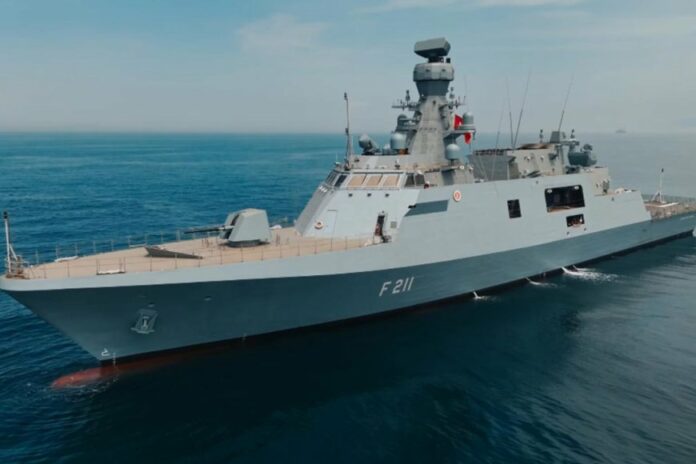
The specific type of ships or potential contractors are not named. However, it would be logical to assume that these are the same type of Turkish Ada-class corvettes, as two of them are already being built to order for Ukraine.

After the contract is signed, the construction of the ships and their delivery to the customer is expected to last from 2026 to 2030.

The new ships should ensure that Ukraine’s naval capabilities are sufficient to ensure the defense of the sea coast and protect national interests in the Black and Azov Seas.

The Ministry of Defence signed a contract for the construction of the first two Ada-class corvettes (F211 and F212) with Turkish companies in December 2020.

The value of the deal was not disclosed, but the authoritative Defensenews publication, citing Turkish sources, said it was worth about €200 million ($256 million) at the time of the contract signing.

This amount coincides with the state funding for the construction of the Hetman Ivan Mazepa (F211) corvette in 2021, which is worth UAH 3,788,506 billion (about $137 million).

This is only a fraction of the total cost of one corvette, as at the time of signing the agreement, plans called for the final completion of the vessels in Ukraine. In addition, this amount did not include at least some of the expensive weapons, such as air defense systems and anti-ship missile systems, which were only being selected at the time of construction.

The approximate final cost of a Ukrainian ship can be estimated from this year’s Malaysian contract for three Ada corvettes. The budget allocated for the purchase of three boats was approximately $530 million ($176 million per ship).

The peculiarity of the Malaysian corvettes in this calculation is that they will be manufactured in a similar modification with aft vertical air defense missile launchers.

Source: Militarnyi

Wärtsilä service agreement will optimise liquefaction operations for five GasLog LNG Carriers

0

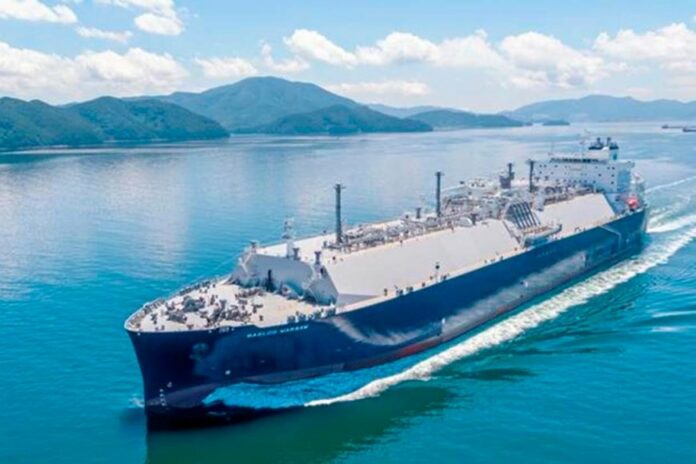
Wärtsilä Gas Solutions, part of technology group Wärtsilä, has signed a three-year Service & Maintenance Agreement with Greek fleet-owner GasLog LNG Services. 

The agreement covers five 180,000 m3 LNG Carrier vessels, all of which are fitted with Wärtsilä mixed refrigerant (MR) Reliq liquefaction plants. The signing took place in December 2024, and the order was booked by Wärtsilä in the same month.

By optimising the operation of the ships’ MR Reliq plants, the boil-off gas (BOG) from the LNG cargo can be efficiently managed. This reduces emissions while also minimising cargo losses, thereby improving the vessels’ economic performance.

The scope of the agreement includes technical support, secured availability of spare parts and specialised field service personnel, as well as performance monitoring of the MR Reliq plants. Remote technical support and operational data monitoring is provided by Wärtsilä digital services.

“GasLog is a leading global provider of LNG shipping services, helping the world transition to a lower carbon future. We at Wärtsilä Gas Solutions are excited to support them in this by ensuring the efficient and sustainable operation of their onboard liquefaction plants. We look forward to continuing our long-term partnership and collaboration,” comments Saman Siahpoush, Head of Services Sales, Wärtsilä Gas Solutions.