2.8 C
New York
Home Blog Page 114

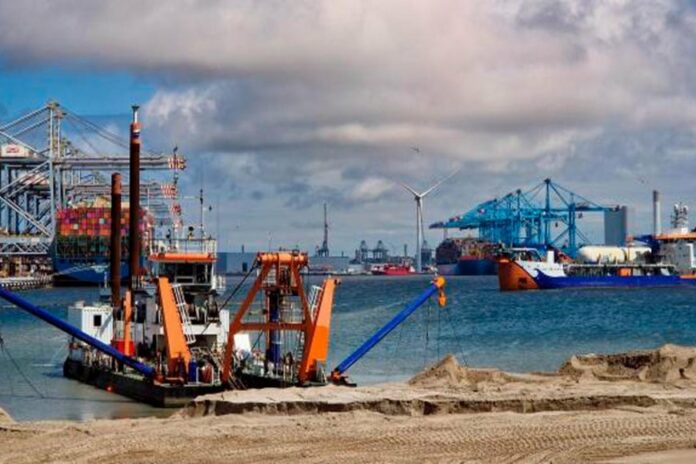
Dredging work completed for Prinses Amaliahaven in Rotterdam

0

During the peak of the work, three Van Oord vessels were working at the same time, turning the port orange-blue. With the completion of this work, the delivery of the project later this year nears.

The construction consortium, consisting of Van Oord, Hochtief and Ballast Nedam, is building two deep-sea quays, an inland shipping quay and some earth-retaining walls. 

Van Oord’s cutter suction dredger Biesbosch and trailing suction hopper dredgers Vox Apolonia and Vox Alexia dredged the port to a depth of 20 metres below sea level. The Biesbosch dredges to a depth of about 15 metres. The trailing suction hopper dredgers take care of the last 5 metres. The sand dredged from Prinses Amaliahaven was partly reused in the adjacent Prinses Alexiahaven, where Van Oord is working on a 45-hectare land reclamation project. 

Trailing suction hopper dredgers Vox Apolonia and Vox Alexia run on Liquefied Natural Gas (LNG), a more sustainable alternative to Marine Gas Oil (MGO), minimising sulphur and particulate emissions. In addition, the combustion process of LNG differs from that of MGO, resulting in lower nitrogen dioxide emissions. The state-of-the-art Vox Apolonia and Vox Alexia became operational last year. Van Oord’s ambition is to achieve net-zero emissions by 2050, in line with the Paris Agreement. 

Maximar joins AtoB@C Shipping’s fleet

0

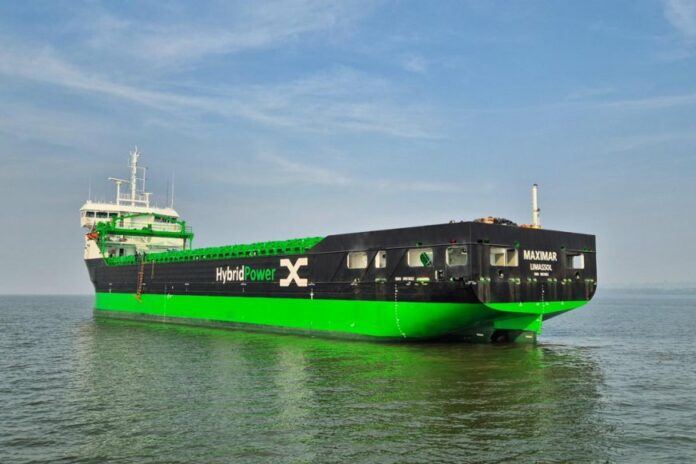
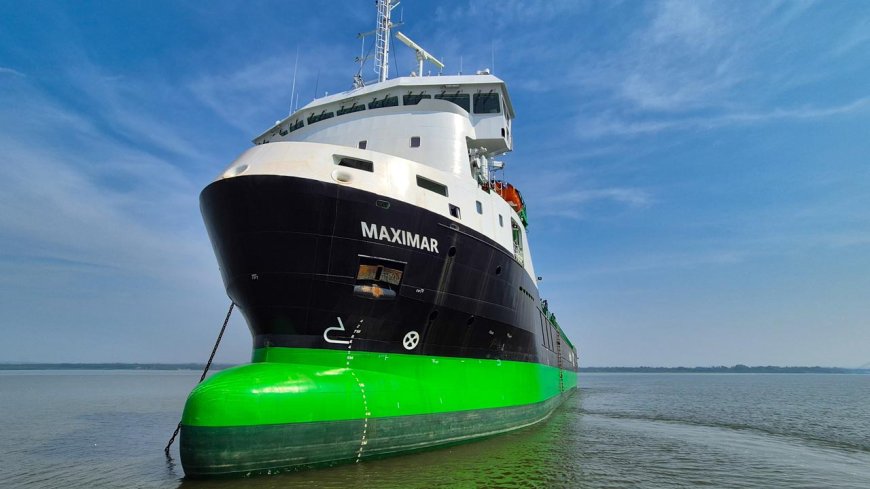
AtoB@C Shipping, subsidiary of ESL Shipping, is continuing its fleet renewal with the delivery of the Maximar on December 20 in Goa, India.

AtoB@C Shipping’s newbuilding program is approaching its halfway point as the sixth vessel, Terramar, was launched on December 3 and is expected to be delivered in the first quarter of 2025. Altogether, AtoB@C Shipping has ordered twelve 5,350 dwt plug-in hybrid vessels from Chowgule & Company, with one vessel scheduled for delivery every quarter until the autumn of 2026.

Like its sister vessels already in operation, the Maximar features hybrid propulsion and shore power connectivity. With a deadweight tonnage of 5,400 and an ice class rating of 1A, it is designed for efficient and sustainable year-round operations in the Baltic Sea and Northern Europe. The integration of battery technology allows for emission-free and quiet port visits, significantly reducing CO2 emissions per cargo unit by nearly 50% compared to the current generation of vessels.

FPSO Destiny purchase by ExxonMobil Guyana completed

0

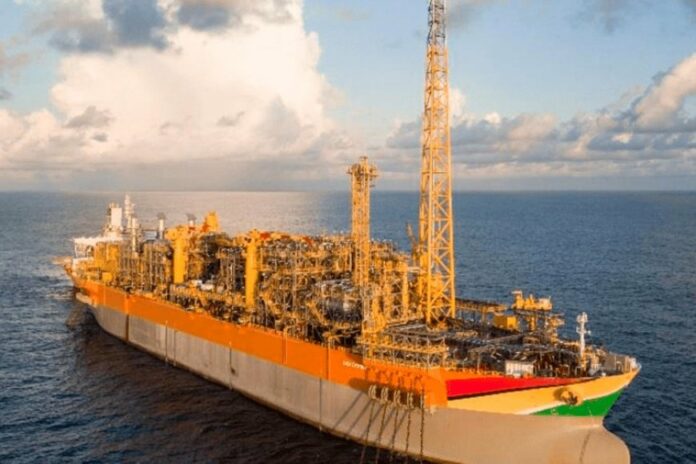
SBM Offshore and ExxonMobil Guyana Ltd, an affiliate of Exxon Mobil Corporation, have completed the transaction related to the purchase of FPSO Liza Destiny, ahead of the maximum lease term, which would have expired in December 2029.

 The purchase allows ExxonMobil Guyana to assume ownership of the unit while SBM Offshore will continue to operate and maintain the FPSO up to 2033.

The transaction comprises a total cash consideration of c. US$535 million. The net cash proceeds will primarily be used for the full repayment of the US$405 million project financing and as such will decrease SBM Offshore’s net debt position.

The FPSO Liza Destiny has been on hire since December 2019 and since 2023 has and will continue to be operated through the integrated operations and maintenance model combining SBM Offshore and ExxonMobil’s expertise and experience delivering outstanding operational performance.  

California ports partnership pushes offshore wind plans forward

0

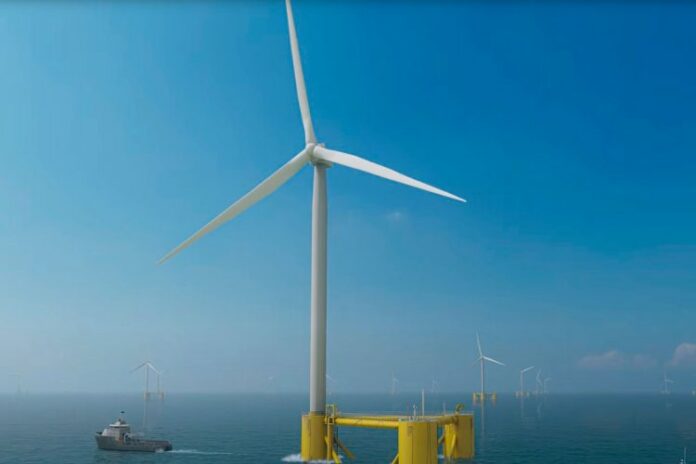
The California State Lands Commission and the ports of Long Beach and Humboldt announced an agreement to advance floating offshore wind energy development off the California coast, through a comprehensive framework founded on coordination and collaboration to facilitate critical port infrastructure upgrades needed to support offshore wind.

Offshore wind energy is poised to transform the way California generates energy. It will help the state meet its goal of transitioning to 100 percent renewable energy by 2045, with up to 25 gigawatts of that energy coming from offshore wind. Staging and integration sites – waterfront areas where floating turbines are assembled – are critical for offshore wind energy development off the California coast.

The ports of Long Beach and Humboldt are actively developing terminals to assemble wind turbines on floating platforms that would be towed to installation areas 20-30 miles offshore of Humboldt County and Morro Bay. The ports have been identified in the California Energy Commission’s Offshore Wind Strategic Plan as key sites necessary for the successful deployment of floating offshore wind in California.

The State Lands Commission has worked with both ports this past year to structure a visionary partnership that will help bring these projects to fruition while uplifting California Native American tribes and historically underserved communities, protecting the environment, and engaging local communities.

“This important agreement parlays the foundations of offshore wind energy development – environmental protection, equity, public engagement, and the economy – into a partnership that leads the way toward a clean energy future,” said State Controller and Lands Commission Chair Malia M. Cohen.

Port of Long Beach CEO Mario Cordero said:

“This agreement, combined with the climate bond recently approved by California voters and the state’s commitment to procure up to 7.6 gigawatts of energy from offshore wind by 2035, gives the industry and California ports the confidence to invest in Long Beach’s Pier Wind and other complementary projects and create thousands of good-paying jobs.”

Each of the collaboration areas in the agreement is essential to bring offshore wind energy to California. The Commission and ports will also collaborate to align staging and integration site development with broader offshore wind considerations, such as transmission, power purchasing, workforce development, manufacturing, and other supply chain developments, science and technology innovations, and sea space leasing.

Humboldt Harbor District Executive Director Chris Mikkelsen said:

“May this promise invite all interested and affected parties to engage, contribute, and join in unity to bring opportunity, strong environmental health, and leading economic development to our communities today and into the future.”

NYK and ENEOS sign agreement for sale and purchase of marine fuel

0

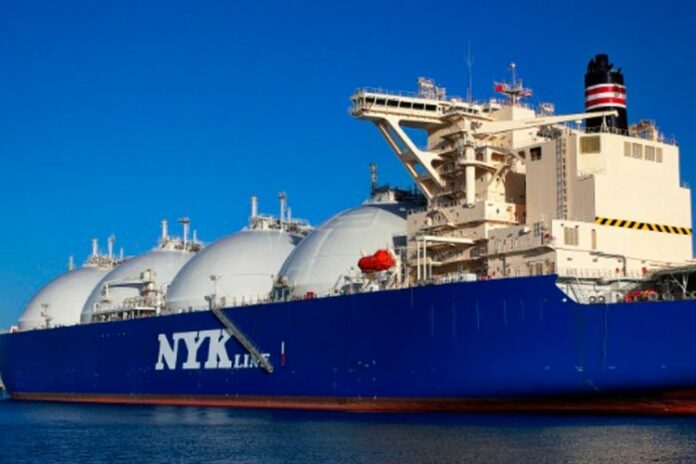
On December 11, Nippon Yusen Kabushiki Kaisha and ENEOS Corporation signed an Agreement regarding the sale and purchase of marine fuel with carbon dioxide removal credits created through Direct Air Capture with Carbon Storage.

The Agreement stipulates that ENEOS will procure CDR credits from 1PointFive’s STRATOS Direct Air Capture plant in Texas, the United States that is scheduled to commence operations in 2025. These credits are generated by removing CO2 from the atmosphere and storing it underground. ENEOS will then sell these credits, along with the marine fuel it supplies, to NYK for five years starting in 2028. DACCS is one of the negative emission technologies that achieves the removal of greenhouse gases (GHGs) that cannot be reduced by energy conservation or transition to next-generation fuels. This innovative technology contributes to achieving net zero emissions in the energy sector.

NYK and ENEOS will continue to actively promote the development and dissemination of GHG emissions reduction technologies, including DACCS, to contribute to the realization of a carbon-neutral society.

Based on the NYK Group Decarbonization Story published in November 2023, NYK is promoting CO2 emissions reduction toward achieving net zero emissions by 2050. This is being done by maximizing energy efficiency and transitioning from traditional fossil fuels to next-generation fuels such as LNG, ammonia, and methanol. Additionally, for residual emissions that cannot be eliminated through efforts to reduce emissions, NYK aims to achieve net zero CO2 emissions through a “reduction” and “removal” approach by offsetting emissions using CDR credits.

Based on the Third Medium-Term Management Plan & Carbon Neutrality Plan announced in May 2023, the ENEOS Group is working not only on reducing and absorbing its own CO2 emissions through such as Carbon Capture and Storage (CCS), forest absorption, and DACCS, but also on reducing society’s overall emissions through the promotion of energy transitions to such as hydrogen, biofuels, and renewable energy, with the aim of achieving net zero emissions at the Group and society at large. Moreover, through the launch of carbon offset fuel announced in January 2024, ENEOS will contribute to voluntary initiatives across society.

1PointFive is a Carbon Capture, Utilization and Sequestration (CCUS) company that is working to help curb global temperature rise to 1.5°C by 2050 through the deployment of decarbonization solutions, including Carbon Engineering’s Direct Air Capture and AIR TO FUELS™ solutions alongside geologic sequestration hubs. Direct Air Capture can help marine companies advance their emissions removal goals during the transition period until low-carbon fuels become widespread and address residual emissions of alternative fuels.

WinGD completes first full-load running of X-DF-M engine on methanol fuel

0

Swiss marine power company WinGD has reached a milestone in realising its X-DF-M methanol-fuelled engine design, running the first commercial engine at full load on more than 95% methanol fuel. The ten-cylinder, 92-bore 10X92DF-M engine was run on a testbed at CSSC-MES Diesel (CMD) in Shanghai in mid-December.

The engine will be installed on the fourth of a series of 16,000 TEU container vessels being built for COSCO Shipping Lines at COSCO Shipping Heavy Industry (Yangzhou) shipyard. As reported, the single-fuel 10X92-B engines on earlier vessels in the series will be converted for methanol once the first newbuild X-DF-M engine has been commissioned. 

WinGD Vice President Research & Development Sebastian Hensel said:

“After validating the methanol technology on our 920mm bore Single Cylinder Test Engine, the 10X92DF-M is running smoothly at full load and according to our expectations. This achievement is a key moment in delivering on our promises to our customers considering methanol fuel, and I am grateful to our engine builder partner CMD and our colleagues across WinGD for their remarkable efforts.”

The engine ran with less than 5% pilot fuel and minimal pilot fuel injector opening times. WinGD’s site team at CMD reported excellent engine condition following the full methanol running. The trip function to diesel fuel and switching to methanol, at 45% and 75% engine load, were also tested. Engine testing will now proceed on schedule for delivery to the yard within the agreed timeline.

Earlier this year COSCO Shipping Lines confirmed the selection of 9X92DF-M engines for an additional twelve 14,000 TEU vessels, reinforcing the company’s strong support for WinGD’s methanol technology. In total WinGD has 56 X-DF-M engines on order covering a range of bore sizes, with discussions ongoing for several more engines.

Fugro supports development of Equinor’s major European CO2 highway

0

The contract is part of a 1,000-kilometre-long planned pipeline by Equinor to transport CO2 between mainland Europe and Norway. Bringing large scale CO2 storage to European industry, this project could be a game-changer for CO2 transport and storage in northwestern Europe.

With an ambitious target to come onstream in 2030, it’s vital to avoid delays due to poor design based on incorrect and unsuitable Geo-data. Fugro has been chosen to acquire high quality data that will allow Equinor to quickly calculate ground risk and reduce uncertainty.

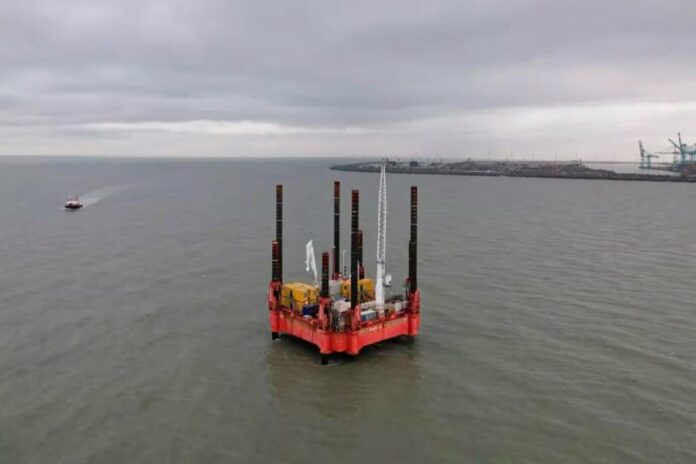
The ground investigation is being carried out by WaveWalker; Fugro’s innovative, liveaboard jack-up platform. Jack-up barges are ideally suited for projects in shallow waters, making WaveWalker an effective solution for the site’s coastal location in Zeebrugge, Belgium.

WaveWalker can operate in a range of weather conditions, allowing Fugro to mobilise on the project in the winter of 2024 while mitigating schedule and cost risks associated with adverse winter weather operations. Safety and operational efficiency are enhanced by reducing wave interference as the jack-up’s legs are fixed to the seabed and the need for time-consuming crew changes are eliminated as staff can live aboard.

Prior to the site works, Fugro conducted a search for unexploded ordnance to ensure WaveWalker could be safely deployed and ensure feasibility for the full ground investigation scope. This includes geotechnical borehole drilling, high-quality sampling, and downhole cone penetration tests (CPT). The ground investigation will provide Equinor with insights for the development of the landfall, and for deep pipeline burial under the Scheur ship channel, which are vital to ensure safe and efficient installation of the CO2 pipeline.

This contract award comes off the back of the successful marine geotechnical campaign Fugro completed earlier this year. Two vessels were deployed in August, first Fugro Galaxy, performing CPT and Vibrocore sampling along the CO2 highway route. Fugro Meridian then took over to complete the deep-water sections.

Matthew Chappell, Regional Nearshore Service Line Director Europe and Africa:

“This is a fantastic opportunity for our Fugro teams across Europe to deliver critical data acquisition works for Equinor, especially within the pioneering CCUS sector which aligns with our mission to help create a safe and liveable world.”

The 1000 km long CO₂ pipeline is planned to start from CO₂ hubs in Zeebrugge, Belgium and Dunkirk, France, connected to storage wells at the Norwegian continental shelf. Fugro’s geotechnical work is part of the maturation of the project ahead of a potential investment decision.

Statue City Cruises selects Corvus Energy battery systems for ferry fleet

0

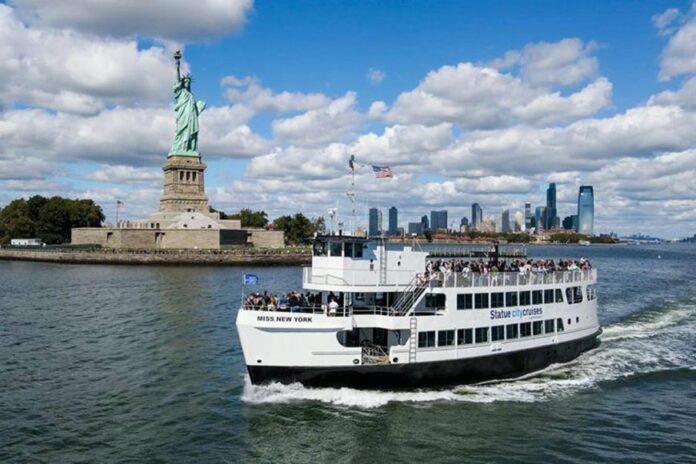
Corvus Energy ESS will be integrated aboard Statue City Cruises’ current fleet of nine ferries and will reduce fuel consumption and emissions along the New York/New Jersey waterfront. 

Since 2008, Statue City Cruises, which is part of Hornblower’s City Experiences portfolio, has been the official provider of ferry service to the Statue of Liberty National Monument and the Ellis Island National Museum of Immigration, transporting around 4 million passengers every year. Additionally, the National Park Service recently awarded a 10-year contract to Statue City Cruises for the continued operation of the Statue of Liberty and Ellis Island ferry service. 

The hybridization of the Statue City Cruises fleet demonstrates the company’s commitment to sustainability. In fact, the parent company of Statue City Cruises, Hornblower Group, has been at the forefront of implementing environmentally conscious, emissions-reducing solutions. They were the first to introduce hybrid-powered passenger ferry service in the United States through their affiliated brand Alcatraz City Cruises.

The Alcatraz City Cruises fleet of hybrid ferries, including the Alcatraz Flyer and Alcatraz Clipper, currently offer transit to Alcatraz Island in the San Francisco Bay. Both vessels utilize a Corvus ESS and are capable of zero emission, fully electric service. A third vessel, the Hornblower Hybrid, is also in the process of installing a new ESS for fully electric operation. 

By leveraging energy-efficient upgrades, including energy storage, Alcatraz City Cruises states their fleet annually saves “over 235,000 gallons [of fuel],” which is “equivalent to taking 450 cars off the road or planting 718 acres of trees” each year.(source) 

The hybridization of the Statue City Cruises fleet is an important step to reduce emissions and fuel consumption and enables a more sustainable ferry service operation along a key New York/New Jersey route. Rafael Abreu, VP of Sales and Marketing for Statue City Cruises states that “installing energy storage systems onboard our fleet allows us to provide a more sustainable transit to our passengers and will reduce the environmental impact of our operations in the New York/New Jersey region.”

The Statue City Cruises ferries will be equipped with Corvus Orca ESS, the most installed marine energy storage system worldwide, used onboard over 700 maritime vessels around the world. The battery system sizes will vary based on the power needs of each vessel. Partnering with Statue City Cruises, Corvus Energy is working side-by-side with system integrator Karl Senner, LLC for the electrical integration of the battery systems.

Battery-powered vessel functions produce zero emissions and require zero fuel, which in turn helps to reduce the environmental impact of the overall vessel operation. Corvus Energy SVP, Americas, Tor-Gunnar Hovig states,

“We are very pleased that Statue City Cruises selected Corvus Energy battery systems for the hybridization of their fleet and to help contribute to a more sustainable ferry service on the high-traffic Ellis Island/Statue of Liberty routes.”

In addition to supplying battery systems, Corus Energy will provide ongoing system monitoring and aftermarket services, including remote troubleshooting, spare parts, service engineers, and training for crew members, to support optimized system performance and lifetime.

To optimize battery performance over the lifetime of the system, Corvus Energy developed a proprietary cloud-based technology that continuously monitors ESS function and provides real-time performance insights. The online monitoring tool uses big data, machine learning and algorithms based on field-proven data to support predictive maintenance, optimized system use and proactive troubleshooting. A secure digital solution, the Corvus Orca ESS used in conjunction with the Corvus monitoring system was awarded Cyber Security Type Approval from leading maritime classification society, DNV. 

Environmental disaster unfolds after two ships spill tonnes of oil in the Black Sea

0

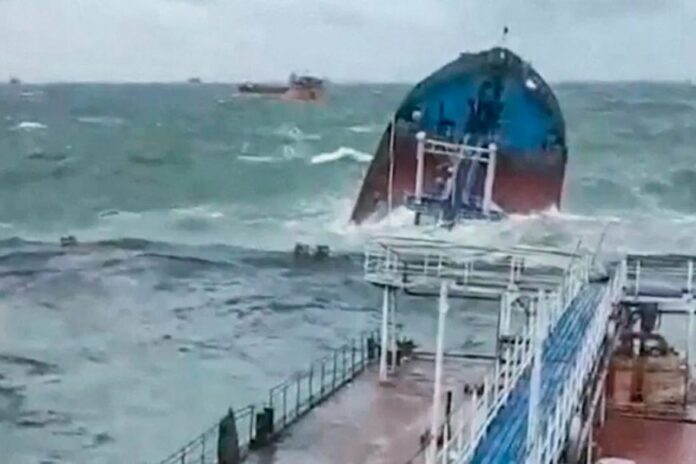
On Tuesday night, heavy fuel oil (mazut) from the tankers that sank on Sunday has begun washing up on the shores of the Black Sea coast. It is reported that more than 3,000 tons might have leaked into the sea. Locals are already posting dozens of videos of mazut stains and birds trapped in it along the seashore near Anapa. 

At the moment, the length of the contamination is at least 60 kilometers from the Crimean bridge to Anapa in the Krasnodar region. Several towns have declared an emergency situation. The death of birds contaminated with mazut has been recorded.

Natalia Gozak, office director of Greenpeace Ukraine, said:

“The accidents involving the two tankers in the Kerch Strait, both over 50 years old according to various reports, are serious and the leaking fuel oil is now jeopardising the local ecosystem. The accident is a warning sign of a much bigger problem: the Russian shadow fleet. Russia uses this fleet of obsolete tankers to export crude oil and sponsor the war in Ukraine. These must be urgently added to the EU sanctions list.”

Greenpeace Germany published a report with a list of the 192 most dangerous shadow fleet tankers. The 192 tankers are outdated, insufficiently insured and some have attracted attention in the past due to technical defects and dangerous ship-to-ship transfers of crude oil. Earlier the environmental organisation investigated the possible consequences of an accident with shadow fleet tankers off the German coast and an oil spill using GPS buoys. The environmentalists deployed buoys fitted with transmitters along the tanker route. The documented movements of the buoys show how an oil slick would spread off the German coast.

On Sunday, two tankers, Volgoneft-212 and Volgoneft-239, sank in the Kerch Strait (connecting Black Sea and Azov Sea). Both tankers, each over 50 years old, according to various reports,  together carried between 8,000 – 9,000 tons of petroleum products. On Tuesday the third tanker Volgoneft-109 gave a mayday signal due to oil product leakage.

Additional info

In November 2007, another Volgoneft-class tanker carrying 4,800 tons of fuel oil was wrecked in the same place during a storm. According to official data, 1,600 tons fell into the sea at that time. This accident resulted in the pollution of tens of kilometers of coastline on both sides of the strait. Several thousand tons of polluted algae and sand were collected. Due to the lack of capacity to process and neutralize such a large amount of waste collected on the Russian side of the strait, it was buried in a pit close to the coast, which inevitably led to further water and soil pollution. Significant damage was caused to plant and animal life. Heavy fractions of oil products settled on the bottom, destroying bottom organisms, which are the food base for many species of fish – gobies, mullet and others. Light oil products, which covered the water surface with a film, led to mass death of waterfowl.

Volgoneft – a class of river-sea vessels designed for transportation of oil products (gasoline, kerosene, fuel oil, diesel fuel) between river and sea ports. Most often they operate between the Volga River and the Black and Azov Seas.

Damen delivers Shoalbuster 3209 to Caspian Offshore Construction

0

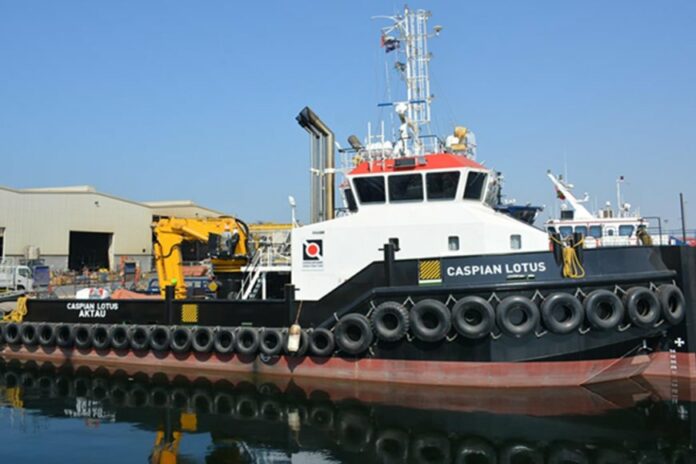
The vessel is well suited to its operational scope, with its shallow draught of just 3.3 metres, 80m2 of deck space, ample crane capacity and powerful propulsion. 

Caspian Offshore Construction is a long-term client of Damen. The company took delivery of its first Damen vessel – a Fast Crew Supplier (FCS) 1605 back in 2006. Since then, Caspian Offshore Construction has purchased a number of Damen Multi Cats (MuC) and FCS vessels, both newbuilds and second hand. 

In the past five years alone, the company has placed orders for a Stan Tug (STu) 1606, SBu 3815, MuC 2611, MuC 3313 Shallow Draught, and an FCS 4008.

Caspian Offshore Construction often chooses to work with Damen vessels as they are well aligned with its operational profile. Additionally, thanks to Damen’s practice of building vessels in series for stock, the shipbuilder is able to facilitate rapid delivery. 

The Caspian Lotus is a prime example of this, the contract being signed in August this year, just a few months in advance of delivery. 

First active in the Caspian Sea region, Caspian Offshore Construction began operations in the Middle East three years ago. Since then, it has built up a successful operation in the region with a fourteen-strong fleet of vessels and barges. 

General Manager for Caspian Offshore Construction Middle East DMCC Aleksey Chirkin said:

“We must say that apart from other important factors in play, successful development of our project in the Middle East region is also due to our fruitful relationship with Damen Shipyards and their professional team. Their business model based on building for stock, coupled with high quality of build and after-sale services, suits us well and often makes Damen our shipyard of choice.  Caspian Lotus is another prime example of that. Today, fifty percent of our regional fleet consists of first-class Damen vessels, which in turn, together with our onshore infrastructure and crews, is often giving us a competitive edge, helping our company to secure and expand our market niche in the region. I am confident our partnership with Damen will continue providing us with new opportunities in the future.”   

Damen’s Regional Sales Manager Marc Tijssen said,

“We are delighted to hand over this latest vessel to Caspian Offshore Construction. Our successful long-term relationship demonstrates the advantages the Damen philosophy offers maritime operators. Building vessels in series in this way not only ensures our clients of the fastest possible delivery time, it also gives them access to platforms that are proven in action and optimally reliable. I have every confidence that the Caspian Lotus will prove to be a positive addition to the Caspian Offshore Construction fleet, and look forward to our companies’ continued cooperation in the future.”