7.2 C
New York
Home Blog Page 1082

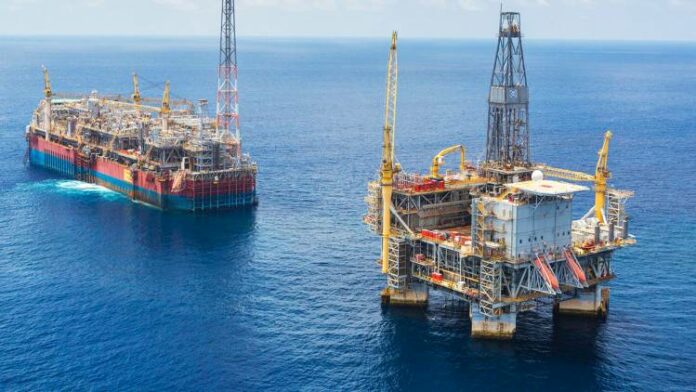
ExxonMobil, Qatar Petroleum net blocks in Argentina bid round

0

ExxonMobil Argentina Offshore Investments B.V. and an affiliate of Qatar Petroleum won three exploration blocks during Argentina’s first offshore bid round.

The blocks are in the Malvinas basin, approximately 200 mi (322 km) offshore Tierra del Fuego and include MLO-113, MLO-117, and MLO-118.

ExxonMobil will operate the blocks with 70% working interest. A Qatar Petroleum affiliate will hold the remaining 30%. The initial work program will include 3D seismic data acquisition. A resolution will be issued by Argentina’s Secretariat of Energy confirming the public tender results.

In addition, Qatar Petroleum also won the exploration rights for blocks CAN-107 and CAN-109 in the North Argentina basin as part of a consortium comprising an affiliate of Shell (operator with 60% interest) and an affiliate of Qatar Petroleum (with 40% interest).

Source:offshore-mag

Germany opens Baltic Sea’s biggest wind farm

0

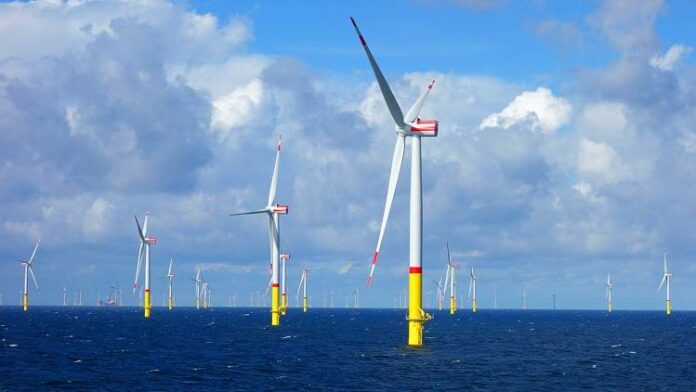
Germany will open the Arkona wind park, a giant wind farm out in the Baltic Sea. This is a joint venture of utility EON SE and Norway’s oil and gas giant Equinor. The wind farm was built in only three months and is located off the coast of Ruegen island. It is also able to generate enough power for 400,000 homes and is the largest wind farm in the Baltic.

Angela Merkel cut the ribbon for the Arkona park, saying that the project highlights how how important it is for Germany to increase renewable energy. In fact, as Bloomberg reports, the country is trying to reduce its emissions after deciding to exit coal power.

However, since Ms. Merkel took office in 2005, emissions have not dropped much, even with clean power which generates around 40% of electricity. Specifically, Germany is EU's biggest greenhouse gas emitter.

What is more, with temperatures rising last summer, hitting records, voters are concerned about climate change. The impact of climate change is also visible in the Rhine, Europe's busiest river, which recorded near-record lows, hampering oil and coal transport.

Now, Germany must consider how to put a price on carbon output in sectors outside the EU's Emissions Trading Scheme, including the 'sleeping giant' of emissions from transportation, Angela Merkel mentioned.

Source:safety4sea

Partners launch online seafreight service solution

0

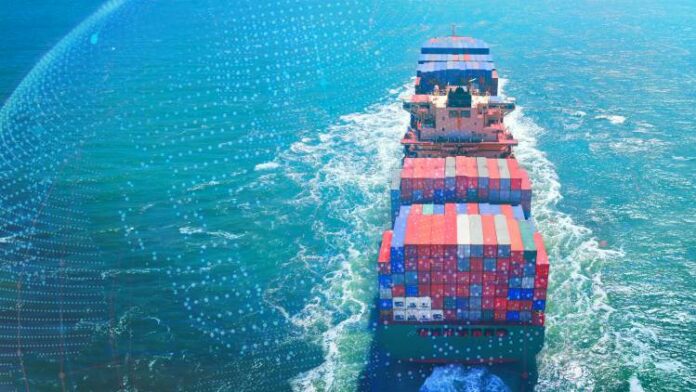
Logistics service provider Kuehne + Nagel (K+N) has launched a new online seafreight booking system called KN Pledge, which allegedly, offers Full Container Load (FCL) shipments with guaranteed lead time, bookable with immediate pricing through the Internet.

Specifically, the KN Pledge guarantees of lead-time and full container transportation. In the possibility of a delay, customers will have the ability to not pay the freight charges according to the company.

Moreover, bookings using the service will be able to avail the extended cargo liability, to more than US$100,000 per container, and carbon footprint options via contributions to the development of four environmental projects in Indonesia, Kenya and Peru.

Otto Schacht, Member of the Managing Board of Kuehne + Nagel International AG, responsible for Seafreight commented on the online booking system that

It enables our customers to receive offers for FCL in addition to LCL shipments within seconds – from virtually any point in the world to any other point with an additional guaranteed lead time. Furthermore, we offset the CO2 footprint for this full container shipment.

Source:safety4sea

Ireland takes helm on ocean energy project

0

The Sustainable Energy Authority of Ireland (SEAI) is leading the Ocean Power Innovation Network (OPIN) project which aims to accelerate the development of the ocean energy sector.

The €2.6 million pan-European initiative will run for three years.

SEAI will partner with organisations in the UK, Belgium, France, Germany and the Netherlands to explore ways to unlock the potential of this renewable energy resource.

Interreg North West Europe from the European Research and Development Fund (ERDF) is contributing €1.5 million of OPIN’s funding. 

OPIN project partners working with SEAI include Scottish Enterprise and the UK Offshore Renewable Energy Catapult, Sirris in Belgium, the West Atlantic Marine Energy Community and Ecole Centrale de Nantes in France, the Dutch Marine Energy Centre (Netherlands) and Fraunhofer in Germany.

Commenting on the launch, Minister for Communications, Climate Action and Environment, Richard Bruton, said: “We are stepping up our ambition on renewables as part of the all of government Climate Plan, and will be targeting 70% for renewable electricity by 2030.”

Bruton added, “Projects like OPIN that enable European collaboration are critical to us unlocking opportunities to advance the development of our ocean energy sector.

OPIN will encourage collaboration between the ocean energy sector and other sectors, such as oil and gas, automotive, aerospace, ICT, advanced materials, sensors, and manufacturing, to identify ways to grow the ocean energy supply chain.

SEAI is inviting small businesses with expertise that can be used in the ocean sector to join OPIN.

SEAI chief executive Jim Gannon said: “The basic premise of OPIN is to encourage cross-sectoral and cross-regional collaboration for offshore renewable energy SMEs."

“This will bring proven expertise, capabilities and products into the ocean energy sector. As we work to remove barriers to offshore renewable energy development, OPIN will help to reduce costs and accelerate both technology and market development.”

A series of events will be hosted in partner countries this year, beginning with a symposium in Dublin in September.

Any businesses who are members of the project can attend the events. In addition, OPIN will assess technologies presented by members to benchmark their potential for success, identify potential collaborators, and grants for collaborative groups of small and medium enterprises.

Source:renews

Tsakos Columbia introduces electronic payments for crew

0

Seafarers employed on Tsakos-owned vessels operated under its management arrangement with Columbia Shipmanagement will now be paid electronically as opposed to by ‘Cash-by-Master’, under an agreement signed with global maritime payments provider ShipMoney.

The deal means crew members will have complete control and access to their wages while onboard ship, including the timing and currency of remittances sent home, ShipMoney explained.

In addition, the deal is expected to dramatically reduce the need for large amounts of cash to be delivered to ships and eliminate the need for Tsakos to administer individual crew wire payments sent to home bank accounts.

The latest contract with the Greece-based ship management company will see ShipMoney’s products being rolled out to its fleet of 90 vessels consisting of tanker, container and dry cargo ships, following a successful trial.

"Our crew is the most important asset we have in our company. By introducing ShipMoney, we’ve been able to streamline the onboard crew payment process across the fleet by enhancing the safety in money transfer, reducing costs, saving time and providing a new benefit to our valued crew members and their families,"…said Harry Katsipoulakis CFO of Tsakos Columbia Shipmanagement, welcoming the arrangement.

A 2017 World Bank study identified that banks are the most expensive option when converting currency with an average cost of approximately 11%, said Stuart Ostrow, President of ShipMoney, in this regard.

"One of the important benefits to the deal relates to foreign exchange, which is often a hidden cost for crew. The majority of today’s crew are contracted and paid in US Dollars and most employers remit individual US dollar wire payments to individual seafarer bank accounts. If the seafarer’s home bank account is not denominated in Dollars, then the receiving bank has complete control over the conversion from US Dollars to the currency of the crew member’s account,"…he explained.

Source:safety4sea

Tennet Relocates Submarine Cable from Borssele

0

The transmission system operator Tennet has moved the first submarine cable from the Dutch wind farm zone "Borssele" to the transformer station.

"TenneT has laid the first sea cable to connect the Alpha platform to the transformer substation in Borssele. In the morning of Friday 12 April, VBNK started withdrawing the sea cable on land and early Saturday morning the cable reached the newly built transformer substation," said a press release.

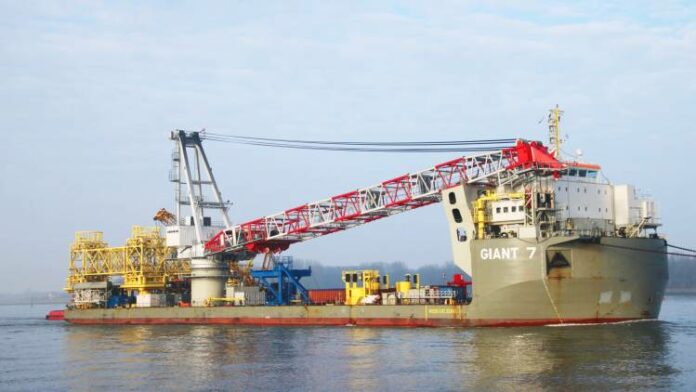
The cable-laying vessel, Giant 7, then repositioned itself in the Honte and started with the most critical part of the installation: crossing the fairway.

Before crossing the channel, shipping traffic to and from the port of Antwerp was blocked until Sunday afternoon. The crossing went completely according to plan and the traffic got back on track in the course of the evening.

In the coming weeks, preparations will be made to also connect the second sea cable for the Borssele Alpha project to the transformer station.

Australia Funds World-First Offshore Blue Economy Platform

0

The Australian government is providing A$329 million ($236 million) for research into Australia’s blue economy.

The University of Tasmania will lead the largest-ever Cooperative Research Centre (CRC), the Launceston-based Blue Economy CRC, bringing together expertise in seafood, renewable energy and offshore engineering. The 10-year collaboration will involve 45 national and international partners from industry, research and government and will support a research community of 50 PhD students and 50 postdoctoral research fellows.

“Australia has the world’s third-largest exclusive economic zone and is positioned adjacent to the largest markets for seafood and energy,” said Blue Economy CRC research director, Associate Professor Irene Penesis. “But with more than 80 percent classified as offshore, industries must be enabled to move from the coast zone into more exposed operating environments before we can secure this major opportunity for the nation.”

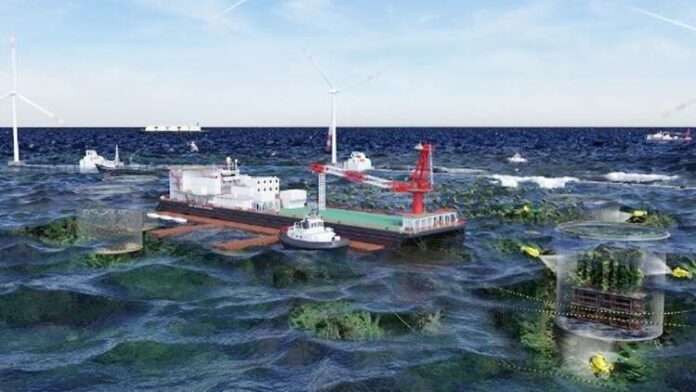
The focus of the first five years of the program will be developing and testing new offshore aquaculture and renewable energy technologies, which will then be brought together on a single platform to demonstrate the economic and environmental benefits of co-location.

“The offshore research platform will act as a living laboratory where we can vertically integrate renewable energy and aquaculture technologies with other engineering activities, such as autonomous and remotely-operated vehicles, in a proof of concept for how we could operate in the future,” Penesis said. 

It will be the first offshore research platform of its kind in the world.

The CRC is expected to generate more than A$4 billion ($3 billion) for the Australian economy.

Source:maritime-executive

Wallem presents its new strategy

0

Wallem's CEO, Frank Coles, announced the company's new strategy; the new CEO aims to harness the latest technology in order to enhance asset management transparency and efficiency in a program intended to transform the relationship between owners and their ships.

Specifically, in light of supporting the industry, the company decided to change its structure.

The refreshed strategy is built on three fundamental values:

  1. Supporting quality through safety;
  2. Transparency through technology;
  3. Service through support.

Wallem CEO Frank Coles supports that a lack of transparency is inhibiting collaboration and preventing owners from making the most of their vessels.

"The new business model with technology also means that transparency is also needed in the new model in terms of business ethics and transactions for gaining business. This is not only about clarity of the operations but how you get the business in the first place!"… Wallem stated.

Moreover, the CEO talked about clarity being the key to make better decisions and improve the company's performance. Additionally, clarity will help at a fleet-level by maximizing asset utilization, at a vessel-level by helping individual ships run at peak operational capacity, and at an owner-level by helping them address ever more stringent regulatory requirements and get to grips with emerging trends such as digitalization.

With Wallem also positioning itself for growth, the combination of transparency and technology is conducive to delivering a consistently high level of customer service around the globe, he emphasises.

There is no industry inherently more global in nature than shipping. In today’s interconnected world – both technologically and economically – there is no justification for regional variations in how owners are supported.

Source:safety4sea

Cameron LNG Project in Final Stage

0

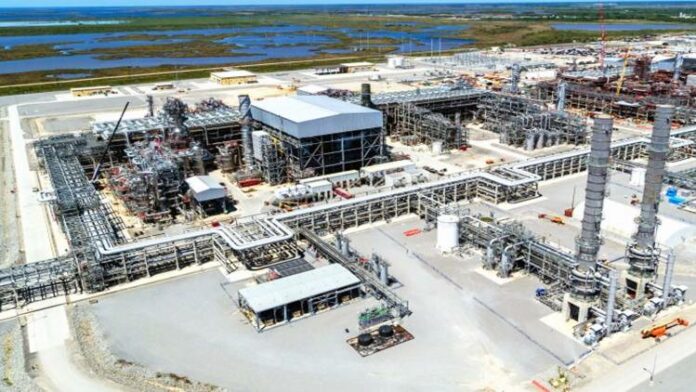
McDermott International, provider of technology, engineering and construction solutions to the energy industry, and its joint venture partner, Chiyoda International Corporation, a U.S.-based wholly-owned subsidiary of Chiyoda Corporation, Japan, announced that Train 1 of the Cameron LNG project in Louisiana has reached the final commissioning stage.

This includes the introduction of pipeline feed gas into Train 1 of the liquefaction export facility, the precursor for the production of liquefied natural gas (LNG), said a press release from the American multinational engineering company.

"We are extremely proud of the Cameron LNG project team for this achievement and their remarkable safety performance," said Mark Coscio, McDermott's Senior Vice President for North, Central and South America. "Their accomplishment is more than just a project milestone; it is an impressive feat of engineering and construction. Once Train 1 is fully operational, it will have the capacity to produce 4 million tonnes of LNG per year."

Since the initial award in 2014, McDermott and Chiyoda have provided the engineering, procurement and construction for the Cameron LNG project. The project includes three liquefaction trains with a projected export of 12 million tonnes per annum of LNG, or approximately 1.7 billion cubic feet per day.

Cameron LNG is jointly owned by affiliates of Sempra LNG LLC, Total, Mitsui & Co. Ltd. and Japan LNG Investment, LLC, a company jointly owned by Mitsubishi Corporation and Nippon Yusen Kabushiki Kaisha (NYK).

European shipbuilders join forces to advance vessel connectivity

0

Some of the biggest European shipbuilders announced that they have created a new cooperative initiative to develop a connected vessel platform. This project is named Code Kilo and aims to address the digitalization challenges of various stakeholders.

Specifically, EUROYARDS members –  Chantiers de l’Atlantique, Damen Shipyards Group, Fincantieri, Lürssen, Meyer Werft, Naval Group and Navantia – collaborated to improve data management solutions and standards.

Code Kilo seeks full cooperation and participation of all maritime stakeholders, and it has received the support of SEA Europe, the Shipyards’ and Maritime Equipment Association.

Today, ship systems provide large amounts of data that are related to equipment status, ship operations and performance. The project aspires to increase the opportunities to reuse, combine and benefit from data.

Thus, the operator, the yard and equipment suppliers will be able to enhance their activities. Eventually, improving ship's digitalization with fully fledged integration will play an important role in achieving the sustainability that the European maritime sector wants to.

For this reason, European shipbuilders committed to apply their knowledge to improve digital integration, creating the base for potential business opportunities with IoT, Big Data and AI.

Source:safety4sea