-2.2 C
New York
Home Blog Page 90

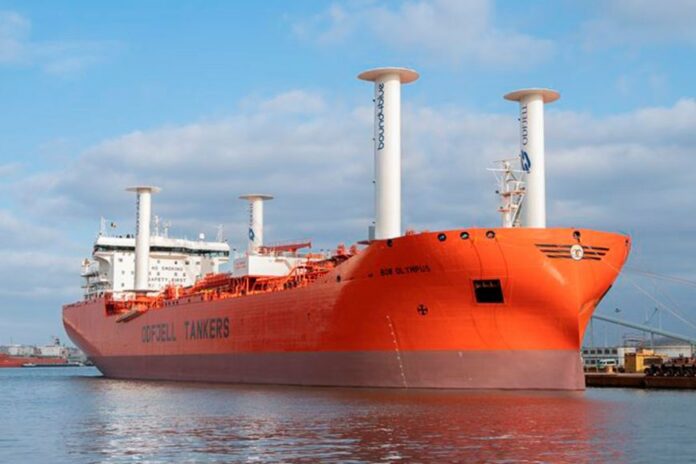
First Odfjell vessel is equipped with bound4blue suction sails

0

Now, the 49k vessel will be navigated towards the windy areas to explore real-time benefits of the wind-assisted propulsion technology.

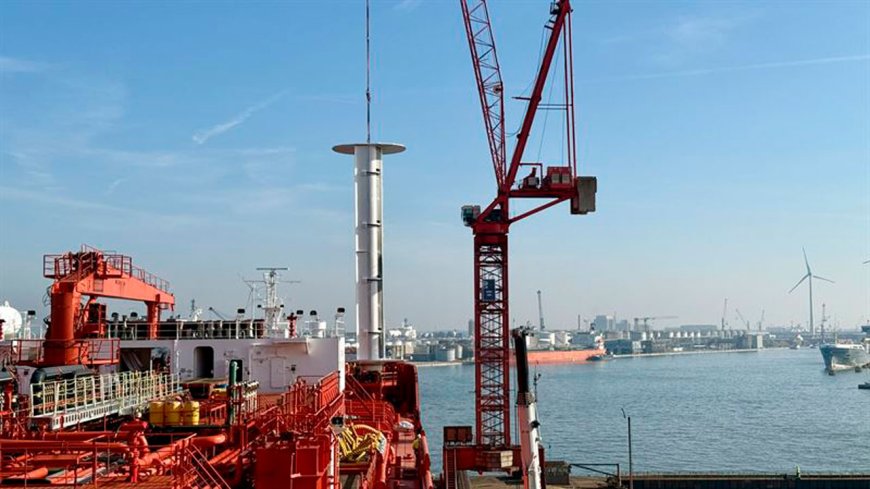
The installation took place at the EDR Antwerp Shipyard as the final stage of a thorough process. The deck of a chemical tanker is covered in pipes for the multiple cargo tanks. Integrating the sail foundations required careful planning, and the installation had to be specifically designed to ensure a seamless fit with tanker operations while considering the vessel’s air draft limitations.

Odfjell cooperated with bound4blue, a leader in wind-assisted propulsion technology (WAPS), to ensure that the system could be installed without significant modifications to the vessel. A tailored installation was deployed to accommodate the vessel’s busy schedule, resulting in a time- and cost-effective process. Through an orchestrated coordination between all parties involved—Odfjell, bound4blue, and EDR Antwerp Shipyard—the installation was completed in just two days.

The four 22-meter-tall eSAILs® are expected to help the vessel achieve significant fuel savings and further increase energy efficiency during deep-sea voyages. 

“The five-year-old vessel has just embarked on what could be called her second maiden voyage—this time, crossing the Atlantic towards Houston with four eSAILs®,” says VP Technology Erik Hjortland. “Each nautical mile will be thoroughly analyzed in real-time to document the energy-saving effects.” 

Captain Glenn Skjelbred and his crew are joined by a team from Odfjell’s technology department and bound4blue to experience, train, and learn from this highly anticipated pioneering voyage. The crew has previously attended tailor-made seminars to get insights into how sails affect the ship’s movements and maneuvering without impacting the ship’s operations. Now it’s time to see it come to life. 
“A major challenge we must address in a world where all sectors need renewable electricity, is that the entire process—from green power production to the ship’s propeller—results in an energy loss of around 80 percent, making it poor energy economics. Sails, on the other hand, harnesses wind power locally and directly, with a much lower energy loss—around 10 percent from sail to propeller. This allows the renewable wind energy to be used more efficiently directly on board the ship. It is an elegant use of resources and the main reason why I am so passionate about this solution. The learnings from Bow Olympus will catalyze further decisions as we continue to improve the environmental performance of our current vessels—while also preparing for the next generation of chemical tankers that will be with us till 2050 and beyond,” says Hjortland. 

Expecting commercial, environmental, and regulatory effects
The installation of the eSAIL® system adds to the industry’s growing use of wind-assisted propulsion systems (WAPS) to reduce fuel consumption. Odfjell’s decision to implement this specific technology was made after a thorough assessment following a deep-dive study by the RISE research institute. 

Bound4blue’s fully autonomous sails generate propulsive efficiency by dragging air across an optimized aerodynamic profile. The combination of performance, payback potential, and environmental and regulatory benefits made for a solid solution. 

“We worked closely with Odfjell to ensure that the eSAIL® system fully met the operational requirements of their vessel, delivering an efficient installation that integrates seamlessly with the ship’s existing configuration,” says David Ferrer, CTO at bound4blue. “Installing a WPS on a vessel like this can present challenges due to ATEX zones and air draft limitations. However, the mechanical simplicity of the eSAIL® technology provides an effective solution, enabling the use of non-EX-proof units. This not only reduces CAPEX but also streamlines the installation process.” 

The eSAILs® on Bow Olympus are expected to contribute to further reductions in fuel consumption and carbon emissions, building on Odfjell’s previous efforts, which have already resulted in a 53% reduction in carbon intensity compared to the 2008 baseline—equivalent to 21 zero-emission vessels.
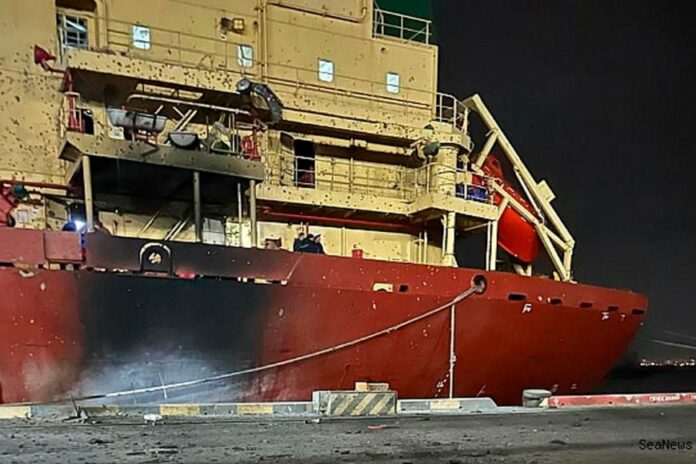
Four seafarers reported dead in Russian missile attack on Odesa

0

On the evening of March 11, 2025, the Russian Federation responded negatively to peace negotiations by launching a ballistic missile strike on the Port of Odesa.

According to Ukrainian authorities, the attack occurred at approximately 20:17, impacting the intersection of berths 34 and 35. As a result of this devastating incident, four crew members on board the Barbados-flagged bulk carrier MJ Pinar lost their lives, and one sailor, along with a pilot service employee, was injured.

Preliminary reports indicate that MJ Pinar had arrived from Algeria carrying 30,000 tons of wheat and was in the process of loading cargo at the time of the attack. Officials state that the four deceased crew members were likely three Syrian nationals and one Ukrainian. The vessel had a total of 12 crew members on board, and the loss of these lives has reverberated throughout the international community.

The strike is alleged to have been carried out using Russia’s Iskander-M ballistic missile, equipped with a cluster warhead. The Ukrainian Sea Ports Authority (AMPU) confirmed that MJ Pinar sustained severe damage, while port infrastructure was also significantly affected. The quay wall, a grain gallery within the terminal, and at least four grain silos were all damaged. Search and rescue teams, along with firefighting units, arrived on-site immediately, successfully containing the resulting fire.

MJ Pinar was reportedly built in 2009, with a gross tonnage of 19,972 and a deadweight of 30,465 tons. The vessel operates under the call sign 8PV02 and MMSI number 314818000. Initially, news of the incident was posted on Facebook by AMPU but later removed. As Ukrainian officials continue their investigation, international organizations and civil society groups strongly condemn Russia’s attacks on civilians and civilian infrastructure.

Experts say assault violates maritime law and threatens commercial shipping in the Black Sea, undermining peace efforts.

Source: SeaNews

How North Sea ship crash could have lethal consequences for wildlife

0

The monumental collision between a cargo ship and oil tanker off the East Yorkshire coast on Monday clearly spells bad news for the sea, wildlife and air around it. What we don’t know yet is quite how bad it will be.

That depends on a few things – but the clouds of filthy black smoke from the fires still burning on Tuesday are worrying for a start, and these fires have prevented authorities from moving in and assessing the damage.

Firstly, it matters what was on board those two massive vessels and how much has leaked into the water.

The 183m-long tanker was carrying about 220,000 barrels of jet fuel in separate tanks, some of which has poured into the North Sea.

Jet fuel is not as sticky or viscous as heavier types of oil, and it can evaporate or be broken down by natural bacteria.

That means it should not clog the feathers and fur of birds and seals, but is still toxic and can poison fish and other animals.

But the other vessel, the Solong cargo ship, was reportedly carrying some alcohol and 15 containers of sodium cyanide.

This toxic chemical can be very dangerous if mixed with water. We do not know yet if it has spilled, but this and the jet fuel have the potential to be disastrous for local wildlife.

And there is a lot of it around the East Yorkshire coast. It’s home to protected areas, major colonies of seabirds like puffins and gannets, and porpoises – as well as grey seals, which are currently rearing newborn pups.

Conservation charities are watching and bracing for what could be nasty.

The Royal Society for the Protection of Birds (RSPB) said the crash was close to the biggest gannet colony in England and warned a leak could be “lethal” to seabirds.

On top of this, both ships will have been powered by a dirtier, heavier kind of oil – likely marine gas oil or heavy fuel oil.

Cheap, thick and tar-like, it can smother animals and is extremely difficult to clean up. Let’s hope this isn’t swimming around the North Sea already.

Secondly, the impact depends on the sea and weather conditions around it.

Things like the wind, waves and currents affect how an oil spill spreads in the sea. Scientists can draw up computer models to simulate how the oil could behave.

Thirdly, it matters how quickly this is all tackled and then cleaned up, if necessary, and if it can be.

Usually the slower the response, the worse the impact.

Source: Sky News

Saipem presents Star1, its technology for floating offshore wind

0

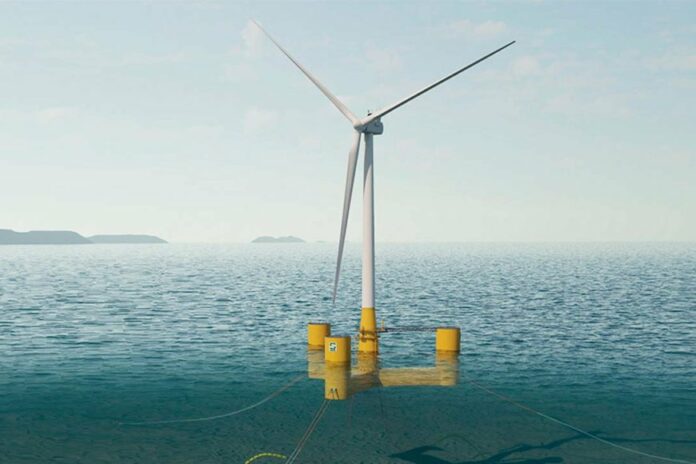
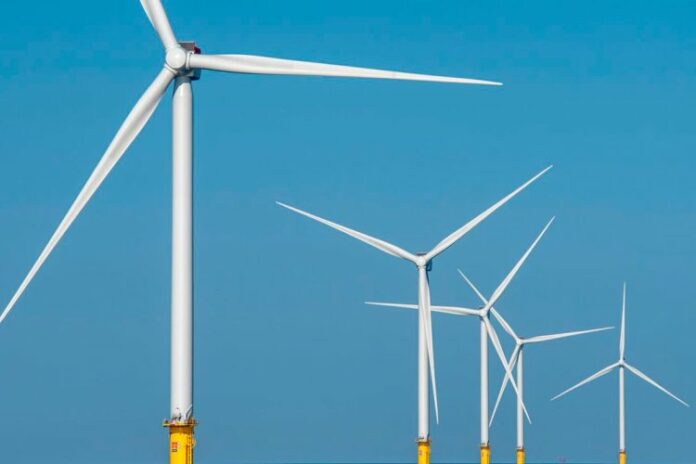
Star1 consists of three arms converging at the center, where the tower supporting next-generation turbines is installed, including those exceeding 20 MW, minimizing the stresses and movements of the turbine and optimizing the loads on the mooring lines that anchor it to the seabed.

Thanks to its geometry and mooring system, Star1 offers remarkable stability in water, significantly minimizing turbine stresses and movements. Star1 technology is ready for the Front-End Engineering Design followed by Detail Design and its industrial-scale deployment: last week Saipem has signed a strategic agreement with Divento for the utilization of Star1 in the 7 Seas Med project in Sicily and the Ichnusa Wind Power project in Sardinia.

“According to the recent technical and commercial bankability assessment by DNV, Star1 is at an advanced stage of technical maturity. A full-scale prototype testing is not considered necessary to demonstrate bankability. Saipem has made considerable efforts thanks also to its EPCI capabilities to ensure stability, good performance, and industrialization of the Star1, with the first concept developed in 2008” said Andrea Spessa, Head of Department Offshore, Midstream and Downstream of DNV, the Norwegian organization world leader in certification, assurance, verification and risk management services, operating in over 100 countries.

Guido D’Aloisio, Chief Commercial Officer of Saipem, stated: “Star1 represents a significant step forward in technological innovation applied to the energy transition. This technology is the result of Saipem’s many years of experience in offshore engineering and further demonstrates our ability to work on innovative and sustainable solutions for the development of floating offshore wind, in Italy and abroad”.

The Star1 technology was presented during the roundtable event titled “Star1 and Floating Offshore Wind Perspectives in Italy,” organized by Saipem in collaboration with Divento and featuring the participation of DNV Energy Systems. The event took place during the KEY Exhibition in Rimini.

DP World and Mawani inaugurate $800 million state-of-art terminal in Jeddah

0

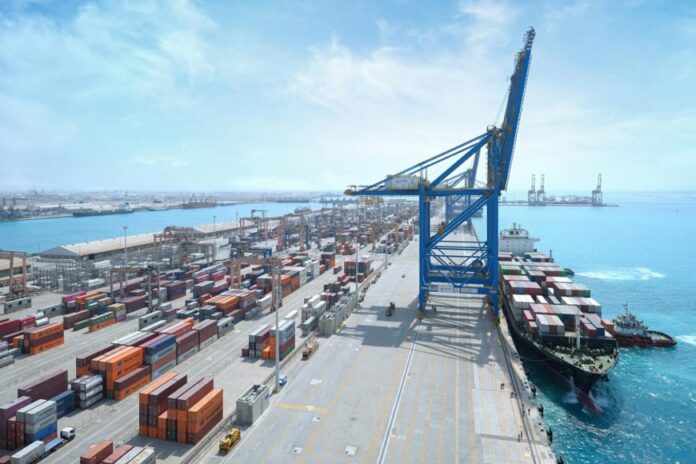
DP World and Saudi Ports Authority (Mawani) have unveiled the new state-of-the-art South Container Terminal at Jeddah Islamic Port, marking a major milestone in DP World’s SAR 3 billion ($800 million) expansion and development programme to upgrade the terminal and enhance Saudi Arabia’s position as a leading global trade hub.

The three-year project has transformed South Container Terminal into one of the region’s most advanced and sustainable container terminals, while also more than doubling the capacity from 1.8 million twenty-foot equivalent units (TEUs) to 4 million TEUs. The expansion paves the way for a future capacity of 5 million TEUs, with additional ship-to-shore equipment to be deployed as demand grows.

Since becoming DP World’s first concession outside the UAE in 1999, the Jeddah terminal has played a crucial role in regional trade. This latest expansion, under a 30-year Build-Operate-Transfer (BOT) agreement, cements Jeddah’s status as a critical trade gateway and supports Saudi Arabia’s Vision 2030 goals of boosting trade connectivity and economic diversification.

The terminal’s modernisation integrates advanced automation and digitalisation to improve operational efficiency. Smart systems will slash gate transaction times — from two minutes to just 10 seconds — supported by IoT-enabled cargo tracking and AI-powered cargo tallying for precise record keeping.

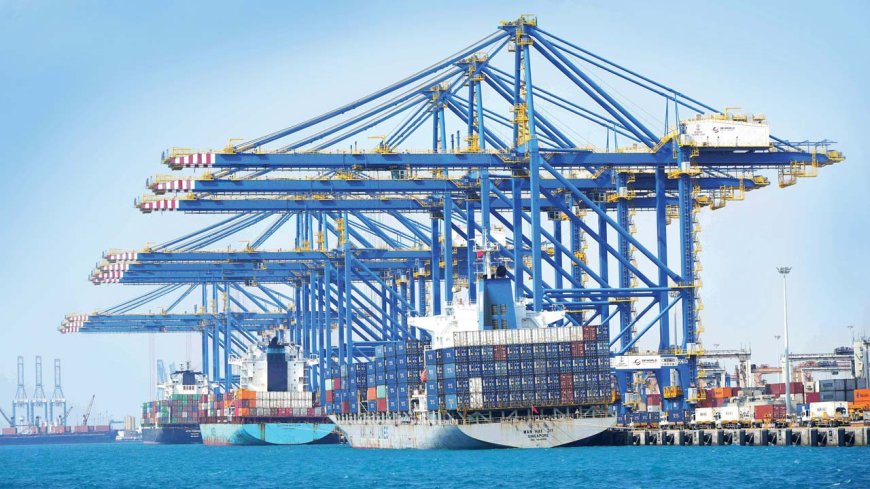
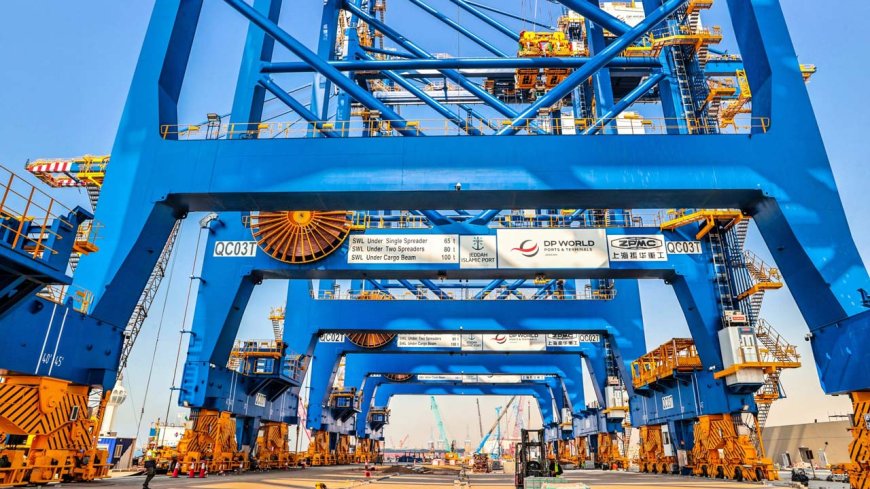
Automated and electrified yard cranes have also been introduced, along with an expanded fleet of quay cranes that will grow from 14 to 17 by the end of 2025, reaching 22 as the terminal scales up to 5 million TEUs.  

Due to the surging demand for perishable cargo such as food and pharmaceuticals, the terminal’s capacity for refrigerated containers (reefers) has been expanded from 1,200 to 2,340, ensuring optimal conditions for temperature-sensitive shipments. DP World is also developing a state-of-the-art facility for inspecting up to 75 reefers at one time —the biggest such port-centric facility in the Kingdom.

The terminal spans a total quay length of 2,150 metres, including a deep-water quay with an 18-metre depth, capable of accommodating up to five ultra-large container vessels simultaneously.

In line with its global sustainability strategy, DP World is implementing initiatives to reduce CO₂ emissions at South Container Terminal by 50% in the next five years. Measures include the electrification of yard cranes and trucks, solar panel installations, exploration of floating solar platforms, along with green building designs and water recycling systems. These efforts will significantly cut emissions, enhance air quality and establish DP World’s Jeddah terminal as a model for sustainable port operations.

Adjacent to the terminal, DP World is investing in the 415,000 square metre Jeddah Logistics Park, the largest integrated facility of its kind in the Kingdom, which will offer state-of-the-art warehousing, distribution and freight forwarding services, further strengthening Jeddah’s position as a key hub connecting trade routes across Asia, Africa and Europe. Integrated with the terminal, Jeddah Logistics Park will streamline cargo transfers and enhance efficiency, with completion scheduled for Q2 2026.

Ocean Winds secures Electricity Business License for 1,125MW Hanbando Project

0

Hanbando Offshore Wind, our 1,125MW bottom-fixed project located in the Exclusive Economic Zone (EEZ) of Incheon, South Korea, has successfully been granted the Electricity Business License (EBL) by the Electricity Regulatory Commission under the Ministry of Trade, Industry, and Energy (MOTIE).

The EBL awarded by MoTIE grants the project exclusive development rights over the sea space and reserves interconnection capacity and marks a new step forward in the project development. With EBL now secured, Hanbando Offshore Wind will launch the Environmental Impact Assessment and other key permits, conduct site investigations and initiate the main engineering studies.

Through this project, Ocean Winds aims to strengthen its contribution to the South Korean government’s renewable energy deployment target outlined in the Korea’s 11th Electricity Supply and Demand Plan of achieving 125.9 GW by 2038. Additionally, the company plans to contribute to the goal of Incheon Metropolitan City, which aims to develop 6.2 GW of offshore wind power capacity by 2030.

Guzman Figar, Ocean Winds’ Country Manager for South Korea, stated,

“We are seeing substantial progress for offshore wind in South Korea in the last weeks, with the publication of the 11th Energy Basic Plan which increases the long-term renewable energy targets for the country, and with the approval of the Special Act on Offshore Wind. At OW, we believe that our Hanbando project, which connects directly to the Seoul – Incheon metropolitan area, one of the largest load centers in the world, will play a key role in supporting South Korea achieve these objectives.”

Saildrone launches for first ocean mapping mission of Florida’s coastal waters

0

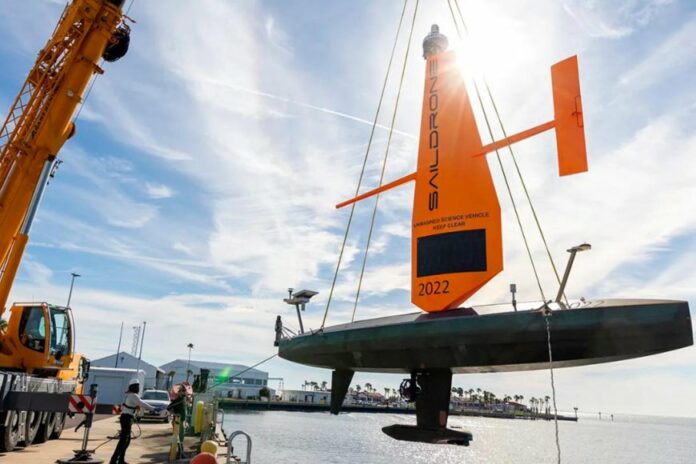
Saildrone is launching two 10-meter Saildrone Voyager uncrewed surface vehicles (USVs) from its facility in St. Petersburg, Florida, to begin a mapping mission as part of the Florida Seafloor Mapping Initiative (FSMI), a multiyear effort to provide statewide stakeholders with accessible, high-quality, and high-resolution seafloor data of Florida’s coastal waters within the continental shelf. 

At 2,170 kilometers long, Florida’s coastline is second only to Alaska among US states. Many parts of the Florida coast remain unsurveyed, with existing nautical charts relying on outdated and low-resolution data. The goal of the Florida Department of Environmental Protection (FDEP) initiative is to provide updated mapping data of coastal systems, which is critical for protecting offshore infrastructure, habitat mapping, restoration projects, emergency response, coastal resilience, and hazard studies for the state’s citizens. 

“Saildrone is proud to support the Florida Seafloor Mapping Initiative with our unique and innovative Voyager USVs.  As a member of the St. Petersburg community, we are excited to contribute to a project that seeks to improve our coastal resilience and enhance our ability to predict storm surge impacts by providing high-resolution bathymetry,” said Brian Connon, Saildrone VP Ocean Mapping. “Saildrone USVs efficiently and safely collect high-resolution bathymetric data while minimizing environmental impact.”

Saildrone has been tasked with collecting high-resolution multibeam data in a region known as Middle Grounds. The mission, valued at $1.66M, Saildrone will map 2,817 square kilometers of seafloor, approximately 130 kilometers northwest of St. Petersburg.

This is the first time that Saildrone has deployed Voyager USVs, equipped with NORBIT WINGHEAD i80s echo sounders for high-resolution mapping, and radar, AIS, and cameras for maritime domain awareness, out of Tampa Bay. In 2024, Saildrone Voyagers were used to map a portion of the Gulf of Maine to identify deep-water coral habitat. In Florida, Saildrone has previously deployed Voyager USVs for the US 4th Fleet out of Key West and currently has a fleet of Voyager USVs operating in the Caribbean in support of Joint Interagency Task Force South (JIATF-S) and US Naval Forces Southern Command/US Navy Fourth Fleet (NAVSOUTH/FOURTHFLT).

FSMI builds on the efforts of the Florida Coastal Mapping Program (FCMaP), an initiative led by federal and Florida state agencies and other community stakeholders to promote the need for a comprehensive high-resolution seafloor data set of Florida’s coastal waters by 2028. The data will be available to update navigational charts and identify navigation hazards, provide fundamental baseline data for scientific research, and provide information for use by emergency managers and responders.

The data Saildrone collects will help better understand Florida’s coastal vulnerability and hurricane impact, evaluate the performance of restoration projects, and support ongoing coastal resilience efforts and flood risk mapping.

ORE Catapult signs MOU on floating offshore wind with Japan’s FLOWRA

0

The Offshore Renewable Energy (ORE) Catapult and the Japanese Floating Wind Technology Research Association (FLOWRA) have signed a Memorandum of Understanding (MOU) to work together to reduce development risks and costs of floating offshore wind.

The MOU, signed in Tokyo on Friday 7th March, is the culmination of a nine month period of collaboration and will include personnel exchange, work on standardisation of component technologies and a test and demonstration alliance to facilitate large-scale technology development.

The MoU between the two organisations coincided with a wider co-operation agreement between the UK and Japanese Governments to support and encourage collaboration on offshore wind deployment in both countries.

Floating offshore wind is set to play a major role in the future energy mix of both the UK and Japan in the years to come. Harnessing UK R&D capability and the strength of Japanese industrial manufacturing capacity will turbocharge development of this important technology, bringing innovative and sustainable renewable energy to both countries and wider global markets.

As well as the economic benefits and job creation opportunity floating offshore wind presents, it will provide significant energy security and support efforts in both countries for emissions reduction to combat climate change.

Rt Hon Jonathan Reynolds MP, Secretary of State for Business and Trade, said:

“The UK is a world leader in offshore wind, and this partnership with Japan will turbocharge the development of this vital renewable energy.

“Clean energy has been chosen as a key growth sector in our upcoming Industrial Strategy, and international partnerships like this will attract investment, and deliver long-term, stable growth that supports skilled jobs and raises living standards across the UK, making our Plan for Change a reality.”

Dr Cristina Garcia-Duffy, Director of Research and Technical Capabilities at ORE Catapult said:

“As two island nations with a longstanding history of trade and investment partnership, Japan and the UK are important partners for the burgeoning technology development of floating offshore wind.

“Working with our friends and colleagues at FLOWRA to address the challenges and opportunities in bringing floating offshore wind to commercial deployment will stimulate significant economic and export opportunities, create jobs, bolster energy security and support our respective efforts to combat climate change.”

Chantiers de l’Atlantique chooses NAPA for hull design

0

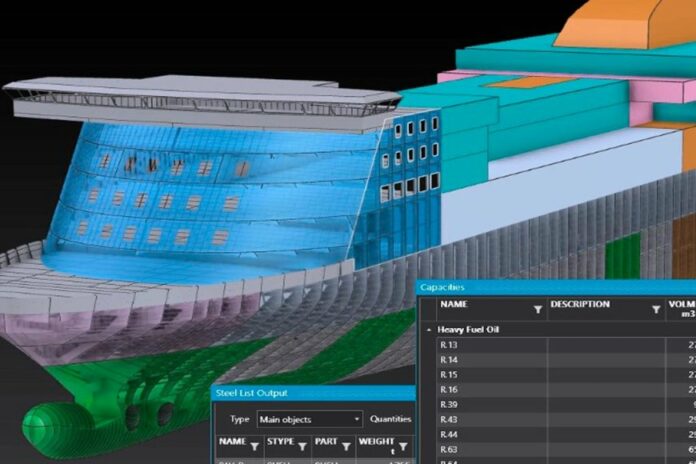
The two companies will collaborate to digitalize and enhance the detail design processes at Chantiers de l’Atlantique using NAPA Steel, the industry-leading 3D structural design tool. 

By integrating NAPA Steel with a software used in the production design stage, the combined solution will enable teams of engineers and naval architects to communicate swiftly and work together from the basic design stage, with hull design and outfitting, through to production design. This helps manage growing design complexity and allows Chantiers de l’Atlantique to meet customers’ needs for efficient, safe and innovative vessels.

This digital leap is driven by the recognition that no software alone can meet all the needs of the design process, from the basic to production design. Tackling this challenge, Chantiers de l’Atlantique adopted a pragmatic, ‘best-of-breed’ approach. This is where enterprises can bring together different software to perform a particular function.

By bringing together engineers in charge of structures, propulsion, electrical, general arrangements and weight estimations, this collaboration helps ensure smooth coordination and optimal performance in shipbuilding projects where complex requirements and frequent changes demand agility and precision. Furthermore, through the interface between the NAPA 3D model and production design 3D model, the 3D models created by structural teams can be made available earlier to their colleagues in outfitting and production designs, thereby saving time and boosting efficiency.

The new deal follows a successful pilot that confirmed the potential of NAPA Steel to streamline ship design workflows, resulting in tangible time and cost savings. By strengthening the deployment of 3D-based design tools and integrated workflows, particularly in detail design, NAPA will help deliver greater efficiency, collaboration, and design quality.

The partnership with NAPA marks a new milestone in Chantiers de l’Atlantique’s “digital shipyard” strategy. Headquartered in Saint-Nazaire, the shipyard specializes in cruise and navy ships and offshore installations.

Laurent Castaing, CEO at Chantiers de l’Atlantique, said: “This collaboration with NAPA helps us raise the bar in building the next generation of safer, smarter and more efficient vessels. As a world leader in highly advanced vessels, such as cruise and navy ships and offshore installations, managing design complexity is business critical. This requires efficient and streamlined workflows throughout a vessel’s design and production phases. Using agile tools and digital processes is at the heart of this, enabling our teams to take innovation to the next level and respond to our customers’ needs for efficient and future-proof designs.”

Mikko Kuosa, CEO at NAPA, said: “It has been an exciting journey with Chantiers de l’Atlantique to take their digital shipyard vision to new heights. Co-developing a solution that makes greater use of 3D-based digital tools and workflows is the way forward for ship design, unlocking a new level of collaboration and efficiency. Today this is more important than ever, at a time when there is growing demand for innovative vessels to support shipping’s energy transition. The digital era gives shipyards a solid foundation to innovate, while also enhancing their own productivity to maintain strong businesses.”  

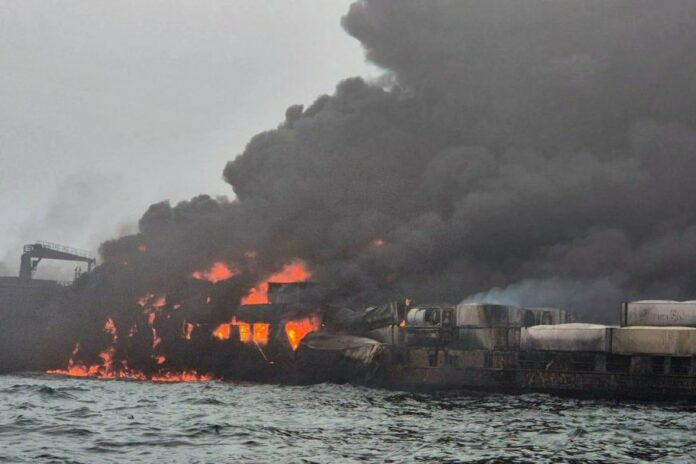
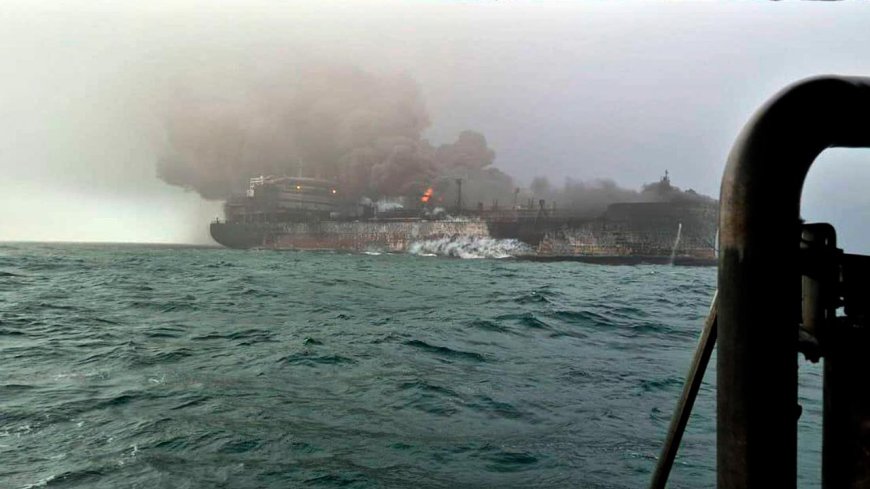
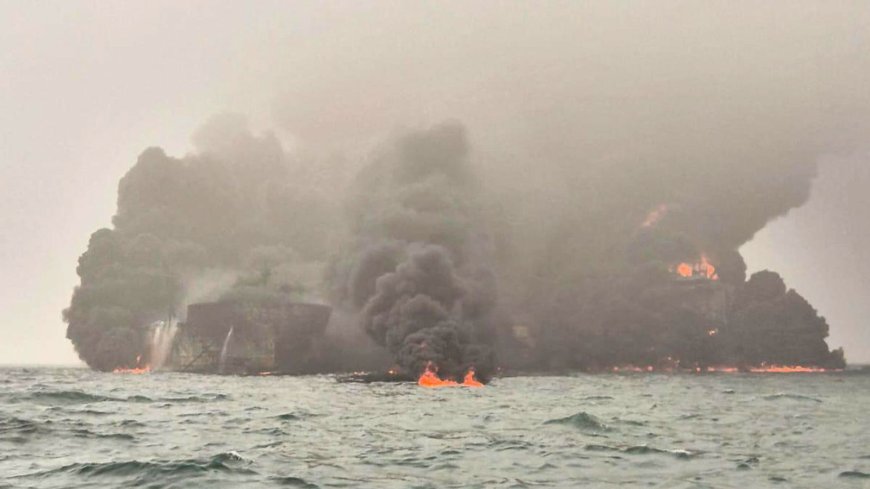
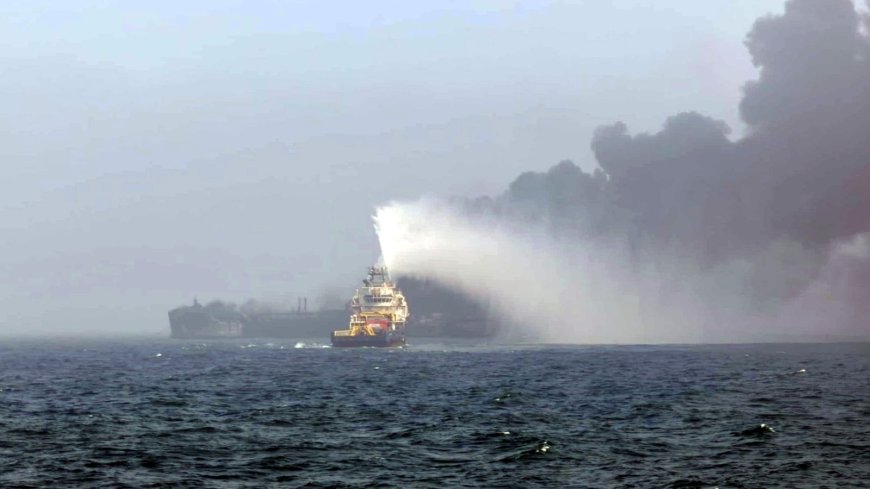
Oil tanker and cargo ship on fire after colliding in North Sea off coast of East Yorkshire

0

A crew member remains missing after an oil tanker and cargo ship collided in the North Sea off the coast of East Yorkshire.

The RNLI mobilised multiple rescue crews to the scene after the crash was reported just before 9.50am.

A number of people abandoned the vessels following the collision around 13 miles from the coast.

One of the 14 crew members of the Solong cargo ship is still missing, according to the vessel’s owner.

The rest are safely ashore, reported Hamburg-based Ernst Russ.

Solong was reportedly carrying 15 containers of sodium cyanide and an unknown quantity of alcohol, a Lloyd’s List Intelligence casualty report said, according to news agency Reuters.

All those from oil tanker Stena Immaculate are said to be “safe and fully accounted for”, however jet fuel has been released into the sea, according to the firm that manages the vessel.

Sky News understands there is a five-mile air and sea exclusion zone around the location of the incident, which may be widened to 10 miles if later required.

Martyn Boyers, chief executive of the Port of Grimsby East, reported dozens of casualties had been brought ashore amid reports of a “massive fireball”.

Graham Stuart, MP for Beverley and Holderness, earlier said he had spoken to the transport secretary and reported one casualty in hospital with a further 36 mariners across both crews “safe and accounted for”.

Alastair Smith, head of operations for Lincolnshire at East Midlands Ambulance Service, later said: “A total of 36 patients were assessed on scene by our ambulance crews and none required transporting to hospital.”

In a statement, Ernst Russ stated 13 of the 14 Solong crew members had been “brought safely shore”.

The firm added: “Efforts to locate the missing crew member are ongoing.”

Both vessels are said to have sustained “significant damage” due to the impact of the collision and the subsequent fire.

Two maritime security sources told Reuters there was “no indication” of any malicious activity or other actors involved in the incident.

US logistics group Crowley, which manages oil tanker Stena Immaculate, confirmed the vessel had released some jet fuel after sustaining a ruptured cargo tank.

In a statement, Crowley said: “The Stena Immaculate sustained a ruptured cargo tank containing Jet-A1 fuel due to the allision (when a moving ship hits a stationary object).

“A fire occurred as a result of the allision, and fuel was reported released. The Stena Immaculate crew abandoned the vessel following multiple explosions onboard.

“All Crowley mariners are safe and fully accounted for.”

The firm said it initiated its emergency vessel response plan and is “actively working with public agencies to contain the fire and secure the vessel”.

Crowley added: “Our first priority is the safety of the people and environment. We will provide more updates as information becomes available.”

Source: Sky News

Pic: Bartek Smialek/PA