0.2 C
New York
Home Blog Page 867

Maersk added three new eCommerce digital solutions

0

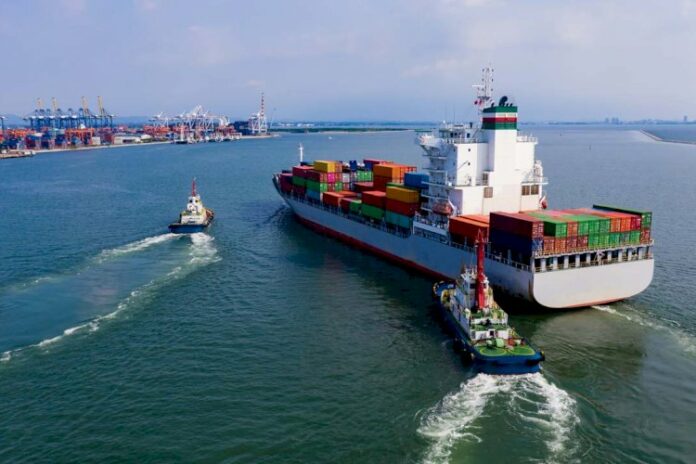
The demand is driven by customers relying on eCommerce to navigate in a business environment which has seen record numbers of employees working from home for safety reasons while performing day-to-day operations. Record demand for online business transactions has increased the Maersk shipments app usage by nearly 90% in 2020.

Carsten Frank Olsen, Head of eCommerce at Maersk, said:

“As the pandemic hit and more people began working from home, customers are seeing the convenience of going online to manage their logistics business using the Maersk mobile app.  In the first five weeks of 2020, the app averaged 70,000 business transactions weekly. By mid-April, it had grown to 130,000 business transactions weekly, reflecting an 86% increase in this online remote usage tool.”

The surge of interest in the app usage reflects the container tracking, vessel schedule, live chat, instant rate quotes, booking of containers, cargo notifications, and Spot Rates activities that customers are relying on to run their business while away from the office. Customers can use credit cards or a smart pay solution and have cargo released instantly. Three new eCommerce digital solutions were added in March that improve the customer experience for import functionality and replace manual processes:

Maersk Delivery Order (MDO) enabling cargo release; the Demurrage and Detention Calculator that answers storage fees and offers online payment for immediate release of full containers at the port or storage yard; and last free day for a container in storage – which is a feature designed for US-based customers. These three key enablers redefine the import self-service customer experience through better decision-making, visibility and speed. Of interest, the new features were all designed and driven by customer feedback as Maersk seeks to cultivate a constant feedback loop from customers to shape the company’s product development pipeline.

The Maersk.com website is one of the largest B2B websites in the world handling $20 billion in transactions in 2019.

Holland America Line extends its pause of cruise operations

0

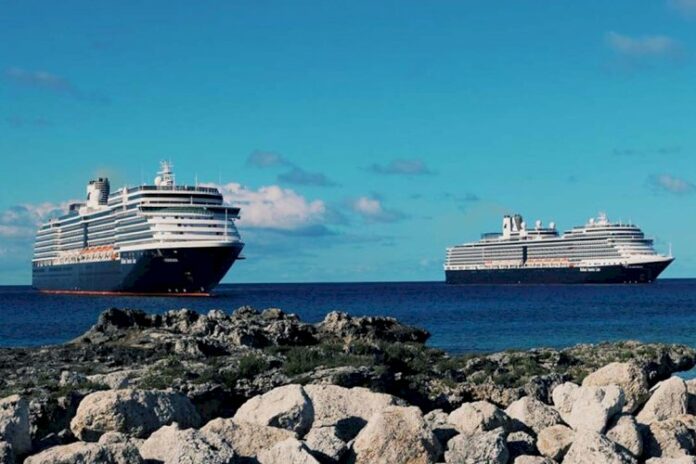
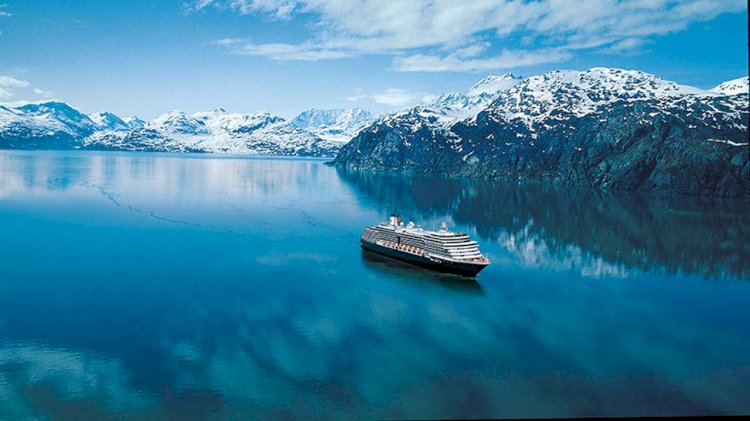
With travel restrictions continuing for the near future due to global health concerns, Holland America Line has decided to extend its pause of global cruise operations and cancel all Alaska, Europe and Canada/New England cruises for 2020.

In addition, Amsterdam will not operate the 79-day Grand Africa Voyage from Boston, Massachusetts, to Fort Lauderdale, Florida, that was scheduled to depart on Oct. 3, 2020. Holland America Line had previously cancelled all 2020 Land+Sea Journeys, which combine an Alaska cruise with an overland tour to Denali and the Yukon.  

Orlando Ashford, president of Holland America Line, said:

“As we continue to navigate through these unprecedented and challenging times, the best decision right now is to extend our pause in cruise operations into the fall. While this is very disappointing and we never want to let our guests down, as soon as it makes sense we will be back cruising again, giving our guests the memorable travel experiences they continue to dream about.” 

All guests, or their travel advisors, will automatically be notified if their cruise departure has been cancelled.

Those with impacted cruises will automatically be cancelled, and all guests will receive a Future Cruise Credit per person as follows:

  • Paid in Full: Those who had paid in full will receive 125% Future Cruise Credit of the base cruise fare paid to Holland America Line.
  • Not Paid in Full: Those with bookings not paid in full will receive a Future Cruise Credit of double the amount of the deposit paid for the cruise. The minimum Future Cruise Credit is $100 and the maximum will be an amount up to the base cruise fare paid.

The Future Cruise Credit is valid for 12 months from the date of issue and may be used to book sailings departing through Dec. 31, 2022. All other funds paid to Holland America Line may be transferred to a new booking or will automatically be refunded via the method of payment used to purchase the services.

Guests who prefer a 100% refund of monies paid to Holland America Line can visit the Cancellation Preferences form to indicate this preference no later than June 15, 2020. This includes Holland America Line’s Flight Ease air, Cancellation Protection Plan, Holland America Line pre- or post-cruise hotel packages or transfers, prepaid shore excursions and amenities purchased through Holland America Line, and taxes, fees and port expenses.

Due to the unprecedented volume of bookings impacted by cancellations, Holland America Line asks for guests’ patience and understanding regarding the time needed to work through processing refunds and FCCs.

The above options are not applicable to guests booked on a charter sailing. Other booking and cancellation conditions and policies may apply if the cruise was not booked through Holland America Line. See the terms and conditions at the Cancellation Preferences form for all details.

Recognizing the vital role travel advisors play in the success of the cruise industry, Holland America Line will protect travel advisor commissions on bookings for cancelled cruises that were paid in full and for the total amount of the Future Cruise Credits when their clients rebook.

McDermott awarded contract for LPG spheres

0

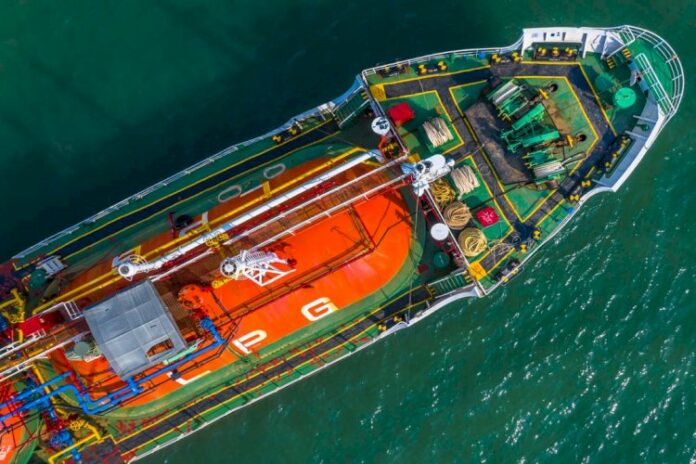
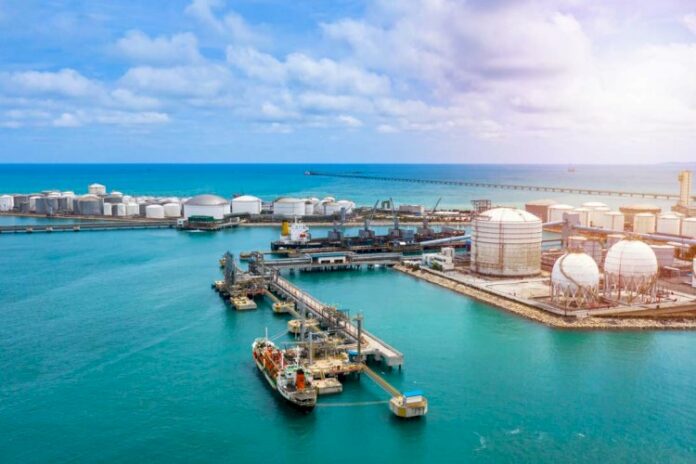
McDermott International, Inc. has announced CB&I Storage Solutions has been awarded a sizeable* contract for four liquefied petroleum gas (LPG) spheres for an energy infrastructure project in the Caribbean region.

The scope of the project includes the engineering, procurement, fabrication and construction (EPFC) of four LPG spheres—each measuring approximately 88 feet in diameter, with 63,100 barrels nominal capacity and 290 pounds per square inch design pressure. Fabrication and procurement will be performed at the company’s Fairbanks facility in Houston, Texas, and engineering will be performed at the company’s office in Plainfield, Illinois.

Cesar Canals, Senior Vice President of CB&I Storage Solutions, said:

“We have a strong track record of executing world-class storage projects in the Caribbean and Central and South America. This new award highlights the confidence our customer has in our service offerings and capabilities in engineering, fabricating and constructing high-pressure LPG spheres and other storage solutions that are critical components to its energy infrastructure.”

The award will be reflected in McDermott’s first quarter 2020 backlog.

*McDermott defines a sizeable contract as between USD $1 million and $50 million.

Subsea 7 awarded contract offshore UK

0

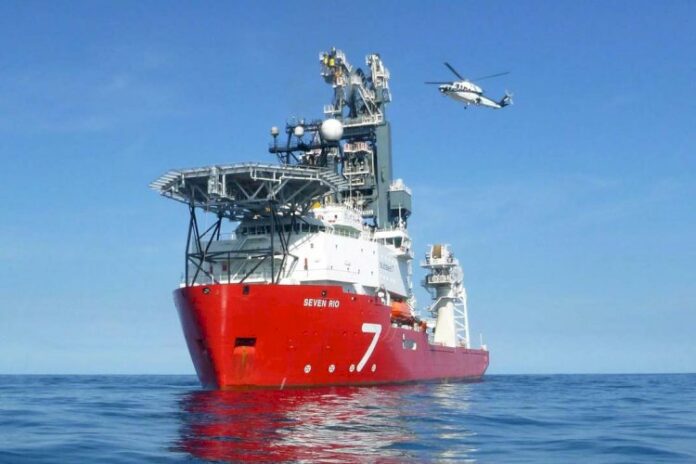
Subsea 7 today announced the award of a contract by Independent Oil and Gas (IOG) for the Blythe and Vulcan Satellites field development, located in the UK sector of the southern North Sea. 

The contract scope includes the project management, engineering, procurement, construction and installation of 35km of flow lines between the Southwark, Blythe and Elgood fields, together with subsea structures, an umbilical, and associated subsea tie-ins.

Project management and detailed engineering has commenced at Subsea 7’s office in Aberdeen, and offshore activities are scheduled to commence in 2020. 

Jonathan Tame, Vice President UK & Canada, said:

“We are pleased to be awarded this contract, which strengthens our reputation as a global provider of value-driven SURF solutions. We look forward to collaborating with IOG to ensure the cost-effective, safe and timely execution of each phase of the development.”

Industry and unions set out solutions to free seafarers from COVID-19 lockdown

0

To assist governments to put in place coordinated procedures to facilitate the safe movement of seafarers, the International Maritime Organization (IMO) has issued a 12-step plan to 174 member states, providing them with a roadmap to free seafarers from their COVID-19 lockdown and allow appropriate exemptions for them to join or leave ships. 
 
The 55-page roadmap has been advanced by a broad coalition of seafarer unions, and international shipping industry associations, with input from airline industry representatives, international organisations, and the insurance sector, to provide a comprehensive blueprint of how governments can facilitate crew changeovers and resolve safety concerns throughout the entire process.
 
In two weeks’, time, approximately 150,000 merchant seafarers will need to be changed over to ensure compliance with international maritime regulations, with tens of thousands currently trapped onboard ships across the globe due to the continuing imposition of travel restrictions. Failure to do so risks the wellbeing of seafarers, maritime safety, as well as the supply chains that the world relies on.   
 
Last Friday on International Workers’ Day, ships across the world sounded their horns as part of the #HeroesAtSeaShoutout initiative, aimed at reminding governments of the plight and sacrifice of the world’s 1.2 million seafarers who are keeping the world supplied during the COVID-19 pandemic.
 
Guy Platten, Secretary General of the International Chamber of Shipping (ICS) said:

“We have seen from the heroes at sea shoutout that seafarers are doing their bit to keep trade flowing. We stand ready to support our seafarers and we are working with political leaders so that they can steer a steady course and allow safe crew changes to take place. The problem is simplistic, but the solution is complex. So, we have stepped up and done the homework and developed the protocols. We are now working with governments to implement this roadmap.

Seafarers continue to work really hard, day-in, day-out and far away from loved ones, but if we are not able to free our seafarers from their COVID-19 lockdown we could start to see disruption to trade and more importantly we increase the risk of accident and occurrences of mental health issues. Putting this off is no longer an option.”

The protocols clearly set out the responsibility of governments, shipowners, transport providers and seafarers. The protocols also provide a framework to develop robust procedures that can be adopted worldwide to ensure that trade can keep flowing and seafarers can be relieved. 
 
Stephen Cotton, General Secretary, International Transport Workers’ Federation (ITF) said:

“Today seafarers’ unions, industry and the ILO and IMO are jointly calling on governments worldwide to put an end to hardships faced by the 150,000 seafarers currently stranded and pave a way for them to return home. This is about governments recognising the critical role that seafarers play in global supply chains, recognising them as key workers, and providing immediate and consistent exceptions from COVID-19 restrictions to allow crew changeovers.

International seafarers are bearing the burden first-hand as governments turn a blind eye to the ‘forgotten sector’. The ITF, ICS and IMO have a clear message, governments cannot continue with a mentality of out of sight, out of mind, and we strongly urge governments to use this roadmap to act now before we suffer more serious consequences.”

This critical issue is increasingly taking on a humanitarian dimension for those crews which have already spent many months at sea, and which urgently need to be repatriated to their home countries and to be replaced. Apart from the need for shipping companies to comply with international regulations and contractual obligations, service periods on board ships cannot be extended indefinitely due to the dangerous impacts this has for the health and well-being of ship crew and, most importantly, safe ship operations.

The 12-step solution provides governments with the global framework to facilitate changeovers of ships’ crews, including the lack of available flights. In view of the importance of international maritime transport to the resilience of the global economy at this critical time, the recommendations have been produced in record time to enable governments to take the urgent action needed to address this issue.

2G Robotics launches RECON payloads for modular AUVs

0

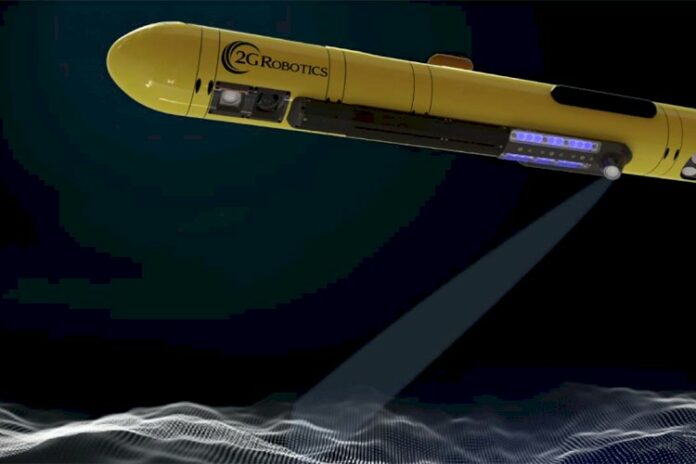
2G Robotics has officially launched a line of payloads for use on light, modular Autonomous Underwater Vehicles (AUVs). 2G’s RECON line of products include the RECON CS, a 4K stills camera and LED lightbar payload, and the RECON LS, a payload featuring the ULS-500 Micro laser scanner and Micro OBSERVER stills camera.

Over the last year 2G has miniaturized their laser scanner and stills camera solutions to integrate with small, modular AUVs. The payloads enable OEMs to offer 2G’s RECON line as a standard payload on their vehicles, giving users flexibility and performance previously not available from their fleet.

Testing throughout the winter and spring has proven that subsea laser modelling can be achieved with cost efficient navigational sensors aboard these small AUVs, with measurement error of less than 3cm. Along with their hardware, 2G Robotics’ proprietary algorithms enhance and light level stills images in real time, delivering high resolution processed results upon retrieval of the vehicle.

Chris Gilson, Product Development Manager for 2G Robotics, states:

“We have proven this as a viable inspection solution for man-portable AUVs for commercial and naval mine countermeasure (MCM) applications. This removes the final barrier to adoption of these small vehicles and could revolutionize the cost effectiveness of high accuracy inspection operations.”

Opinion: LNG production shut-ins are becoming a realistic possibility

0

A prolonged decline in demand will always bring storage constraints for fuels that need to be stored and shipped before being consumed. Oil has been hit much more quickly than other fuels by the unprecedented demand destruction caused by Covid-19, with prices plunging to historical lows and storage filling up. Liquefied natural gas (LNG) is next in line, a Rystad Energy analysis finds.

Global LNG supply is forecast to reach 380 million tonnes (Mt) in 2020, 17 Mt higher than in 2019. Demand, on the other hand, is expected to rise only 6 Mt from 2019 to 359 Mt according to Rystad Energy’s current estimate, as industrial activity has declined due to the pandemic.

The consumption, or demand, is more flexible for LNG than for other fuels as different fundamentals such as weather can rapidly change during the year. If the world faces a colder-than-forecast winter and lockdowns are lifted faster than expected, then demand will see a boost. The opposite could happen if the winter is milder or if resumption of industrial activity sees further delays.

Normally a reasonably oversupplied market is not necessarily a problem as buyers take advantage of the lower prices to utilize more gas for power generation and to store gas/LNG after the winter season. But in 2020, when ample LNG supply is coupled with demand destruction, prices have already hit record lows and storages have already filled faster than usual. Production shut-ins are becoming a realistic possibility.

Europe became the de facto global LNG sink in 2019, when the milder-than-expected winter slowed down LNG demand growth in Northeast Asia. Europe imported about 80 Mt of LNG in 2019, an 80% increase from 2018. In the first two months of 2020, when the coronavirus pandemic hit Northeast Asia heavily, Europe managed to increase LNG imports by 35% compared to the same period in 2019, mainly driven by the UK, Spain and Belgium.

The impact on LNG imports to other European countries has not been as significant as initially expected, however. European demand has been rather resilient to Covid-19 as buyers stock up on cheap supplies: The continent realized a monthly record-high LNG import of 8.9 Mt in March, a 20% year-on-year increase.

Where is the problem? Gas storage space is a key factor for Europe’s ability to absorb excess LNG volumes. At the end of March 2020, about 62 billion cubic meters (Bcm) of gas was in European storage, 16 Bcm higher than in March 2019. If gas storage approaches top capacity at the end of the filling season, as was the case at the end of October 2019 (98% full), European gas inventories now only have space for some 48 Bcm of gas before winter 2020.
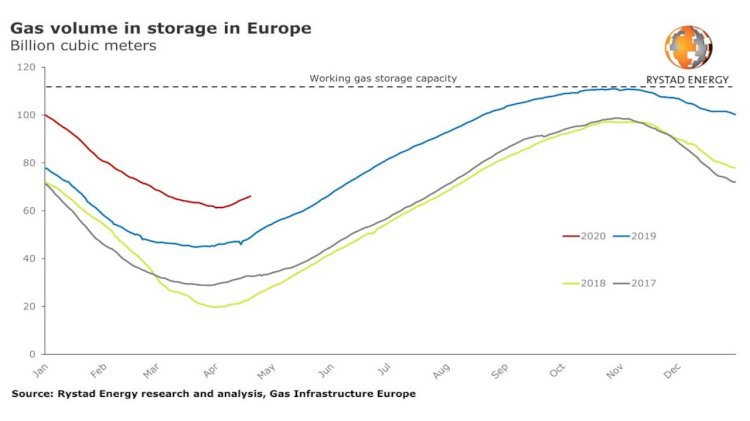
Front-month gas contracts at the TTF trading point in the Netherlands have been trading below $2 per million British thermal units (MMBtu) in April, suggesting that gas traders could take advantage of the historical low gas prices and fill Europe’s storage facilities faster than usual. As a result, European storage could reach its limit and LNG cargoes with deliveries in the summer months are at risk of being canceled.

And the continent’s demand is not growing much either. Europe consumed 554 Bcm of natural gas in 2019, 13 Bcm more than in 2018, primarily driven by coal-to-gas switching in the power sector. Rystad Energy expects European gas consumption to remain at the 2019 level, with a possible mild increase in the power sector. Not much, though, as the coal-to-gas switching in is well maxed out.

Xi Nan, Vice President for Gas and Power Markets at Rystad Energy, says:

“Asia is not likely to take up the full slack. Europe will be under serious pressure to absorb LNG, but it looks like this will be tough given storage levels, lower demand, and the cost of sending it there, especially from the US. If global gas prices slip even further in 2020, this could translate into potential LNG shut-ins.“

In Asia, the signed term contracts can provide Japan and South Korea with enough LNG, meaning the two countries don’t need much gas from the spot market. Chinese LNG buyers, including smaller players, are able to absorb some excess volumes, but less than the expected levels before the pandemic. India is expected to continue utilizing low gas prices and purchase spot cargoes only when the lockdown is fully lifted.

Rystad Energy still doesn’t have an end date for when Europe will completely re-emerge from lockdown, and the impact will probably be deeper coming into the summer months. With gas storage tanks already almost filled to the brim, Europe’s capacity to import and actually use the same amount of LNG as in 2019 seems like a tall order, especially if we see another mild winter.


Webinar: Digitalization of DP management system

0

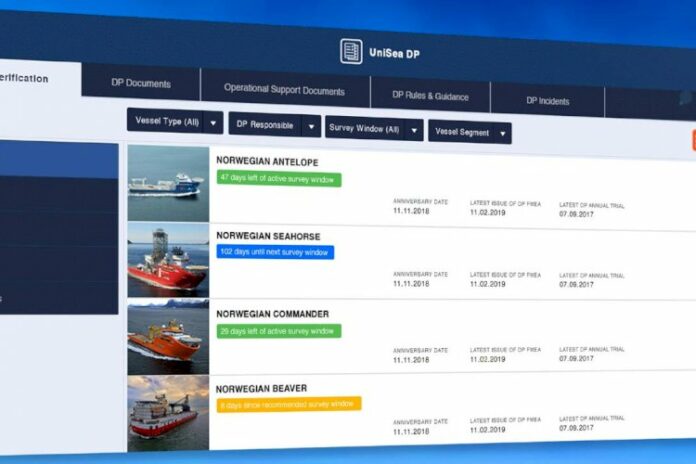
Do you have a full overview of the DP assurance for your vessels? Convinced that the third-party DP Trials could be more cost and time efficient? Does your current solution give sustainable results from the DP assurance to be utilized across the fleet?

Using a digital DP Management system for both DP trials, DP documents, DP Incidents. Aligning these with up-to-date rules and guidelines results in a digital decision tool tailormade for a demanding future. Gaining a higher level of control of all DP related operational aspects, will enable you to save cost on both DP trials, decision making and day to day operations of your individual vessel and/or fleet.

Join Global Maritime’s webinar “Digital DP Management System – DP Trials, Verification and Assurance” on Wednesday, May 13th at 14:00 CET! See link for detials and registration.

Agenda

  • Presentation of the DP Management System purpose and benefits
  • System build up
  • Live presentation of the tool in use
  • Prepared questions toward GM approach and industry expectation
  • Q&A session – All questions will be answered

CDP and Saipem signed MoU to jointly evaluate the launch of innovative projects

0

Cassa Depositi e Prestiti and Saipem have signed a Memorandum of Understanding to jointly evaluate the launch of innovative and highly sustainable projects, environmentally, socially and economically, aimed at promoting the energy transition in Italy and abroad.

The initiatives, focused on decarbonisation, circular economy and energy efficiency, will mainly concern:

  • the development and construction of infrastructures to produce energy from renewable sources, such as conventional photovoltaic systems and floating solutions for both water basins and sea, and offshore wind farms (on fixed and/or floating foundations);
  • the development of circular economy projects, by analysing investment methodologies (such as solid urban and industrial waste exploitation technologies, plastics disposal);
  • business solutions to promote, develop and build infrastructures for the supply, transformation and use of Liquefied Natural Gas (LNG) in maritime transportation.
  • In addition, the Parties may identify and adopt digital tools and technologies to enhance the value of the initiatives and accelerate their implementation in the various areas of execution.

Cassa Depositi e Prestiti, also by means of its subsidiaries, will provide its economic and financial expertise, in the management of institutional relations at international, domestic and local level, and of relationships with the Italian and international development cooperation system, enabling the access to technical assistance and financial support solutions.

With its experience and leadership in the field of engineering and construction of large infrastructures, Saipem will provide its assets and industrial, technical and commercial expertise normally associated with the implementation of complex projects in the offshore photovoltaic and wind energy segments, in circular economy initiatives and in LNG infrastructures. Moreover, Saipem will provide its skills and innovative capabilities in research and development, design, implementation and management of specific technological solutions. Saipem will also propose identified digital solutions to facilitate and enhance the value of the initiatives under this Protocol.

As part of the 2019-2021 Industrial Plan, the CDP Group’s objectives include support for the energy transition in the Country and the achievement of domestic and European decarbonisation and circular economy targets. CDP is specifically interested at promoting renewable energy and solutions to fight climate change and has already started various initiatives during the last year.

Saipem is a global solution provider in the energy and infrastructure sectors, focused on energy transition with an internationally recognised leadership in the natural gas value chain and in offshore wind energy, with a strong propensity for innovation, technological development and digital transformation. Its sustainability model is embedded in all company’s processes and aims at the achievement of long-term objectives and value creation in the areas where it operates.

The Protocol signed by CDP and Saipem aims at contributing to the achievement of the Country’s targets identified in the Italian National Energy and Climate Plan, which require the installation of new capacity from renewable energy sources up to about 42 GW (of which about 32 GW from photovoltaic plants by 2030), the achievement of the EU targets identified in the EU Circular Economy 2018 package, which sets the recycling rates for municipal waste to be achieved progressively over the coming years (55% in 2025, 60% in 2030 and 65% in 2035), the reduction of the amount of municipal waste that can be landfilled to a maximum of 10% by 2035 and the achievement of the UN Agenda 2030 Sustainable Development Objectives (SGDs).

Fabrizio Palermo, CEO of CDP, declared:

“Through this agreement, Cassa Depositi e Prestiti confirms its commitment in favour of system initiatives aimed at fostering the Country’s sustainable growth. This collaboration between CDP and Saipem is absolutely key to the development of innovative projects in the field of energy transition and the circular economy: thanks to a long-standing cooperation, now strengthened even further, we are able to produce positive impacts across the Country, at environmental and socio-economic levels”.

Stefano Cao, CEO of Saipem, stated:

“With the signing of this Memorandum of Understanding, which aims at accelerating the energy transition in Italy, CDP and Saipem will collaborate to launch innovative and highly sustainable projects in power generation from renewable sources and in the circular economy segments. In addition to its role in the construction of infrastructures, Saipem will be actively involved, since their inception, in the development of new initiatives with the decisive support of CDP”.

Cassa Depositi e Prestiti is the National Promotion Institution that has been supporting the Italian economy since 1850. Through its actions, it is committed to accelerating the country’s industrial and infrastructural development with a view to supporting economic and social growth. The central focus of CDP’s activities is the sustainable development of the Italian territory, supporting innovation as well as the domestic and international growth of Italian businesses. In its role as partner of Local Authorities, it provides funding and advisory services for infrastructure development and the improvement of public utilities. Moreover, in the field of International Cooperation it implements projects in developing countries and emerging markets.

Ailes Marines selects Van Oord for works at Saint-Brieuc Offshore Wind Farm

0

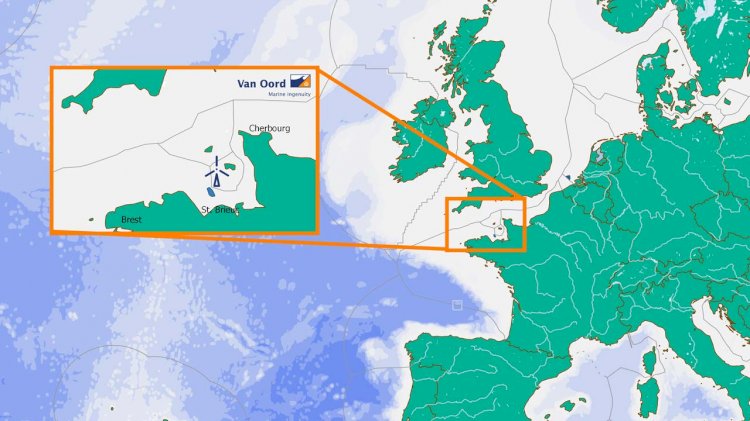
Ailes Marines, in charge of the development, construction, installation and operation of the offshore wind farm in the bay of Saint-Brieuc, has selected the Dutch marine contractor Van Oord to transport and install the 62 jacket foundations (steel lattice structure) and the foundation piles for the offshore substation.

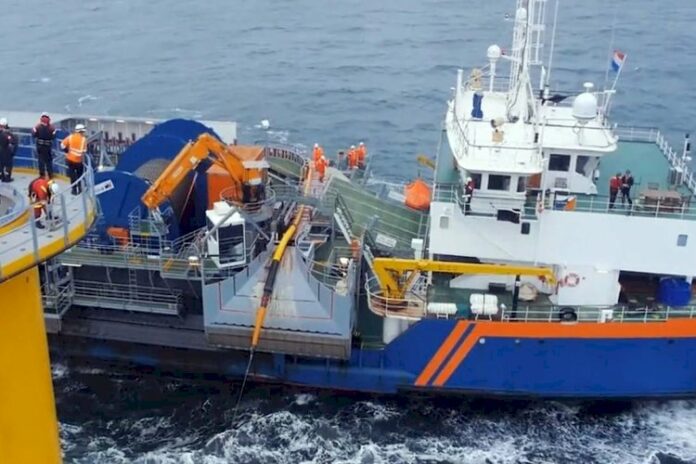
Van Oord will start the offshore operations in 2021 with the installation of the pin piles using its offshore installation vessel Aeolus. The Aeolus will be assisted by a second vessel in 2022 to install jackets foundations that will be manufactured in Fene, Spain and in Brest, France.

The Aeolus, which was purposely built to construct offshore wind parks, was put into service in 2014. The main crane of the Aeolus has a lifting capacity of more than 1,600 tonnes. This makes the Aeolus suitable for the transport and installation of foundations and wind turbines. Its advanced jacking system with its four giant legs, each measuring 85 metres and weighing 1,280 tonnes, allow Aeolus to be jacked up and work in waters of up to 45 metres deep. Van Oord has been awarded an Early Works Contract as per December 2019 in order to expedite the design and engineering. Construction on the subsea drilling template has already started and is scheduled to be delivered Q4 2020.

Pieter van Oord, CEO Van Oord, said:

“Van Oord has a long history executing a variety of projects in France. The most recent example being our involvement in the various phases of the deepening the River Seine. The Saint-Brieuc project will be our first offshore wind project in France and I’m proud of our involvement. Especially since we are delighted to have the opportunity to work with Iberdrola again. By taking on this offshore wind project, we are also contributing to the EU-wide renewable energy target of 32% by 2030.”

Saint-Brieuc Offshore Wind Farm is being constructed in the Bay of Saint-Brieuc in Brittany, 16.3 kilometres off the French coast. When finished, the wind farm with a total capacity of 496 MW will produce 1,820 GWh annually, equivalent to the annual electricity consumption of 835,000 inhabitants. The installation works will last several months and will continue until 2022. The wind farm will be fully commissioned in 2023.

Javier Garcia Perez, President of Ailes Marines and International Offshore Business Director, said:

“Having decided to proceed with the project, Ailes Marines is happy to sign this contract with Van Oord to transport and install the 62 jackets and the offshore substation foundation piles for the Saint-Brieuc project, that will become an important part of France’s energy transition to a green economy. Given the difficult circumstances created by the pandemic crisis, we are contributing to the recovery of industrial activity in France and the rest of Europe.”