0.2 C
New York
Home Blog Page 866

NSR report: Maritime SATCOM buoyed by broadband demand despite COVID-19 impact

0

NSR’s Maritime SATCOM Markets, 8th Edition report finds mixed impact to Maritime Satcom Markets in the near-term, a challenging middle period, yet optimism for longer-term sector health.

On the footsteps of a strong 2019, with 24,000 VSAT-enabled vessels and over $2.8B in retail revenues, 2020 had initial signs of another strong year. However, widespread economic shutdowns due to COVID-19, unprecedented pause to the Cruise sector, and collapsing oil prices have caused significant near-term disruption. While ships continue to require crew, transport goods, and perform essential services, these bright spots cannot mask the near-term systemic risks.

Principal Analyst and Report Author Brad Grady states:

“The Maritime sector is perhaps the ‘2nd worst’ impacted mobility market due to COVID-19. Unlike the Airline industry, which has largely parked their aircraft awaiting a ‘return to normal’, everything from Cruise Ships to Merchant Vessels remain “online” with crew or other shipboard-functions – even if their operational duties have slowed or vanished.

The immediate effect is that 2020 bandwidth demand will see a 7% increase over 2019 figures, even while In-Service Units and Retail Revenues decrease. As Service Providers launch or re-launch Crew Welfare-focused applications, Cruise Ships are re-tasked repatriating crew members, and all Maritime end-users look at ways to safely operate in what is likely to become a ‘new normal’; the demand for connectivity will continue to increase on a per-vessel basis. What’s in question – How many vessels will be active over the next ten years?”

Amongst the five core maritime segments (Merchant, Passenger, Offshore, Fishing, Leisure), Offshore faces the longest road to revenue recovery – not matching 2019 Retail Revenues until 2027 as crude pricing challenges are met with a sharp decrease in petroleum demand.

Fishing markets have one of the highest one-year drop in revenues, yet regulatory demands, falling service prices, and cheaper terminals will also make it one of the fastest growing Maritime markets. The Leisure segment is seeing a significant and sustained boost in requirements as owners enjoy social distancing on their yachts. The Passenger segment faces the highest uncertainty, and particularly the Ocean Cruise market. Smaller vessels and “normal” occupancy or large vessels with low occupancy? More sailings or Fewer sailings? Regardless, demand for satellite services will continue to increase.

Overall, even among these rapid transformations, one theme is clear – vessels are adopting VSAT connectivity and higher bandwidth provisioning rates. Retail revenues yield a cumulative $34.5B with Broadband Connectivity accounting for over 80%, capacity demand grows 24%, and the addressable market will expand to over 500,000 vessels by 2029 – all signs that the long-term fundamentals remain strong.

Sefine delivered the third live fish carrier to DESS Aquaculture Shipping

0

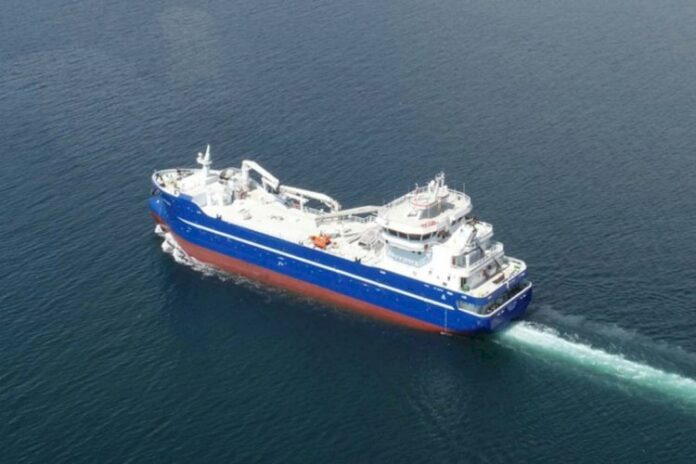
Sefine shipyard in Turkey has recently delivered “Aqua Skilsøy”, the third of a total of six live fish carriers (LFC), to DESS Aquaculture Shipping AS in Grimstad, Norway.

Each of the Salt Ship design vessels is equipped with propulsion solutions from SCHOTTEL, comprising rudderpropellers and transverse thrusters which both feature the patented LEACON sealing system. All six live fish carriers, each with a live fish hold capacity of 3,900 m³, will be assigned to long-term contracts for Mowi ASA.

Henrik Andre Larsen, Project & Development Manager at DESS Aquaculture Shipping:

“The manoeuvrability of the vessels is one of our major requirements. This is especially important in the narrow fjords of Norway and small passages close to the fish cages. In order to be environmentally friendly, we also have to ensure that no oil escapes into the seawater. All in all, the systems from SCHOTTEL optimally meet our demands.”

The 84.4-metre long and 16-metre wide LFCs are each powered by an advanced diesel-electric propulsion system. It comprises two SCHOTTEL Rudderpropellers type SRP 360 FP (1,400 kW each) with a propeller diameter of 2.2 metres and two SCHOTTEL Transverse Thrusters type STT 1 CP (400 kW each). This combination will ensure that the fishing vessels achieve optimum propulsion efficiency and maximum manoeuvrability. 

The LFCs are equipped with the patented, DNV-GL type-approved SCHOTTEL LEACON sealing system. By means of separate seals on both the seawater and gearbox sides, this sealing system ensures that, in the event of leakage, any seawater entering the system or any gear oil escaping from the system is collected in an intermediate chamber. This prevents water from entering the gearbox and, more importantly, oil from escaping into the seawater.

In order to enhance the well-being of the fish, hygiene, quality and environmental aspects have been thoroughly considered and incorporated into the design of the live fish carriers. Accordingly, “Aqua Skilsøy” features both an automated cleaning system and an ozone disinfection system and is set up for reverse osmosis and mechanical treatment. 

The series is set to be completed by April 2021.

Rotterdam boosts hydrogen economy with new infrastructure

0

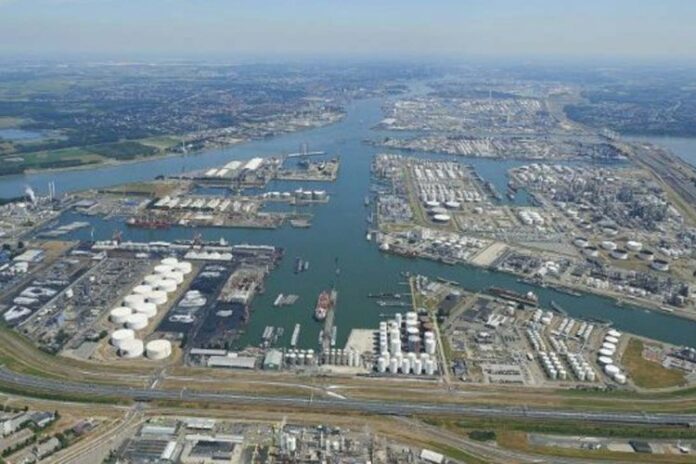
The hydrogen economy is quickly gathering momentum after Shell announced its plans to take a green hydrogen plant into operation as early as 2023. This plant will be constructed at Maasvlakte 2. From here, the produced hydrogen will be transported via a pipeline to Shell’s refinery in Pernis. Gasunie and the Port of Rotterdam Authority intend to realise the new pipeline in a joint venture.

The green hydrogen plant and the pipeline are part of a series of projects associated with the production, import, use and transfer of hydrogen in which the Port Authority is working together with a variety of partners. These concrete projects seamlessly tie in with the hydrogen outlook recently published by the Dutch government.

Allard Castelein, CEO of the Port of Rotterdam Authority:

‘We are currently expediting our plans to construct a public hydrogen network in the port area. The work on this backbone for Rotterdam’s industrial sector will be rounded off concurrently with Shell’s electrolyser. A main transport network like this can be used to connect producers and users. This in turn helps to create a market and boosts the production and consumption of hydrogen. Besides accommodating production, in the longer term Rotterdam will also play a crucial part in the import of hydrogen thanks to the realisation of multiple hydrogen terminals. Hydrogen promises to become the energy carrier of the 21st century. In Northwest Europe, we will not be able to produce sufficient hydrogen locally, meaning that a large volume will need to be imported. Rotterdam will play a central role in this process – similar to its current role in the oil sector. This allows us to reinforce the port of Rotterdam’s position as an important pillar of the Dutch economy.”

The Port Authority and Gasunie plan to jointly construct and operate the hydrogen pipeline, which will run parallel with the A15 motorway between Maasvlakte and Pernis. The parties plan to take the definite decision to greenlight construction in the first half of 2021. In the near future, Rotterdam’s hydrogen pipeline will be hooked up to the national hydrogen network developed by Gasunie.

Shell will be constructing its hydrogen plant at a dedicated industrial site realised by the Port Authority at Maasvlakte for electrolysers operated by various companies. Another project planned at this site is H2-Fifty (the construction of a 250 MW electrolyser operated by BP and Nouryon). This facility is expected to become operational in 2025. Situated on the coast of the North Sea, this special industrial site (named a ‘conversion farm’) uses offshore wind power to produce hydrogen. The hydrogen produced at the plant will be transported to users via a pipeline.

Apart from these two mega electrolysers, various companies in the port area are working on plans for smaller models with capacities ranging from 5 to 100 MW (for the sake of comparison: the largest electrolyser currently operating in the Netherlands has a capacity of 1 MW). In addition, a consortium is working on plans for the production of the hydrogen variant known as blue hydrogen. The objective within this H-vision project is to produce hydrogen from gas sourced from refineries or natural gas, while capturing the carbon released by this process and storing it under the North Sea seabed. The large-scale production of blue hydrogen could be set up well before 2030. By contrast, the production of green hydrogen via electrolysis requires a huge volume of green electric power – which will at any rate be in short supply for another decade.

Another project that has therefore been initiated is the realisation of 2 GW of extra offshore wind capacity (extra when compared to the existing plans for wind farms out on the North Sea) that will be reserved for the production of green hydrogen. This has been recognised as an option in the government’s Climate Agreement, and the Port Authority is currently conferring with the national authorities regarding the landing of this project. The electrolysers that will be sourcing this offshore power can be set up at the Maasvlakte conversion park.

The H-Vision project will yield around 2.2 to 4.3 Mt in carbon savings. The 2 GW electrolysis ‘conversion park’ will reduce carbon emissions by 3.3 Mt (based on the electrolysers running 8,000 hours per year, and compared to the production of grey hydrogen).

The Port Authority is also closely involved in various projects that are intended to promote hydrogen as a transport fuel – both in road haulage and inland shipping. In the road transport sector, parties are setting up a consortium that aims to have 500 trucks running on hydrogen by 2025. Inland shipping can also move from diesel to hydrogen. In the longer term, hydrogen can also be used to heat greenhouses and buildings – particularly locations that are less suited for heating via a heat network or a ground source heat pump.

Northwest Europe consumes far more power than can be generated locally from renewable sources. That is why the region is required to import hydrogen (or hydrogen bonds like ammonia) on a large scale. The national government has asked the Port Authority to map out the various options to import hydrogen from abroad, so the port of Rotterdam can retain its pivotal role in international power transport. Similar to how the port presently imports large volumes of oil and coal for the Netherlands, Germany and Belgium, in the near future, Rotterdam will serve as a major hub for renewable energy flows.
The domestic demand for hydrogen is expected to increase to approximately 14 Mt per year by 2050. If half of this volume is sourced via Rotterdam, the port will be handling some 7 Mt in throughput. According to prognoses, there will also be a sizeable demand from neighbouring countries (and specifically Germany) for hydrogen via Rotterdam: approximately 13 Mt by 2050. This puts the required volume of hydrogen produced or imported in Rotterdam at 20 Mt. This volume would require 200 GW in operational wind farm capacity. The Dutch section of the North Sea currently accommodates 1 GW in wind farm capacity. This can be increased to 60-70 GW by 2050. The lion’s share of the required hydrogen will therefore need to be imported. This calls for import terminals and pipelines similar to the facilities that have been set up for oil and oil products. From 2030 on, forecasts therefor include the large-scale import and transport of hydrogen to the hinterland – to raise the sustainability of industrial activities in Geleen and North Rhine-Westphalia, among other things.

The Port of Rotterdam Authority recently drew up a hydrogen outlook that describes and quantifies the aforementioned trends. This document is based on a series of studies performed by various large corporations and Dutch and international organisations in the energy sector.

Hydrogen resembles natural gas as an energy carrier: it is gaseous and generates exceptionally high temperatures during combustion. This makes it eminently suited as a fuel for industrial processes and transport. But it can also be used as a base material for the production of all sorts of plastics that are currently still made from petroleum.

Hydrogen is a sustainable alternative to natural gas. It can be separated from natural gas – during which the carbon dioxide released by this process is captured and stored in the North Sea seabed. This yields what is known as blue hydrogen. Another way to produce hydrogen is by separating water molecules (H2O) into H2 and O with the aid of electric power – from renewable sources or otherwise. This product is called green hydrogen.

NOK 25 million in support for more efficient ports in Norway

0

NorSea receives NOK 25 million from the Norwegian Coastal Administration for development of ports of the future.

Kristian Stapnes, Vice President Digital and Improvements at NorSea AS, says:

“This is wonderful news, especially at times like this, and a great recognition of the work we do. Thanks to the Coastal Administration for showing that they have great faith in the project. The support gives us the opportunity to launch a large project that benefits the entire value chain. We must show us trustworthy.”

The Norwegian Coastal Administration received applications for more than NOK 180 million in this year’s application round. The NorSea project is the project that will receive the most funding through the scheme for efficient and environmentally friendly ports in 2020.

Øyvind Sandbakk, senior adviser at the Norwegian Coastal Administration, says:

“The purpose of the grant scheme is to contribute to streamlining transport along the coast. We do this by investing in publicly available ports. NorSea has an exciting project and was able to show good efficiency gains in the application. The project will be able to realize significant gains for many parties in the logistics chain.”

Stapnes says:

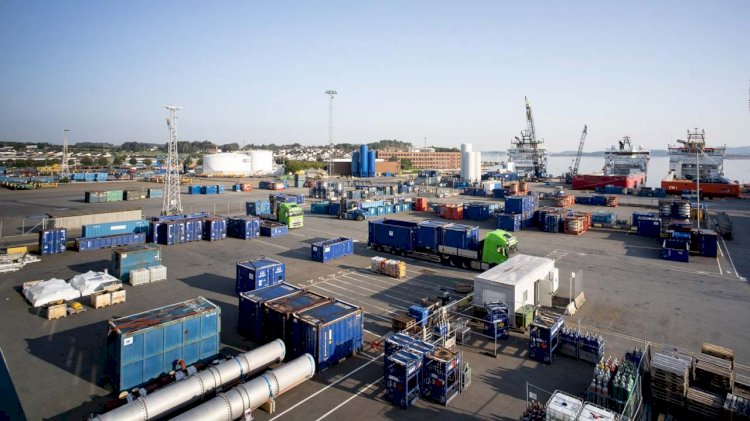
“NorSea is a hub for offshore logistics along the Norwegian coast with bases from Dusavik in the south to Hammerfest in the north. The project will create a better interaction between the actors. The goal is shorter and more efficient transport, both for ships in port and for trucks that arrive at our bases 365 days a year.”

The project will initially be implemented at NorSea Dusavik, and will then be rolled out to all of NorSea’s bases in Norway.

Photo: NorSea

Stapnes says:

“NorSea has made quantum leaps in digitalization over the past three years. We came from a traditional, analogue everyday life, now we have significantly better control over our data and processes. However, the potential is significantly greater when you look at the value chain together. Here lies the key to deliver greener, safer and more efficient logistics. This project is an important continuation of the initiative where we have so far invested over NOK 100 million in future logistics services.”

The project that has been supported has three main tracks:

  • New system to capture critical operational information, create better flow in associated processes – and provide all parties involved with real-time logistics information.
  • Facilitation of infrastructure, such as new carriageways, marking, moving fences for optimization of land.
  • Implementation of new technology, knowledge and processes in the company.

The project has already started, and the funding from the Norwegian Coastal Administration means that it is ready to be scaled up.

Stapnes explains:

“The effects of the measures are large, both for the environment and money saved. The environmental gain is estimated at 1700 tonnes in reduced emissions on the bases by improving the utilization of the input factors. Our analyzes show a potential to reduce the turnaround time on the bases of trucks by up to 40 per cent – and for vessels between 5-10 per cent. We will also see a significant reduction in base traffic. Overall, the operations become safer, with less noise at and around the bases.”

Bakker Sliedrecht upgrades offshore power hub for Vattenfall wind farm

0

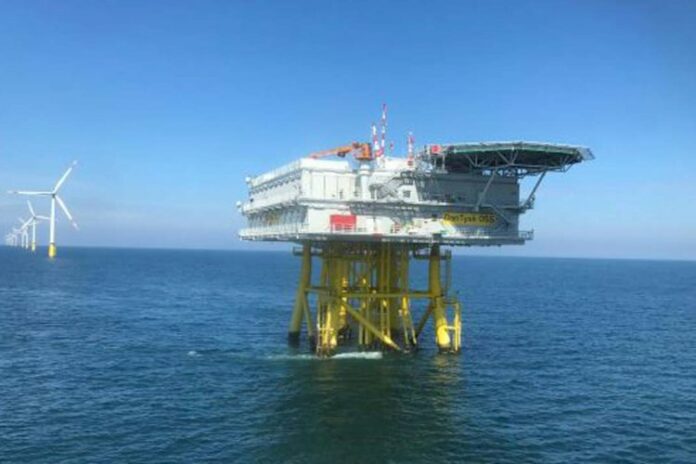
Bakker Sliedrecht has succeeded in upgrading the automation system at the offshore energy substation of Vattenfall’s DanTysk wind farm in the North Sea without any downtime. As a result, the transport of sustainable electricity from the wind farm to the coast could continue without failure.

DanTysk is located in the German part of the North Sea and comprises 80 wind turbines. With a total output of 288 megawatts, up to 400,000 households can be supplied with sustainable electricity. The wind farm has been in operation since 2014. The generated power from the wind turbines is transported via 108 kilometers of cables to its own energy substation. On this platform, the power is converted from 33 kV to 155 kV and transported further. First to a converter station and then to the high-voltage grid of grid operator TenneT on the coast, 200 kilometers further on.

At the construction of this substation in 2012 and 2013, Bakker Sliedrecht supplied various components and integrated all systems within the electrical & instrumentation system. Improvements to the system were desired and had become available, so were taken into account during the upgrade of the system.

Automation engineer Bart van Wijngaarden of Bakker Sliedrecht says:

“It can be compared to a large transformer station. The remotely controlled automation system controls and monitors the essential functions on the platform, such as the cooling system and the cooling water pumps. That is of crucial importance on a platform where 288 megawatts of energy is brought together.” 

Bakker Sliedrecht replaced, among other things, the Ethernet switches in the fibre optic ring for the communication between all systems, the switches, redundant SCADA servers and redundant PLC controllers that control the platform. This had to be done without shutting down the energy supply from the entire wind farm.

Project leader Fred Hordijk of Bakker Sliedrecht says:

“That is why we have built a whole new network next to the existing one and have started testing it step by step. First we transferred the less critical systems. Only when they worked well we moved on and transferred the next systems and eventually the critical ones. That went well.”

The entire automation system at the substation was upgraded under full load without failure.

Hordijk and Van Wijngaarden say:

“We’ve spend less time on the platform with our people and had no downtime. We often replace and upgrade these types of systems, but projects of this size with minimal downtime are special. With this, Bakker Sliedrecht has made its mark.”

Stefan Brahm, Operation and Maintenance Coordinator at Vattenfal, says:

“We experienced the corporation with Bakker in a very professional way. On site technician and project manager have been experienced and very skilled in there key competencies. The cooperation between our in house expert and the specialists of Bakker Sliedrecht went very smooth. Overall result has been very satisfying. The cutover to the new hardware was realized without any loss of production.”

New consortium established to build ‘power-to-methanol’ plant in Antwerp

0

ENGIE, Fluxys, Indaver, INOVYN, Oiltanking, Port of Antwerp and the PMV – investment company of the Flemish Government – have established a consortium for the sustainable production of methanol, an essential raw material used by industry in the Port.

Construction of a demonstration plant at the INOVYN site in Antwerp is scheduled to start by 2022, with the aim of producing 8000 tonnes of sustainable methanol annually, thus avoiding at least an equivalent volume of CO2 emissions.

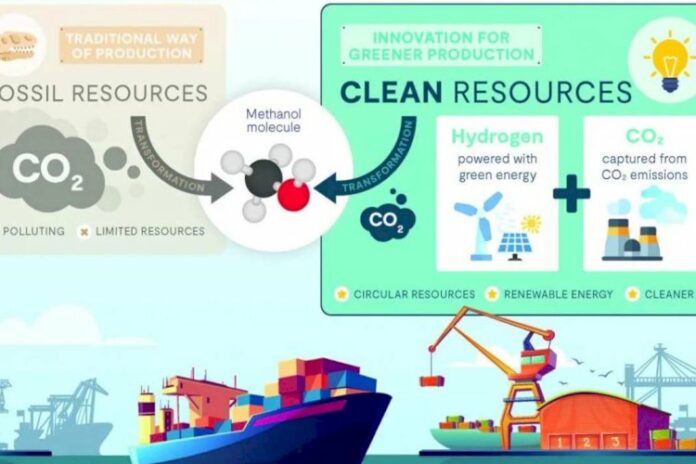
Methanol is an essential multi-purpose raw material for the chemical industry, with many applications in wider industry as well. This key raw material is indispensable to the daily operation of the port of Antwerp as the largest European integrated energy and chemical cluster in the region. Currently, methanol is produced using fossil raw materials. The ‘power-to-methanol’ project aims to replace this with sustainably produced methanol, a first for Belgium. This methanol will be produced from captured CO2 and sustainably generated hydrogen. The carbon dioxide is captured by means of Carbon Capture and Utilisation (CCU), through which CO2 emissions are partially recovered and then combined with hydrogen generated on the basis of green energy produced from renewable electricity.

This week, a formal consortium called ‘Power-to-Methanol Antwerp BV’ was set up. In this important next phase of the project, the consortium will be working on all the necessary steps to prepare for the expected construction of the demonstration plant.

Each partner brings its own expertise to the project. For example, ENGIE has its knowledge of the electricity market; Oiltanking provides advice on the logistical aspects of methanol production and storage; and Indaver provides expertise on CO2 capture. Fluxys brings infrastructure experience and specific expertise with regard to the certification of green gases. The Flemish Environmental Holding Company (Vlaamse Milieu Holding) will provide part of the financing, while Port of Antwerp bridges the gap between private companies and the Belgian Government. As well as providing a site for the demonstration plant, INOVYN (subsidiary of INEOS) contributes to the project with the supply of hydrogen along with its chemical and electrolysis expertise.

In the subsequent phase, due to start in 2022, a demonstration plant will be built on the INOVYN site at Lillo. The plant is expected to be operational in the same year.

The demonstration plant could produce up to 8000 tonnes of sustainable methanol. Future development could see increased volumes made available for wider industry use, including as a sustainable fuel for water and road transport. For every tonne of produced methanol at least an equivalent volume of CO2 emissions can be avoided.

Port alderman Annick De Ridder declared:

“Our future prosperity will be sustainable, or there will be no prosperity. Innovation is key to tackling climate change. In Flanders we have a tradition of innovative entrepreneurship and as Port of Antwerp we play a pioneering role in serving as a testbed for technological and sustainable innovation. We combine this innovation with our strengths as a multi-industry port platform to promote promising applications such as CCU and hydrogen. In the meantime it gives a strong signal that Port of Antwerp is keeping to its transition agenda and working hard towards it, even during the Covid-19 crisis.”

Hilde Crevits, Flemish minister for the Economy, Innovation, Employment, Social Economy and Agriculture:

“Innovation is essential for the transition to a sustainable, circular economy. But collaboration is also crucial. The consortium demonstrates that by combining the know-how and expertise of different partners we can get a whole lot moving. As the Flemish minister for Innovation I can only be proud of this achievement. In this way we are putting Flanders on the map as a region that is going ahead fully with alternative sources of energy. I am glad to support this initiative through the Flemish Environmental Holding Company.”

A spokesperson for the industrial partners commented:

“The formal continuation of the ‘power-to-methanol’ project in the Port of Antwerp confirms the conviction of this group of cross-industrial players to pursue our cooperation. The project shows in a very practical and innovative way the importance of industrial symbiosis as part of the energy transition pathway. The different partners have the ambition to advance the energy transition and to strengthen their presence in the Port of Antwerp not only for the business of today but also for that of tomorrow.”

Foreship launches Project Hygiea to keep coronavirus off cruise ships

0

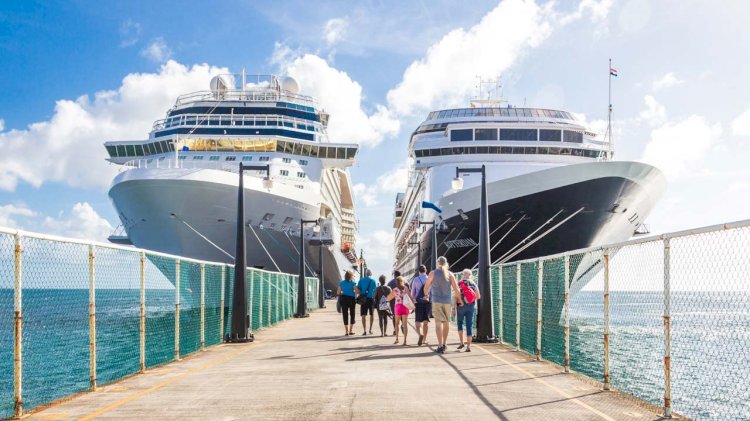
Leading naval architecture and marine engineering firm Foreship has devised an initiative to limit the presence and spread of coronavirus and other pathogens on passenger ships and get the cruise sector back up and running. Entitled ‘Project Hygiea’, the four-step approach comprises interception, prevention, mitigation and evacuation.

Foreship Business Development Director Mattias Jörgensen says that there is no “silver-bullet” solution for fighting viruses in the cruise industry:

“However, by combining our own expertise with the knowledge of medical professionals and that of our extensive partner network, we have formulated a strategy that tackles the crisis on four fronts.”

As Jörgensen explains, stage 1 of Hygiea aims to keep the biohazard off the ship. Ports will be designed for efficient interception, with technology installed for testing and measuring body temperature, for example. In the event that a vaccine becomes widely available, passengers will be screened for vaccination before being allowed to board the vessel.

Stage 2 is about preventing the virus from spreading, which means employing stringent hygiene measures and optimising spaces and routes to maintain a safe distance between individuals. Technology will be contactless and automated where possible to reduce transmission via surfaces. Crew will be trained in practices relating to sanitation and social distancing.

Stage 3 is a matter of isolating the pathogen through quarantining and decontamination to mitigate its impact. Technology such as air treatment systems and medical facilities will be provided to support these efforts.

Stage 4 focuses on preparation for the worst-case scenario: critical incidents on board. Evacuation procedures will be put in place, with routes through the ship designed for speedy extraction, while emergency suits, capsules and craft will be made available.

According to Jörgensen, the effective implementation of these steps relies on a ‘Hazard and Operability’ (HAZOP) analysis, in which Foreship collaborates with a ‘HAZOP group’ of vessel stakeholders to identify risk areas and develop solutions specific to their ship. A feasibility study determines how these solutions will manifest themselves on board and in port. The successful study is followed by engineering work, installation, commissioning and finally, verification.

With several companies looking to initiate Project Hygiea in the coming weeks, Jörgensen is optimistic about its potential impact:

“Passenger ship owners are striving to restore public faith in cruise tourism. Foreship’s expertise in vessel design, refit, project management and lifecycle services puts us in a unique position to provide the bigger-picture solution they are looking for. Even at this early stage, we are seeing a lot of interest in Hygiea, which promises to have a significant positive impact on the immediate future of the industry.”

APM Terminals Valencia deploys scalable virtual 4G wireless network

0

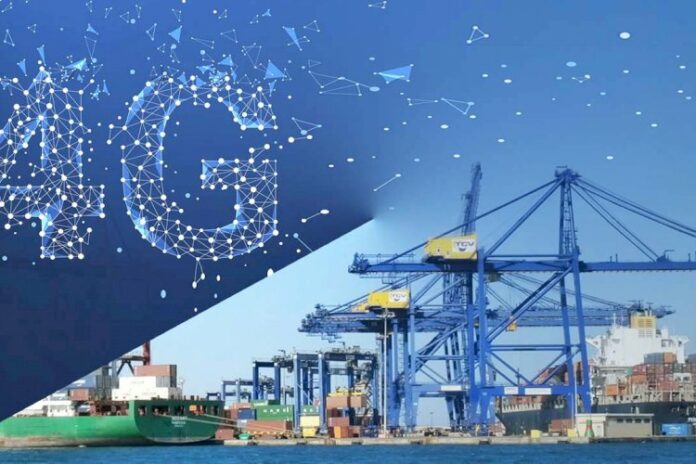
As part of a global roll-out, APM Terminals Valencia, Spain has launched a new Virtual Private LTE provided by Telefonica Spain.

LTE network is a standards-based network that use dedicated radio equipment to service the terminals applications and services and can be tailored for more optimized performance such as low latency. 

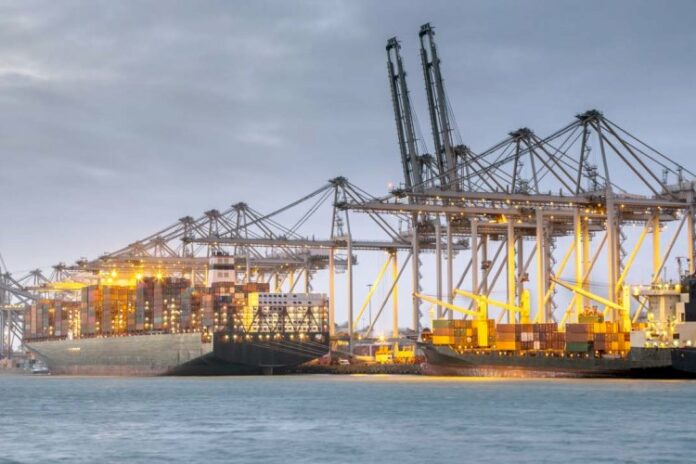
Industrial wireless connectivity has become a digital enabler for APM Terminals’ global initiatives such as the standardisation of Terminal Operating Systems, reporting and support; Asset Digitalization; and GPS based Position Detection Systems used for auto-locating containers in a yard. APM Terminals Valencia’s existing WiFi network was struggling to reliably handle increased data volumes demanded by this digital transformation, and a complete re-design was therefore needed. 

The use of dedicated equipment allows it to be independent of traffic fluctuation in the wider network. Jack Michael Craig, Head of APM Terminals Global Technical, explained:

“Stable and reliable industrial wireless infrastructure is critical for all automation and digitization efforts. The foreseeable trend is that the number of applications and use cases requiring wireless capabilities will increase at terminals.” 

A dedicated 4G Radio Access Network (RAN) was installed in the Terminal yard, integrating it with the existing Core (EPC) part of the public telecom infrastructure. An end-to-end IPSec Tunnel was used as an encryption mechanism to segregate APM Terminals data from general carrier data to ensure this wireless solution meets the company’s global security requirements. Telefonica Spain provided this solution with the 4G Licensed frequency spectrum they own within Spain.

In contrast to the old WIFI connectivity solution, the new 4G LTE connectivity solution was best suited to the terminal due to its ability to meet coverage and performance requirements with bigger cell size and limited infrastructure deployment at terminal. 

Overall this is an optimized, standardized, cost effective, and security compliant Industrial Wireless connectivity solution at the Terminal to support APM Terminal’s global transformation with possibility to easily scale if there is growth in the terminal requirements. Ultimately customers will benefit from improved data, terminal efficiency and stability.

First STS LNG bunkering operation for a product tanker in Germany

0

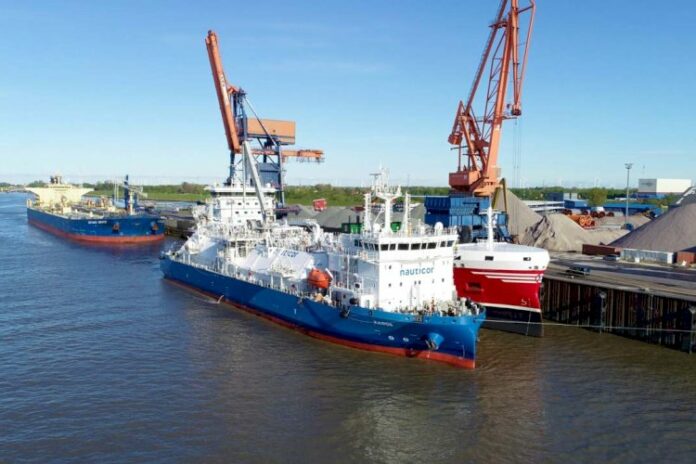
On May 6th, Hamburg based LNG supplier Nauticor, a subsidiary of the Nordic energy company Gasum, has conducted the first ship-to-ship LNG bunkering operation for a product tanker in Germany.

The bunkering operation for the product tanker “Ramelia” was conducted in the port of Brunsbüttel at the river Elbe. The operation also marked another milestone with it being the first bunkering operation since the company became a part of Gasum at April 30, 2020. The receiving vessel “Ramelia” is owned by Donsö based shipowner Älvtank and is managed by the tanker pool of the Gothia Tanker Alliance. Like several LNG bunkering operations before, the operation was conducted under the LNG supply agreement, which was signed by Furetank Rederi, a member of the Gothia Tanker Alliance, and Nauticor in 2018. 

Christian Nilsson, Managing Director of Älvtank, says:

“By using LNG as fuel we are working on reducing the environmental impact through lower emissions and less noise. Having access to a comprehensive LNG supply network is a prerequisite to do so and we are glad that thanks to the efforts of Nauticor and Gasum the availability of LNG is secured in a growing number of place in Northwest Europe.”

Together with the Linde AG’s LNG and biogas business in Scandinavia, the marine bunkering business of Nauticor has been acquired by Gasum on April 30, 2020. 

Jacob Granqvist, Sales Director Maritime in Gasum, says:

“The acquisition of Nauticor is an important step in Gasum’s growth strategy and the successful bunkering of Ramelia underlines our commitment to develop the clean marine bunkering business in Northwest Europe, adding Germany to the list of countries we are active in to ensure the availability of environmentally-friendly LNG for our customers.”

The bunkering operation in Brunsbüttel is already the second German LNG premiere taking place at the port after the first German ship-to-ship LNG bunkering operation ever was conducted there by Nauticor’s BSV “Kairos in 2019.

Frank Schnabel, Managing Director at Brunsbüttel Ports GmbH/ Schrammgroup, says:

“The first ship-to-ship LNG bunkering operation for a product tanker in German waters is the next milestone for establishing LNG as environmentally-friendly fuel for ships and strengthens the role of Brunsbüttel as the leading LNG hub at the German North Sea coast. We are pleased to have found a competent partner in Nauticor and we are looking forward to conducting more bunkering operations together.“

Neptune Energy completes seismic survey offshore Egypt

0

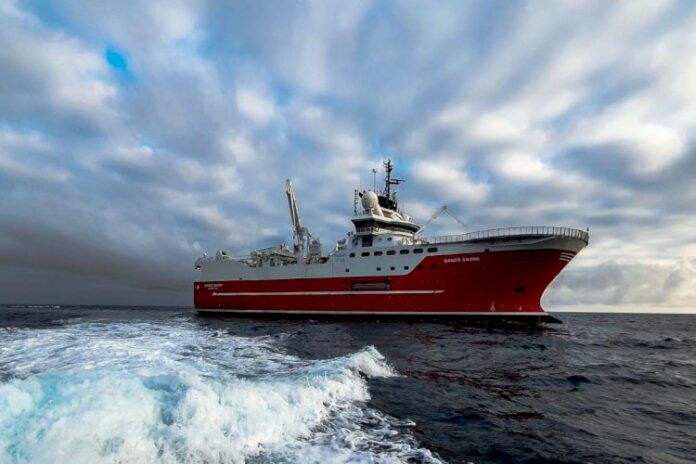
Neptune Energy has announced the successful completion of an ocean bottom nodes (OBN) multiclient survey in the North West El Amal block, offshore Egypt, delivering promising results for further analysis.

The project, prefunded by Neptune, was carried out by WesternGeco, the seismic and geophysical data solutions division of Schlumberger, under a contract with the Egyptian General Petroleum Corporation (EGPC), sponsored by the Egyptian Ministry for Petroleum and Mineral Resources. WesternGeco acquired the survey using third-party vessels. 

The survey employed innovative OBN technology to overcome the challenge of acquiring improved imaging in the complex salt geometries of the Gulf of Suez. It was the first ever OBN seismic survey to be conducted in Egypt and the most detailed survey of the block since the first acquisition in 1988, providing an in-depth data set for processing, image analysis, and planning for potential exploratory wells in the future.

The North West El Amal offshore concession covers 365 km2 and is located in the central part of the Gulf of Suez, approximately 42 km south of Ras Gharib and 105 km north of Hurghada. Neptune was awarded the exploration licence in February last year, including the acquisition of 100 km2 of 3D seismic data.

Egypt Managing Director, Gamal Kassem said:

“Egypt is important for Neptune and we are pleased to build on our strong relationships with the Ministry of Petroleum and Egyptian General Petroleum Corporation. The safe and successful completion of the seismic acquisition is an important achievement and is testament to the careful planning and professional execution by Neptune, EGPC and WesternGeco.”

The project involved placing large numbers of autonomous sensors on the seabed to acquire seismic data, then retrieving them for analysis. The process acquires more detailed data than standard technologies and is less sensitive to weather conditions which can impact traditional seismic survey vessels.

Neptune’s VP Exploration & Development, Gro Haatvedt added:

“It’s very exciting to have been involved in the OBN seismic survey, the first time the technology has been deployed in Egyptian waters. Given the geographically-diverse nature of our global portfolio, Neptune is accustomed to working with innovative digital and subsurface technologies to tackle a variety of geological challenges.

Obtaining subsalt imaging is particularly tough and the OBN technology was well-suited for this purpose. The next step is to analyse the data which has greatly improved our understanding of the block and will support our future plans including potential exploratory wells.”