-4.6 C
New York
Home Blog Page 862

Two more cruise ship workers die whilst awaiting repatriation home

0

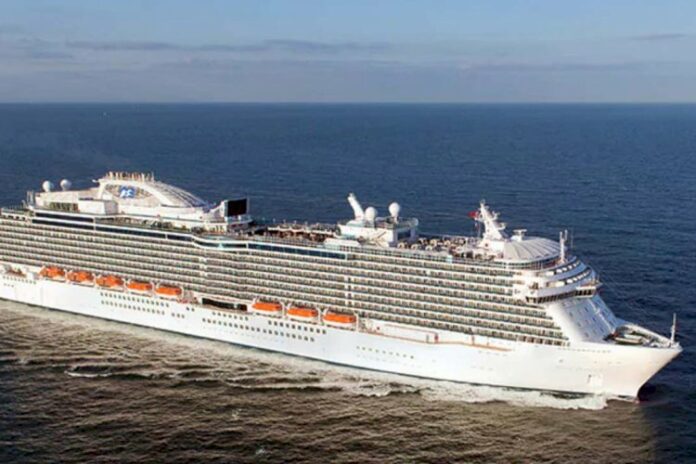
As ITF informed, the deceased are young female seafarer on board Princess Cruises-operated Regal Princess and a young crewmember of the Royal Caribbean’s Mariner of the Seas.

The Regal Princess arrived in Rotterdam on May 6 for the final phase of the repatriation process, and seafarers on board including the deceased woman were scheduled to return home on a charter flight on Friday, May 8, but the flight was cancelled. Crew members were told that the next available flight was on May 12, but tragically the woman jumped from the ship and died after her chartered flight home was cancelled.

Due to the shortage of international air travel and government restrictions, and ports applying additional restriction to seafarers working on cruise ships, getting seafarers home is very challenging and thousands of cruise ship workers have been forced to remain on board their ships.

David Heindel, ITF seafarers’ section chair, said:

“The stress associated with social isolation for seafarers can be tough even in normal times, but what we are seeing through the Covid-19 pandemic is the tragic consequences that heightened stress and uncertainty is having on seafarers’ mental health. Seafarers are being penalised by the strict restrictions put in place by governments to contain the spread of the virus despite no justification or scientific proof that seafarers on cruise vessels pose any greater risk than other categories of workers or members of the public.” 

Approximately 150,000 seafarers are currently waiting to leave or join ships, with tens of thousands currently trapped onboard ships across the globe due to the continuing imposition of travel restrictions.

Seafarers’ unions are calling for the same response from government who facilitated the repatriation of tens of thousands of passengers in a matter of weeks from cruise ships around the world.

Heindel said:

“It’s time for crews to be treated as humanely as passengers were. The ITF and our social partners warned just last week that failure to do so risks the wellbeing of seafarers, maritime safety, as well as the supply chains that the world relies on. Time has come to get these seafarers home before we see more people taking their lives.”

Four crew members have now reportedly ended their lives in less than two weeks. On May 9, a Carnival team member from Hungary died on board the Carnival Breeze with his fellow crew members finding him dead in his cabin. This followed the death of a Royal Caribbean crew member from Poland who jumped overboard from the Jewel of the Seas on April 30.

Heindel said:

“For the sake of seafarers’ health and mental wellbeing, it is now absolutely vital that governments and flag states redouble their efforts to facilitate the return home of all seafarers who are suffering a terrible burden at the present time. Our service to the global economy should not be taken for granted.”
ABS NS and Q88 LLC partner to drive compliance efficiency

0

ABS Nautical Systems (ABS NS), a leading provider of fleet management software and Q88 LLC, a global provider of SaaS technology to the maritime industry, are joining forces to automate compliance management for ship owners and operators.

The systems are now fully integrated to streamline the management of critical compliance information from ship to shore so that data quality and reliability are improved, and compliance objectives are consistently met. 

The power of the ABS NS compliance management solution combined with the efficiency of the Q88 tanker information management platform supports a more efficient and transparent vetting compliance process for safer and more reliable operations for tankers and carriers complying with guidelines from the Oil Companies International Marine Forum (OCIMF).

Entering the certification and renewals required for compliance is a time-consuming, manual and unclear process, making it a challenge for crew and staff to get the right information into the hands of the right people at the right time. Integrating Q88 with the ABS NS compliance management solution streamlines the flow of critical data (certificates, vessel particulars, qualification documents, etc.) with a self-service, automated process that improves data quality, promotes information transparency and reduces the manual burden on crew members.

Stephen Schwarz, President of ABS Nautical Systems, says:

“We’re excited to partner with Q88 to help our mutual customers streamline the OCIMF vetting compliance process. By leveraging the digital technologies of both of our companies, customers will realize the benefits of improved data quality and efficient data transfer, improving the speed and reliability of critical compliance data. We are focused on solutions that improve efficiencies for our clients. This represents another key step on the journey toward digitally transforming maritime operations.”

Fritz Heidenreich, Founder and President of Q88 LLC, said:

“This integration facilitates an easy flow of information and documents between the vessels, the office and other voyage stakeholders. We are very excited to help our combined clients streamline their vetting and compliance processes.”

Thun Tankers orders a second NaabsaMAX product tanker

0

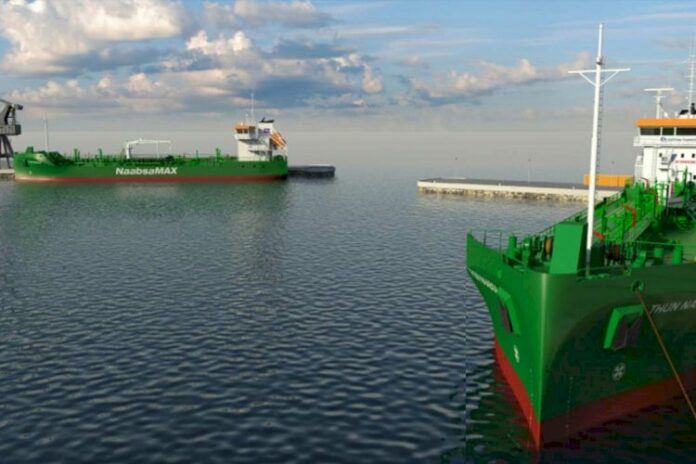
Thun Tankers BV has placed an order for a second 4,250-deadweight product tanker.

The ordered tanker will be delivered May 2022 and will together with her previously ordered sister enter into a long-term agreement with UK based Geos Group Ltd. Both vessels will be built with “NAABSA” design – “Not Always Afloat But Safely Aground” – being able to call tidal restricted niche ports.

Thun’s long experience of building resource efficient, high quality vessels has been used in the design process. Focus has been to maximize the vessel´s cargo intake and increase in-port performance; with the scope to allow further increased cargo lot sizes going into restricted niche ports. Resource efficiency, new regulations and environmental care has been key in the development of the new vessel.

The two new-buildings are being built by Scheepswerf Ferus Smit B.V. in the Netherlands, with whom the Erik Thun Group has a longstanding relationship. The shipyard has previously built more than thirty-five vessels for the Erik Thun Group.

Joakim Lund, CCO, Thun Tankers BV, said:

”With two high quality NaabsaMAX size tankers we can offer increased flexibility in this niche segment. These tankers will be built to the absolutely latest design, enabling Geos Group Ltd. and their clients access to the most efficient and sustainable transport solution available in this segment.“

Johan Källsson, Managing Director, Erik Thun AB, added:

“We always strive to meet our customers’ various demands with tailor made solutions. In these special times, we are especially happy to be able to deliver on that promise with a purpose built tanker for our close partner Geos Group Ltd.”

Barry Newton, Managing Director, Geos Group Ltd., said:

”As a company we are very confident that our long term partnership with Thun Tankers BV will provide us with a fleet of versatile tankers to carry on providing our clients with the service that is required. To have two NaabsaMAX vessels at our disposal will mean that we are able to grow our position in the market and continue to provide shipping solutions that make us more versatile for our customers, offering flexibility and access to niche ports around the UK, as well as ensuring our fleet is current and at the forefront of design.”

Edda Wind selects MacGregor for offshore wind service vessels

0

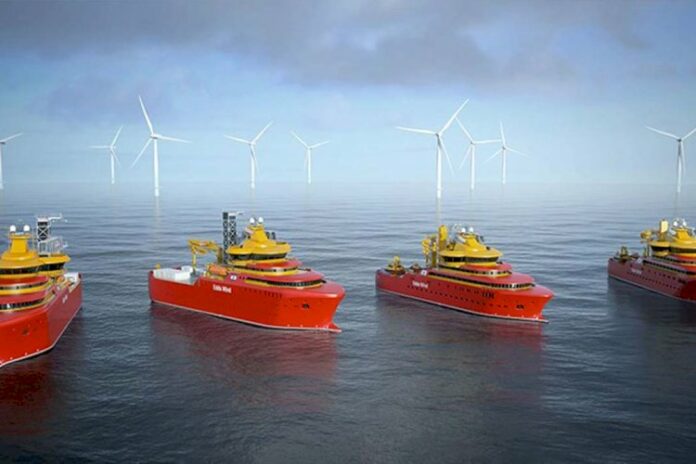
MacGregor, part of Cargotec, has received equipment orders for a total of four offshore wind service vessels which will expand the Edda Wind fleet, the offshore wind segment of the Østensjø Group. The order was booked into Cargotec’s first quarter of 2020 order intake and the first vessel will enter into service in Q1 2022.

Two of the equipment packages were awarded by the shipbuilder, Astilleros Gondán in Asturias, Spain for Edda Wind’s zero emission prepared Commissioning Service Operation Vessels (CSOV), the first of which will enter into a firm charter period of 11 years starting Q1 2022.

Each of these vessels will be equipped with a Horizon all-electric walk-to-work gangway, including the largest integrated passenger lift ever fitted to a wind service vessel, which is interconnected to a Colibri 5 tonne 3D motion compensated crane. This further increases logistics support by allowing a single operator to seamlessly change between crane and gangway operation from a centralised control station on the vessel’s bridge.

Egil Arne Skare, Chief Project Officer in Østensjø Rederi, says:

“Østensjø Rederi is committed to continuously advancing the development of environmentally sustainable technologies, and MacGregor’s energy efficient equipment will contribute to improving the overall efficiency of Edda Wind’s newbuildings.”

The other two equipment packages were awarded by Astilleros Balenciaga who are building Edda Wind’s second generation Service Operation Vessels (SOV), which are also prepared for zero-emission hydrogen fuel. The first of the two vessels will enter into service on a 15 year charter agreement in Q2 2022, and will also be equipped with a Horizon all-electric walk-to-work gangway system and 3 tonne Colibri 3D motion compensated crane.

Although smaller than their CSOV sister vessels, the SOV’s will boast access heights of up to 34m above the sea surface due to the novel design of the Horizon walk-to-work system, specifically tailored to Edda Wind’s requirements. These vessels will also benefit from the additional efficiency provided by the centralised control station being located near the Dynamic Positioning Operator’s (DPO) position on the bridge.

Egil Arne Skare of Østensjø Rederi says:

“Whenever we asked MacGregor to solve operational challenges put forward by our clients or ourselves, they responded quickly with well-thought-out solutions and provided excellent technical support. Providing low emission service vessels is not just about selecting the most energy efficient equipment, it’s the combination of the equipment and our collective experience that will give these ships an environmentally sound operational profile.”

The orders are the result of a long collaboration with Edda Wind, their ship designer, and other key suppliers to realise the potential of fully electrified equipment and integrated vessel systems. The Horizon walk-to-work gangway and Colibri 3D cranes are products brought into the MacGregor portfolio through the acquisition of TTS last year.

Leif Byström, Head of the Offshore Solutions Division, says:

“MacGregor is delighted to have been selected to supply critical equipment to the Edda Wind newbuildings. We now have a total of six walk-to-work systems and five 3D compensated cranes under various stages of completion, validating our commitment to renewable energy and to providing enhanced solutions and services to our customers through the combination of MacGregor and TTS capabilities.”

Neptune Energy conducts world’s first for dual drilling subsea

0

In conjunction with the start-up of the Fenja drilling campaign last month, Neptune teams maximised the full capabilities of Seadrill’s West Phoenix drilling rig to drill two wellbores at the same time.

While many drilling rigs are equipped with dual drilling capabilities, this was the first time dual drilling has been executed from an integrated subsea template structure. This accelerated the drilling operations, reduced costs and lowered operational emissions.

Neptune’s Director of Drilling and Wells in Norway, Thor Andre Løvoll said:

“Several drilling rigs have two drilling facilities where these traditionally support one another. However, in the instance of our operations we decided to use these facilities independently to concurrently drill two wellbores. The experience of dual drilling on Fenja has been positive and could see this method adopted as a more standard practice in the future. The current challenges in the market encourage us to re-think the way we do things safely, efficiently and with lower carbon emissions.”

Neptune recently conducted dual drilling operations on an exploration well on the Norwegian Continental Shelf and the experience was applied towards the Fenja subsea field development with great success.

Fenja is Neptune’s first operated development project on the Norwegian Shelf and is estimated to contain 97 million boe. Fenja will deliver around 40 kboepd at plateau.

Located in the Norwegian Sea 120 kilometres north-west of Kristiansund at a water depth of 320 metres, the subsea field will be developed as a tie-back to the Njord-A platform. At 36 kilometres, it will be the world’s longest electrically trace-heated pipe-in-pipe subsea development.

Wärtsilä to upgrade the performance of four KOTC VLCCs

0

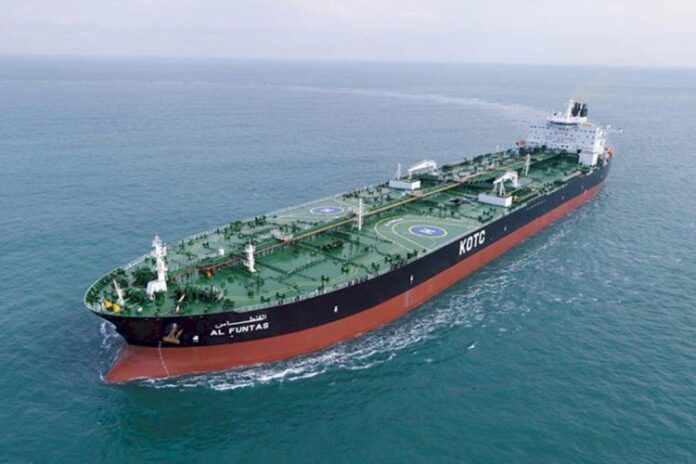
The technology group Wärtsilä has been contracted to upgrade the performance of four vessels owned by Kuwait Oil Tanker Company (KOTC), a subsidiary of Kuwait Petroleum Company (KPC), by retrofitting the Wärtsilä Fuel Efficiency Boost solution to the ships’ main engines.

The modification will reduce fuel consumption, and correspondingly lessen the environmental impact by lowering greenhouse gas emission levels. The order with Wärtsilä was placed in the first quarter of 2020. KOTC and other major ship owners who have taken a proactive approach towards environmental protection have been actively looking for ways to reduce their fuel consumption and carbon footprint, thus paving the way for them to reduce greenhouse gas emissions. As a result, the Wärtsilä Fuel Efficiency Boost initiative has attracted considerable interest, and similar orders from other large shipping companies have been placed in recent months.

The Wärtsilä solution is based on two-stroke engine optimisation technology for selected Wärtsilä RT-flex and earlier deliveries of X-type two-stroke engines. The four KOTC very large crude carriers (VLCCs) to be retrofitted operate with 7-cylinder Wärtsilä RT-flex82T two-stroke main engines. The retrofitting of the vessels with the Wärtsilä Fuel Efficiency Boost will take place over the coming six months.

Mr Riad Belaid, Area Sales GM, Middle East & Asia, 2-stroke & Specialised Services, Wärtsilä Marine Business, says:

“Our smart marine approach is dedicated towards raising efficiencies and improving the environmental sustainability of marine operations. The Wärtsilä Fuel Efficiency Boost is completely aligned with this philosophy, while at the same time lowering operating costs.”

KOTC’s Acting CEO, Mr. Ali Shehab, says:

“By modifying the main engines of these carriers, we are assured of operating with the latest technology and having the best operational efficiency. We know and trust Wärtsilä’s high quality products and systems, and we appreciate the excellent support they offer.”

The Wärtsilä Fuel Efficiency Boost is a well-balanced combination of an increased compression ratio and modified injector nozzles. Together with optimised engine tuning parameters, it allows fuel savings of up to 4%. The pilot installation showed around 10~12 tons per day lower fuel consumption than a sister vessel operating the same route, and resulted in 1195 tons of fuel savings over the 9 months pilot period.   

In 2019, Wärtsilä successfully installed the company’s Intelligent Combustion Control and Fuel Activated Sacless Technology (FAST) upgrades on these same four vessels.

Japan’s first LNG bunkering vessel launched

0

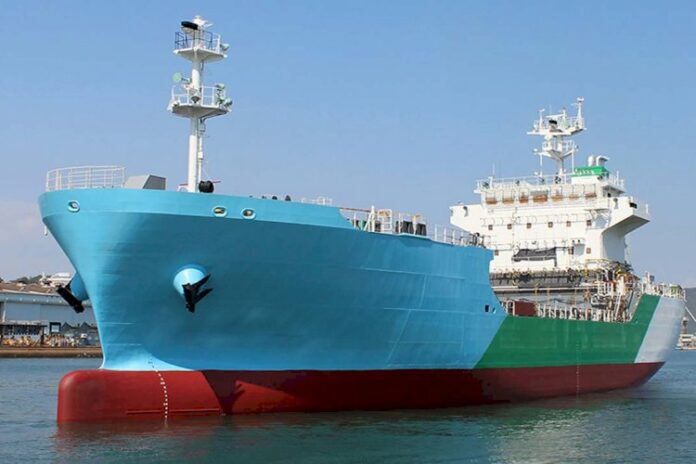
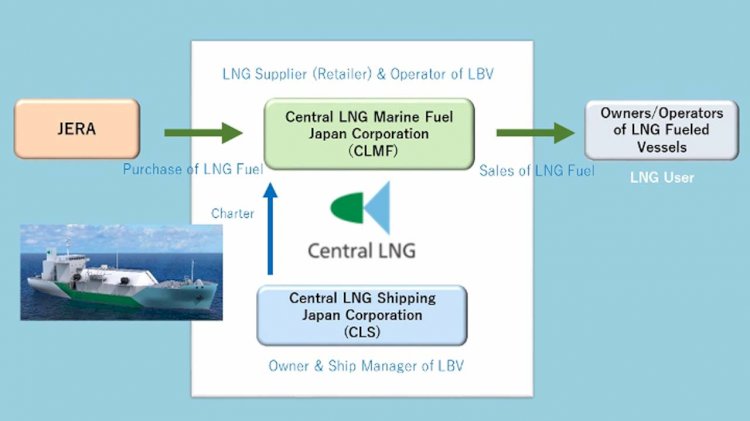
Japan’s first LNG bunker vessel (LBV) was successfully launched at the Sakaide Works of Kawasaki Heavy Industries Ltd.

The LBV is scheduled to be delivered at the end of September 2020 and will be the first LBV to be operated in Japan. After the delivery, the LBV will be based at JERA’s Kawagoe Thermal Power Station and commence ship-to-ship LNG bunkering business for LNG-fueled vessels.

In 2018, Kawasaki Kisen Kaisha Ltd. (“K” Line), JERA Co. Inc., Toyota Tsusho Corporation, and Nippon Yusen Kabushiki Kaisha (NYK Line) jointly established Central LNG Shipping Japan Corporation (CLS), which owns the LBV and ordered its building, and Central LNG Marine Fuel Japan Corporation (CLMF), which will promote the LNG bunkering business in the Chubu (central) region of Japan.

The expertise and strengths of each company will be utilized to provide LNG bunkering solution in the Chubu region and promote a shift to marine LNG for ships.

Port of Tyne to become base for world’s largest offshore wind farm

0

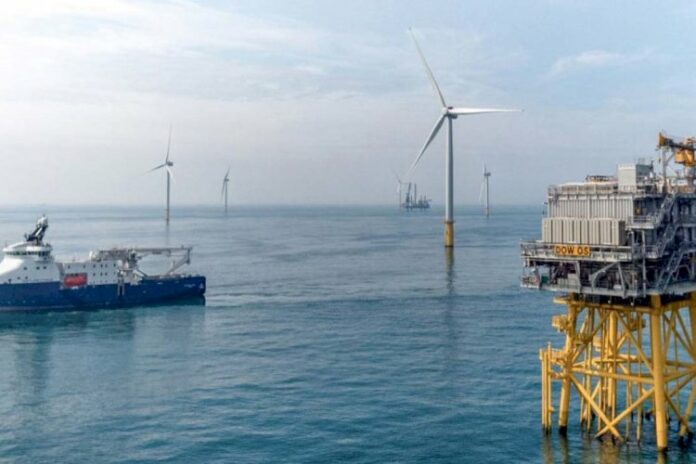
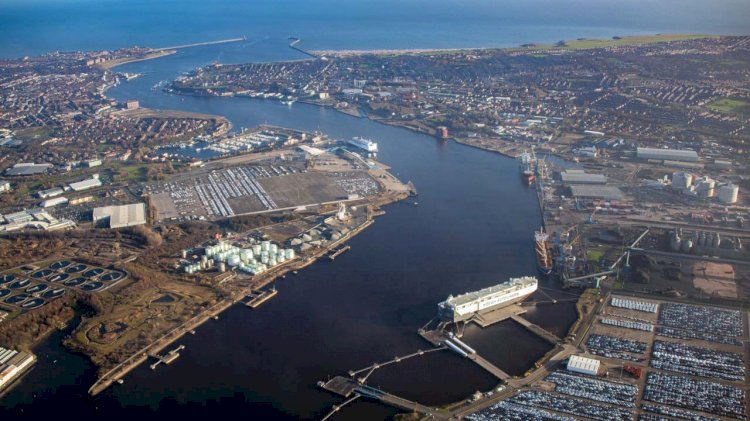
Equinor and SSE Renewables, the two companies behind the world’s biggest offshore wind farm Dogger Bank, have today announced plans to build a new Operations and Maintenance (O&M) Base at the Port of Tyne.

Construction of the wind farm, led by SSE Renewables, began in January 2020 and as operator for the operations phase, Equinor will construct this new O&M base, and operate the wind farm for its expected life of more than 25 years. 

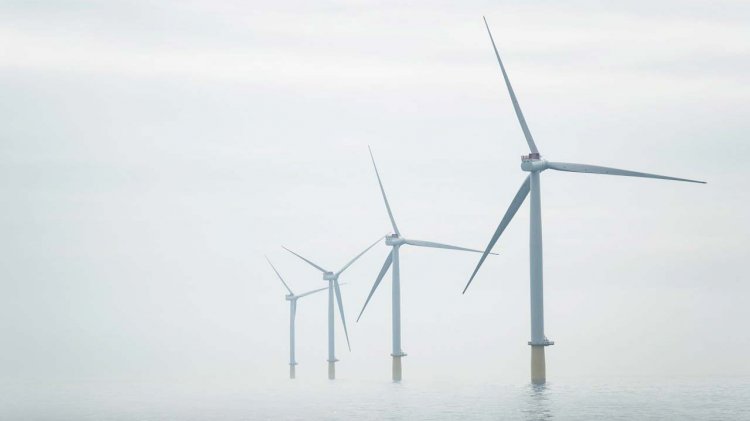
The overall wind farm comprises three 1.2GW phases, with each phase located more than 130km from the North East coast of England. When fully operational it will be able to provide enough renewable electricity for over 4.5 million UK homes. 

The new multi-million pound facility, which includes both office space and a warehouse, will be the onshore base for Equinor’s teams ensuring the efficient operation of the wind farm. The flagship project is expected to generate over 200 direct jobs in the region, as well as opportunities for companies at all levels of the supply chain. The Dogger Bank Wind Farm is estimated to trigger a total capital investment of approximately GBP 9 billion between 2020 and 2026. 

Secretary of State for Business, Alok Sharma commented:

“This new facility is fantastic news for Tyneside and the North East of England. Renewable energy is one of the UK’s great success stories, providing over a third of our electricity and thousands of jobs. Projects like Dogger Bank will be a key part of ensuring a green and resilient economic recovery as well as reaching our target of net zero emissions by 2050.”

Stephen Bull, Senior Vice President for Equinor’s North Sea New Energy Solutions, and Chair of Renewable UK, said:

“The UK government has legislated to cut carbon emissions to net zero by 2050. Major scale renewable energy projects like Dogger Bank ensures Britain’s leadership as the #1 offshore wind nation. Moreover, the project brings new investment to the UK, at a challenging time for us all, and secures over 200 jobs in the region as well as new opportunities in a future-fit growth sector. 

The North East has a strong industrial heritage and a supply area that stretches north and south of the River Tyne. With a strong low-carbon vision for the future; as well as targets to become net zero in its own operations by 2030 the Port of Tyne is clearly well set up to attract future investments which we hope will complement our activities.”

Paul Cooley, SSE Renewables Director of Capital Projects, said:

“The announcement today cements SSE Renewables’ and Equinor’s commitment to developing long term jobs and economic benefit in the UK and we are very pleased to welcome the Port of Tyne to the project. The Operations and Maintenance base will bring significant socio-economic benefits to the local area during construction and throughout the projects lifetime, as we have seen on our previous offshore wind projects including Beatrice. Dogger Bank will help drive the transition to a net zero future and we are continuing our work to construct the largest offshore wind farm in the world safely.”

Photo: Port of Tyne

Matt Beeton, Chief Executive Officer of the Port of Tyne said:

“We’re absolutely delighted to have been selected by Equinor and SSE Renewables as the port of choice to house the Operations and Maintenance base for the largest offshore wind farm in the world. This is clearly a very important milestone in attracting such leading names in offshore power generation to the Port but it’s also extremely important for the wider region in terms of local supply chain and employment opportunities.

The Port recently launched its ‘Tyne 2050’ plan with a vision to become one of the most environmentally sustainable ports in the UK by 2030. Offshore wind is a key component of that strategy and this announcement is a huge step towards developing a cleaner future for the Port, the region and for industry in the North East.”

The jobs required to operate an offshore wind farm include maintenance technician roles, that will predominately be based offshore, as well as office-based teams to support the operations from land. The main recruitment activity will begin in early 2022 and ramp up as the project nears operation, with the first phase due to begin producing electricity in 2023.

The project is also committed to engaging with the UK supply chain, to ensure that UK companies have the chance to get involved, whether it be directly or through one of the project’s Tier One and Two suppliers. An online procurement portal has been established and meet the buyer events will be held in due course, to encourage UK companies to get involved.

Mexico Alert: Smuggling of illegal narcotics – risk of ship detention

0

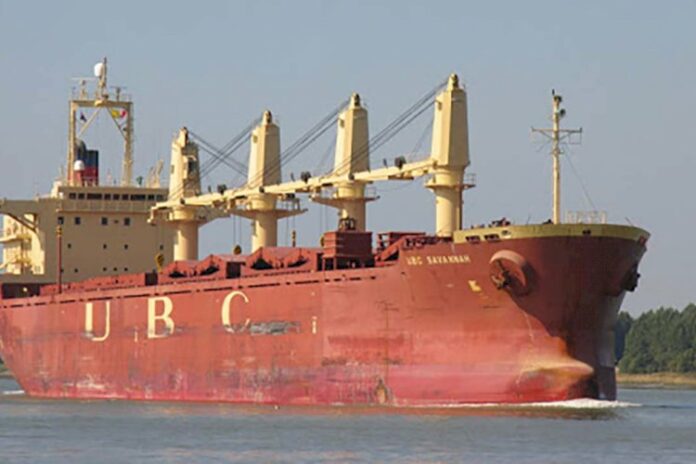
The International Group of P&I Clubs, International Chamber of Shipping (ICS), BIMCO and InterManager (the “international industry organisations”) draw Members’ attention to the series of recent ship detentions and crew arrests in Mexico and, in the case of the UBC Savannah, the lengthy and continuing detention in custody of the ship’s Master without any formal charges against him, following the discovery of illegal narcotics on board.

Since July 2019, the international industry organisations have recorded a number of cases where ships have been detained upon arrival in Mexican ports (in particular Altamira and Ensenada ports), with the ports of departure usually from Ecuador, Colombia or Panama, where illegal narcotics have been found on board.  In some cases, such detentions and crew arrests have followed when the illegal narcotics have been discovered on board by the crew and reported in advance at the earliest opportunity to the local authorities at the port of arrival in Mexico.

Whilst the international industry organisations fully understand the damage caused to Mexico by the trafficking of illegal narcotics and the need to suppress and deter this criminal activity, including through the prosecution of offenders using the full force of the criminal law, the risk of unwarranted ship detentions and crew arrests and potentially lengthy prison stays should not be ignored.

In this regard, Members’ attention is drawn to the Mexican Federal Code of Criminal Procedure, where anyone accused of drugs related offenses must remain in prison for the duration of the pre-trial and trial detention, even if innocent.  Pre-trial and trial detention in Mexico can be lengthy, and further protracted in the current COVID-19 circumstances.

The international industry organisations have already expressed serious concern to the Mexican Government with regard to the apparent indiscriminate application of the Code and the disproportionate approach taken by public prosecutors in the cases of ship and crew detentions. The international industry organisations are engaged with the Mexican authorities in seeking the release of both the Master of the UBC Savannah and those ships currently detained.

Damen unveils new workboat for the aquaculture industry

0

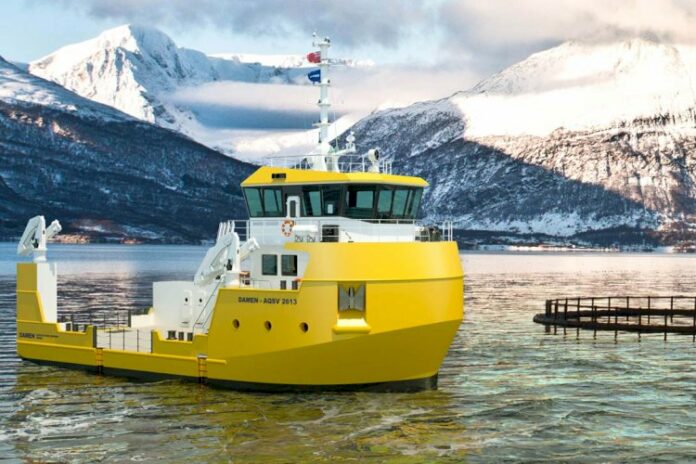
The Damen Utility Vessel (UV) 2613 draws upon the heritage of proven vessels from the shipyard’s portfolio, such as the Multi Cat and Shoalbuster, to deliver extreme versatility to the fish-farming sector. The vessel’s scope of work covers everything from harvesting to net cleaning and diving support to de-licing.

Damen has developed the UV 2613 based on feedback from the market. It is a forward-facing vessel, with sustainable characteristics. It is, for example, prepared for IMO Tier III. The vessel comes ready for the installation of a Damen NOX Reduction System – selective catalytic conversion technology that can be easily installed during construction or as a retrofit, making the vessel Tier III compliant. The vessel can also be fitted with battery packs for silent shift operations.

This is an extremely user-friendly vessel, with lots of plug and play options available so that it can switch quickly from one duty to another. The UV 2613 can be installed with DP1, a multiple mooring system and a towing winch for example. It can even be fitted with a ramp in order to perform ferry duties if required.

An extensive cargo hold of 85m2 facilitates harvesting as well as dry cargo transportation and storage of diving equipment. The vessel’s deck is over 110m2. The vessel can be fitted with multiple cranes with capacity up to 220 t/m. The vessel’s azimuth thrusters, together with a bow thruster, ensure optimal manoeuvrability.

Damen has paid close attention to safety in the design. The vessel features a high bow height and freeboard of 1 m minimum to avoid deck immersion and safe sailing, even in heavy seas. Additionally, with a beam of 12.8 metres, the vessel is extremely stable, with no need for an anti-heeling system. While the UV 2613 is 26 metres in length overall, its load line length is just 24 metres and the vessel is also below 200 GT (MCA).

Damen Sales Manager Mike Besijn said:

“We are very confident in the relevance of the UV 2613 for the growing aquaculture industry. Based on feedback we received from the market we have designed a versatile vessel, able to tackle a very wide range of duties, with a robust application of features ensuring the safety and sustainability of operations. We have already carried out the feasibility studies and completed the detailed engineering of the design – we’re ready to build this.”