-5.3 C
New York
Home Blog Page 858

Yang Ming’s 2,800 TEU vessels to receive Smart Ship Notations

0

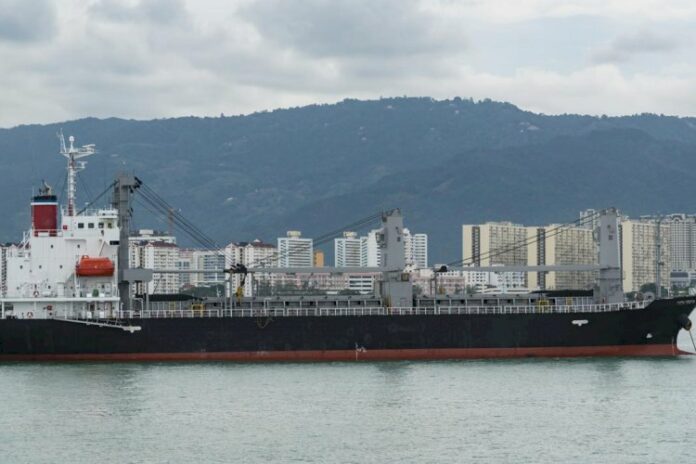
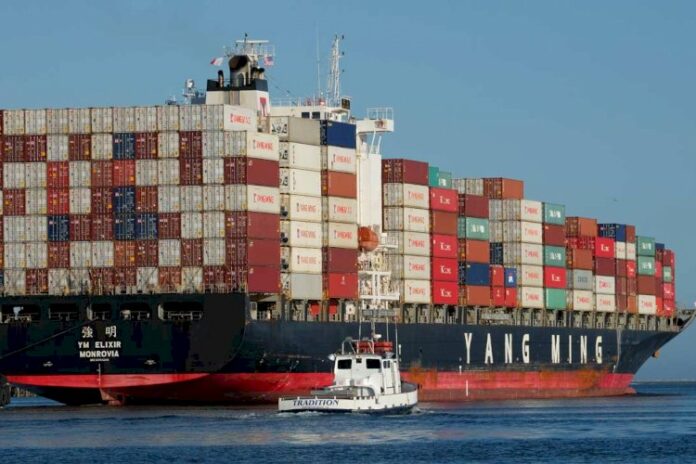
Yang Ming Marine Transport Corporation’s (Yang Ming) ten 2,800 TEU class container vessels, currently being constructed by CSBC CORPORATION, TAIWAN (CSBC), are going to receive Smart Ship notations from international classification societies, American Bureau of Shipping (ABS), DNV GL, Bureau Veritas (BV) and Classification Society (CR). The notations mean that Yang Ming holds the leading position on the path to marine digitalization and intelligence.

Five of the series vessels – “YM Celebrity”, “YM Continent”, “YM Certainty”, “YM Credibility” and “YM Continuity” will be the first batch of vessels to be awarded ABS Smart notations in the world. The notations include Smart INF (Data INFrastructure for Smart Function implementation) & Smart SHM (Structural Health Monitoring). The recognition denotes that these vessels are equipped with smart information infrastructure of big data acquisition and cloud transmission, which enable ship structure endurance monitoring and future structural health awareness through ABS’s customized analysis program to ensure sailing safety.

Bronson Hsieh, Chairman of Yang Ming, said:

“We are proud to lead the industry in the development of smart functionality, which tends to enable owners and operators to improve their operation. By working with ABS we are demonstrating that the Yang Ming vessels are at the forefront of today’s vessel technology.”

Three of the series vessels – “YM Centennial”, “YM Capacity” and “YM Cooperation” – will be the first vessels to receive DNV GL SmartShip notations in Taiwan. The notations, including SmartShip OE (Operating Enhancement) and PE (Performance Enhancement), mean that these vessels are equipped with advanced technologies such as improving container load flexibility with route specific container stowage and fuel saving with trim optimization. The technologies will greatly enhance vessel performance and effectively reduce GHG (GreenHouse Gas).

Two of the series vessels – “YM Credential” and “YM Constancy”- will be the first vessels to receive BV SMARTSHIP (MACHINERY 1) notation, which indicates the ships are equipped with integrated computer based system for the controlling and monitoring of the automated installations of periodically unattended machinery spaces, and they are equipped with monitoring devices allowing reduced scope of tailshaft survey.

Furthermore, seven of the series vessels including “YM Continent”, “YM Credential”, “YM Centennial”, “YM Capacity”, “YM Certainty”, “YM Credibility” and “YM Continuity” are also certified by CR with “Smartship H, Et, I” notations, featuring functions of smart hull-structural health estimation, smart energy efficiency-trim optimization, and smart integration platform.

With constantly evolving technology, smart ships have become an inevitable trend in the field of shipbuilding and maritime. To keep up with the development, Yang Ming has studied to optimize the company’s competitiveness and meet its environmental goals. Starting this year, these awarded ships will be delivered and deployed to Yang Ming’s intra-Asia services. With these smart ships, Yang Ming will improve operational efficiency and deliver more innovative and professional services to customers worldwide.
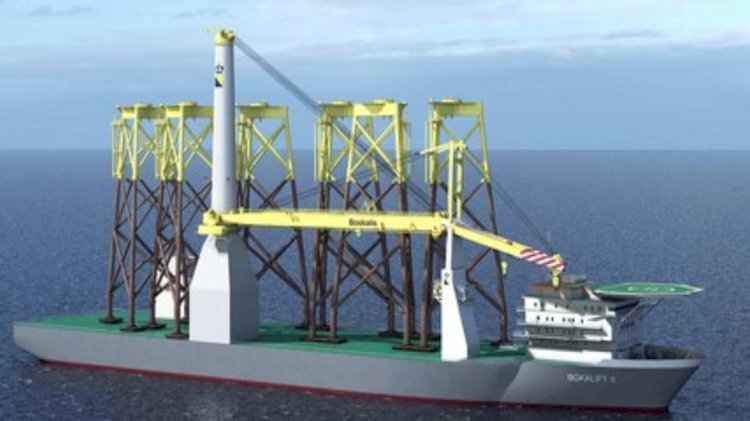
First steel cut for Bokalift 2

0

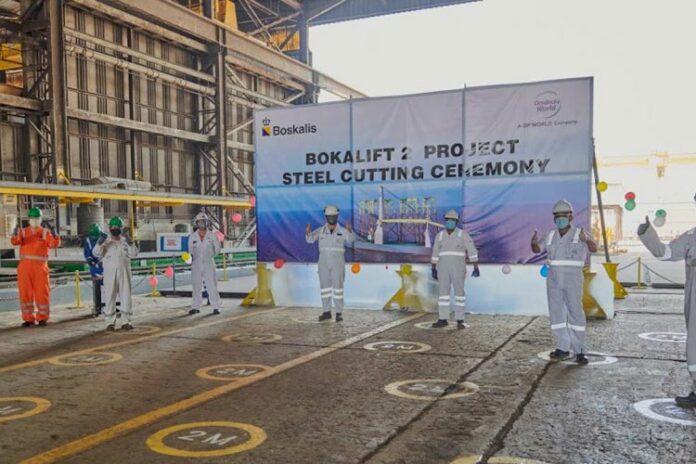
Royal Boskalis Westminster N.V. (Boskalis) has announced an important milestone in the conversion project of its new crane vessel Bokalift 2. A steel cutting ceremony took place at the shipyard Drydocks World in Dubai. This milestone marks the beginning of an important new phase in the modification of the vessel’s hull and deck.

The conversion scope includes the fabrication and installation of 9,000 tons of steel blocks on both sides of the vessel to increase the stability of the vessel and the installation of a new work deck. A 4,000 ton crane will be installed on the vessel in 2021. This revolving crane will be capable of lifting structures more than 100 meters high.

Peter Berdowski, CEO of Boskalis, said:

“This steel cutting ceremony marks an important step for Boskalis and the conversion of the Bokalift 2. The huge deck space combined with the large crane make the Bokalift 2 an extremely versatile asset and valuable addition to the Boskalis fleet. We look forward to putting this unique crane vessel to work on its maiden offshore wind project in Taiwan. Yesterday’s milestone is especially commendable in view of the challenging times that we are all currently experiencing.”

The Bokalift 2 will be deployed for the first time at the Changfang and Xidao offshore wind farm (CFXD OWF) project in Taiwan, owned by Copenhagen Infrastructure Partners (CIP) and two Taiwanese life insurance companies. The project includes the transportation and installation of 62 three-legged jacket foundations and the accompanying 186 pin piles.

Research: Deep-sea biodiversity influenced by ‘hidden’ waves within the ocean

0

New research from the National Oceanography Centre (NOC) shows that biodiversity and cold-water coral presence in deep-sea canyons are linked to elevated current speeds and canyon topography. The study also shows that excluding information about deep-sea currents and waves from predictive models could lead to misjudgement of coral distributions.

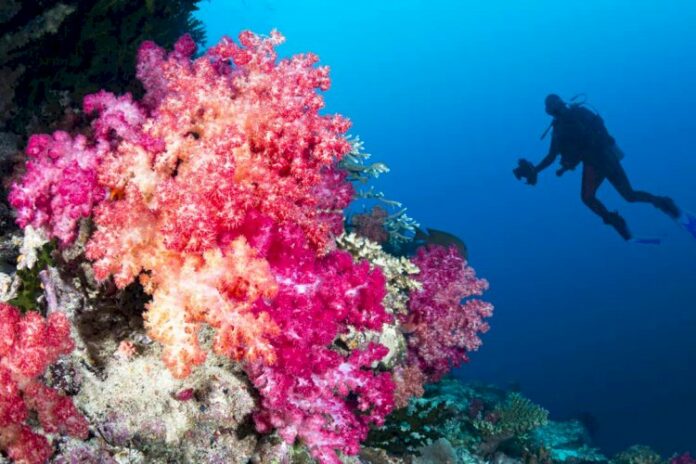
The research focuses on the Whittard Canyon, a large canyon system in the Bay of Biscay that encompasses the UK’s only deep-sea marine conservation zone. The canyon is regarded as a biodiversity hotspot that supports the growth of cold-water corals, which don’t need light and can live at hundreds of meters water depth. The coral reefs can be thousands of years old and are under threat from fishing and climate change.

During a series of research expeditions to the canyon, the team used NOC’s Remotely Operated Vehicle (ROV) Isis together with a Seaglider to understand the role of internal waves in influencing species distributions. In contrast to surface waves, internal waves occur within the ocean and form when there is a disturbance between layers of different density that the water column tries to counteract, forming an oscillation or ‘wave’.

Tabitha Pearman, a PhD student from the NOC and the University of Southampton who led this research explains:

“Most deep-sea animals rely on food particles that have sunk from the surface waters. When internal waves come into contact with the walls of the canyon it can result in elevated current speeds, with waves breaking or reflecting, much like on a beach. These processes re-suspend and concentrate the food particles upon which the corals and other species feed, and these are the same areas where we see an increased number of species, particularly cold-water corals”.

Tabitha further commented, ‘These findings are important because they show that biodiversity predictions excluding data on internal waves may have misjudged the extent of cold-water coral occurrence in canyons, which has impacts for management’.

The team plan to revisit the canyon next year, and are conducting further research into how internal waves shape deep-sea environments.

Sanctions clauses for time and voyage charterparties launched

0

BIMCO has published new sanctions clauses for time and voyage charters, with a clause for the containerised trade to follow. Mark Church, who is on both drafting committees, explains the significance of the new clauses.

Recent years have seen an unprecedented use of sanctions against the shipping industry. The impact of violating sanctions can be catastrophic. One important element in any due diligence programme is ensuring that contracts contain clauses that minimise the risk of there being a sanctions issue and set out clearly the position if an issue does arise. When inconsistent or dated clauses are used, the parties may find they are of little assistance or there is uncertainty as to whether they have application.

There are several reasons why the new BIMCO time and voyage sanctions clauses are important.

Firstly, there was previously no BIMCO voyage charter sanctions clause. This led to parties amending (sometimes with unintended consequences) the time charter clause to try to make it apply in a voyage charter context.

Secondly, the new clauses replace both the Sanctions Clause for Time Charter Parties 2010 and the Designated Entities Clause for Charter Parties 2013. When looking at any sanctions issue, it is helpful to consider the “what” and the “who”; both the activity and the parties involved. The previous BIMCO time charter clause focussed on the activity and the Designated Entities clause dealt with party related risks. The new clauses combine both elements and therefore there is no need to include the 2010 or 2013 clauses in new contracts.

Thirdly, the sanctions clauses reflect the changes in the sanctions landscape and the risks (and the severity of those risks; note the rights of cancellation) that parties face in 2020.

Source: North

McDermott awarded sizeable offshore engineering contract in the Middle East

0

McDermott International, Inc. has been awarded a sizeable* contract from a Middle East customer to carry out front-end engineering and design (FEED) work for offshore riser platform topsides.

The scope includes the design of two offshore riser platforms, as well as associated brownfield integration modifications to existing facilities, which include the decommissioning of existing assets. The FEED contract will be fully executed from McDermott’s Middle East offices.

Work on the project will begin immediately, and the contract award will be reflected in McDermott’s second quarter 2020 backlog.

* – McDermott defines a sizeable contract as between USD $1 million and USD $50 million .

New build cable lay ship for Taiwan’s offshore wind industry

0

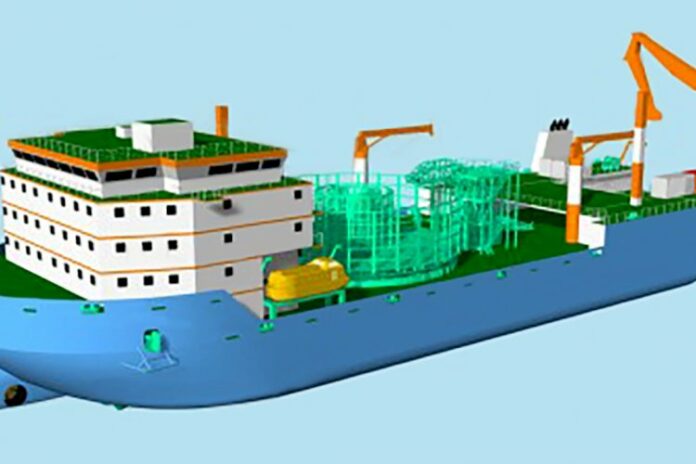
Longitude Engineering (Longitude), an LOC Group company, is pleased to announce it has provided concept and basic design services, as well as construction specification for yard engagement and procurement activities, for a new DP2 cable lay ship for Woen Jinn Harbor Engineering (Woen Jinn), in Taiwan. Prior to the design, Longitude also provided evaluation on the company’s current assets and potential conversions to meet the operational criteria.

The DP2 oceangoing vessel design, with a focus on cable operations in Taiwan’s environmental condition, has received approval-in-principal by ABS and CR Class. The back deck was specifically designed to be suitable for export cable, array cable and cable repair work.

The design concept provided was based on regular engagement with Woen Jinn as well as other stakeholders, including the end client and classification societies. Local constraints were also accounted for, such as dry-dock limitations, cranage and harbour facilities. Combined, this provided an in-depth understanding of the functional requirements and design constrains of the vessel, ensuring the designs delivered optimised the vessel’s performance and owner’s requirements.

The intended use of the cable lay ship is to support Taiwan’s offshore renewables wind industry, which is gaining momentum post the completion of Taiwan’s first commercial scale offshore wind project. This also follows LOC Group’s already active participation in the local offshore wind market having provided marine warranty survey or marine engineering consulting on at least 7 offshore wind farms in the Taiwan region. To affirm our growing commitment to the Taiwanese renewables market, LOC has also recently established a Taiwan branch.

Commenting Danny Ng, Project Manager for Longitude Engineering, said:

“This was a complicated project that needed to meet very specific requirements from various stakeholders. It is a good example of LOC’s ability to draw on the depth of its expertise across different disciplines, in different geographies. To deliver this project, we pooled resources across our UK and Singapore offices, combining experienced operational surveyors from LOC Renewables, with the cable lay design experience of Longitude UK, and the design capabilities of Longitude Singapore”.

New Kongsberg-designed freezer trawler is ready to commence service in Arctic

0

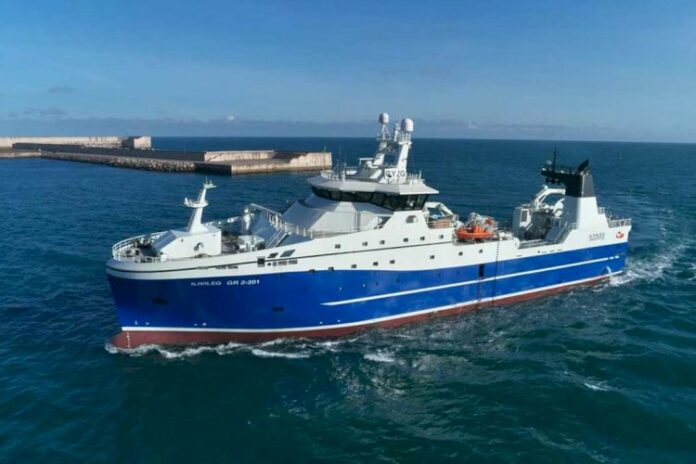
Ilivileq typifies the principles upon which the NVC range was conceived, combining an economical and environmentally beneficial foundation of low emissions and fuel-efficient operation with a freeboard of optimal height to ensure crew safety, teamed with modern, responsible fish-handling solutions.

The low-resistance, wave-piercing hull maximises the vessel’s speed, comfort and seakeeping qualities, while Ilivileq’s design flexibility will enable its crews to undertake both pelagic and bottom trawling. These assets lead to outstanding hourly catch capacity and quality, allied with minimal environmental impact.

In tandem with the hull, Ilivileq’s hybrid propulsion system makes for a substantial reduction in fuel usage and operational noise (both on board and into the water) by allowing crews to engage either mechanical or diesel/electric drive modes. The trawler’s green credentials are further enhanced with the integration of the most cutting-edge nitrogen oxide reduction technology.

Kongsberg Maritime’s corporate emphasis on system integration is reflected in Ilivileq’s full complement of system packages. In addition to equipping the vessel with hybrid propulsion and electrical power generation technology, the company has also supplied a manoeuvring system (steering gear, flap rudder, tunnel bow thruster and Helicon X3 remote control); an ACON automation system incorporating modules for energy and power management, pump and valve control, and alarm and monitoring capabilities; plus key items of deck machinery including an electrical winch system.

Bård Bjørløw, EVP Global Sales and Marketing, Kongsberg Maritime, adds:

“The delivery of Ilivileq represents yet another successful waypoint in our continuous commitment towards helping crews of all kinds to operate sustainably and conscientiously in the world’s oceans while simultaneously increasing crew safety and boosting productivity. Given the fragility of today’s marine ecosystems and the pressures of commerce, these considerations obviously have to go hand-in-hand if any positive changes are to be made; and it’s highly encouraging to know that our vessel designs and integrated technologies are driving such a constructive evolution in the maritime industries.”

BASS launches the Inspection App

0

BASS’s latest offering, the BASSnet™ Inspection mobile app, is fully integrated with BASSnet™ SAFIR (Safety & Improvement Reporting) so that vessel and shore-based personnel can instantly go digital when conducting audits and inspections on site.

Safety and quality checks are an important necessity to meet compliance standards. But the logistics of manually noting checklist items at various locations before transferring information to safety management systems can be complex and time intensive. Also, juggling bulky paper work on-site increases the risk of errors or information missed-out. The Inspection app changes things.

Inspectors and on-board officers can now save time and effort with increased digital efficiency during on-site audits and inspections. The app can work in offline mode to ensure users are not bound to internet connectivity. Data updated via the app can be immediately synced with the BASSnet™ database once the user is online.

Per Steinar Upsaker, CEO and Managing Director of BASS, says:

“Mobile apps have changed the way we approach everyday tasks,and it’s no different when it comes to safety checks. With the Inspection app, we wanted users to have remote access to BASSnet™ SAFIR’s checklists and audit guides 24/7 at any location. Using predefined templates on-site means standardisation of inspection checklists across the company and fleet. Updates can then be synchronised with the BASSnet™ database and modified in the comfort of the office. It’s an incredibly simple and user-friendly process that will streamline audits and inspections on vessels and at offices.”

By making it easy to note checklist items on-the-go for syncing to the Office database,the app will no doubt increase efficiency and cost-savings. But these are not the app’s only benefits. Paperless tools are another great plus.

Martin Bjoernebye, BASS’s VP of Research and Development, notes:

“Often, text only scratches the surface. We wanted to give users the convenience of being able to capture and attach helpful image, voice and video recordings from their mobile devices as they walk around and make observations. Images can also be edited so that users can highlight areas of importance. Audio note-taking for ease of commenting is another feature we’re proud of. The app will also allow for ad-hoc reporting of findings for event reporting, a great tool for ship managers visiting vessels for unplanned inspections.”

The ease of recording data gives inspectors the best chance of reliably capturing all observations on-site quickly and easily. In addition, the app’s Findings feature will allow ship managers to instantly record issues for improvement as and when noticed. Convenience and simplicity are certainly hallmarks of the BASSnet™ Inspection app, promising to greatly improve the way personnel perform audits and inspections from now on.

OPEX Group launches new emissions reduction service

0

Following significant investment in technology development, OPEX launches X-PAS™ Emissions – its new data science service which enables operators to reduce CO2 intensity and emissions from their oil and gas operations.

This new service aims to help customers reduce annual CO2 tonnage by 15%, at a time when operators are seeking to cut costs and achieve ambitious net zero targets.

Powered by OPEX’s predictive technology, X-PAS™ Emissions dynamically calculates and displays in real time the lowest achievable emissions intensity for an asset’s production target and plant configuration. Through the X-PAS™ Emissions portal, users have full visibility of the energy use and emissions intensity of their assets and the operational actions they can take to reduce CO2 emissions.

Danny Farquhar, VP of Data Science at OPEX , said:

“It’s encouraging to see the work that is going into initiatives such as carbon capture, hydrogen, electrification and renewables, however these are likely to be medium to long term solutions and our industry also needs solutions that make an impact now.

The X-PAS™ Emissions service makes use of existing data and is currently being rolled out to the first customers over the coming weeks. The interactive tools and displays are easy to comprehend by everyone, not just engineers.

The service delivers immediate impact by reducing energy consumption and direct emissions intensity. This not only helps to lessen environmental impact but also drive down EU ETS costs and fuel costs at a time when the industry is facing significant pressures.”

X-PAS™ Emissions is the latest offering in OPEX’s suite of data-science and predictive technology services, all of which help operators to reduce costs, increase revenue and achieve compliance.

Chartwell and BAR Technologies collaborate on next generation offshore wind CTVs

0

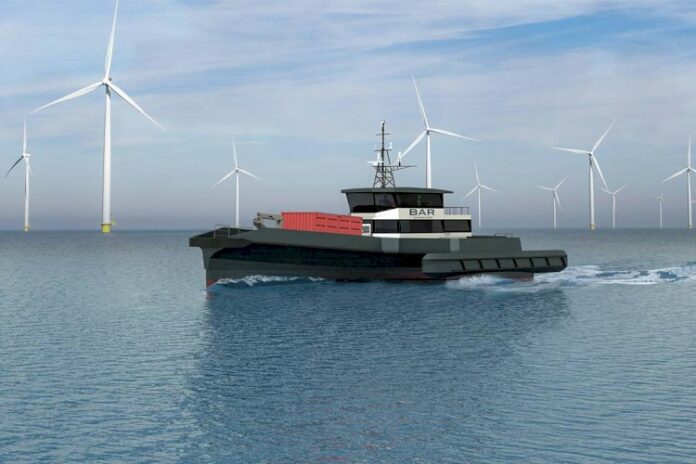
Chartwell Marine, a pioneer in next-generation vessel design, has announced its partnership with world leading naval architects BAR Technologies, to support in the delivery of the next generation of offshore wind crew transfer vessels (CTVs).

The partnership will drive forward the development of new vessel designs ranging from 30m CTVs through to 60m service accommodation and transfer vessels (SATVs), making use of BAR’s patented foil optimisation and stabilisation system (FOSS). It will see Chartwell’s leading structural, class and engineering design joined with BAR’s latest innovations in hydrofoil technology and unique, patented hull form development expertise.

While the offshore energy support vessel market is well served by the likes of existing designs – such as the versatile Chartwell 24 catamaran for wind farm construction and O&M support – the trend for building further out at sea presents new challenges in the form of longer journeys and rougher waters. These challenges are further compounded by the drive to reduce operating costs, and carbon emissions, by cutting fuel consumption.

This has led to an industry demand for larger vessels that are not only designed specifically for bulk crew transfers and longer distance voyages, but also demonstrate greater efficiency and lower fuel burn, leading to significant savings for operators as well as a reduced carbon footprint. Further, the industry is pushing for vessels with the capability to operate for longer periods – to the extent of crew and technicians sleeping on board, requiring an advanced hull.

Responding to this trend in CTV procurement, BAR – with the support of Chartwell – have created a 30m vessel which can reduce vertical acceleration by up to 70% in 2.5m wave heights, helping with motion sickness and offering greater levels of availability in rougher seas. BAR’s FOSS technology, which helps to dampen pitch and roll, will also be an option available on new Chartwell vessels, and can be offered and applied to the Chartwell 24 vessel – further enhancing its seakeeping capability and renowned manoeuvrability.

Andy Page, Managing Director, Chartwell Marine, said:

“As offshore wind expands globally, the challenges of constructing and maintaining wind farms in a variety of locales requires forward thinking CTV operators to make use of the full range of vessel sizes available to the market. With industry demand coalescing around larger vessels, there is a clear opportunity to deploy the latest technology and knowledge from other maritime sectors to deliver a new range of 30m+ CTVs which satisfy the growing requirements of offshore wind while, crucially, meeting the latest needs in efficiency.”

John Cooper, CEO, BAR Technologies, said:

“We see the Chartwell 24 and BAR 30m vessels as natural partners. The former provides high versatility, high payload and large deck space, while the latter demonstrates up to 50% fuel efficiency savings at 15 knots and advanced seakeeping at speed, which is particularly noticeable on longer journeys – as well as great static seakeeping attributes. Chartwell’s strong engineering capability and design heritage has allowed us to create an advanced superior solution for owner operators based on their varied project requirements.”