-0.6 C
New York
Home Blog Page 853

Leading Danish companies join forces on an ambitious sustainable fuel project

0

Copenhagen Airports, A.P. Moller – Maersk, DSV Panalpina, DFDS, SAS and Ørsted have formed the first partnership of its kind to develop an industrial-scale production facility to produce sustainable fuels for road, maritime and air transport in the Copenhagen area.

The partnership brings together the demand and supply side of sustainable fuels with a vision to realise what could become one of the world’s largest electrolyser and sustainable fuel production facilities. The project can spearhead the maturation of sustainable fuels while creating jobs and new value chains to reinforce Denmark’s role as a green energy leader.

Copenhagen Airports, A.P. Moller – Maersk, DSV Panalpina, DFDS, SAS and Ørsted have brought together the demand and supply side of sustainable fuels in a unique partnership with the concrete vision to develop a new ground-breaking hydrogen and e-fuel production facility as soon as 2023. When fully scaled-up by 2030, the project could deliver more than 250,000 tonnes of sustainable fuel for buses, trucks, maritime vessels, and airplanes every year. Production would potentially be based on a total electrolyser capacity of 1.3 gigawatts, which would likely make it one of the world’s largest facilities of its kind. The production from the fully scaled facility can reduce annual carbon emissions by 850,000 tonnes.

COWI and BCG act as knowledge partners for the project, and the project is supported by the Municipality of Copenhagen in line with Copenhagen’s ambitious policies for decarbonisation. However, the partnership hopes that the project can, over time, act as a catalyst for similar projects in other parts of Denmark and internationally.

If realised as envisaged, the project will be located in the Greater Copenhagen Area and could supply renewable hydrogen for zero-emission buses tendered by Movia and heavy-duty trucks managed by DSV Panalpina, renewable methanol for A.P. Moller – Maersk vessels and renewable jet fuel (e-kerosene) for SAS airplanes and air transport out of Copenhagen Airports. The project will require a large-scale supply of renewable electricity, which could potentially come from offshore wind power produced at Rønne Banke off the island of Bornholm.
Today, such sustainable fuels come at a higher cost than fossil-based fuels. To become competitive with fossil fuels, the production of sustainable fuels will need to be matured, built at industrial scale, and go through a cost-out journey similar to what has been seen over the past decade in other renewable energy technologies, such as offshore wind, onshore wind and solar PV. As an example, the cost of offshore wind has declined by approx 70% in Northwest Europe since 2012. For this to happen, governments and industry must come together to create a framework that incentivises private investments in large-scale sustainable fuel production.

Although several partners are challenged by the deep impact of COVID-19, the partnership’s long-term commitments to fighting climate change remain intact. The industrial partners see this project as a way to combine the dual objectives of accelerating the green transformation and providing economic stimulus to the Danish economy post the COVID-19 crisis. Denmark is in a unique position to become a hub for the production of sustainable fuels, creating jobs and securing a leading position in establishing an entirely new industry, which will be key in driving decarbonisation towards net zero in 2050, not just in Denmark, but also globally.

The electrolyser facility will not only be a potential cornerstone in decarbonising the partners’ businesses but will also deliver a critical contribution to reaching Denmark’s ambitious goal of reducing carbon emissions by 70% by 2030 compared to 1990 by replacing fossil fuels in heavy transport with sustainable fuels. The vision of the partnership is to develop the project in three stages.

The first stage, which could be operational by 2023, comprises a 10MW electrolyser which can produce renewable hydrogen used directly to fuel buses and trucks.

Stage two comprises a 250MW electrolyser facility which could be operational by 2027 when the first offshore wind power from Bornholm could be delivered. This facility would combine the production of renewable hydrogen with sustainable carbon capture from point-sources in the Greater Copenhagen area to produce renewable methanol for maritime transport and renewable jet-fuel (e-kerosene) for the aviation sector.

Stage three, which could be operational by 2030 when the offshore wind potential at Bornholm has been fully developed, would upgrade the project’s electrolyser capacity to 1.3GW and capture more sustainable CO2, enough to supply more than 250,000 tonnes of sustainable fuels to be used in buses, trucks, maritime vessels and airplanes. The project has the potential to displace 5% of fossil fuels at Copenhagen Airport by 2027 and 30% by 2030.

The partnership will now move forward and engage in dialogue with the regulatory authorities on the framework and policies needed to support the development of using sustainable fuels at scale in the transport sector in Denmark, and to seek public co-funding to conduct a full feasibility study of the project. If the feasibility study confirms the viability of the project vision, a final investment decision for the first stage of the project could likely be taken as soon as 2021.
Thomas Woldbye, CEO, CPH Airport, says:

“Whether we operate in road transport, shipping or aviation, we all have a major task to contribute to the sustainable transition in Denmark. The challenge of creating a future-proof and sustainable fuel is common to everyone in the transport sector, and the fact that we are now working together in a partnership is crucial for us to be able to produce sustainable fuel in the necessary quantities. It also supports the ambition to transition Danish aviation to become completely free of carbon emissions in 2050 and make Denmark a pioneer in the development of future climate-friendly fuels.”

Jens Bjørn Andersen, CEO, DSV Panalpina, says:

“This ambitious partnership fits well with our long-term targets to reduce emissions and find sustainable solutions for our industry. We are proud to play a part. The transport sector is very important for Denmark but leaves a significant CO2 footprint and we are committed to finding ways to pave the road for a greener future. While this initiative is local, our long-term ambitions remain global.”

Søren Skou, CEO, A.P. Moller – Maersk, says:

“Decarbonising the transport sector is a significant and complex task that requires collaborative contributions from every company, organisation, and country. This project provides a first step in the massive transformation to produce and distribute sustainable energy. In Denmark, we have an opportunity now to accelerate the green transformation and take lead in powering the future with sustainable energy and I am pleased that we can contribute with concrete actions. We need many such projects both in Denmark and around the globe to achieve our ambition in Maersk of becoming carbon neutral by 2050.”

Torben Carlsen, CEO, DFDS, says:

“The ability to establish a vision of an industrial-scale sustainable fuel production facility is due to the power of partnerships. The cooperation of fuel users and producers along with scientists and society is the fastest way to make sustainable fuels available as realistic alternatives to the fossil fuels we combust in our vehicles and vessels today. I hope that this partnership and our project will help us reach our goal of operating zero-emission ferries and trucks much faster than we had originally anticipated.”

Simon Pauck Hansen, Executive Vice President and COO of Airline Operations, SAS, says:

“The infrastructure aviation enables has a significant contribution to the global society. SAS has very ambitious targets to reduce its climate affecting emissions and one of the key drivers is to use Sustainable Aviation Fuels. We support multiple initiatives and projects in our home market and hope that this project can commercialize and become an accelerator for the transition to decarbonized aviation.”
Henrik Poulsen, CEO, Ørsted, says:

“Decarbonising the road, maritime, and aviation sectors is key to bringing our economies around the world to net-zero emissions by 2050. Our vision to produce sustainable fuels in the Greater Copenhagen area will deliver the necessary industrial scaling to drive the needed cost-out towards making renewable fuels competitive with fossil fuels. With the right policy framework in place, this project could be a defining leap forward for the production of sustainable fuels in Denmark, which will further reinforce Denmark’s role as a global leader in technologies and business models for a sustainable future.”

Frank Jensen, Lord Mayor of Copenhagen, says:

“In Copenhagen, we’ve set the ambitious goal to become the world’s first carbon neutral capital by 2025. We’re already well underway – with district heating, wind turbines, great biking infrastructure, zero emission buses, a green metro, etc. But we need new, sustainable technologies to go all the way. Sustainable fuels are an important means in the fight against climate change and air pollution. It brings us one step closer a greener future.”

Lars-Peter Søbye, CEO, COWI, says:

“This project gives Denmark a unique opportunity to spearhead the green transition in the transportation sector: We get to utilise Danish strongholds in, e.g., wind energy, and join forces in the electricity, district heating and transportation sectors. Cooperating across sectors and fostering partnerships among cities, companies and universities is exactly how we create real value and new sustainable solutions. At COWI, we are excited to take part in the project, contributing our knowledge about high-complexity, large-scale projects and green technologies.” 
Virtuo invests in the Port of Marseille Fos with its acquisition of 14 hectares of logistics space

0

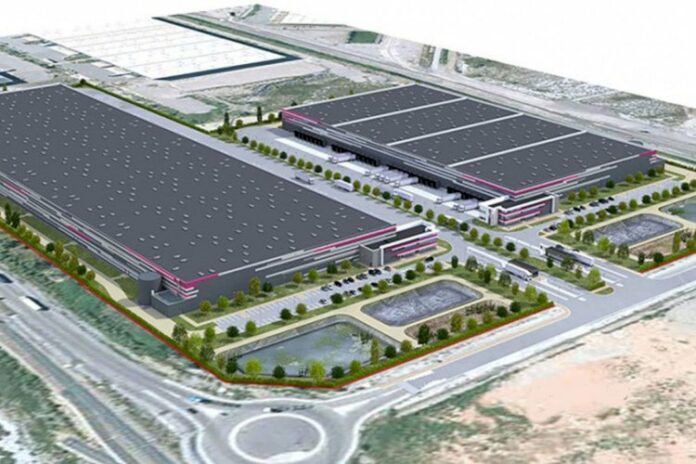
Virtuo and the Port of Marseille Fos have finalized the sale of two plots of land in the Distriport logistics zone near the container terminals for the construction of a multi-customer park covering close to 70,000 m2. This transaction once again confirms the attractiveness of the leading French port for logistics companies and freight transport players.

Virtuo, an independent French company specialising in the development of logistics platforms is planning the construction of two main buildings of approximately 45,000 m2 and 25,000 m2. Construction on the 45,000 m2 building (without prior taker) will start immediately for delivery in the second quarter of 2021. The second building will be launched as soon as the first building has been marketed.

The two new-generation “class A” warehouses will benefit from “Breeam very good” environmental certification.

Grégory BLOUIN, VIRTUOCEO, said:

“This transaction is taking place against the backdrop of a health crisis – a crisis that has highlighted the key role logistics plays in French society. We are therefore delighted to be able to continue our developments, especially in the largest French port, in a context of a very low immediate supply in the PACA region.”

France’s leading port, ideally located in the southern part of the Lille-Paris-Lyon-Marseille logistics corridor, Marseille Fos is at the heart of an international logistics and maritime ecosystem. Since 2018, the 50 hectares of Distriport land put on the market by the Port of Marseille Fos have found takers. With the sale of lots A5 and A6, the Distriport zone will soon be full.

Hervé Martel, Chairman of the Board of the Port of Marseille Fos, said:

“We are delighted with this transaction, which proves that the Port of Marseille Fos offers undeniable advantages in terms of encouraging logistics facilities: both available and developed land capacities, a location very close to container terminals and a trimodal offer that is essential for serving European consumer areas.” 

Global Ports Introduces a new Mobile Harbour Crane to PLP

0

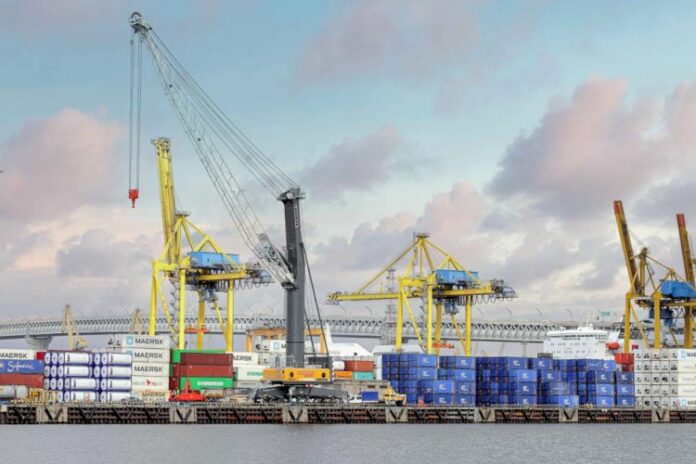
Global Ports Investments PLC (“Global Ports” or the “Company” and, together with its subsidiaries, the “Group”)  today announces that a new LIEBHERR LHM 550 mobile harbour crane  was put into operation at the Petrolesport terminal in the Greater Port of Saint Petersburg (“PLP”, a Global Ports Group Company).

The equipment was purchased as part of the Global Ports facility development and upgrade programme in Russia. The crane, which has a capacity of 144 tonnes, was manufactured for the Group at LIEBHERR’s facility in Rostock (Germany) and was delivered pre-assembled to PLP by sea. 

A LIEBHERR LHM 550 crane is capable of operating in hook, crossbeam, spreader and tipping modes and has high mobility and manoeuvring ability. Its ergonomic tower crane cab offers excellent visibility and safe control of all operating crane movements. PLP is one of the leaders in the transshipment of heavy and oversized equipment in the Northwest Basin. The commissioning of the new crane will allow the terminal to increase the throughput and the cargo handling efficiency,  to optimize the costs of equipment repair and maintenance, while maintaining high quality of service for customers. 

The acquisition of a second similar crane is expected in late 2020 — early 2021 as part of the development and upgrade programme. The presence of two modern mobile cranes with increased lifting capacity, which can work synchronously,  will expand the capabilities of PLP in handling heavy, oversized and project cargoes, in particular for the oil and power industries. In synchronous mode, the cranes can handle cargoes weighing up to 270 tonnes.
 

NSC-Group renews VSAT connectivity contract with Marlink

0

Leading Hamburg based operator confirms requirement for high capacity connectivity and smart applications to support clean and efficient operation of diverse fleet

NSC-Group, a leading technical and operational shipmanager, has renewed its agreement with Marlink for provision of high bandwidth Sealink VSAT to its fleet of more than 40 vessels. The agreement enables NSC-Group to support its strategy for digitalisation and vessel performance optimisation with always-on connectivity and added value services.

The Marlink VSAT service is supported by Marlink’s XChange Power communications management system and business critical solutions such as SkyFile Mail email service and SkyFile AntiVirus premium security solution. Marlink also provides voice calling services and L-band back-up communications.

NSC-Group, a leading technical and operational shipmanager, has renewed its agreement with Marlink for provision of high bandwidth Sealink VSAT to its fleet of more than 40 vessels.
NSC-Group operates a diverse fleet consisting of containerships, multi-purpose carriers, bulkers, con-bulkers, car carriers and tankers. Its move to VSAT connectivity has enabled the company to leverage bandwidth and capacity to bring a digitalised approach into its vessel operations.

Under the new agreement, NSC-Group will undertake a test of Marlink’s latest value added services, including XChange Cloud Premium and IT-Link remote monitoring tool.

XChange Cloud Premium helps to streamline and enhance business, logistical and vessel operations by providing a reliable, easy to manage platform to share important files of any size or type throughout a fleet. The solution presents unique capabilities for sending or collecting large numbers of files and folders to single or multiple vessels simultaneously.

Combining Marlink’s VSAT connectivity with its suite of software tools, NSC-Group can combine enterprise applications for safety, operational efficiency and regulatory compliance with reliable connections for crew, enabling them to stay in touch with friends and family and make greater use of social media and internet browsing.

Patrick Schulz-Hentschel, Head of IT dept., NSC-Group, said:

“Our experience using Marlink VSAT with the XChange management system has demonstrated the benefits of reliable, high throughput connections to our digitalised operations and now we are ready to take the next step. Our plans for leveraging cloud-based data services and remote updating of PC networks for compliance, means we can improve service to our clients, as well as keep our crews happy.”

Tore Morten Olsen, President, Maritime, Marlink, said:

“We are delighted that NSC-Group has chosen to maintain its relationship with Marlink, which reflects the trend towards dedicated VSAT services and applications as essential for a modern shipping business. Companies like NSC-Group have realised that a sustainable and profitable business is built on the embrace of digitalisation, the cleanest and most efficient operations and the welfare of its people.”

Kongsberg Digital acquires additional shares in NorSea Digital

0

Through a private placement, Kongsberg Digital acquires additional shares in NorSea Digital, now KONCIV, together with the private investor Jacob Møller. NorSea remains its largest owner.

Kongsberg Digital, a subsidiary of the Kongsberg Group, is a leading software company witihin digitalization of the energy sector and the maritime sector. Kongsberg Digital bought 34% of the company in 2017 and now increases its equity share to 40.22%. KONCIV is already closely integrated with the Kongsberg Group as the company’s cloud solution is developed and operated as part of Kongsberg Digital ‘s digital platform.

Hege Skryseth, CEO of Kongsberg Digital, says:

“A key part of Kongsberg Digital’s strategy is to enable third parties to leverage our platform and expertise to develop domain-driven applications. This is something KONCIV has managed to exploit in a good way, and with the big potential there is within optimization of logistics and supply chains, we want to support the further growth of the company.”

In order to facilitate further growth, the company has attracted Jacob Møller as new chairman and investor. Jacob Møller has extensive experience in commercializing technology companies from his previous role as head of acquisitions and mergers in Schibsted. Today, Jacob is working as an independent consultant and investor, and is, among other things, chairman of the logistics company Porterbuddy and a board member of the loan brokerage company Lendo.

Jacob Møller, new chairman of the company, says:

“I was first introduced to KONCIV a year ago and have had the opportunity to work closely with the company for a period of time. Through the deliveries to NorSea and the other customers, the company has already proven a wide applicability – from logistics management in oil and gas, slot management for the building and construction industry and resource management for staffing. This provides a good foundation for growth, but first and foremost, we will focus on delivering well to the existing customers.”

The company was established in 2017 to develop and deliver digital logistics management solutions. Several solutions have already been implemented for KONCIV`s owner, NorSea, to support their base operations, vessel coordination and fleet management of offshore containers.

John E. Stangeland, CEO NorSea, explains:

“From NorSea`s perspective our commitment to KONCIV is split: First and foremost, we want to have access to digital services that we can use in our operations to increase productivity and efficiency. Secondly, KONCIV is an investment that we want to grow beyond NorSea. Therefore, it is crucial for us to have good partners who will help to grow the company. The recent private placement strengthens this.”

KONCIV started in earnest its commercialization of its cloud solution in early 2019 and has several projects with its owner NorSea, but has also begun to attract external customers.

Henrik Heggland, CEO of KONCIV, says:

“Since we started, NorSea has been an important partner in developing the cloud service – both through their early use of the solution and input for development, but also by contributing to the solution being well positioned and exposed to the energy industry in Northern Europe through its leading position as an integrated logistics provider. This has been a strong contributor to the fact that KONCIV is experiencing growth and that the solution is in use from the south to the north in Norway. NorSea has been an important growth catalyst and will continue to be an important customer and partner, even though we are now experiencing increased demand in other industries as well.”

Upgraded Wärtsilä FuelFlex ICU supports the burning of low-sulphur fuels

0

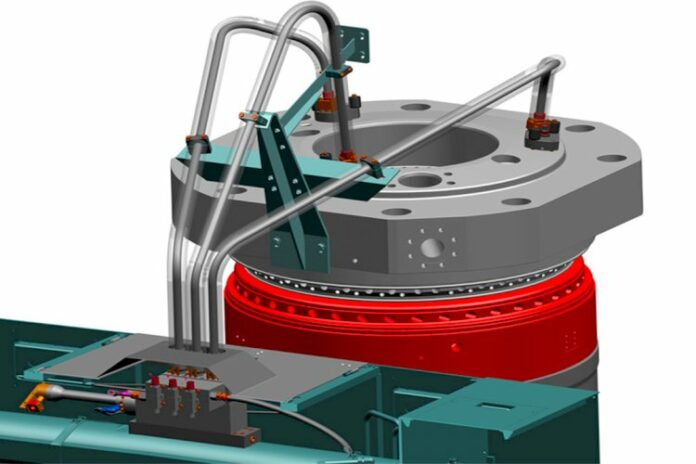
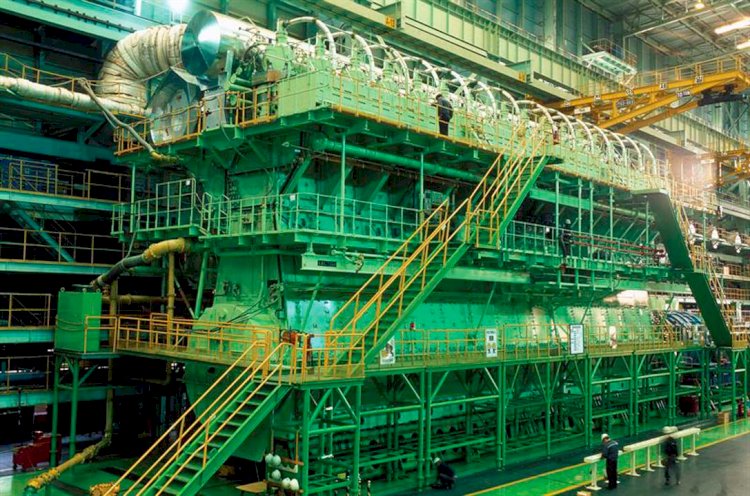
The technology group Wärtsilä launches its FuelFlex Injection Control Unit (ICU) upgrading solution to meet the requirements of operating its RT-flex type two-stroke diesel engines with both residual and low-viscosity marine fuels.

This is particularly relevant in view of the industry’s increasing use of low-sulphur-content fuels in order to be compliant with sulphur emission regulations. The upgrading solution is available for retrofitting on vessels with Wärtsilä RT-flex96C-B and RT-flex84T-D two-stroke engines. 

ICUs deliver a precisely controlled quantity of fuel into the cylinder at timed intervals, thereby ensuring efficient combustion at any engine load. The accuracy of the fuel metering and injection timing can be affected by leakages in the piston and valves within the ICU, with the fuel viscosity, pressure differential and clearances having an impact on the amount of leakage. The upgraded Wärtsilä Injection Control Unit is designed to address such issues. 

Earlier generation ICUs were designed for continuous operation with residual fuels, and their long-term use with mainly low-viscosity fuels may result in shorter component life. The new FuelFlex ICU features a robust design with more durable materials and other improvement features providing better resistance against leakage, while maintaining the designed service life expectancy of the component. 

Jung Yong Park, Product Manager, 2-Stroke & Specialized Services, Wärtsilä Marine, says:

“The latest FuelFlex ICU is a retrofit solution for customers that will increase both the reliability and environmental sustainability of their two-stroke engines. It also enables more flexible onboard maintenance of the unit, and the validation tests carried out have been very successful.”

IOVTEC awarded geotechnical survey contract for Hailong Project

0

International Ocean Vessel Technical Consultant (IOVTEC), a Taiwanese leading subsea survey company, has been jointly awarded the contract of geotechnical site investigation project with Fugro for Hai Long 2 and Hai Long 3 offshore wind farms in Taiwan.

With a combining capacity of 1044 MW, Hai Long Offshore Wind Project will start connecting to the grids by the end of 2024. Leveraging the in-country DP vessel, Avatar Triumph, IOVTEC will also import a geotechnical vessel, Fugro Voyager, to support this project. IOVTEC and Fugro will jointly provide a thorough site investigation and geotechnical survey prior to the construction phase of the project to help clients make informed decisions through the data acquired onsite.

To ensure smooth project delivery and at the same time, to develop the local expertise, IOVTEC has employed experienced Fugro consultants together with Taiwanese engineers and surveyors on the vessel to share the operational knowledge, and further the training of future geotechnical capabilities.

Vincent Tsai, Managing Director of IOVTEC, commented:

“We’re delighted Hailong has chosen IOVTEC for this landmark project, and it also demonstrates their commitment to localisation. By utilising our in-country vessels and engineers and leveraging Fugro’s vast experience in geotechnical fields, we are able to provide an optimised local solution to the clients. We will continue to support the development of the Taiwanese market, training Taiwanese surveyors to deliver future projects.”

Felipe Montero, EPCI Director of Hai Long Offshore Wind Project, said:

“It’s a great pleasure for us to have awarded this contract to IOVTEC, to support us with the Geotechnical surveys required for the development of the Hai Long projects. This also allows us to continue and increase our engagement with Taiwanese suppliers, underlining our commitment with the development of the local supply chain. Taiwan has very ambitious plans for deploying offshore wind and for developing the local supply chain and we’re delighted to be a key contributor to these plans.”

Mammoet lands the biggest-ever contract for the Arctic LNG 2 project

0
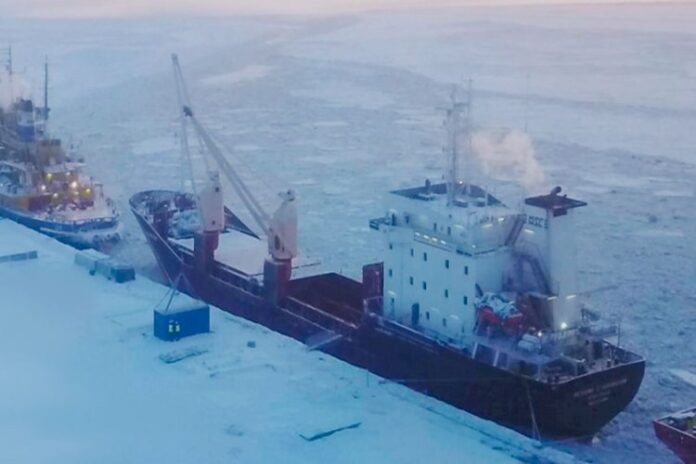
Technip-led joint venture NovArctic in cooperation with Saipem and NIPIgas has engaged Mammoet as an unloading, transportation and installation contractor for the Arctic LNG 2 project.
Within four years it will carry out over half a million tonnes’ worth of lifting operations in the Gydan peninsula.
Having the benefit of the world’s largest heavy-duty equipment fleet, Mammoet demonstrated the ability to provide a wide range of machines in large quantities at peak times on site.
Arctic LNG 2 implements an innovative concept of LNG Plant on gravity based structures (GBS). Over the course of four years, Mammoet will install 42 large modules onto three concrete GBS in Murmansk. The project is expected to use a total of around 2,000 SPMT axles, several Mega Jack lifting systems, a crane fleet spearheaded by a CC8800-1 crane that comes complete with a Boom Booster, and also around 120 workers at peak times.
This is the biggest-ever contract in the history of Mammoet, in terms of an aggregate tonnage as well. Each module will weigh between 8,000t and 17,000t; over the project’s lifespan the total weight of lifting operations will reach some 500,000t.
Mammoet will provide unloading, lifting, jacking and skidding services at the purpose-built shipyard near Murmansk, ensuring a continuous installation of the modules on top of the GBS. Mammoet has also landed a contract for unloading services at the module fabrication yard, Qingdao McDermott Wuchuan Offshore Engineering in China (a joint venture between McDermott and CSIC Wuchuan). This will require the mobilization of some self-propelled modular transporter (SPMT) axles and also additional heavy lift cranes to the yard.
Mammoet was actively involved in the Yamal LNG project, transporting approximately 142 modules at extreme temperatures well below -50ºC and also managing an intermediate storage yard in Zeebrugge, Belgium.

Mussel reefs heighten the risk of microplastic exposure and consumption

0

Commercially important seafood species are at greater risk of microplastic contamination depending how they clump together in the marine environment, new research suggests.

In the first study of its kind, scientists from the University of Plymouth used a series of experiments to assess whether the reefs formed by blue mussel (Mytilus edulis) affected their exposure and consumption of tiny microplastic particles.

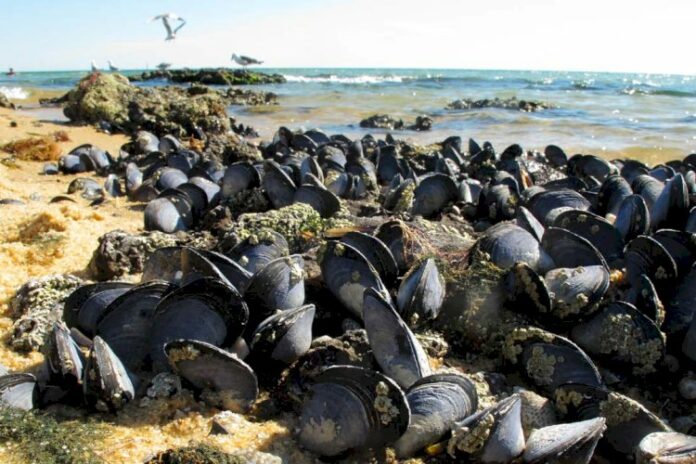
They found that when mussels were clumped together forming reefs, as they do in nature, the reef structure slowed the sea water flowing over them, increased turbulence, and resulted in a three-fold rise in the amount of ingested plastic.

Writing in Environmental Research Letters, researchers say the study suggests that the arrangement and surface roughness (complexity) of natural reef structures – such as that constructed by mussel populations – create conditions that make them natural sinks for plastics and other forms of human pollution.

They also believe species like the blue mussel, which are important for human consumption but susceptible to microplastic pollution, may be useful indicators of the problem and its potentially harmful biological impacts.

The research was led by recent graduate Marine Biology and Oceanography graduate Hyee Shynn Lim from the University’s Marine Biology and Ecology Research Centre and School of Biological and Marine Sciences.

Dr Antony Knights, Associate Professor in Marine Ecology and senior author on the study, said:

“Species such as the blue mussel are both commercially valuable as seafood but also environmentally important. They form natural reefs within marine and coastal settings which enhance biodiversity to such a degree that they are commonly protected under conservation actions. If they are particularly susceptible to microplastic pollution, there are many potential knock-on effects that we need to be aware of.

Often we look to protect reef-forming species based on who they are. However, we are not aware of any research that has shown that the physical structure of reef itself – which we have shown can help these filter-feeding organisms to be more effective feeders – might also inadvertently increase their exposure to pollutants like microplastic.

With no means of addressing this issue, due to our increasing awareness of the quantity of microplastic in the marine environment, this study offers the first evidence that forming a reef is a double-edged sword for individuals.”

For the research, mussels were placed in controlled aggregations in a water flume and exposed to different wave speeds. Quantities of microplastics added to the water, ordinarily used to characterise the physical properties of the fluid itself (including the density of plastic in and around the reef structure), allowed the team to also assess particle ingestion risk under different environmental scenarios.

The study is the latest innovative project from the University examining the causes and impacts of microplastics within the marine environment.

New $1m partnership with global network P4G

0

Global Maritime Forum, World Economic Forum, Friends of Ocean Action, International Association of Ports and Harbors, Environmental Defense Fund, and University College London Energy Institute are proud to announce that they have partnered with global network P4G.

The new P4G Getting to Zero Coalition Partnership builds on the Getting to Zero Coalition, which unites more than 130 public and private organizations and has been endorsed by Governments in 14 countries. The goal of the Coalition is to have commercially viable zero emission vessels operating along deep sea trade routes by 2030 as a key step towards achieving the climate goals set by UN maritime agency, the International Maritime Organization.

Ian de Cruz, P4G Global Director, says:

“Investing in abundant untapped renewable resources can be one of the most effective measures in reaching net zero by 2050 in order to avoid serious impacts of climate change. This is where the Getting to Zero Coalition partnership comes in and P4G is pleased to be a part of this wider global energy transition. We look forward to further collaborating with change-makers and leaders around the world to accelerate decarbonizing shipping and bring sustainable development gains to developing and emerging countries.”

Johannah Christensen, Managing Director, Head of Projects & Programmes, Global Maritime Forum, says:

“The P4G Getting to Zero Coalition Partnership will engage with public and private stakeholders from Indonesia, Mexico and South Africa, and together identify concrete, actionable business and investment opportunities that can accelerate shipping’s decarbonization and contribute to sustainable and inclusive economic growth.”

Three country-specific opportunity reports will serve as a national blueprint for reducing emissions from shipping and generate learnings that can be used to involve other developing and emerging economies.

Shipping’s decarbonization is an integral part of the wider energy transition. Marine vessels account for about 4% of global oil demand, making shipping’s green transition both a climate necessity and a trillion-dollar market opportunity to develop the ships and fuels that will drive this transition.

Aoife O’Leary, Director at Environmental Defense Fund, says:

“The maritime industry has made it clear that the future of shipping is carbon free. The industry’s target of reducing greenhouse gas emissions by at least 50% by 2050 will create a trillion-dollar market opportunity to kick start a worldwide transition to zero carbon shipping.”

Investment in the land-based energy infrastructure that is required to decarbonize shipping holds the potential to drive substantial development gains. A study by the Energy Transitions Commission and UMAS for the Getting to Zero Coalition estimates the cumulative infrastructure investment that is needed in the next 20 years for shipping to make the transition to zero carbon energy sources to be approximately US$1-1.4 trillion. The land-based infrastructure and production facilities make up around 87% of the total.

Patrick Verhoeven, Managing Director-Policy and Strategy, International Association of Ports and Harbors, says:

“Shipping’s decarbonization can spur investment in large-scale energy projects and in ports of developing and emerging countries with access to abundant untapped renewable energy resources that can be converted into zero carbon fuels and power maritime shipping and a range of other industries.”

Any agreement on policy to enable shipping’s transition from fossil fuels must respect principles of equity and ensure there are no strong negative impacts on developing countries.

Dr Tristan Smith, Reader at the UCL Energy Institute and Director of UMAS, says:

“It is crucial that developing countries are leaders of shipping’s decarbonization. This will need public-private multi-stakeholder dialogue to ensure that all circumstances are considered both in SIDS and LDCs and the countries this project will study. The P4G Getting to Zero Coalition Partnership will explore how it can accelerate shipping’s green transition while taking into consideration the technological and economic impact on trade and opportunities for developing states, to ensure access to affordable, reliable, sustainable and modern shipping for all.”