0.8 C
New York
Home Blog Page 830

Wärtsilä solutions selected as E-Marine upgrades its fleet

0

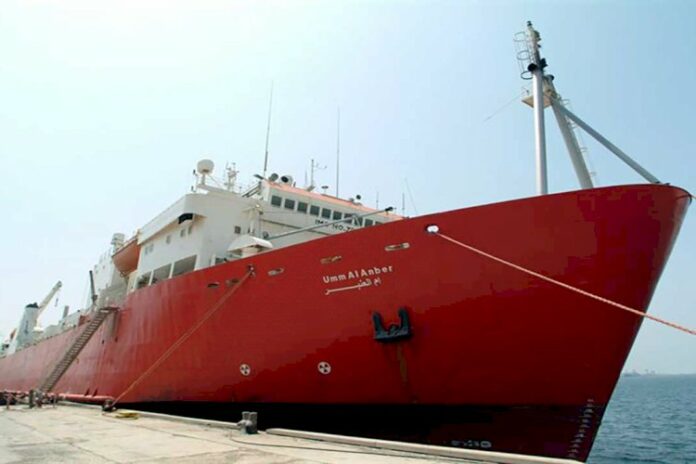
The technology group Wärtsilä continues to work closely with Dubai-based E-Marine, a specialist operator of cable layer vessels currently upgrading its fleet to achieve greater efficiencies.

As part of this programme Wärtsilä has been contracted to provide a comprehensive scope of solutions, which will be delivered on a fast-track basis. The order was placed in May and delivery is scheduled for October this year.

The scope includes two Controlled Pitch Propeller (CPP) systems with control and fuel efficiency devices, two Wärtsilä tunnel thrusters, a Wärtsilä 20 auxiliary engine, and class-approved ship design engineering services. The solutions will upgrade an existing cable layer vessel to meet the latest operating requirements.

Sandeep Padhi, Senior Sales Account Manager, Wärtsilä Marine, says:

“Being able to deliver everything in line with the tight schedule required by the customer is a challenge that Wärtsilä is capable of meeting. Our track record in this respect speaks for itself. Furthermore, we have a strong support presence in the U.A.E. and throughout the Middle East region to ensure the ongoing reliability and high performance of our solutions.”

Capt. Adil Salmanov, General Manager, Marine Operations, E-Marine, says:

“E-Marine is investing heavily in new technologies to ensure that its operating efficiency remains at the highest level possible. This upgrading programme is aimed at delivering the best possible service to our customers, and the Wärtsilä solutions are an essential element within that ambition.”

Wärtsilä has earlier provided a propulsion upgrade for an E-Marine vessel.

All Viking Line ships return to service in July

0

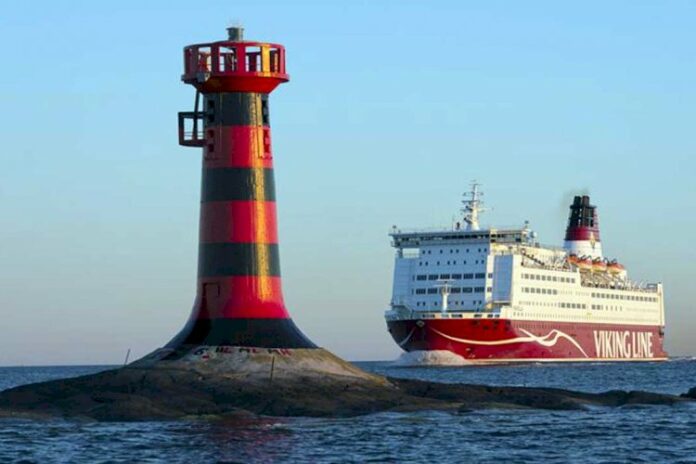
M/S Mariella and M/S Cinderella will return to service on 2 July. M/S Mariella will sail the Helsinki–Tallinn route from 2 July until 9 August. M/S Cinderella will return to sail the Stockholm–Mariehamn route as well as special cruises from Stockholm to Visby. With these additions, all of Viking Line’s vessels will have returned to passenger service.

As of 2 July, all seven of Viking Line’s vessels will be back in use for passenger traffic. M/S Amorella and M/S Viking Grace will sail the Turku–Åland–Stockholm route, M/S Gabriella the Helsinki–Åland route and M/S Rosella the Mariehamn–Kapellskär route. M/S Cinderella will sail the Stockholm–Mariehamn route as well as special cruises between Stockholm and Visby during August and September.

M/S Mariella will supplement the normal service of M/S Viking XPRS between Helsinki and Tallinn with four additional daily departures from the beginning of July until 9 August. This means that, this summer, Viking Line will have more departures on the Helsinki–Tallinn route than ever before. Passengers can set off from Helsinki on the early morning ship to Tallinn and return home on the evening departure, thereby reserving the bulk of the day to enjoy in Tallinn. This also ensures that our route tourists will have an abundant number of departure options.

The number of passengers is on the rise and the summer weather has increased the demand for travel as expected.

Kaj Takolander, Vice President of Sales and Marketing for Viking Line, says:

“It is such a joy to see people returning to our ships. Our passengers have expressed their satisfaction with our range of timetable options. Holidays in the surrounding countries remain very popular and we believe that this will be a busy summer.”

When the pandemic hit this spring, temporarily limiting people’s possibility to travel, Viking Line used its ships to help ensure Finland’s security of supply by transporting essential goods.

Takolander explains:

“The past few months have been highly active in terms of freight traffic. We believe that passenger traffic will start to pick up rapidly now as well. We have gone to great lengths to ensure that cruise travel is as safe as possible for everyone.”

Aker BP submits PDO for Hod field redevelopment

0

Aker BP and Pandion Energy have submitted the plan for development and operation (PDO) for Hod to the Ministry of Petroleum and Energy.

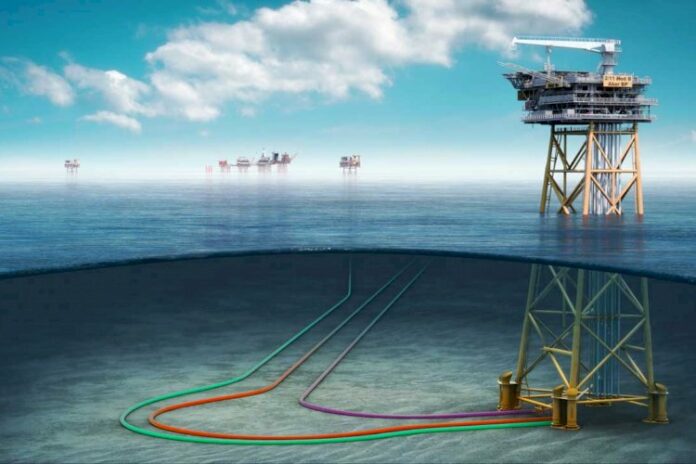
The Hod field will be developed in collaboration with Aker BP’s alliance partners with a normally unmanned installation remotely controlled from the Valhall field centre, with very low CO2 emissions due to power from shore. Hod is among the first projects to be realized under the temporary changes to the Norwegian petroleum tax system recently introduced.

Total investments for the development are estimated at around USD 600 million and the total employment effect is estimated to 5000 FTEs. Production start is planned for first quarter 2022. Recoverable reserves for Hod are estimated at around 40 million barrels of oil equivalents. Aker BP is the operator with 90 percent ownership interest. Pandion Energy is partner with 10 percent interest.  

CEO in Aker BP, Karl Johnny Hersvik, says:

“With projects like Hod, we are creating significant value both for our owners and for the society at large, while we contribute to maintaining the capabilities of Norway’s world-class supply industry.”

Hod will be developed in collaboration with Aker BP’s alliance partners. Five alliances will be involved, in line with Aker BP’s strategy for increased value creation through alliances and strategic partnerships.

Hersvik says:

“The Alliance Model delivers significant cost reductions and is an efficient execution model. This is key to developing the Hod field, which is expected to contribute with 40 million barrels of oil equivalents from the Valhall area.”

The steel jacket and topside will be constructed by Kvaerner Verdal.

Hod will be developed with a Normally Unmanned Installationremotely controlled from the Valhall field centre. Five wells with sidetracks will be drilled in order to increase recovery.

SVP Projects, Knut Sandvik, says:

“The concept, the execution model and the organization are copied from the Valhall Flank West development, which started production in December 2019 and set a new standard for delivery of flank developments on the Norwegian continental shelf. We see room for further improvements in the Hod project.”

Hod will receive power from shore via Valhall field centre.

SVP Operations & Asset Development, Kjetel Digre, says:

“During normal operations, this means virtually zero local CO2 emissions. This is in line with Aker BP’s strategy to minimize the footprint of our operations. In 2019, Aker BP’s CO2 intensity was below 7 kg CO2/boe, which is less than half the global industry average, and below the average for Norwegian continental shelf. From 2020 on, our goal is to deliver an emission intensity below 5 kg CO2/boe. Projects such as Hod, with zero CO2 emissions during normal operations, are very important in achieving this goal.”

Hod will be delivered with an electric lifeboat. The lifeboat is monitored from the Valhall field centre. Both the crane and seawater pump are electric and receive power from shore via the Valhall field centre. All of this contributes to reduced need for maintenance.

The original Hod platform was the first unmanned platform on the Norwegian continental shelf when it started production in 1990. The original platform is no longer in service and will be removed after the wells have been permanently plugged. First oil from the new Hod platform – which will be named Hod B – is planned for first quarter 2022.

Digre comments:

“The gigantic Valhall field has produced more than one billion barrels of oil equivalent since the field was opened in 1982. The ambition is to produce another billion barrels over the next 40 years. Hod is an important contribution in achieving our ambition for Valhall.”

CMA CGM launches a new intermodal connection between Italy and Turkey

0

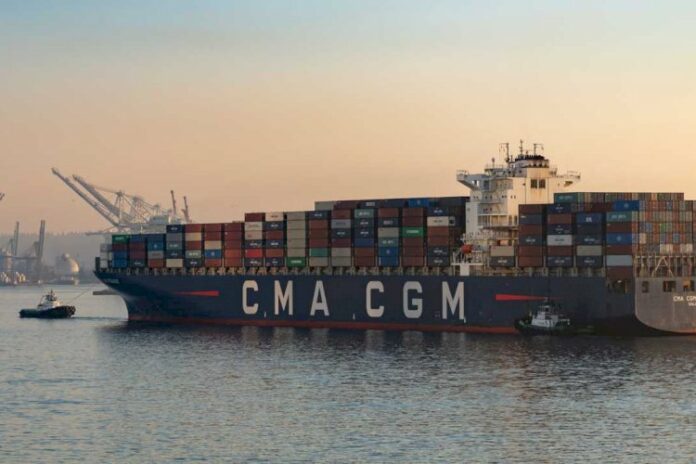
The CMA CGM Group, a world leader in shipping and logistics, will add on July 10th, 2020, a new call in Taranto (Italy) on the TURMED service, which links Turkey and Tunisia via the Group’s Malta port hub.

With this new call, CMA CGM will connect Italy and Turkey in only three days. Daily train departures at the Port of Taranto will furthermore provide a fast and efficient intermodal link towards Central and North Italy, particularly the cities of Milan, Piacenza, Bologna, Jesi and Marcianise.

The TURMED service also calls Tunisia as well as Malta, a maritime hub of the CMA CGM Group, providing access to the Group’s global network of services, which reach more than 420 ports on five continents.

By upgrading the TURMED service, CMA CGM introduces a new environmentally-friendly transport alternative, allowing its customers to reduce their carbon footprint, while pursuing its strategy aimed at offering reliable, door-to-door services.

TURMED service features are the following:

  • Link from Central and North Italy to Turkey, Tunisia and Malta via the Port of Taranto
  • Deployment of four 1,100-TEU vessels
  • Daily train departures in Taranto
  • Launch: July 10th, 2020 from the Port of Taranto
  •  Connections with the whole CMA CGM Network via Malta

LR wins design contract for HMI services to support Equinor’s Hywind Tampen

0

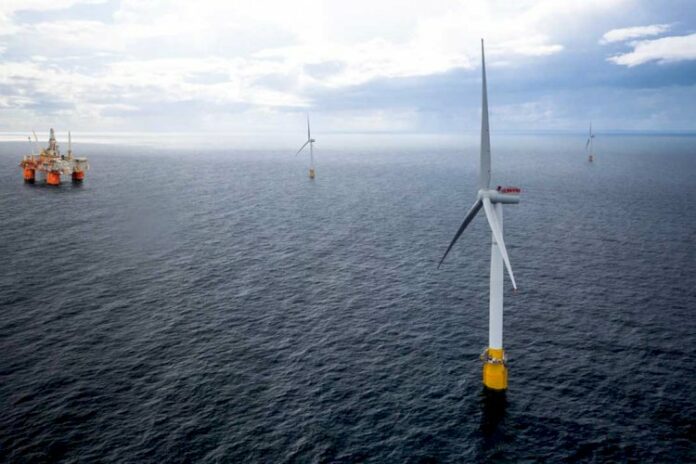
Specialist energy consultancy Lloyd’s Register (LR) has been awarded a contract for Human-Machine Interface (HMI) engineering services – part of an integrated scope awarded to Wood by Equinor to support Hywind Tampen, the world’s first floating wind farm to power offshore oil and gas platforms.

This project forms part of Equinor’s climate ambitions to reduce the absolute greenhouse gas emissions from its operated offshore fields and onshore plants in Norway by 70% by 2040 and to near zero by 2050. By 2030 this implies annual cuts of more than 5 million tonnes, which constitutes around 10% of the country’s total CO2 emissions.

As part of this cutting-edge project, LR will provide consultancy design services for integration into the existing onshore wind control room (OCR) for Hywind Tampen, which will be co-located with an existing OCR for Valemon, a normally unmanned offshore installation in the North Sea. The LR team will also provide human factor analysis for the new OCR, as well as existing OCRs for four platforms.

LR has specialised in the field of consultancy services for 20 years. Its specialist human factors consultancy team helps operators create work environments which are safe, user-friendly and built to operate as efficiently as possible. This involves assessing human behaviours and carrying out a detailed breakdown of tasks typically conducted in the work environment, as well as an evaluation of technical systems, identifying information and data users’ needs and work place design.

LR has a long history of working in offshore environments, initially in marine, maritime and oil and gas which has expanded to major renewable energy projects in the last 10 years.

Tristan Chapman, SVP Clean Energy and Innovation at Lloyd’s Register commented:

“The Hywind Tampen project addresses some of the industry’s biggest challenges – a key one being the integration of digitisation and decarbonisation. The work we are undertaking, providing design consultancy for the existing OCR and human factor analysis, will help support Equinor’s wider decarbonisation agenda. By developing unmanned solutions for power generation, the industry can start to make some real cost savings.”

Working on this project with Wood and Equinor builds on LR’s long track record in technology assurance, particularly around the verification of innovative solutions.

Delivery of Bernhard Schulte’s next generation hybrid offshore wind vessel

0

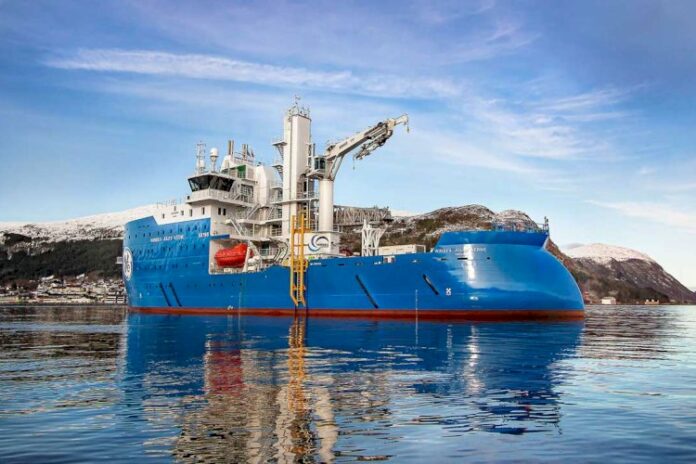
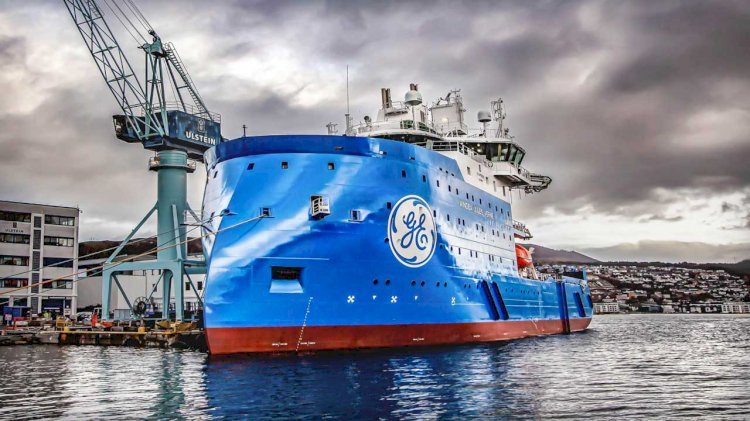
Ulstein Verft has delivered the Service Operation Vessel ‘WINDEA JULES VERNE’ to Bernhard Schulte Offshore GmbH. The hybrid vessel will work at the Merkur Offshore Wind farm, where she will be operating for GE Renewable Energy.

At the vessel’s sea trial all systems were tested, included the hybrid system. Offshore wind is a renewable source of energy, and by introducing a hybrid system on this vessel the fuel consumption and emissions will be reduced – thereby the overall operations will be greener.

The vessel for Bernhard Schulte is based on the ULSTEIN SX195 design from Ulstein Design & Solutions AS, which measures 93.4 m in length and 18m in the beam. It has accommodation for 120 people. The vessel functions as a ‘home away from home’ for numerous offshore wind service engineers as well as the ship’s crew. Much effort has been placed in keeping comfort high for those on board. Firstly, the X-BOW® and X-STERN™ lead to softer motions in head seas, significantly reducing slamming and vibrations. This leads to increased quality of sleep and rest when off shifts. There are also several lounges in close connection to the mess room, a gaming room, a library, saunas and an exercise room.

The vessel is equipped with a tower holding a personnel and equipment elevator and a heave compensated gangway for safe transferral to the offshore wind turbines for maintenance and service work. Besides the usual way of operation with the bow to the weather this vessel can move backwards with the stern first when operating infield and will as an add-on use a daughter craft to further increase the service capacity.

Merkur Offshore is located outside of Germany. The 66 turbines in this wind farm provide green energy for approximately half a million homes.

VIDEO: Dramatic rescue of boat pinned to the Sandbanks ferry

0

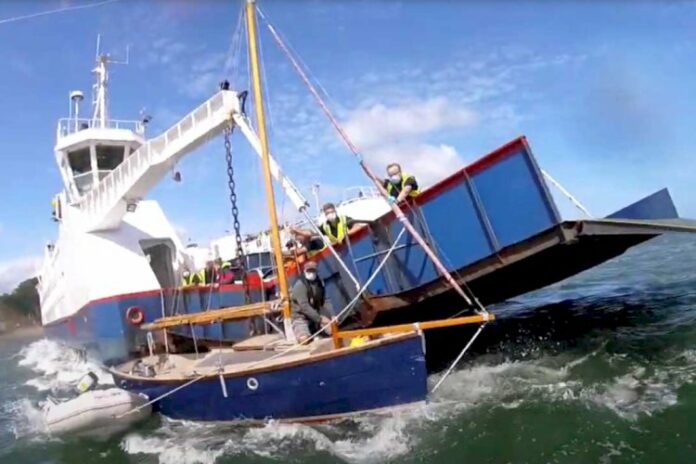
Father’s Day 2020 was dramatically interrupted for the volunteers of RNLI* Poole Lifeboat Station in Dorset (UK) when they were called to rescue a boat that was pinned against the Sandbanks chain ferry by a combination of a strong tide and gusting winds.

Thankfully the boat’s two occupants had been safely recovered to the ferry and the lifeboat crew were able to tow the stricken vessel free using their powerful Atlantic 85 lifeboat.

*The RNLI is the charity that saves lives at sea. 

Berge Bulk digitalizes procurement in SERTICA

0

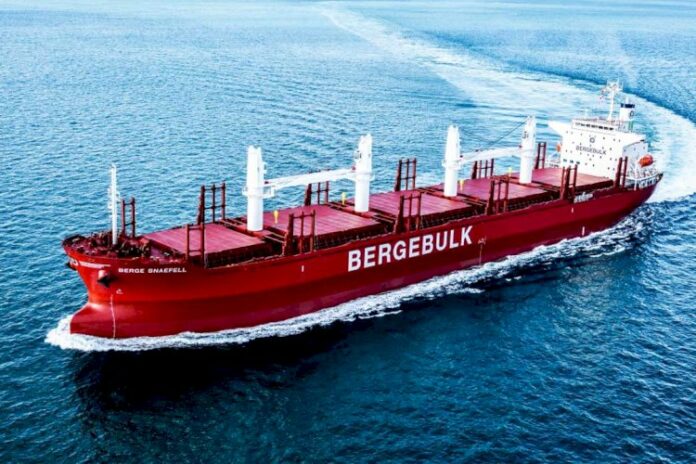
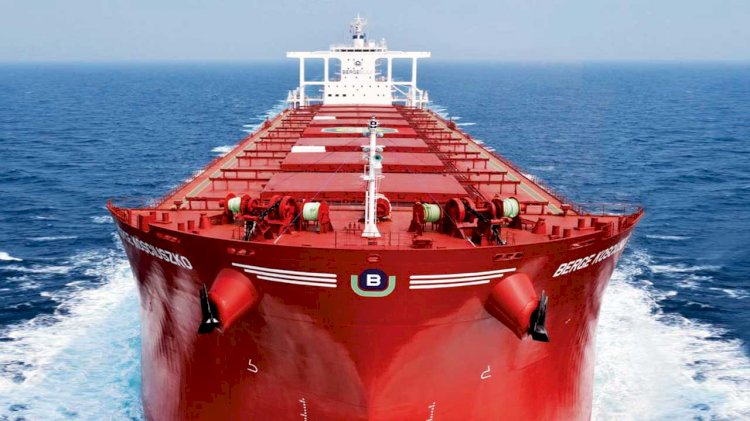
Berge Bulk is a globally leading dry bulk shipping company controlling a fleet of 70 advanced vessels. They operate some of the largest vessels in the world equating to over 10 million DWT. In 2014, the Singapore based company invested in SERTICA and today they keep improving the performance of their fleet through digital procurement.

Berge Bulk is looking to enhance efficiency, cut costs and create complete procurement transparency. To achieve this, they have added Moscord Marketplace to their solution in SERTICA.

SERTICA allows Berge Bulk to optimize internal procurement processes. By seamlessly integrating Moscord as a third-party solution into the SERTICA system, on-board users at sea can now benefit from easy access to Berge Bulk’s catalogue on Moscord, choosing specific items simply and efficiently create the required requisition order within SERTICA.

Sim Teck Siang, Procurement Manager at Berge Bulk says the benefits dovetail perfectly with the shipowner’s broader procurement ambitions.

Procurement Manager Sim Teck Siang says:

“As a team, we’re focused on ensuring vital supplies reach our vessels in a timely and efficient manner, but they also have to be the right products, at the correct prices – giving the end user the quality and specifications they require, while delivering optimal value for our business and its stakeholders.”

Berge Bulk continuously seeks to maximize data utilization to further streamline procurement processes.

All purchase data is centralized and allows detailed analysis, while received orders are automatically added for stock counts and inventory management. All information for payment and accounting is also channeled through the system.

Procurement Manager Sim Teck Siang explains:

”SERTICA helps us create a standardized process and enjoy greater predictability, also giving us the data to ensure we understand purchasing patterns and can, where applicable, build predictive ordering and automated processes. We see this as a key enabler to unlock added value in procurement.”

Moving to digital procurement means that Berge Bulk no longer need to spend time on importing and exporting data between systems. They manage everything in SERTICA – even procurement directly in the Moscord e-portal.

When a Berge Bulk ship staff has chosen a product in Moscord, the corresponding item is automatically found in SERTICA, which makes Inventory Management more efficient for the daily user.

By tagging all items with a SERTICA sticker and QR code, Berge Bulk always has a reliable stock update of items available on each ship.

More than 400 officers have received extensive training in SERTICA, and the crew uses the SERTICA Stock App to find the right spare parts. This allows them to push spare parts lists directly into SERTICA to speed up the delivery time.

By centralizing procurement in SERTICA with an integration to Moscord, Berge Bulk has achieved an efficient and digital procurement platform with short delivery times, accurate ordering process, and the lowest possible prices.

Procurement Manager Sim Teck Siang concludes:

”SERTICA gives us full control and insight into purchasing. This has increased the productivity of the team by 25%.”

Kongsberg Maritime and Incat sign contract for delivery of large-size waterjets

0

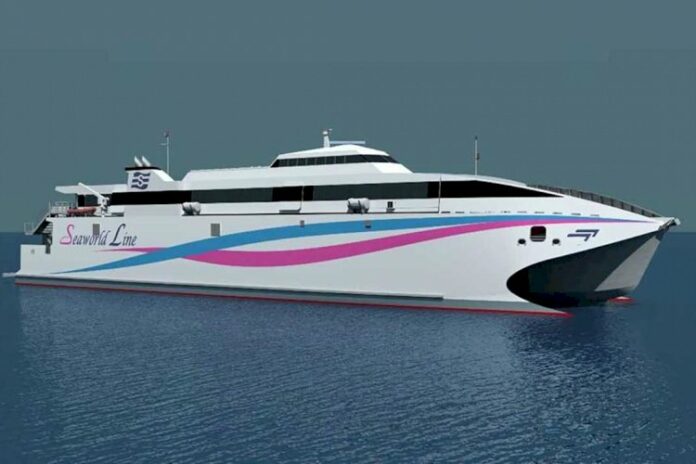
The scope of supply for the Incat newbuild currently designated ‘Hull 097’ exemplifies KM’s attention to detail while also demonstrating the company’s willingness to carry out bespoke modifications to suit clients’ requirements.

In addition to four Kongsberg Kamewa S90-4 waterjets, the delivery will include a touch screen remote control system incorporating a CanMan Touch joystick, enabling the ship to be manoeuvred remotely from the bridge. KM’s standard two-tiller configuration for both the centre helm seat and navigator’s seat will be adapted in this instance to a single centre helm tiller.

KM will also be providing a separate aft-facing console comprising two touch screens, one Polar joystick with heading knob, two backup panels incorporating clutch in/clutch out buttons and one analogue steering and bucket position gauge per jet.

This landmark order represents a coming together of two enormously influential brands within the maritime industry. Kongsberg Kamewa – which has its roots in Sweden in the 1880s – delivered its first waterjets 40 years ago and has now produced more than 10,000 of these propulsion systems, including the largest and most efficient waterjets available on the market. Kongsberg Kamewa’s extensive waterjet range is now developed and fabricated from KM’s world-class Hydrodynamic Research Centre, just outside Kristinehamn in Sweden, and from a new Product Centre in Kokkola, Finland.

The Incat group, meanwhile, owes its success to the ingenuity and drive of the visionary fast-ferry designer and builder Robert Clifford. As the founder of the Sullivan’s Cove Ferry Company, Clifford initially made a name for himself when SCFC’s vessels transported more than nine million passengers in two years across the Derwent River in Hobart in the wake of the 1975 collapse of the Tasman Bridge. With Incat, Clifford and his team have spearheaded the development of high-speed, high-tech, wave-piercing catamarans, scooping up numerous design awards and setting speed records for Atlantic crossings. In addition, the latest Incat design is further enhanced with the highly efficient Kongsberg Generation 4 waterjets featuring a new light weight reversing bucket that reduces installed weight by around 2,000 kg.

Richard Dreverman, Sales Manager Australia, Kongsberg Maritime, says:

“The new contract is a testament to the quality and reputation of our waterjets, and significantly increases our market share in this segment. We hope and trust that our input will assist this catamaran ferry to set a new standard in manoeuvrability, passenger comfort and fuel efficiency.”

Guy Doyle, Senior Project Manager, Incat, adds:

“Ease of installation, specification flexibility and full customer support also contributed majorly to our decision to award this contract to Kongsberg Maritime. It’s very important to us that we can implement cost-effective, environmentally-responsible waterjet solutions which simultaneously provide the smoothest and most unobtrusive passenger experience, so we’re looking forward to working closely with KONGSBERG on this project.”

MAN to supply compression technology for offshore gas production

0

MAN Energy Solutions has won a gas-compression order from energy solutions provider Yinson, comprising four RB-type centrifugal-compressor trains for gas production and export, as well as two screw-compressor trains, which will be put into operation as vapour-recovery units.

The units will be deployed on the FPSO ‘Anna Nery’, which will be built and operated by Yinson. The FPSO will be located in the Marlim and Voador field of the Campos basin, about 150 kilometers off the coast of Rio de Janeiro, Brazil.

Basil Zweifel, VP Sales & Execution, Oil & Gas Upstream and Midstream at MAN Energy Solutions, stated:

“We are honoured by the opportunity to work for the first time with Yinson on this important offshore-gas-production project in Brazil. Our company has gained extensive experience in providing reliable and efficient technology solutions for FPSO applications. In recent years, MAN Energy Solutions has equipped FPSO ships in China, West Africa, Mexico and Vietnam with its compression systems – and many more are currently in operation around the globe. This order will further strengthen our reach in South America.”

Christopher Bowles, Head of Sales, Oil & Gas Upstream at MAN Energy Solutions, said:

“Deep-water environmental conditions demand high reliability, flexibility and efficiency. Our technology and know-how enables us to meet the increasing demands of the oil and gas market without compromising on safety and availability.”

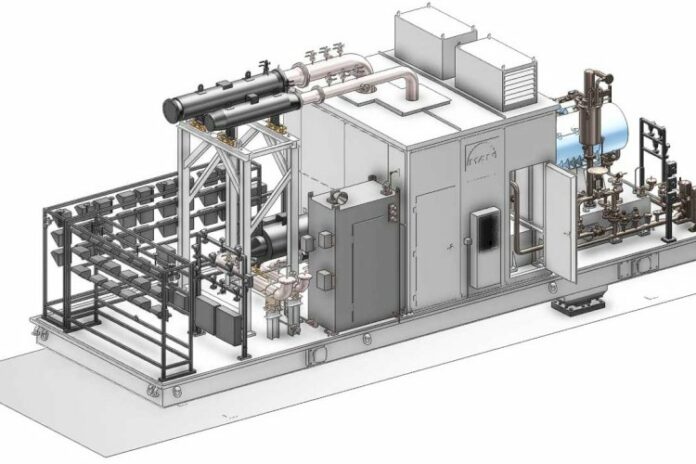
MAN Energy Solutions’ scope of supply covers four RB-type compressor trains (2 × RB 56-4+4 and 2 × RB 28-7) with hydraulic, variable-speed gearboxes driven by an electric motor, which will be designed, manufactured and tested at MAN’s facility in Zurich, Switzerland. The machines will be used for gas export as well as gas lift to maximise the quantity and efficiency of gas production. The Anna Nery will eventually have a production capacity of up to 70,000 barrels of oil and 6,600 Nm3 of natural gas per day.

The double-screw compressor trains – type CP200/CP128/B85 – driven by fixed-speed electric motors, will be used as vapour-recovery units. Instead of flaring any flash gas into the atmosphere, the screw compressors will instead pressurise it and feed it back into the process leading to increased gas-production efficiency as well as significantly reduced CO2-emissions. Design, manufacturing and testing of the screw compressors will take place in Oberhausen, Germany. Installation and commissioning of all compressor trains are scheduled for Q2 2021.