0.2 C
New York
Home Blog Page 828

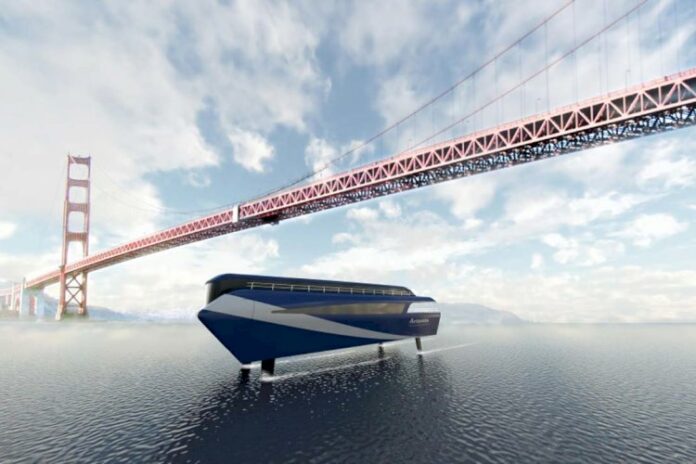
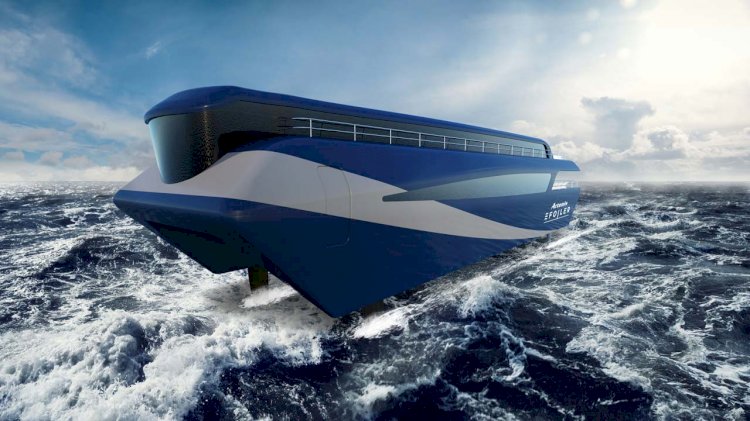
Belfast to build zero emissions ferries following £60m funding boost

0

With further investment from consortium partners, the total project investment will reach close to £60m over the next four years, creating an initial 125 research and development jobs, and leading to more than 1,000 in the region over the next 10 years.
    
The 13 partner syndicate – which is a mix of established and young companies, including Belfast Harbour and Bombardier, academia and local public bodies – is the only Northern Irish or maritime recipient of the UK Research and Innovation flagship Strength in Places Fund.

A spin-off from the America’s Cup sailing team, Artemis Racing, Artemis Technologies is led by double Olympic gold medallist Iain Percy OBE. Iain said:

“Belfast’s local expertise coupled with the city’s rich shipbuilding heritage, and our own America’s Cup yacht design experience, will ensure Belfast is the global lead in zero emissions maritime technology.

For years, we’ve been designing low energy, high performance solutions for some of the fastest yachts on the planet, and we will now utilise that knowledge, and along with our partners, apply it to build the world’s most environmentally friendly high-speed ferries, capable of carrying up to 350 passengers.
Our concept for an electric hydrofoil propulsion system is totally unique and will enable vessels of the future to operate with up to 90% less energy, and produce zero emissions during operation.

As cities across the world seek ways to reduce pollution and ease traffic congestion, the transformative vessels to be produced right here in Belfast, will have a global role to play in delivering the connected maritime transport system of the future.”

The Belfast consortium brings together a range of established and young firms, academia and public bodies, including: Belfast Harbour, Bombardier Belfast, Northern Ireland Advanced Composites Engineering (NIACE), Creative Composites, Energia, Catalyst, Invest Northern Ireland, Ulster University, Belfast Met, Queen’s University, Belfast, Ards and North Down Borough Council, and Belfast City Council.

Pioneering Spirit removes third platform from Brent field

0

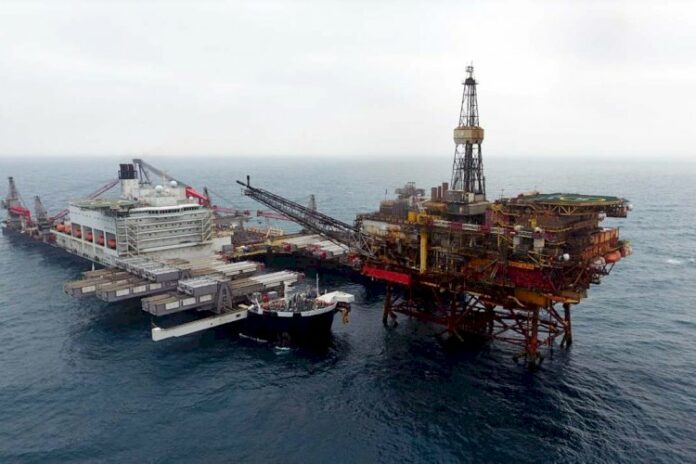
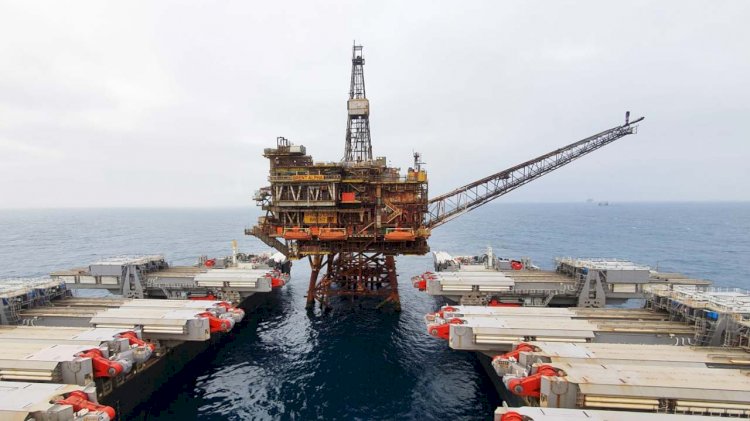
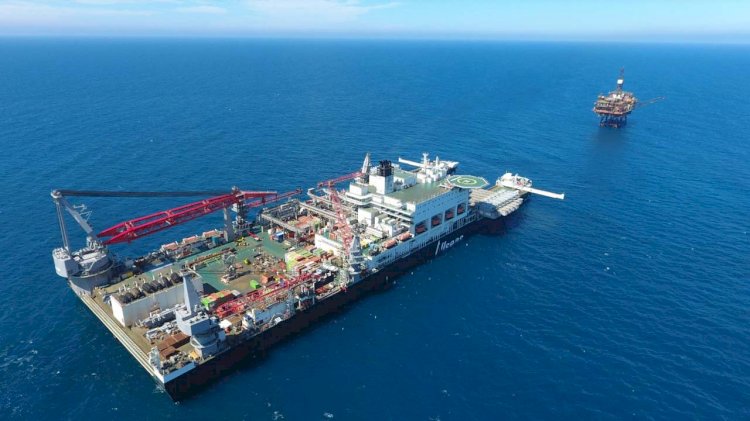
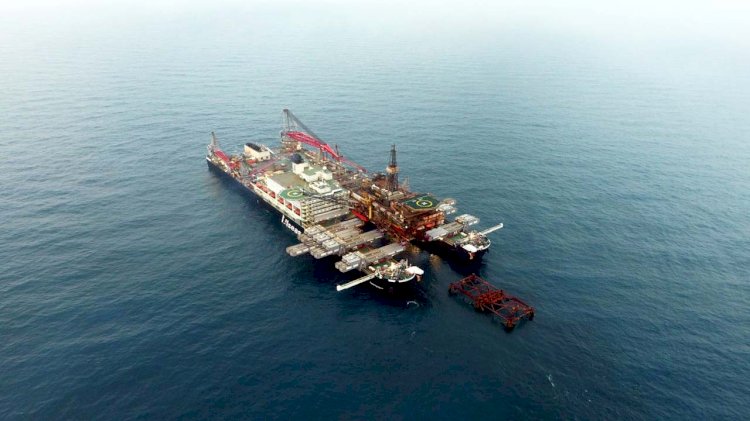
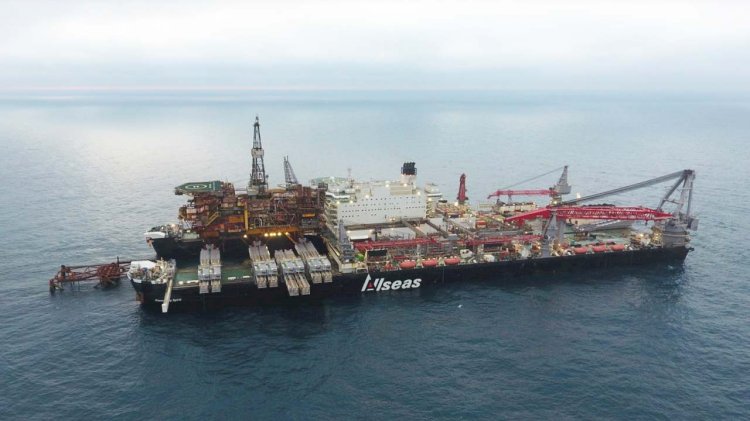
Pioneering Spirit will now deliver the 44-year old structure to Able UK’s Teesside decommissioning yard in North East England for dismantling and recycling.

The removal of Alpha is the first offshore lift to utilise Allseas’ in-house developed “horseshoes”, connection tools that clamp around pre-installed lift points (bearing brackets) mounted on the upper sections of the jacket’s legs.

The Brent Alpha topsides removal project involves engineering, preparation, removal and disposal of the 94 m tall, 52 m wide structure. As with the two previous Brent jobs, Pioneering Spirit  will transport the Alpha topsides to a nearshore location off the Hartlepool coastline, where it will be transferred to Allseas’ cargo barge Iron Lady  for the final leg of its journey by towage up the Seaton Channel and load-in to the quay at Able UK.

Boluda Towage Europe’s powerful tug “VB Kracht” was involved in the assistance of the cargo barge Iron Lady during the transfer of the topsides from the Pioneering Spirit to the Iron Lady and the tow of the barge to the Able UK decommissioning yard in Teesside, North East England.

Boluda’s VB Kracht, together with three tugs, towed the Iron Lady, loaded with the Brent Alpha topside, out of the slot of the Pioneering Spirit into the river Tees, for the transport to Able UK’s decommissioning yard and arrived by early evening.

With the entrance channel to the Able UK decommissioning yard being narrow and tidal restricted, this final part of the journey required in-depth towage expertise and powerful, versatile tugs. The towage operations were carefully prepared in close cooperation with Allseas. 

Four challenges NVOCCs are facing during the pandemic

0

In early June, CargoSmart held a webinar for NVOCCs and freight forwarders with the Freight Forwarder Chapter of China Federation of Logistics and Purchasing in China to share insights about shipping market trends and challenges faced by shipping professionals and tips to manage the impact.

CargoSmart has summarized insights from several industry reports and captured major challenges NVOs and freight forwarders in China are managing. Here are highlights from the webinar about four key challenges NVOs are facing during the COVID-19 pandemic:

1. Global Trade Turmoil

In China, the export volume of 2020 Q1 saw a year-on-year drop by 13.4%, and the total export value dropped by 4.9% YOY in January to April 2020. The turmoil has not been limited to China.

According to the WTO, due to the unprecedented outbreak of COVID-19 on the global economy, global trade in 2020 is predicted to shrink by 13% to 32%. Shipping industry research institutes shared similar findings in their research. Clarksons envisaged that 2020 would witness a 5.1% drop in ocean trade value, global sea trade volume might plunge by 600 million tonnes, while Sea-Intelligence predicted total shipping volume in 2020 would decrease by 17 million TEUs.

Tip: Prepare your company organization and information management to be responsive with organization flexibility to tackle challenges by projects, tasks, and regions.

2. Cashflow Pressures

In an attempt to see the actual impact on NVOs in China, the Freight Forwarder Chapter of China Federation of Logistics and Purchasing in China conducted a survey on the business environment during the pandemic, and interviewed more than 300 NVOs in late February 2020. The results showed that many NVOs are losing customer orders amid the pandemic outbreak. 41% of respondents said that only half of their signed contracts could be fulfilled, another 20% respondents reported that their contracts could not be fulfilled at all. Even if they could keep their customers, only 15% of them could maintain the same level of volume, 44% said their customers cut the order volume by half, and 42% said their customers did not renew their contracts.

The difficult business situation has posed an imminent challenge to the cash flow of NVOs. With revenue drastically lower and uncertain, survival has become as their top priority.

Tip: Seek ways to offer differentiated service, including a premium online service experience to increase customer satisfaction.

3. Added Complexity in Trade

Besides the challenging business environment for the shipping industry, COVID-19 also reshaped the demands for a wide range of products and altered delivery patterns. As you may imagine, necessities such as medical supplies and personal protective equipment have taken priority in shipping slots. Non-necessities, such as clothing and electric appliances, were stuck in warehouses. These sudden changes created challenges for NVOs and freight forwarders to manage storage arrangements, stock arrangements, supply chain flexibility, and shipping route planning.

Tip: Work closely with customers, suppliers, and carriers to identify urgent orders and find ways to prioritize and expedite them.

4. Decline in Operational Efficiency

COVID-19 also resulted in a rise in blanked sailings and terminal closures. In the first four months of 2020, there were over 430 blank sailings. Asia-North America routes experienced the most significant fall in capacity. Southeast Asian ports were heavily congested, and European ports experienced a heavy cargo backlog. Overall schedule reliability in Q1 was recorded as below 60%.

With schedule changes occurring at the last minute, many NVOs and freight forwarders spent extra effort to stay on top of the latest schedule updates. Nevertheless, not all changes could be noticed timely and accurately. NVOs expended effort to recover from blanked sailings and rectify errors in the delivery process, which eventually led to a drop in operational efficiency.

Tip: Evaluate your carriers in terms of schedule reliability by trade and port pairs to select carriers with stronger performance to meet your cut-off times and delivery dates.


CDWE orders pioneering offshore wind installation vessel ‘Green Jade’

0

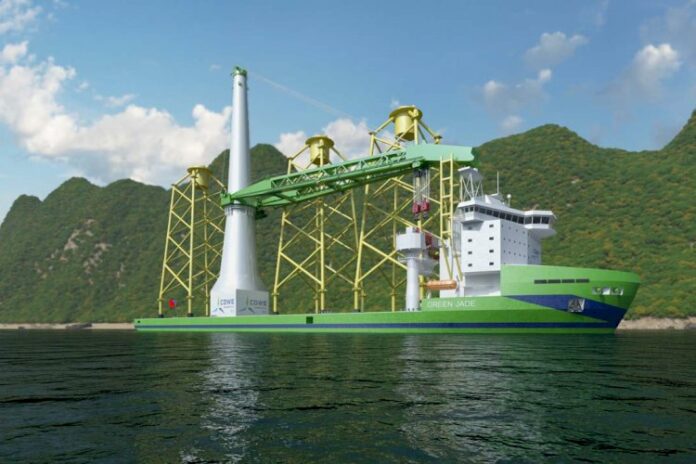
Following the signing of the early works agreement in April 2020,  CSBC-DEME Wind Engineering (CDWE) has now taken the Final Investment Decision (FID) for the construction of ‘Green Jade’, which is the first floating DP3 heavy lift and installation vessel to be built in Taiwan.

‘Green Jade’ will feature an exceptional combination of high transport and load capacity, impressive lifting heights and green technology. The new vessel will be built at CSBC in Kaohsiung and is set to be delivered in 2022.

CDWE, Taiwan’s first offshore wind EPCI contractor, was established at the end of 2018 by CSBC, the largest shipbuilder in Taiwan, and DEME Offshore. ‘Green Jade’ highlights CDWE’s ambitions to further support development of the offshore wind industry in Taiwan and the wider Asia Pacific region. With the vessel being built at CSBC shipyard in Kaohsiung and by operating under the Taiwanese flag, CDWE has shown its 100% commitment to maximising localisation content to enable it to fully support the flourishing offshore wind industry.

With its 4,000-tonne crane capacity and DP3 capability, the vessel is perfectly equipped to serve the renewables market. This unique asset will enable CDWE and its customers to transport a multitude of the heaviest monopiles, jackets, wind turbine components and structures in a single shipment. With this exceptional combination of high load and lifting capacity, ‘Green Jade’ can transport and install the next generation of foundations and giant multi-megawatt wind turbines in the most cost-effective way. 

‘Green Jade’ will be deployed for both the Hai Long Offshore Wind Project and at Zhong Neng for Zhong Neng Wind Power Corporation Preparatory Office. CDWE signed Taiwan’s first comprehensive, large-scale Balance of Plant Preferred Supplier Agreement with Hai Long Offshore Wind Project in October 2019 and for Zhong Neng, the contracts comprise the transportation and installation of foundations, as well as a Preferred Bidder Agreement for the transportation and installation of the wind turbines.

Robert Tseng, CDWE Chairman comments:

“With ‘Green Jade’ we will be uniquely positioned to meet the future requirements of our customers and the trend towards larger capacity turbines and bigger wind farm projects, which deliver energy at lower costs. ‘Green Jade’ will be capable of installing mega monopiles and jacket structures at greater water depths. With DP3 technology this special offshore installation vessel can continue operations under the most challenging conditions.”

CinfraCap Project: creating infrastructure for the transport of liquefied carbon dioxide

0

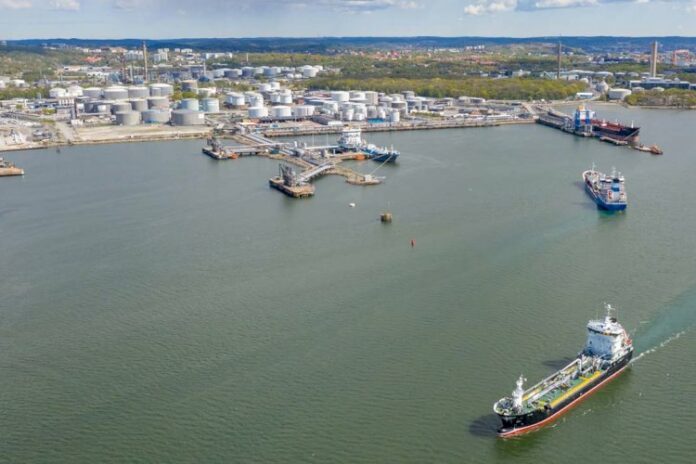
Gothenburg and Sweden could be the first in the world to create a joint infrastructure for the transport of liquefied carbon dioxide extracted using CCS technology. The project –CinfraCap – is a unique collaborative venture between Göteborg Energi, Nordion Energi, Preem, St1, Renova, and Gothenburg Port Authority.

Elvir Dzanic, Gothenburg Port Authority chief executive and one of the parties involved in the joint CinfraCap infrastructure project, said:

“We must speed up the process if we are to achieve our climate goals and collaboration is the best way forward. We expect to be able to transport two million tonnes of captured carbon dioxide per year from our quayside facility and to do so we must have an efficient infrastructure.”

CCS is widely regarded as a key component in the transition of the global energy system, and several research and development projects are already under way. Within the CinfraCapproject the various parties are looking to join forces to identify the most effective way of approaching the industry-scale logistics system required to support CCS. The idea is to present concrete proposals for an optimised infrastructure, and link into other CCS projects. Once the infrastructure is in place, the aim is for it to be an open access system, expanding its potential user base.

A collaboration agreement has been signed by all the parties involved, and the Swedish Energy Agency climate initiative Industrial Evolution (Industriklivet) has agreed to cover half the cost of funding a prestudy, which is being conducted by the consulting company COWI. The prestudy, which commenced this month with completion due in Q1 2021, will focus on the means of collecting captured carbon optimally from each company, transporting it down to the port, intermediate storage prior to loading, securing of permits, risk identification, and presentation of a business model.

Karin Lundqvist, Business developer, Preem AB, said:

“We are starting up CinfraCap in western Sweden although the ultimate aim is to share our experience and the business model behind the carbon capture infrastructure with the rest of Sweden and the world. We are joining forces with other partners to ensure the requisite resources are in place to rapidly reduce the climate impact of companies and contribute to a sustainable future.”
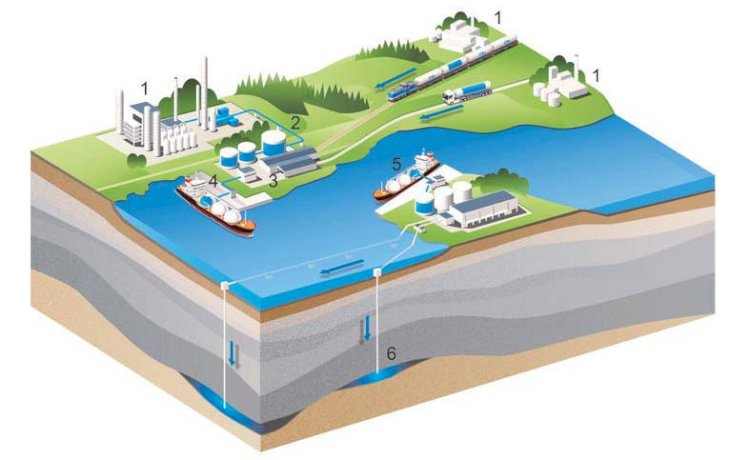
Ilustration:

1.Carbon dioxide capture plants.
2.Liquid carbon dioxide is transported through pipelines from capture plants nearby and by truck or railway from plants further away.
3.CinfraCaps reception site with temporary storage in Gothenburg harbour.
4.Liquid carbon dioxide is loaded on ship using loading arms.
5.Receiving terminal from where liquid carbon dioxide is unloaded and pumped into formations 3000 meter below seabed.
6.Porous rock, with impermeable rock above, where liquid carbon dioxide is returned.

About CinfraCap

CinfraCap stands for Carbon Infrastructure Capture. The project is focused on the transport of captured carbon and how this can be done in a climate-smart, cost-effective way. The aim behind CinfraCap is to produce a more comprehensive picture of the logistics chain required to transport captured carbon dioxide from different industrial facilities in western Sweden – from liquefication and intermediate storage, through to distribution to ships and onward transport to the repository site. The interface for CinfraCap will be the fence around the facility in western Sweden that captures the carbon dioxide, through to the loading arm on the vessels that transport the liquefied carbon dioxide onwards by sea.

CinfraCap will complement a number of other ongoing research and development projects, including Preem CCS, ZEROC, and Northern Lights, which is a full-scale carbon dioxide repository project being run off the west coast of Norway.

CinfraCap is a collaborative venture between Nordion Energi, Göteborg Energi, Renova, Gothenburg Port Authority, Preem, and St1.

About CCS

Carbon Capture Storage, CCS, involves trapping carbon and liquefying it under pressure. It can then be safely stored deep underground, in many cases below the seabed, reducing emissions of greenhouse gases into the atmosphere. If the carbon dioxide is captured from a biogenic source, this could even result in a reduction in carbon dioxide levels in the atmosphere. 

Port of Antwerp deploys several new digital tools

0

This year, Port of Antwerp will continue extending its shipping guidance in order to manage traffic in the port even more safely and efficiently.

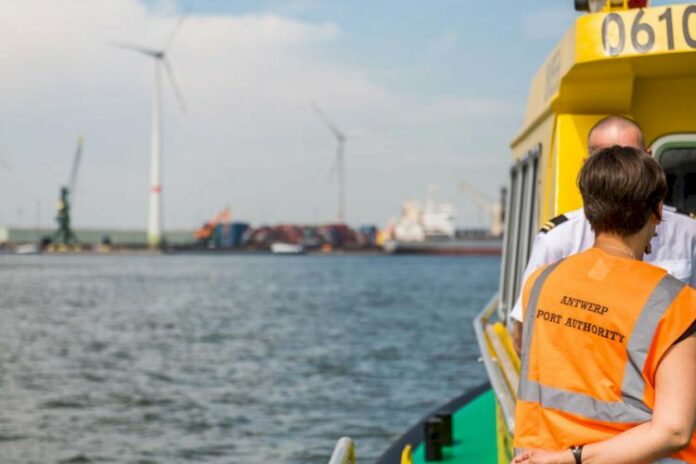
A mobile team of Port Authority Officers and Supervisors will take charge of supervision and management. In addition, digital solutions will guarantee a better service, and hybrid vessels will be introduced.

The new Vessel Traffic Service (VTS) will be responsible for the shipping guidance of seagoing and inland vessels behind the locks. To ensure a safe and efficient traffic flow, VTS provides information and advice, for example relating to routes, weather conditions and potential risks, to all water-related traffic participants behind the locks.

In addition to the shipping guidance, Port of Antwerp is committed to transparency and the optimisation of shipping planning. It is therefore adding a new team of Port Planners, to take care of the safe, efficient planning and processing of mooring bays. All parties involved, such as the port, port facilities and port users, are to be taken into account as much as possible.

New, mobile functions are being created to improve the supervision and management. Under the leadership of a Port Authority Supervisor, Port Authority Officers will soon be responsible for specific control tasks within the framework of supervision and enforcement in the port area. The team is active on the water and on land. In the event of an incident, they are responsible, along with the emergency services workers, for its safe handling. This contributes to a safe port area and surroundings. The Supervisors and Officers will also have new hybrid patrol vessels at their disposal in the future.

Port of Antwerp is deploying several new digital tools to make its port management and service provision more efficient. It is developing several new applications for this purpose, which are connected to the port information system APICS (Antwerp Port Information and Control System). These tools will be launched over the coming months: 

  • An inland navigation application that allows skippers to give their electronic advance notice, request lockage, consult the available berths in real time and register their (de-)mooring movements;
  • An application that allows terminals to enter and modify the planning for seagoing vessels.

Finally, Port of Antwerp is also participating in a number of external projects aimed at supporting the digitisation of inland navigation. One example is the compensation of towage companies equipping their barges with GPS trackers.

Rob Smeets, Chief Operations Officer Port of Antwerp:

“Our business plan is founded on various pillars, including ‘Operational Excellence’, in which we aim for maximum efficiency in our services. The launch of efficient shipping guidance and planning will certainly contribute to this. Another priority is ‘Safety & Security’ in which we take responsibility for the safety of people, assets and environment. By establishing these new positions of Port Authority Supervisor and Officer, our management on both land and water will be raised to a higher level.”

Annick De Ridder, Port Alderman:

“As a port, we never stop investing in the continued professionalisation of our services. In the coming year, we will be paying particular attention to increasing traffic safety and efficiency by further extending our shipping planning and guidance, plus the use of new technological applications and hybrid vessels. As such, we will establish our position as an efficient and future-proof port.”

Mawani launch first direct shipping line connecting Dubai and Egypt

0

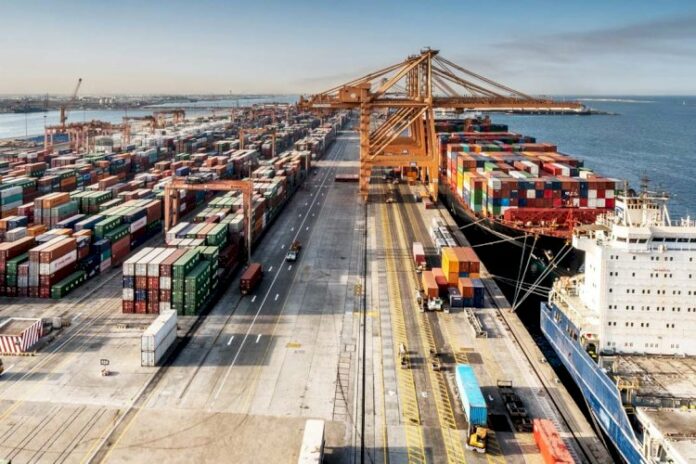
In partnership with DP World, the Dubai-based provider of worldwide smart end-to-end supply chain logistics, the Saudi Ports Authority (MAWANI) has launched the first direct shipping line connecting UAE’s Jebel Ali Port in Dubai with Egypt’s Sokhna Port through Jeddah Islamic Port.

The announcement ushers in a new era in the region’s shipping industry, as the new shipping line, the fourth to be launched by Mawani in 2020, aims to provide shipping services on the Red Sea coast. The move has been taken under the supervision and follow-up of the Saudi Minister of Transport, HE Eng. Saleh Bin Nasser Al-Jasser. The Ministry of Transport’s vision has been focused on linking the Kingdom to the surrounding countries by sea, land and air in a strategy aimed to unlock numerous opportunities utilising the unique location of Saudi Arabia and connecting it intermodally with Europe and Africa using Saudi as an important land bridge.

DP World in December last year was awarded a 30-year Build-Operate-Transfer (BOT) concession by MAWANI, for the management and development of the Jeddah South Container Terminal at the multi-purpose Jeddah Islamic Port. Under the agreement, DP World will invest up to $500 million to improve and modernise the Jeddah Islamic Port, including major infrastructure development to enable the Port to serve the ultra-large container carriers (ULCC’s), considered the world’s largest mega containerships.

HE Eng. Saad Alkhalb, President of Saudi Ports Authority “MAWANI”, said:

“The launch of the new shipping line is part of Mawani’s ambitious initiatives to achieve its strategic goals set by the National Industrial Development and Logistics Programme (NIDLP) to support economic growth, foster investments and contribute to achieving Saudi Vision 2030 positioning Saudi Arabia as a global centre for logistics”.

Alkhalb added:

“The direct shipping line will connect Jeddah Islamic Port with more ports in the East and the West, making it a central regional and global gateway, and establishing the Kingdom as a leading logistics centre. The line will also help facilitate trade across all the global supply chains, increase transhipment volumes and gain an upgraded share of the ships on the Red Sea Coast. All these benefits are expected to boost the overall competitiveness and efficiency of the operations and services provided by Saudi ports while increasing investment opportunities in this vital sector”.

Sultan Ahmed Bin Sulayem, DP World Group Chairman and CEO, said:

“DP World is pleased that our strategic partnership with the Saudi Ports Authority (MAWANI) is moving from strength to strength, thanks to the continued support of His Excellency Eng. Saleh Bin Nasser Al-Jasser, the Right Honorable Minister of Transport. The launch of the first dedicated shipping service connecting Jebel Ali, Jeddah and Sokhna will be a game changer in promoting the much-needed intra-regional trade.”

Bin Sulayem added:

“This development is also the result of the encouragement and drive by His Excellency Eng. Saad Alkhalb, President of the Saudi Ports Authority. The shipping line will directly benefit the Arab world’s three largest markets. We’re committed to delivering best-in-class efficiency and productivity using smart technology-led logistics. The strategic positioning of our ports also enhances the flow of global trade along the arterial – Europe/Asia – sea route. DP World in Jeddah is integral to the Saudi ports ecosystem and raises the Kingdom’s competitiveness in line with its 2030 growth vision.”

Petrobras starts production in Atapu pre-salt

0

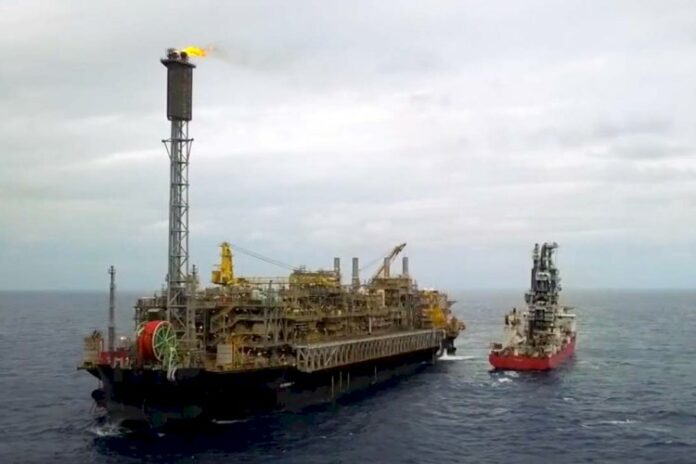
Petrobras has started the production of oil and natural gas from the shared deposit of Atapu, through platform P-70, in the eastern portion of the Santos Basin pre-salt, near the Búzios field.

Atapu will contribute to the growth of production in the pre-salt, which is becoming increasingly relevant for Petrobras. 

The P-70 own platform, the fifth FPSO (floating, production, storage and offloading) of the series of replicants, has the capacity to process up to 150 thousand barrels of oil daily and treat up to 6 million m³ of natural gas. The unit will operate about 200 km off the coast of Rio de Janeiro state, in 2,300 m of water depth, with a forecast of interconnection of up to eight producing and eight injection wells.

The Atapu shared deposit, which comprises the fields Oeste de Atapu, Atapu and a portion of the Union’s non-contracted area, whose unitization process was completed in September 2019. 

Petrobras holds 89.257% of the rights to the deposit in partnership with Shell Brasil Petróleo Ltda (4.258%), Total E&P do Brasil Ltda (3.832%), Petrogal Brasil S.A. (1.703%) and PPSA, representing the Union (0.950%).

Maritime technology startups to get S$50 million in co-investments

0

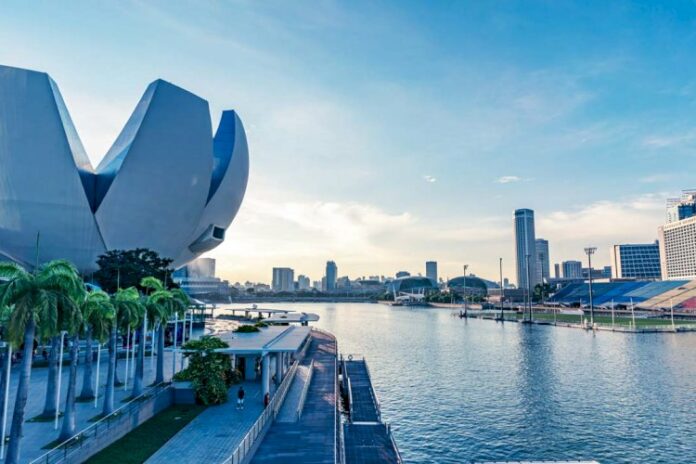
SEEDS Capital, the investment arm of Enterprise Singapore (ESG), has appointed six co-investment partners to provide the maritime ecosystem a strong leg-up by catalysing a combined S$50 million of investments into maritime technology startups. The six partners are Innoport, KSL Maritime Ventures, PSA unboXed, Rainmaking, ShipsFocus-Quest Ventures and TecPier. More than 50 promising Singapore based startups are expected to benefit from the joint investments.

Supported by ESG and the Maritime and Port Authority of Singapore (MPA), this latest initiative by SEEDS Capital aims to drive the growth of the maritime sector through technology and innovation. Strengthening the capability of the sector will in turn enhance the resilience of key economic pillars such as the logistics, manufacturing, and wholesale trade sectors which are reliant on smooth and efficient global supply chain routes. The appointment of the six partners is announced at Deal Friday1 today, a platform which connects companies with venture capitals (VCs) and corporates. Since the start of 2020, four virtual sessions have been held profiling Singapore based startups to 240 investors and corporates in Southeast Asia, China and Europe, facilitating over 120 unique connections.

SEEDS Capital and the appointed partners will invest in early stage maritime technology startups to develop innovative and sustainable solutions that improve operational efficiency and safety across the different segments of the maritime sector. The partners will provide hands-on assistance in helping early-stage startups to fast-track commercialisation, with mentorship and connection to potential clients through their networks.

To nurture startups and spur innovation in maritime technology:

  • Innoport will team up with startups to speed up development of solutions that will push the sector to relook processes, increase efficiency and accelerate digitalisation. This includes conducting pilot test within Schulte Group’s business units, facilitating connections with experts across fields and more;
  • KSL Maritime Ventures will pursue sustainable shipping solutions with a focus on renewables, fintech and vessel technologies, taking a long-term view towards creating new global maritime platforms;
  • PSA unboXed will work with startups in the maritime, ports and logistics supply chain spaces and potentially deploy their solutions in PSA International’s operations if proven successful;
  • Rainmaking will work with its corporate partners in the next two to three years to drive the growth of more than 100 startups with solutions focusing on decarbonisation, supply chain resilience, artificial intelligence (AI) and deep tech. By working with corporate partners and private equity firms through its platform, Rainmaking aims to accelerate the adoption rate of technology at scale;
  • ShipsFocus-Quest Ventures will work with startups to scale development of technology that meets the needs and addresses challenges in the maritime sector. It will focus on solutions broadly in digitalisation, sustainability and deeptech for maritime commerce;
  • TecPier will partner with startups developing smart, data-driven solutions to transform global shipping. This includes improving efficiency and transparency in areas such as ship operations and maintenance, port management, and supply chains.

Mr Ted Tan, Chairman of SEEDS Capital and Deputy Chief Executive Officer of Enterprise Singapore said:

“As a global hub for trade and connectivity, we have continually leveraged technology and innovation to develop and facilitate efficient, resilient and secured trade flows. The COVID-19 pandemic has underscored the need to accelerate the transformation of our industries. We look forward to working closely with our six co-investment partners to harness their expertise and networks to further strengthen Singapore’s innovation and startup ecosystem.”

Ms Tan Beng Tee, MPA’s Assistant Chief Executive (Development) said:

“The COVID-19 pandemic has disrupted many business operations and global supply chains. Maritime technology startups will play an important role in accelerating digitalisation and innovation efforts to prepare the maritime industry for a new normal. The combined resources of the six co-investment partners will help catalyse these efforts.”  

North Sea Port and Port of Antwerp support digitisation of inland navigation with Flemish subsidies

0

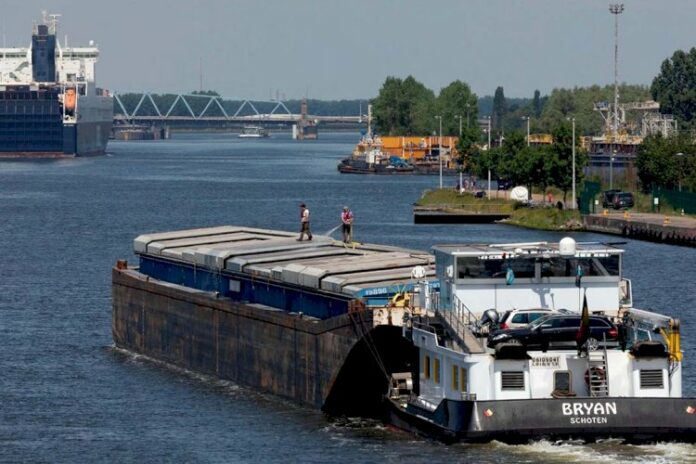
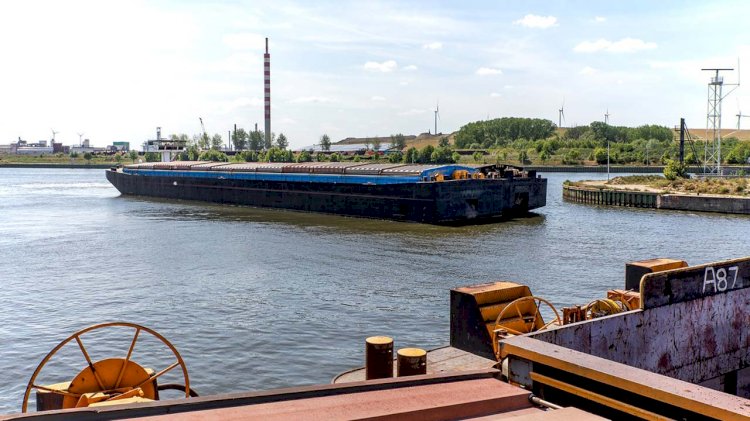
Push barge owners or companies can apply for a reimbursement of up to 50% of the purchase price, up to a maximum of €200 euros, if they can demonstrate that they have called at North Sea Port or the Port of Antwerp at least three times in the three years prior to making the application. The purchase and installation of the push barge tracker must also have taken place between 1 January 2019 and 31 December 2020.

The inland shipping sector is a sustainable mode of transport for cargo. Thanks to AIS (Automatic Identification System), pusher boats and inland navigation vessels are easily traceable in the port and on waterways. However, push barges often do not have their own power supplies and therefore no AIS to locate them. Thanks to the introduction of battery or solar-powered GPS trackers, port authorities, owners, operators and shipping companies will in future always know where each push barge or push barge convoy is located.

If North Sea Port and Port of Antwerp have digital data at their disposal, they can also share them. At the moment, the composition of the convoys as notified to the port authorities is not always up to date. As a result, you lose valuable time at the locks. The trackers only provide accurate information. This contributes to more reliable lock planning.

Moreover, as an operator or owner, you are aware of the location of the push barge at all times and do not have to request it manually each time. That saves time and manpower. The digital history is also important for compliance with rental contracts and can serve as evidence if you receive a claim from an insurance company.

The mandatory introduction of digital notification also means that various push barge operators will soon benefit from having trackers. Tracking also improves safety in the ports, because the port authorities always know which barge or convoy is where. This allows them to intervene more quickly in the event of problems.

The push barge trackers are not yet mandatory, but North Sea Port and the Port of Antwerp are nevertheless encouraging push barge operators to invest, particularly with a view to mandatory digitisation. The Flemish Government is therefore prepared to provide financial support.