-0.8 C
New York
Home Blog Page 827

Gasum opened a new shipping fuel station at Ports of Stockholm

0

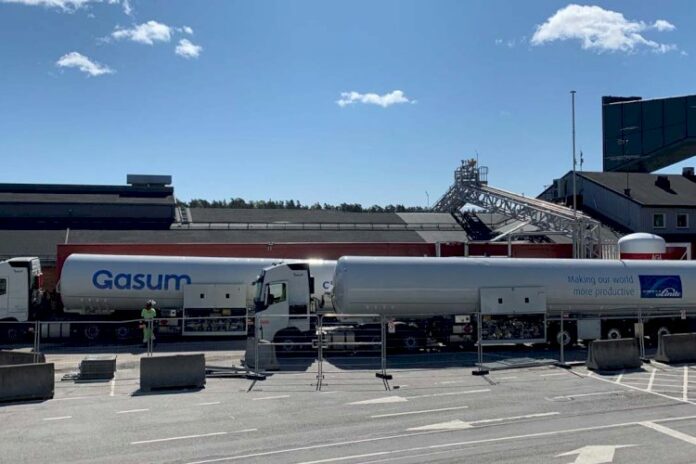
Gasum’s new bunkering station for liquefied gas was taken into use in mid-June. The station is located at Port of Nynäshamn, Sweden on the premises of Ports of Stockholm. 

After a year of construction, the new bunkering station is finally ready to serve existing and new customers. It enables bunkering at high speed from two trucks at the same time. The station set-up and the specialized trucks now being used allows bunkering to take place at the same time as unloading or loading operations. Ferries were earlier bunkered using single trucks which was both time consuming and affected the ferries’ main operations and schedule.

The new bunkering station is frequently used by two of Destination Gotland’s gas ferries.

Christer Bruzelius, CEO of Destination Gotland, says:

“Being able to bunker fuel from the new station is a big step forward for our operations. We fuel faster, more efficiently and during our normal operation hours. This in turn leads to a better service experience for our customers.”

Jonas Åkermark, Sales Manager, Gasum, explains:

“The station’s fit-for-purpose high speed pumps allow the bunkering operation to take just 45 minutes. Passengers disembark and embark and goods are unloaded and loaded while bunkering. High precision and prompt deliveries from our side are needed in order to keep to the vessels’ ordinary schedule.”

The station is located at Port of Stockholm premises, very close to the existing Gasum LNG terminal. Gasum’s LNG trucks efficiently transport the fuel the short distance of 5 kilometers from the terminal to the station.

Fredrik Lindstål, Board Director of Ports of Stockholm, says:

“Ports of Stockholm have high environmental ambitions. An important aspect is to support our customers in their work towards a more sustainable and efficient shipping. Vessels powered by liquefied natural gas (LNG) including a biogas blend, are showing us how to reduce the environmental impact. This example could also encourage the shipping industry to change to more sustainable fuel.”

Gasum supplies both liquefied natural gas (LNG) and liquefied biogas (LBG) or a blend of the two from the station. LBG is a renewable energy source. Ships blending LBG into their fuel will reduce their CO2 emissions as biogas causes zero environmental emissions.
SeaLink onboard as Brisbane’s new ferry operator

0

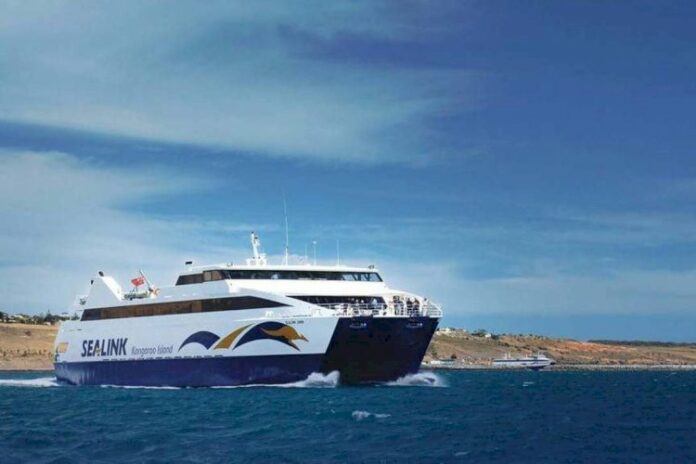
SeaLink Travel Group Limited (“SeaLink”) advises that RiverCity Ferries, one of its subsidiary companies, has been awarded the contract as the new operator of Brisbane City Council’s iconic CityCat, CityHopper and Cross River Ferry networks following a competitive tender, securing SeaLink’s first marine public transport contract since acquiring Australia’s largest privately owned metropolitan bus company, Transit Systems in January 2020.

The contract is for the operation of the Brisbane River ferry services and the maintenance of the vessels and associated infrastructure.  SeaLink’s services are planned to commence on 4 November 2020 for a term of up to 15 years and will secure up to 250 local jobs, as well as the operation of 31 vessels and add millions of passengers to the 360 million passengers that the group already moves globally each year. The total contract revenue over the initial ten year term is estimated at approximately $390 million.

According to SeaLink Group CEO, Clint Feuerherdt, securing this contract demonstrates the performance capabilities, expertise and strength of the combined group of SeaLink companies. He said:

“We had a vision to combine SeaLink’s marine experience and capabilities with Transit Systems’ public transport experience, to become a truly multi-modal transport provider. We look forward to working with the Brisbane City Council to deliver innovative and efficient transport services and bringing our people together to deliver a world-class ferry experience in Brisbane.”

SeaLink already has marine services in Queensland, operating ferries in South East Queensland to North Stradbroke Island and the Southern Moreton Bay Islands, in Hervey Bay to Fraser Island, in Gladstone to Curtis Island, and in Townsville to both Magnetic Island and Palm Island. With the addition of the Brisbane ferry fleet, SeaLink will operate more than 100 vessels around Australia.

He said:

“Our local knowledge adds to our operational capabilities, and we look forward to assisting Brisbane City Council and the community in supporting the Brisbane Vision 2031 and the River’s Edge Strategy.”

Mr Feuerherdt said the contract highlights the significant diversification and growth of the Company since it acquired the Transit Systems group earlier this year.

The Brisbane City Council contract joins a suite of successful public transport contracts already added to the SeaLink portfolio this year, with renewed, extended and new contracts in South Australia and Western Australia.

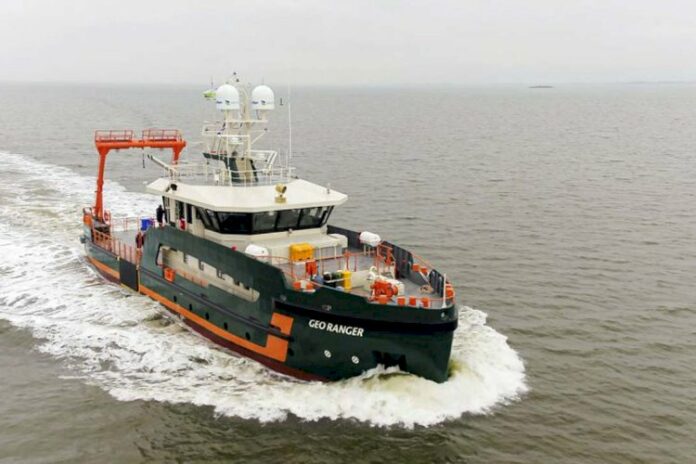
VIDEO: Sea trials hydrogrpahic survey vessel ‘Geo Ranger’

0

In presence of the client Geo Plus, surveyors of Lloyd’s Register and various commissioning engineers of Kongsberg and Alewijnse, the capabilities of the vessel were tested thoroughly.

In April 2019, Royal Niestern Sander and Geo Plus BV signed the contract for the construction of the hydrographic research vessel “Geo Ranger”, yard number 864. After the start of construction in September 2019, the ship was transported early February from the construction hall to the quay side to prepare for the launch in March 2020.

The ship was designed together with Conoship International BV and will be rented out by our client to parties that perform research, such as dredging companies and companies that build and maintain offshore wind farms.

ISWAN launches campaign to strengthen crew relationships during current crisis

0

The maritime industry is well aware of the challenges that generations of seafarers have faced working at sea and the sacrifices that they continue to make.

Further obstacles created by the COVID-19 pandemic have been hard-hitting and have meant that seafarers – who are used to spending many months away from home – are now facing a great deal of uncertainty about their employment and when they will be able to see their loved ones. It is vital now more than ever that seafarers have all of the available opportunities and support in strengthening relationships on board, especially for those crew that have no option other than to remain on board.

ISWAN’s two-week campaign, supported by the International Chamber of Shipping and the International Transport Workers’ Federation, is themed around Connecting Crew. The campaign aims to emphasise the importance of connecting with others for our wellbeing, particularly during the current COVID-19 pandemic where shore leave is not possible and crew changes are delayed by months.

The first week of the campaign is aimed at shipping companies, helping them to identify barriers to socialising on their ships and providing ideas to facilitate stronger relationships and connections on board. The second week will spark ideas for crew members on how to strengthen relationships with those both on board and at home. The campaign can be followed on ISWAN’s social media platforms – Facebook, Twitter and LinkedIn – using the hashtag #ConnectingCrew, and all resources will be uploaded to the ISWAN website: seafarerswelfare.org/our-work/connecting-crew.

New builds have started on two new larger Stena Line ferries

0

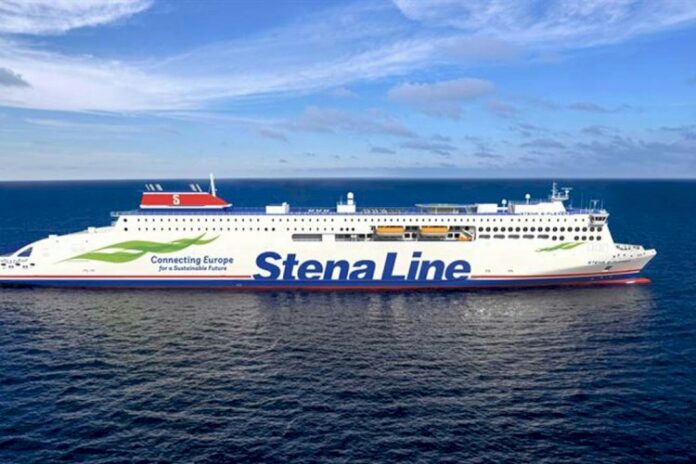
The vessels were ordered in 2018 and the delivery is expected in 2022. Stena Line has also confirmed the third E-Flexer vessel destined for the Irish Sea, Stena Embla, is expected to be delivered on time and will start operating on the Belfast-Liverpool route in January 2021.

Stena Line is well underway in modernising its large European fleet of ferries and has not let the ongoing pandemic affect these ambitious plans. So far this year construction of a further two new ferries has begun. The vessels, that are planned to be delivered in 2022, are the last of five vessels of the E-Flexer series that Stena Line ordered from sister company Stena RoRo, that are being built at the CMI Jinling Weihai Shipyard in China. Of the first three vessels, the first two: Stena Estrid and Stena Edda, have already entered service on the Irish Sea earlier this year. The third vessel, Stena Embla, is in the final stages of construction and is expected to go in to service on the Belfast-Liverpool route according to plan in early 2021.

The two larger E-Flexer vessels will be 240 meters long with a load capacity of 3,600 length meters, compared to the first three which are 214 meters long and have a load capacity of 3,100 length meters. In total, the larger vessels also get 50 % more cabins and beds, 30 % increased passenger capacity and an additional 15% cargo capacity.

Stena Line’s CEO Niclas Mårtensson says:

“Despite a tough time during the COVID-19 pandemic, we have shown how important Stena Line is to linking Europe’s freight and passenger transport and vital supply lines. We believe in continued growth and demand in all our markets and with the new ferries in place we will be well equipped for the future.”

Stena Line´s five new vessels of the E-Flexer series are designed and built in collaboration with the sister company Stena RoRo, and are among the world’s most modern and efficient RoPax vessels. Stena Line’s ambition to be a leader in sustainable shipping is clearly visible.

Among the distinguishing features are:

• Efficient loading and unloading with drive-through lanes in the two levels

• Up to 30 % more energy efficient than existing vessels in the fleet, thanks to optimum design of the hulls, propellers, bulbs and rudders.

• All five vessels are delivered gas-ready, to allow conversion to methanol or LNG fuel

• The two longer vessels will be equipped to use shore power during port calls to reduce emissions. The electricity connection also enables a conversion to electric hybrid in the future.

• Stena Lines’ Scandinavian heritage is clearly visible on the interior and the design is spacious and light, with amazing panoramic views.

In addition to the five new builds another two existing vessels in the fleet, Stena Lagan and Stena Mersey, will be extended by 36 metres and modified with efficient drive-through capabilities for loading and unloading in two levels. In total the modifications will increase the cargo capacity by 30% and add on a total of 75 cabins. The two vessels are expected to be back in traffic in Stena Line’s network in 2021.

Niclas Mårtensson says:

”We continue to build on our successful RoPax concept with a mix of freight and passengers. By modernizing and standardizing our vessel fleet, we ensure a reliable operation can in an even better way support and grow with our customers.”

So far Stena Line has not revealed where the two new larger vessels of the E-Flexer model, or the extended vessels Stena Lagan and Stena Mersey, will operate.

The FISHER Project – a global fishing accident data management system

0

Food security has consistently been recognised in the global fora as one of the world’s main challenges. And a safe, sustainable supply of fish product – for a global population expected to reach 9.7 billion by 2050 – is a crucial component of this challenge.

Per capita fish consumption has soared – from 10 kg in the 1960s to more than 20 kg in 2016 and projected to reach 21.5 kg in 2030. Fish now accounts for almost 17 percent of the global population’s intake of protein – in some coastal and island countries, it can top 70 percent.

Fisheries contribute to livelihoods, employment and income with particular importance in coastal communities in developing countries. The FAO estimates that fisheries and aquaculture support the livelihoods of 10–12 percent of the world’s population, with more than 40 million people engaged in capture fisheries, and some 200 million along the value chain from harvesting to distribution. The total number of fishing vessels in the world in 2016 was estimated to be about 4.6 million, with the vast majority smaller than 12m.

But, while the positive contribution of fishing to the world economy, and the vital need to secure a safe and sustainable food chain, is known and understood, what is less well known is the true human cost of fishing. The ILO and FAO estimate that between 24 000 and 32 000 deaths occur annually in the pursuit of fishing – making fishing the most hazardous occupation in the World. Using these fatality estimates means that every hour nearly 4 fishermen die doing their job – some 88 per day. By way of comparison, in the commercial maritime industry the corresponding figure is less than one per day across the world’s merchant fleet – with less than 300 fatalities a year.

These fatality rates, coupled with disproportionally high injury and negative occupational health outcomes, paint a very bleak picture. Sadly, while the physical risks of fishing may be well documented, we still don’t have an accurate or comprehensive understanding of the real number of negative safety events and occupational health issues taking place out there – and we know even less about the real causation factors leading to these events. To add to this unclear picture is the realisation that many studies currently available are simply a regurgitation of earlier, older studies, with little to add to our body of knowledge.

Ultimately then, the problem is a social one – especially in the developing countries of the world – and manifested in lives lost, families made destitute and stagnant generational ill-health and poverty. But until such time that we get a clearer picture of the actual safety situation in the industry, our current efforts may well be misdirected and inefficient. We need a database of accurate and comprehensive data. REAL data. To address this widely acknowledged problem, the FISH Safety Foundation (see: www.fishsafety.org) has now launched Phase One of a new global fishing accident data management system.

The FISHER (Fishing Industry Safety & Health Event Reporting) Project  is an evidence-based development program aimed at capturing, recording and analysing fishing accident and related health and safety event information, and establishing an accident data management system for the global Fishing Industry. The clear objective for the program is to gather accurate and comprehensive information about the state of both fishing vessel safety, and human occupational safety and health practice in this industry. This information will be used to develop and promote innovative health and safety interventions in the international fishing sector – improving safety culture and standards in the worlds’ most hazardous industry.

Source: IMarEST 

Wärtsilä and Pastrovich Studio to develop innovative sustainable superyachts

0

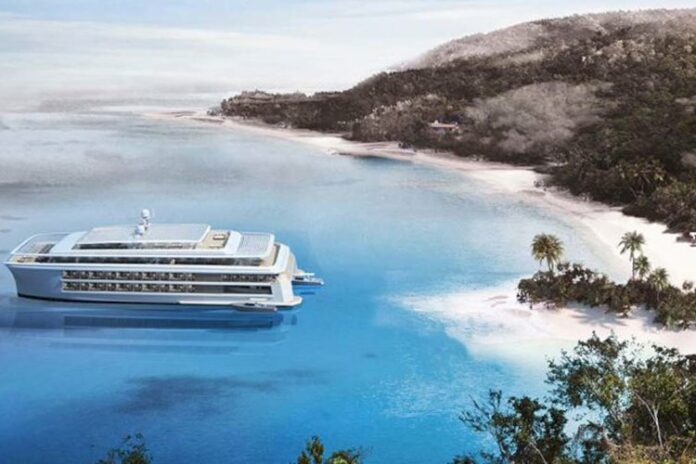
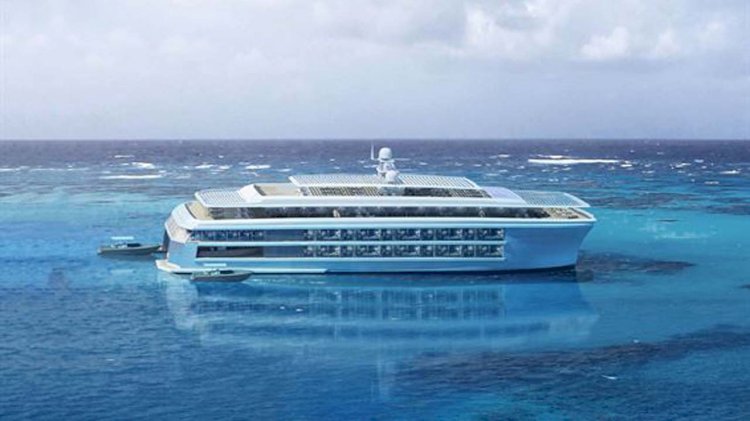
A new generation of boutique cruise ships is set to emerge, with the luxury of a superyacht, the construction techniques and passenger experience of a cruise ship, and a close focus on the environment. These cost optimised vessels will serve the charter and luxury hotel sectors in attracting and meeting the demand from millennials and cruise veterans alike.

The technology group Wärtsilä has signed a partnership agreement with architect and yacht designer Stefano Pastrovich on the design of innovative sustainable superyachts for the boutique cruise sector.

The design will feature a fully-integrated combination of hybrid propulsion and solar panels for minimal environmental impact and high energy efficiency.

The concept is built around a 60-metre long catamaran with accommodation for up to 36 passengers. The level of sustainability will be such that it will enjoy access to harbours that would otherwise be closed to large motor yachts.

Giammario Meloni, Senior Sales Manager, Wärtsilä Italia, explained:

“Efficiency and environmental performance are key pillars of Wärtsilä’s Smart Marine approach, which emphasises the need to collaborate with world-class partners. This project encompasses all these ambitions, and we look forward to co-developing with Stefano Pastrovich a totally integrated solution that combines energy efficiency, sustainability and onboard comfort.”

Stefano Pastrovich commented:

“Wärtsilä is the ideal partner for this project, since we share a vision to be the very best at what we do. Bringing together our architectural and marine technology know-how will create a mega-yacht design on the leading edge of innovation. I’m convinced boutique cruise ships of this calibre could spark a turning point in the charter market, attracting a new customer base of millennials and cruise veterans.”

Wärtsilä has extensive hybrid propulsion and energy recovery experience which will be leveraged in the new design, and has already worked with Pastrovich in other successful projects. These include the 99m X-Vintage in 2011 and the 101m X-Expedition in 2017, an innovative design that bridges the worlds of Cruising and Superyachts. Combining the modular construction techniques of the former with the attention to luxury detail that distinguishes the latter, the design takes privacy, safety, voyage experience, and environmental responsibility to new levels.

JAXA to launch a satellite to gather ocean observations for aquaculture

0

UMITRON in cooperation with research groups lead by Tokyo Institute of Technology has been selected for the 3rd innovative satellite demonstration program of the Japan Aerospace Exploration Agency (JAXA).

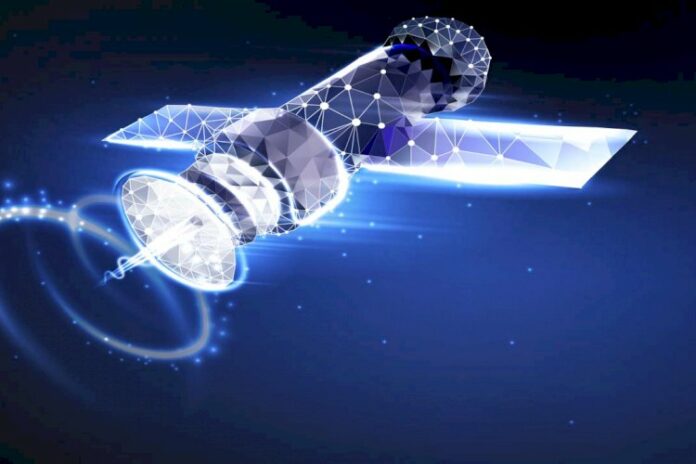
A small satellite is planned to be launched in FY2022 with a mission to gather ocean observations for aquaculture. High-frequency and high-resolution observations of plankton and nutrient levels will be acquired to support the aquaculture industry including fish, shellfish and algae farmers.

Aquaculture including fish farming, shellfish farming, and seaweed farming has become a key component of the global food production system and it is an important industry for the supply of marine products to a variety of markets. On the other hand, the oceans are in a state of rapid environmental change. As the water quality changes, risks in aquaculture grow. For example, fish can be easily killed by red tide algae blooms and seaweed or shellfish growth can be inhibited by nutrient depletion. In order to reduce these risks and stabilize aquaculture production, information on the ocean environment such as the distribution of plankton and nutrients is critical for  the industry. 
UMITRON has been working with a research group led by the Tokyo Institute of Technology and it has been selected for a small satellite program supported by JAXA to launch a marine observation satellite for aquaculture in FY2022. UMITRON is in charge of demonstrating the use of satellite data in the aquaculture industry within this research group. A small satellite with the ability to gather high frequency and high resolution data enables the close observation of coastal areas which are a key area for aquaculture operations.

Members of this project and roles

  • Tokyo Institute of Technology:Representative institution
  • Nagoya University:Oceanography and remote sensing data analysis
  • University of Tokyo:Data use in academic fields
  • Tohoku University:Ground station network in satellite communications
  • UMITRON:Data analysis and service demonstration for aquaculture industry
  • Genesia:Observational instruments and multispectral cameras
  • Diiway Space:Observational equipment and multispectral cameras
  • inet:Satellite operation and system design

NORDEN orders new dry cargo ships

0

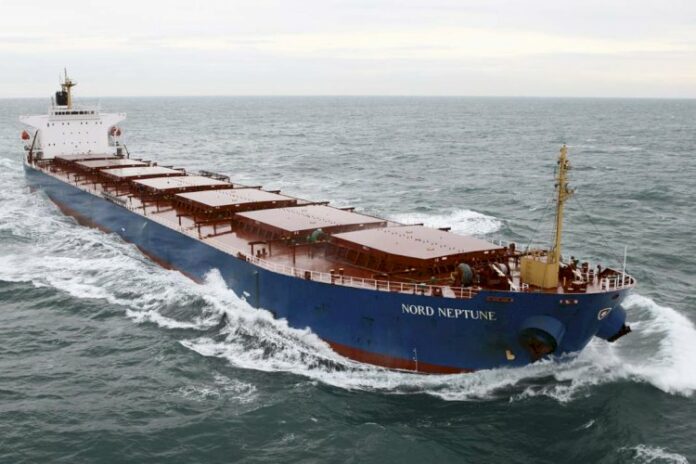
NORDEN has entered into a newbuilding contract with Nantong Cosco Khi Ship Engineering Co. (“NACKS”) for 4 x 61,000 dwt dry cargo “Ultramax” ships, expected to deliver during 2022.

NORDEN CEO Jan Rindbo notes that the newbuilding contract is in line with the company’s strategy of agile asset trading and active management of NORDEN’s cyclical market exposure.

Jan Rindbo notes:

“Having sold 10 dry cargo vessels since 2018, we believe asset prices have now declined sufficiently to present a good trading opportunity to buy.”

The newbuildings will join the core fleet of NORDEN owned and long-term leased tanker and dry cargo vessels managed by the Asset Management business unit.

Henrik Lykkegaard Madsen, Head of Asset Management, says:

“With a demand outlook gradually returning to normal and a low orderbook, we believe it’s a good time to buy assets and secure competitively priced tonnage. Furthermore, the contracted vessels have been secured with the aim of trading the portfolio of bulk carriers within the prevailing market volatility to optimise our returns”. 

Almost half of Norwegian petroleum production will soon be run on power from shore

0

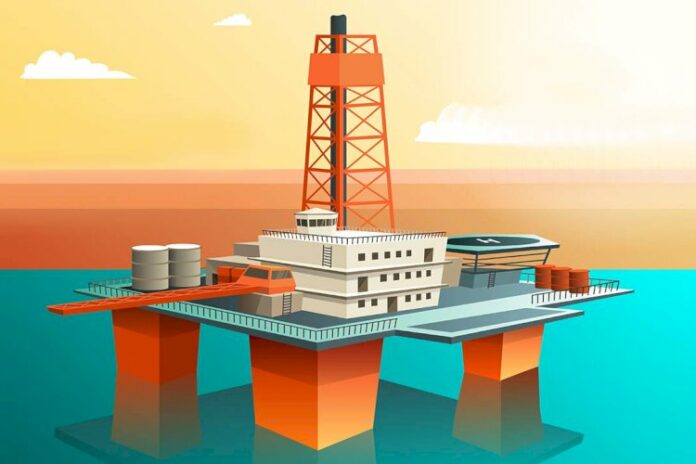
Today, eight fields on the Norwegian shelf receive power from the Norwegian power grid. Decisions have also been made to supply another eight fields with power in this manner. This means that total CO2 emissions will be about 3.2 million tonnes lower per year than they otherwise would have been.

An additional six electrification projects are approaching an investment decision. If they are adopted, the avoided emissions will amount to approx. 4.9 million tonnes of CO2 per year. The Norwegian Petroleum Directorate’s projections show that, at this point, more than 50 per cent of Norwegian petroleum production will be run on power from shore in the mid-2020s.

This emerges in a report the Norwegian Petroleum Directorate has prepared in collaboration with the Norwegian Water Resources and Energy Directorate (NVE), the Norwegian Environment Agency and the Petroleum Safety Authority. The report was submitted to Minister of Petroleum and Energy Tina Bru on Friday, 26 June.

Director General Ingrid Sølvberg says:

“In a few years, power from shore can allow us to avoid CO2 emissions equivalent to ten per cent of total Norwegian greenhouse gas emissions. At this point, almost half of Norway’s oil and gas production will be running on power from shore. The companies are also working on several projects that could provide additional emission cuts beyond this”.

Today, the Troll, Gjøa, Ormen Lange, Valhall, Goliat and Johan Sverdrup fields have facilities supplied with power directly from shore. Vega is also operated with power from shore via its host installation Gjøa, and Hod via Valhall.

The Martin Linge field, which is under development, will be supplied with power directly from shore. The Edvard Grieg, Ivar Aasen, Gina Krog, Solveig and Hanz fields will receive power from the area solution on the Utsira High, which is part of the Johan Sverdrup field’s second phase. The Duva and Nova fields will be operated with power from shore via Gjøa.

Power from shore to these 16 fields will lead to a reduction in CO2 emissions in Norway of 3.2 million tonnes per year, compared to what they would otherwise have been.

In addition to the 16 fields that are either operated with power from shore or where this has been adopted, six other projects have reached an advanced stage of the planning phase. These projects are on Troll B, Troll C, Oseberg Field Centre and Oseberg Sør, Sleipner and the Melkøya onshore facility.

An investment decision was made for Sleipner in May and the project is now under regulatory review. The project will also provide power from shore to the associated fields Gudrun, Sigyn, Gugne and Utgard.

The companies have reported data about the projects in the planning phase based on their studies. The report features calculated measure costs based on these data. The calculations show that the projects have a measure cost of below NOK 1500 per tonne of CO2.

The projects representing the greatest emission reductions are the Melkøya onshore facility, Troll B, Troll C, Oseberg Field Centre and Oseberg Sør.

The companies have reported that all the planned projects could be in operation from the mid-2020s.

NVE Director General Kjetil Lund says:

“Electrification of the shelf will have consequences for the power system both in the form of somewhat higher electricity prices and a need for increased investments onshore.”

The six projects in advanced stages of the planning phase will increase annual power consumption in Norway by up to 4 TWh, or about 3 per cent per year.

The power from shore projects will lead to an increase in electricity prices in Norway, and smaller differences in electricity prices between the north and south in Norway. One important precondition is that the onshore power system can handle the increase in consumption, without this negatively affecting security of supply for existing customers.

Most power from shore projects that are under planning will require measures in the power grid. Electrification of the onshore facility on Melkøya requires the construction of a new power line.

It is also the case that, with the currently planned grid investments, the onshore facility on Melkøya, Troll B and C, Oseberg Field Centre and Oseberg Sør will have to be disconnected in strained situations in the power grid, and potentially use their own back-up power supply.