-3.4 C
New York
Home Blog Page 823

Awarding framework contract for engineering and installation services on Statfjord

0

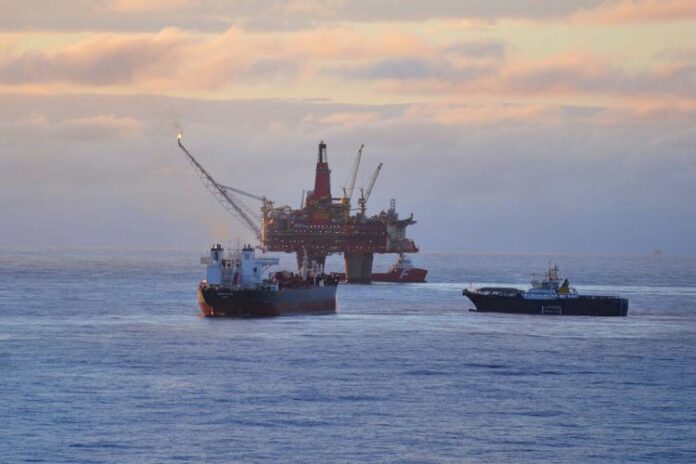
Equinor has, on behalf of the licence partners, awarded Apply a framework agreement for engineering and installation services on the North Sea Statfjord field. According to the agreement the parties will collaborate in new ways while carrying out the work on Statfjord safely and efficiently.

The agreement covers overhaul, replacement and modification deliveries on the three Statfjord platforms. The period of agreement is seven years, plus a three-year option. The agreement will take effect on 1 September 2020.

Kjetil Hove, senior vice president for the new business area Field Life eXtension (FLX), that was established on 1 April this year, says:

“Our ambition is to become a leading late-life operator on the Norwegian continental shelf. In order to succeed, we must apply new working methods to reduce costs. This will create opportunities for new investments in late-life fields, so that we can extract the last resources in a profitable way and with low carbon emissions.”

The supplier will be integrated in the FLX organisation in new premises at Forus. The companies will collaborate on the design and planning of the work to be carried out. Common drivers for the parties have been established to support the ambitions of Equinor FLX.

Chief procurement officer Peggy Krantz-Underland says:

“With this award we are establishing a closer collaboration with the supplier. Together we will drive simplification and standardization to perform the work safely and cost-effectively. We will also involve sub-suppliers early to achieve optimal solutions and common value creation. If we are to succeed on FLX’s ambitions, we must radically change the way we work together.”

The companies will focus on simplified work processes, standardised products and solutions, and at the same time benefit from digital technology, such as 3D printing.

Production from Statfjord will be extended by maturing new reserves for recovery and upgrading platforms as required. Around 100 new wells will be drilled in the period up to 2030. They will help maintain the current Statfjord production level beyond 2025, strongly increasing the activity level on the field and requiring considerable investments.

Statfjord A was scheduled for decommissioning in 2022, however, it has been decided to extend the field life to 2027. The lives of the Statfjord B and C platforms will be extended from 2025 to 2040. This will sustain high value creation from the field and secure profitable jobs. During 40 years of production, Statfjord has generated NOK 1 600 billion in gross revenue for the owners and Norwegian society.

The licensees on Statfjord are Equinor Energy AS (operator), Vår Energi A/S and Spirit Energy.
Saipem awarded a contract for the Búzios pre-salt field in Brazil

0

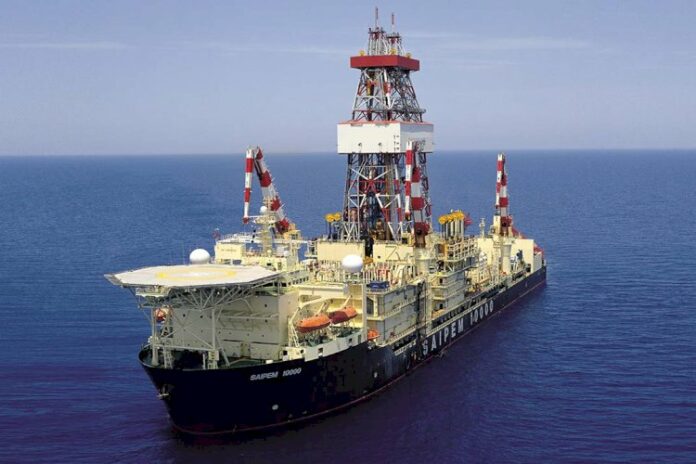
Saipem has been awarded a contract by Petrobras for the installation of a rigid riser-based subsea system to serve the Búzios pre-salt project, in water depths from 1537 to 2190 meters, offshore the state of Rio de Janeiro.

The Búzios-5 overall production system foresees the interconnection of 15 wells to the FPSO in two phases. The project awarded to Saipem includes the Engineering, Procurement, Construction and Installation (EPCI) of the Steel Lazy Wave Risers (SLWR) and associated flowlines between all wells and the FPSO. In particular, the scope of work includes five production and five injection risers and flowlines for a total length of 59 km, a 16 km-long gas export line to be connected to an existing pipeline, 11 rigid jumpers and 21 foundation subsea structures (risers and PLETs).

Saipem will use FDS, its state-of-the-art field development ship, for all the subsea works.

Francesco Racheli, Chief Operating Officer of Saipem’s E&C Offshore Division, commented:

“Búzios is one of the world’s largest deepwater oil fields and it is very important for Saipem to contribute to such a significant project for Brazil, a country in which we have a long-established presence and track record of successfully-executed projects. This new acquisition efficiently combines in-house capabilities and appropriate assets to carry out this ambitious endeavour and reinforces our reputation as a global provider of valuable solutions in a country offering great opportunities. We look forward to working alongside Petrobras to further develop Brazil’s resources and ensure the safe and timely achievement of the field’s full production output”.

DUKFT award funding to projects to drive decarbonisation of freight transport in the UK

0

DUKFT, a network of over forty industry and academic partners funded by the UK Engineering and Physical Sciences Research Council and hosted by UCL Energy Institute, selected four successful projects in a three-stage review process consisting of academic and industry stakeholders and a panel of experts.

The outcomes of these projects will feed into the work of DUKFT and contribute to unlocking investment in the decarbonisation of freight transport in the UK.

DUKFT will be launching a call for a second round of funding later in 2020.

  • Understanding Freight Decarbonisation Investment Decisions

Led by Fraser McLeod from University of Southampton, this project will identify the current factors that influence investment decisions for different actors in freight transport by road, rail or sea, as well as the alignment between these and climate emergency, energy and transport policies.

  • Transport Investment Decisions (TIDE): An exploration of climate alignment in freight related investment decisions

Led by Nadia Ameli, from UCL Institute for Sustainable Resources, this project seeks to understand the approaches investors and financiers used for screening investments for climate alignment to gain a deeper understanding of climate alignment methodologies, and will recommend a way forward for climate alignment on freight transport related investments and areas for further research and development.

  • An Integrated System and Service Design Approach for Decarbonisation of UK Freight Transportation (INSTINCT)

Led by Alok Choudhary from Loughborough University, this project will map UK freight transportation to characterise and benchmark logistics activity and its carbon footprint for decarbonisation of freight transportation, identifying key drivers and barriers, key decision points and key decision-makers in the supply chain.

  • Co-produced Route-mapping to Accelerate Freight Decarbonisation: A Transdisciplinary Learning and Decision Framework

Led by Graham Parkhurst, University of the West of England, this project will co-produce a route-map to joined-up thinking, learning, innovation and adaptive practice in decarbonisation, behaviour and practice shift amongst UK freight stakeholders.

Baleària Caribbean resumes passenger sailing’s between Port Everglades and the Bahamas

0

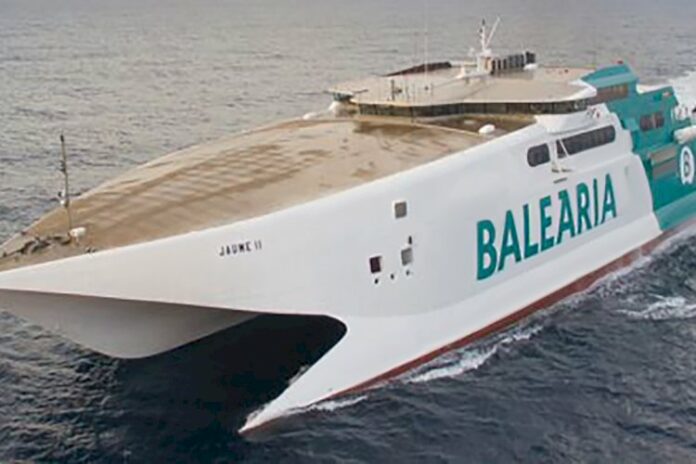
The South Florida based ferry company, Balearia Caribbean, has resumed its passenger services between Port Everglades (Fort Lauderdale), Bimini, and Freeport (Grand Bahama Island). The launch was made possible by following the strict, but undeniably necessary, hygiene and safety protocols mandated by all of the governing parties involved.

The company has vowed to start with a modest, yet groundbreaking move to offer three sailing services a week, Wednesday, Friday and Sunday. This move offers an alternative method of transportation and cargo services for Bahamian locals.

Balearia Caribbean has taken various steps to ensure that all of its passengers sail safe. The company has been certified by the international entity Bureau Veritas with the Global Safe Site Covid-19 certificate, making it one of the first shipping companies in operation to hold such a high level of safety certification. Furthermore, the use of face masks/coverings is mandatory at all times during the travel process, for both the passengers and the staff members.

To increase safety and put their customers at ease, the ferry company has reduced its sailing capacity to ensure social distancing. The use of electronic boarding passes has also been reinforced to limit contact between guests and their check-in agents, all the while reducing the bottleneck effect during the embarkation process.

Additionally, the transportation company has implemented several safety procedures. All passengers will have their temperature taken before boarding. While in the terminal and aboard the vessel, passengers will have easy access to sanitizer dispensers. Last but certainly not least, the ship also undergoes a deep and extensive sanitation process before, during, and after each sailing.

ARC launches new ocean transportation system

0

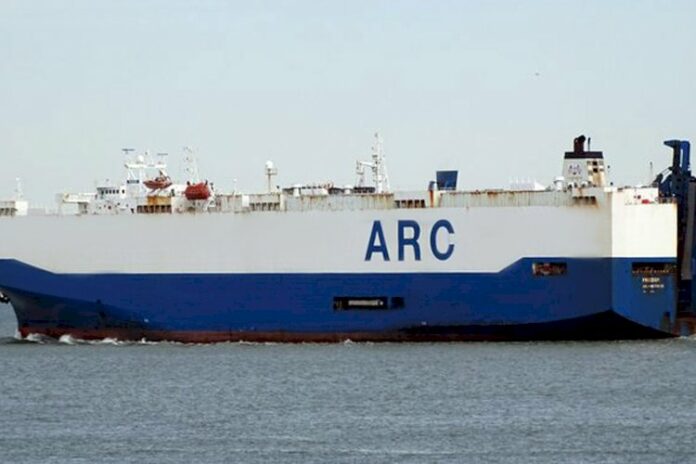
American Roll-on Roll-off Carrier Group Inc. (ARC) has announced the successful launch of its new ocean transportation IT system, ARC-OCEAN. The new system will operate in concert with many existing technology integrations that interface with U.S. Government and other customer and partner systems.

Tim Fletcher, ARC’s Manager of Customer Service, says:

“The new software facilitates continued integration with customer booking and management systems, will greatly enhance ARC’s ability to continue to provide exceptional service to our clients.”

It also contains enhanced cybersecurity-related functionality necessary for ongoing compliance with cybersecurity best practices and related requirements.

For each vessel in ARC’s U.S.-flag fleet, a specific voyage number was identified to serve as the designated “first voyage” in ARC-OCEAN. Bookings and bills of lading associated with prior voyage numbers were completed in the legacy system while bookings and bills associated with the “first voyage” and any subsequent voyages were set up to occur in the new ARC-OCEAN system.

The seamless, full transition from the previous ocean system to the new ARC-OCEAN system was completed on June 30, 2020.

Chartwell Marine to deliver High Speed Transfers CTV

0

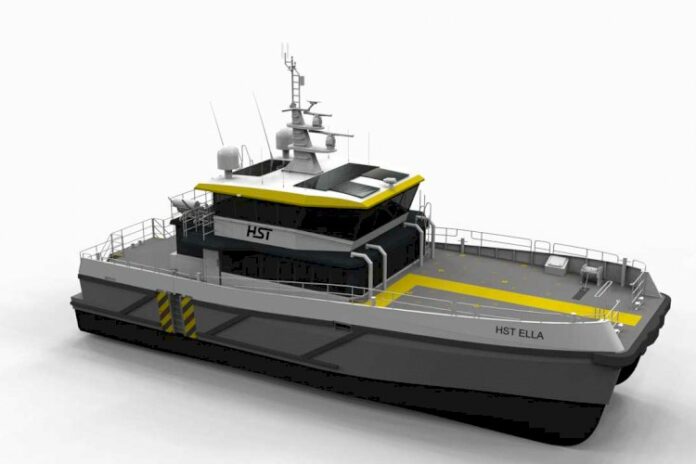
Chartwell Marine, a pioneer in next-generation vessel design, has signed a contract to design and deliver a new hybrid Chartwell 24 crew transfer vessel (CTV) for High Speed Transfers (HST), an innovative CTV operator that supports the offshore wind energy and oil and gas industries worldwide. 

HST’s order marks a milestone in the collaboration between these three British firms, which has seen a number of adaptations made to the proven Chartwell 24 design to meet the demands of hybrid operation.

The international expansion of the offshore wind sector is creating significant opportunities for the maritime supply chain, and simultaneously driving substantial innovation in vessel design as operators respond to new and emerging legislative requirements. Reducing vessel emissions and fuel consumption is a key target for the industry to ensure compliance with air quality legislation and reduce the overall carbon footprint of building and operating offshore wind farms.

Andy Page, Managing Director, Chartwell Marine, said:

“We are excited to be working with HST and Diverse Marine to bring this innovative hybrid CTV to market, maintaining the collaborative approach that has fed into the evolution of the Chartwell 24 design to date. As the drive towards greener operations gains momentum, it is important that we tackle the emissions challenge head on, without losing sight of the key attributes that define effective offshore wind vessel support.”

The new hybrid Chartwell 24 design is the product of extensive R&D and ongoing dialogue with HST and Diverse Marine, alongside wind farm owners and the wider offshore supply chain. It capitalises on these insights to address some of the most common operational and design challenges surrounding effective hybrid propulsion.

The catamaran’s unique hybrid propulsion system incorporates an electric motor alongside a diesel engine, which drive a high-performance changeable pitch propeller (CPP) system. At low speeds, this allows for silent, zero emissions operation, enabling the vessel to comply with port air quality requirements. At transit speeds, it is able to perform capably and efficiently while ensuring the comfort of technicians. Its advanced hull form, high bollard push and superior bow height ensures confident transfers at high wave heights.

This new hybrid propulsion configuration complements existing design innovations that set the Chartwell 24 apart in the market. These include enhanced foredeck capacity and wheelhouse visibility, which enable skippers, crews and technicians to safely navigate challenging logistical assignments. For HST, the vessel will support an ongoing commitment to the highest standards of service for offshore wind firms, while adding new levels of efficiency, versatility and flexibility.

Tom Nevin, Chief Executive Officer, HST, said:

“As our partnerships grow throughout new markets, we need to continue investing in our fleet in order to address unique demands, opportunities and emerging requirements. With the addition of this highly capable hybrid vessel, we’re confident that we can continue supporting technical innovation in important areas like emissions reduction, while adding significant value for our customers.”

Ben Colman, Director, Diverse Marine, added:

“The maritime supply chain in the UK continues to demonstrate its leading role bringing through the innovations that will define the way vessels are built and operated worldwide. It’s important that the economic opportunities inherent in commercialising and exporting these next-generation technologies are recognised as the UK and Europe look towards a ‘green recovery’.”

Damen calls on Dutch company to deliver Australian equipment for vessel built in Romania

0

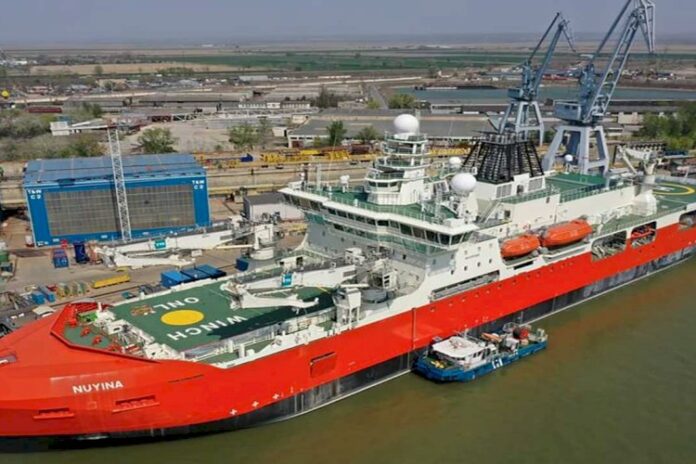
The barges built by Tasmania-based Taylor Bros. will be transported from Vlissingen to Damen Shipyards Galati in Romania. Here, they will be loaded aboard the state-of-the-art Antarctic Supply and Research Vessel RSV Nuyina that Damen is building for the Australian Antarctic Division (AAD).

Damen has a long relationship with Schenker Logistics, the preferred container carrier for Damen Schelde Naval Shipbuilding (DSNS). The company, in operation since 1892, has previously carried all the containers for the Long Range Ocean Patrol (POLA) vessel that Damen has constructed in Mexico for the Mexican navy, as well as for the Landing Support Tank being built at Damen Shipyards Sharjah for the Nigerian navy.

In the Netherlands alone, Schenker Logistics operates 22 logistics centres and seventeen offices, employing some 3,200 people. This project was handed by Schenker Rotterdam and involved ten of the branch’s 100 personnel. This was a special project, given added complexity by the coronavirus crisis taking place at the time. Despite the challenges, the barges, which were dispatched on 10th February in Hobart, had arrived safely in Vlissingen by 3rd June.

Taylor Bros., builder of the barges, is a third generation family business headquartered in Hobart. The company has been a contractor to the AAD for 25 years, providing upgrades and maintenance to the organisation’s supply and research vessels and Antarctic infrastructure. Taylor Bros was perfectly positioned for this project, having delivered and maintained the durable barges for the Aurora Australis, the predecessor vessel to RSV Nuyina.

The barges, Nuyina LB 1 and Nuyina LB 2 will enable the loading and unloading of personnel, cargo and research equipment to and from the parent vessel. They can each carry 45.5 tonnes and have high bollard pull jets resulting in a fast, multi-purpose transport craft well suited to the toughest environment on Earth. Taylor Bros. in particular and Tasmania more generally have an excellent reputation for the manufacturing and supply to Antarctic research bases.

Upon arrival at final destination in Romania, the barges will be lifted on to RSV Nuyina by her onboard cranes, where they will be lashed to the cargo hatches.

Costa extends pause for its cruises until August 15th 2020

0

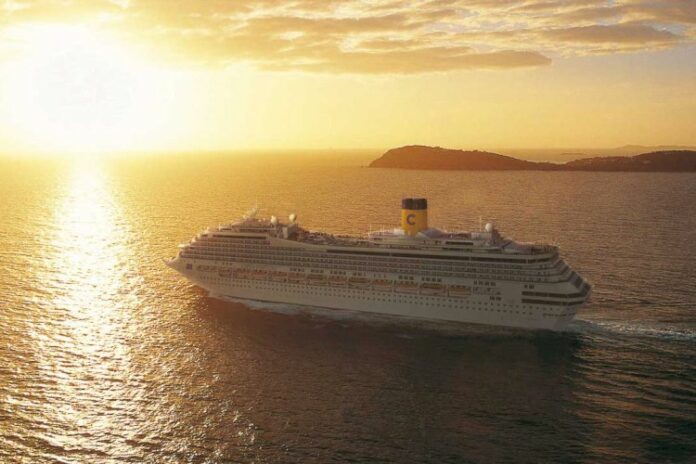
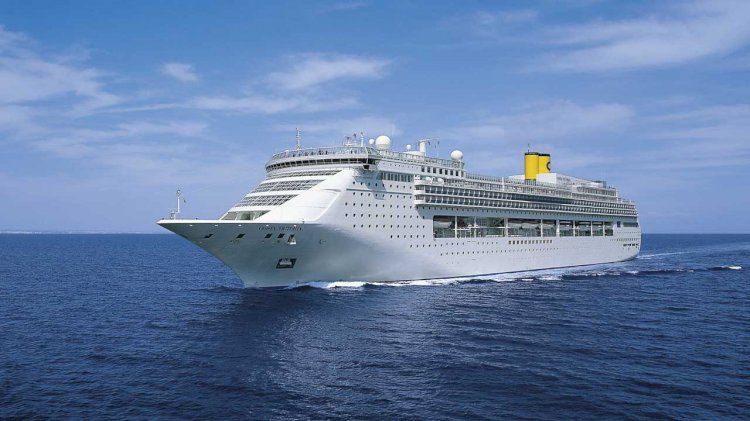
Costa announces a further pause for all its cruises until August 15th, 2020 and the cancellation of all cruises in Northern Europe for the remainder of the 2020 summer season.

The decision is linked to the uncertainty on the gradual reopening of ports to cruise ships and the restrictions that may still be in place for the movements of people due to the Covid-19 global pandemic. In addition, the Company is also communicating the cancellation of all future cruises of Costa Victoria.

Costa is taking steps to inform both travel agents and guests affected by these changes. They will be guaranteed a re-protection in accordance with the applicable legislation, which offers the highest guarantee in this contingency situation.

In the meantime, Costa is working alongside all relevant Authorities to define health protocols for a potential restart of cruises as soon as possible.

Yang Ming fulfills green promise carbon emission reduced 51% in 2019

0

To achieve the pursuit of global sustainability and respond to customers’ growing awareness about environmental issues, Yang Ming Marine Transport Corp. (Yang Ming) formulated plans to build an echo-friendly fleet a decade ago with the aim to proactively enhance ship energy efficiency and reduce greenhouse gas (GHG) emission.

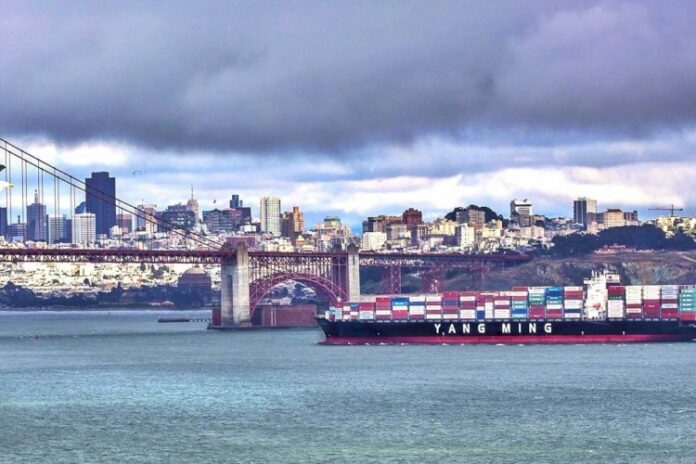
In 2019, Yang Ming fleet’s average carbon intensity (CO2 emissions per transport work) per Teu/Km significantly reduced by 51% compared with the level in 2008, from 99.4 g/teu-km to 48.1 g/teu-km, accomplishing the IMO target of reducing carbon intensity by at least 40% by 2030, eleven years ahead of schedule. Through continuous fleet optimization, Yang Ming has fulfilled its promise of energy saving and emission reduction.

GHG emission plays a critical role in climate change mitigation. In this respect, IMO has adopted strict regulations to address the issue and set the goals to cut global shipping carbon intensity by at least 40% by 2030 and 70% by 2050 when compared to 2008. To achieve the targets, Yang Ming has formulated several long-term strategies, including implementing 12 vessel modification and optimization projects, and accelerating the vessel renewal plan by eliminating vessels over 20 years of age and adding ten 2,800 TEU class, twenty 14,000 TEU and fourteen 11,000 TEU class echo-friendly smart vessels.

In addition, Yang Ming has cooperated with weather service provider Weathernews Inc. (WNI) to build a monitoring system to manage fuel consumption and reduce GHG emission, and further evaluate the possibility of developing duel-fuel engine such as LNG or other engines that can perform with carbon-neutral alternative fuels.

As for sulphur oxide emission, Yang Ming ensured an early transition to use low sulfur fuel oil at Kaohsiung port and Shenzhen port in 2018. In the fourth quarter of 2019, Yang Ming’s fleet has switched to very-low sulphur fuel oil (VLSFO) with sulphur content lower than 0.5% and reduced sulphur oxide emission by 80% compared to traditional heavy fuel oil. Furthermore, Yang Ming has actively participated in vessel speed reduction programs initiated by National Oceanic and Atmospheric Administration (NOAA) and Taiwan International Ports Corporation, LTD to well protect the marine ecology.

Jan De Nul successfully wraps up U.S. Coastal Virginia Offshore

0

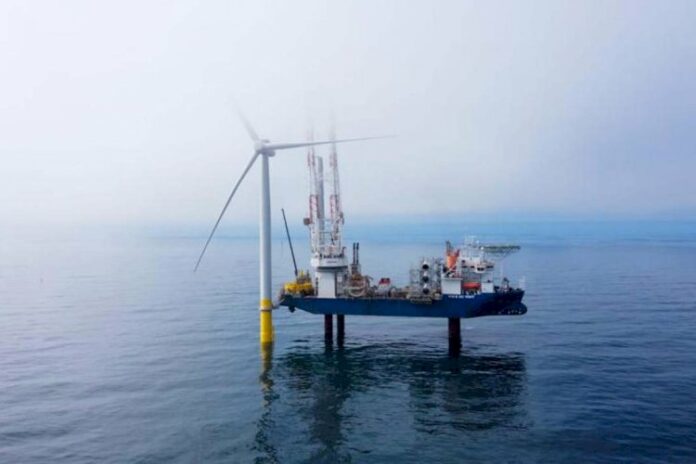
Jan De Nul Group’s offshore installation vessels Vole au vent and Adhémar de Saint-Venant have left the United States after having successfully completed the installation of the Coastal Virginia Offshore Wind project.

The Coastal Virginia Offshore Wind project, owned by Dominion Energy, is based on an Ørsted design and is only the second offshore wind farm in U.S. waters, after the 30MW Block Island Wind Farm, commissioned in 2016 at 3 kilometres off the coast of Rhode Island. Moreover, the Coastal Virginia wind farm contains the very first offshore wind turbines in U.S. Federal Waters.

Philippe Hutse, Offshore Director of Jan De Nul Group, says:

“This contract is another important milestone for Jan De Nul’s international expansion in offshore wind farm construction. After having expanded into Asia with the completion of the Formosa 1 Phase 2 project and with two further offshore wind projects under construction in Taiwan, Changhua OWF and Formosa 2 OWF, we are proud to have been able to support Dominion Energy and Ørsted in the U.S.”

The scope for Jan De Nul Group included the transport and installation of both offshore foundations and wind turbines, as well as the procurement and installation of the scour protection. Each foundation is composed of a monopile and transition piece.

Peter De Pooter, Manager Offshore Renewables at Jan De Nul Group, concludes:

“This project is of great importance for Jan De Nul Group as it has given us the opportunity to work with local, state and federal government agencies in the U.S. and allowed us to familiarize ourselves with the construction of U.S. offshore wind farms.”

Jan De Nul’s offshore jack-up installation vessel Vole au vent delivered the installation works and was assisted by the multipurpose vessel Adhémar de Saint Venant to perform the scour protection works.