-0.4 C
New York
Home Blog Page 819

OneOcean streamlines its voyage solutions for greater efficiency

0

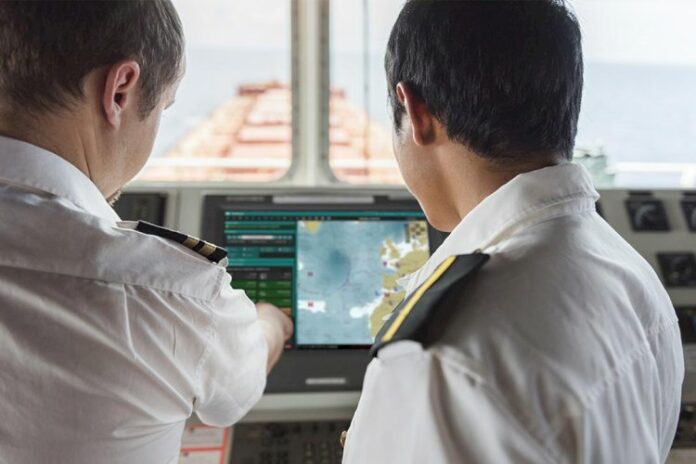
OneOcean, the global leader in digital compliance and navigation services, has unveiled its latest online voyage solutions for the shipping, cruise line, and superyacht industries. Currently unrivalled in the maritime industry, the restructured solutions have been developed to help fleet owners and managers solve multiple navigation and compliance issues whilst enabling their ship and shoreside teams to communicate much more effectively.

OneOcean’s software covers all aspects of voyage optimisation, drawing on the company’s diverse range of passage planning, compliance, safety and environmental products. The unique solutions can be tailored to customer requirements. The software collates, integrates and analyses marine data in real time, providing both onshore teams and onboard crew accurate and up to date information to help them make the best decisions.

Commenting on the launch of solutions, OneOcean’s CEO, Martin Taylor, said:

“We have a rigorous research and development programme, which has enabled us to create enhanced voyage solutions that break down the barriers between ship and shore to deliver more connected, transparent and efficient results for our customers. The breadth of our products is now wider and more integrated so that onboard and onshore teams can truly work as extensions of each other. This aids operational efficiencies at a wider level, across multiple areas of the business. For the first time, the maritime industry has access to compliance and navigation services that are completely tailored to their needs.”

OneOcean’s Chief Strategy Officer, Nicholas Bourque, said:

“Traditionally, each of our products served specific functions. We have really focused on broadening our approach by looking at the overlapping problems that affect many operational departments but are all part of the same workflow. Our latest solutions development has focused strongly on improving the connectivity of data allowing crews and teams to access identical information. This offers organisations greater transparency and efficiency.”

To coincide with the announcement of their new voyage solutions, OneOcean has launched a new website showcasing the solutions and highlighting the new direction that the company is taking as part of its recent merger. 

Mapped into four core areas – Passage Planning, Compliance, Safety and Environmental – OneOcean’s redesigned website has a fresher look and a more fluid, user-friendly interface, which will enable new and existing customers to easily browse through the breadth of integrated solutions available via the company’s world leading OneOcean platform.

OneOcean solutions solve multiple issues and integrate with existing monitoring and management systems, supplying both onshore and onboard teams with the crucial real-time information they need, when they need it.
SapuraOMV made a discovery in Toutouwai exploration well

0

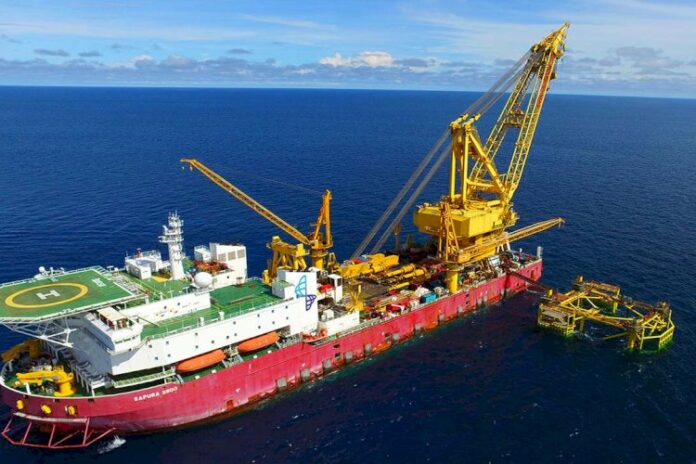
Sapura Energy Berhad (“Sapura Energy”) has announced that its associate company, SapuraOMV Upstream Sdn. Bhd. (“SapuraOMV”) together with Joint Venture partners Mitsui Exploration and Production Australia Pty Ltd (“Mitsui E&P Australia”) and OMV New Zealand Limited (“OMV NZ”) have made a discovery with a positive result in the Toutouwai-1 exploration well in the Taranaki Basin, in New Zealand. The prospect is located 50 kilometres off the Taranaki coast in 130 metres of water.

Drilling commenced in the Petroleum Exploration Permit (PEP) 60093 in early March 2020 and the target reservoir was successfully reached in April 2020. Preliminary results are encouraging with several hydrocarbon charged layers encountered in the Cretaceous sandstones.

SapuraOMV CEO Muhammad Zamri Jusoh remarked:

“The positive discovery of Toutouwai opens up an exciting opportunity for us. This would create value and further reinforce our overall growth plan as we remain agile in these challenging times.”

SapuraOMV is a strategic partnership between Sapura Energy and OMV Aktiengesellschaft.

Currently, SapuraOMV is working with the Toutouwai Joint Venture partners, Mitsui E&P Australia and OMV NZ, on the additional work required to determine the well’s commercial viability. Given the operational risks posed to the offshore exploration drilling programme from the COVID-19 virus, the testing phase had to be curtailed.

The Toutouwai-1 exploration well is the third and final well in OMV NZ’s 2019/2020 exploration drilling campaign. At present, the well has safely been plugged and abandoned in accordance with New Zealand’s stringent regulatory requirements.

HHLA implements machine learning for the first time to increase productivity

0

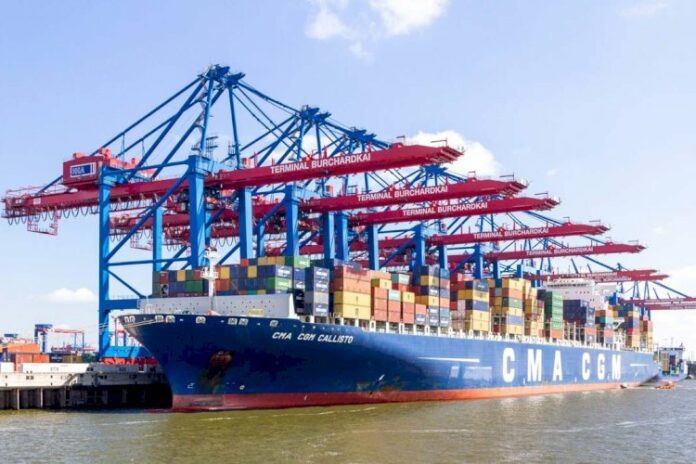
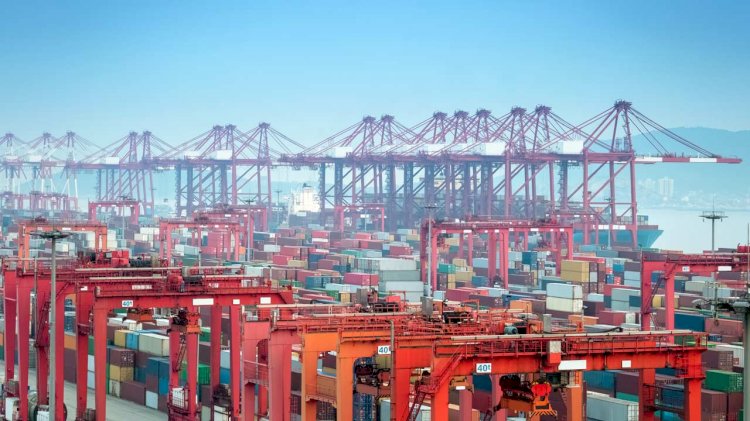
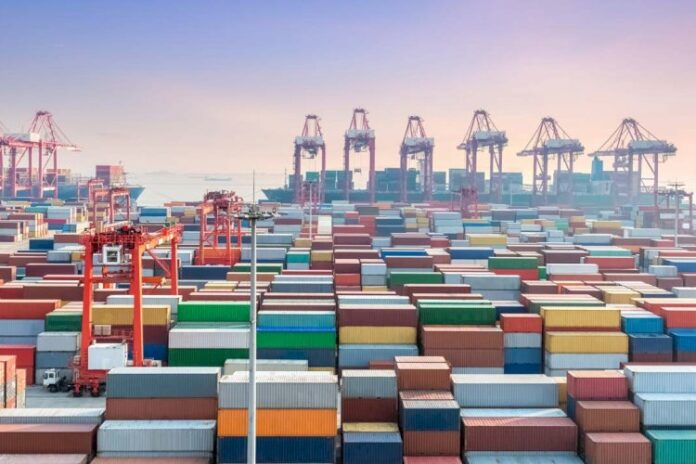
Hamburger Hafen und Logistik AG (HHLA) is one of the first ports worldwide to develop solutions for its Hamburg container terminals that use machine learning (ML) to predict the dwell time of a container at the terminal. The first two projects have now been successfully integrated and implemented into the IT landscape at Container Terminals Altenwerder (CTA) and Burchardkai (CTB).

Angela Titzrath, Chairwoman of the Executive Board of HHLA, emphasised the importance of ML for the company in her welcoming address at the World Artificial Intelligence Conference (WAIC) that is taking place in Shanghai from 9 to 11 July. She said:

“Advancing digitalisation is changing the logistics industry and our port business with it. Machine learning solutions provide us with many opportunities to increase productivity and capacity rates at the terminals.”

The HHLA Chairwoman announced that further uses for ML were bound to be identified.

The productivity of automated block storage at CTA will be increased by means of an ML-based forecast. The goal is to predict the precise pickup time of a container. Processes are substantially optimised when a steel box does not need to be unnecessarily restacked during its dwell time in the yard. When a container is stored in the yard, its pickup time is frequently still unknown. In future, the computer will calculate the probable container dwell time. It uses an algorithm based on historic data which continually optimises itself using state-of-the-art machine learning methods.

A similar solution is applied at the CTB, where a conventional container yard is used alongside an automated one. Here too, ML supports terminal steerage by allocating optimised container slots. In addition to the dwell time, the algorithm can help calculate the type of delivery. The machine learning solutions can predict whether a container will be loaded onto a truck, the train, or a ship much more accurately than can be determined from the reported data.

A significant positive effect can already be seen at both terminals since the containers are stored based on their predicted pickup time and must therefore be moved less frequently. The projects were driven forward by teams from HHLA and its consulting subsidiary HPC Hamburg Port Consulting.

Austal Philippines builds a high-speed catamaran for Molslinjen

0

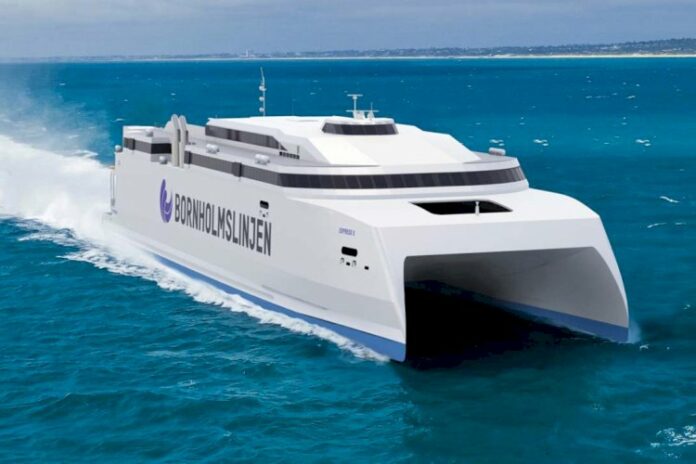
Austal Limited has announced that Austal Philippines has commenced construction of a newly designed 115 metre high-speed vehicle-passenger catamaran for Danish ferry operator Molslinjen, a repeat Austal customer.

The new ‘Auto Express 115’, to be named Express 5, will be the largest ferry (by volume) ever built by Austal and is a further design evolution of the distinctive 109 metre high-speed catamaran, Express 4, delivered to Molslinjen in January 2019.

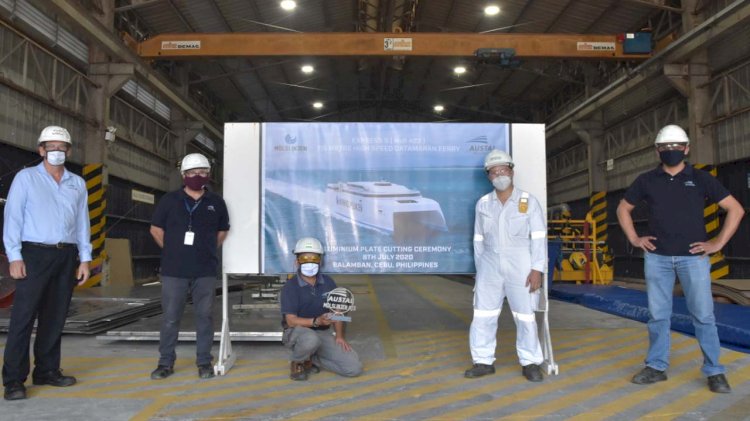
An aluminium plate-cutting ceremony was held at Austal Philippines’ Balamban shipyard in Cebu this week, to mark the occasion.

Austal Chief Executive Officer David Singleton said the start of construction on Express 5 (Austal Hull 423) was a significant milestone, not only for Austal Philippines but the Austal group, as it represents a successful global collaboration of effort to improve the speed of build, flexibility and management of workload across the Group, during the COVID-19 pandemic. He said:

“Express 5 is the biggest ferry ever constructed by Austal; and if that sounds familiar, it’s because the last two catamarans we have constructed in the Philippines and Australia, have also been our largest, at the time of construction. Molslinjen’s Express 4, Austal Hull 393, was the largest we had built by volume, in 2019. This year, Fjord Line’s FSTR, Austal Hull 419, has taken the crown as our largest vessel ever built and is progressing towards delivery in the third quarter of CY2020. Now, with Molslinjen Express 5, we’re integrating the proven capabilities from our Australian, Philippines and Vietnam shipyards to improve competitiveness, reduce build times and maintain steady employment levels.”

Molslinjen’s Express 5 will have capacity for 1,610 passengers, space for 450 cars (or 617 lane metres for trucks plus 257 cars) over 2 vehicle decks and an operating service speed of 37 knots. It is powered by an LNG-capable, medium-speed power plant that offers a powerful yet economic and environmentally-friendly solution. On board, passengers will enjoy leather appointed reclining seats with USB ports, Wi-Fi, a full bistro and bar(s), children’s play area and multiple audio-visual screens.  

The 115 metre catamaran was designed by the same Austal Australia team who developed the signature raked-bow hull for Molslinjen’s Express 4 in 2017, and includes Austal’s proprietary Motion Control and MARINELINK-Smart systems that help deliver a smoother journey for passengers and crew and a more efficient, better performing, ‘smart’ ship for operators.

Austal Philippines President Wayne Murray said:

“This is the third large, high-speed ferry we have started in less than two years, including the largest ferry ever built in the Philippines – the 109 metre FSTR for Fjord Line. Following on from FSTR, and the 118 metre trimaran ferry Banaderos Express we’re constructing for Fred Olsen Express, we’re very excited to be working on the very latest and greatest for Molslinjen.”

Molslinjen Express 5 will add additional capacity to Molslinjen’s Bornholm route between Ystad and Rønne, following delivery anticipated in 2022.

Unifeeder contracts We4Sea for fleetwide vessel performance monitoring

0

Unifeeder A/S and We4Sea B.V. have signed a cooperation agreement to roll-out the We4Sea Digital Twin based performance monitoring solution across Unifeeder’s fleet. The aim is to reduce the fuel consumption and emissions of the ships.

The Unifeeder Group is an integrated logistics company with the largest feeder network and rapidly growing shortsea business in Europe, the Middle East, the Indian Subcontinent and South East Asia region with connectivity to more than 150 ports.

Unifeeder plays a critical role as a facilitator of integrated global and regional supply chains, simplifying the complex tasks of choosing and managing supply chains by providing efficient and sustainable transport solutions.

Michael Bonde, COO of Unifeeder, says:

“Unifeeder wants to be an active participant in finding innovative solutions, through different partnerships and by being a business-driven IT organization. We are working with AI and machine learning platforms to provide significant operational benefits to our vessels and minimize the environmental impact.”

We4Sea focusses on increasing fuel efficiency and lower emissions of seagoing vessels by using a Digital Twin. The Twin provides shipowners and charterers with improved performance insights.

To generate the best results and increase fleet sustainability, Unifeeder and We4Sea have agreed to roll out the monitoring solution across the entire Unifeeder group fleet.

With its Digital Twin technology, We4Sea builds a digital sister vessel with all relevant technical characteristics of the real vessel. This data is enriched from other sources, such as data on speed, draught, weather conditions, wave heights, currents and wind.

The Digital Twin transforms this big data pool into actionable management information. The technology does not require onboard hardware installation and is therefore ideal for charterers, such as Unifeeder.

The solution supports full transparency. Charterers can continuously monitor fuel consumption, carbon and sulphur emissions of their chartered vessels in real-time via an online dashboard.

Dan Veen, Co-founder and CEO of We4Sea, says:

“Realtime monitoring and reporting is the first step in improving fuel-efficiency. Optimising fuel consumption of Unifeeder’s fleet based on the findings will not only have a direct impact on financial results, but also improves operational efficiency and CO2 and SOx reduction. We are looking forward to working with Unifeeder and getting results fast.”

CMA CGM commits to fight illicit trafficking in protected species

0

The CMA CGM Group, a world leader in shipping and logistics, is reinforcing its procedures for shipping protected species, the trade in which is regulated by the Convention on International Trade in Endangered Species of Wild Fauna and Flora (CITES).

As part of these tighter procedures, shippers must expressly state whether a species is covered by the CITES convention and, where appropriate, provide the requisite export permit whenever any animal or plant goods are carried. In parallel, the CMA CGM Group will draw up a black list of exporters suspected to be involved in illicit trafficking. We are also enhancing the training of our sales agents around the world and tightening up our “know-your-customer” audit procedures, in coordination with the CMA CGM Academy and the CITES.

Following several suspicions that undeclared rosewood may have been part of cargo shipments from the Gambia, the Group has decided to halt its timber exports from the country until further notice. Rosewood is a protected species, and trade in it is regulated by the CITES. This highly sought-after wood is felled illegally in the region and then exported under various different guises. This illicit trade is heavily implicated in the deforestation of West Africa.

With these measures, the CMA CGM Group is again demonstrating its leadership within the shipping industry in the protection of the environment. This decision, which is part of the strengthening of the Group’s CSR policy, illustrates CMA CGM’s resolve to help conserve global biodiversity and not to further imperil our planet’s future.

Offshore foundation installation starts at TPC Offshore Wind Farm in Taiwan

0

The first twelve pin piles have been installed and the first export cable has been connected to shore near Fangyuan in Changhua County, on the West Coast of Taiwan.

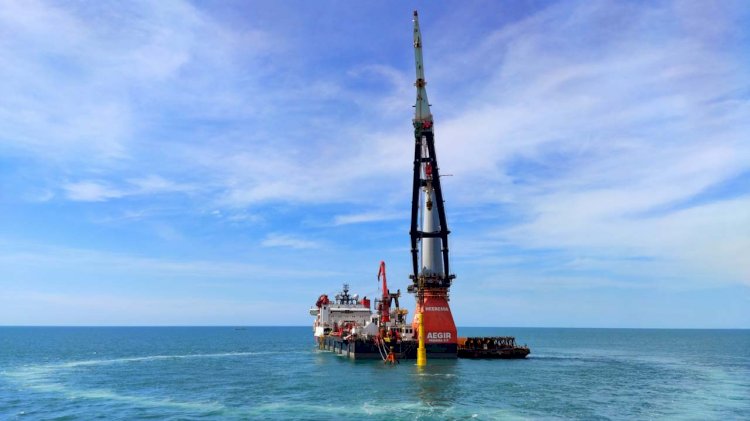
The TPC Offshore Wind Farm consists of 21 offshore wind turbines on pre-piled jackets, each anchored to the seabed by four steel pin piles. In a first phase, Jan De Nul Group will install 44 pin piles for 11 jackets, of which 12 are installed. Forty more pin piles are shipped from the fabrication yard in South Korea to Taiwan in the coming weeks.

For this foundation installation campaign, Jan De Nul Group chartered the offshore installation vessel Aegir from the Dutch company, Heerema Marine Contractors.

Peter De Pooter, Manager Renewables at Jan De Nul Group, says:

“The COVID-19 outbreak has a severe impact on our activities. However, we have been able to take the first hurdles caused by this pandemic. It is a relief that we now have been able to start the actual installation works. We are fully determined to continue our engagement in the expansion of the offshore wind energy in Taiwan.”

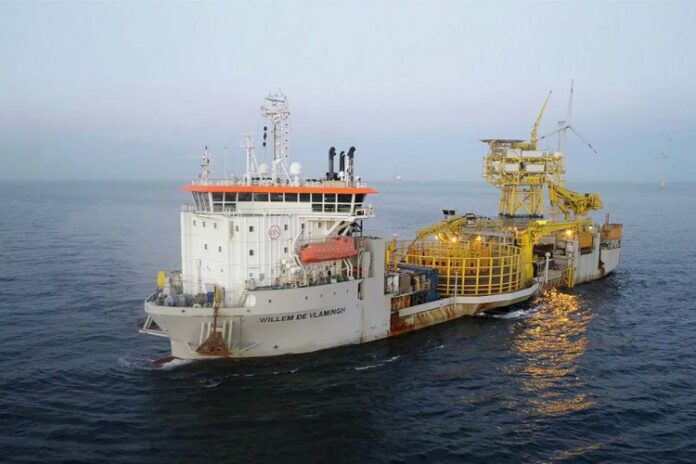
Simultaneously, Jan De Nul’s cable-laying vessel Willem de Vlamingh started with the installation of the submarine export cables. The first out of four cables was successfully pulled to the onshore junction box.

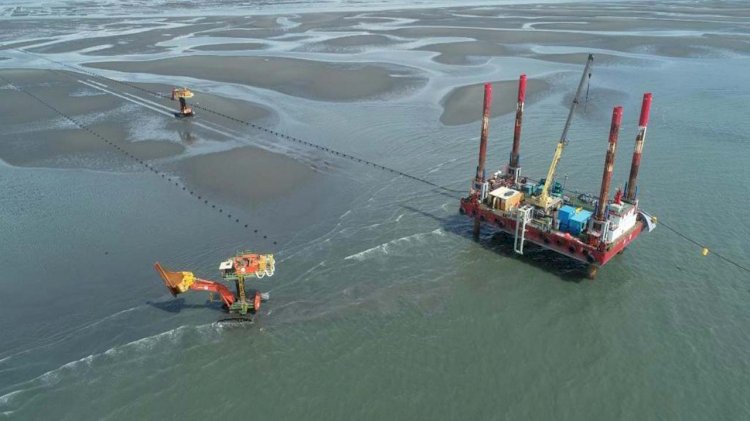
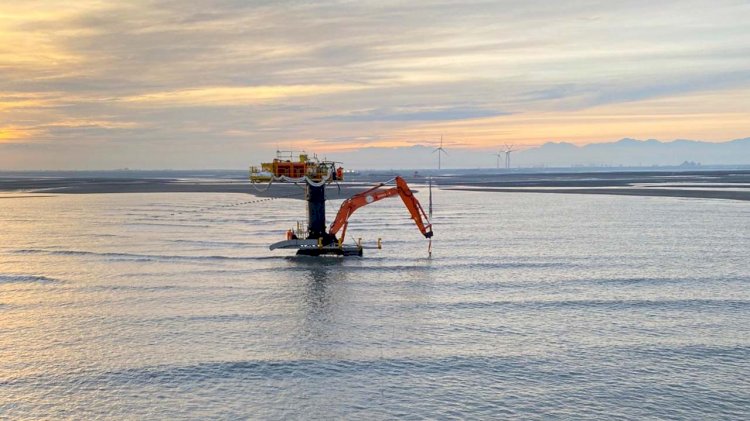
Due to the presence of a nearshore oyster farm and an important shipping lane in the trajectory of the subsea cables, these subsea cables must be buried 21 metres below the seabed. Therefore, Jan De Nul Group drilled four 1 km-long pipes by horizontal directional drilling (HDD) from offshore to the onshore junction box. The landfall works were executed by means of two of Jan De Nul’s Starfishes, trenching excavators, and with the support of Taiwan-based Hung Hua Construction.

Taiwan Power Company (TPC) awarded the ‘Offshore Windfarm Phase 1 Project – Demonstration’ contract to the Consortium Jan De Nul-Hitachi on 13 Feb 2018. The project entails the manufacturing and installation of 21 offshore wind turbines, each with a capacity of 5.2 MW.

Jan De Nul Group is responsible for the design, fabrication and installation of the foundations, the installation of the wind turbines, the supply and installation of the cables off- and onshore as well as upgrading an electrical substation. Hitachi Ltd. is in charge of manufacturing, assembly and other works related to the offshore wind turbines with downwind rotor. Particular feature of the design is that the foundations and wind turbines are designed to withstand cyclonic waves and winds, and earthquake loads. Subsequently, the Consortium is responsible over five years for the operation and maintenance (O&M) of the offshore wind farm.

Yinson strengthens partnership for FPSO Anna Nery project with “K” Line participation

0

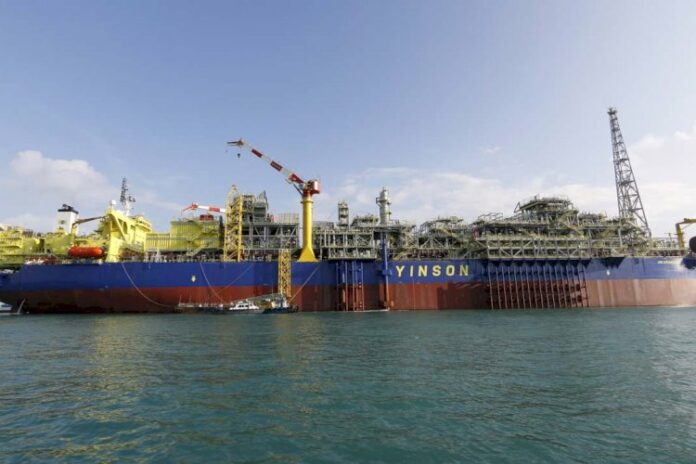
Yinson via its wholly owned subsidiary, Yinson Acacia Ltd has entered into an agreement with Kawasaki Kisen Kaisha, Ltd. (“”K” Line”) to own around a 10% stake in a joint participation for the charter, operations and maintenance of FPSO Anna Nery, a floating, production, storage and offloading (FPSO) vessel for the Marlim revitalisation project in Brazil.

The FPSO is planned to serve the Marlim oil and gas field revitalization project, which is operated by Petrobras and situated 150 kilometers off the Brazilian coast in the Campos Basin. Both entities which have entered into the time charter agreement and service agreement with Petrobras for the owning/chartering and operation/maintenance of the FPSO are currently co-owned by Yinson and Sumitomo. 

Completion of the transaction is subject to final acceptance of the FPSO as well as the FPSO achieving stable operations which is expected to be met in 2023.

This project represents “K” Line’s second FPSO business following the offshore Ghana oil and gas field development project based on the partnership with Yinson and Sumitomo, in which the company participated in 2018, and “K” Line will efficiently accumulate the knowledge and expertise of operation and maintenance of FPSO by dispatching its technical personnel to Yinson’s project team in Singapore from this year onwards.

Commenting on the Group’s business strategy, Yinson’s Group Executive Chairman Lim Han Weng said:

“The collaboration with “K” Line reaffirms the confidence that our partners have towards Yinson’s project execution and operational strength. Yinson and “K” Line have a strong relationship built on trust and cooperation seeing as they already hold an indirect equity stake in our FPSO John Agyekum Kufuor (“JAK”). Their investment into FPSO Anna Nery shows their continued confidence in our ability to deliver projects efficiently, and we are thankful and honoured for the opportunity to strengthen our existing partnership with yet another project”.

“K” Line is one of four partners including Sumitomo that make up the Japanese consortium who successfully acquired 26% equity interest in FPSO JAK in June 2018, a transaction that velocitised the value of the project for Yinson.

Conversion works on FPSO Anna Nery are progressing well, with its first steel cut carried out in April 2020, and the commencement of structural hull work. The project team is also making good progress with demolition works.

The estimated aggregate value of the FPSO Anna Nery project is USD5.4 billion, with a contract period of 25 years from the date of the final acceptance, with no options for extension thereafter.

Port of Rotterdam to start trial with PIN-free container handling

0

The project revolves around a new application, Secure Container Release, which replaces the PIN code with a digital signal: a solution that is significantly less susceptible to fraud. It is not only intended to make container handling more efficient, but also safer. Participants in the three-month trial include CMA-CGM, Hapag-Lloyd, MSC, ONE-Line, Hutchison Ports ECT Rotterdam, Rotterdam Fruit Wharf, Milestone Fresh, VTO, Portmade and the application developer T-Mining.

Every year, millions of containers are unloaded in the port of Rotterdam, from where they are forwarded to destinations in the hinterland. Collecting these containers in the port is a complicated process, during which shipping companies, freight forwarders, transport firms and terminals need to work closely together to ensure the swift and safe release of this freight. And as a procedure, it also entails a number of risks.

Emile Hoogsteden, Director of Commerce of the Port of Rotterdam Authority: ‘By taking advantage of new technologies, we can make our port operations smarter, swifter, more efficient and safer. The current pilot project is a good example. During this project, the different participants will be using a blockchain application that enables them to safely and efficiently organise the release procedure followed by the various parties in the chain.’

Drivers who plan to collect a specific container at the terminal need to have a valid pick-up right. This authorisation is issued by a shipping company. The freight forwarder subsequently orders a transport firm to retrieve the container at the terminal. In the existing arrangement, the pick-up right is confirmed to the terminal by means of a PIN code. This procedure requires a range of manual actions from a number of different parties. Any hitches or errors in the release process can lead to a waste of time, complaints and aggravation among clients and partners, as well as possible opportunities for fraud. The application tested in this trial could replace PIN-based authorisation altogether.

The current pilot project will be testing how best to improve the safety of the container release process throughout the chain, from the shipping company to the end user. The application is based on blockchain technology. In terms of safety, it can be compared with banking applications – ensuring that the data involved remains exceptionally secure.

During the pilot project, the pick-up rights for the import of containers will be converted from a PIN code into a digital token with the aid of a blockchain-based application. You could compare it to a relay race: the token is a kind of digital baton that smoothly passes from one party to the next. Blockchain technology prevents this authorisation from being stolen or copied along the way. This makes the release process safer for everyone in the chain who is involved in the process.

Moreover, the terminal operator can rest assured that the container has been released to the correct driver. After all, there’s only one valid token. Another advantage to this procedure is that it doesn’t reveal who has previously processed the token – meaning that third parties don’t have access to potentially confidential information about commercial relationships. In fact, even T-Mining, the Antwerp-based start-up responsible for developing this solution, won’t be able to review this information. T-Mining was selected for participation in the PortXL accelerator programme earlier this year, and is currently working together with companies in Rotterdam and the Port of Rotterdam Authority on the practical execution of this pilot project.

New Autonomous Guard Vessel concept design set to revolutionize offshore wind

0

The novel design is smaller and lighter than most current guard vessels used to protect offshore operations and boasts sustainable solutions as well as exploiting the benefits of autonomous shipping. In addition, the Autonomous Guard Vessel (AGV) is set to operate more efficiently as well as require lower operating costs due to no crew being required.

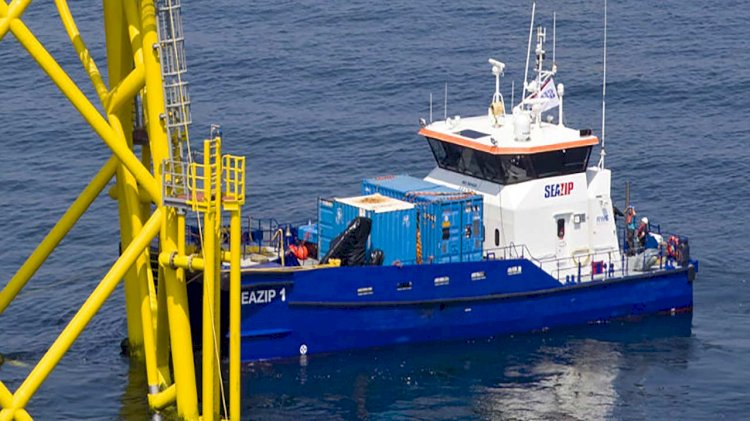
This clean and lean concept to replace conventional guard vessels came to life in a project group facilitated by LISA, a community for maritime professionals. The project group resulted in a consortium, which includes C-Job Naval Architects, SeaZip Offshore Service, Sea Machines and recently joined by MARIN and eL-Tec elektrotechniek BV. Their combined industry knowledge created this viable, innovative, and sustainable alternative which benefits both wind asset owners and guard vessel operators.

The Autonomous Guard Vessel is specifically designed for surveillance of offshore structures throughout their life cycle, ranging from wind farms to substation platforms and cable routes. With any area that needs to be secured, the AGV can continuously monitor nearby marine traffic visually as well as via radar and AIS data. With any vessel that approaches the area, measures will be taken to secure the area in order to avoid collisions and damage to the offshore infrastructure. An intruding vessel can be communicated with and will receive information on how to safely navigate the area as well as being physically escorted away from the site by the Autonomous Guard Vessel. Additionally, the encounter will be recorded to provide video footage in case of any violation or accident.

Pelle de Jong, Founding Partner LISA, explains:

“Guard vessels perform an essential job, however, it is not the most exciting one for crew. Combined with the fact that conventional guard vessels are mostly outdated and thus aren’t necessarily the most comfortable let alone sustainable, it can be difficult to find well-trained crew willing to do the job. The group set out to improve upon the overall process of securing an offshore area while incorporating sustainable solutions and reducing overall cost. By utilizing the knowledge we have as a group as well as the technology already available, we succeeded in creating a design which does this and more.”

Thanks to incorporating state-of-the-art technology, the Autonomous Guard Vessel does not require crew onboard the vessel.  Therefore, accommodations can be eliminated in the design, meaning the ship will be considerably smaller than existing guard vessels. The smaller size creates a number of opportunities, such as using batteries thanks to reduced propulsion requirements. Additionally, the reduced power and lack of onboard crew leads to lower operational costs.

Sustainability is key to ensure both the viability and durability of the design. Rolph Hijdra, Autonomous Research Lead at C-Job Naval Architects, says:

“We are pleased we were able to develop a battery-powered design, ensuring the Autonomous Guard Vessel is free of harmful emissions. Additionally, the ship has solar panels across the top which allows for the continuation of navigation and communications in case the batteries run out of power.
Contrary to current guard vessels, the AGV will continue to be operational even with rough sea conditions and have minimal underwater noise owing to the smaller size, reduced propulsion requirements and absence of a diesel engine.”

The Autonomous Guard Vessel will recharge its batteries via a charging station. The charging station can be moored independently or connected to existing equipment onsite. Depending on the situation, charging could either be via a cable connection to the on-site equipment such as an offshore transformer platform or locally generated using renewable fuels.

The consortium envisions an offshore site will need a number of Autonomous Guard Vessels, which can take turns in monitoring the area and recharging. Harm Mulder, Operations Manager at SeaZip Offshore Service, says:

“The Autonomous Guard Vessels will be constantly patrolling the area and take turns recharging. One fully charged AGV will remain on stand-by supporting operations if a situation arises. For example, when an intrusion is detected – one of the AGVs will monitor, warn, and escort the intruding ship to safety, while the others continue normal operations. Alternatively, it could take over from a monitoring vessel in case the battery runs out of power.”

While the consortium continues to work on the Autonomous Guard Vessel design, they have considered human intervention for the unmanned vessel. Conventional guard vessels patrolling offshore structures, from installation through to decommissioning, have few incidents that require intervention from those onboard the vessel. For those exceptional circumstances the Autonomous Guard Vessel, if human intervention would be required, will be connected to a Command Center which could control the AGV remotely to ensure correct action is taken. In addition, all data collected by the AGV will be send to the Command Center. This can be a standalone on a mother ship or a shore-based station.

Frank Relou, Business Development Manager at Sea Machines, says:

“Smart vessel technology will have the most significant initial impact on small workboats, such as this guard vessel. The development of autonomous technology for vessel operations are occurring on an international level but namely in niche segments, such as the guard vessel and other examples, currently operating in (with supervised autonomy), marine survey, fire, patrol, aquaculture and offshore wind operations.”