-7.1 C
New York
Home Blog Page 803

Diesel electric battery hybrid vessels: is it for every vessel?

0

In the face of increased environmental regulations, the marine industry is looking for technological ways to reduce its environmental impact. One such technology currently experiencing rapid growth is the integration of Lithium-ion batteries, to convert traditional diesel electric propulsion systems to diesel electric-hybrid power systems.

LOC’s Snr. Electrical Engineer and Consultant – Dr. Julius Partridge, discusses the advantages of battery hybrid technology for a more sustainable shipping environment, and for which types of vessels this provides a viable alternative fuel system. A diesel electric-hybrid system offers several potential advantages, including reduced fuel consumption and emissions, both locally and globally, and reduced operating hours for the diesel generators.

These benefits are made possible by the increased operating flexibility of the vessel’s power system and the ability to operate the diesel generators more efficiently. These factors can be summarised through the following functions: load levelling, peak shaving, spinning reserve, Anchor/Port hotel load and increases in the standby generator set point.

Fundamental properties of lithium battery technology support power system flexibility and explain why diesel electric hybrid vessels are seeing such growth and interest.

The lithium-ion battery’s ability to cycle through both charge and discharge may seem like a trivial action, but this property completely changes the dynamics of the power system. When you consider the rate of response of battery technology to changes in power demand and the availability of that power without needing to start machinery, the benefits of battery technology start to become apparent.

The best option in terms of system efficiency is a diesel electric-hybrid, combined with the development of DC (Direct Current) distribution systems. Whilst it is feasible to combine a battery with an AC distribution system, the efficiency of the battery charger, and thus the fuel and emissions savings, are greater for DC distribution systems.
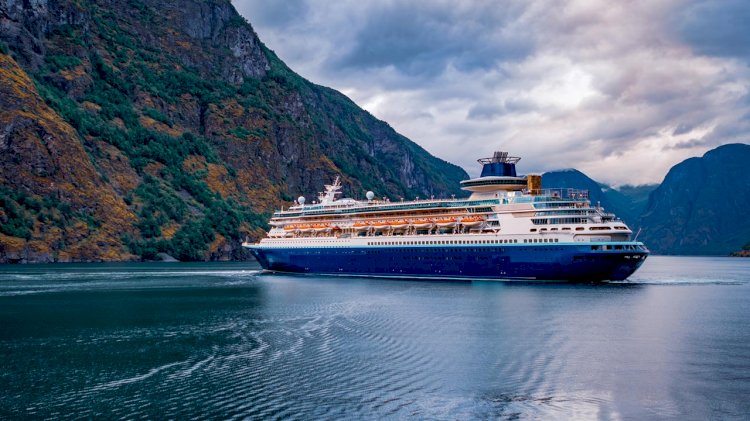
However, it should be noted that diesel electric-hybrid systems should not be considered a silver bullet for emissions reductions – the benefits depend heavily on the type of vessel and the application it is used for, though when applied to the right sort of vessel the benefits are clear. Operation in Dynamic Positioning (DP) is one mode of operation that offers considerable potential where the batteries can be utilised to reduce the number of generators required and improve the loading on the generators that are running.

Whilst battery technologies have been around for a significant period of time, the capital costs associated with battery systems have fallen dramatically in the last decade as a result of widespread deployment, particularly in the automotive market. These cost reductions have transferred into the marine market, making integration of battery systems onto vessels increasingly attractive.

In conclusion, deployment of diesel electric-hybrid power systems can bring economic and environmental benefits to the operation of a wide range of vessels. It is, however, important to acknowledge that this is dependent on the vessel type and operation of the vessel, where ocean going cargo or bulk carrier vessels are unlikely to yield significant economic or environmental savings.

In general, the greatest benefit is available to vessels that exhibit large variations in power demands and particularly those that operate for a considerable proportion of their operating time with low loaded generator sets. This could be true of a wide range of vessels such as OSV, PSV, coastal ferries, cruise ships and tugboats.
VARD secures second ABS Approval in Principle for VARD 4 19 service operations vessel

0

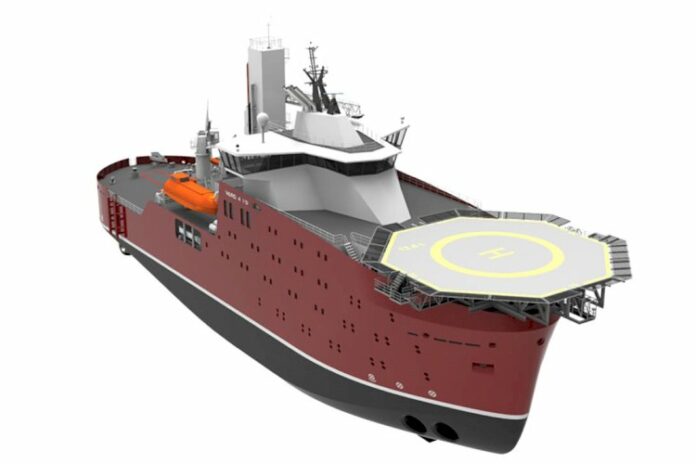
Vard Marine (VARD) shows again that it is dedicated to driving down risk to the end user and accelerating the design schedule for a new construction SOV, by continuing to independently invest resources in these Jones Act fit-for-purpose US SOV designs.

ABS has granted a second Approval in Principle (AIP) to VARD for a larger design variant of a Jones Act Service Operations Vessel (SOV).  The first ABS AIP was awarded to VARD during the 2019 International Workboat Show in New Orleans on the VARD 4 07 US SOV.  This was the first Jones Act SOV AIP awarded.

This recent AIP, which was awarded on June 19th, 2020, addresses a customized version of the VARD 4 19 US SOV design, with primary functions including accommodation, transferring technicians to installations as well as storing spare parts and tools for operations in US offshore wind farms.

VARD designed the vessel to be environmentally friendly with a focus on low fuel consumption and ease of construction. The design incorporates a state-of-the-art hull form designed for all weather conditions which, together with the specified propulsion configuration, offers economical steaming, enhanced seakeeping abilities, and excellent station keeping performance. The vessel is optimized to reduce motions and accelerations in all degrees of freedom with the aim to increase operability and comfort.

Darren Truelock, Vice President, Vard Marine Houston, said:

“We believe that the US Offshore Wind market holds several promising opportunities for US owners, designers & shipbuilders.  The US market seems to be moving quickly starting on the East Coast, so a purpose-built US Offshore Wind Jones Act fleet is inevitable.  This creates some challenges for US designers and shipbuilders since the necessary SOVs need to be under construction now to support the Developer’s schedules. Delivery schedules and price points over the next year will be tested and squeezed in order to bring the right vessels online at the right time and within budget.  VARD is focusing on the US SOV market since these vessels are within our expertise and we can leverage our extensive Jones Act knowledge of the US Offshore Service Vessel (OSV) market in addition to our existing relationships with shipbuilders and industry. It is with great enthusiasm that we continue to progress on this exciting new journey in the US.”

First finished-car logistics terminal in Japan operated by NYK

0

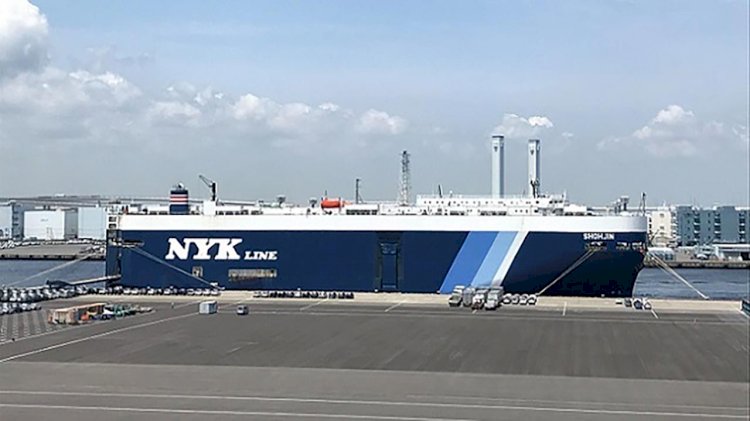
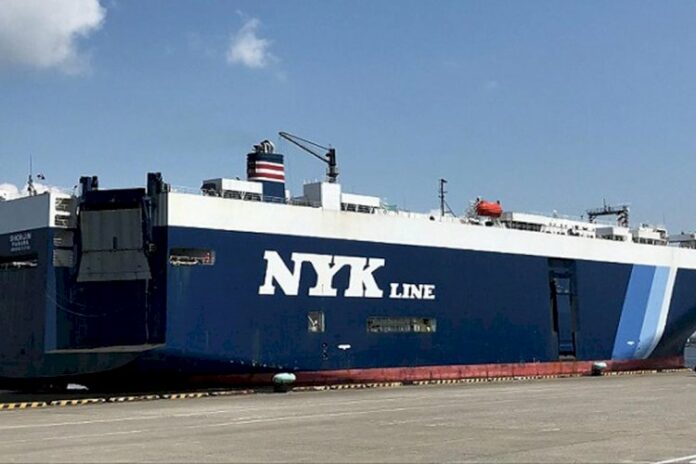
On August 4, NYK commenced operation of its first finished-car logistics terminal in Japan by welcoming NYK-operated Shohjin, the first pure car and truck carrier (PCTC) to visit the port.

The Yokohama Daikoku C-3 Terminal is a finished-car logistics terminal that NYK leases from the Yokohama Kawasaki International Port Corporation and operates at Yokohama port, one of the ports that handle the largest number of finished-cars in Japan.

This terminal offers cargo handling, storage, and transshipment services for the export and import of finished-cars and construction machinery. NYK plans to expand its services at this terminal by welcoming vessels other than those solely operated by NYK.

The terminal also aims to be an environmentally friendly terminal that is easy for stevedores to work at. For example, a stevedore rest area has been established on the site, and specialized LED lighting has been introduced for night harbor work.

In accordance with its new medium-term management plan “Staying Ahead 2022 with Digitalization and Green,” the NYK Group seeks to promote growth of the auto logistics business, which is one of the company’s stable-freight-rate businesses. At the same time, the NYK Group will seek to develop terminal operations that take ESGs and sustainability into consideration so as to provide value to customers, their employees, local communities, and other stakeholders.

Eight countries come together to align standards for autonomous ships

0

Representatives from flag, coastal and port authorities from China, Denmark, Finland, Japan, the Netherlands, Norway, Republic of Korea, and Singapore met at a virtual event on 4 August 2020 to launch the MASSPorts initiative.

The event was joined by representatives from the International Maritime Organization (IMO), International Association of Marine Aids to Navigation and Lighthouse Authorities (IALA), as well as International Association of Ports and Harbors (IAPH). 

MASSPorts is a network formed by like-minded states and organisations to address the challenges and achieve alignment of standards for the trials and operation of Maritime Autonomous Surface Ships (MASS) in ports. The network’s objectives are to:

  • Develop detailed guidelines and conditions for MASS trials in port – MASSPorts should endeavour to agree on conditions for MASS trials within their ports, which are in line with IMO’s interim guidelines for MASS trials.
  • Establish common terminology, form and standards of communication, ship reporting and data exchange to enhance inter-operability of systems across different ports – International transit of vessels involves calls at different ports where vessels interact with many stakeholders and systems. Vessels and ports must be equipped with infrastructure that have common terminology, form and standards for seamless operation.
  • Facilitate port-to-port MASS trials – Facilitate MASS trials to emulate the international nature of shipping with the objective of validating the proposed guidelines and conditions for MASS trials, and the inter-operability of port-based systems. This allows the network to identify and address additional challenges of operating MASS at various ports.

Ms Quah Ley Hoon, Chief Executive of the Maritime and Port Authority of Singapore, said:

“Autonomous navigation is an important part of our plans to be a future-ready port. We see MASS having the potential to enhance navigational safety and increase productivity. We are glad to work with like-minded international partners who are aligned in shaping the future of the international shipping.”

ADNOC and Wanhua form strategic shipping joint venture

0

ADNOC Logistics & Services (ADNOC L&S), the shipping and maritime logistics subsidiary of the Abu Dhabi National Oil Company (ADNOC), has announced the formation of a new strategic joint venture (JV) with Wanhua Chemical Group (Wanhua). The new company named AW Shipping Limited is incorporated in Abu Dhabi Global Market (ADGM) in the United Arab Emirates (UAE). 

This strategic JV agreement further strengthens the collaboration between ADNOC and Chinese companies and builds on the deep-rooted bilateral relations between China and the UAE. The JV underscores ADNOC’s focus on value-creating deals and will support the delivery of its 2030 smart growth strategy. 

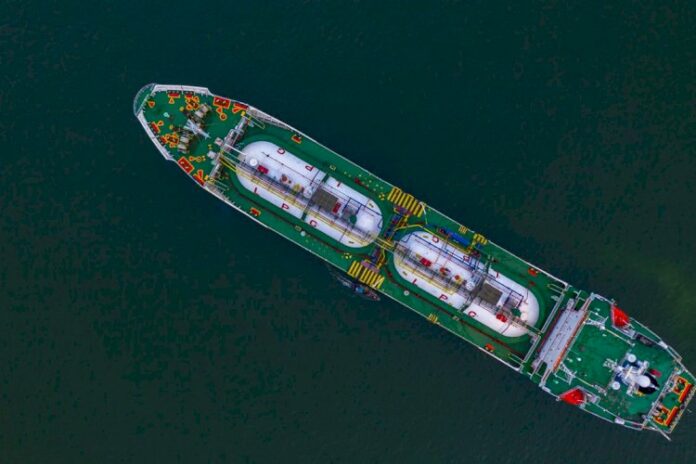
AW Shipping Limited (AW Shipping) will own and operate a fleet of very large gas carriers (VLGCs) and modern product tankers. The company will be responsible for transporting LPG cargoes and other petroleum products, sourced from the ADNOC Group and global suppliers, to Wanhua Group’s manufacturing bases in China and around the world. To deliver maximum fleet efficiency, the company may also pursue other market opportunities.

H.E. Dr. Sultan Ahmed Al Jaber, UAE Minister of Industry and Advanced Technology and ADNOC Group CEO, said:

“We are very pleased to establish this strategic joint venture with Wanhua Chemical Group. This creative win-win partnership strengthens our growing relationship and will deliver greater value and efficiency for both our organizations. Importantly, the JV further solidifies ADNOC L&S’ position as the largest, fully integrated logistics and shipping company in the UAE and paves the way for the transportation of greater LPG volumes to China, in line with market demand.

The establishment of AW Shipping supports ADNOC’s smart growth and value creation strategy and is another example of how ADNOC is stretching the margin from every molecule that we produce, refine, ship and sell, while also forging stronger partnerships in key growth markets.” 

The formation of AW Shipping follows a 10-year liquefied petroleum gas (LPG) supply contract signed between ADNOC and Wanhua in November 2018.  

ADNOC L&S is a crucial enabler in the ADNOC value chain, delivering oil, gas, and petroleum products to customers across the world. It owns and operates the UAE’s largest shipping fleet, which it expects to grow further in the coming years as ADNOC increases its upstream and downstream production capacity, and enters into trading. 

Mr. Liao Zengtai, Chairman of Wanhua Chemical Group, said:

“We are very glad that joint venture has been established with the concerted efforts of both parties. The new company will strengthen the strategic cooperation between ADNOC and Wanhua and will also ensure the stable supply of LPG cargoes and other petroleum products for Wanhua system. More importantly, the cooperation will make contribution to the “One Belt, One Road” project.”

Bakker Sliedrecht supplies condition monitoring system to CCCC GDC

0

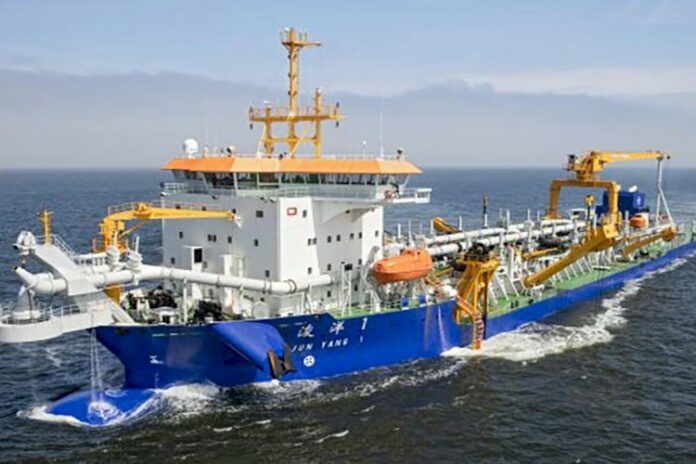
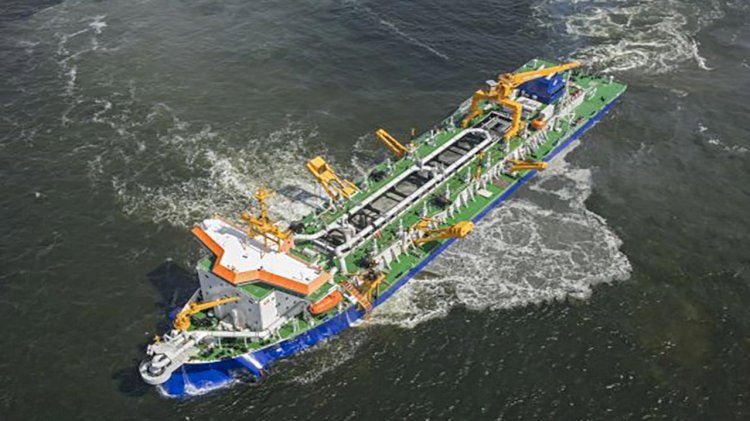
Bakker Sliedrecht will supply its innovative condition monitoring system for measuring vibration of bearings in submersible motors to trailing suction hopper dredger Jun Yang 1, the largest trailing suction hopper dredger in China at the moment. Condition monitoring is a way to improve the preventive maintenance of the motor. Analysing deviations makes it possible to plan maintenance better and early action can be taken in case of malfunctions.

The Dutch system integrator has signed a contract with CCCC Guangzhou Dredging Company (GDC) for the project. The condition monitoring system is engineered in Sliedrecht and installed on site by sister company Bakker Zhangzhou.

The vessel can operate at great depths under severe conditions by the submersible pumps on the suction tube, which are equipped with oil-filled low-speed submersible motors, supplied by Bakker Sliedrecht. The system integrator from Sliedrecht has developed the system to measure the vibrations of the bearings in the motors. Bakker will install new sensors for this purpose that measure the bearings in order to collect and store data. That data is analysed through algorithms, so potential problems and deviations in behaviour or condition are immediately visible. 

Technology manager Arend van der Velde and account manager Wim Verlek of Bakker Sliedrecht say:

“If you see something deteriorating in the motor or the bearings, you can intervene immediately to avoid damage. In addition, this system makes maintenance more plannable and predictive. Without the submersible motors, the ship cannot do its job, so if the bearings have to be replaced, the ship will be out of service. That costs a lot of money. This downtime can be prevented or limited with this system.”

Bakker Sliedrecht collects and analyses all data and sends GDC semi-annual reports on the general condition of the motor. In addition, a dashboard will be installed on board showing the status of the motors. The dashboard also sounds the alarm when the system detects an error.

Except for measuring vibrations in the bearings, the technique is further developed within the internal innovation program. By expanding the system with more sensors, it can collect and analyse data about the temperature in the engines, the oil pressure or the engine power. The drive supplied by Bakker Sliedrecht and the frequency inverter of the submersible motors can also be monitored. 

Van der Velde and Verlek say:

“Our goal is to eventually integrate the entire electric train into the system, so that we can intervene early anywhere. Due to the current global market developments, you can see that the movement towards predictive maintenance is accelerating. Bakker responds to this with new maintenance concepts and condition monitoring.”

The monitoring system can either be added to existing submersible motors or supplied as standard with new motors.

MOL introduces virtual ship visit application ‘Fleet Tour’

0

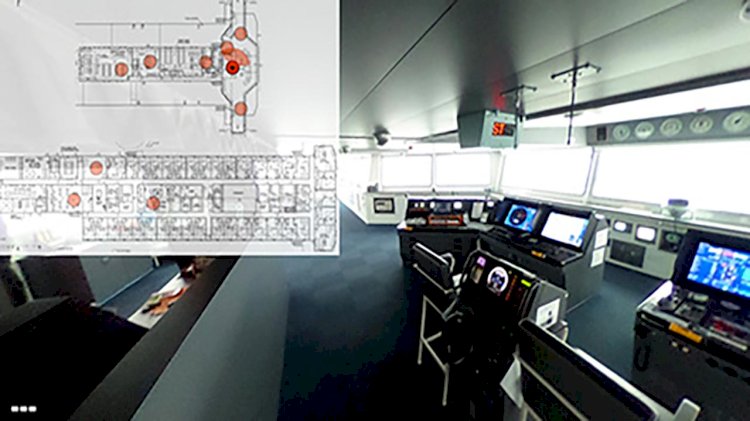
Mitsui O.S.K. Lines has announced the release of the “Fleet Tour” virtual ship visit application using the Ricoh Theta, a 360-degree camera and the Theta 360.biz a virtual tour production service, both from Ricoh Company. This is part Ⅲ of the FOCUS Project, following the “Fleet Viewer” application, which monitors vessel operation data, and “Fleet Performance” application that tracks vessel performance.

Ship management companies and operators can browse 360-degree onboard images and videos from anywhere using PCs and smart phones, and intuitively experience various places on the ship as if they were visiting in person.

MOL Ship Management Co., Ltd., an MOL Group core dry bulkship management company, has already adopted the application, in move to enhance the quality of their ship management services.

The MOL Group works to enhance safe operation by comparing fixed points in important areas such as the deck, cargo holds, and the engine room, and horizontally developing group-wide expertise and marine engineering know-how through addition of special notes on photographic images, in cooperation with MOLSHIP and other ship management companies that are familiar onboard operations and procedures.

MOL Group land-based employees have limited opportunities to visit all areas onboard giant vessels over 300m long, especially in relatively short in-person visits. This makes it hard to intuitively grasp the ship structure through drawings and conventional planar images. But the “Fleet Tour” application addresses such issues. In addition, the MOL Group expects this to be particularly effective as an ICT-based approach to vessel inspection, considering the difficulty of conducting in-person ship visits during the COVID-19 pandemic.

Through the FOCUS project, MOL continually strives to expand the development and adoption of applications that use in-service fleet operation data, with the aim of creating applications that grow along with users’ needs. The company seeks to offer stress-free transport services with greater safety and reduced environmental impact.

Port of Baltimore strings cyber security through a federal grant

0

The Maryland Department of Transportation Maryland Port Administration (MDOT MPA) was awarded $1,158,589 in the most recent round of the Federal Emergency Management Agency’s (FEMA) Port Security Grant Program. The funding is designated to strengthen cyber security initiatives and closedcircuit television (CCTV) capabilities at the state-owned, public marine terminals of the Helen Delich Bentley Port of Baltimore.

Governor Larry Hogan said:

“Throughout the COVID-19 pandemic, the dedicated employees at the Port of Baltimore have continued to welcome the ships that maintain our supply chain and keep shelves stocked across our state. Our world-class Port is already among the most secure in the United States, and this funding supports our commitment to protect Port employees and the cargo that travels in and out of Maryland.”

For 11 consecutive years, the Port of Baltimore’s public marine terminals have received a top rating on an annual security assessment conducted by the U.S. Coast Guard. The Port of Baltimore was also recognized earlier this year by Security magazine in its listing of top U.S. sea and airports for ongoing security programs and initiatives.

MDOT Transportation Secretary Greg Slater said:

“Security is an essential part of day-to-day operations at the Port of Baltimore, and is critical for our workers and customers. Maryland’s recovery will depend on a vibrant port, and our focus on security gives clients confidence that Maryland is not only open for business, but is a secure place to conduct business.”

MDOT MPA Executive Director Bill Doyle said:

“The Port of Baltimore already has a stellar reputation in the maritime industry for its security program, and this grant will help us make it even better. This grant reflects FEMA’s confidence in our security initiatives, and we appreciate that support.”

Stena Line starts a new freight focused Baltic connection

0

From 13 August ferry company Stena Line will start a new freight focused connection between Latvia, Sweden and Germany by adding a port-call in Karlskrona on the existing ferry route between Liepaja and Travemünde.

Ferry company Stena Line today offer seven routes in the Baltic Sea for freight and passenger transportation. As an additional service to freight customers a port-call in Karlskrona on the existing route between Liepaja and Travemünde will be added starting August 13. This will enable more effective trade and transport opportunities between the Baltic countries and southern Scandinavia.

Erik Thulin, Trade Director Baltic Sea North, says:

“We see an increasing demand for sea transportation in the Baltic region. This is an expansive region where Stena Line already has a strong presence and we are pleased to expand our customer offering. Our intention is to increase the frequency and capacity even further going forward.”

The route between Liepaja and Travemünde is operated by the two Danish flagged RoPax vessels Stena Gothica and Urd, both 171 meter long with a freight capacity of 1,600 lane meters. The new weekly port-call in Karlskrona will initially be in the direction Liepaja-Travemünde on Thursday evenings.

Niclas Mårtensson, CEO Stena Line, says:

”This is an exciting addition to our operations and service to our customers. We are strengthening our position as Europe’s leading ferry company and respond to the increased market demand in the Baltic Sea.”

Intellian launches the latest addition to its next generation GX range of antennas

0

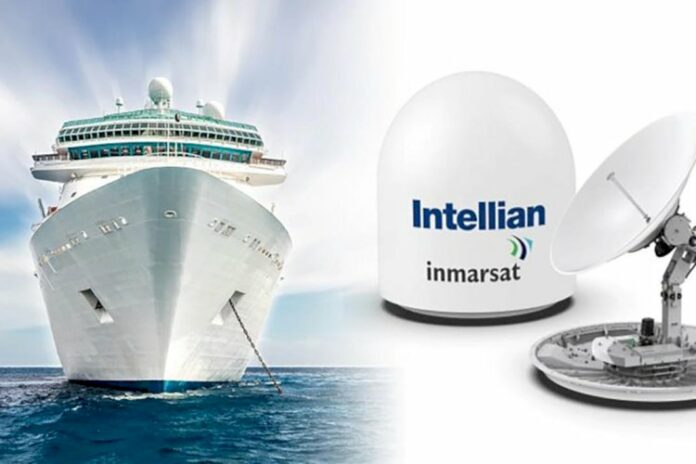
Intellian has launched the latest addition to its next generation GX range of antennas: the GX60NX, designed specifically and now type approved for use with Inmarsat’s Global Xpress Ka-band VSAT network. This 65cm terminal, the smallest in the range, completes Intellian’s GX portfolio and brings the benefits of its market leading NX antennas to all vessels using Inmarsat’s Fleet Xpress service for reliable, fast connectivity at sea.

Thanks to its compact size and light weight, the GX60NX is ideally suited to smaller commercial vessels, where space is at a premium but the benefits offered by the latest technology are still required. The new form factor supports customers across all markets, including leisure and fishing.

The Below Deck Terminal (BDT), single cable antenna connection and AptusNX control software are identical to those used for the larger GX100NX, which is already approved. This allows ship management companies and ship owners to benefit from the ability to work with a standard platform across diverse fleets.

Inmarsat’s wholesale channel will benefit from the modem and mediator being built into the BDT, simplifying installation and allowing dual antenna systems to be easily configured with just the addition of a second NX antenna and Antenna Control Unit (ACU). The GX60NX is 2.5GHz Wideband Ka ready, and the BUC is easily upgraded from 5W to 10W if increased upload performance is required. This simplicity and flexibility will allow customers to immediately take advantage of future enhancements – including increased coverage and bandwidth afforded by Inmarsat’s rapid network expansion as new satellites are launched – as well as making full use of the market-leading services available today.

Ronald Spithout, President, Inmarsat Maritime, said:

“We are delighted that the GX60NX has been type approved and is ready for use for our channel partners with Fleet Xpress. This reinforces our close and innovative partnership with Intellian. We now have more than 9,000 vessels using the service and we are seeing an increase in demand for digital and crew services, which is why we are launching a further seven satellites in the next three years.”

Intellian’s NX Series antennas share a host of features which set them apart from the competition. Designed with ease of installation in mind, the antennas come with pre-slung lifting straps in compact shipping crates, have no shipping brackets requiring removal and are terminated externally using a single coaxial cable to carry power, Tx and Rx signals, avoiding the need for the installer to remove the dome. Intellian’s innovative AptusNX software makes commissioning straightforward via a built-in wizard, and facilitates both remote and local diagnostics with health reports for the antenna systems and sensors.

Eric Sung, CEO of Intellian, commented:

“We’re delighted to introduce the GX60NX antenna, completing our GX NX portfolio and bringing the benefits of our future-proof, user-friendly antennas to our valued customers in the small commercial, leisure and fishing markets. The integration of our market-leading technology with Inmarsat’s global network provides a seamless route to connectivity, whatever the needs of your business.”

The GX60NX will be commercially available in August, initially for Inmarsat’s wholesale partners.