5.7 C
New York
Home Blog Page 8

Breaking the ice: divers head beneath UK’s polar research ship in Antarctic sea ice mission

0

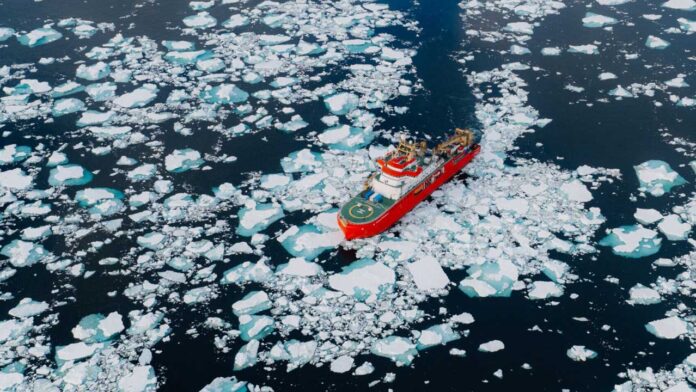
Specialist divers will be entering the icy waters of the Weddell Sea, Antarctica this festive season (22-29 December) as part of a groundbreaking mission to test RRS Sir David Attenborough’s (SDA) ability to navigate through challenging sea ice conditions.

Entering the water via a tethered cage lowered directly over the ship’s stern, the divers will deploy twice a day beneath the UK’s state-of-the-art polar research ship. They’ll be retrieving groundbreaking measurements of how the vessel’s propellers interact with sea ice – using instrumentation deployed in the Antarctic for only the second time.

The SDA made its maiden voyage to Antarctica in 2021 and has completed several important science expeditions since then. While it’s already shown its capability to break through sea ice, these trials will test the ship’s performance in specific ice conditions. Importantly, the results of this mission will mark a significant advancement in understanding how polar research vessels cope with sea ice and, importantly, make a significant contribution to maritime safety in polar environments.
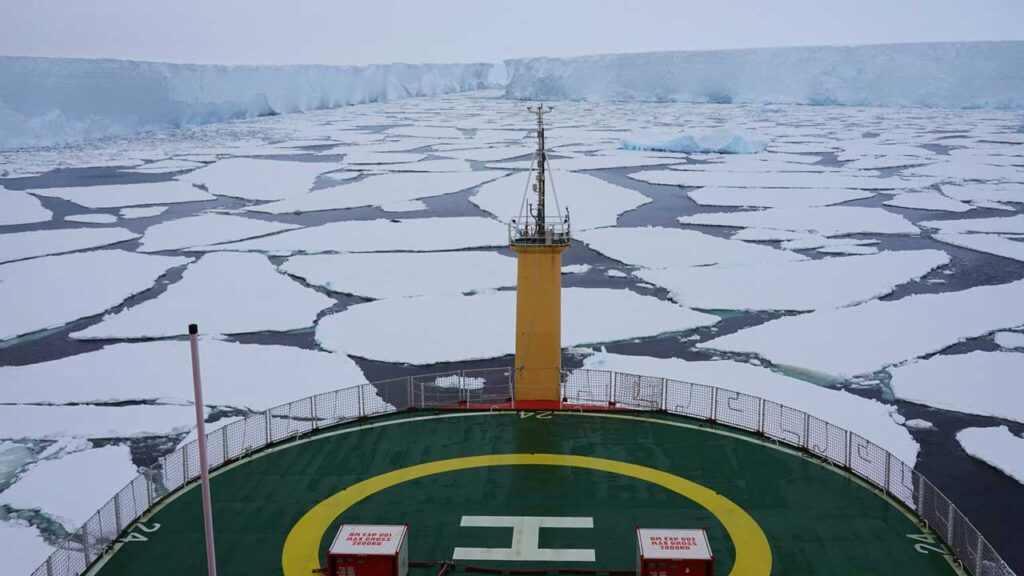
Central to the ice trials is an instrumented propeller blade that will record the forces and loads experienced by the propellers as the ice flows under the ship. The instruments have a limited battery life , requiring divers to deploy beneath the vessel twice daily – typically morning and evening – to download data and recharge the instruments.

The ship will be put through its paces in two distinct types of ice: level fast ice – ice that is attached to the coast and stationary – and large ice floes containing pressure ridges. These ridges form when the floes are pushed together by wind and ocean currents. Understanding how the vessel responds to these features is crucial for determining its operational limitations.

Each testing sequence follows a carefully choreographed pattern. For level fast ice, the ship will drive through the ice, recording data as it goes. Teams will then be lowered onto the ice to measure its properties – including thickness, salinity, temperature – and collect ice cores which can be tested for crushing strength. To test the ship’s performance in the ice ridges, the team will take ice measurements before the vessel breaks through. The ship will then move through the ice ridge, again collecting data on the how the propellers are affected.

The trials also include turning manoeuvres in pack ice and ‘glancing impact’ tests, where the ship drives at an angle into the edge of an ice floe whilst sensors record the pressure on the hull.

The data collected by the instrumented propeller, combined with measurements from strain gauges on propeller shafts, borescopes (which will capture photos and video of the ice moving under the ship) and pressure sensors on the hull, will provide unprecedented insight into ship-ice interactions.

Dive operations also form a critical component of the testing programme. A diver will be deployed under the ship twice a day to download the data and to recharge the propellor instruments.

The trials will focus on areas around James Ross Island and the eastern Antarctic Peninsula.

The results could have implications for the ship’s scientific programme, potentially enabling operations in ice conditions previously considered too challenging. The data will also help optimise engine performance, with potential benefits for fuel efficiency and carbon emissions.

Photos of dive operations will be available from 30 December 2025.
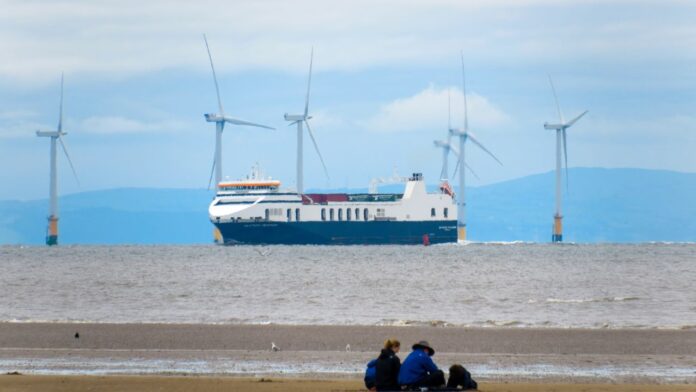
RWE to sell Polish offshore wind development project to PGE

0

RWE has signed an agreement with PGE for the sale of its F.E.W. Baltic II offshore wind development project in the Polish Baltic Sea.

The wind farm has a planned capacity of 350 megawatts and will be located approximately 50 kilometres from shore, north of the Polish town of Ustka. The transaction is expected to be closed in the first quarter of 2026. The parties already completed the transfer of an Environmental Decision and related data for the adjacent wind development site 44.E.1. to PGE.

Today, RWE already operates onshore wind and solar farms with a combined capacity of more than 660 megawatts in Poland.

Sven Utermöhlen, Chief Executive Officer RWE Offshore Wind: “We are convinced that, in synergy with their other portfolio, PGE is better positioned to realise this project than RWE would be on a standalone basis. However, our target to further grow our offshore wind portfolio remains unchanged. We are currently building four large-scale offshore wind farms in four European countries and have several further offshore projects under development.”

The company currently operates 19 offshore wind farms in five countries with a total installed capacity of 6.2 gigawatts (GW) – RWE’s share in these projects amounts to 3.3 GW. Furthermore, RWE currently has four offshore wind projects under construction in four countries: Sofia off the coast of northern England, Thor in Denmark, OranjeWind off the Dutch coast and Nordseecluster north of the German island of Juist. Once completed, these projects will have a combined generation capacity of 4.8 GW, with RWE’s share amounting to 3.1 GW.

Ukraine’s Defense Forces strike Russian naval drone base in Crimea

0
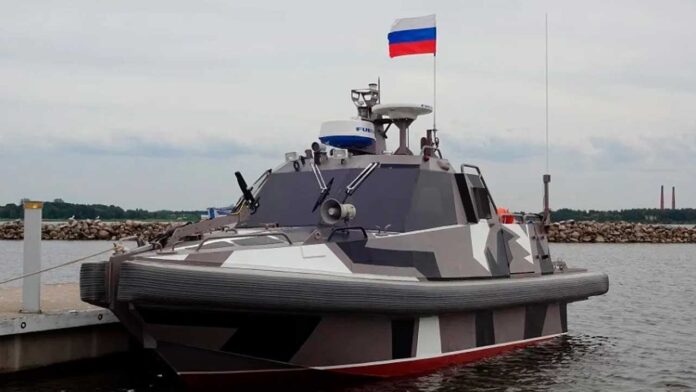
Unmanned vessel Iskatel. Photo from open sources

On the night of December 24, Ukraine’s Defense Forces struck a Russian storage and maintenance site for unmanned vessels in the Myrne area of the temporarily occupied Crimean Peninsula.

The General Staff of the Armed Forces of Ukraine reported the attack.

It is not specified what exactly caused the damage, but the strike used a domestic missile to hit a storage site for the Dnipro River Flotilla’s floating fleet, the model of which was not disclosed.

The Russians are actively developing their unmanned surface forces and have already used them against Ukraine’s Defense Forces.

In 2023, they attacked a bridge in the Gulf of Odessa region, and this year they struck the Navy reconnaissance ship Simferopol.

“The destruction of this facility is considered part of efforts to counter Russian naval drones, which the Russian Federation uses for reconnaissance, sabotage, and attempted strikes in the Black Sea,” the General Staff said.

They emphasized that storage, training, and technical maintenance areas for unmanned systems are a critical link in their operational use. They added that destroying these sites would complicate the enemy’s further deployment of naval drones.

Other strikes on the same night targeted key elements of Russia’s military-economic potential.

In the city of Yefremov, the Yefremov Synthetic Rubber Plant, which produces components for plastic explosives and solid rocket fuel, was hit. Explosions and a large-scale fire were reported; the extent of the damage is being assessed.

A regimental-level material and technical equipment warehouse in Dovzhansk, in the temporarily occupied Luhansk region, was also struck.

Additional attacks targeted individual air defense positions and concentrations of enemy personnel in Ukrainian territory.

Source: militarnyi

EcoLog continues development of liquid hydrogen import terminal

0

EcoLog has signed an agreement in Tokyo with a group of technology partners that will supply equipment for both the future import terminal and the vessels that will transport the hydrogen.

The signing took place in the presence of the Ambassador of the Kingdom of the Netherlands to Japan, H.E. Gilles Beschoor Plug.

The consortium partners – Ebara Corporation, Fukui Seisakusho, Kobe Steel and TB Global Technologies – will provide equipment and technical solutions for EcoLog’s liquid hydrogen vessels as well as for the planned import terminal in Amsterdam.

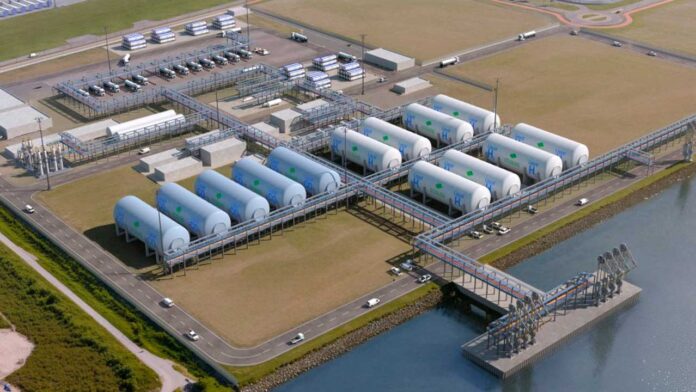
In close cooperation with Port of Amsterdam, EcoLog is developing a terminal for the import of liquid hydrogen (LH₂) and the export of liquid CO₂ (LCO₂) in the Afrikahaven. It will be the first terminal of this scale worldwide. The terminal is expected to become operational around 2030 and, in its initial phase, will have an annual throughput capacity of 200,000 tonnes of liquid hydrogen and 1.8 million tonnes of liquid CO₂.

Liquid hydrogen can be transported efficiently and safely via pipelines, inland shipping, rail and road. Through the Amsterdam terminal, hydrogen can be supplied to customers in the region, elsewhere in the Netherlands and in Germany, for use in sectors such as industry, mobility, shipping and aviation.

Alongside the development of the terminal, EcoLog is also working on specialised vessels for the transport of liquid hydrogen. Both maritime transport and terminal operations require highly specialised equipment. EcoLog has therefore entered into a framework agreement with its partners to jointly develop and integrate this equipment into the vessels and the terminal.

This includes, among other things:

  • pumps for loading and unloading liquid hydrogen;
  • safety relief valves to reduce tank pressure in emergency situations;
  • heat exchangers to convert liquid hydrogen into gaseous form, enabling onward transport via pipelines after arrival;
  • so-called marine loading arms for the safe loading and unloading of vessels.

By working together on an integrated solution for vessels and terminal, the realisation of the import corridor moves a step closer. In the coming period, EcoLog will continue to work on the detailed design of the terminal and the permitting process. Based on the current planning, the company is working towards realisation of the terminal in 2030.

The import of green hydrogen is essential for the development of the European hydrogen economy and for the decarbonisation of industry. In the Netherlands, there is insufficient space and capacity to produce all the green hydrogen required domestically. Imports from other regions are therefore necessary.

Earlier this year, an agreement was signed with partners from Oman, Germany and the Netherlands to enable the import of liquid hydrogen. The development of the terminal in the Port of Amsterdam aligns with this international cooperation and with the broader ambition to supply North-West Europe with green hydrogen.

Oily slicks and dead birds found on beaches in Ukraine after Russian drone attacks

0

Oily slicks and dead birds have been found on the beaches in Odesa. Relevant services are working at the scene. Experts are working to determine their size.

Vladislav Balinsky, head of the Green Leaf NGO, said:

“The beaches of Otrada and Lanzheron were the most affected – they are covered with an oily film. There are dozens of dead birds on the shore, mostly Lesser White-fronted Geese.”

The disaster was caused by missile and drone strikes on the Allseeds terminal.

A fire broke out in the Pivdennyi port in Odesa region on December 22 as a result of a Russian army strike on the region, setting about 30 containers of flour and vegetable oil on fire.

Oil tanks were damaged, and open sources report that thousands of tons of oil were spilled. Balinsky emphasized that attacks on civilian infrastructure, including ports and terminals, systematically create large-scale environmental risks. The Gulf of Odesa, as a natural “trap” for the surface film, keeps the pollution on the coast, making it difficult to eliminate it. Even with variable winds, the film will remain within the bay, and contaminated areas can expand along the coast. Balinsky advised urgently assessing the risks of oil entering the Kuyalnik estuary and, if necessary, shutting off the seawater supply.

The ecologist warned that the consequences for the ecosystem, the city, and the economy will be significant and will last for a long time. This is not an accidental incident, but a predictable result of Russian strikes on civilian infrastructure.

According to Odesa Oblast Governor Oleh Kiper, for the first two days after the strike, the Pivdennyi port was under continuous enemy shelling, so spill localization efforts could only be carried out partially – exclusively during breaks between air raid alerts and with strict adherence to all safety requirements for personnel. During this period, specialists gradually installed boom barriers. Immediately after the pollution was detected, all relevant services were promptly involved in eliminating the consequences.

According to him, to prevent further spread of pollution, the port channel has been blocked by two layers of boom barriers by the forces of the Pivdennyi Sea Port Administration. Specialized fleet and vessels for collecting pollution from the water surface are involved in the work.

“The waters of the Pivdennyi port are temporarily closed until the complete elimination of the consequences of the vegetable oil spill. A final assessment will be provided after the complete localization of the consequences,” the head of the Odesa Regional Military Administration stated, adding: “We specifically emphasize: this concerns vegetable (sunflower) oil – an organic substance that undergoes natural biological decomposition”.

After all circumstances are established, the damage caused to the environment will be calculated. Based on the results of the calculations, engineering and environmental expert examinations are planned, the Odesa Regional Prosecutor’s Office noted.

Currently, the Odesa Zoo has taken in birds for rehabilitation that were affected by the oil entering the water.

Sources: NV, UNN

MSC Magnifica completes a major refurbishment at Palumbo Malta Shipyard

0

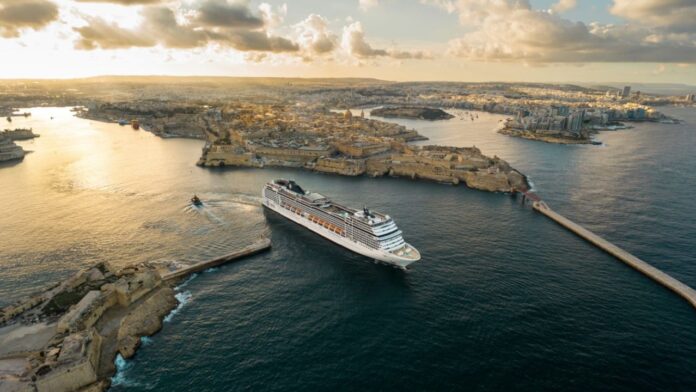
MSC Cruises has completed a major refurbishment of MSC Magnifica at the Palumbo Malta Shipyard, marking the start of her winter sailings in the Mediterranean ahead of the 2026 MSC World Cruise.

Guests can now enjoy a range of brand-new, state-of-the-art facilities, including two new speciality dining venues along with a redesigned MSC Aurea Spa and fitness centre.

The ship, which has been in service since 2010, has spent the past two months at dry dock at Palumbo Malta Shipyard in Malta undergoing one of the largest upgrades in MSC Cruises’ fleet in the past decade.

MSC Magnifica is now sailing in the Mediterranean before departing on a 132-day World Cruise in January 2026. In Summer 2026, she will then sail from Warnemünde, Germany, through Northern Europe from May visiting the Baltic Capitals and Norwegian fjords, before returning to the Mediterranean later in the year. In 2027, MSC Magnifica will embark on her next MSC World Cruise — a 121-night journey visiting 45 destinations across 25 countries, marking the debut of the MSC Yacht Club on a World Cruise.

Sister ship MSC Poesia will enter dry dock at the same shipyard in February 2026 for similar upgrades, including the MSC Yacht Club with 69 suites, an All-Stars Sports Bar, and the same speciality restaurants, spa, and gym enhancements. She will rejoin the fleet in time for her Alaska debut in May 2026.

MOL wins AiP for designs of cable jointing/burial vessels

0

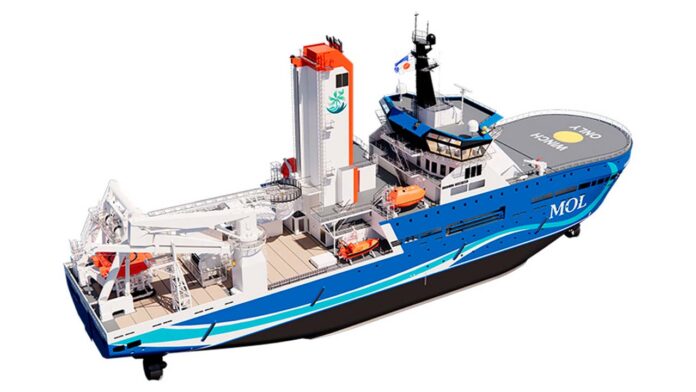
MOL has obtained approval in principle from Nippon Kaiji Kyokai for the basic design of specialized vessels to joint and bury subsea power cables

Power transmission lines must be reinforced to deliver electricity from wind power generation sites, such as those in Hokkaido, to distant major consumption centers.

Long-distance subsea DC transmission is regarded as a promising solution for efficiently transmitting large volumes of power, and it is considered effective not only for power grid development but also for offshore wind power generation. MOL is working with Sumitomo Electric Industries, Ltd., Furukawa Electric Co., Ltd., and Nippon Yusen Kabushiki Kaisha (NYK Line) to develop fundamental technologies-including a new type of cable-laying vessel-as part of a project subsidized by the Japanese government’s New Energy and Industrial Technology Development Organization (NEDO).

One of MOL’s roles in this project is to develop technologies for cable jointing and burial vessels, and acquisition of AiP from ClassNK represents a major milestone.

The MOL Group identifies offshore wind power as a key business segment in its “BLUE ACTION 2035” management plan. By developing vessels for subsea power cables, the group aims to contribute to the expansion of renewable energy and the realization of a decarbonized society.

MSC Cruises and MEYER WERFT sign agreement for six next-generation cruise vessels

0

MSC Cruises has announced a major new order for four next-generation cruise vessels and two additional options from MEYER WERFT in Papenburg marking the launch of its new “New Frontier” platform – a brand-new class of ships. The order will secure full capacity at the shipyard well into the next decade.

The announcement was made at the Federal Ministry for Economic Affairs and Energy in Berlin by Federal Minister for Economic Affairs Katherina Reiche and Energy Minister-President Lower Saxony, Olaf Lies, MSC Cruises’ Executive Chairman Pierfrancesco Vago and MEYER WERFT’s CEO Dr. Bernd Eikens.

Pierfrancesco Vago, Executive Chairman of MSC Cruises, said: “The New Frontier class will enable us to design new and exclusive itineraries, offer exceptional guest experience and will feature next-generation environmental technologies that will advance our net-zero 2050 commitment.”

Dr. Bernd Eikens, CEO of MEYER WERFT said: “This new order marks a significant milestone in the 230-year history of MEYER WERFT. We are delighted to welcome MSC Cruises as a new customer and strategic partner, and we are truly honored by the trust they have placed in us. This long-term partnership with MSC Cruises ensures sustainable growth and job security for many years to come. Today is a truly positive and significant day for everyone at MEYER WERFT—our employees and our partners alike.”

With a maximum passenger capacity of 5,400 and approximately 180,000 gross tons, the “New Frontier” ships will be delivered annually starting in 2030.

This order secures thousands of jobs in Germany, particularly in Lower Saxony and Papenburg, where MEYER WERFT is a cornerstone employer and sustains work for the shipyard’s extensive supplier network. More than 3,200 people are directly employed at MEYER WERFT, with over 20,000 jobs in the wider region linked to its operations.

Katherina Reiche, Federal Minister for Economic Affairs and Energy:

“The contract awarded by MSC Cruises marks a decisive breakthrough for Meyer Werft. In economically challenging times, leadership, a focus on results and decisive action are needed. This is precisely what the partners involved have demonstrated. This deal stands for sustainability, innovative strength, international trust and the continuation of outstanding engineering in Germany.”

Olaf Lies, Minister President of Lower Saxony:

„The past few years have been a time of great uncertainty and profound change for Meyer Werft — with the acquisition by the State of Lower Saxony and the Federal Government, and together with management and the workforce, we have stabilized the yard and laid the foundation for a long-term future. With today’s signing of the Term Sheet, we are taking the next step: reliability for the yard and its employees, and a boost for the region. With four ships and an option for two more, this strategy will keep the yard at full capacity through 2035. The restructuring path is taking hold — competitiveness has returned, bringing real prospects for more than 22,000 jobs along the entire maritime value chain. This agreement is more than a formal act — it is a strong signal to the people across the wider Papenburg region and to the more than 1,800 suppliers whose know-how forms our maritime backbone. Together with MSC as an international and reliable partner, we are shaping the next generation of cruise ships — technologically leading, environmentally responsible, and built to the highest standards — thereby strengthening Lower Saxony, German shipbuilding, and Europe’s maritime strength.”

DFDS extends space charter agreement with CLdN

0

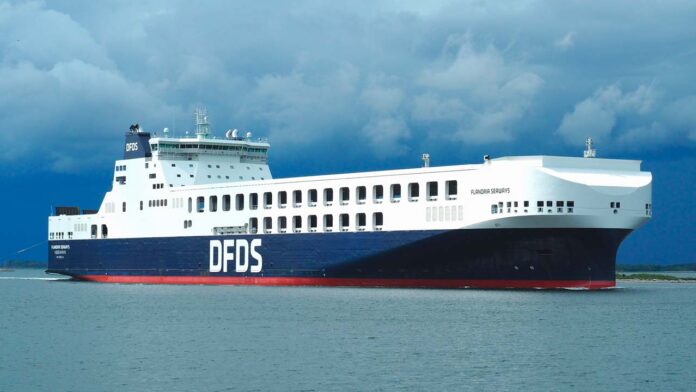
DFDS and CLdN have agreed to extend their space charter agreement on the Zeebrugge-Gothenburg route for an additional five years, while increasing freight capacity. This will enable both companies to better serve customer demand and continue to develop the route and reduce the environmental impact.

To strengthen trade links between Scandinavia and Western Europe, DFDS and CLdN are extending the space charter agreement to provide enhanced freight services to and from Zeebrugge, Belgium and Gothenburg, Sweden. Freight customers will benefit from frequent services, with four weekly departures in each direction.

Together, DFDS and CLdN operate two freight ferries on the route. Under the new agreement, freight capacity will increase by adding more lane metres, improved flexibility and offering a connection designed to fit all cargo types, including automotive, industrial and bulk liquids.

The route offers a fast and reliable alternative to road and rail, helping customers avoid frequent congestion on northbound and southbound networks, while lowering the WtW CO2e emissions per unit transported.

“The extended agreement and increased capacity enable us to enhance our Zeebrugge–Gothenburg offering, particularly for industrial solutions. With strong terminal infrastructure at both ends and seamless access to inland distribution, we can deliver more flexibility and efficiency to our customers and continue to develop the route in the years to come,” says Jacob Andersen, VP for North Sea at DFDS.

Whilst capacity is shared under the agreement, all commercial activities remain entirely under the control of each operator.

The Zeebrugge-Gothenburg route is part of DFDS’s extensive ferry network, which includes 17 dedicated freight routes and 13 combined freight and passenger routes linking continental Europe, the UK and Ireland, Türkiye and North Africa.

ABP and SPR sign agreement to support offshore wind operations from Port of Lowestoft

0

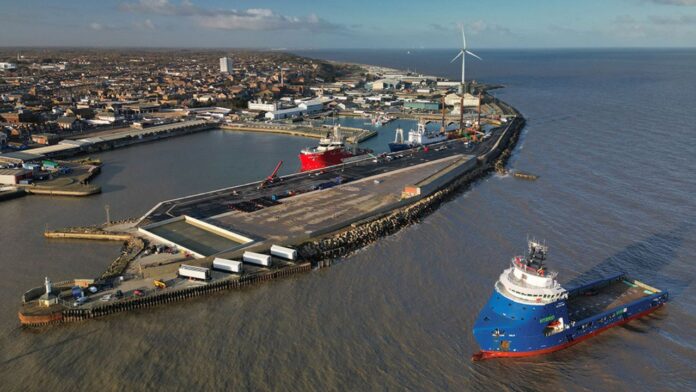
Associated British Ports (ABP) has announced a long-term partnership with ScottishPower Renewables (SPR) to support operations and maintenance (O&M) activities for the East Anglia TWO (EA2) and East Anglia THREE (EA3) offshore wind farms from the UK’s most easterly port, where ABP has recently completed the Lowestoft Eastern Energy Facility (LEEF).

Under the agreement, SPR will utilise berths at LEEF for Service Operation Vessels (SOVs) and Crew Transfer Vessels (CTVs), taking advantage of Lowestoft’s proximity to the East Anglian offshore wind farms. This builds on SPR’s long-standing presence in Lowestoft, where it already operates its East Anglia ONE O&M base.

LEEF is a transformative £35 million investment by ABP in state-of-the-art port infrastructure, which was officially opened by the Secretary of State for Energy Security and Net Zero, the Rt Hon Ed Miliband MP in January 2025. Purpose-built to meet the demands of the offshore energy industry, the facility features deep-water berths, modern utilities and future-proofed infrastructure to support shore power and alternative fuels.

Minister for Energy Michael Shanks said:

“Lowestoft is helping to power Britain’s clean energy revolution. This partnership between ABP and ScottishPower Renewables cements the town’s role at the forefront of our drive for clean, homegrown power.

“By investing in world class port infrastructure we’re creating high quality jobs, driving regional growth, and strengthening Britain’s energy security.”

Jess Asato, MP for Lowestoft said:

“ScottishPower’s decision to base operations and maintenance for East Anglia THREE and TWO right here in Lowestoft is a huge vote of confidence in our town and its future as a powerhouse for clean energy. This long-term commitment brings with it not just jobs and investment, but real momentum in transforming Lowestoft into a national hub for offshore wind. I’m proud to see this Government’s ambition for a fairer, greener economy becoming a reality on our coast – delivering opportunity for local people and playing a key role in powering the UK’s net zero transition.”

Andy Reay, Head of Offshore Wind at ABP said:

“This partnership with ScottishPower Renewables is a major step forward for Lowestoft and the UK’s offshore wind ambitions.

“LEEF offers the infrastructure and strategic location needed to support world-class operations and SPR’s decision to utilise our berths for EA2 and EA3 operations is a strong endorsement of the facility’s strategic value.

“We’re also keen to work with SPR to explore innovations that improve operational efficiency and sustainability to deliver the energy transition.”

SPR continues to deepen its investment in Lowestoft, committing over £8 million to expand its footprint in the town’s PowerPark. This includes a new O&M base for EA3 that will accommodate around 100 people. During peak construction, SPR expects to employ over 2,300 people across its supply chain.

Ross Ovens, UK Managing Director – Offshore at ScottishPower Renewables said:

“Lowestoft is our long-term home and the heart of our UK offshore wind operations. We already have a strong working relationship with ABP, and this new agreement builds on years of successful collaboration as we prepare to deliver EA2 and EA3 to power a cleaner and greener future.

“The benefits of our offshore windfarms extend far beyond renewable energy generation, they contribute directly to the local and wider UK economy – in 2025 alone we have invested over £12m with companies registered in East Anglia.

“And LEEF gives us the infrastructure we need to support these vital projects while continuing to invest in local jobs, skills and community projects, including our East Anglia ONE Community Fund, and we’re committed to doing even more.”

SPR’s community contributions include funding for local charities such as Waveney Domestic Violence and Abuse Forum, STEM workshops and grant giving with STEMPoint, Clinks Care Farm and Re-Utilise CIC, as well as donations of refurbished laptops and volunteer support from SPR employees.