1.1 C
New York
Home Blog Page 792

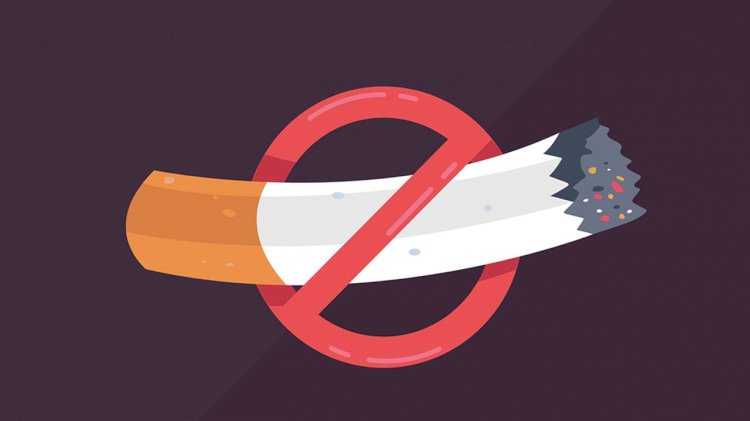
Port of Tallinn and ferry companies join forces to tackle cigarette butt pollution

0

The campaign is led by the City of Tallinn and the World Cleanup Day, the main partners are the Port of Tallinn, Tallink, Eckerö Line, Viking Line and Tallinn Airport.

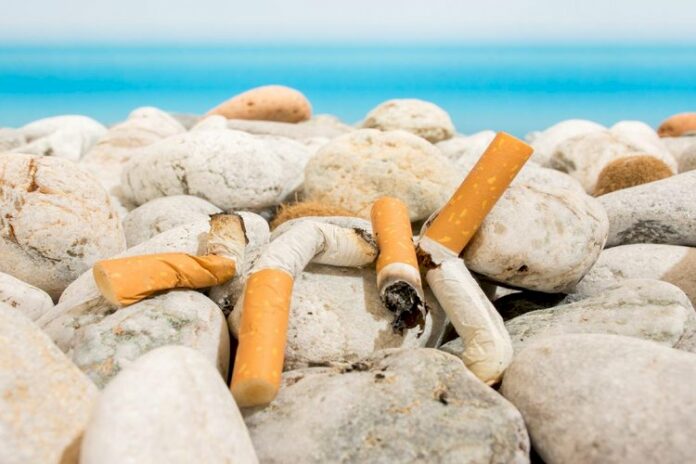
One of the world’s biggest plastic waste problems is caused by cigarette butts that end up in nature and marine ecosystem. Cigarette filters are made of a plastic called cellulose acetate. When tossed into nature, they break down into poisonous microplastic that also poses a threat to human health. The issue of cigarette filters is very much a problem of cities as well – the used filters that end up in stormwater gutters end up in the sea. The problems is that the stormwater systems used do not have any filtration – 50% of the plastic waste in the Baltic Sea is made up of cigarette butts.

The mayor of Tallinn, Mihhail Kõlvart, noted that according to the report of The Baltic Marine Environment Protection Commission (HELCOM), 80% of the litter ending up in the Baltic Sea comes from the land areas:

“It is carried to the sea from the rivers, storm drain systems, wind and the people visiting beaches. It may come as a surprise for many, but the cigarette filters are the most prevalent plastic waste in the Baltic Sea. Moreover, it is the biggest plastic waste issue in the world. One cigarette butt might poison 1000 litres of water and sadly, they are not biodegradable. This type of pollution is a direct threat to human health as well – inevitably, it ends up in the food chain.

Although waste sorting is mandatory in Estonia, the wellbeing of nature should be our top priority in itself and that is why we should not forget to recycle. That is one of the very real thing everyone can do in order to make sure that the generations to come get to enjoy the nature as we know it. It should be an inseparable part of our culture – to take everything we bring to nature back with us once we leave, this includes garbage left by others.”
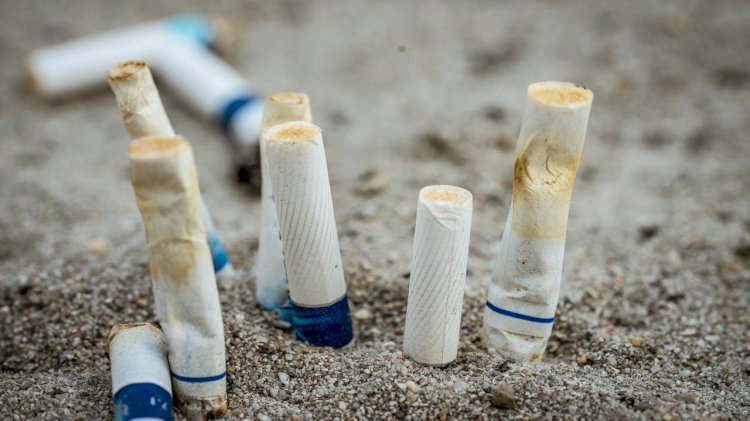
The CEO of the Port of Tallinn, Valdo Kalm, said that each year about 10 million passengers move through the Old Harbour and sadly, there are a lot of cigarette filters and other small forms of litter in the harbour area. The cigarette butts are often thrown directly to the sea from the ships as well. He said:

“The cigarette butts tossed on the ground will also sooner or later end up in the sea – either by the wind or the stormwater. We have more than 700 stormwater drains just here, in the Old Harbour premises. Clean Baltic Sea is one of the priorities of the Port of Tallinn and including to partnering with this campaing, we have done other investments as well – the waste that comes to our port from the ships is sent to circular use and soon we will begin with connecting the ships residing here to the shore power system and will will also install automatic mooring devices.“

In order to tackle the cigarette butts’ issue, many activities are planned. The campaign will peak September 19, on the World Cleanup Day 2020 which also focuses on the problem of small piece litter and cigarette filters this year. 
VIDEO: NKT completed the repair of the Baltic Cable HVDC link in only 29 days

0

The power cable system was restored within 29 days from the initial fault notification and is now back in full operation.

Speed was essential when an anchor damaged the Baltic Cable power link interconnecting the national power grids of Sweden and Germany during the last days of April. NKT was awarded the contract to bring the 250 km 450 kV HVDC power cable back in operation as fast as possible.

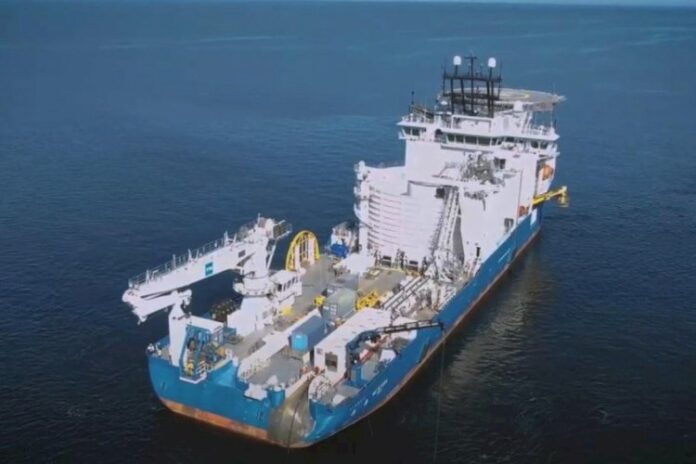
After the initial notification NKT quickly mobilized staff and equipment for localization of the fault, de-burial and cut and seal operation onboard a subcontracted vessel provided by JD Contractor. The initial operation was swiftly conducted and within five days the exact fault position was located, the cable de-buried and cable ends sealed and prepared for repair. Within 29 days the Baltic Cable was repaired after efficient preparations and the final execution completed by the cable laying vessel NKT Victoria.

Austal enters agreement to purchase additional land and dry dock in Alabama

0

Further to its recent announcement regarding the expansion of its Mobile, Alabama facilities to build steel ships, Austal Limited is pleased to announce the execution of a conditional agreement to purchase additional waterside land and facilities in Mobile, Alabama. 

This property and facilities on the Mobile River include a dry dock capable of launching not only its current range of vessels but heavier steel ships in the future.

On 22nd June, 2020 Austal announced the intention to spend approximately US$100million on building a steel shipbuilding capability co-funded by the United States Government, to provide additional capability alongside Austal’s existing aluminium construction operations.

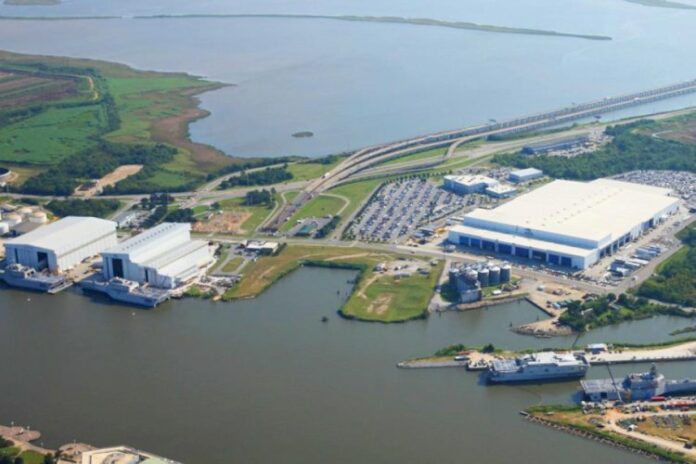
Austal has entered into an agreement with Modern American Recycling and Repair Services of Alabama (MARRS) to acquire over 15 acres of waterfront land, buildings, and assets including an existing dry dock on the MARRS’s Mobile riverfront property in Mobile, Alabama, USA. Subject to satisfaction of the relevant conditions to purchase, the acquisition would be a useful expansion of Austal’s capacity in the Mobile area. The acquisition would support Austal USA’s new construction and service strategy by securing launch and deep water berthing capability in support of future new construction efforts including steel ships, while also giving Austal USA increased service and repair capacity in Mobile.

The acquisition is subject to a number of conditions that are required to be satisfied before completion, which is targeted to occur in the next few weeks. The specific conditions cannot be disclosed, however they are not unusual in transactions of this nature. The acquisition price is under US$10 million and will be funded from cash holdings.  

MHI Vestas: Tower supply purchase agreement finalised in Taiwan

0

MHI Vestas Offshore Wind will source towers from CS Wind/Chin Fong partnership as purchase agreement signed, delivering on the OEM’s local ambitions.

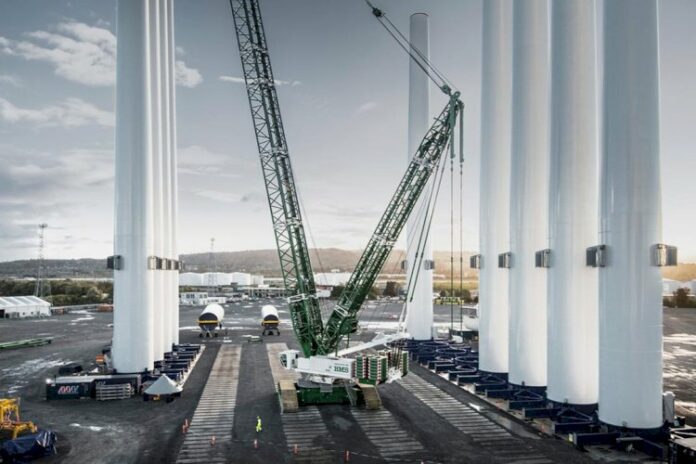
Further positioning Taiwan at the centre of the emerging offshore wind industry in Asia Pacific, MHI Vestas has finalised a purchase agreement with the CS Wind/Chin Fong partnership to source towers for its offshore wind turbines in Taiwan.

This purchase agreement covers complete tower supply for MHI Vestas’ Taiwanese projects: Changfang Phases 1 and 2, Xidao and Zhong Neng.

Changfang Phases 1 and 2, Xidao and Zhong Neng are currently the only four Taiwanese projects to have passed the government’s localisation review for projects allocated in Round 2, as MHI Vestas continues to deliver the world’s most ambitious localisation plan in Taiwan.

Maida Zahirovic, MHI Vestas Taiwan Business Director, said:

“Towers being sourced in Taiwan is another positive development for the local supply chain. MHI Vestas’ leading localisation plan is continuing to deliver benefits for Taiwan, in partnership with local suppliers. Further volume through 2026 will be welcomed by local suppliers to achieve the best return on their upfront investments, and would be delivered with more certainty by utilising an established platform such as the proven MHI Vestas V174 technology.”

Knud Bjarne Hansen, Co-CEO of CS Wind, said:

“We are pleased to be working with MHI Vestas on delivering their V174 platform offshore Taiwan. Chin Fong’s local expertise and first-rate facility is providing the foundation to enable our partnership to deliver best-in-class towers locally. This purchase agreement is the culmination of significant efforts by all parties, and we look forward to delivering our towers with consistency and quality in full support of Taiwan’s offshore wind supply chain developments.”

The conditional contract signed between MHI Vestas and CS Wind/Chin Fong in October 2018 has been concluded with this purchase agreement.

Contracts have now been signed by MHI Vestas in Taiwan for local supply of blades, blade materials (bonding glue, resin, pultruded carbon plates), towers, switchgear, rotor hubs, hub plates, nacelle base frames, low voltage cabinets, UPS systems, and PCM assembly with more local supply chain contracts planned for 2020.

Titan LNG Delivers LNG Bunkers in Emden and Brunsbüttel

0

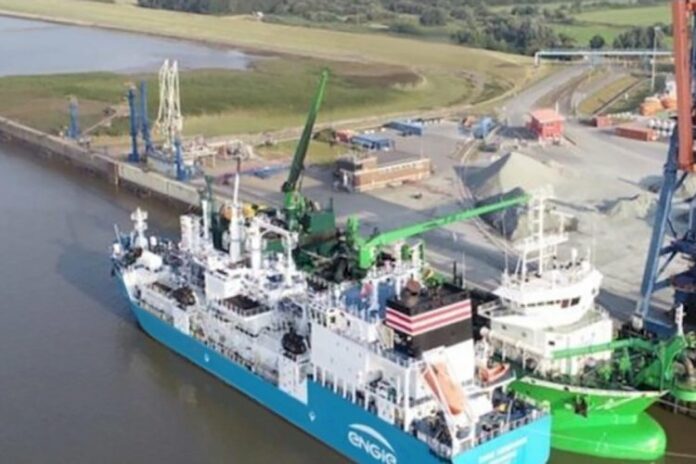
Titan LNG chartered the Engie Zeebrugge last week and loaded LNG in Rotterdam.

On Thursday the 13th of August, the vessel arrived in the port of Emden where Titan LNG delivered just over 1000 tons of LNG to the car carrier Siem Confucius, owned by Siem Car Carriers and chartered by Volkswagen. Siem Car Carriers is the first owner to deploy LNG powered vessels for cross Atlantic Ocean trade.

After the first bunkering in Emden the LNG bunker vessel sailed on to deliver 150 tons to the DEME-owned dredger Scheldt River in the port of Brunsbüttel. Titan has supplied the Scheldt River regularly before, and now for the first time also in Brunsbüttel. This port on the entrance to the Kieler Channel is well positioned to become an LNG bunkering hub due to its strategic location. LNG bunkering activities will continue to increase in the future.

Michael Schaap, Commercial Director Marine at Titan LNG, added:

“The LNG bunkering operations in both Emden and Brunsbüttel mark the growth in Titan’s ambitions into different locations and shows the availability of LNG in the ports of Europe. As Titan LNG, we are proud that these operations were executed safely and efficiently thanks to the excellent cooperation between all parties. We aim to deliver LNG anywhere and will add both Bio-LNG (BLNG) and Syn-LNG (SLNG), when available to decarbonize further.”

MSC Cruises and Fincantieri celebrate float out of MSC Seashore

0

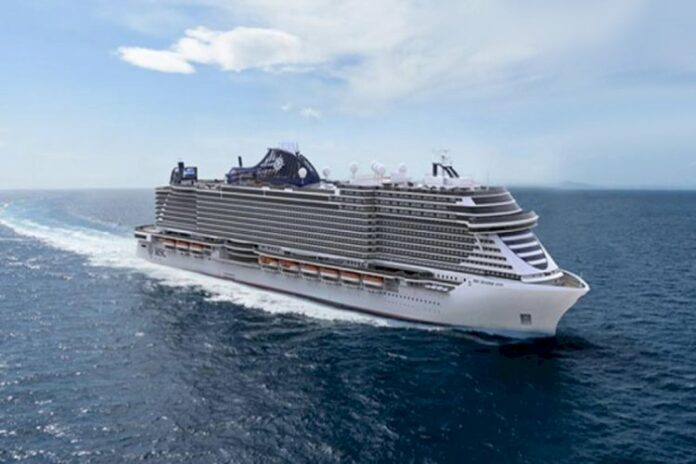
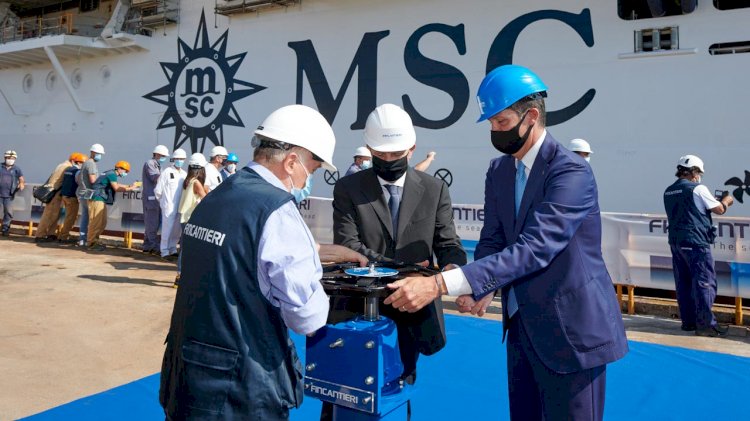
The float out of MSC Seashore has taken place at the Fincantieri shipyard in Monfalcone, Italy. This is a major milestone in ship building as it is the first time a new vessel touches water and sees the ship enter the next phase of construction. MSC Seashore, which will be the Company’s longest ship at 339 metres and the largest and most innovative ever built in Italy, has now been moved to a wet dock until her delivery in July 2021 to allow for work on her interior.

MSC Seashore will become the third of a total of fours vessels in MSC Cruises’ innovative and ground-breaking Seaside class of ships, following MSC Seaside and MSC Seaview, which launched in 2017 and 2018 respectively, and the first of two enriched Seaside Evo ships with newly designed public spaces, more cabins and the highest ratio of outdoor space per guest of any ship in the Company’s fleet. More than 65 per cent of the ship has been enhanced to make MSC Seashore a significant further evolution of her sister ships.

The 169,500 GT ship with a maximum capacity of 5,877 guests, will be equipped with the latest technologies to minimise her environmental footprint.

MSC Seashore will be fitted with a state-of-the-art selective catalytic reduction (SCR) system to reduce nitrogen oxide by 90 per cent and a next-generation advanced wastewater treatment system (AWTS) to treat wastewater to a very high quality where the end product is of a better standard than most land-based municipal waste standards around the world.

These features will add to other effective environmental technologies deployed on MSC Seashore, and across the Company’s fleet, to minimise and continuously reduce environmental impact, and ensure even cleaner air emissions, including cutting-edge hybrid exhaust gas cleaning systems (EGCS) that removes 98 per cent of sulphur oxide from ship emissions; advanced waste management systems; ballast water treatment systems approved by the United States Coast Guard; latest-technology systems for the prevention of oil discharges from machinery spaces and various effective energy-efficiency improvements – from heat recovery systems to LED lighting. Additionally, MSC Cruises currently has on order three LNG-powered vessels once of which is currently under construction.

MSC Seashore will also be fitted with shore-to-ship power which connects a docked cruise ship to a port’s local power grid to further reduce air emissions. This feature is broadly available across MSC Cruises’ entire fleet and has been standard across all of the Company’s new ships since 2017.

Great Lakes announces receipt of $117.8 million in awarded work

0

The awarded work includes:

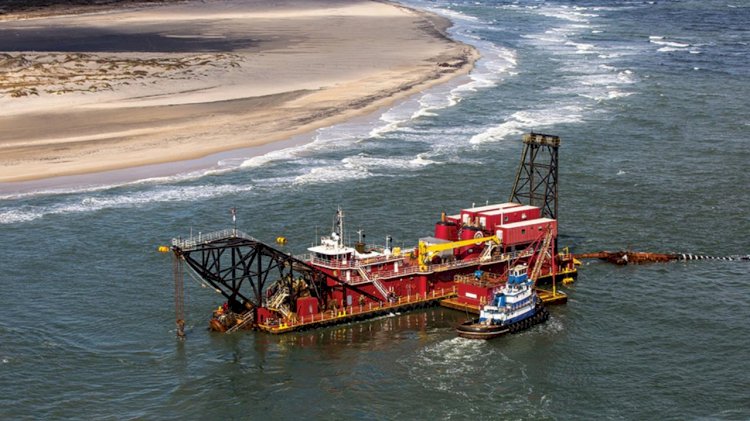
  • Mississippi River, Baton Rouge to Gulf of Mexico, Head of Passes Hopper Dredge Disposal Area Project  (Maintenance, Louisiana, $44.9 million)
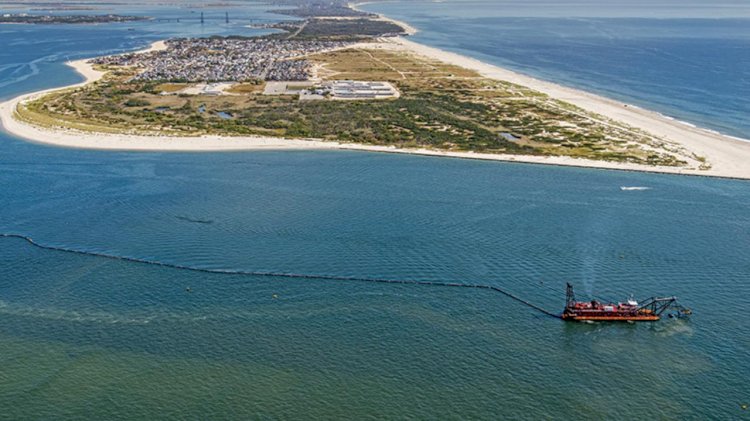
  • Brigantine Inlet to Great Egg Harbor Inlet, Absecon Island, Atlantic County Beach Renourishment Project (Coastal Protection, New Jersey, $24 million)
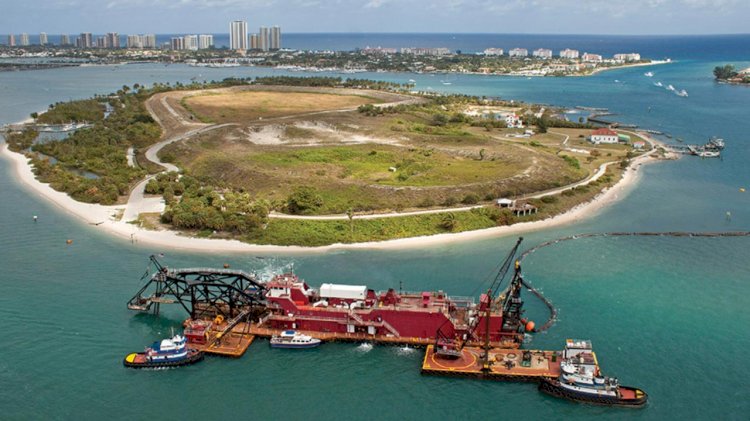
  • Coastal Storm Risk Management Project, South Ponte Vedra and Vilano Beach (Coastal Protection, Florida, $15.2 million)
  • Wilmington Harbor Inner Ocean Bar Maintenance Dredging Project (Maintenance, North Carolina, $14.6 million)
  • Sabine-Neches Waterway, Texas Maintenance Dredging Project (Maintenance, Texas and Louisiana, $10.3 million)
  • Delaware River to Chesapeake Bay Inland Waterway Maintenance Project (Maintenance, Delaware and Maryland, $8.8 million)

The Mississippi River, Baton Rouge to Gulf Head of Passes Project work consists of the removal and satisfactory disposal of material excavated from the Hopper Dredge Disposal Area. Material excavated will be pumped direct and beneficially placed for marsh creation at the West Bay site.  Work is estimated to begin in December of 2020 with expected completion in the fourth quarter of 2021.

The Brigantine Inlet to Great Egg Harbor Inlet, Absecon Island, and Atlantic County Beach Renourishment Project involves the placement of sand at Atlantic City, Ventnor, Margate and Northport beach locations.  Work on this project is estimated to begin in the third quarter of 2020 with expected completion in January of 2021.

The South Ponte Vedra and Vilano Beach Coastal Storm Risk Management Project entails the placement of sand over three miles of beach with sand being dredged from the St. Augustine Inlet Flood Shoal. This project will provide an environmentally friendly defense against future storms, beach erosion and sea level rise. Dredging work on this project is expected to complete in the fourth quarter of 2020 and dune grass planting and fencing is estimated to complete in the spring of 2021.

The Wilmington Harbor Inner Ocean Bar Maintenance Dredging Project work includes dredging of the Inner Ocean Bar segment of the shipping channel and placement of material for coastal protection and beach renourishment on Bald Head Island. Work on the project is estimated to complete in the first quarter of 2021.

The Sabine-Neches Waterway, Texas Maintenance Dredging Project entails the maintenance dredging from the Sabine Pass Channel, Sabine Jetty Channel Outer Bar and Outer Bank Channels with material disposal within four Offshore Material Disposal Sites. Work on this project is expected to complete in the fourth quarter of 2020.

The Delaware River to Chesapeake Bay Inland Waterway Maintenance Project entails maintenance dredging from the Inland Waterway C&D Canal in Upper Chesapeake Bay. Work on this project is estimated to complete in the fourth quarter of 2020.

David Simonelli, Chief Operating Officer commented:

“Great Lakes is pleased to add these major coastal protection and maintenance dredging awards to our backlog. These projects are aligned with our strategy to provide dredging services to support the overall improvement and resiliency of our country’s environment, coastlines and infrastructure.”

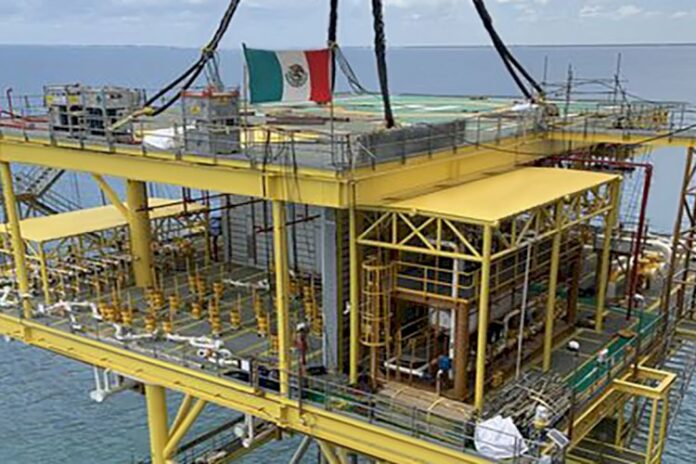
Heerema’s DCV Balder installs the Pemex Yaxche-C platform

0

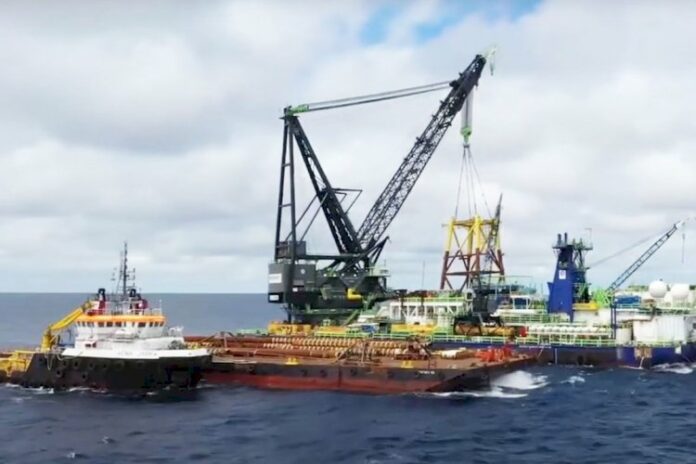
This project is Heerema’s first for Cotemar, and it was executed safely with no incidents and on schedule as a result of excellent collaboration between the parties.

For the Yaxche-C installation, Balder arrived at the Bay of Campeche, started work on August 8, and completed the Yaxche-C jacket and topside installation on August 15.

Pemex awarded the engineering, procurement, construction, and installation contract for the Yaxche-C platform to a consortium made up of Cotemar, Hoc Offshore (Arendal), and Construcciones Mecanicas Monclova (Commsa). 

The jacket and platform were fabricated in Tampico, Mexico, by Cotemar. All components left the fabrication yard on one barge to be stored at Dos Bocas before being taken to the Bay of Campeche for installation. 

The jacket weighed 700 MT, the four skirt piles 125 MT each, and the topside 850 MT. 

Balder has been operating for forty-two years now, making it Heerema’s most experienced vessel. The multi-functional DCV will remain in the Gulf of Mexico for more upcoming installation work.

VIDEO: McDermott installs the Larak Wellhead platform

0

Awarded in November 2018, the Pan Malaysia Transportation and Installation Projects included the transport and installation of jackets, topsides and pipelines for the Gorek, Larak and Bakong gas fields. McDermott’s vessel, the Derrick Barge 30, was used to install the structures and pipelines, including the longest Corrosion Resistant Alloy pipeline in Malaysia. McDermott also fabricated risers and spools in its fabrication facility in Batam, Indonesia.

ORE Catapult and Advance Northumberland to develop new prototype turbine test facility

0

The Offshore Renewable Energy Catapult and Advance Northumberland are working in partnership to develop a new facility for testing the next generation of advanced offshore wind turbines, in a move designed to attract inward investment into the County linked with the rapidly expanding offshore renewable energy sector.

The Energy Central Offshore Wind Demonstrator project is being proposed in addition to Energy Central’s £30m Energy Park that is already under development. Located on a brownfield site to the north of the former Blyth power station in the parish of East Bedlington, the facility will prove a key attraction for investors considering locating turbine manufacturing facilities in Northumberland, which could lead to the creation of hundreds of jobs and an investment of millions of pounds into the local economy.

The site will be designed to host one large prototype turbine for testing at a time, in an easily accessible location, hoping to attract the sector’s leading equipment manufacturers to test innovations at the component level.

The turbines that will be tested at the proposed facility would be up to 300m in height and would each have the potential to generate enough electricity to power up to 9,000 households, when operating.

The Demonstrator site will be locally managed by ORE Catapult’s National Renewable Energy Centre in Blyth. ORE Catapult has extensive experience of operating and maintaining offshore wind turbines through its ownership of the 7MW Levenmouth Demonstration Turbine in Fife, Scotland.

Tony Quinn, Test Facilities Director for ORE Catapult said:

“This is a development that would put South East Northumberland well and truly on the map as an international leader in bringing to market next-generation offshore wind turbine technology. A prototype site builds on the unique cluster of offshore renewable energy expertise, innovation and skills already present within Energy Central, making us an even stronger proposition to attract overseas investment to the North East and further support the UK’s world-leading status in offshore wind.”

Chair of Advance Northumberland and the county council’s cabinet member for economic development Richard Wearmouth, said:

“This is a major project which would keep this part of our county at the cutting edge of renewable technology and pave the way for hundreds of new jobs.”

Andrew Clark, Energy Lead at the North East Local Enterprise Partnership, said:

“This project will be at the cutting edge of testing and validating the next generation wind turbine technology and will further validate the vital global role our region holds in the offshore wind sector and in energy innovation and demonstration.  This is why we’re excited to support the design work for this project with Energy for Growth funding from the Local Growth Fund which was established to help drive economic growth in the region.”

A planning application is being prepared for October/November 2020 and a programme of public consultation will start in August.  If planning permission is granted for the project, then the first turbine would be installed for testing in 2022.