-1.3 C
New York
Home Blog Page 793

ABS Nautical Systems supports data-driven pilot project for digital class survey

0

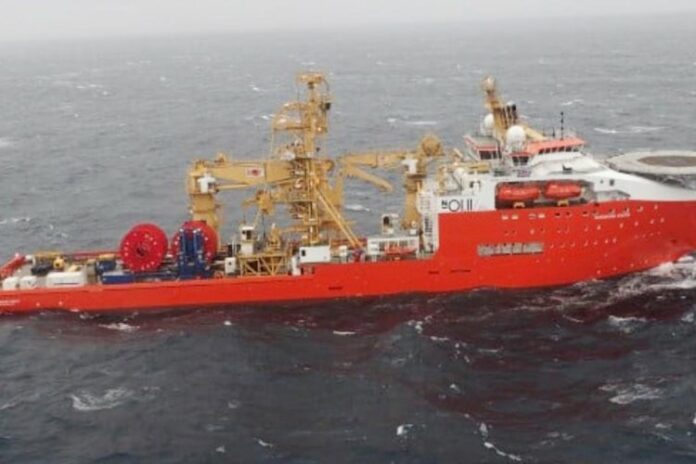
P&O Maritime Logistics (POML) will use ABS Nautical Systems’ (NS) digital maintenance management system to transmit planned maintenance management data and condition-based maintenance activities to ABS (American Bureau of Shipping).

This partnership with POML will pioneer a condition-based class (CBC) pilot project aboard the platform supply vessel, DMS Courageous.

While the maritime industry is currently facing a period of disruption due to COVID-19, NS’ previous development of innovative solutions has effectively replaced several traditional shipping methods. An early realization of the need for digital transformation has allowed clients to seamlessly embrace digital tools and technology.

The project will be completed in three (3) progressive phases. Phase 1 focused on improving alternative means of compliance verification. Now underway, phases 2 and 3 will focus on data integration and the ongoing monitoring of machinery and hull health. This will be achieved using sensor technology and operational data transmitted through ABS and NS integration. Anticipated results include increased control over the status of degradable systems, reduction of operational risk and an increase in situational awareness and human reliability.

This pilot program reflects the evolution of the maritime industry in the digital world, creating a data-driven, streamlined survey process for shipowners, operators and managers.

New JIP to design and deploy new “Mosquito fleet” with innovative ferries

0

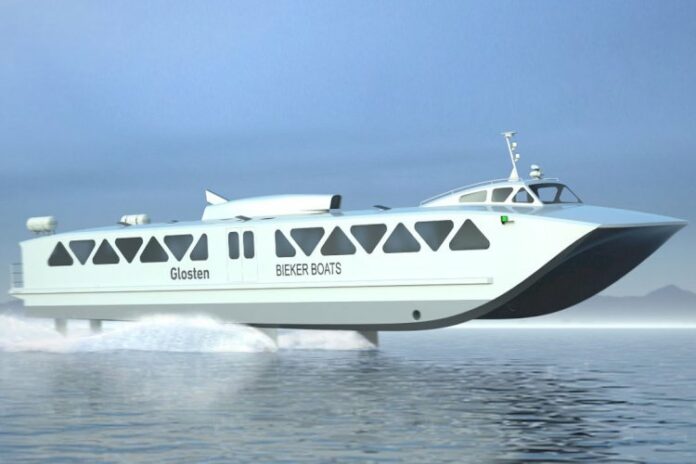
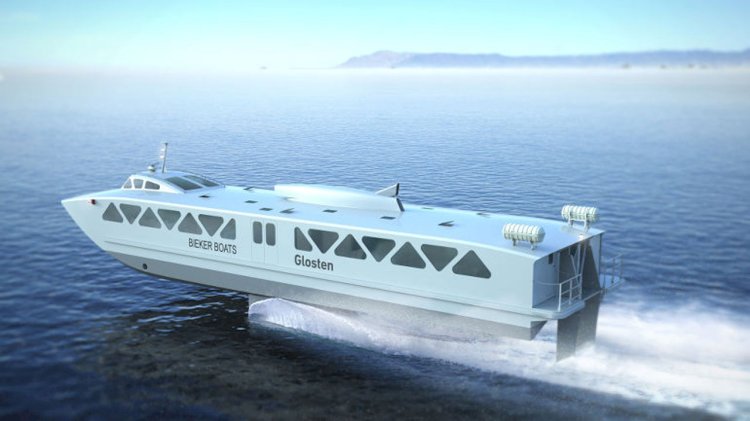
A consortium of players in the blue economy have come together to launch a Joint Innovation Project to speed the design of a fast foil ferry, an innovation that promises a leap forward in zero-emissions, high-speed passenger ferry service.

In this unique public-private partnership, three ports in Washington have joined forces to support the effort: Port of Anacortes, Port of Bellingham, and Port of Skagit. The vessel is under design by Glosten, a naval architecture and marine engineering firm, and Bieker Boats, a performance marine craft designer. Kitsap Transit has identified a potential route for their ferry operations and sponsored the team in applying for additional funding to advance the concept. Leading this collaborative joint innovation project effort is Washington Maritime Blue, a strategic alliance formed to foster maritime innovation and sustainability in support of an inclusive blue economy, and DNV GL, a technical assurance firm providing independent advisory services to the maritime and energy industries.

The team was convened to advance this concept to reality in order to provide economic development opportunities for their communities while broadening transportation options for the region that also reduce emissions. Project partners Skagit County and EDASC (Economic Development Alliance of Skagit County) share the maritime focus and joint goals of lower emissions, less road congestion, and opportunities for the innovative designers and manufacturers in the County such as Bieker Boats and many others.

The idea began when Paul Bieker returned to Seattle after his work designing the first hydrofoil vessel for the Americas Cup-winning Team Oracle and was stunned by the traffic. He realized that applying hydrofoil innovations to ferry vessels would improve speed, efficiency, and access. Working with Glosten, they created a preliminary design that would enable Washington State to recreate the “Mosquito Fleet.” Aptly named because of the numerous ferries travelling from port to port like a “swarm of mosquitoes,” the fleet had its heyday from 1850s through the 1930s, but ended as road and rail transportation began to dominate. With increased congestion from land-based transportation, a new fleet of ferries could alleviate regional transportation issues and take advantage of the advanced design, manufacturing, boatbuilding, and materials capabilities found in the region.  

The project will advance an innovative, replicable business model for an extremely efficient electric transit concept: a high-speed hydrofoil passenger ferry. The Foil Ferry is designed by industry leaders Bieker Boats and Glosten, and leverages private sector innovations including hydrofoil design, lightweight carbon fiber construction and battery technology. It supports transit options by connecting urban, suburban, and rural communities with green transit alternatives that can take cars off the roads. 
Patsy Martin, Executive Director of the Port of Skagit, said:

“Our three local Ports see this innovation as an opportunity to spur economic recovery in the boat-building world, a critically important industry in our region. There are strong maritime industry clusters in each of our districts that could benefit from the design and construction of these vessels in our communities, resulting in a direct economic impact.”

Because of the nature of joint innovation projects, the expected time it will take to complete the entire project, from business model to the first demonstration project, is compressed. Several streams of work will occur either in parallel or in succession, as appropriate, creating efficiencies and avenues to take advantage of the collective strengths of each of the organizations involved. This will include design, an exploration of required infrastructure, a review of environmental benefits and impacts, regulatory and permitting needs, and determining possible routes and operators. 

Joshua Berger, Founder and Board Chair of Washington Maritime Blue, said:

“An ambitious but needed project like the relaunch of this type of ferry service would be exponentially more difficult if each individual stakeholder acted alone. A cluster organization like ours can bring together the technologies, required local knowledge, and resources that will ensure that this joint innovation project will be successful.” 

The intent of the project is to bring to market a zero-emission high-speed waterborne transportation alternative in Puget Sound. The design includes the options of fully electric propulsion or diesel-electric propulsion for extended range.  Owing to its extreme efficiency, the diesel electric option is two to three times more fuel efficient than conventional fast ferries and has the potential to save 1,500 tons of CO2 emissions a year, while the fully electric version offers even greater improvements.

Glosten Project Manager Matthew Lankowski says:

“Developing the Foil Ferry in collaboration with the Washington Maritime Blue Joint Innovation Project exemplifies the very best of our Pacific Northwest values and capabilities. This partnership of ports, designers, builders, and operators is a catalyst that is propelling our design into a reality, to the benefit of our economy, the environment, and the passenger vessel community at large.”

Washington Maritime Blue is a non-profit, strategic alliance formed to accelerate innovation and sustainability in support of an inclusive blue economy. 

VIDEO: One more platform will be added to the Johan Sverdrup field

0

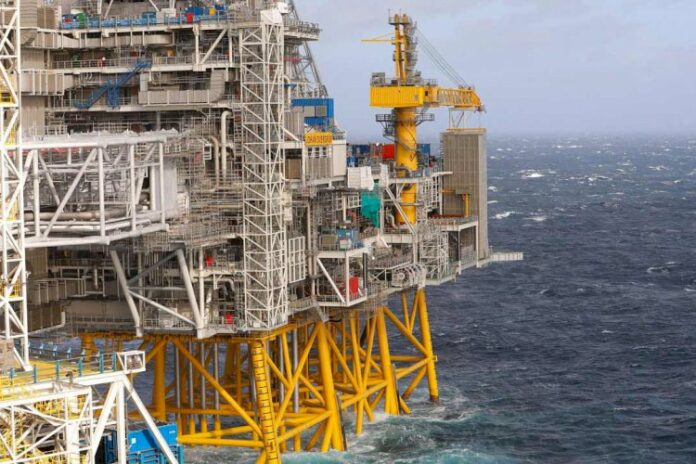
The Jacket for the fifth platform on the Johan Sverdrup field is now under construction at Kværner Verda. The footprint on the seabed will be 50X62 metres! This summer the two first sides were rolled up.

Facts about Johan Sverdrup:

  • Johan Sverdrup is the third largest oil field on the Norwegian continental shelf, with expected resources of 2.7 billion barrels of oil equivalent.
  • At plateau the field is expected to produce 690,000 barrels of oil per day, which will make up about one-third of oil production on the NCS.
  • Estimates from 2018 showed that the combined income from production from Johan Sverdrup amounts to 1430 billion NOK (2018) over the life of the field. Income to the Norwegian state is expected to amount to more than 900 billion NOK (2018), from taxes and from the Norwegian state’s ownership of Petoro.
  • Each barrel of oil generates less than 0,7 kg of CO2-emissions, compared to the global average of 18 kg of CO2 per barrel. This result is mainly due to electrification of the field.
  • Electrification is an important tool for reaching Norwegian and international climate goals. Equinor aims to reduce greenhouse gas emissions in Norway by 40 percent by 2030 and towards near zero emissions by 2050.
  • After 2022, Johan Sverdrup will also provide power from shore to other fields on the Utsira High, including Edvard Grieg, Ivar Aasen and Gina Krog.
  • The Johan Sverdrup field is developed in two phases. Phase 1 was approved by Norwegian authorities in 2015 and came on stream in October 2019. Phase 2 of the development was approved in 2019 and is expected to start production in Q4 2022.

DMC delivers nozzles to super trawler modification project

0

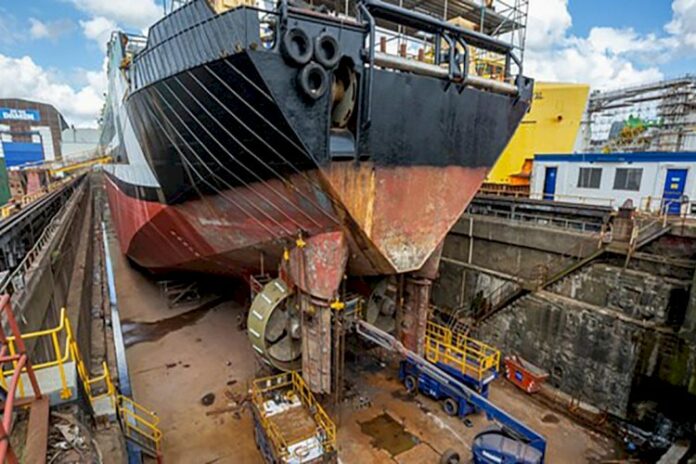
The vessel is one of the largest of its type in the world. She has recently undergone a modification project at Damen Shiprepair Amsterdam.

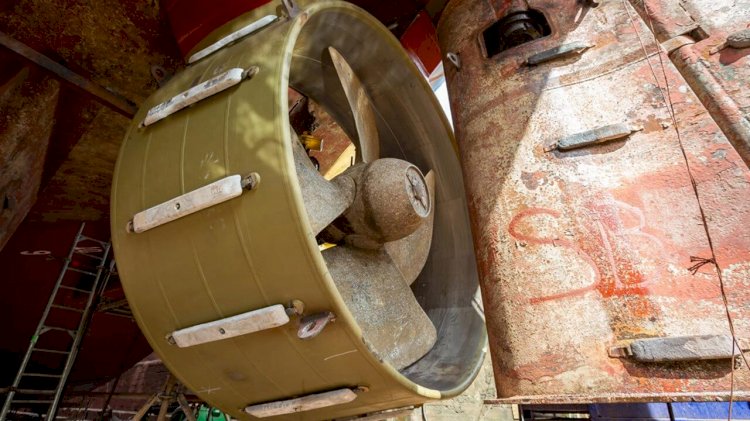
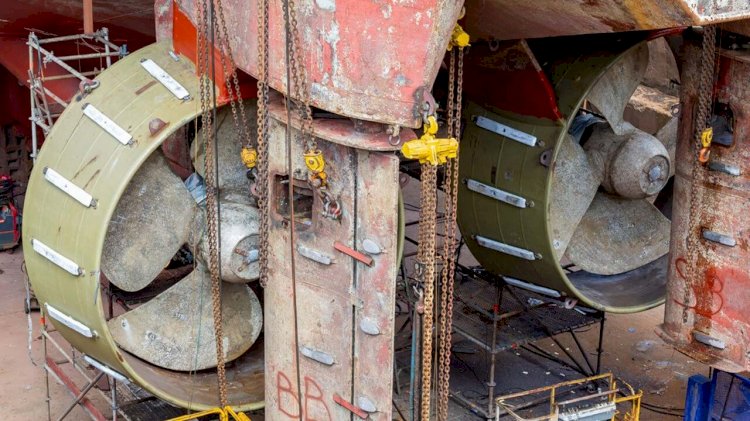
At Damen’s Amsterdam repair yard, the Margiris is undergoing work that includes bow thruster overhaul and fabrication of new bow thruster grids, piping renewal, steel tank repairs, hull cleaning and painting and fabrication and installation of a new sea chest as well as nozzle renewal.

DMC produced the nozzles at its production facility in Gdansk, Poland. From there, the nozzles were loaded onto a special transport for delivery to Amsterdam in January. On arrival, Damen Shiprepair Amsterdam lifted the new nozzles with chain clocks before welding them in place.

The internationally renowned Marin/Wageningen 19A profile can be delivered in various L/D lengths. This nozzle type is often used for vessels where reverse thrust is less important. Each of the nozzles for this project has a diameter (Ø) of 3636.

DMC produced the nozzles using its Single Weld Spinning Method – based on a single weld seam on the inner side of the nozzle. The spinning machine can produce nozzles with an inside diameter ranging from 1,000 millimetres to 5.3 metres on the outside.

Using a completely automated system, the spinning machine can handle stainless steel, duplex, steel and special steel materials.

The reduction in CO2 emissions associated with nozzle use already improves vessel sustainability significantly. With the Single Weld Spinning Method this goes even further. The reduced grinding and welding equals less energy use and, thereby, less emissions. Additionally, the method saves production, which enhances DMC’s stable price/quality ratio for increased cost-efficiency.

Kees Oevermans, Damen Marine Components Sales Manager, said:

“We are very pleased to supply the nozzles for this notable vessel. Back in 2015, we delivered our 10,000th nozzle. At the time of writing this has risen to approximately 12,500 – a testament to the quality and popularity of our product range.”

BC Ferries adds more than 750 sailing above contract, helping to rebuild local economics

0

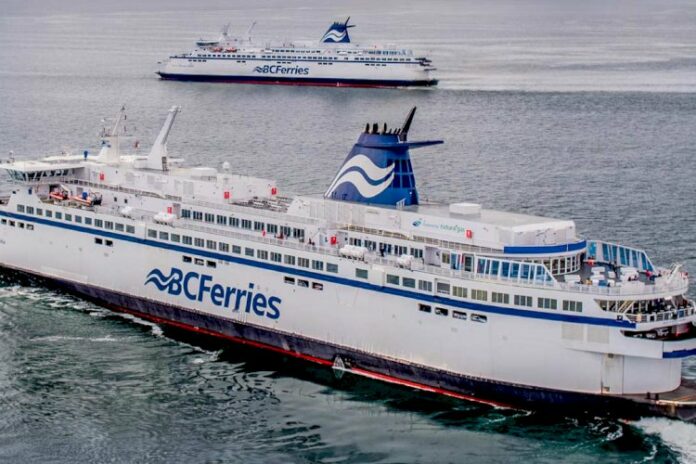
BC Ferries has announced that its ongoing engagement with Ferry Advisory Committees has resulted in the company adding 769 sailings above contract on its minor and northern routes, with the new schedule matching pre-COVID-19 service levels. These additional sailings will be in effect from September 8, 2020 through to March 31, 2021.

Keith Rush, Co-Chair of the Ferry Advisory Committees, says:

“Our communities are very supportive of these sailings above contract. Ferry Advisory Committees have advocated for years for increased service levels to ferry dependent communities. I applaud BC Ferries for their commitment to provide additional service through to the end of March 2021.”

Diana Mumford, Co-Chair of the Ferry Advisory Committees, says:

“Ferry service and sailings that meet community needs also help strengthen economic activity and recovery from COVID impacts. These extra sailings enhance the benefits to many coastal communities and also serve the interests of the general public.”

Traffic is currently about 20 per cent lower than this time last year across the ferry system, and is continuing to grow as more British Columbians are travelling closer to home.

Mark Collins, President and CEO of BC Ferries, says:

“With traffic returning and local communities in need of frequent and reliable service, we know the addition of 769 sailings above what our contract requires will be welcomed by residents and coastal communities alike.”

BC Ferries reminds all customers to continue to heed Dr. Bonnie Henry’s advice to be kind, be calm and be safe. Vessel and terminal staff are working hard to adjust to changing circumstances and to implement protocols and procedures that keep everyone safe and healthy.

IBF calls for action on Gulf of Guinea piracy

0

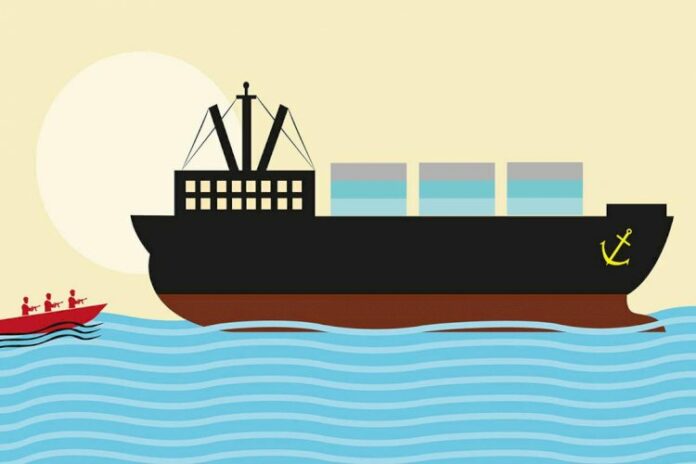
The history of piracy in the Gulf of Guinea dates back decades, but it is only in the past few years that the criminal model has taken a more sophisticated and violent turn. The growing number of attacks and successful kidnappings in the area is of serious concern to the international shipping community. The ICC International Maritime Bureau (IMB) recently reported that 77 seafarers were kidnapped or taken hostage for ransom since January 2020. IMB further reported that the Gulf of Guinea off West Africa is increasingly dangerous for commercial shipping and accounts for around 90% of maritime kidnappings worldwide.

On 11 August 2020, the Joint Negotiating Group (JNG) representing maritime employers and the International Transport Workers’ Federation (ITF) representing seafarers’ unions held a virtual International Bargaining Forum (IBF) Warlike Operations Area Committee (WOAC) to discuss the rise in violent attacks against ships and their crew in 2020. The vast majority of the attacks or attempted attacks have occurred far beyond 12 nautical miles both east and west off the coast of Nigeria, ranging between 20 and 200 nautical miles.

The safety and security of seafarers is a top priority and as responsible maritime social partners, the JNG and ITF regularly monitor and discuss potential High Risk Areas (HRA). The IBF WOAC agreed that the issue in the Gulf of Guinea warrants serious concern and there is a need to gather further intelligence on where attacks and attempted attacks have occurred since January 2020 in order to discuss potential changes to the current IBF designation.  

During a World Maritime Security Conference held in Nigeria in October 2019 the president of Nigeria insisted that the security and protection of maritime transport are fundamental for the development of seamless trade and effective economic integration. The conference also agreed a declaration that requested the nations in the region allocate more financial and logistical resources to the strengthening of national navies and coastguards currently fighting crime at sea.

JNG and ITF strongly support the declaration and urge the Coastal States to commit to increasing their cooperation and collaboration in order to resolve this serious situation, which cannot continue as it is detrimental to the entire maritime industry and the Coastal States themselves.

During the IBF WOAC meeting, the ITF also requested the Committee consider steps to address the escalating risk emanating from the breakdown of a sustainable system for crew change worldwide because of the blanket restrictions imposed by governments as a reaction to Covid-19. Specifically the ITF is of the opinion that ports where governments refuse seafarers to sign off should be designated HRA since mentally and physically fatigued crew that are forced to work for over 11 months constitute a high risk to the seafarers lives and the environment.

The IBF WOAC agreed that the lack of effective crew change around the world is a risk and agreed to consider the request and its potential implications. ITF members of the IBF WOAC maintained its position and that ITF, its affiliated unions and its inspectorate would continue to assist seafarers that have finished their contracts and want to return home.

Industry survey shows switch to low-sulphur fuel has not been without problems

0

BIMCO, International Chamber of Shipping (ICS), INTERCARGO and INTERTANKO have published the results of an industry survey aimed at getting an overview of how the industry has experienced the transition to using compliant low-sulphur fuel oil from 1 January.

The survey was launched on 24 February 2020 and ended on 6 May 2020, and the main focus of the survey is on problematic properties of the IMO 2020 compliant fuel oil that can lead to issues. 

Christian Bækmark Schiolborg, Manager, Marine Environment at BIMCO, says:

“The survey gives us valuable insight into the magnitude and nature of problems encountered by the industry in the transition to using low-sulphur fuel oil. The industry had widespread experience with how to manage heavy fuel oil, and the survey provides insight into which parameters of the new fuel types are posing the biggest challenges for onboard fuel management.”

The survey focuses on potential problems such as increased sludge discharge, clogging of fuel pipes, preheaters, fuel separators and fuel filters, fuel pumps getting stuck, problems with fuel injection and poor ignition of fuel oil. It also focuses on other issues regarding incomplete combustion, wax appearance and increased wear and tear of cylinder liners. These are problems that may lead to loss of propulsion and/or black out.

The survey indicates global challenges with fuel characteristics and limits being off specifications most frequently when it comes to total sediment, aluminium plus silicon, pour point, ash, flash point, acid number and viscosity.

It also indicates that most common operational problems experienced are increased sludge deposits and wax appearance after switching to the compliant fuel oils with a sulphur content not exceeding 0.50%. 

Lastly, the survey indicates that when commercial fuel oil samples are tested after bunkering, sulphur content is among the most frequent parameters to be indicated as off specifications and consequently, an indication of potential non-compliance with MARPOL annex VI.

Welaptega debuts riser cleaning technology with Ocean Installer

0

Welaptega, owned by integrated subsea technology and services company Ashtead Technology, delivered the Riser/Rope Cleaning and Inspection System (RCIS) to client Ocean Installer AS for its inaugural deployment in May this year.

The project saw riser cleaning operations carried out in Norwegian waters as part of the Balder X project.

Tyler De Gier, General Manager – Welaptega, said:

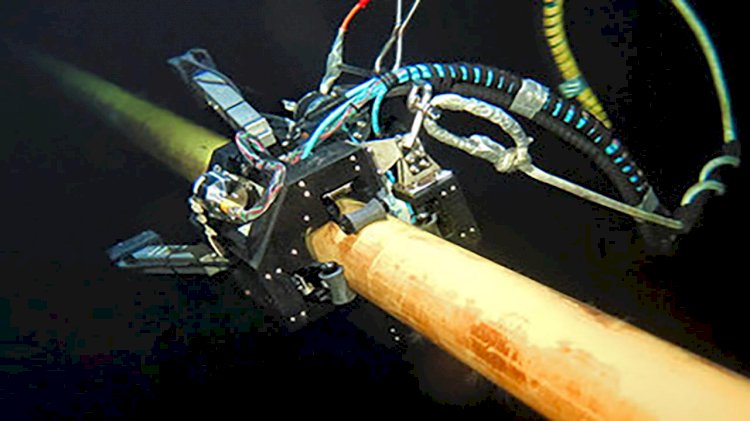
“This project with Ocean Installer marks the first occasion that a RCIS has been used in the field. Building on the decades of practical experience we have gleaned with our proven mooring rope cleaning and inspection Rope Measurement System, the RCIS cleans and inspects the surface of subsea tubular components such as flexible risers, marine power cables, umbilicals and fibre/wire moorings.

We are delighted to have been selected by Ocean Installer to deliver this scope, providing an efficient cleaning solution that saves days of DSV time compared to conventional means.”

The RCIS frame is towed by an ROV at approximately 1m/s, efficiently cleaning both soft and hard marine growth. An optional module consisting of four cameras performs a full 360-degree close visual inspection of the riser or rope surface.

The RCIS, which can be used for unmanned operations, operates efficiently and requires no specialist offshore technicians to operate it, thereby helping to keep operational costs low and reducing POB.

New digital solution will be implemented in port of Gävle during 2020

0

Port activity app is a digital solution to share information that will be implemented in port of Gävle during 2020. 

As the only Swedish port, Gävle is participating in the Swedish Maritime Administration´s EU-financed project “EfficientFlow”. The project will, among other things, make port calls more effective. The new mobile application will be providing the same information to all partners prior and during a port call. The port activity app aims to increase the port operator’s effectivity through communicating arrivals and departures and more for ships. With the app the port call process for ships will be more efficient and there through increase shipping competitiveness and also contribute to less environmental impact with better customized and planned arrivals and departures of ships in the port.

Linda Astner, Sustainability manager at Gävle Hamn, and also project leader for the Port Activity App, explains:

“There can be ten different partners involved in a port call and today they all call each other via phone to get in touch. There are tug boats, navigators, port authority, people responsible for loading- and unloading, container terminal administration and so on.”

“There are often changes in a port´s operation due to time shifts, but also weather and wind has their effects. If everyone gets the right information about both planned and current times for arrivals the dockings can be smoother and the time that the ships spends waiting with the engines on can be minimized”.

The app will cooperate with STM, Sea Traffic Management (an initiative from Swedish Maritime Administration to improve the information between land and ships) but is adapted for a port. By designing and creating a new modern solution from scratch, an app with an open source code creates a scalable and cost-effective solution for ports.

During 2016 Port of Gävle started working more focused with the process around port activities and the progress with this app is a natural part of the ports digitalization process. Port of Gävle has hopes that this project will inspire other ports to implement similar solutions and contribute to a sustainable shipping in a bigger perspective.

Linda Astner explains:

“The test version is ready and the app together with a website with the same information will be launched during 2020. The source code is open, though it must be specialized to the conditions of each port to make it available for more users.”

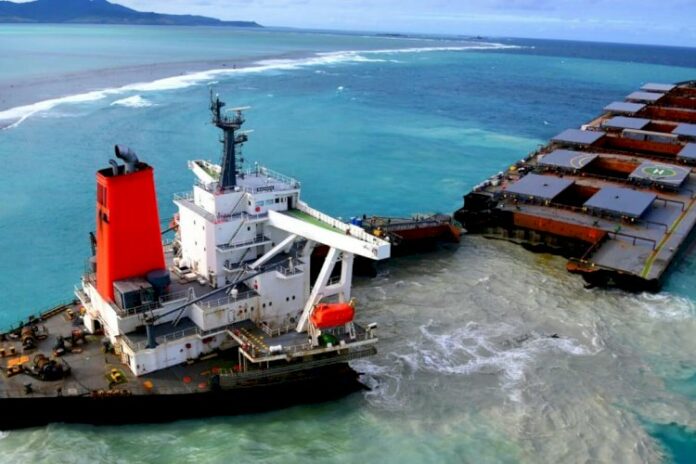
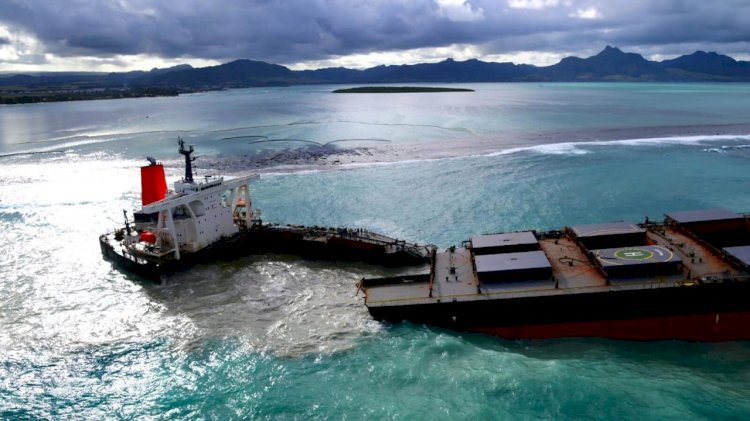
Mauritius oil spill puts spotlight on ship pollution

0

Often close to world shipping lanes, small island and coastal nations are at particular risk from oil spills. Reliant on the marine environment and its biodiversity for tourism, fishing and aquaculture, islanders face an existential threat when oil spills happen in their waters. This is why the environmental crisis unfolding in Mauritius is of grave concern.

It also brings into focus the international legal framework in place to provide support when ship-source environmental disasters strike.

The seas and their use are governed by several international conventions. But some are not ratified by all countries that might benefit, and others are yet to enter into force.

This creates murky waters when oil spills happen, as not all parties have the same liability and compensation recourse, depending on which kinds of ships are responsible for the pollution and whether they have signed up to existing conventions.

Shamika N. Sirimanne, UNCTAD’s technology and logistics director, said:

“There’s a need for universal participation in the existing international legal framework, where all nations are party to agreements, so when incidents like this occur, vulnerable countries are protected.”

She said such oil spills herald negative environmental and socio-economic consequences for developing countries, especially small island developing states (SIDS).

Ms. Sirimanne added:

“Sustainable Development Goal 14 calls on us to protect life below water and this means minimizing pollution at every possible turn, including putting all necessary precautions in place to manage environmental disasters when they do happen.”

Different kinds of ships are subject to different international legal conventions.

The challenge in the Mauritius case is that the legislation that would provide higher compensation to the island nation does not apply, because the ship which ran aground is from a bulk carrier, not an oil tanker.

Oil tanker pollution is governed by a different convention to that of bulk carriers, which is covered by the International Convention on Civil Liability for Bunker Oil Pollution Damage (Bunkers Convention).

It provides for a lower financial cap on liability, dependent on ship size or gross tonnage.

In the case of the MV Wakashio (101.932GT), the maximum compensation for economic losses and costs of reinstatement of the environment would be about $65.17 million.

If it were an oil tanker, the applicable International Oil Pollution Compensation Funds regime could have provided compensation of up to $286 million.

This is more than four times the Bunkers Convention provision and for Mauritius, could mean less financial aid to restore the environment and economic activity in the wake of the spill.

Source: UNCTAD