6.4 C
New York
Home Blog Page 776

ShipNet launches new SaaS-based dry-docking solution

0

Built with insights and requirements from some of the biggest customers, the Dry-Docking Solution is the latest addition to ShipNet’s portfolio of Fleet Management Solutions made up of Technical XE, Safety XE, and Procurement XE, connected as part of the ShipNetONE Platform.

With no upfront installation required, the solution is a SAAS offering and a web-based application allowing you to start utilizing its benefits immediately.

Each ship in service has to comply with a regular maintenance process called “Dry-Docking,” a standard periodic overhauling process founded primarily because of the extraordinary nature of a ships’ environment, which is underwater operations. Dry-docking can cost hundreds of thousands of U.S. dollars (sometimes millions) to maintain a vessel in a standardized working condition.

Without an integrated project management solution, Fleet Management, Technical Teams, and related purchasing departments resort to make-do tools (such as word, excel, or disconnected third-party applications). These disconnected methods only add and increase the administrative burden to an already time & cost-sensitive project. It becomes impossible for Project Teams to plan, manage, deliver, and report for a dry-dock project on time and budget.

The associated costs place ever-increasing pressure on Fleet and Technical Managers of a vessel to ensure that such projects are planned for and executed on time and budget while attempting to minimize the negative impact of a ship being off-hire for that period.
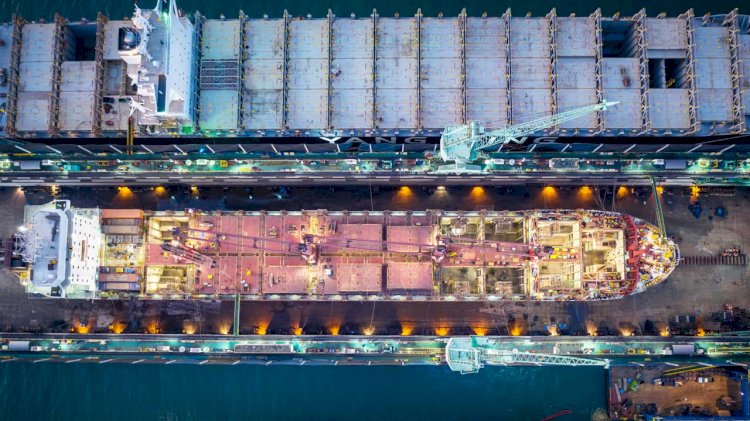
ShipNet’s Dry-Docking Software is the latest state of the art planning and project management solution for Technical Managers, Fleet Managers, and Superintendents related to any projects that involve the handling of Technical Specifications.

ShipNet’s solution captures all the necessary information and follows the process of planning for and executing complex projects such as dry-docking and repairs.

ShipNet Product Director, Basujit Chakravarty, who oversaw the project, commented: 

“Before joining ShipNet to help evolve our product and service offerings to shipping companies, I was a seafarer sailing as a dual officer onboard ships where I had been involved in multiple dry-docking projects throughout my sailing career. Additionally, I had also been involved in multiple dry-docks as a vessel owner. I am excited to be a part of this product launch, where the team has performed a tremendous task in such a short timeframe, in creating our first Dry-Docking solution that aims to address the most common challenges faced in the industry today.”

ShipNet’s Dry-Docking Solution is available as a multi-tenant SaaS solution, making it accessible in any browser. 
HHI granted Bureau Veritas AIP for Hyundai innovative Floating LNG to Power solution

0

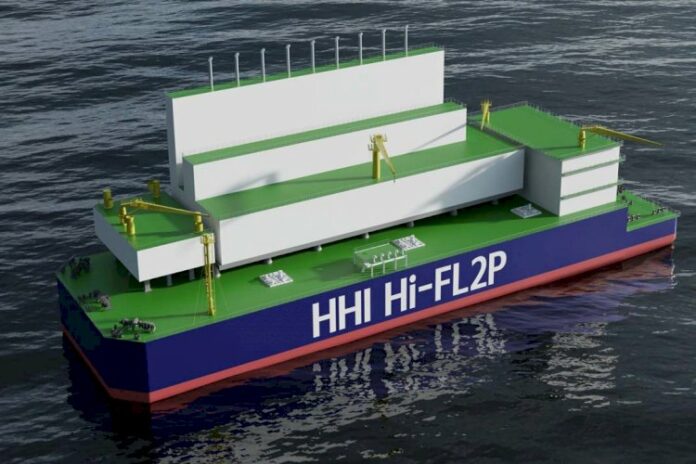
Hyundai Heavy Industries Co., Ltd. has been granted Approval in Principle (AIP) from Bureau Veritas for Hi-FL2P (Hyundai innovative Floating LNG to Power solution).

A certificate of Approval in Principle has been provided to Jae-Eul Kim, Chief Technical Officer, Hyundai Heavy Industries Co., Ltd, by Christophe Capitant, Country Chief Executive, Bureau Veritas Korea, in a ceremony held at HHI in Ulsan, the Republic of Korea.

‘Hi-FL2P’ is an ‘All-in-One Type’ Floating LNG Power Plant where all equipment and systems that are required for the power generation and transmission including LNG containment, gas supply system, and power plant are installed in one unit to function as a stand-alone power plant. 

The ‘Hi-FL2P’ was developed in a JDP (Joint Development Project) with Bureau Veritas. The project was formally completed with the award of the AIP certificate. HHI is now anticipating an increasing number of orders for All-in-One Type Floating LNG Power Plant and this AIP is an important step in marketability.

Jae-Eul Kim said:

‘HHI strategically selected the “All-in-One, Barge Shaped Power plant, with Dual Fuel Engines”, which provides significantly lower CAPEX than land-based infrastructure and also supports the global demand for environmentally friendly power generation, with the collaboration of Bureau Veritas and the Engine Machinery Division and Offshore Divisions in HHI.’

The HHI development team now plans to be active in meeting global market demand by using the results of AIP with Bureau Veritas and related technical data.

Christophe Capitant said:

‘Bureau Veritas is very proud to have been actively involved in the development of this innovative concept of an All-in-One Floating LNG Power Plant. The technical collaboration between Hyundai Heavy Industries Co., Ltd. and Bureau Veritas has been extremely fruitful and we are delighted it has led to such a positive outcome. The Approval in Principle granted to Hyundai Heavy Industries Co., Ltd. is the first milestone which hopefully paves the way for coming successes in the promising field of floating energy generation.’

The Hi-FL2P developed in this JDP with Bureau Veritas is 164 m long, 48 m wide, and 28 m deep. It has three LNG storage tanks with total  capacity 81,000 cubic meters, and also equipped with  2,200 cubic meters of marine gas oil tanks. The unit generate power for its operation as well as for suppling to the land without a continuous external  fuel supply facility such as FSRU. To secure a competitive design for broader demands, HHI and Bureau Veritas carried out gap Analysis against classification rules of Bureau Veritas such as Power Plant, FSU, and Winterization based on HHI’s proven LNG Carrier design.

The power generation engine to be used in the Hi-FL2P is the HHI HiMSEN 14H54DFV model, developed and manufactured by HHI’s Engine Machinery Division. Natural gas is used as the main fuel but in the case of an emergency it is also possible to use diesel oil for ships. By using the dual-fuel power generator, the overall operability would be maximized and the cost of an Hi-FL2P unit is significantly lower than that of using gas turbine generators.  

On receiving a contract, the hull would be built in the shipbuilding division and the power plant manufactured at the engine machinery division – and installed by using an offshore crane with 10,000 tonne lifting capacity (HD-10000). Being produced and integrated under single company, Hyundai Heavy Industries, and in single location, the cost and schedule will be less with high production efficiency. 

Hi-FL2P is more suitable for areas where there is insufficient infrastructure to construct new onshore power plants, or in island areas which are difficult to connect with a main power grid or where temporary/emergency power is required and for cities looking for environmentally friendly power. In addition, it also has viability for areas where environmental authority or community have concern on building onshore power plants. It is expected that the floating LNG power plant market growth will be great in the future especially with shorter duration of construction and with lower investments than onshore power plants.

NOAA and partners advance mission to restore Florida Keys coral reefs

0

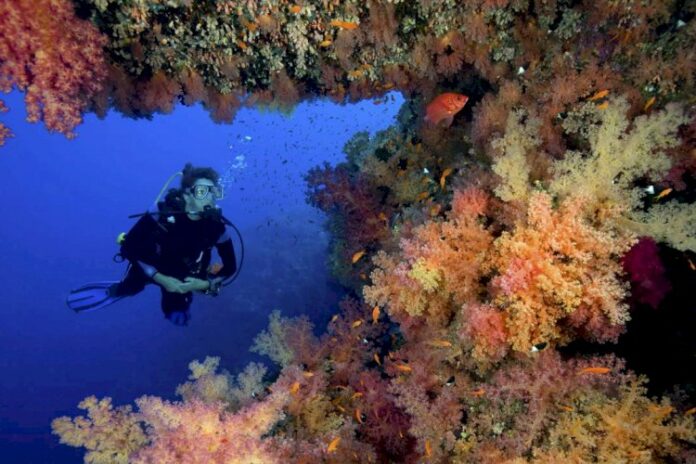
More than $1 million in recent NOAA funding is contributing to the research and development, site preparation, and capacity-building to support the long-term work of Mission: Iconic Reefs.

The funding will also support in-water restoration at multiple sites. In December 2019, NOAA and partners launched an unprecedented approach to restore seven ecologically and culturally significant coral reef sites in Florida Keys National Marine Sanctuary. Since then, they have been working together to build the foundation for this ambitious effort. 

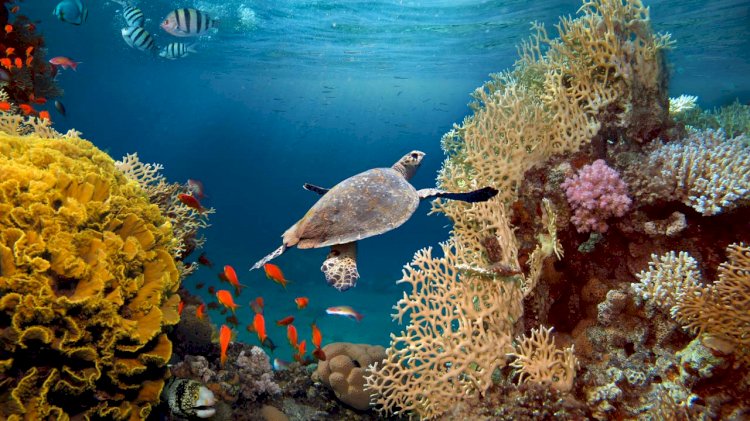
Since the 1970s, healthy coral cover in the Florida Keys has declined by more than 90 percent. Ship groundings, pollution, overfishing, hurricanes, disease, and warming ocean temperatures all impact the reefs and compromise coral health. Losing coral reefs could result in cascading effects to the region’s economy and culture, which are firmly rooted in the local marine ecosystem. 

Through Mission: Iconic Reefs, NOAA and partners are working to restore corals at seven sites in the Florida Keys. To support this effort, NOAA recently awarded more than $1 million in funding to several key partners:

  • The National Marine Sanctuaries Foundation will help facilitate several efforts in support of Mission: Iconic Reefs, including building staff capacity for coordinating the effort. They will also oversee baseline monitoring of all seven sites and develop a multi-user database to track restoration progress. They will initiate a stewardship program that engages and trains local dive shops and community members to assist with site preparation and long-term maintenance of the restoration sites. They will also explore growing Caribbean king crab in captivity for use in restoration. Caribbean king crabs were once prevalent on Florida Keys reefs, but are now largely non-existent. 
  • The Florida Aquarium will grow elkhorn corals and scale up its production of sea urchins. Sea urchins are a major component of coral restoration, as they eat algae that can overgrow coral reefs. Funding will support the infrastructure needed to produce urchins at a larger scale. 
  • SECORE will develop artificial structures for use in growing small coral fragments into larger corals. Half-sphere structures made of coral-friendly material will serve as a base onto which tiny “micro-fragments” of coral can be placed. The coral-covered structures can then be easily placed onto a reef to grow. 
  • Sea Ventures will develop adhesive application tools to assist in attaching corals to reef sites. Planting is currently the biggest bottleneck to efficient coral restoration, and the development of a new underwater adhesive will help solve part of this issue.

Many of these investments are aimed at bridging existing gaps in research and development, helping to make future restoration work more cost-effective and efficient. Funding is also supporting the early phases of in-water restoration at several sites.

Key partners such as the Coral Restoration Foundation and Mote Marine Laboratory and Aquarium are also working toward the goals of Mission: Iconic Reefs. Much of their long-standing, NOAA-supported coral restoration efforts have shifted to focus on the target restoration sites. NOAA recently awarded $2.8 million in funding to these two partners to continue this important work through its Community-based Restoration Program. 

Petrofac expands support for Ithaca Energy

0

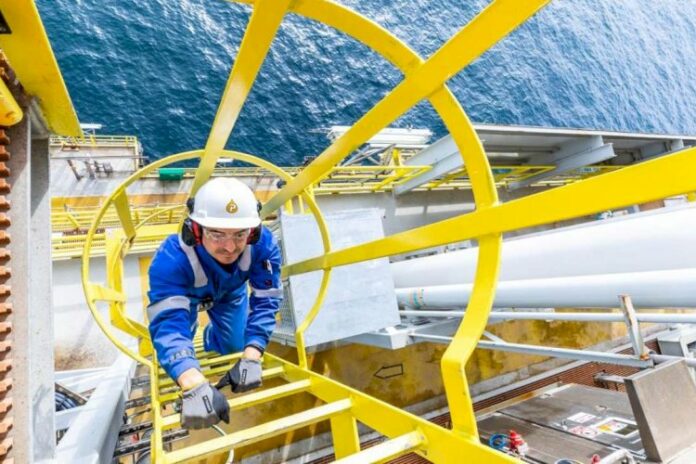
In a new five-year deal, Petrofac will integrate operations, maintenance, engineering, construction, and onshore and offshore technical support across Ithaca’s North Sea operated asset base.

The contract extends Petrofac’s existing working relationship with Ithaca, as well as the duration and breadth of services it provides for the Alba, Captain, Erskine and FPF-1 assets, building on the operations, engineering and support services it has been providing since 2011.

Having expanded its in-house capabilities, Ithaca will assume Safety Case responsibility for the FPF-1 asset, whilst Petrofac continues to provide all services and 96 offshore team members for the asset under the new contract.

Commenting, Nick Shorten, Managing Director for Petrofac’s EPS business in the Western Hemisphere, said:

“Now more than ever, it is vital that operators can have confidence in the supply chain to generate value for them. We’re achieving this for our clients by combining our integrated approach with the latest digital technology to drive efficiencies and increase productivity.

Ithaca’s decision to expand our service provision demonstrates its confidence in our ability to provide integrated support services that enhance operational effectiveness. We look forward to building on our long-standing working relationship by supporting our client to maximise the value of its assets.”

Bill Dunnett, Chief Executive Officer, Ithaca Energy, said:

“The breadth of this agreement is an excellent example of the long-standing collaboration between Ithaca Energy and Petrofac, which is designed to realise economies of scale, maximising the value and potential of our assets.

It provides the opportunity to drive further efficiencies and leverage our in-house capabilities through the transfer of the FPF-1 duty holder. Our continued strong partnership with Petrofac is key in delivering safe, simplified and streamlined operations.”

Windward launches AI-powered predictive maritime intelligence solution

0

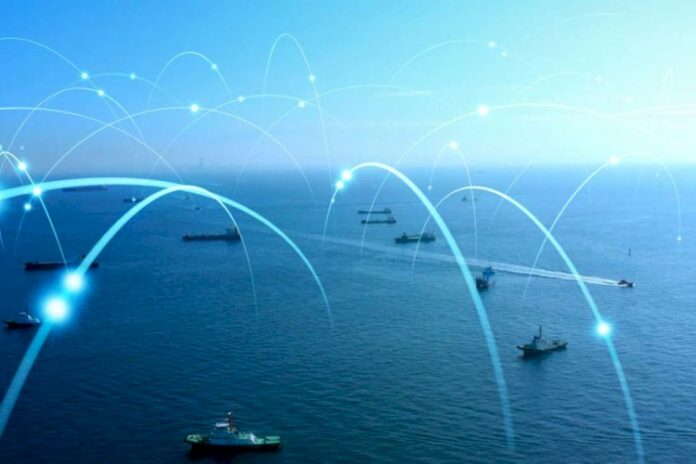
Consisting of 10bn datapoints and 300 behavioral analysis models, MAIA™️ empowers organizations to make smarter and faster decisions and optimize operations. 

Recent sanction advisories from both the OFSI in the UK and OFAC in the US highlight the need for a new global standard in maritime operations, ushering in a paradigm shift in best practices affecting insurers, shipping companies, banks, and traders alike. In addition, Windward’s solution provides governments with sophisticated solutions to protect national interests and citizens. 

MAIA™️ screens, searches and analyzes dynamic maritime data to connect the dots and discover potential risks and questionable business partners. By continuously applying MAIA™️’s behavioral analysis models, Windward’s solution provides dynamic Predictive Intelligence based on vessel identity, cargo visibility, true location, voyage patterns, and more. MAIA™️ links this knowledge into patterns and profiles that create new insights and enable the digital transformation of the maritime ecosystem.

Ami Daniel, CEO of Windward, said:

“We are excited to usher in the era of Maritime 4.0, the next evolution of maritime intelligence empowering all stakeholders in the ecosystem. Risk management lies at the core of any business operation, and maritime is no exception. With our Predictive Intelligence solution, we are giving authorities, banks, insurers, shipping companies, and others the most comprehensive view of maritime risk and enabling the highest level of accountability and transparency.”  

Voyage Irregularities is one of the many new features powered by MAIA™️, providing clients with a 360° smart profile of each entity to bring transparency and accountability to the global maritime grid. By detecting inconsistencies and behavioral irregularities, including the vessel’s age, ship to ship transfers, course deviations, transmission gaps, flag hopping, and more, Windward’s Predictive Intelligence solution enables industry players to be proactive, ensuring they only do business with entities that comply with all the latest regulations. 

GTReplicate launches tool to avert ship-shore data transfer bottleneck

0

GTMaritime has launched a new cloud-based tool to automate a key part of the data transfer process between ship and shore, relieving seafarers and shore teams of a growing manual file replication burden. 

GTReplicate is a cyber-secure solution that automates synchronisation of files and data relating to vessel operation with next to no intervention.

With the quantity of data shared between vessels and shore-side teams increasing at an accelerating rate, personnel on board and ashore are having to spend ever more time uploading, downloading and managing file transfers manually. As well as being tedious, such repetitive tasks increase error risks, with the potential for serious financial consequences if the data lost or overwritten is needed to verify compliance.   

Running on GTMaritime’s FastNet data transfer platform, GTReplicate provides a reliable and highly configurable automated alternative that reduces the growing administrative burden on fleet IT managers and frees up crew to use their time more constructively.

In contrast to many off-the-shelf solutions, GTReplicate is performance optimised for use in a marine environment. This means it operates gracefully across a variety of connectivity platforms, including 3G, 4G, L-band and VSAT, maximising throughput in each case. To further conserve bandwidth, GTReplicate monitors files intelligently, only sending on those  that have changed since the last replication.

Acknowledging the range of specialised software used on ships and the diversity of onboard network configurations between fleets, there are no artificially imposed limits on the type or size of file GTReplicate can handle. It also enables automated bi-directional transfer of selected files, folders, or entire folder structures with multiple mechanisms for maintaining total data integrity. Shore-side email can be used as both replication source and target.

GTReplicate provides shore-based fleet IT managers with a central cloud-based dashboard for configuring and controlling every aspect of how replication takes place, without having to involve crew. Advanced options include ship-specific task creation as well as pre- and post-transfer processing for maximum flexibility.

With a nod to an increasing need for stringent security auditing, GTReplicate comes complete with a full suite of notification, journaling and reporting functions as standard, ranging from basic timestamping to granular detail on execution status and files moved. Likewise, it features robust and flexible archiving functionalities.

Mike McNally, Global Director at GTMaritime says:

“Ship owners are now embracing digitalisation as a low-overhead route to improved operational efficiency, but the growing information flow poses challenges for manual processes in ship-to-shore data transfer. GTMaritime created GTReplicate to provide a scalable, secure and highly configurable solution for automating file transfers and averting a data logjam.”

FastNet is a multi-stream platform designed for today’s data demands. Employing a variety of sophisticated bandwidth management techniques, it optimises, secures and then transfers data packets according to business needs. It will form the core of all GTMaritime products going forward and can be made available to its customers for bespoke digitalization projects.

Cathelco MGPS fitted on oil spill vessel

0

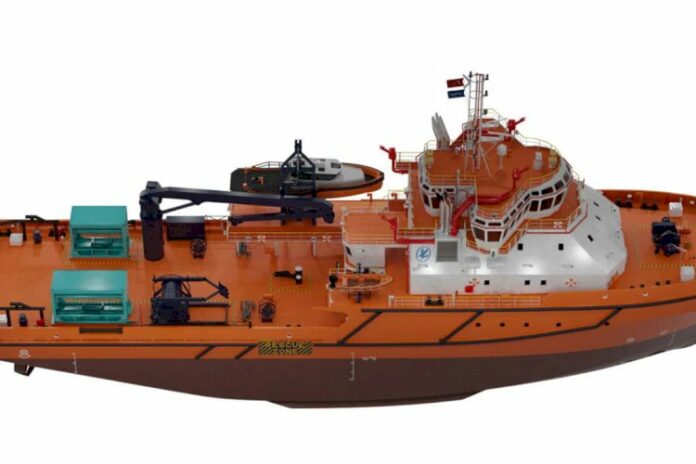
A new multi-purpose oil spill response and towage vessel being built for the Kuwait Oil Co will be installed with a Cathelco marine growth prevention system (MGPS) to prevent bio-fouling and corrosion in seawater pipework.

The system is manufactured by Cathelco which has been part of the Evac Group since 2018.

The 60 meter vessel is currently under construction at the Uzmar Shipyard in Turkey with delivery scheduled for Q4 2020.
It will be equipped for towing services, area surveillance, offshore fire-fighting, logistics support duties and search and rescue in an area around Kuwait and in international waters.

Erdal Dincer of Industrial & Marine Supplies, Evac agent in Turkey, said:

“This is a very advanced oil spill recovery vessel and we are delighted to be supplying equipment which will keep vital seawater systems free from blockages.”

To protect the pipework against marine growth and corrosion, copper and ferrous anodes will be installed in five seachests, connected to a control panel. In operation, the copper anodes produce ions which prevent the larvae of barnacles and mussels from settling and creating blockages in engine cooling and firefighting systems.

At the same time, the ferrous anodes produce ions which create a protective coating on the internal surfaces of pipes to mitigate corrosion. More commonly, in the case of ships with steel pipework, the anti-corrosive function is achieved using aluminium anodes.

The concentrations of copper ions are around 2 parts per billion, effective in preventing marine growth from settling, but having no effect on the wider marine environment after discharge.

Cathelco is the world’s largest manufacturer of MGPS which have been installed on vessels of ranging from cruise and cargo ships to military craft and offshore support vessels.

Stena Bulk completes sea trial with ExxonMobil’s first marine biofuel oil

0

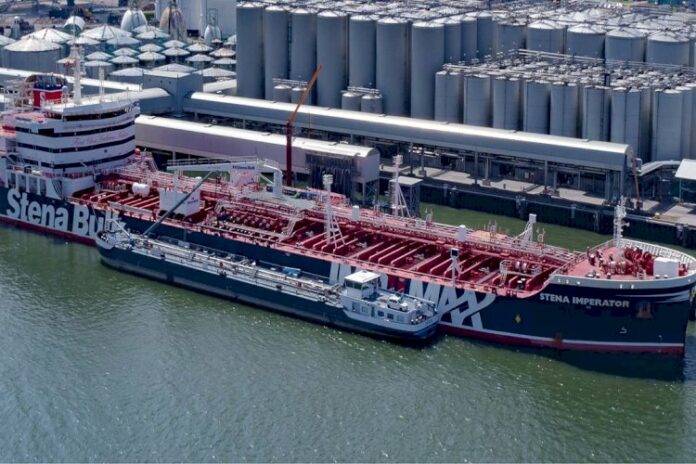
Stena Bulk has just completed a successful sea trial together with ExxonMobil, testing the company’s first marine bio fuel oil in commercial operation. The trial included evaluation of on-board storage, handling and consumption in main and auxiliary engines, and showed once again biofuel’s potential as a low-carbon option to conventional fuels.

Erik Hånell, President and CEO Stena Bulk, said:

“We believe various kinds of non-traditional fuels have an important role to play in accelerating the shipping industry´s reduction of greenhouse gas emissions. The development of ExxonMobil’s biofuel is an important step towards a broader commercial use of low-carbon fuels and we were happy to be part of the sea trial, which proved to be very successful. The fuel performed very well and fitted seamlessly into our technical and commercial operation without the need for engine modifications or additional procedures, while contributing to the development of fuel that significantly reduce CO2 emissions.”

Cowan Lee, Marine Fuels Marketing Manager at ExxonMobil, said:

“With new marine fuels coming to market recently, the need for quality fuels that are both compliant and reliable has never been greater. ExxonMobil’s new marine bio fuel oil meets that growing need as it has been extensively tested, is sulphur compliant and can make a significant contribution in reducing an operator’s CO2 emissions.”

ExxonMobil’s marine bio fuel oil is a 0.50% sulphur residual-based fuel (VLSFO) processed with a second generation waste-based FAME component (ISCC certified), offering a reduction of CO2 emissions by up to 40%.


PTP purchases four new STS quay cranes

0

The purchase of the Super Post Panamax cranes forms part of PTP’s Asset Management Strategy, which aims to improve the efficiency in the terminal, by increasing container handling capacity, capability and reliability, whilst meeting its safety standards.

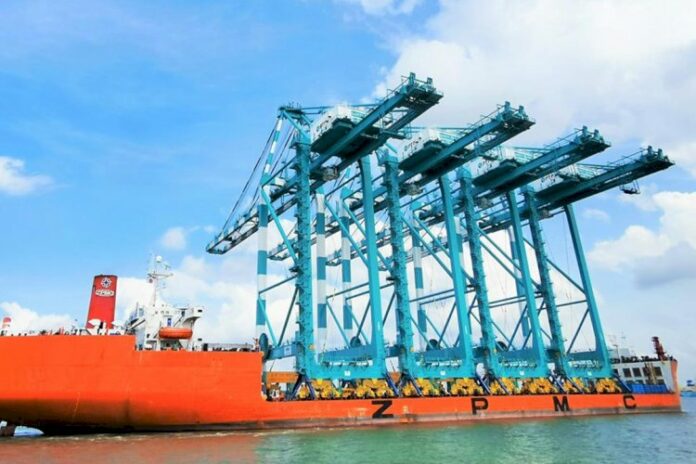
Port of Tanjung Pelepas (PTP), a member of the MMC Group, has welcomed 4 new ships to shore (STS) quay cranes as it continues its drive to optimise services and capacity.

The purchase of the Super Post Panamax cranes forms part of PTP’s Asset Management Strategy, which aims to improve the efficiency in the terminal, by increasing container handling capacity, capability and reliability, whilst meeting its safety standards.

The cranes have a lifting capacity of 65 tons, are 55.5m high, weigh 1,900 tons and are capable of handling containers over 24-rows across ultra large container vessels (ULVC).

PTP’s Chairman, Dato’ Sri Che Khalib Mohamad Noh said that a series of equipment purchased by PTP is to enable the port to receive these ultra large container vessels.

PTP’s Chief Executive Officer, Marco Neelsen, stated that the 4 cranes form part of a purchase agreement, signed with ZPMC, Shanghai in April 2019 for the supply of 8 ULCV STS quay cranes. The remaining 4 units are expected to be delivered in Q3 2020 to bring a total of 66 STS cranes in operation at PTP of which 24 are Triple-E compliant.

This latest addition of equipment capability is a clear demonstration that PTP is one of the best equipped and most technologically advanced terminals in the region and underlines its aspiration to meet the market demand and thereby becoming the preferred port of choice in the region.

Two new BMT fast patrol vessels achieve major milestones

0

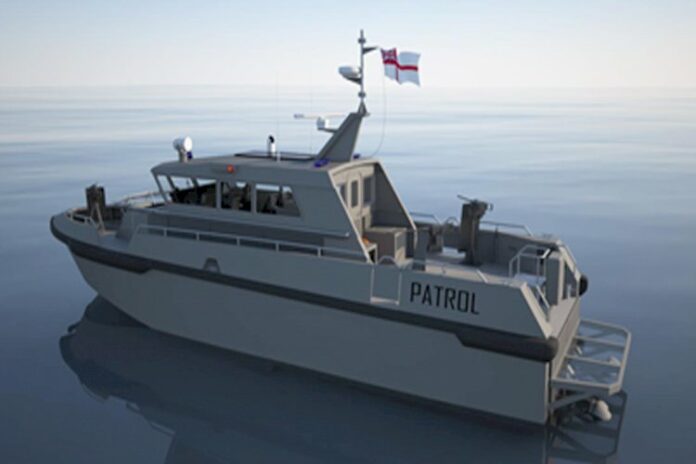
With an overall length of 19 metres, the new design, which is capable of 40 knots has been selected by the MoD to be operated by the Royal Navy’s Gibraltar Squadron.

As part of this public procurement, BMT is also pleased to announce that our team will be providing a comprehensive Integrated Logistics Support (ILS) package. This latest contract for a government customer is a significant milestone for the international design consultancy in the market for high-performance patrol vessels.

Built by Marine Specialised Technology (MST), the two high-performance naval assets will be capable of operating in the most demanding of conditions and will be delivered over the course of the next three years.

Sarah Kenny, Chief Executive at BMT commented:

“We are excited that our design has been selected for this technically challenging project. This contract is a great reflection of the way our teams can combine expertise to produce a winning design, as well as a tailored ILS package. The 19m vessels will provide a step forward in enhancing operational capabilities for the Royal Navy’s Gibraltar Squadron. BMT has an extensive range of proven in-service patrol boats for the demanding military and coastguard sectors in the UK and overseas.  This latest contract underscores our agility in producing carefully tailored designs that suit each individual operator’s particular requirements.”