0.9 C
New York
Home Blog Page 768

Reducing fishing fleet in the Baltic with support from EU funds

0

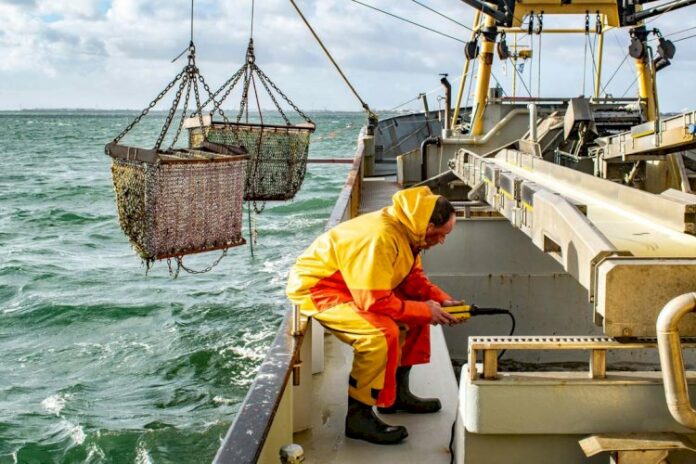
The European Parliament, the Council and the Commission have reached a provisional agreement on legislation that would allow fishermen and -women affected by the dire condition of certain fish stocks in the Baltic Sea to leave the fishing sector with the financial support from the European Maritime and Fisheries Fund (EMFF), received under specific conditions.

The agreement concerns specifically vessel owners in affected Member States wishing to permanently decommission their vessels that used to target eastern cod or that are active in the western cod and herring fishery.

Virginijus Sinkevičius, Commissioner for the Environment, Oceans and Fisheries, said:

“It is important that we could reach an agreement that offers relief to our fishermen and -women who are coping with the dual challenge of the steep reduction of fishing opportunities in the Baltic and the aftermath of the coronavirus crisis. Our actions today have a double function: fostering a healthier, more sustainable Baltic of tomorrow by ensuring the survival of fish stocks, while at the same time supporting the livelihoods of those whom the fish stock crisis in the Baltic Sea has hit the most.”

The difficult situation of the two Baltic cod fisheries and the western Baltic herring fishery has resulted in substantial reductions of fishing opportunities and the full closure of targeted eastern Baltic cod fishery since July 2019 and the Commission has proposed further reductions of fishing opportunities for 2021.

While these decisions were necessary to give the fisheries a chance to recover, they could also potentially result in severe and unavoidable economic hardship for the fishing communities and fleets traditionally targeting those stocks. At the Council meeting of 14-15 October 2019, the Commission and fisheries ministers and agreed to help the fishermen and -women most affected by this economically difficult situation. In October 2019, the Commission swiftly adopted a proposal to modify the relevant legislation. The new agreement will address the potentially severe economic impact of these necessary measures. The European Parliament and the Council both need to confirm this agreement in the coming weeks.
Background

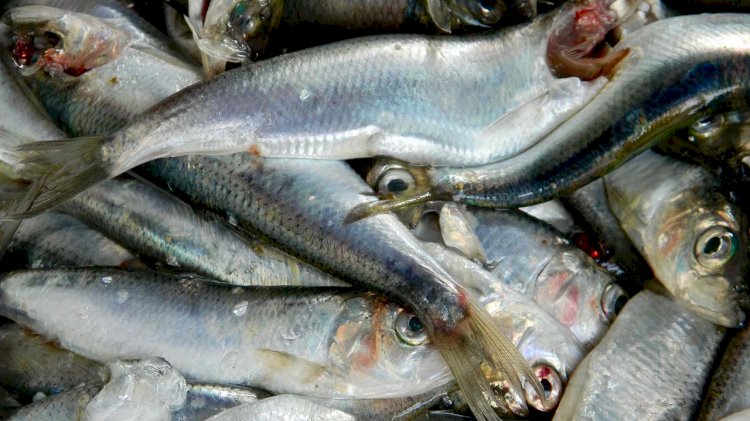
The Baltic Sea ecosystem has been in a fragile state for decades. The Baltic cod stocks have been in a difficult state for a number of years already. More recently, the western Baltic herring stock has deteriorated. After warning, only in 2019, that the impact of environmental conditions is much more important on that stock than previously estimated, scientists are now unsure when the stock might recover, even with no fishing at all. The eastern Baltic cod stock is not expected to recover before 2024, even with the total closure of fisheries.

Following scientific advice, fishing possibilities for western Baltic cod and western Baltic herring have been substantially reduced in recent years. For eastern Baltic cod, the Commission adopted first emergency measures in July 2019, prohibiting the fishing of eastern Baltic cod until the end of the year. In October 2019, the Council decided on necessary and unprecedented fishing restrictions for 2020. The measures included reducing the allowed catches for eastern Baltic cod by 92%, to be taken as bycatches only; the allowed catches for western Baltic cod were reduced by 60% and for western Baltic herring by 65%. In the same Council meeting, the Baltic countries had already endorsed the need to step up the implementation of environmental policies aimed at the recovery of the Baltic Sea ecosystem.

Permanent cessation measures were allowed under the EMFF until 31 December 2017. The agreement reintroduces this measure, under certain conditions, until the end of the current EMFF period 2014-2020 for the fleets fishing, or which used to fish, for eastern and western Baltic cod and western Baltic herring. Member states must ensure that capacity withdrawn from the fleet with EMFF support lowers the pressure on those stocks and helps them recover over time. The proposal does not increase EMFF funding per member state nor the EU’s overall budgetary contribution.
Kongsberg will supply four HUGIN AUV survey systems to GRSE

0

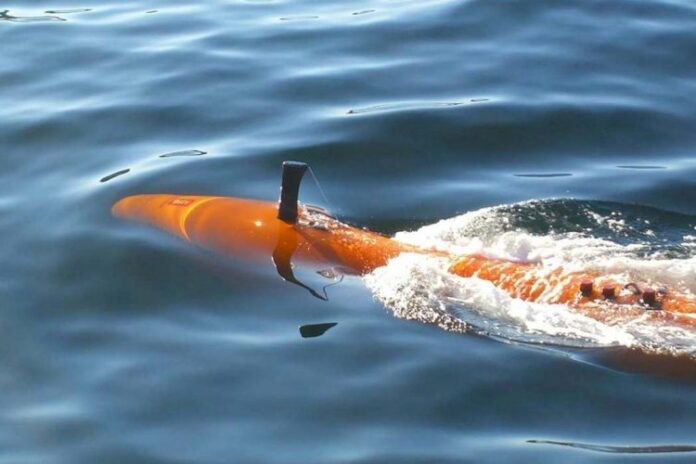
Kongsberg Maritime has announce the sale of four HUGIN AUV systems to the Indian Defence Public Sector shipyard Garden Reach Shipbuilders & Engineers Limited (GRSE), located in Kolkata, India. This sale has been conducted in collaboration with Kongsberg Maritime India, a subsidiary of Kongsberg Maritime.

The purchase, which also includes HiPAP 502 high-accuracy acoustic positioning and communication systems to support AUV operations, will be installed on the four Large Survey vessels currently in build for the Indian Navy. 

GRSE Chairman and Managing Director Rear Admiral (Ret’d) Vipin Saxena said:

“We are pleased and look forward to making use of the HUGIN AUVs from KONGSBERG, which will augment the Indian Navy’s capabilities for coastal and deep-water hydrographic surveys to aid maritime operations, and will act as a force multiplier.”

The AUVs will be supplied with containers and launch and recovery systems, plus training and support.

Kongsberg Maritime is the world leader in deep water AUV systems. Since the first dive in 1993, HUGIN has become the most successful AUV in the deep-water realm, with more kilometres surveyed than any other untethered underwater vehicle. Developed in partnership with FFI – the Norwegian Defence Research Establishment – HUGIN continues to improve with new capabilities, sensors and behaviours being added each year.

Stene Førsund, SVP Sensor and Robotics Sales, Kongsberg Maritime, said:

“We are honoured to have successfully demonstrated the capability of the system to the Indian Navy and to have them as a returning customer for the HUGIN AUV system. Their new HUGIN AUV systems are configured for their needs today and tomorrow with a multi-role capability. We are looking forward to working with GRSE.”

Great Lakes announces receipt of $105 million Jacksonville deepening award

0

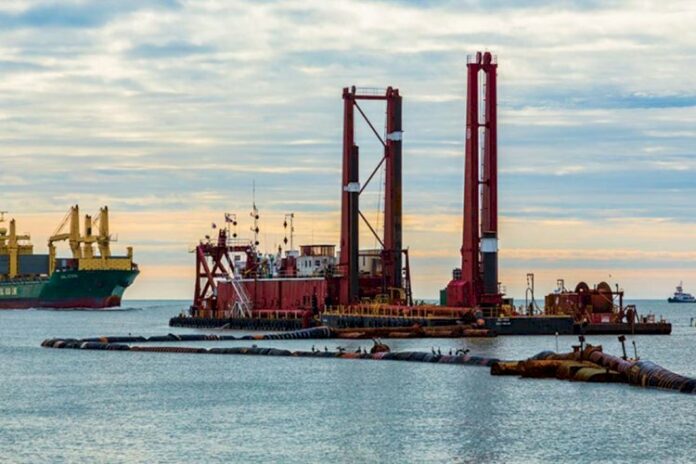
Great Lakes Dredge & Dock Corporation (“Great Lakes”), the largest provider of dredging services in the United States has announced the receipt of a $105 million Base and Option B contract award on the Jacksonville Harbor Construction Dredging, 47-Foot Contract C Cut-42 Project. 

Great Lakes expects the U.S. Army Corps of Engineers to award additional option work items on the contract by mid-2021 with a value of $11.5 million, resulting in a total contract award of $116.5 million. Dredging is expected to commence in the fourth quarter of 2020 with estimated completion of both base contract and all options in the second quarter of 2022.

The Jacksonville Harbor Deepening Contract C Project involves new work construction dredging in Duval County, Jacksonville, of approximately 4.1 million cubic yards of unclassified material from approximately 1.7 nautical miles (Cut-42) of the St. John’s River. The project will deepen and widen the channel, expand the turning basin and deepen berths at Jacksonville Port Authority Blount Island Marine Terminal to an authorized 47-foot depth to increase navigable depth and improve shipping channel safety and efficiency. The Jacksonville Harbor 47-foot depth is essential to accommodate the world’s larger deep draft ships capable of transporting more import and export cargo to and from destinations throughout Asia and other world markets through both the Panama and Suez canals. All excavated sand, gravel and rock soils will be transported and placed in designated areas within the Jacksonville Ocean Dredged Material Disposal Site.

David Simonelli, Chief Operating Officer commented:

“Great Lakes’ fleet of mechanical dredges including the largest clamshell and backhoe dredges in the U.S. market, the Dredge 58 and Dredge New York, will efficiently excavate the consolidated soils and rock present in the Jacksonville River. Our goal is to conduct dredging operations in strict compliance with environmental water quality limits, and we intend to implement measures to ensure protected species are not endangered.”

Lasse Petterson, President and Chief Executive Officer of Great Lakes commented:

“The RFP tendering process involved an extensive evaluation of the competing contractors’ past port deepening experience, execution methods, equipment capabilities and safe work methods in addition to price, rather than a standard lowest price bid award. We thank the Jacksonville District Army Corps of Engineers for the award of this important contract and are pleased to add this work to our extensive list of port deepening projects. After successfully completing Jacksonville Contract B ahead of schedule, we look forward to continuing to support the Port of Jacksonville and believe this significant investment will deliver long standing benefits to the local economy and local workers. We look forward to begin dredging operations and executing this project safely, on time and within budget.”

Tallink suspends operation of Helsinki-Riga route until end of October

0

Following the Latvian government’s decision to re-introduce travel restrictions and a 10-day quarantine requirement for all travellers arriving from Finland, Tallink Grupp has announced that it will suspend the operation of the Helsinki-Riga route from 28 September 2020 until the end of October. 

The company will review operation of the route in November and December over the coming weeks. The Latvian government’s decision comes after the infection levels in Finland have increased over the last few weeks and Finland being listed as a „yellow“ country by the Latvian authorities, meaning travellers from Finland will now again be required to self-isolate after arriving in the country.

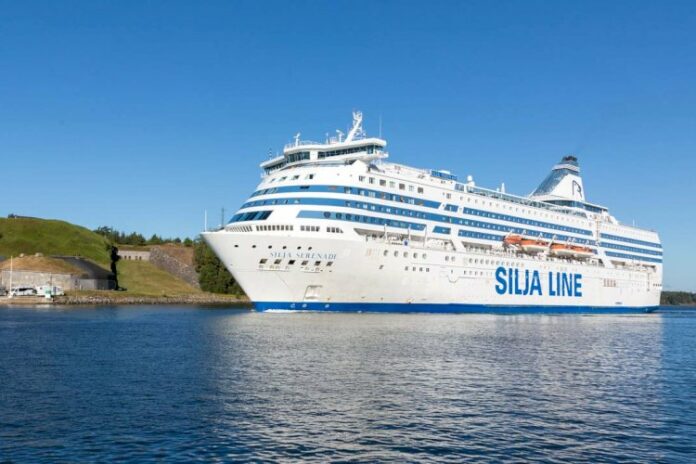
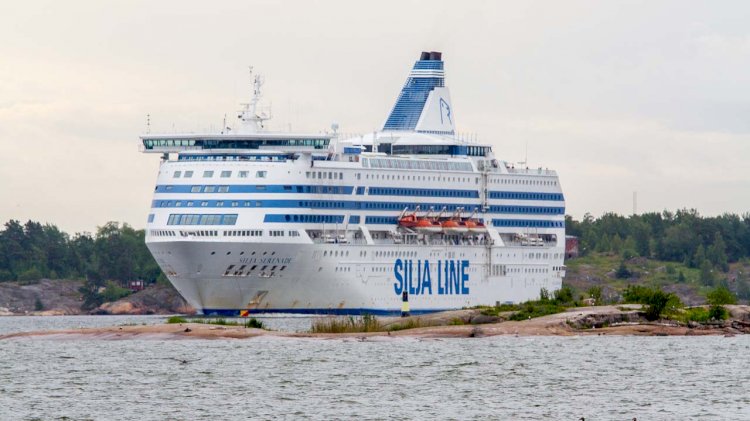
The popular Helsinki-Riga route has been operating since the end of June this year, initially daily with the company’s vessel Silja Serenade and since mid-September with two return trips per week with the company’s vessel Baltic Queen. At the height of the summer holiday season, the vessels carried between 1500-2000 passengers on every trip, but the passenger numbers started to drop from mid-August when the governments in the region issued new travel advice due to the coronavirus pandemic and advised people not to travel.

Commenting on the decision, Paavo Nõgene, CEO of Tallink Grupp, said:

“The passenger numbers on the route have gradually declined since mid-August, but have been sufficient to maintain operations of the route without incurring losses with each departure. However, with the new restrictions announced today, it will be impossible to continue to operate the route as we know now from experience that passenger numbers will plummet immediately following the announcement of restrictions and therefore, to ensure we limit any losses for our business, we have no choice but to suspend this popular route until further notice.

Of course, we understand the decisions and choices the Latvian authorities have to make in order t fight the spread of the virus, but considering the completely comatose state of the tourism sector and no lifelines in sight, we were hoping that exceptions would be made to tourists who arrive in the country in the morning for one day and leave the country in the evening of the same day, thus presenting a lower risk to the Latvian society than tourists staying in the country longer. A slightly more tailored approach with exceptions would have been a significant help for the region’s tourism industry and would have enabled us to keep the transport route between Latvia and Finland open.

As ever, we are always ready to review and revise our decisions, should the virus and restrictions situations change and, circumstances allowing, we will be happy to re-open the route or operate special cruises on the route towards the end of the year so that Finnish travellers would have the opportunity to experience Riga in beautiful Christmas lights.“

All customers with bookings for Baltic Queen departures on the Helsinki-Riga route in October, will be contacted as soon as possible by Tallink customer services teams to discuss booking change and refund options.

POSH offshore accommodation vessels win long-term charters with Petrobras

0

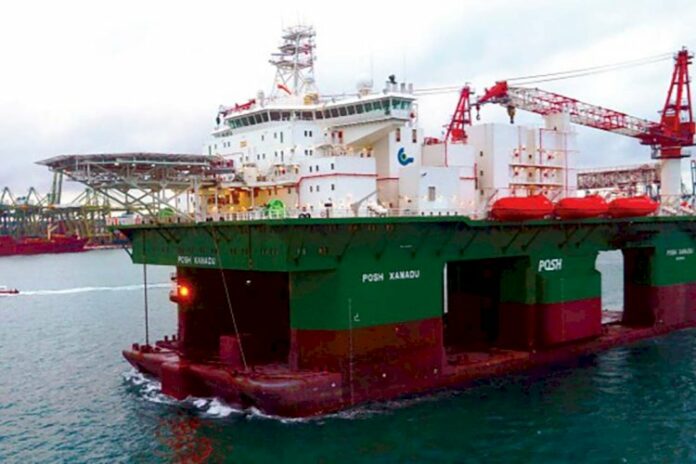
Offshore marine services provider, PACC Offshore Services Holdings (“POSH”), has announced that its two flagship offshore accommodation semi-submersible accommodation vessels (“SSAVs”) – POSH Arcadia and POSH Xanadu – have secured long-term charters with Petrobras.

Mr Ulva Chai, Managing Director, Offshore Services, POSH, said:

“We are proud for POSH to have both flagship SSAVs simultaneously secure long-term charters with Petrobras amid stiff competition. Amid COVID-19, we will work to ensure the health and safety of all involved without compromising our trademark world-class service. We look forward to working with Petrobras again and thank them for their continued trust.”

Mr Lee Keng Lin, Chief Executive Officer, POSH, said:

“Our repeat wins with Petrobras is especially momentous amid such uncertain times. This further differentiates and solidifies our position within the offshore accommodation space, which remains a major part of our business. These charters will provide the stability to our business in the coming years as we continue to accelerate POSH’s transformation to become a future-ready, sustainable solutions provider for the global energy sector.”

The two SSAVs will provide maintenance and accommodation support for multiple Petrobras platforms and floating production storage and offloading (“FPSO”) vessels in Brazil waters for approximately 3 years, with an option to extend for a further 1.5 years for both vessels.

This is POSH Xanadu’s third contract and POSH Arcadia’s first with Petrobras. The two vessels have also supported some of the world’s leading offshore projects in recent times, including for the Shell Prelude – the largest ever offshore floating facility, Chevron Big Foot Tension Leg Platform project and Shell Gumusut Kakap Turnaround project.

As best-in-class SSAVs, POSH Arcadia and POSH Xanadu are designed for deep waters and harsh operating environments. The two state-of-the-art comfort class DP3 SSAVs are equipped with sophisticated machinery redundancy and platform stability and can each take up to 750 pax, offering a comfortable and safe living environment, first-class crew welfare and “walk-to-work” capabilities to support our clients’ requirements.

The vessels are scheduled to commence operations at the start of 2021.

First keel laying ceremony at Helsinki Shipyard

0

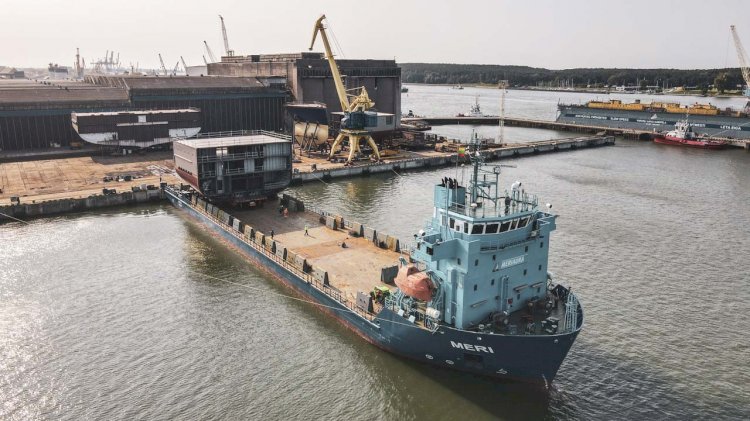
This saw the first 347-ton block of the ship – newly arrived from Klaipeda, where it had been outfitted and painted – being set on the keel over coins to bring good luck in accordance with ancient maritime custom. 

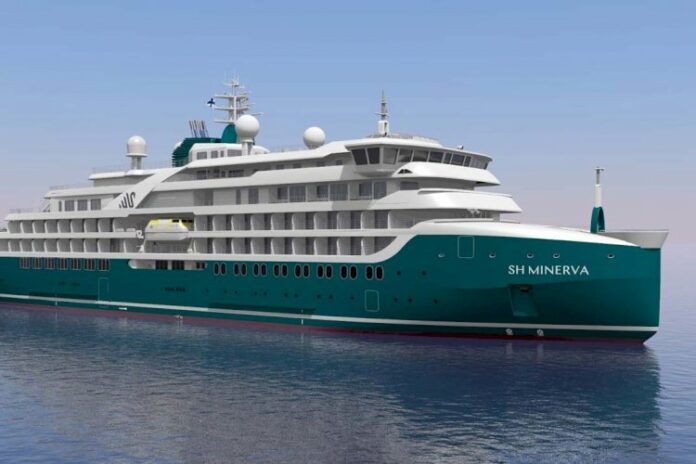
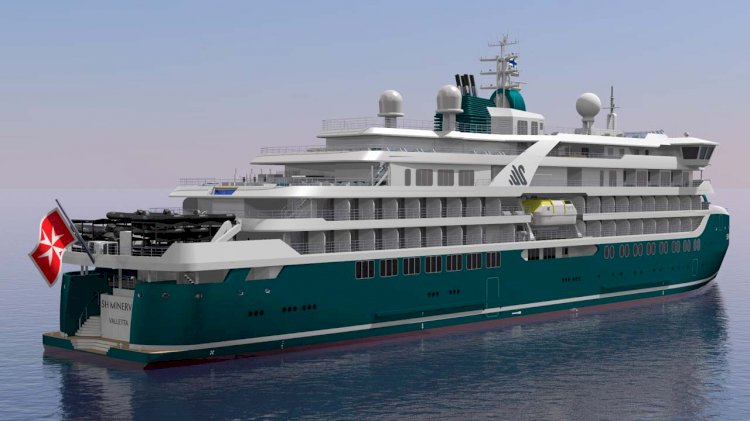
Again demonstrating its respect for time-honoured traditions, Swan Hellenic announced during the ceremony that the ship would be christened SH Minerva in honour of the iconic company’s first purpose-built vessel, named after the Roman goddess of creativity and wisdom. Swan Hellenic CEO Andrea Zito declared there could be no more fitting way for the relaunched company to take Swan Hellenic’s pioneering spirit back onto the waves. 

The elegant new ship represents the next generation of polar expedition vessels, designed for worldwide cruising with a strong focus on high-latitude areas. SH Minerva will feature a 4,6-megawatt diesel-electric hybrid propulsion system with selective catalytic reduction, 3-megawatt max. battery package and PC5 ice-strengthened hull. At 113 m, the 10,500-ton vessel has been specially designed to explore the most inspiring and inaccessible places on the planet.

Providing spacious 5-star accommodation for 152 guests in 76 spacious cabins and suites, the vast majority with large balconies, SH Minerva will be operated by an onboard team of 120 to provide the highest levels of personal service.

Commenting on the special challenges of these innovative ships, Project Manager Jonas Packalén explained:

“New build 516 and her sister NB 517 are designed for extreme weather conditions, from polar areas with quite heavy ice conditions to tropical regions. And they are naturally designed to respect the sensitive ecosystems of the regions where they’re going to sail.”

Carl-Gustaf Rotkirch, CEO of Helsinki Shipyard Inc. remarked:

“We are very happy to have been able to invite our workers back, engaging them in this exciting project. Now we can do what we know best – designing and building ships with a great history behind them and an even greater future ahead. These vessels for the iconic Swan Hellenic are inspiring us, and I hope the customer feels that.” 

Joint group to facilitate the inspection of subsea pipelines using digital technology

0

Vallourec, a world leader in premium tubular solutions, is working with FORSSEA Robotics, a startup specializing in smart robotics and visual positioning, and iXblue, a company recognized for its expertise in inertial navigation, subsea positioning and autonomous technologies – to develop a pipeline inspection solution combining subsea drones and the use of visual markers, removing the need for surface vessels.

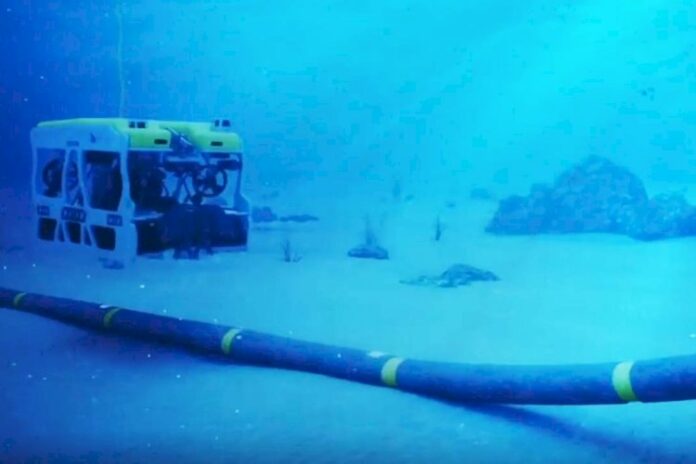
Traditionally, the inspection of subsea pipelines and structures requires the use of a surface vessel (manned or unmanned) with acoustic positioning used to monitor the deployment of Autonomous Underwater Vehicles (AUVs) or Remotely Operated Vehicles (ROVs). These subsea vehicles then collect the required information – such as a pipeline’s general aspect and route, anode consumption, free span, burial and crossing areas – using observation sensors.

In order to reduce pipeline inspection operational costs, Vallourec, iXblue and FORSSEA decided to develop a solution using visual markers directly integrated on subsea pipelines that enables vessel-free subsea navigation.

The project relies on barcodes placed on installed pipes, resulting in many passive positioning references logged with their own coordinates during the laying operation which will remain accessible throughout the life of the field. These markers would be used as navigation aids for subsea drones equipped with FORSEEA cameras and iXblue’s inertial navigation system that easily relay the pipelines’ locations to the operators thus removing the need for acoustic positioning systems and costly mother vessels. To remain visible to divers and subsea drones throughout the project’s lifespan, these markers are long-term resistant to marine growth and erosion.

Jean-Guillaume Besse, Vallourec R&D project leader, said:

“This technology had already proven itself on large structures in the field. Back in January of this year, we did a first sea trial on much smaller surfaces – down to pipes of 6” in diameter – in the South of France. The tests were a success, proving that these markers, combined with iXblue’s and FORSSEA’s expertise, can be used to provide accurate subsea positioning without the need of acoustic systems”.

This innovative inspection technology could be further enhanced when combined with existing digital solutions from Vallourec smart’s services portfolio. For example, the Smartengo Best Fit digital solution already associates a unique tag on each pipe to ease traceability, fit-up and pipeline construction.

The advanced solution developed with FORSSEA and iXblue is a key milestone for future pipeline inspection and could be considered as a next step in the Vallourec.smart offering, further facilitating operators’ asset management.

Armada fleet: Danfoss delivers full hybrid propulsion, Volvo Penta provides engines

0

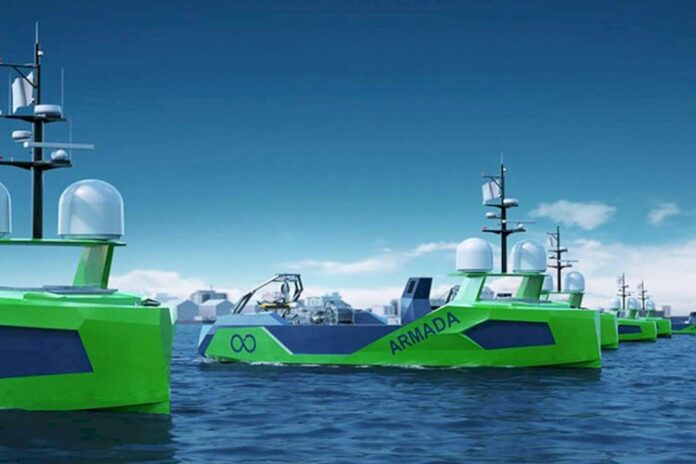
Danfoss Editron has been commissioned by the Grovfjord Mek. Verksted (GMV) shipyard to deliver the hybrid drivetrain systems for a fleet of robot exploration vessels. The unmanned surface robots will be launched by subsea technology and data company Ocean Infinity under a spin-out firm called Armada.

The autonomous vessels will be capable of launching remotely operated underwater vehicles to a maximum depth of 6000m that will carry out surveys on pipeline routes or acquire seismic data. They will operate without a nearby host vessel and instead be controlled via satellites from onshore facilities in the U.S. state of Texas and U.K. city of Southampton.

Danfoss Editron is delivering the full hybrid-electric propulsion and power plant system for the fleet, consisting of a combination of batteries and diesel-generators. The company will also provide the energy management system and propulsion control for each vessel. The engines for the surface robots will be delivered by leading manufacturer Volvo Penta. The Volvo Penta D8 MH variable speed engine will power the marine generator sets onboard. This all-new D8 engine is a perfect match for the autonomous vessels due to its compact size and high power-to-weight ratio. Additionally, the engine’s low fuel consumption plays a big role in the significant CO2 emissions reduction.

The new Armada autonomous fleet does not require a host vessel, thus emitting up to 90% less CO2 emissions compared to conventional oceanographic survey methods, saving approximately 31,000 tons of CO2 a year. The boats will offer significant fuel savings and optimized operational performance, while they will also be safer than traditional exploration vessels as no staff will be required to work at sea.

Commenting on the project, Danfoss Editron’s Marine Director Erno Tenhunen said:

“It is actually the first time that a commercial autonomous fleet in being developed, rather than just being a prototype. We are very proud to have been chosen by GMV as their technology partners for this groundbreaking project. We’re also excited to continue our cooperation with GMV on the Armada project. It is one of the largest aluminum hull vessel builders in the world and has a strong history of delivering high-quality boats.” 

Volvo Penta’s head of the marine segment, Johan Inden, adds:

“Volvo Penta is delighted to be part of this groundbreaking project in cooperation with Danfoss Editron. Together, we will deliver an optimized power solution to the autonomous Armada fleet, designed for ultimate performance while reducing the environmental footprint.”  

The first four vessels in the Armada fleet are due to be delivered to Ocean Infinity in 2021, with the remaining seven robots completed in the next months.

NYK and JMU introduce new shipbuilding contract

0

Shipbuilding contracts typically guarantee ship speed by confirming the relationship between ship speed and horsepower in calm sea conditions without waves. Mutual confirmation then occurs during the sea trials that are conducted during construction.

However, calm voyages without wind and waves are rare during commercial voyages, and stormy weather conditions are often encountered. Therefore, it is generally the obligation of shipping companies to identify and procure ships that have good propulsion performance in actual weather conditions.

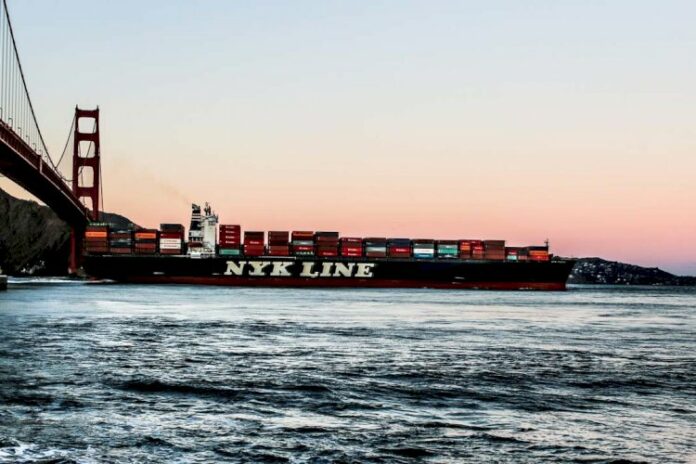
Recently, with the improvement of satellite communications at sea and the progress of IoT technology, it has become possible to efficiently collect a variety of useful data. In the midst of fierce competition in international shipping, NYK Line, which seeks further differentiate itself from others in ship performance, and JMU, which seeks to demonstrate the superior performance clause in the shipbuilding contract, have agreed to the introduction of an actual sea condition.

After a ship goes into service, NYK Line and JMU will collect necessary data for a certain period of time, verify the data, and confirm the degree of achievement of the guarantee. This performance guarantee will confirm the relationship between ship speed and horsepower under sea conditions that include wind and waves.

In addition to this guarantee, NYK Line and JMU will implement a PDCA improvement process and jointly work on the construction of other ship types in the future. Through many years of joint research between NYK Line and JMU, in addition to a common understanding of data processing, storage, analysis methods, etc., the two companies have established a cycle of feeding back obtained knowledge on design for the next new ship to continually improve performance.

The companies plan to further develop this guarantee for verification of propulsion performance for many ship types, which is difficult to do in sea trials at the time of construction. They will conduct discussions with NYK’s partner shipyards on the performance of vessels in the actual sea conditions and make further improvements. 

Kongsberg develops cloud-based simulators for maritime industry

0

Kongsberg Digital continues to develop its simulation technology in support of new competence requirements. It is this focus on improving the quality of maritime education and training which has led to a recent funding award from Innovation Norway of NOK 24 million, to be dedicated to developing cloud-based simulation solutions for teaching and practicing navigation.

Hege Skryseth, President, Kongsberg Digital, comments:

“Digitalization and the use of big data will play an increasingly major part in improving safety, efficiency and, not least, in contributing to more sustainable maritime operations. Kongsberg Digital is intensifying its commitment to these goals, and is now establishing a new business domain – Digital Ocean – to deliver value-generating digital solutions in close cooperation with our industry partners. This project to develop cloud-based training technology is one of many initiatives in which we will participate going forward. By combining our unique domain expertise in digital solutions with our broad experience in developing advanced simulation technology, Kongsberg Digital is in a strong position to raise the bar for quality training in the maritime industry.”

Haakon Haugli, CEO, Innovation Norway, added:

“The solution developed by Kongsberg Digital has huge market potential and great scope for innovation. Norway is well placed to lead the way in digitalization, and the value and possibilities granted by this are clearly relevant considering the Covid-19 pandemic. Kongsberg Digital has previously succeeded with development and commercialization of cloud-based solutions, and there is good reason to believe that they will also achieve success with this project.”  

By combining KONGSBERG’s world-leading simulation technology with Azure, Microsoft’s cloud-based infrastructure, Kongsberg Digital will develop a cloud-based simulation solution for navigation-related training according to the IMO’s International Convention on Standards of Training, Certification and Watchkeeping for Seafarers (STCW). The resulting simulator will – unlike traditional simulators which are demanding in terms of space and hardware – be a highly cost-effective teaching tool, which can be made available to more students, at any time and in any place.

As an example, countries who do not normally have the resources to invest in expensive simulators will now be able to grant students the ability to carry out online learning (e-learning) according to STCW requirements, and to acquire key basic skills such as the use of RADAR, navigation and maneuvering. The cloud simulator will also assist in crisis management and other more advanced training, and will accommodate requirements for post-qualification education of navigators and help simplify the certificate renewal process.

The research community at the University of South-Eastern Norway (USN) is also taking part in this innovative project, and will contribute to developing the professional curriculum and in necessary research activities to optimize the instructional technology and educational aspects of the cloud-based training solution.