-12.3 C
New York
Home Blog Page 757

Blue BioTrade project set to improve fortunes in the eastern Caribbean

0

The project is a point of convergence for conservation and sustainable use of marine resources, and a driver for a blue and green recovery from COVID-19.

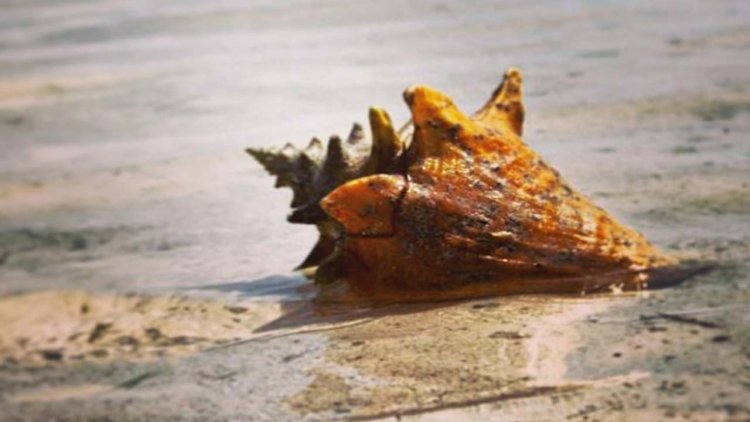
The global market for queen conch (Strombus gigas) – a sea mollusc or shellfish used in and exported from the Caribbean – was estimated at $74 million in 2017 and continues to grow.

While its global demand is booming, small-scale coastal producers in the eastern Caribbean are not fully tapping the full breadth of opportunities offered by sustainable conch markets in particular.

A new project launched on 7 October by UNCTAD, the Organisation of Eastern Caribbean States (OECS) and the Convention on International Trade in Endangered Species of Wild Fauna and Flora (CITES) seeks to change their fortunes.

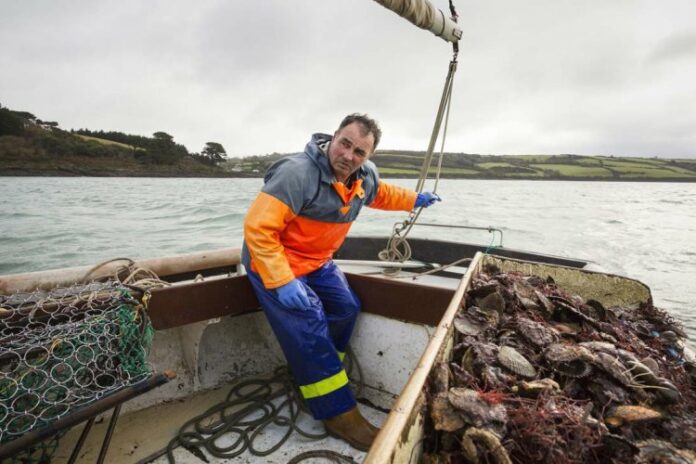
The 18-month initiative, funded by OECS with support from the European Union, aims at empowering small-scale coastal producers from the main queen conch producing nations in the eastern Caribbean – Grenada, Saint Lucia and St. Vincent and the Grenadines.

UNCTAD Deputy Secretary-General Isabelle Durant said the project is unique as it would be a point of convergence for conservation and sustainable use of marine resources. It would power a “blue and green recovery” from COVID-19, she added.

The project aims to enhance the production of and trade in queen conch for domestic, regional and international markets using the BioTrade Principles and Criteria – a set of social, economic and environmental sustainability criteria that have been implemented for over a decade in more than 60 countries.

It will also advance UNCTAD’s work on Blue BioTrade, an innovative approach to sustainable trade and investment in marine biological resources that embraces sustainability principles and criteria.

Blue BioTrade offers opportunities for sustainable development through the value chain. The approach intends to develop planet-friendly livelihoods and foster adaptation to dynamic markets and changing ecological conditions.

Queen conch is a highly appreciated seafood delicacy with important non-food uses, including therapeutic products, jewellery and handicrafts. It’s an iconic product of the Caribbean and closely linked to culinary, cultural and tourism services.

In 2015 alone, 1,400 tons of queen conch were exported from the Caribbean to the United States, representing about 70% of global conch trade.

The production of queen conch by Grenada, Saint Lucia and St. Vincent and the Grenadines was pegged at 645 metric tons with a value of about $7.6 million in 2012.
Prime Minister of Dominica and current chair of the OECS, Roosevelt Skerrit, warned that queen conch may become threatened unless harvesting is assessed and monitored, and trade closely controlled.

Prime Minister Skerrit said:

“We must ensure that we can add value to the existing commercialization of queen conch products and derivatives under BioTrade Principles and Criteria.”

CITES Secretary-General Ivonne Higuero said that, in the wake of mounting and global concerns about people’s relationship with nature, the project would “promote long-term sustainability of the use of and trade in queen conch, and the well-being of local communities that rely on fisheries for their livelihoods.”

In many locations, early uncontrolled harvesting of queen conch has resulted in overfishing, illegal landings and a rapid deterioration of endowments. This is why it has been listed in CITES Appendix II since 1992.

The appendix includes species that are not necessarily threatened with extinction, but for which international trade must be controlled to avoid utilization incompatible with their survival.

Key supply-side concerns in the queen conch value chain include the absence of traceability systems and limited landing and trade data.

Equally of concern is the limited understanding and use of CITES requirements and processes, such as the issuing of trade permits, as well as the lack of common handling practices and sanitary standards, and the low level of associativity of fishers.

UNCTAD, OECS and CITES have joined forces to map and prioritize these concerns by conducting participatory value chain assessments of queen conch products in the three beneficiary countries.

OECS Director-General Didacus Jules said the partners will also develop a regional plan of action to tackle challenges and seize opportunities arising from the sustainable trade of queen conch products.

Mr. Jules said the project would enhance stakeholders’ capacity to identify sustainable and gender-inclusive business opportunities and formulate actions to pilot the application of the BioTrade Principles and Criteria to the queen conch value chain.
North Carolina Ports partners with Versiant to improve port productivity

0

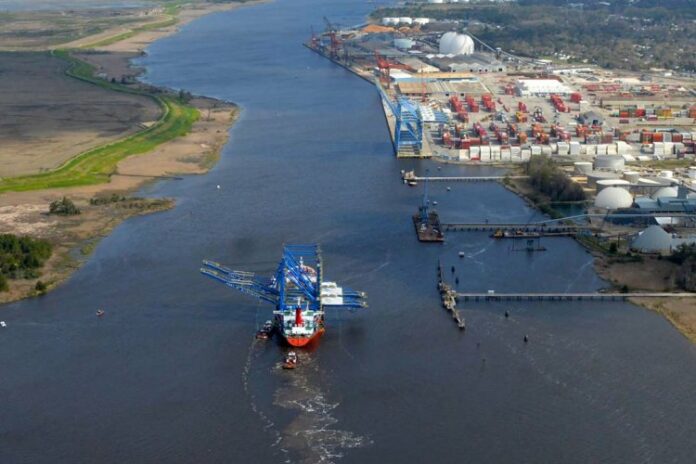
Versiant Corporation, a Charlotte, North Carolina-based and North American-focused technology services provider, is expanding its relationship with the North Carolina State Ports Authority to deliver a comprehensive data-analytics-as-a-service (DAaaS) solution.

This solution eliminates the time-consuming, manual process of aggregating information from across North Carolina Ports’ multiple business systems and Morehead City and Wilmington terminals.

With DAaaS, raw data is captured in a unified location and transformed into actionable information that promotes understanding and strategic decision, using artificial intelligence. This approach delivers improved, real-time visibility into its data and operations, allowing NC Ports to better plan its yards, improve turn time, minimize dwell time, and enhance other business-enabling metrics.

Versiant’s DAaaS builds upon its deep-rooted data analytics experience. Powered largely by Microsoft Cloud Technologies, the solution transforms how big data is organized, analyzed, and consumed—without costly software license fees or hefty infrastructure needs.

Bill Corcoran, Chief Information Officer, North Carolina Ports, said:

“We are excited by the potential Versiant’s DAaaS solution holds for our organization. The ability to efficiently and accurately integrate data from disparate systems will provide improved insight into our KPIs, operational metrics, and trends to improve productivity, control costs, and enhance agility.”

Versiant DAaaS will deliver a series of benefits to North Carolina Ports, including:

  • Eased data management. DAaaS compiles multi-sourced data in a centralized data warehouse, allowing the Ports Authority to easily access and manipulate data across its two terminal locations and various business applications to enable sound business decisions. This information is delivered in an easy-to-understand format utilizing the platform’s powerful reporting capabilities that integrate with NC Ports’ existing tools.
  • Scalability to bolster performance and deliver long-term insight. The solution’s cloud-based environment seamlessly scales to accommodate growing data quantities without impacting the speed or performance of report generation. The ability to grow the data warehouse without purging information, allows North Carolina Ports to analyze larger data sets to identify longer-term trends and more precisely forecast its needs.
  • Increased accuracy. Versiant DAaaS mines data from a unified data source to ensure accuracy across all reporting platforms. Its automated processes eliminate labor-intensive data manipulation to limit human error and generate reports in minutes rather than hours.
  • Heightened visibility. DAaaS provides complete transparency into business capabilities for more informed decisions and forecasts. Its dashboard offers a visual, easy-to-digest view of KPI metrics as well as a library of on-demand, self-generated reports that are customized to meet NC Ports’ unique needs. The interface is accessible anywhere, anytime, and from any connected device.
  • Proactive decision making. DAaaS delivers a deep understanding of the business factors that impact performance, strategic direction, and the bottom line, allowing the Ports Authority to understand the “why” behind a metric and test variables to determine their potential impacts on a KPI.

Kongsberg to deliver large electric winch package to new vessel for JFK

0

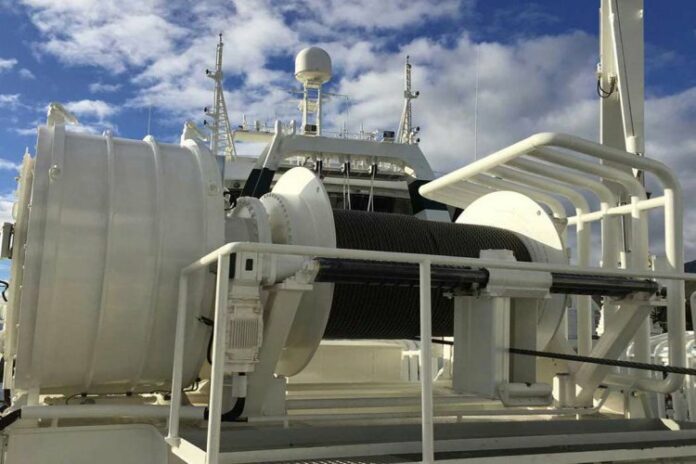
The package will include four EasyDRIVE electric trawl winches with SmartPΩWER Permanent Magnet (PM) motors. This innovative use of direct drive PM motors, instead of the gearbox arrangements customarily used for trawl winches, improves reliability considerably.

This will be the 13th stern trawler to be fitted with this system, which has so far logged 200,000 trouble-free hours and provides the ability to operate trawl winches via a motor connected directly to the drum. By eliminating the gearbox – an acknowledged weak link in a traditional setup – the risk of downtime or failure is significantly reduced. The system brings other, additional benefits, including high efficiency and regenerative power, and the ability to boost pulling force by up to 30% for short periods. It also gives very good dynamic properties and response times on the drum, an especially important consideration for stern/bottom trawling.

In addition to the unique trawl winches, Kongsberg Maritime will also deliver winch control and monitoring systems, and a Variable Speed Drive (VSD). These technologies work seamlessly to achieve the best possible functionality and operational reliability, resulting in a fantastic tool to facilitate efficient and gentle recovery of the catch.

Hanus Hansen, CEO and main owner, JFK:

“We have been a customer of KONGSBERG/Brattvaag for many years and are very satisfied with the products and service they have provided. Until today, this has been with hydraulic low-pressure winches, but since they can now offer electric trawl winches with direct drive, we chose to adopt this form of drive on our new trawler.

“Prior to concluding the contract with Tersan Shipyard, we consulted with the fishery company K. Halstensen and their crew on board the trawler Granit. They were early to install these electric winches and have gained several years of experience. The feedback from them has been very positive. Kongsberg Maritime has served us well for decades, and we look forward to maintaining our mutually loyal relationship with the new electric PM winches.”

Remediation of Averijhaven awarded to Van Oord

0

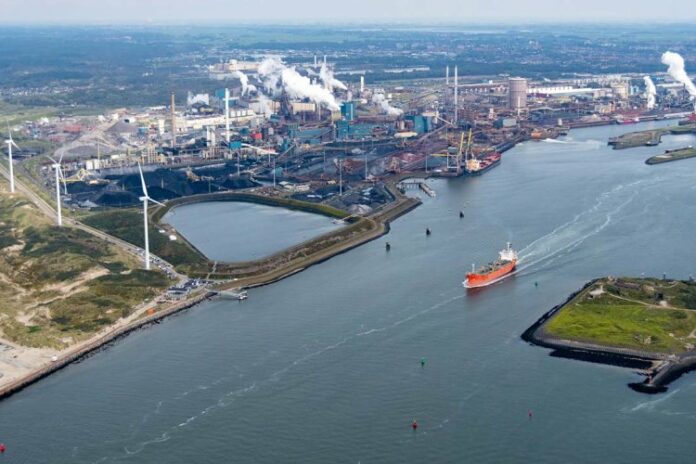
Rijkswaterstaat, the executive agency of the Dutch Ministry of Infrastructure and Water Management, has awarded Van Oord the contract to design and carry out the removal of silt from the Averijhaven depot in IJmuiden.

After the removal of the contaminated silt, the area will be developed into an energy port. The contract has a value of EUR 18 million and preparations will start in the spring of 2021.

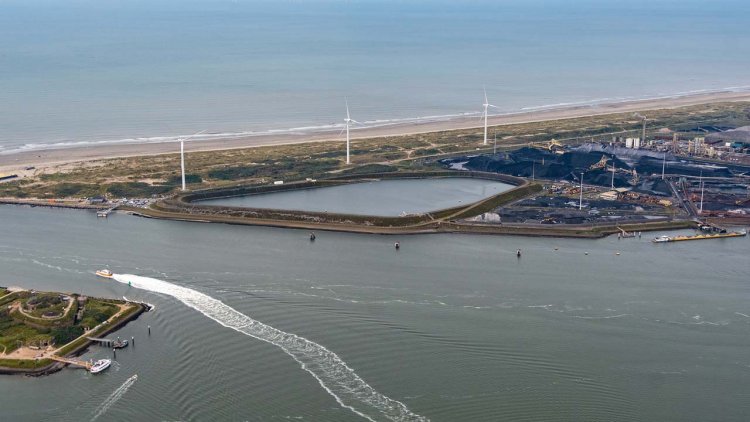
The Averijhaven is located adjacent to the shipping route in the direction of the sea lock at IJmuiden (the Noorderbuiten Canal) and the Tata Steel site. For a long time, it served as a dredging depot for Rijkswaterstaat, but was no longer used in recent years. With the removal of the silt, the Averijhaven is being prepared for its new role as an energy port. This new port will be an important operating base for the construction and maintenance of offshore wind farms that will be built in the years ahead.

For this remediation project, Van Oord will be deploying a cutter suction dredger. The cutter suction dredger will transport the silt from the depot via a fully enclosed system to a transport vessel, probably a large trailing suction hopper dredger. This vessel will then transport the material to the Slufter depot. During the work, the stability of the ring dike will be monitored continuously by means of a measuring system.

Seaspan returns to Sanmar for fleet expansion to service Vancouver Market

0

Mobilisation to Vancouver has already commenced, under the direction of Redwise Maritime Services of the Netherlands, with arrival expected in late November.

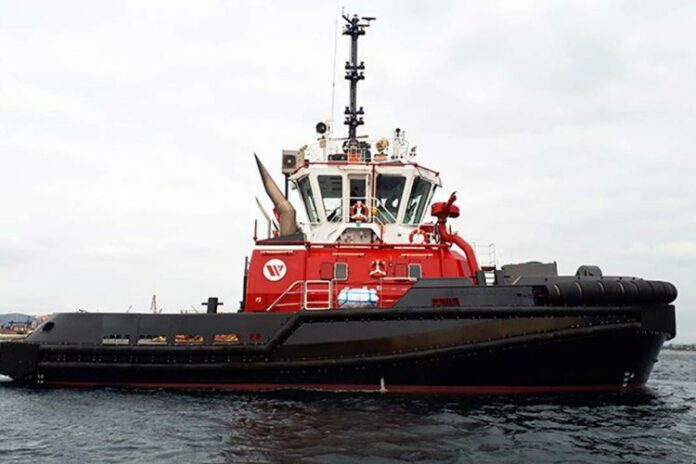
The Seaspan Raptor was built in 2015 and initially operated by Sanmar in its own fleet. It has recently undergone a full docking and undergone modifications to meet both Seaspan and Canadian flag requirements. It will be followed in Q2 2021 by a second tug, a sister vessel built in 2016 and also previously operated in the Sanmar fleet in Turkey.

Both tugs are examples of the RAmparts 2400SX tug designed exclusively for Sanmar Shipyards by the reputed Vancouver based designer Robert Allan Limited (RAL) and designated the Bogacay Class by Sanmar. Measuring 24.4m overall length, delivering 75t bollard pull and 13 knots free running speed, these state of the art tugs are escort rated and feature Class 1 fire-fighting capability.

The Seaspan Raptor and its sister will join a number of other Sanmar built tugs in the Seaspan fleet delivered between 2010 and 2012 and still performing admirably in and around Vancouver for Seaspan (Seaspan Raven, Eagle, Osprey and Kestrel). These earlier tugs are themselves sisters and represent examples of the RAstar 2800 model, again designed by RAL for Sanmar and designated Terminal class; in this case each providing 70t bollard pull.

Frank Butzelaar, CEO, Seaspan Marine Transportation, said:

“These are the 5th and 6th tugs Seaspan has acquired from Sanmar, a world-leading builder of tugs designed by Vancouver-based and internationally recognized naval architects, Robert Allan Ltd. These powerful tugs are an example of Seaspan’s continued long-term commitment to service our ship docking customers in a market where the average ship size continues to increase over time.”

Ruchan Civgin, Commercial Director, Sanmar Shipyards, commented:

“We feel privileged to see Seaspan, a major partner in the Pacific Northwest marine economy, coming back to Sanmar. They have been working with Sanmar tugs for the last 10 years and this return provides testament to their satisfaction by every means. With these latest deliveries, Seaspan not only have the opportunity to operate our flagship Bogacay series tugs but also experience the improvements developed across the range by Sanmar since then.”

DNV GL and Aker BP successfully perform remote surveys of offshore cranes

0

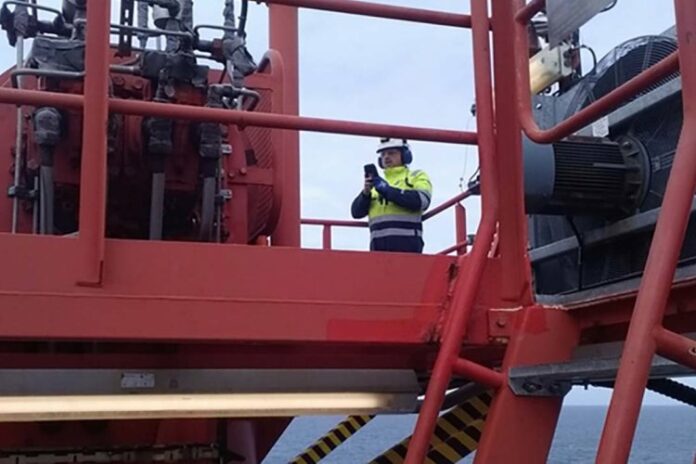
In line with Aker BP’s strategy of minimizing its operational carbon footprint, DNV GL performed remote safety inspections of one box boom pedestal crane on the Valhall Flank West and two knuckle boom cranes on the Skarv field, both as part of annual surveys.

On both installations, crane operators and specialized crane technicians on board the platforms used tablets to take close-up video and pictures based on an agreed checklist of selected safety functions, which were shared with DNV GL’s onshore inspectors. On the Valhall Flank West platform, which is normally unmanned, the one-year old crane, manufactured by NOV, featured auto-testing of the AOPS (automatic overload protection system). It was the first time this was inspected along with the structural connections, critical hydraulic and electrical components, the MOPS (manual overload protections system), and brakes.

A similar inspection programme is being performed on two knuckle boom cranes on the FPSO located in the Skarv field. As Aker BP’s northernmost producing field, it boasts one of the worlds’ largest offshore gas processing plants.

Anchored in 350-450m water and 210km off the coast of Sandnessjøen, Norway the ongoing remote assistance pilot task will fully assess how to perform key safety critical tasks in a remote fashion without jeopardizing trust and safety for personnel and the asset in the process. Avoiding return travel to Brønnøysund and helicopter travel to Skarv are a few examples of cost saving contributions of this approach. As well as the online flexibility this approach gave Aker BP it also presented the ability to connect multiple DNV GL experts, who would otherwise have had to travel.

Robert Anfinn Oftedal, head of section, cranes & lifting operations, DNV GL – Oil & Gas, said:

“As with physical inspections, communication and knowledge of the equipment or system in question is vital throughout the process between each party. With the use of readily available, live-feed technology such as smartphones, tablet computers and digital cameras, inspections are becoming quicker, more accessible, more cost-effective and have a positive impact on minimizing carbon emissions.”

Arve Johan Kalleklev, Regional Manager, Norway and Eurasia, DNV GL – Oil & Gas, added:

“The global pandemic has accelerated the onset of remote surveys in the industry and we are really beginning to realize the impact this technology can have in the long term. The ability for expert inspectors and surveyors located anywhere in the world to confidently ‘visit’ assets to verify quality and integrity in full compliance with company specifications or industry standards is very appealing to the oil and gas industry.” 

Responding to intensified demand for ‘virtual’ verification and certification services for topside and subsea equipment, DNV GL has undertaken more than 4,000 remote inspections for the oil and gas industry so far this year. This has included surveys such as a marine warranty survey of a barge and platform in Senegal and material certification of subsea equipment in China. 

Svein Harald Hetland, Technical Authority Lifting, Aker BP ASA, says:

“Using an Automatic Test system with a digital interface significantly reduces risk compared to manual inspections via procedures. The next generation of cranes will be set up with continuous monitoring systems which enables us to move into a predictive maintenance regime. The remote inspection programs will then focus on verification of the entire systems.”

Ine Dolve, SVP Operations & Asset Development, Aker BP ASA, concludes:

“Our operating model will use lessons learned from the pilot and scale the remote assist concept across our assets as we adapt to a new normal.”

PARAT launches a new multi-fuel boiler that delivers flexibility for seagoing assets

0

PARAT Halvorsen AS, Norway’s leading supplier of combined steam boilers for commercial marine, offshore and fishing applications, has launched a new multi-fuel boiler that delivers unprecedented flexibility for seagoing assets.

The company’s MCS Combined Exhaust Gas / Fuel-Fired / Electrical Boiler is a compact and highly efficient unit enabling ship operators to switch between different fuel sources to optimise efficiency. Its flexible configuration can also cut emissions, provide additional electrical back-up during vessel operation, and enable vessels to use more sustainable and emission-free shore power where it is available in port.

The new boiler is suitable for a broad range of marine and offshore assets and provides a significant step forward for decarbonisation in both sectors. Potential markets in shipping include cruise, ferries and ropax ships. In offshore, the boiler provides a flexible option for new and existing oil platforms of various types, particularly latest generation units geared to a range of power sources, including sustainable power from shore. Offshore support vessels with hybrid power arrangements also offer significant market potential.

The MCS boiler, with smoke tubes, is available in vertical or horizontal configurations and has been approved by most major classification societies. Its electrical connection is available at 400V, 440V or 690V depending on the power distribution system on a new or existing vessel.

Johnny Svindland, Head of Marketing at PARAT Halvorsen, explained:

“The MCS has been designed for maximum flexibility in today’s multi-fuel environment. Now, with electrical connection, vessels will be capable of producing steam from other sources of power, including shore power to reduce emissions in port. The boiler is a really sound option for newbuilds where increased fuel flexibility for the steam system is of significant benefit.”

Operators of existing vessels with combined PARAT boiler installations as well as boiler systems from other manufacturers can upgrade steam production arrangements with the PARAT ECS Electrical Circulation Steam boiler, optimised for steam boiler retrofits. This allows users of existing steam boilers to add electrical system benefits, both via Shore Power-based steam production and back-up during transit. The compact solution enhances flexibility and reduces through-life maintenance costs in the process. 

The boiler, which can be set to automatic mode for unmanned engine room operation, can be used as a source of extra power during routine voyages and as a means of reducing fuel consumption. Similarly, its electrical connection can be delivered at 400V, 440V or 690V. The unit’s programmable logic controller (PLC) can be connected to a vessel’s main control system by standard ethernet / profibus / modbus links.

PARAT’s Svindland commented:

“The ECS boiler can be added to any existing marine or offshore boiler to provide an electrical connection as a back-up, enabling generator loads to be optimised and for shore power to be used when available. Installations, which can be vertical or horizontal depending on layout and space constraints, can be undertaken on existing vessels in port or at sea, with the retrofit upgrade and boiler optimisation managed by PARAT as a turnkey project.”

The ECS boiler is available as a standard modular unit in capacities up to 500kW, equivalent to 750kg steam per hour. More powerful units are also available on request.

Damen FCS 2710 receives ABS approval in principle

0

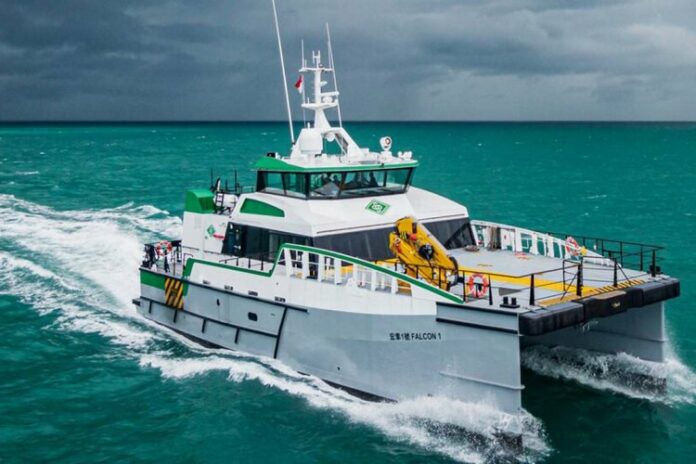
Damen Shipyard’s Group Fast Crew Supplier 2710 has received an approval in principle from ABS. This is an important step towards Damen’s next generation CTV (Crew Transfer Vessel) being used to support the developing US offshore wind industry.

To achieve the approval, Damen has modified the design of its standard FCS 2710 to meet the US requirements. Waterjets are now incorporated, driven by engines that are compliant with US Environmental Protection Agency regulations. The FCS 2710, over 65ft in length, is well suited to the tough operating conditions on the US Atlantic coast. Its size ensures the vessel’s capability to continue operating during the winter period, when smaller vessels will need to power down or even remain in harbour.

The FCS 2710 has already proven its capabilities, quickly making a name for itself in the European offshore wind arena. The FCS 2710 draws on the success of predecessor game-changing design, the FCS 2610. Damen increased the size of the design in order to offer greater flexibility, deck space, tank capacity, increased comfort and additional accommodation. When Damen unveiled the FCS 2710, a key element was the vessel’s increased tunnel height above the water, which enables it to operate in waters with over 2 meter significant wave height for considerably increased uptime.

The vessel features Damen’s renowned Sea Axe hull form – here in Twin Axe formation – to deliver safety and comfort even in rough waters. The Sea Axe reduces vertical accelerations by enabling the vessel to glide through the waves.

Mark Honders, Manager Design & Licences said:

“We are very pleased that the FCS 2710 has received this ABS approval in principle. The vessel has performed very well in European operations and has also received orders from Asia. We feel very confident in its suitability for operations in North American projects also. Damen has the goal of becoming the world’s most sustainable shipbuilder and we are very proud to contribute to the production of renewable energy around the world with our products.”

Høglund Marine Solutions takes two-thirds stake in wind-assisted car carrier project

0

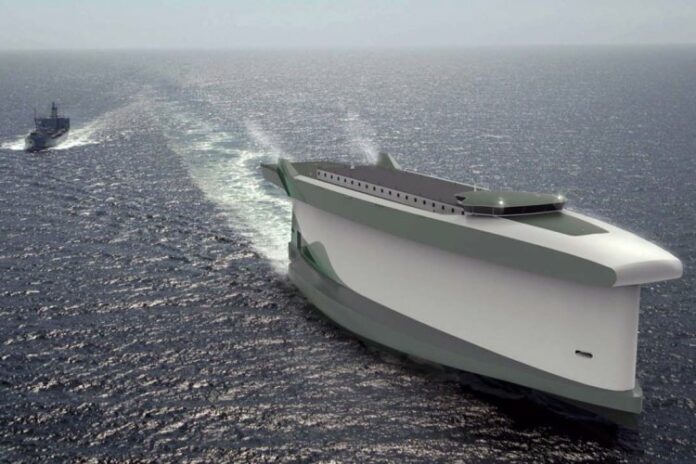
Marine technology provider Høglund Marine Solutions has announced that it has taken a two-thirds stake in Vindskip AS, a company developing a wind and LNG-powered vessel concept. Børge Nogva, President of Høglund, has also become chairman of the board at Vindskip AS.

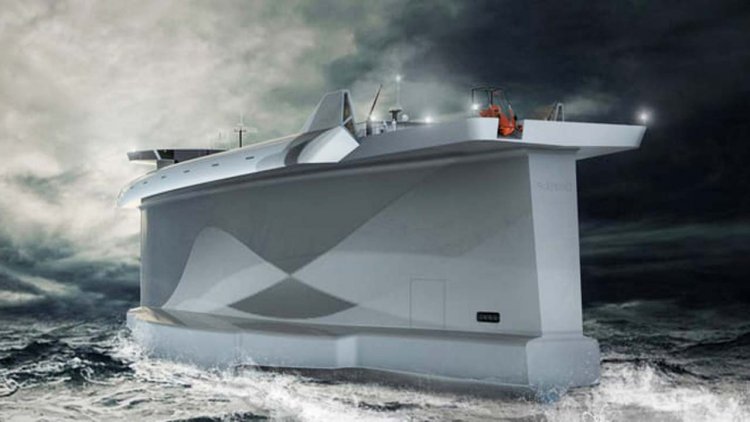
Vindskip® (which translates to ‘Wind ship’ in English) is a vessel design project for a car/truck carrier that combines wind and gas power to achieve the lowest possible emissions in its market segment. The design recently won the prestigious German Design Award 2020 for the category Excellent Product Design – Conceptual Transport.

With a majority share in Vindskip AS, Høglund will bring the company’s experience and expertise from providing LNG and automation solutions to the Vindskip® project. Alongside co-owners and fellow Norwegian electric propulsion provider, STADT AS, Høglund will supply LNG fuel system, power management and automation technology.

The unique Vindskip® design uses the shape of the hull to act like a sail, harnessing the wind to generate traction and provide auxillary propulsion, while also reducing aerodynamic drag by up to 75% compared to a traditional vessel design. The vessel will incorporate a weather routing module (WRM) that will calculate and recommend the most appropriate route for the vessel to take to harness the full potential of available wind conditions, optimising for fuel economy while meeting ETA.

As well as using wind, the vessel concept will also be powered by a flexible hybrid electric-LNG propulsion system, which could use bio gas (LBG) to further reduce GHG emissions. Dynamic engine management – which Høglund will be instrumental in developing and supplying – will optimise engine output to minimise excess fuel burn according to wind conditions and maintain constant speed.

It is estimated that the Vindskip® design will emit 63% less CO2 and 96% less NOx than similar capacity car-carrying vessels currently in service. As the market for low-emission and electric road vehicles market expands, the car carrying sector will need to reflect the manufacturers’ increasing focus on environmental sustainability.

Børge Nogva, President of Høglund Marine Solutions and Chairman of Vindskip AS:

“With the pressure on shipping to reduce GHG emissions increasing, it is more important than ever to demonstrate how innovative we can be in meeting this critical environmental challenge. I’m delighted that Høglund’s role in the development of the Vindskip® concept has increased, which will allow us to collaborate and bring our expertise to this unique and innovative project. Wind-assisted propulsion has great potential – but it needs careful integration of hardware and software to realise.”

Adding his comments, Terje Lade, Manager of Vindskip AS:

“It’s great to have Høglund’s support for the Vindskip® project. As an industry, we need to start turning emissions-reducing ideas into reality, and effective collaboration will be critical. I’m thrilled that Høglund is bringing their expertise to the project, which is setting a precedent of environmentally sound vessel design in the car-carrying sector and beyond.”

Hallvard Slettevoll, CEO of STADT AS and joint owners of Vindskip AS:

“The Vindskip® design concept represents one of the boldest steps in vessel design in a generation as well as a significant engineering challenge. By successful development of the project through collaboration, we will help the car-carrying sector lead the way in reflecting the efforts other industries are making in building low-emissions designs for a greener future by using the Lean Propulsion ® as a vital part of the Vindskip® propulsion arrangement.”

Port of Riga could start servicing capesize vessels next year

0

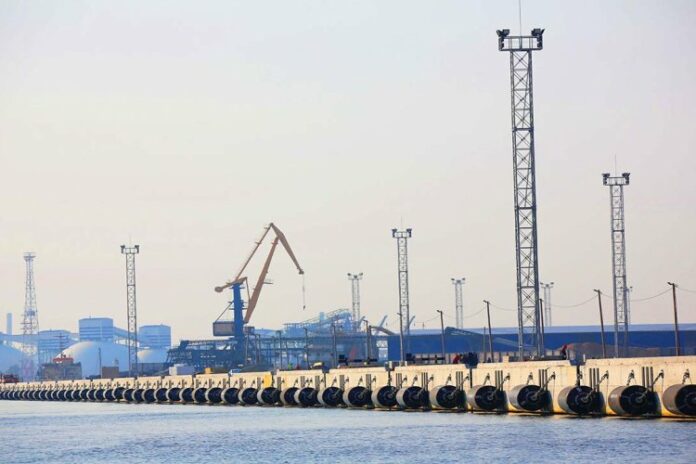
Vessels of such size are not currently serviced in ports situated on the east coast of the Baltic Sea and therefore this is an opportunity that would bring substantial market advantages for the City of Riga not only compared to the ports of the Baltic States, but also the ports of Russia.

Ansis Zeltiņš, CEO of the Freeport of Riga Authority, said:

“Globally, even larger vessels are used for cargo transportation by sea. The aim of carriers to reduce transportation costs is the main cause for the continuously increasing dimensions of vessels. This is especially important for bulk cargo, for example, in the segment of coal and metal ore where the use of larger vessels ensures a more economical freight rate per each transported ton. The ability to accommodate the large capesize class vessels would facilitate access to new cargoes and more distant markets compared to the current options while using Panamax vessels, thereby also contributing to increased cargo turnover.”

Due to the large dimensions and draught capesize vessels can be accommodated only by the largest deep-sea ports and specially equipped terminals. Modern land-based infrastructure is currently available at the Port of Riga to accommodate large bulk carriers, whereas to ensure safe accommodation of capesize vessels it is necessary to clean the main navigation canal near the port access gate and the navigation canal opposite to Krievu Island.

Based on the information summarised by the Freeport of Riga Authority and port merchants, in 2019, more than 30 million tons of coal were shipped out with Panamax vessels from ports situated on the east coast of the Baltic Sea to markets outside Europe, e.g., Asia, South America, and the Middle East which already are servicing capesize vessels. With the capacity to accommodate such vessels in Riga, the Port could compete for a part of such cargo volume.