-10.9 C
New York
Home Blog Page 755

Costa Group: German brand Aida Cruises chooses Italy for its restart

0

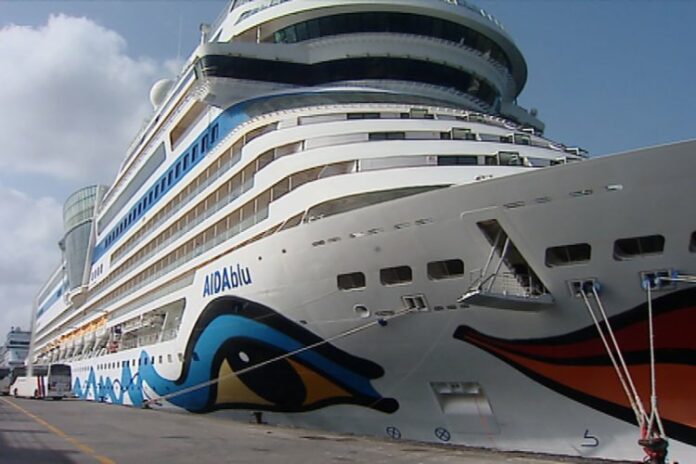
Aida Cruises, the German brand of the Costa Group, restarts from Italy for the resumption of its cruises. It’s the AIDAblu’s first cruise after the pause for the Covid-19 emergency, with a seven-day itinerary visiting exclusively Italian ports, calling at Naples, Palermo, Catania, La Spezia and with an overnight in Civitavecchia/Rome. The first cruise is set to begin October 17, with voyages offered weekly until November 28.

AIDAblu is the fourth ship of the Costa Group to resume operations, after the three ships of the Costa Cruises brand – Costa Deliziosa, Costa Diadema and Costa Smeralda – which restarted in September and October. Costa Smeralda was also today in the port of Civitavecchia, together with AIDAblu, as part of her first cruise, which departed on 10 October from Savona with calls only in Italian ports.

Group CEO, Costa Group & Carnival Asia Michael Thamm, said:

“The restart of AIDAblu is an important milestone for Costa Group, as it marks the return to cruising after a long pause also for our German brand AIDA Cruises, joining Costa Cruises. We are very proud that the restart takes place from Italy, because all of our ships fly the Italian flag and our Group is headquartered in Italy. Currently, cruises are only operating in the Mediterranean and in Italy, which would not have been possible without the support of the Italian Government and authorities. Thanks to AIDAblu’s cruise program, we are contributing to the restart of international tourism in Italy, bringing our German guests to a destination they love in a safe and responsible way. We see this ship as a symbol of the long-lasting, solid relationships between Italy and Germany”.

AIDAblu will bring further benefits for the recovery of the tourism ecosystem in Italy, in addition to the other three Costa ships that have already resumed operations in Italy. Thanks to the cruises departing tomorrow from Civitavecchia, AIDAblu German guests will have the opportunity to visit five Italian destinations in a single holiday. The economic contribution coming from cruises represents important support for Italian tourism and economy. According to a study conducted by Deloitte & Touche, the University of Genoa and the University of Hamburg, the Costa Group generated in Italy a total economic impact in 2018 of 3.5 billion euros, creating around 17,000 full-time equivalent jobs and work for 4,700 Italian suppliers and partners.

The resumption of sailing from AIDA Cruises and Costa Cruises is part of a phased-in approach by Costa Group to resume operations gradually, with enhanced health protocols developed in coordination with government and health authorities. Based on health and mitigation guidelines in Germany and Italy, the AIDA health protocols implemented on all of the brand’s cruises include measures encompassing the entirety of the cruise experience, from booking to disembarkation. Developed with leading medical experts, the program has been audited and confirmed by the renowned independent auditing company SGS Institut Fresenius and the classification society DNV-GL.

The measures include guests and crew being tested for COVID-19 with negative results required prior to boarding. Other protocols include regular  temperature and health checks for guests and crew, physical distancing guidelines, facial coverings when physical distancing is not possible, capacity controls and increased sanitization measures, as well as guided shore excursions managed by AIDA to maintain health protocols. 
PKN Orlen key contract award to ODE for the Baltic Power offshore wind farm

0

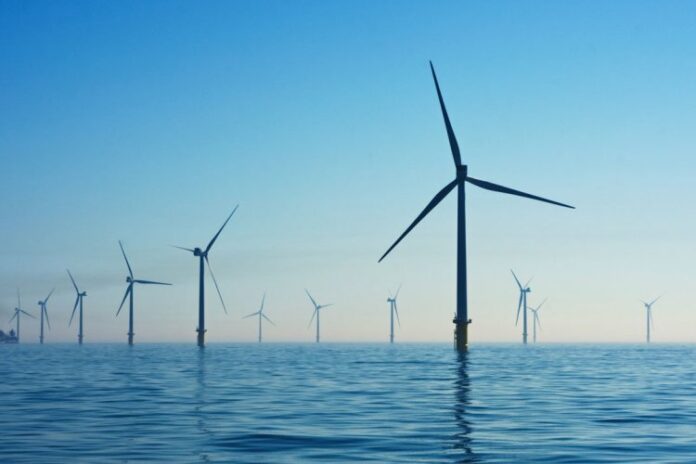
International engineering and technical services provider ODE, part of the DORIS Group, has been awarded a contract by Polish offshore wind farms developer Baltic Power (part of ORLEN Capital Group) to undertake the initial technical design and building permit design for the Baltic Power offshore wind farm.

The project is being run through PKN’s subsidiary Baltic Power sp. z o.o. which holds a licence to construct wind farms in the Baltic Sea with an aggregate capacity of up to 1.2 GW. The licence area, of approximately 131 km2, is located approximately 23 km north of the Polish coastline, and in an area near to Choczewo and Łeba.

ODE will be supporting Baltic Power across multiple technical areas, including: technical designs of the offshore site, turbines layout, energy production calculations, budget and schedule of the project and supporting analysis. The offshore site comprises of all infrastructure within the boundaries of the offshore site which include WTG, WTG foundations, inter-array cables and the Offshore Substation Platform.

This contract will be executed from ODE’s London (Wimbledon) headquarters with local technical support in both Warsaw and Gdansk and with strong support of local polish contractors and design offices, as requested by PKN ORLEN in the procurement process.

David Robertson, Head of Renewables for ODE, said:

“ODE has been supporting offshore wind projects in the Baltic Sea since 2012, and following a period of growth in Asia, we are delighted to return to the Baltic and to be involved with such an important project in Poland, supporting its advanced development stage. ODE brings a strong successful track record in delivering offshore wind projects globally and we look forward to developing a long-term relationship to support PKN ORLEN’s aspirations in offshore wind.”

Mr. Robertson continued:

“This award will enable further regional investment by ODE and will protect and create new job opportunities in both London and in Poland itself. We look forward to also developing a local technical capability as the project evolves.”

Work is due to start under the contract almost immediately with the goal to start its construction in 2024.

Belgian and Dutch inland ports plan to establish a single shore-based power system

0

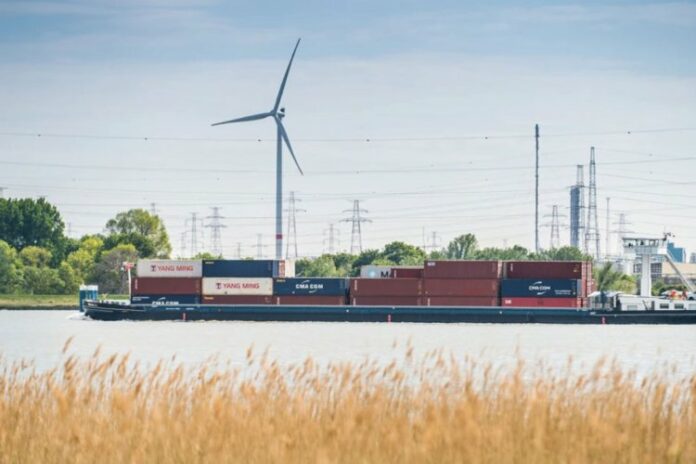
Port of Antwerp, the Port of Rotterdam Authority, the Port of Amsterdam, North Sea Port Netherlands, Drechtsteden and De Vlaamse Waterweg intend to set up a single shore-based power system for inland shipping and the river cruise industry.

On behalf of all these ‘Walstroompartijen’ (Shore-Based Power Parties), the Port of Rotterdam Authority has published a European call for bids, which will ultimately lead to the selection of a contractor for these services.

The tender is in line with the partners’ policy to pursue a balanced development of the various port areas in the Netherlands and Belgium. Under this policy, the ‘Walstroompartijen’ will not only be investing in economic development, but also in projects that improve local quality of life and the environment. The key focus throughout is sustainability. Public authorities and private firms in the different ports are working together to promote transport by inland shipping and rail rather than road haulage. 

Another point that is high on the joint agenda is reducing the volumes of carbon dioxide, nitrogen oxide and particulates released into the atmosphere. For this reason, the partners have performed extensive research into the utilisation of shore-based power for a range of different vessel types and locations. Shore-based power allows captains to freely use their on-board facilities without having to resort to polluting sources of power like a diesel generator or the ship’s main engine.

These common objectives have led to a joint approach geared towards supporting the development of shore-based power and making this facility as user-friendly and reliable as possible. This approach primarily focuses on the provision of services in the context of on-board disruptions, as well as invoicing for power supplied via the shore-based power units. Inland shipping takes places in an international context. Ideally, this new standardisation will be adopted by many other countries besides Belgium and the Netherlands.

In the period ahead, other parties that offer shore-based power may also decide to join the new agreement.

Port engineers need guidance incorporating sea level rise into construction designs

0

Austin Becker, URI associate professor of marine affairs, who studies how ports are preparing for climate change, said:

“If we’re making decisions about infrastructure today and expect it to be serviceable for the next 50 to 75 years, we should be thinking about what the environmental conditions will be like towards the end of the infrastructure’s life. And we know that things are going to be very different along our coasts in the coming years.”

In 2019, Becker and graduate student Benjamin Sweeney surveyed 85 engineers at consulting firms, port authorities and government agencies with experience working on port infrastructure projects in the United States. They found that 64% do not have a policy or planning document to guide how to incorporate sea level change into their designs.

Becker said:

“The challenge they face is that they aren’t receiving concrete, consistent guidance for what they should be doing to integrate sea level rise projections into their work. They need guidance, they want guidance, they don’t want to have to go on the whims of their clients, who may not have expertise in this area. They also don’t want to have to weigh potentially conflicting guidance from local, state or federal agencies.”

Becker said that without guidance, port engineers are more likely to disregard sea level change projections entirely.

Becker and Sweeney in a research paper in the Journal of Waterway, Port, Coastal and Ocean Engineering, wrote:

“Formal policies or documents can lend credibility and provide the basis for recommendations. Conversely, engineers without the documented support from their organization may be less willing to take the personal and professional risk that comes with making subjective decisions.”

Of the 29% of survey respondents that do have formal guidance from a sea level rise planning document, only 9% said they use it for all of their projects.

Becker, a visiting fellow at the U.S. Naval War College, said:

“That isn’t surprising, but it’s worrisome. It’s not surprising because of the times we live in; there’s so much conflicting information out there about climate change. But scientists understand that sea levels are actually rising and that there will be ramifications, and it’s going to make things much more expensive to not factor those changes into designs now.”

The survey also examined the factors that influenced whether engineers incorporate sea level rise into their designs. It found that 54% of respondents said they often or always factor in rising sea levels because it is required by their client, and 46% indicated they do so because it is a regulatory requirement.

More than half of the respondents also said that “a lack of design standards” was the chief barrier to incorporating sea level rise into their infrastructure projects. Other answers included a lack of funding, the client doesn’t want sea level rise incorporated, and concerns over the uncertainty of sea level rise projections.

Becker and Sweeney wrote:

“Regulatory standards and codes remove the burden on engineers to make subjective sea level rise decisions. This barrier also renders many of the other barriers less relevant.”

Based on the results of the survey, Becker and Sweeney recommend that engineers undertake a life cycle cost analysis that includes sea level rise projections for each project. This methodology can be used to support decision making for climate change adaptation alternatives.

They also suggest that the engineering community collaborate with port authorities and regulatory bodies to create design standards to improve the resilience of port infrastructure.

Becker said:
“Engineers need something they can rely on so they can go to their clients and say, ‘this is what we need to follow, and it’s not optional. The guidance also has to be flexible enough so it can be adapted over time as conditions change, but it gives them something they can hang their hat on today.”

Svitzer to commence operations in Emden, Germany

0

Leading global towage operator Svitzer Europe will start a new towage operation in the seaport of Emden – Germany’s third-largest North Sea port – from 1st January 2021.

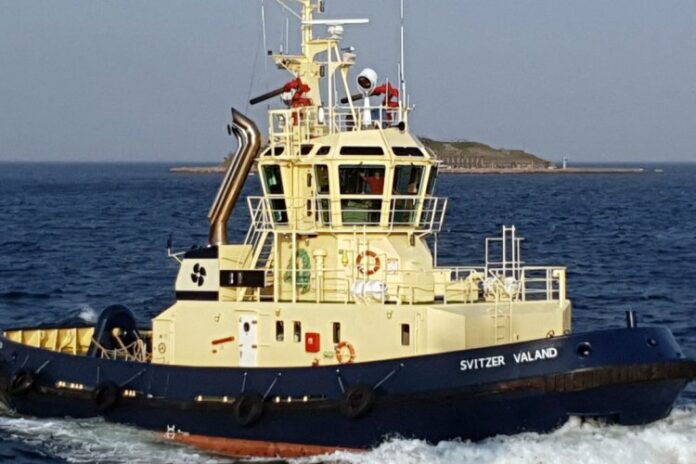
To fully service customers at Emden, Svitzer will deploy two tugboats; the Svitzer Valand, a tractor tug with 45 tons bollard pull and part of the organisation’s existing European fleet, and the newly purchased Svitzer Vestri, an azimuth stern drive tug with 60 tons bollard pull. Vestri is a newbuild from Turkish shipbuilder Med Marine, and Svitzer will take delivery of the vessel later in October 2020.

Emden is Germany’s third-largest North Sea port, and over the past 25 years it has evolved to become one of Europe’s biggest RoRo ports and a significant export terminal for Germany’s car manufacturing industry. Emden also plays a vital role in Germany’s offshore wind sector, serving as a technical and logistical hub for multiple wind farms located in the German Bight.

To service vessels at Emden, Svitzer’s trained crews will have to handle with the hub’s unique geography, including its tidal outer port and its independent inland port, situated behind two locks on the River Ems.

Commenting on the expansion, Lise Demant, Managing Director of Svitzer Europe, said:

“This move to provide services at the seaport of Emden comes as another step in our realisation of Svitzer Europe’s core strategy and vision of continued and targeted growth.”

“As one of Europe’s pre-eminent ro-ro hubs, and a major link in the German automotive supply chain, Emden is an obvious and fitting strategic location to add to our portfolio. We are confident that this move will allow us to better serve customers new and old, and unlock our innovative, safety-driven, market-leading towage services for more in the market. We look forward to working alongside the port authorities in Emden to play our part in underpinning this vital first and last mile of German seaborne trade through this vital port.”

Svitzer’s new Emden operation will sit within the company’s Scandinavia and Germany cluster. This cluster spans a diverse range of ports in Sweden, Denmark and Germany including Bremerhaven, Gothenburg, Copenhagen and Malmo.

The largest LNG-powered container ship ever built features Wärtsilä solutions

0

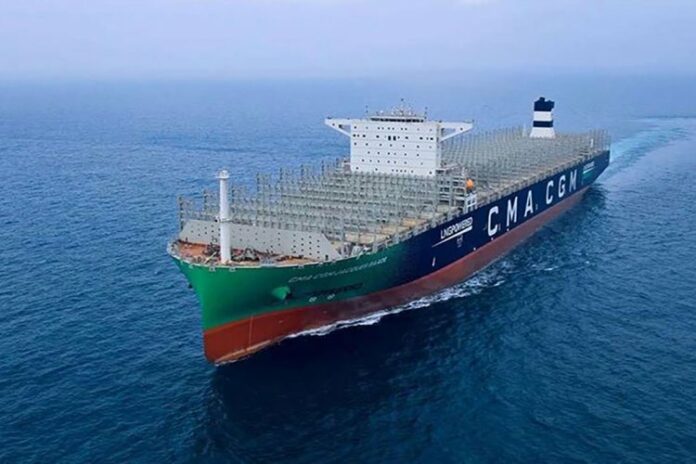
The CMA CGM JACQUES SAADE, the first 23,000 TEU container vessel in the world to be powered by liquified natural gas (LNG) and equipped with a range of solutions from technology group Wärtsilä, has been delivered.

The new flagship of CMA CGM, a world leader in shipping and logistics, is the first in a series of nine 23,000 TEU container ships. This 400 metre long sea giant is named after Jacques Saadé, the visionary entrepreneur who founded the CMA CGM Group. It was built at the CSSC Hudong Zhonghua Shipbuilding yard in China and was delivered to the owner on 22 September 2020. Wärtsilä received orders starting in early 2018 for the equipment supplied.

This extraordinary construction project mobilised the know-how and expertise of CMA CGM Group’s experts and their industrial partners, including Wärtsilä. In addition of its revolutionary means of propulsion, LNG is the most advanced solution when it comes to preserving air quality, the CMA CGM JACQUES SAADE also features various cutting-edge technologies designed to deliver high efficiency and environmental sustainability.

These include Wärtsilä’s fuel gas supply system, Wärtsilä’s Nacos Platinum integrated automation control system, the Propulsion Control system, a Sewage Treatment plant, as well as seals and bearings solutions. Wärtsilä 34DF dual-fuel engines will provide the auxiliary power for the vessel. The fuel gas supply system is fitted with Wärtsilä’s Operational Performance Improvement and Monitoring (Operim) system, which utilises the latest digital technology to provide data in real-time to allow the system to operate at optimal efficiency at all times and in all weather and sea conditions.

Denis Hervé, Key Account Manager, Wärtsilä Marine Power, says:

“The delivery of this vessel marks a further step in the shipping sector’s efforts to decarbonise its operations. The ship is notable not only for its size, but also for its onboard technologies. The Wärtsilä Operim solution, for example, is a central pillar in the company’s Smart Marine Ecosystem approach to delivering greater efficiency, better safety, and improved environmental performance, all of which are essential to the future of shipping.”

Hunter Group to collect data from its tankers

0

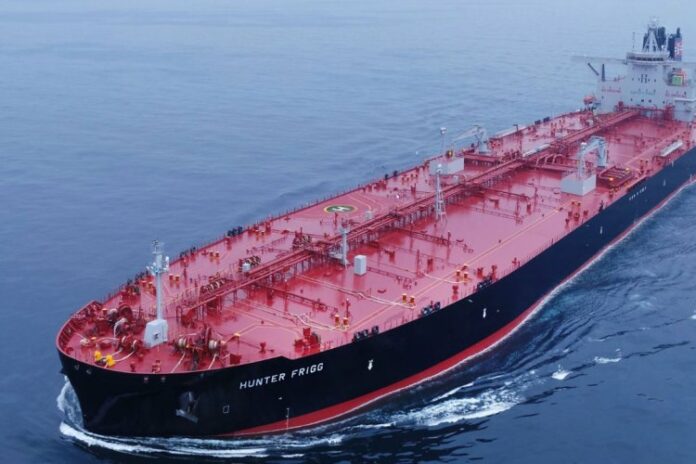
Hunter Group ASA, a VLCC owner/operator based in Norway, has formally commenced collaboration with Nautilus Labs, KONGSBERG, DNV GL and OSM. The collaboration was forged with the goal of elevating Hunter’s focus on vessel operational excellence through a commitment to achieving a greener supply chain operation.

Nautilus, the technology firm advancing the efficiency of ocean commerce through artificial intelligence, has been selected by Hunter to deploy its decision support software solution across 7 new VLCCs. Access to Nautilus Platform will allow Hunter to reference a sophisticated system to ensure that the company maximizes vessel yield. Nautilus’s intelligent decision support solution unifies all fleet intelligence and recommends optimal operating configurations that will reduce Hunter’s environmental footprint and promote overall business sustainability.

Kongsberg Digital, will enable Hunter’s vessels with Vessel Insight, the next generation data infrastructure that will facilitate reliable and consistent sensor data connectivity and transmission to the cloud where it can be shared with partners of KONGSBERG’s ecosystem, such as Nautilus Labs and DNV GL.

DNV GL, ensuring safe operations in the maritime industry, will deliver digital class and independent verification services based on the collected data.

Hunter Group strategic partner for technical management, OSM Maritime, will take an active role in ensuring full utilization of the systems potential providing learnings, transparency and enabling better decision making. It is envisaged that the potential from this collaboration can develop into an OSM fleet wide implementation.

On the partnerships with the technology providers, Erik Frydendal, CEO at Hunter Group, says:

“We’re partnering with Nautilus, KONGSBERG, DNV GL and OSM to collect high-frequency data from ship to shore and gain real-time insights into the performance of our vessels. Thanks to the interoperability of the technology providers the integration works seamlessly and quickly, arming our teams with the insight they need to make better data-driven decisions that promote sustainability and drive meaningful savings for our business.”

Nautilus unifies all relevant vessel-specific datasets and uses high-frequency telemetry to build machine learning models that arm Hunter’s business with a detailed analysis of fleet performance that enhance collaboration across its organization.

Matt Heider, CEO at Nautilus Labs, states:

“We’re excited to partner with Hunter Group. The company has some of the most sophisticated tankers on the market and we are confident in our ability to collaborate with OSM, KONGSBERG and DNV GL to deliver significant financial and environmental returns with the client.”

Eirik Næsje, SVP Vessel Insight at Kongsberg Digital, says:

“We look forward to working with Hunter Group on their digital journey. Combining KONGSBERG’s unrivaled experience with systems integration and new digital services, like Nautilus Labs and DNV GL, delivered through the Kognifai Maritime eco-system – is a significant leap in the right direction towards unlocking the full potential of digitalization.” 

Jon Rysst, Senior Vice President & Business Development Leader, DNV GL – Maritime, says:

“For the maritime industry it is vital that we continue to unlock the opportunities offered by increased digitalization. We are very pleased to be working with innovative partners like Hunter AS, KONGSBERG, and Nautilus and look forward to using this cooperation to enhance the quality, efficiency, and customer experience of our world leading class and independent verification services.”

ABS survey: LNG and hydrogen emerge as future frontrunners

0

LNG was the solution to the 2050 emissions target for 47 percent of respondents to the ABS Future Fuels LinkedIn Survey, while hydrogen was the answer for 40 percent. Just eight percent opted for ammonia and five percent for methanol.

LNG was again the dominant fuel option to get the industry to 2030 targets, securing the support of 64 percent of respondents, against 22 percent for hydrogen and seven percent each for ammonia and methanol.

The results illustrate the challenges facing shipowners in developing fleets that meet and exceed IMO targets.

Christopher J. Wiernicki, ABS Chairman, President and CEO, said:

“Owners of internationally trading ships are facing increasingly complex investment decisions as they try to navigate the most efficient course to the low-carbon future, which is why ABS has moved to simplify the landscape by identifying three fuel pathways potentially open to shipping.”

Wiernicki said:

“The first pathway is defined as ‘Light Gas’, using generally light, small molecule fuels with high energy content, but more demanding, mainly cryogenic fuel supply systems and storage. This group includes the relatively mature methane (as LNG) solution leading towards bio-derived or synthetic methane, and ultimately to hydrogen as fuel.”

“On this pathway, if methane slip is discounted, LNG can reduce GHG emissions by approximately 20 percent; bio-methane can be carbon neutral, while hydrogen is a zero-carbon fuel. Hydrogen can serve as the ultimate solution along this pathway, but it will necessitate significant technical advances, which may require a decade or more, until it becomes a practical solution.

“The second pathway is defined as ‘Heavy Gas’, by using generally heavier, more complex molecules, but with less demanding fuel supply and storage requirements than the light gas pathway. This group includes LPG, methanol and ethanol, leading to bio-derived or synthetic LPG/methanol and ultimately to ammonia.”

He added:

“On this pathway, methanol can reduce CO2 by approximately 10 percent, while bio-methanol can be carbon neutral, and ammonia is a zero-carbon fuel. While ammonia shows considerable promise as a fuel, the technology for its application still needs to be developed, and regulations must account for its particular safety considerations.

“The third pathway hinges on bio/synthetic fuels that are derived from renewable sources and can produce liquid fuels. These fuels have similar properties to diesel oil and thus are much less demanding in terms of new infrastructure and technologies onboard and can be utilized with minimal changes to current ship designs.

In the future, a third generation of biofuels, such as lignocellulosic or algae-based fuels could potentially provide the industry with almost 500 million tons of fuels annually, more than the current annual bunker demand. This group includes electro/synthetic Gas-to-Liquid (GTL) fuels produced though either carbon capture and electrolysis, or from converting biomass to syngas and then to liquid fuels such as methanol or diesel.”

But which particular pathway makes sense for a shipowner to focus on will depend on the operational profile and trade of the vessel, cautioned Wiernicki. He said:

“In all likelihood, the fleet of the future will be fueled by a variety of choices, including oil, that will be selected depending on the owner’s operational preferences. Although we are fuel and technology agnostic, ABS focuses on working across the board to help owners not only reach their decarbonization and sustainability targets but hit them successfully, while maintaining a laser focus on safety.”

Taiwanese dredging project awarded to Van Oord

0

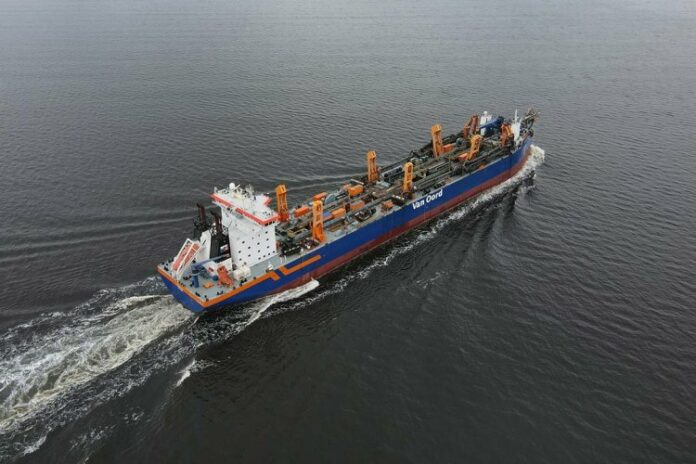
Cutter suction dredger HAM 218 and trailing suction hopper dredger HAM 318 will join forces on this project, which will kick off early 2021.

Driven by the growing demand for energy in Taiwan, the Da Tan power plant is currently being expanded by Hwa Chi Construction Co. Van Oord will deepen the existing water intake basin to increase its capacity to take in cooling water. Cutter suction dredger HAM 218 will be deployed for the dredging works.

Mr Tsai, Chairman at Hwa Chi Construction Co., said:

Van Oord came up with the smartest and most optimal solution to deepen the shallow and narrow inflow bay within an extremely short time frame. A proof of their marine ingenuity and many years of experience. We are looking forward to successfully realising this project together.”

Trailing suction hopper dredger HAM 318 will transport the dredged material from Da Tan, located on Taiwan’s northwest coast, to Taipei. It will be pumped ashore to reclaim a new port area, allowing the port in Taiwan’s capital to expand. Van Oord’s scope will be completed by mid-2021.

Guus de Vries, Area Director at Van Oord, said:

“We are pleased that Hwa Chi Construction contracted Van Oord for these dredging works. We worked together on a number of Taiwanese projects before, including Kaohsiung’s port expansion. Our mutual trust was key in receiving this award, without having any physical meetings due to COVID-19.”

Van Oord has been active in Taiwan for many years. In 2017, it received the Golden Quality award for the successful execution of Kaohsiung’s port expansion. These reclamation works were completed 8 months ahead of schedule, enabling Taiwan’s largest port to grow.

Fleet One to enable sustainable fisheries in the Maldives

0

Cobham’s SAILOR Fleet One utilises the existing Inmarsat-4 satellite constellation to deliver the most reliable global voice calling and internet connectivity via a compact, lightweight antenna, and a simple installation process. The technology’s affordability makes it particularly accessible for smaller boats looking to access maritime satellite communications for the first time.

The go-ahead follows trials of Fleet One services and SAILOR Fleet One terminals aboard 15 boats, confirming that performance exceeds specifications for a new vessel monitoring system (VMS) under the Maldives’ Sustainable Fisheries Resources Development Project to improve Monitoring, Control and Surveillance in fisheries sector. The VMS project, agreed between Maldives-based Ooredoo and the Ministry of Fisheries and Agriculture, is funded by the World Bank.

The five-year contract will see the supply and maintenance of the VMS, to include Fleet One satellite communications from Inmarsat, airtime and secure communications server via Integrated Monitoring (IM) and SAILOR antennas from Cobham SATCOM, installed by Ooredoo.

Fisheries is one of the main economic activities in the Maldives, second only to tourism, providing jobs to over 30% of the population. Launched in 2017, the Sustainable Fisheries Resource Development Project was followed in 2019 by The Maldives Fisheries Act, which bans several forms of unsustainable fishing gear such as purse seine, trawl nets and gills nets and envisages granting licenses only to vessels offering real time tracking and those that are registered only in the Maldives.

Fleet One will support electronic catch documentation and traceability (eCDT) to combat Illegal, Unregulated and Unreported (IUU) fishing. The Fisheries Act also formalises fishermen entitlements to pensions, training and connectivity to emergency services.

Najib Khan, Ooredoo Maldives, Managing Director & Chief Executive Officer, said:

“The Fleet One Vessel Monitoring System ensures seamless monitoring of fishing vessels for owners and the regulator, and enables new opportunities for the crew, while assuring their safety onboard.”

Eric Griffin, VP of Offshore and Fishing, Inmarsat Maritime said:

“This is another significant government-level endorsement of Fleet One’s reliability as a vessel monitoring system platform that will also deliver extensive benefits for welfare and operational efficiency in a price-sensitive market. The platform can also provide safety add-ons such as weather monitoring and I expect word of mouth to play a significant role where data service uptake is concerned. Instant messaging will initially drive greater use as crew that are out of range of terrestrial networks stay in touch with friends and family or exchange information on fishing stocks.”

Jeff Douglas, Chief Executive Officer, Integrated Monitoring, commented:

“Fleet One is over twenty times faster than traditional Vessel Monitoring Systems. For the first time, it will support crew chat, mobile banking and live video monitoring to the small and mid-sized fisheries segment.”

Integrated Monitoring is also providing Monitor – a cloud hosted platform for GPS Tracking, Catch Reporting and Electronic Video Monitoring – to the Ministry of Agriculture and Fisheries for use within their Fisheries Monitoring Center in Malé.