-8.5 C
New York
Home Blog Page 754

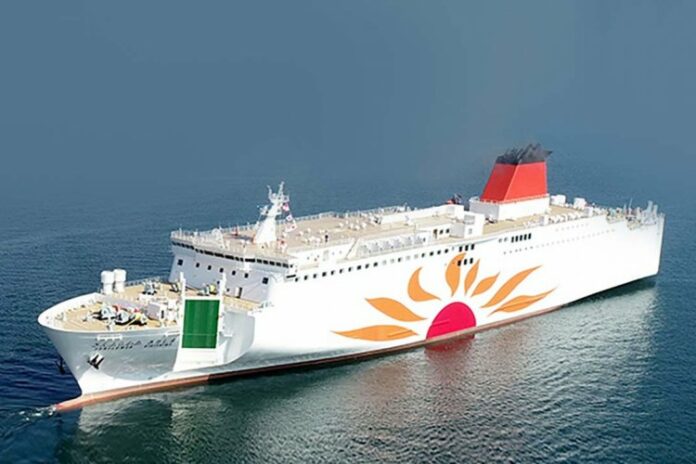
MOL’s Kinai Maru, Sunflower (1st Generation) selected for 4th ‘Ship Heritage Certificate’

0

Mitsui O.S.K. Lines (MOL) has announced that the MOL-owned Kinai Maru, and Sunflower (1st generation), have earned “Ship Heritage” certification from the Japan Society of Naval Architects. This is the second time for MOL to receive this honor, following the selection of the engine control console installed on the bridge of the Kinkasan Maru in 2017.

The certificate recognizes the Kinai Maru as a historic cargo vessel that cut about 10 days off the voyage between the U.S. and Japan, marking the full-fledged era of the high-speed diesel cargo ship in the early Showa Era (1926-1989) and the Sunflower (1st generation), a luxurious, large-scale, high-speed car ferry, as a pioneer in Japanese cruising.

The Kinai Maru, a general cargo ship built in 1930, featured a more powerful diesel engine than any merchant vessel of its time, and led to significantly faster voyages. Especially in the transport of raw silk, it marked a major innovation in logistics, shifting trade to a direct route via the Panama Canal from a combination of ship and rail transport.

The Sunflower (1st generation) represents a new era for luxury car ferries, offering the same level of facilities as cruise ships. The MOL Group was not involved with its building or operation, but since then, many ferries bearing the Sunflower name have been launched, including the Sunflower Satsuma and Kirishima, which received the “Ship of the Year in Garner Large Passenger Ship Sector Award” last year. It was selected for Ship Heritage certification as the first generation.

The Japan Society of Naval Architects marks the 120th anniversary for its founding this year. The “Ship Heritage” certification project was launched with aim of widely popularizing the historic value of ship-related heritage among the public in Japan, helping to pass it along to future generations as cultural heritage. This year, eight vessels were selected for the certificate from public nominations for vessels and other ship equipment and facilities that have historic, academic, or technological value (a total of 32 certificates have been issued since 2017).
CMA CGM and MSC complete TradeLens integration

0

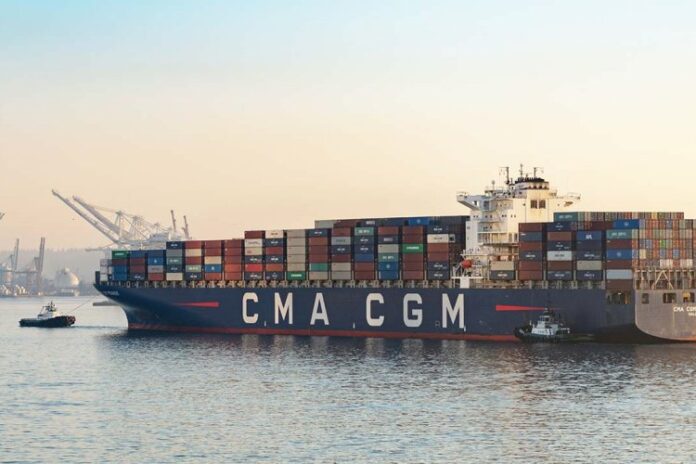
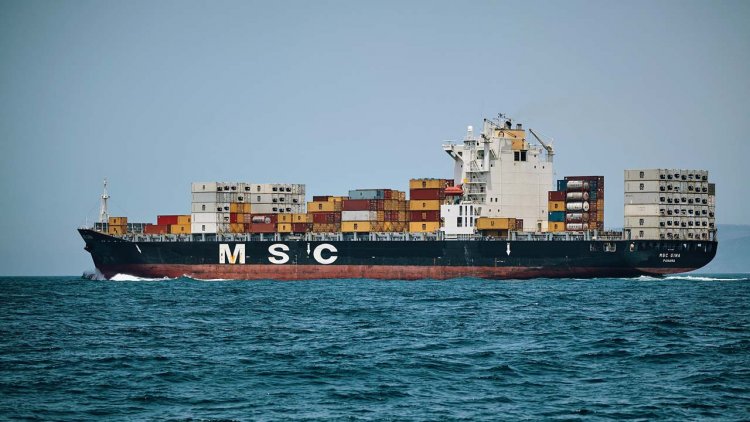
Major global container carriers MSC Mediterranean Shipping Company (MSC) and CMA CGM today announced they are now integrated onto TradeLens, helping ensure a more fully integrated, timely and consistent view of logistics data for their containerized freight around the world. The digital platform is run on IBM Cloud and IBM Blockchain, and was jointly developed by IBM and A.P. Moller – Maersk.

These two global shipping leaders, together with Maersk, will act as platform foundation carriers with a role in expanding the ecosystem and platform operations, including playing key roles as validators on the blockchain network.

The addition of these two major global shipping leaders marks a crucial milestone for the industry, which until now has too often relied on paper-based trade and manual document handling that lead to increased costs and reduced business continuity. Maersk, MSC, CMA CGM and IBM, together with the expanding TradeLens network of terminals, customs authorities and 3PL and intermodal providers, are ushering in a transformation designed to benefit all network participants by making it easier to quickly and more reliably share documents and shipping data and digitally collaborate.

Marc Bourdon, CMA CGM Senior Vice President, Commercial Agencies Network, said:

“Digitization is a cornerstone of the CMA CGM Group’s strategy aimed at providing an end-to-end solution tailored to our customers’ needs. An industry-wide collaboration like this is truly unprecedented. Only by working together and agreeing to a shared set of standards and goals are we able to enact the digital transformation that is now touching nearly every part of the global shipping industry.”

This completes a digital transformation that has taken more than a year, requiring considerable investment in new API capabilities. An important milestone in the process was a 15-customer pilot involving more than 3,000 unique consignments, 100,000 events and 6,000 containers to ensure the TradeLens platform distributes and shares shipment data across various supply chains with speed and accuracy.

TradeLens members use the platform to connect within the ecosystem and share information needed for their shipments based on permissions, without sharing sensitive data. TradeLens makes it possible to access data from the source in near real-time, boosts the quality of information, provides a comprehensive view of data as cargo moves around the world, and helps create a more timely, secured record of transactions. Launched in 2018, the TradeLens ecosystem now includes more than 175 organizations – extending to more than 10 ocean carriers and encompassing data from more than 600 ports and terminals. Already it has tracked 30 million container shipments, 1.5 billion events and roughly 13 million published documents.

For customers, the addition of CMA CGM and MSC in production can result in fewer data gaps as they do business with multiple carriers. Additionally, other members such as ports, terminals, authorities and intermodal providers can benefit from the ability to use permissioned data sharing to provide a comprehensive view of freight moving around the world. Terminal operators who use TradeLens to improve yard planning will now also be able to access far more comprehensive data for processing multi-carrier vessels.

Andre Simha, Global Chief Digital & Information Officer, MSC Mediterranean Shipping Company, said:

“TradeLens is an important initiative in the digitalization of global shipping and logistics, with the potential to help carriers and their customers to increase transparency and reduce errors and delays, all at a crucial time when the industry is re-thinking and improving the resiliency of supply chains. By completing the integration, we can now begin showing our customers and business partners how they can create and see value from the platform, and we hope that many of them will join it, creating an even larger and more beneficial ecosystem.”

Arctic Ocean sediments reveal permafrost thawing during past climate warming

0

A multidisciplinary team from Stockholm University has found evidence of past permafrost thawing during climate warming events at the end of the last ice age. 

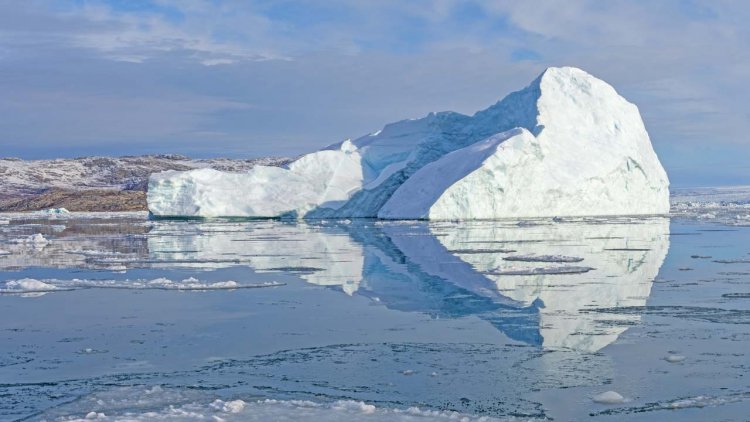
Their findings, published in Science Advances, caution about what could happen in the near future: That Arctic warming by only a few degrees Celsius may trigger massive permafrost thawing, coastal erosion, and the release of the greenhouse gases carbon dioxide (CO2) and methane (CH4) into the atmosphere.

Arctic permafrost stores more carbon than the atmosphere does. When permafrost thaws, this carbon may be converted to greenhouse gases (CO2 and CH4) that then enter the atmosphere and may affect the climate system. To improve predictions of future greenhouse gas emissions from permafrost, scientists have started to look into the past, exploring how previous climate warming, for example at the end of the last ice age, affected permafrost and its vast pool of carbon.

Jannik Martens, Ph.D. student at Stockholm University and lead author of the study, says:

“Our new study shows for the first time the full history of how warming at the end of the last ice age triggered permafrost thawing in Siberia. This also suggests the release of large quantities of greenhouse gases. It appears likely that past permafrost thawing at times of climate warming, about 14,700 and 11,700 years ago, was in part also related to the increase in CO2 concentrations that is seen in Antarctic ice cores for these times. It seems that Arctic warming by only a few degrees Celsius is sufficient to disturb large areas covered by permafrost and potentially affect the climate system.”

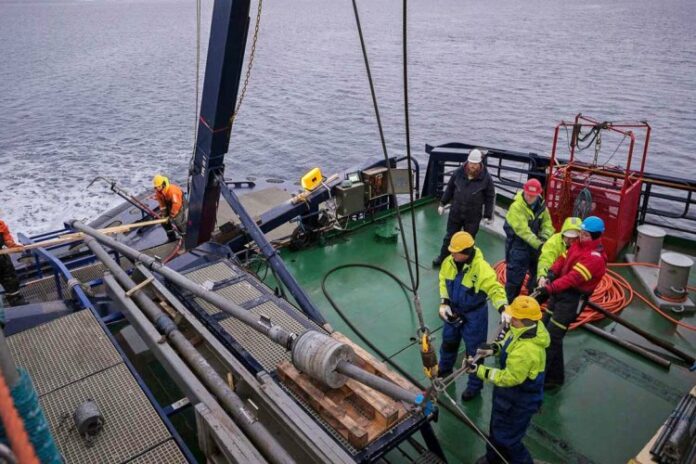
In the current study, the scientists used an eight meters long sediment core that was recovered from the sea floor more than 1 000 meters below the surface of the Arctic Ocean during the SWERUS-C3 expedition onboard the Swedish icebreaker Oden back in 2014. To reconstruct permafrost thawing on land, the scientists applied radiocarbon (14C) dating and molecular analysis to trace organic remains that once were released by thawing permafrost and then washed into the Arctic Ocean.

Örjan Gustafsson, Professor at Stockholm University and leader of the research program, says:

“From this core we also learned that erosion of permafrost coastlines was an important driving force for permafrost destruction at the end of the last ice age. Coastal erosion continues to the present day, though ten times slower than during these earlier rapid warming period. With the recent warming trends, however, we see again an acceleration of coastal erosion in some parts of the Arctic, which is expected to release greenhouse gases by degradation of the released organic matter. Any release from thawing permafrost mean that there is even less room for anthropogenic greenhouse gas release in the earth-climate system budget before dangerous thresholds are reached. The only way to limit permafrost-related greenhouse gas releases is to mitigate climate warming by lowering anthropogenic greenhouse gas emissions.”

Gustafsson, Martens and their colleagues are now again in the Arctic Ocean as part of the International Siberian Shelf Study (ISSS-2020) onboard the Russian research vessel Akademik Keldysh. The expedition left the port of Arkhangelsk on September 26 and is currently in the East Siberian Sea, seeking more answers to how changing climate may trigger release of carbon, including greenhouse gases, from Arctic permafrost systems, including coastal erosion and permafrost below the sea bottom preserved from the past ice age.

PrimeServ upgrade delivers massive emission and fuel savings to Norwegian trawler

0

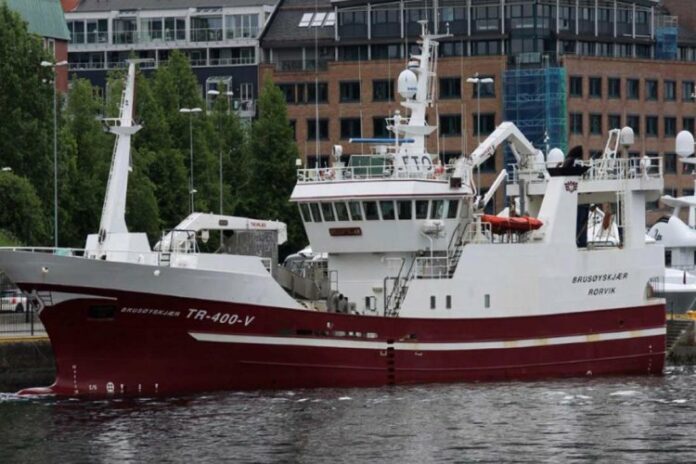
As a result, the ‘Brusøyskjær’ now enjoys reduced NOx levels that surpass IMO Tier III standards, while its MAN 6L27/38 main engine enjoys a reduced fuel-oil consumption owing to other work.

PrimeServ states that up to 90% of the trawler’s NOx emissions can be reduced – starting from just 15% engine load. This is due to the intelligent integration of the SCR into the vessel’s engine-control system and combining it with sensors before and after the SCR reactor – such as the temperature control – to achieve an optimal emissions reduction.

The SCR can be operated in the engine operation area from 15-100% MCR, dispensing with the need for a cut-out. This facilitates a maximum reduction in NOx taxes for years to come. Many shipping companies – not just those based in Norway – currently benefit from incentive programmes to protect the environment.

During the retrofit, the SCR system was combined with a Tier II upgrade for the engine, including the introduction of a variable frequency drive (VFD) mode, and an upgrade of the Alphatronic 2000 remote control system that will cut fuel consumption by 150,000 litres of MGO annually. PrimeServ reports that the upgrade will deliver savings of more than 475 tons of CO2 and 45 tons of NOx per  year. Generally, MAN’s SCR concept facilitates system installation aboard even the most compact of ship designs.

Mads Færk, Head of Sales, MAN PrimeServ Norway, said:

“The customer expressed a wish to have one point of contact and the same SCR supplier as the manufacturer of the vessel’s main engine, which we were happy to accommodate as it allowed us to devise the best solution for this particular vessel and its operational requirements. Despite the very tight time-schedule and difficulties arising from the corona virus, we were able to fulfill all requests for a minimal SCR footprint, high NOx reduction rate, prompt delivery of all components, and a high-efficiency propulsion system on time.”

TenneT investigates biodiversity improvement at North Sea cable intersections

0

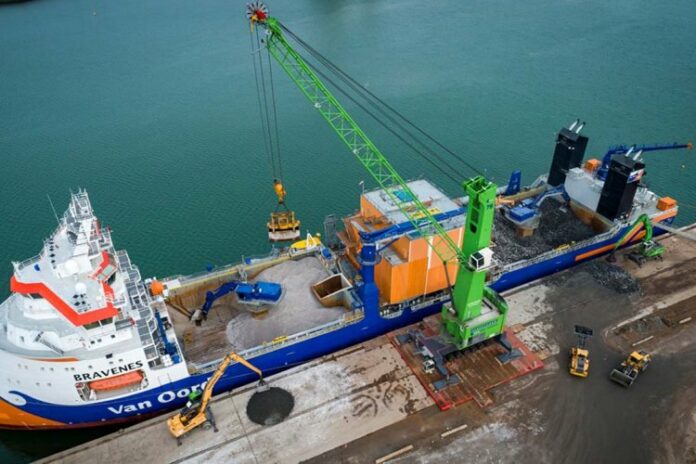
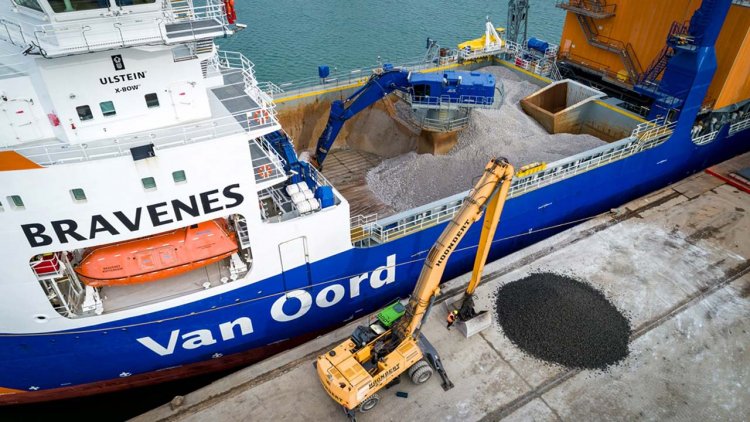
In cooperation with offshore specialist Van Oord, different types of stone will be deposited at cable intersections to investigate which application best stimulates biodiversity.

In total, twelve sites are involved. At these sites, the recently laid undersea cable for future wind farms intersects existing oil and gas pipelines in the North Sea. TenneT aims to apply and monitor nature-reinforcing measures in all its offshore grid projects. TenneT will use the findings of this pilot to assess which measures improve biodiversity.

In the North Sea, TenneT is working on the high voltage connection for the Hollandse Kust (zuid) wind region. A total of four 220 kV cables will be laid from two transformer platforms (Alpha and Beta) to the Maasvlakte. The first two undersea cables were laid in the last months. At crossings with existing oil and gas pipeline, the cables rise above the sea bed. At these sites, a granite top layer is deposited on top of the cable to protect it.

Saskia Jaarsma, Head Offshore Developments and Large Projects Offshore at TenneT, said:

‘TenneT is starting a pilot in which, in close cooperation with Van Oord, it will replace the granite top layer at three cable intersections with a calciferous stone originating from a marble quarry. The small calciferous stones will be applied to a total of three of the six intersections. This will enable us to assess the difference in the type of sea life that will emerge at these intersections in comparison to the intersections without small calciferous stones.’

On 14 October, the stones were loaded onto Van Oord’s Bravenes subsea rock installation vessel in Vlissingen. The stones will be placed at the cable intersections over the coming weeks. 

Jaarsma says:

“Our expectation is that the calciferous stones will ensure that various benthic species will find it easier to nest here and that a different habitat will emerge at these sites. Over the years, “artificial reefs” can emerge at these sites in the North Sea, where plants and small creatures can settle.”

In 2021, Van Oord will install the second grid cable connection for Hollandse Kust (zuid) Beta. This connection will involve another six cable intersections.

Jaarsma says:

‘Prior to the installation of this connection, TenneT wants to investigate whether it is feasible to fully remove the existing protective top layer of granite. If so, this would create even larger cavities between the stones, which would make it even more attractive for sea life to nest there.’

The Dutch government’s target is to have an installed offshore wind energy capacity of 9.6 GW by 2030. TenneT, as the Dutch Transmission System Operator, is responsible for the high voltage connections for the offshore wind farms (Offshore Grid). TenneT will construct one or more platforms (sockets at sea) for every wind region and will install the offshore cable connection with the national high voltage grid. The first 1.4 GW was realised this year with the delivery of Borssele Alpha and Beta. TenneT is currently working on the construction of the cable connection for the Hollandse Kust (zuid) Alpha and Beta. TenneT aims to apply nature-reinforcing measures in all future Offshore Grid projects in order to retain and reinforce a healthy sea.

Avenir LNG Limited takes delivery of Avenir Advantage

0

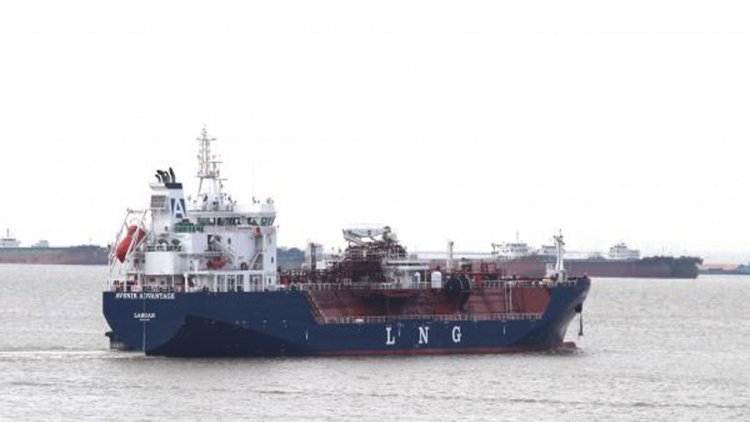
Avenir LNG Limited has announced that its subsidiary Avenir (L) Pte. Ltd. has taken delivery of its first dual purpose liquefied natural gas bunkering and supply vessel (LBV) Avenir  Advantage from Keppel Offshore & Marine, at the Nantong Shipyard, Jiangsu Province, China.

Following her maiden voyage, Avenir Advantage will commence a three-year charter to Petronas LNG Sdn Bhd in Malaysia; becoming the first dedicated LBV in South East Asia. She will supply LNG to fuel ships operating in the region and deliver LNG directly to Petronas small-scale customers.

Milorad Doljanin, CEO Avenir LNG Limited, commented: 

“With the delivery of the Avenir Advantage, we move one step closer to delivering our shareholders’ vision of creating a small-scale LNG supply and marketing portfolio.

The flexible design of our vessels allows us to support the development of the LNG bunker fuel market whilst adding to the global small-scale supply fleet; thereby supporting our strategic objective of supplying natural gas to otherwise inaccessible areas.”

Avenir LNG is currently building a fleet of six LBVs of 7,500cbm and 20,000cbm capacity and the HIGAS LNG import facility (10,800 cbm) in Sardinia Italy. Avenir Advantage is the first of two ships ordered from Keppel Nantong Shipyard. Each vessel has a cargo capacity of 7,500 cbm across two Type C tanks.

Heerema’s Sleipnir installs 4,850 metric ton Tolmount Platform

0

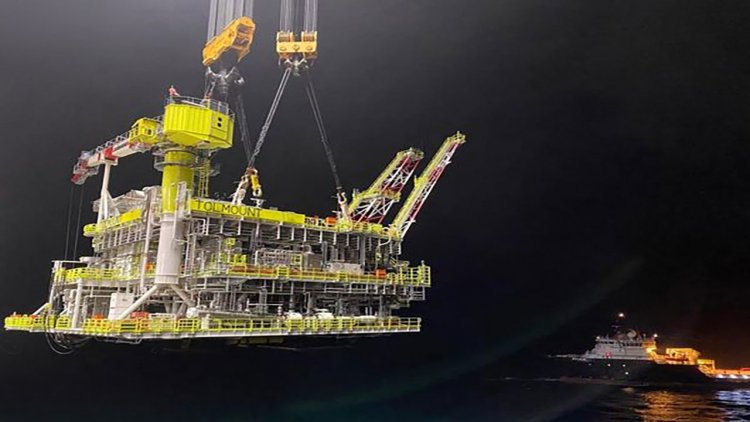
The project consisted of installing the 2,350 metric ton jacket and 2,500 metric ton topside constructed by Rosetti Marino. 

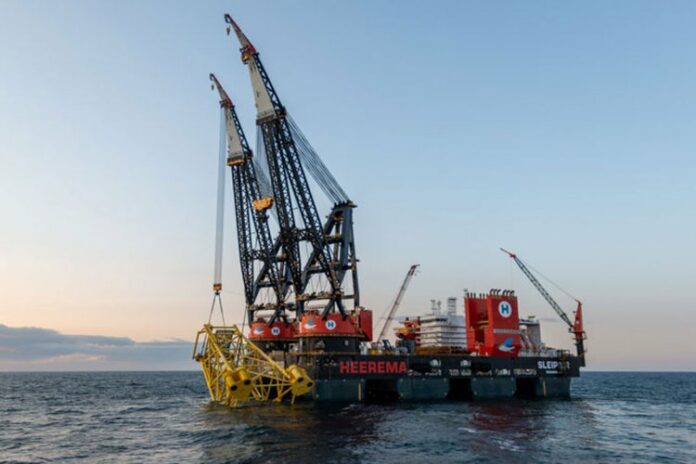
Sleipnir traveled to the Tolmount Field located 40 km off the coast of Hull, UK, with a water depth of around 51 meters on October 7. Installation began on October 12 when the jacket was safely lifted from the Heerema barge H-408. After finalizing jacket and pile installation, Sleipnir lifted and installed the 2,500 metric ton topside on October 13, over five hours, to complete the Tolmount Platform project. 

The Tolmount jacket and topside arrived at the Tolmount field following a 5,390 km journey from Rosetti’s yard in Ravenna, Italy. The Tolmount Platform will be a Normally Unattended Installation (NUI), located in the vicinity of the 42/28d-13 appraisal well and will handle wet gas production from four platform wells. The Premier Oil operated Tolmount field development is on track to deliver first gas in the second quarter of 2021 and will be an important energy supplier for the UK.   

Rosetti Marino managed the construction and installation of the low-carbon design jacket and topside on behalf of client Premier Oil.  The project involved more than 1,100,000 manhours, was executed LTI free, and was completed over a duration of 26 months. 

Michel Hendriks, Heerema Transport and Installation Director, said:

“The close collaboration with Rosetti Marino has been a highlight of the Tolmount project. Despite challenges introduced by the ongoing pandemic, we worked together to find creative solutions, which were handled with total professionalism and high regard for safety.”

During the Tolmount installation, the vessel ran on LNG, reducing carbon emissions and Heerema’s impact on the planet. This action is in line with Heerema’s announcement that the company will go Carbon Neutral in 2020. 

Despite summer coming to a close, Heerema’s Sleipnir continues to be busy in the North Sea, and with another successful and safe installation completed, the vessel moves on to the next project in an active summer campaign.

Apollo celebrates centenary green project

0

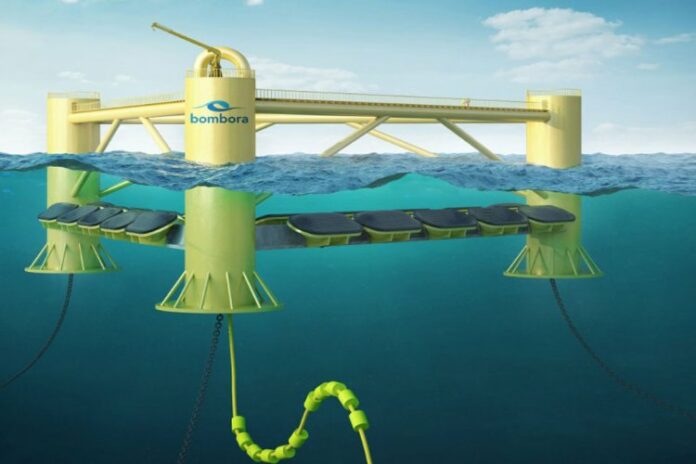
Project 100 is in support of Bombora’s innovative megawatt scalewave energy conversion device called mWave™.

Bombora had previously developed a fixed bottom seabed solution with Apollo’s assistance, nearly 500 tonnes of structure supporting a comparable weight of equipment. The next phase concerns a substantial floating platform structure. True to the philosophy of sharing learning, Apollo has drawn on experience of other sectors to perform a full concept design study and cost feasibility evaluation.

Apollo’s Renewables director, Nigel Robinson comments:

“The design concept resembles a column-stabilised semisub structure in many ways. It only made sense to draw on those structures, mooring and cable interface arrangements when working up the concept.  We have a world-class renewable energy resource available in this part of the world, coupled with a deep reserve of engineering excellence. I am proud that Apollo is already helping to progress technologies that access this resource.”

Sam Leighton, Bombora’s Managing Director, welcomed Apollo’s involvement in the project said:

“Accessing higher wave resource climates offshore is part of the strategic plan for our mWave product. We see a gap in the market where either co-location of both wind and wave platforms and the integration of wind and wave onto a shared platform can boost the output and cost efficiency of offshore power projects, supporting the advancement of this emerging global growth market. I’m delighted that Apollo have been working with our team to drive forward our plans to optimise mWave’s floating offshore performance and extend its application into this new market.”

Apollo’s Energy Transition Manager, Lucy Green said:

“Our strategy has always been about providing support to the entire energy industry. We support clients globally across offshore wind, wave, tidal, hydro, CCS, and as an Aberdeen based organisation, oil and gas. Our second ever project back in 2010 was a cable installation analysis for a (then) new wind farm, and we have supported the renewables industry ever since. Over the last 10 years, Apollo has worked on over 25 different arrays across Europe.”

Apollo’s Energy Transition team is currently involved in a range of projects from development planning and design engineering to solving technical challenges of installation. The team are particularly proud to have helped developers prove their concepts, move forward to demonstration phases and progress to commercial realisation.

ORE Catapult and ORCA Hub join forces to advance robotics In offshore renewables

0

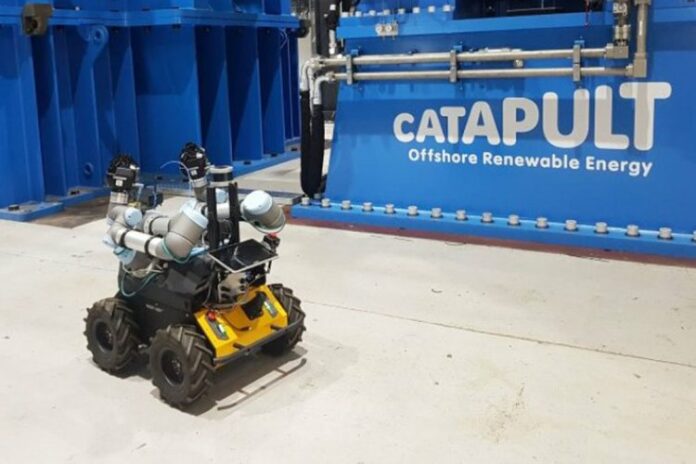
The Offshore Renewable Energy (ORE) Catapult and the Offshore Robotics for Certification of Assets (ORCA) Hub, a collaboration led by the Edinburgh Centre for Robotics (Heriot-Watt University and the University of Edinburgh), with Imperial College London and the Universities of Oxford and Liverpool, will work together to translate UK robotics innovation and research expertise into products and services for the offshore renewables’ industry and link key industry partners with academia based on specific needs and use cases.

Both organisations will use their research expertise and unique test and demonstration facilities to undertake joint research programmes and projects, as well as developing future skills by supporting MSc and PhD projects. They will also develop a national strategy with specific robotics technology innovation roadmaps towards commercialisation.

Chris Hill, ORE Catapult’s Operational Performance Director, said:

“This collaboration with the UK’s leading universities in the field of applied robotics will enhance the technical capability and credibility of our Operations & Maintenance Centre of Excellence. We will be able to bridge the gap between the cutting-edge applied robotics research taking place in the UK right now and the needs of industry, who are focused on driving down costs, improving health and safety and ultimately the productivity and efficiency of our offshore renewable energy plant.”

Professor David Lane CBE, ORCA Hub Director, said:

“This collaboration with the ORE Catapult builds on our on-going work within the renewables sector. The ORCA Hub, part of the National Robotarium, is developing use-inspired robotics and AI technology from the science base, driven by industry challenges. There is enormous scope for the application of robotics solutions within the energy sector to reduce cost and risk, increase productivity and contribute towards net zero energy transition. We look forward to strengthening our relationship with the ORE to really drill drown on use cases, industry partnerships and our culture of development by demonstration.”

The two organisations last worked together in 2019, when ORCA Hub held a successful robotics demonstration day at ORE Catapult’s National Renewable Energy Centre in Blyth, Northumberland, highlighting some of the cutting-edge technologies currently in development, and how these could be applied in the real-world.

Congo Terminal takes delivery of two new yard gantries

0

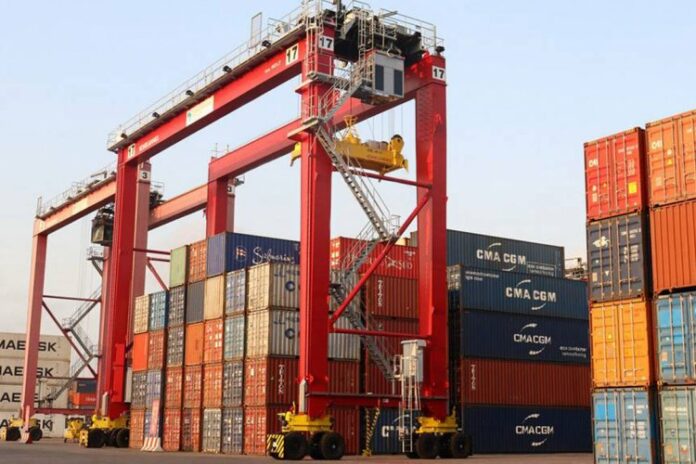
With a 40-tonne lifting capacity, the new equipment will boost the container storage capacities of the yards and help to improve flows across all operations.

Financed by Congo Terminal to the tune of 2.6 billion CFA francs (€4 million), the two yard gantries, built by lifting equipment manufacturer Konecranes, will strengthen the stevedoring capacities of the Congo container terminal.

Congo Terminal is thus pursuing its investment programme to make Pointe-Noire a leading deep-water port that backs up specific corridors and responds to the expectations of the main ship owners. In 2019, the company handled over 920,000 TEU, compared with 190,000 TEU at the start of the concession. This enabled the Port of Pointe-Noire to earn the distinction of “the best wharf productivity of the ports in Central and West Africa”.

Laurent Palayer, Managing Director of Congo Terminal, said:

“Through this new investment, we are continuing to boost the competitiveness of the economy and step up the momentum of trade in the region. Since 2009, Congo Terminal has invested over 250 billion CFA francs (€400 million) in the development of infrastructure, the acquisition of modern stevedoring equipment and the installation of a high-performance operational system.”