-9.1 C
New York
Home Blog Page 748

MTU marine engines from Rolls-Royce awarded China-1 certification

0

Due to the Corona pandemic and the resulting travel restrictions, certification measurements were performed online. 

Fu Min Chu, Vice President of Sales & Business Development at MTU China, said:

“China is our most important growth market and number one focus for our commercial marine business. This certification means we can now continue to offer our leading-edge technology to Chinese customers.”

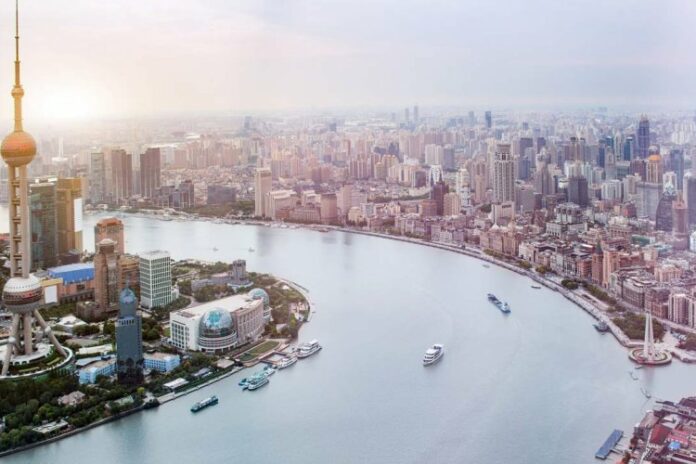
The China-1-certified MTU Series 2000 engines are available in 8, 12 and 16-cylinder configurations, and the Series 4000 engines in 8, 12, 16 and 20-cylinder designs – with power ratings between 720 and 4,300 kW. They are characterized by their low weight and compact size while offering high performance and reliability. The first engines with the new certification have already been sold, and some of them already dispatched. They are to be installed on a ferry in Shanghai and on boats operated by the Chinese police and customs.
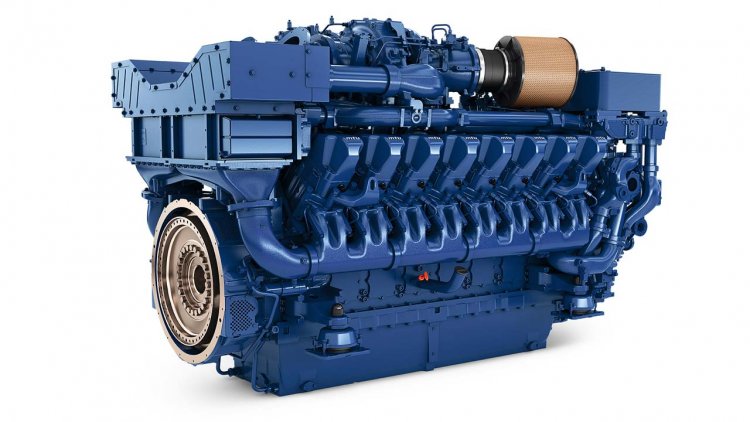
To overcome the challenges posed by the Corona pandemic, the Rolls-Royce team and its partners came up with an innovative solution: The certification measurements were performed remotely for the first time. Cameras and an uninterrupted view of engine data monitors enabled the experts from Chinese classification society CCS and the Jinan Test Center to follow events on the Friedrichshafen test stand throughout.

Paul Röck, who headed the engineering activities of Rolls-Royce Power Systems in China at the time of the certification runs, said:

“A fully remote certification process has been unheard of in the mechanical engineering industry until now. So it’s all the more pleasing that this Sino-German project team has grown together so well and secured certification in this manner.” 

MTU engines have been in service on Chinese ferries since the early 1990s. For example, two 16-cylinder MTU 4000 M23 engines power a catamaran plying the Pearl River Delta. Three fast ferries equipped with 12 and 16-cylinder Series 2000 M72 engines commute between Hong Kong and the Chinese city of Guangzhou.
New floating offshore wind design gets DNV GL feasibility statement

0

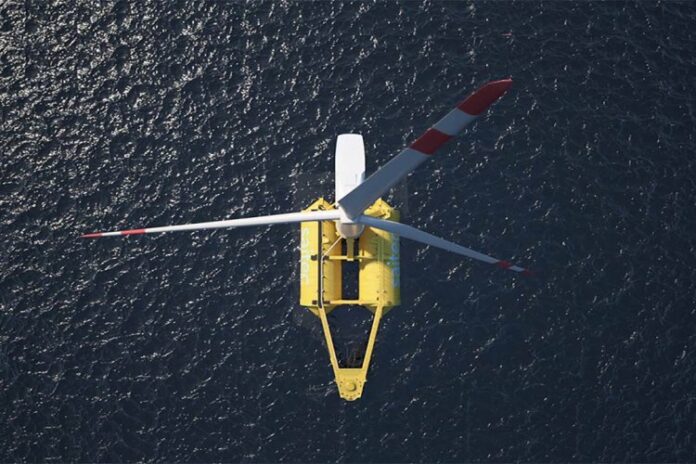
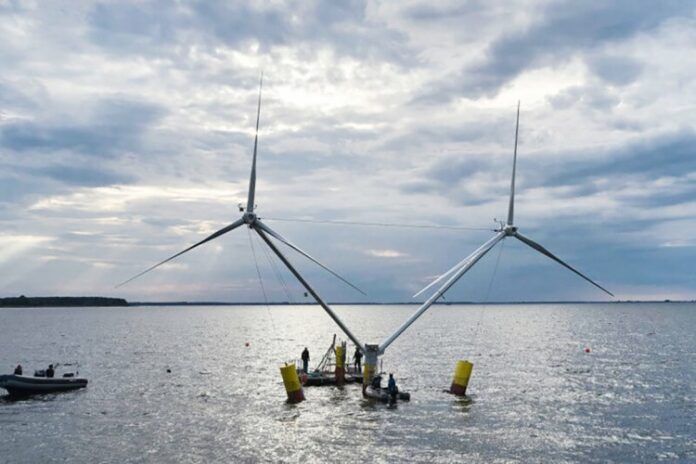
DNV GL has awarded aerodyn engineering with a statement of feasibility for its double rotor floating wind turbine concept nezzy².

This statement, based on DNV GL’s technology qualification services, confirms that the floater is designed to state-of-the-art safety, quality and performance standards. It allows aerodyn to secure investments and enter the next level of prototype development.

Kim Mørk, Executive Vice President Renewables Certification at DNV GL, says:

“Floating offshore wind will be an exciting new market with 250 GW installed, producing 2% of global power in 2050. Qualification of new technology based on state-of-the-art methods and certification schemes linked to international standards is key in bringing early confidence in the concept to this emerging industry.“

Mr. Jan-Christoph Hinrichs, Project Manager nezzy² at aerodyn engineering, says:

“Through the cooperation with DNV GL, we have evaluated the technical and commercial risks of the project within the framework of the Technology Qualification. Now we are able to offer our customers a reliable, forward-looking and economically attractive solution confirmed by a statement of feasibility.” 

The innovative floater is designed as self-aligning concrete structure attached by single point mooring system to the sea ground. The two turbines are mounted on a lift and drag optimized, lens shaped, guyed tower structure and will generate a total rated power of 15 MW.  

Port of Amsterdam supports blue hydrogen plant initiative in port of Den Helder

0

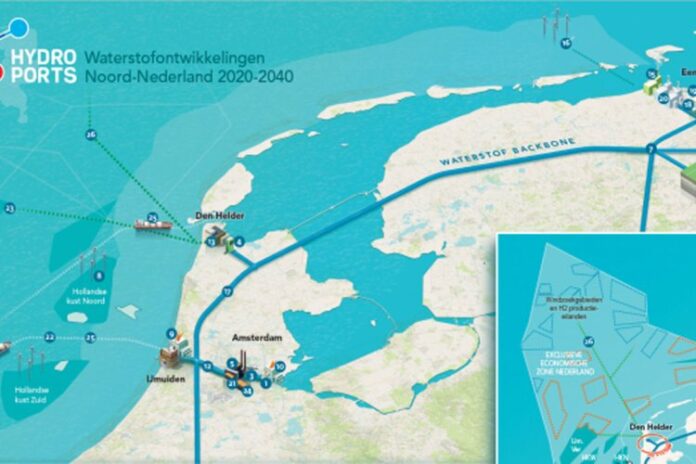
Port of Den Helder, Groningen Seaports and Port of Amsterdam are collaborating closely on a transition to a hydrogen economy under the name Hydroports. Hydroports believes that it is very important to construct the hydrogen backbone between these seaports. A blue hydrogen factory in Den Helder would provide an important stimulus.

The port of Den Helder is playing an important role in this initiative, according to Jacoba Bolderheij, managing director of Port of Den Helder:

“Our port offers a unique location for a central blue hydrogen plant, thanks to the proximity of the gas fields under the North Sea and the presence of Western Europe’s largest gas processing station. The gas infrastructure present in Den Helder together with the activity, knowledge and skills in that field can be used to speed up the supply of carbon-free hydrogen to industry elsewhere in the Netherlands. For this reason, this project also occupies an important position in the Regional Deal for Noord-Holland North which has recently been awarded by the Dutch government. Businesses in Groningen, Amsterdam and elsewhere in the Netherlands can also benefit from a blue hydrogen plant by allowing them to speed up their innovation towards more sustainable production without having to invest in carbon capture at their own location.”

Blue hydrogen is produced using natural gas, just like standard ‘grey hydrogen’. CO2 is released when hydrogen is produced from natural gas. By capturing and storing this CO2 in empty gas fields it is prevented from entering the atmosphere. The hydrogen produced in this way is called ‘blue hydrogen’. H2Gateway’s blue hydrogen plant could boost industry’s ambition to switch to carbon-free production technologies, and could reduce the total industrial carbon emission from the major industrial clusters in the Netherlands by some 14% and thereby make a substantial contribution to climate goals.

Eduard de Visser, head of Strategy & Innovation at Port of Amsterdam, says:

“We are working towards a carbon-free society, and are therefore opting for hydrogen as a sustainable energy source. A blue hydrogen plant in Den Helder fits well with the other initiatives that we are also developing under the Hydroports banner. We are, for example, working with Gasunie to examine whether a regional hydrogen pipeline between IJmuiden and Amsterdam is feasible. We are also looking at creating a 100 MW hydrogen plant with Nouryon and Tata Steel. This could produce 15,000 tonnes of green hydrogen per year. Hydrogen occupies an important place in the Dutch climate agreement. The potential introduction of a blue hydrogen plant brings a circular and emission-free economy a step closer.”

A good national transport network – a hydrogen backbone – is required in order to develop an open market for hydrogen. The Ministry of Economic Affairs and Climate and the network operators TenneT and Gasunie are working on that hydrogen backbone in the Highway27 project in order to be able to connect all the regions. The blue hydrogen plant in Den Helder will be able to supply hydrogen on a large scale via that network. It would allow this plant to act as a stimulus for businesses that want to switch to hydrogen but are still hesitating because a 24/7 supply of green hydrogen on a large scale cannot be guaranteed in the near future.

Clean Marine Fuels: Total charters four new LNG-powered vessels

0

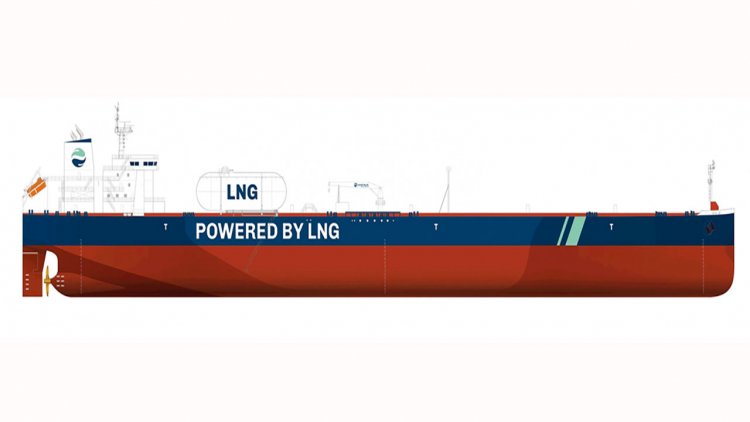
These vessels, each with a capacity of 110,000 tons of crude oil or refined products, will be delivered in 2023 and will join the time-chartered fleet of Total. The first two vessels will be chartered from shipowner Hafnia, and the remaining two from Viken Shipping.

The vessels have been designed with the most efficient LNG propulsion technologies to reduce emissions, allowing a significant decrease in Greenhouse Gases, of more than 5,000 tons per year and per ship compared to conventional vessels. 

Luc Gillet, Senior Vice President Shipping at Total, underlined:

“This chartering contract is in line with our Climate Ambition and will contribute to our Net Zero carbon neutrality target by 2050 or before. This contract follows a similar one, signed earlier this year, for two LNG-powered VLCC (Very Large Crude Carriers), to be delivered in 2022. LNG as a Marine Fuel remains the best and immediately available solution to reduce the carbon footprint of our shipping activities. With these four new vessels, we reaffirm our commitment to expand the use of cleaner marine fuels, for a more sustainable shipping”. 

The supply of LNG for these four LNG-powered vessels will be provided by Total Marine Fuels Global Solutions, Total’s dedicated business unit in charge of worldwide bunkering activities.

Startup ReefSystems installs artificial reef in IJmuiden

0

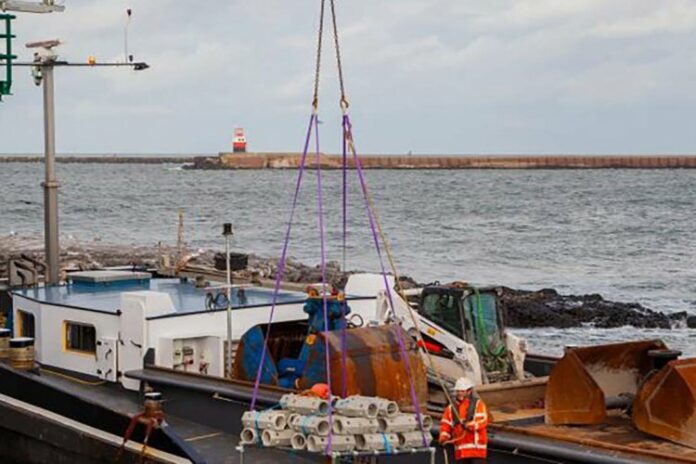
The Amsterdam Startup ReefSystems, based in Prodock, installed artificial reefs in IJmuiden on Monday 26 October to promote biodiversity.

With these reefs ReefSystems creates habitats, a natural habitat, to stimulate the growth of local marine life. With this installation ReefSystems hopes to take a step towards larger reef installations at wind farms in the North Sea. 

ReefSystems’ various microhabitats provide food, shelter and breeding grounds for a wide variety of species, allowing populations to grow again and restoring local ecosystems. The reef installation near IJmuiden is the first of three installations of the overarching North Sea Canal project. Wednesday 28 October a reef was installed near the Moezelhaven (brackish water) and on 3 November a reef near the Amsterdam Marine area (sweeter water).

ReefSystems designs and produces systems that promote biodiversity. In this case an artificial reef; the ‘Modular Sealife System’, as the founders call it. In collaboration with Port of Amsterdam, Rijkswaterstaat and Wageningen University, it stimulates the growth of various underwater populations in the North Sea Canal. Lack of habitats is, after fishing, blocking migratory routes and pollution, the biggest cause of declining biodiversity. The installation of artificial reefs creates new habitats for local and migratory fish species, crustaceans and shellfish. 

Port of Amsterdam has been an active member of the North Sea Canal Fish Migration Working Group for many years. Together with the province of North Holland, Hoogheemraadschappen Hollands Noorderkwartier and Rijnland, Waterschap Amstel, Gooi and Vecht, Rijkswaterstaat, Municipality of Amsterdam and Sportvisserij MidWest Nederland. This group is trying to strengthen fish migration.

Wärtsilä to collaborate with Anemoi Marine Technologies in future sales of Rotor Sail solutions

0

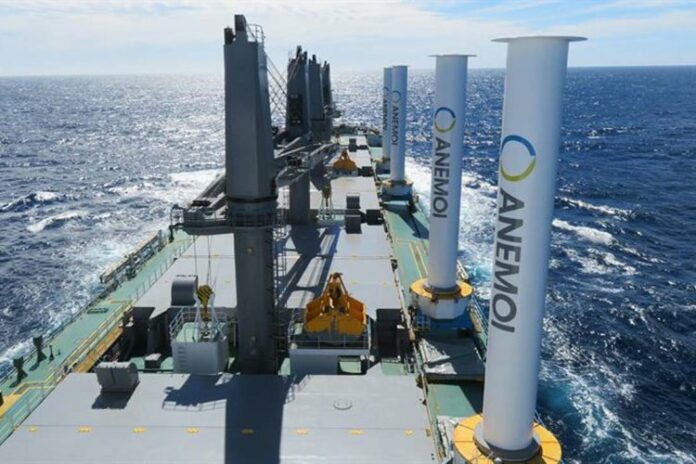
The technology group Wärtsilä has signed a Memorandum of Understanding (MoU) tied to a License and Cooperation agreement with UK-based Anemoi Marine Technologies for the future sales and servicing of Rotor Sail solutions to the shipping industry. The agreement was signed on 22 October 2020.

Rotor Sails, also referred to as ‘Flettner Rotors, are comprised of vertical cylinders which, when driven to rotate, harness the renewable power of the wind to propel ships. These highly efficient mechanical sails capitalise on the aerodynamic phenomenon known as the Magnus Effect to provide additional thrust to vessels and deliver significant fuel and emission savings.

Kim Diederichsen, CEO of Anemoi Marine Technologies, says:

“Our patented designs overcome operational constraints such as air draft and cargo handling, making the technology suitable for the majority of shipping sectors. As the industry focuses on emission reduction targets and energy saving, we are collaborating with Wärtsilä to strengthen our offering and facilitate the global uptake of our Rotor Sails by offering clients a full end-to-end solution including sales, supply and lifecycle support.”

Bernd Bertram, Vice President, Propulsion, Wärtsiä Marine Power, says:

“Wärtsilä is committed to fully supporting its customers by reducing their operating costs and reducing the environmental impact of their operations. This agreement further enhances our ability to meet this commitment, and we look forward to working closely with Anemoi Marine Technologies to realise the potential of this technology.”

Wärtsilä will fully integrate Anemoi Marine Technologies’ Rotor Sails within its Propulsion Business. By offering wind propulsion solutions as an integral part of Wärtsilä’s propulsion offering, compliance with the IMO’s Energy Efficiency Design Index (EEDI) will be further facilitated. Furthermore, it will add to Wärtsilä’s efforts to increase fuel efficiency and reduce emissions. The collaboration will enable the adoption of wind assisted solutions for most marine vessel types, with the immediate focus likely to be on dry and wet bulk vessels. Wärtsilä will promote the solution for both newbuild projects and for retrofitting to existing ships.

ABS publishes guidance on ammonia as a marine fuel

0

ABS has published guidance on Ammonia as Marine Fuel, evaluating the challenges in design and operation of ammonia-fueled vessels.

The latest in an ongoing series of ABS sustainability focused whitepapers examining different fuel options for the marine industry, Ammonia as Marine Fuel provides information for shipowners considering ammonia as an option in both the near-term and long-term.

Georgios Plevrakis, ABS Director, Global Sustainability, said:

“Ammonia is a zero-carbon fuel that can enter the global market relatively quickly and help meet the IMO’s GHG reduction target for 2050. It offers shipowners and operators a zero-carbon tank-to-wake emissions profile but is not without challenges, not least the greater prescriptive requirements for containment and equipment than most of the other alternative fuels under consideration and the need for development for supply side infrastructure. This guidance underscores how ABS is well-positioned to assist owners, operators, shipbuilders and original equipment manufacturers as they consider the practical implications of the use of ammonia as fuel.”

The guidance builds on the ABS research developed in Setting the Course to Low Carbon Shipping: Pathways to Sustainable Shipping, to help drive decarbonization pathways for the industry.  

Equinor: Oil discoveries offshore Newfoundland, Canada

0

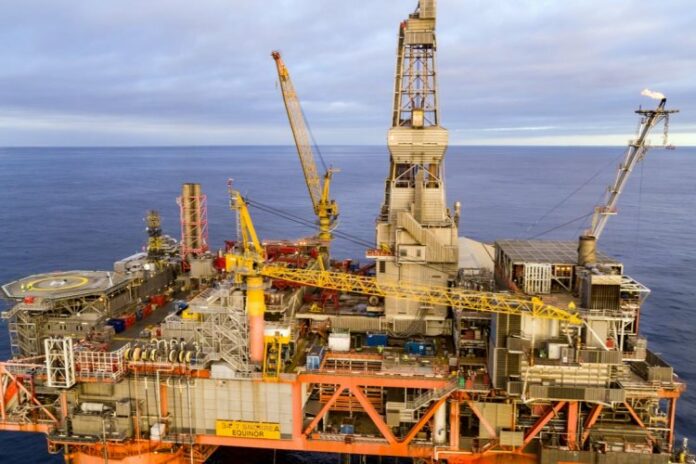
The two wells at the Cappahayden and Cambriol prospects, drilled this summer in the Flemish Pass Basin, have proven the presence of hydrocarbons; however, it is too early to provide specific information on volumes.

Paul McCafferty, Equinor’s senior vice president for international offshore exploration, says:

“We are pleased to have made two discoveries offshore Newfoundland. The results are a testament to the hard work and dedication of our team, who have executed a safe campaign with positive results – particularly considering the unique challenges faced during the COVID-19 pandemic.”

The wells, drilled by the semi-submersible drilling rig, Transocean Barents, are located approximately 500 kms east of St. John’s, Newfoundland and Labrador.

The Cappahayden well has a water depth of about 1,000 metres and the Cambriol well has a depth of 600 metres. Equinor was the operator for the wells.

As part of the 2020 exploration campaign, Equinor has also drilled a top-hole at the Sitka prospect.

VIDEO: DemoSATH construction is set to begin

0

Saitec Offshore Technologies announces the beginning of the construction of its SATH floating platform within the framework of the DemoSATH Project. 

The work package has been awarded to Ferrovial, which will carry out the works in the Port of Bilbao (Spain).

The construction package will last 14 months and covers site preparation, concrete precasting, procurement of steel bulkheads and assembly of the floater along with management of the supply chain.

Alberto Val, Ferrovial Construction Manager in Basque Country, said:

“This is Ferrovial’s first floating offshore wind project and it represents a great opportunity to add value to the project, based on our experience in marine construction and landmark pre-stressed concrete structures. Moreover, this project has a large innovation component, not only because of the materials but also because of the manufacturing and assembly processes that it will develop.”

The DemoSATH project will deploy the first multi-megawatt floating offshore wind turbine connected to the Spanish grid. For the prototype, the structure and the 2MW wind turbine will be assembled in the Port of Bilbao. The base of the structure will be approximately 30 meters wide and approximately 64 meters long. The platform, including the turbine, will be towed to its anchorage point in a test field (BIMEP) 2 miles off the coast at a depth of 85 meter. Hybrid mooring lines, composed by chains and fiber, anchored to the seabed will hold the floating body in position. The unit is expected to go into operation early 2022.

David Carrascosa, Chief Technology Officer of Saitec Offshore Technologies, said:

“Our ambition is to rapidly advance towards commercial production. DemoSATH is therefore not only proving the technical feasibility of the SATH technology, but is also demonstrating how these structures can be mass produced.”

The power generated by DemoSATH will provide enough annual electricity to meet the power needs for 2,000 homes and will prevent emissions of more than 5,100 tons of CO2 into the atmosphere.

Sven Utermöhlen, Chief Operating Officer Wind Offshore Global of RWE Renewables GmbH, said:

“We are pleased to see that the DemoSATH project is entering the manufacturing phase now and making good progress towards offshore installation in 2022. We see great potential for floating wind farms worldwide, especially in countries with deeper coastal waters, where this opens up attractive opportunities. As part of this large-scale demonstration project, we are gaining experience with an innovative concrete-based platform technology that will help us to position ourselves in this growth market.”

The objective of the project is to collect data and gain real-life knowledge from the construction, operation and maintenance of the unit. DemoSATH will test the offshore behaviour of the platform in addition to the construction procedure to be used in future for mass production. The various sections of the floater will be first precast and then assembled in order to prove the efficiency of the industrial fabrication we have conceived for upcoming commercial windfarm developments. 

SATH technology will also demonstrate its capacity as a local content enabler, largely due to the use of concrete as main construction material. The DemoSATH project will spend 90% of its construction budget with the local supply chain (less than 50km away from the site.)

The Ocean Cleanup introduces first product made with ocean plastic pollution

0

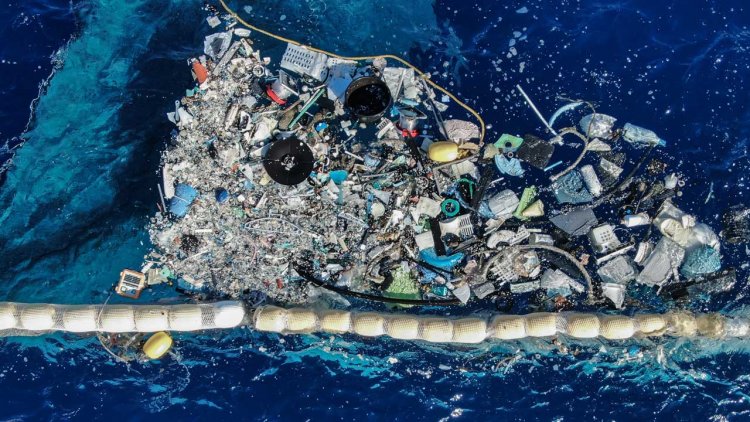
The Ocean Cleanup, the Dutch non-profit organization developing advanced technologies to rid the world’s oceans of plastic, today presented their plan to go full circle in their mission: creating a product from the plastic they recovered from the ocean to help fund the continued cleanup. 

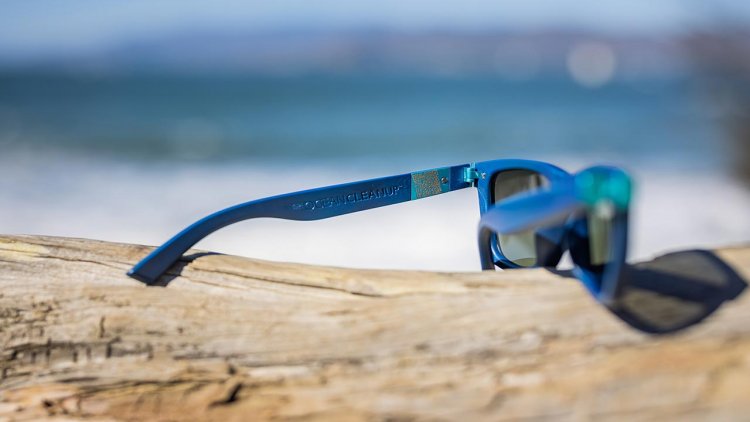
The organization has taken its first batch of plastic certified from the Great Pacific Garbage Patch (GPGP), recycled it, and turned it into something useful and durable: sunglasses. Through a contribution of EUR/USD 199, supporters have the chance to own a piece of the Great Pacific Garbage Patch and help fund the continuation of the cleanup, as 100% of the proceeds will go directly to the next cleanup operations.

The product is made with the first plastic catch during the System 001/B campaign in the GPGP. When the campaign concluded, the plastic was returned to shore in December 2019, marking the end of Mission One and starting the next journey: going full circle from trash to treasure by creating a product to help fund further cleanup. To maintain the claim of origin and give supporters assurance that the plastic is from the GPGP, The Ocean Cleanup followed the steps laid out in the public traceability standard developed by DNV GL, leading global certification body. Recycling this ocean plastic had never been done at a commercial scale before, but, together with a team of experienced partners, The Ocean Cleanup managed to turn it into a high-quality and safe material from which this limited first batch of products has been made. And, because The Ocean Cleanup is a non-profit, 100% of the proceeds will go into next year’s cleanup operations. Each pair of sunglasses is estimated to enable cleaning an equivalent of 24 football fields worth of the GPGP. When every pair from the first batch is claimed, that will equate to approximately 500,000 football fields of cleanup in the GPGP, allowing the organization to use plastic to clean up even more plastic – going full circle each time until they have achieved their mission: ridding the oceans of plastic.

Sunglasses were chosen as the first product because the organization wanted to offer something that is durable and useful and reminds users of the beauty and importance of our oceans. The Ocean Cleanup™ sunglasses are meant to last and stay valuable, they are designed in California by renowned designer Yves Béhar and his team at fuseproject, and crafted with care in Italy by Safilo, one of the leading Italian eyewear companies and manufacturer of sunglasses. The frame is made with plastic certified by DNV GL from the Great Pacific Garbage Patch.  The sunglasses’ case is made with the recycled material from System 001, also known as ‘Wilson’, the first ocean cleanup system deployed in 2018. With end of life in mind, from the metal hinges to the polarized lenses, all components are designed to be easily taken apart and recycled again should this be necessary.

Boyan Slat, Founder and CEO of The Ocean Cleanup, says:

“It’s incredible to think that only a year ago this plastic was polluting our oceans and now it’s something beautiful, thereby turning a problem into a solution. Of course, The Ocean Cleanup is only here today because of our supporters, so I am excited these sunglasses are just another opportunity for everyone to be part of the cleanup and help us maximize our impact. I am thankful for the support of our followers and our partners and for their dedication and efforts to realize this very important step on our mission to rid the world’s oceans of plastic.”