-10.2 C
New York
Home Blog Page 746

NOV, Total, and Equinor sign a two-year joint industry project contract

0

NOV has announced the signing of a joint industry project (JIP) contract with Total and Equinor to launch a two-year research and development (R&D) deepwater project in Brazil for the development of a new deepwater subsea automated pig launcher (SAPL).

This is a pioneering project that is qualified by the Brazilian ANP R,D&I regulatory agency and meets the RT ANP No 3/2015 regulatory requirements.

The initial design for the SAPL that was adapted for four pigs and 1000 m water depth was awarded the 2019 Offshore Technology Conference (OTC) Spotlight on New Technology Award (SPONT). Further research has been conducted, and a SAPL ready for 10 pigs and 3000m WD will be designed, built, and tested in Brazil through the JIP. This newly designed SAPL will target both local and worldwide deepwater single line architectures. Once completed, this game-changing technology will be available for international oil companies (IOCs) requiring an efficient subsea to topside on-demand pigging solution.

The new deepwater SAPL will provide automated, unmanned pig launching, eliminating the need for a second flowline for pigging purposes. It will limit vessel requirement to cassette changeover by enabling the operator to pig anytime remotely and on demand. It will also drastically reduce CO2 emissions by an estimated 80% due to reduced vessel time and reduce OPEX due to decreasing the need for boat assistance. Based on a four-year pigging operation using a combination of the SAPL and a single line architecture, it is estimated that operating costs are reduced by $15 million over 20 years compared to a temporary subsea pig launcher solution.

Damen to deliver nine passenger vessels for Dutch ferry joint venture Aqualiner-Swets

0

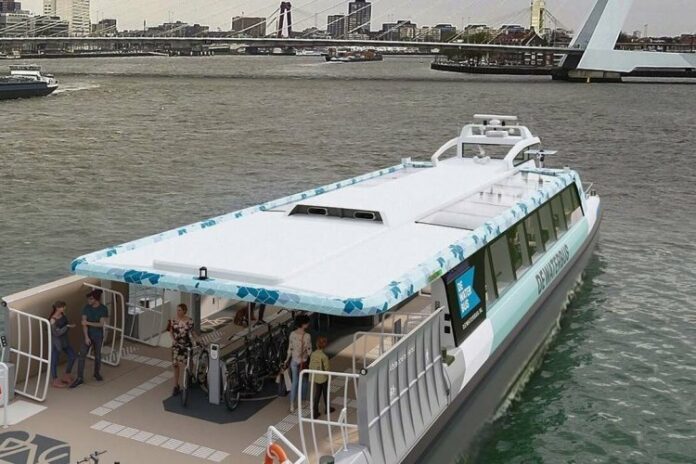
With these vessels, the joint venture will provide the public transportation service between Rotterdam and the Drecht cities on behalf of the Province of South Holland and the Region from 2022, better known as Waterbus. Aqualiner-Swets turned out to be the winner of a EU tendered contract of maximum fifteen years.

Damen will deliver a total of nine vessels, of which six are hybrid and carbon fibre Waterbuses to serve the fast ferry Intercity routes primarily between Sliedrecht, Dordrecht, Rotterdam and the World Heritage site Kinderdijk. Damen and the new operators have incorporated into the designed to the possibility to convert these vessels to full electric propulsion, by 2030 at the latest. The remaining three vessels, the City Ferries will be fully electric from the start of service in 2022 and will provide a service in the city area of Dordrecht, Papendrecht and Zwijndrecht.

Damen has developed the vessels to fulfil the green ambitions of Aqualiner-Swets, the regional minister of transport and all the local governments, including that all ferry services will be completely emissions free by 2030. All nine of the Waterbuses are therefore extremely efficient in terms of weight, hull design and systems, featuring a hybrid-electric arrangement for peak shaving. Sustainability is an important theme to be found running throughout the overall vessel design. For instance, Damen has developed the vessels’ interiors to be completely circular, using natural materials such as wool and wood, as well as recycled materials.

Together with the Maritime Research Institute Netherlands (Marin), Damen performed a parametric study and hull optimisation, to improve the performance on the low wash catamarans. This is aimed at reducing the wake wash produced by the vessels, so as not to cause disruption to those living and working on the water in the area of operation.

Vincent Maes, Sales Manager Benelux said:

“Our work on this project is a good demonstration of Damen’s role, not only as a shipbuilder, but as a provider of comprehensive maritime solutions. What makes it special is our close cooperation with the team of Aqualiner-Swets. Together we have considered every aspect of the operation, looking at vessel types, routes and speeds for maximum fuel efficiency and considering methods to improve the passenger experience. The collaboration has been excellent so far and we are looking forward to continuing it during construction and beyond.”

Baleària Caribbean postpones November 5th reopening sailing

0

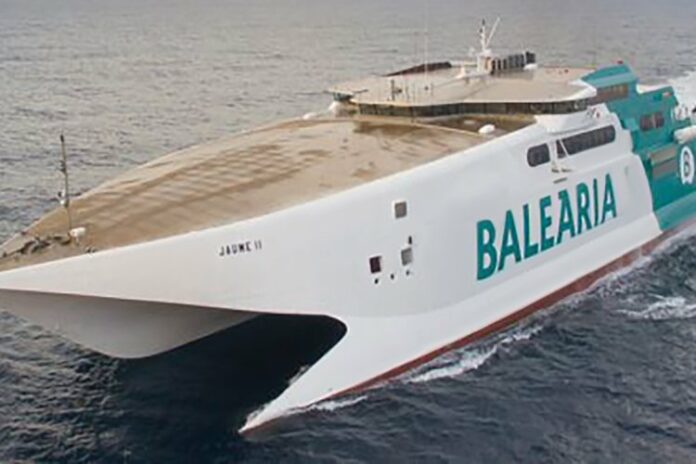
All parties agree that it is important to ensure that they are ready to properly and safely receive passengers in all areas, both air and cruise ports.

In a statement, the company’s Managing Director, Mario Otero, stated:

“Although this is a disappointment for us, the citizens of the Bahamas and the tourism market, we expect to return very soon. Baleària Caribbean is prepared, and we will continue to work with Government and Port officials until the all-clear is given, and we can continue to transport passengers between Florida and the Bahamas safely.”

The ferry transport has gone to extensive lengths to ensure the safety of their passengers and staff members. They received certification by the international entity Bureau Veritas. This makes Baleària the first shipping company in operation to have a Global Safe Site Covid-19 certificate. In another groundbreaking move to facilitate social distancing, the shipping company has vowed to reduce passenger capacity by 40% temporarily. 

Other notable measures include temperature scanning for each passenger before boarding, easy access to sanitizer dispensers in the terminals, and aboard the vessel. Passengers and staff members will be required to wear a face mask/covering at all times throughout the travel process. The addition of Plexiglass dividers on every seat and common areas, and last but certainly not least, the ship and terminals will undergo a deep and extensive sanitation process before, during, and after each sailing.

New DNV GL rules drive smart ship operation and management

0

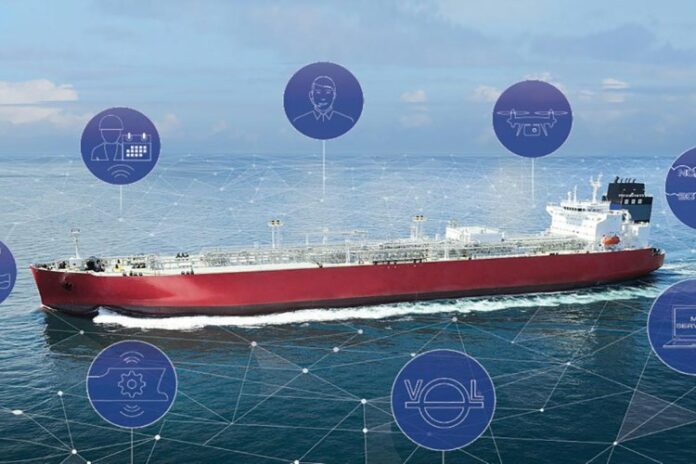
The maritime industry is undergoing a massive shift as vessels transform into sophisticated sensor hubs, generating data and connecting through satellites in an expanding interconnected web.

To enable the uptake of these systems and unlock the associated efficiencies, DNV GL is launching a new chapter to its world leading rules for ship classification: Digital Features. The new chapter was launched with three new notations (D-INF, DDV, REW) on 28 October and will enter into force on January 1st 2021. In addition, a new Smart vessel notation (Smart) – a framework for assessing and visualising digital vessel features – was introduced.

Vessels, their systems and components are now increasingly linked to the internet, making them accessible from anywhere and part of a network of online maritime assets. This is giving the industry access to real-time data, enabling increased automation, decision support, remote monitoring, and overall boosts to safety and performance. At the same time this data – collected in cloud storage and used as the basis for digital twins and other operational, design and construction simulations – is having a dramatic effect on the way the industry looks at information, while opening up new business models and risks.

Knut Ørbeck-Nilssen, CEO of DNV GL – Maritime, said:

“The pandemic has triggered a renaissance in the maritime industry, as we see greater and deeper adoption of digital solutions to enhance safety, sustainability and efficiency. The key to maximising the potential of these digital technologies and strategies is to enable companies to more easily build trust in them. With the new Digital Features chapter, we have laid a clear class foundation for three of the most essential building blocks of maritime digitalization.”

The Digital Features chapter (Pt.6 Ch.11) is supported by two new DNV GL class guidelines and sets out the basic features of a smart vessel and how new digital solutions can be implemented to unlock new efficiencies and opportunities. The three initial notations to be offered are: Data collection infrastructure – “D-INF”; Data-driven verification – “DDV”; and Remote witnessing preparedness /network and connectivity – “REW”.

The class notation “D-INF” – Data collection infrastructure and vessel connectivity sets out the requirements for the complete data collection infrastructure, including an onboard data server, a data relay component and remote data server, as well as the connection to shore. This applies to onboard equipment delivered by both the yard and the owner when applied for class purposes.

Data-driven verification principles for remote surveys – “DDV”, sets the requirements for the gathering, treatment and delivery of collected data to ensure the quality of this data for use in a class assessment. This means that for the specified systems, the verified data can be used in the certification and classification of those systems in maritime and offshore vessels. The notation covers several different verification methods, including self-verifying systems and digital twins.

Remote witnessing preparedness on network and connectivity – “REW”, provides the requirements for systems and solutions used in remote witnessing. To enable remote interaction with technical experts the notation outlines the onboard arrangements for live streaming throughout the vessel. Two qualifiers indicate functionality for real time witnessing, remote test functions and sharing of system display information (HMI), with or without remote control of the system enabled.

Finally, “Smart vessel” is a voluntary notation that provides a framework for assessing and visualising digital vessel features. The three qualifiers (OPM, OPH and EEN) demonstrate a vessel is utilising enhancements that improve operations, efficiency, and reduce environmental impacts.

Ørbeck-Nilssen added:

“Digital Features and Smart are exciting next steps in our classification journey because they enable owners, operators and yards to qualify and demonstrate their latest technologies. Right across the industry we are seeing a wave of innovation that is propelling the industry forward. These new rules and notations give our customers the perfect platform for demonstrating cutting edge technologies and unlocking the value they bring to the market.”

The new chapters and 4 class notations were launched on October 28th and will enter into force on January 1st 2021.

Freeport LNG loads 100th LNG cargo

0

Michael Smith, Founder, Chairman and CEO, Freeport LNG, said:

“This is a tremendous achievement for Freeport LNG and our customers. Achieving this milestone safely and efficiently is a true testament to the dedication, discipline and drive of our workforce who play an integral role in Freeport LNG’s continued success.”

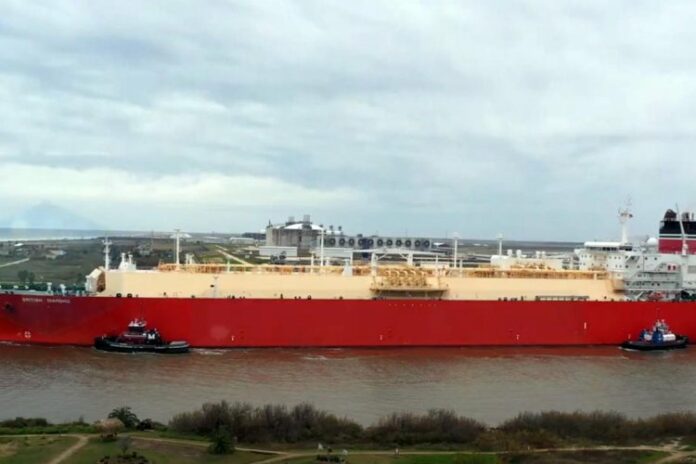
Freeport LNG loaded its first cargo in September 2019. The company began full commercial operations of its $13.5 billion, three train facility in May. In addition to achieving this 100th cargo, carried by bp’s British Contributor, Freeport LNG recently marked another significant milestone, its first nighttime transit. The vessel departed Freeport LNG’s terminal on the evening of October 6. The company anticipates having more routine nighttime transits by early next year.

Freeport LNG is an LNG export company headquartered in Houston, Texas. The company’s three train, 15 mtpa liquefaction facility is the seventh largest in the world and the second largest in the U.S. 

The plastic rivers of Asia play a key part in the fight against plastic in the ocean

0

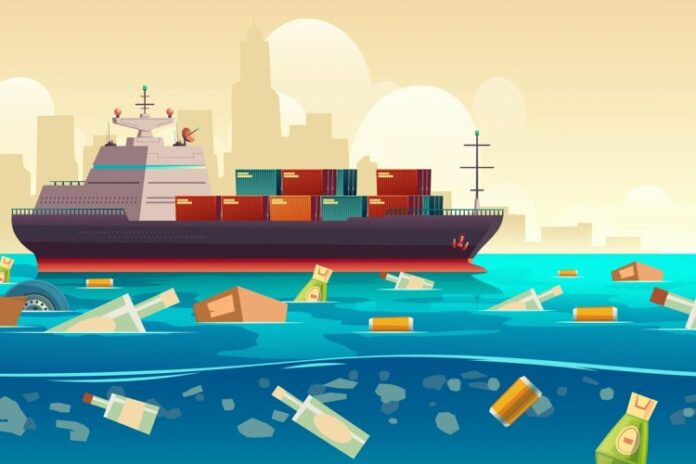
Plastic has gone from scientific wonder to environmental scourge. The world’s rivers transport millions of tons of plastic waste to the sea every year. The Citarum river in Indonesia is one of the world’s most polluted rivers, yet 30 million people depend on it. 

It has often been named the world’s most polluted river: Citarum, on the island Java in Indonesia. Tons of garbage and wastewater finds its way every day into the once pristine river. Layers upon layers of waste accumulates along the riverside and is flushed into the water during floods. Heavy rainfall often leaves the surface completely covered by unimaginable amounts of litter. The water still visible under all the waste is often discolored by hazardous chemicals.

Despite these deplorable conditions, close to 30 million people rely on Citarum for drinking water, irrigation and hydropower.

Citarum may be an extreme case, but many of the world’s rivers and streams are severely affected by pollution. And plastic is often one of the culprits.

Less than 10 per cent of all plastic ever produced has been recycled. 80 per cent of all the plastic in the world is still located on land. If this plastic is not properly collected and managed, it’s likely to find its way into nearby rivers. And rivers are excellent conveyor belts, with the sea as its final destination.

Surveys done by the Norwegian Institute for Water Research, NIVA, in several villages along Citarum river implies that only half of the population are aware of the environmental impacts of plastic pollution. Only one third are willing to separate their domestic waste.

The grim truth is that millions of people in Southeast Asia use rivers as dumping grounds. In many cases, however, there aren’t any proper alternatives – and rivers conveniently bring the waste out of sight and out of mind.

Beach clean-ups and other initiatives to remove waste are important measures to reduce exiting plastic litter from the environment. But to overcome the plastic challenge, we need to treat the cause and not just the symptom. We must turn the spotlight on the sources and causes for plastic leakage. Removing existing plastic waste from the environment is just a band-aid solution.

However, there is no quick fix. Actors and systems are often intertwined: from production, through consumers, to mismanaged waste. Measures are required on many levels. Billions worth of investments in waste management infrastructure, better alternatives to single-use packaging, and increased consumer awareness are just a few examples.

Source: NIVA

Yinson’s FPSO Abigail-Joseph achieves first oil

0

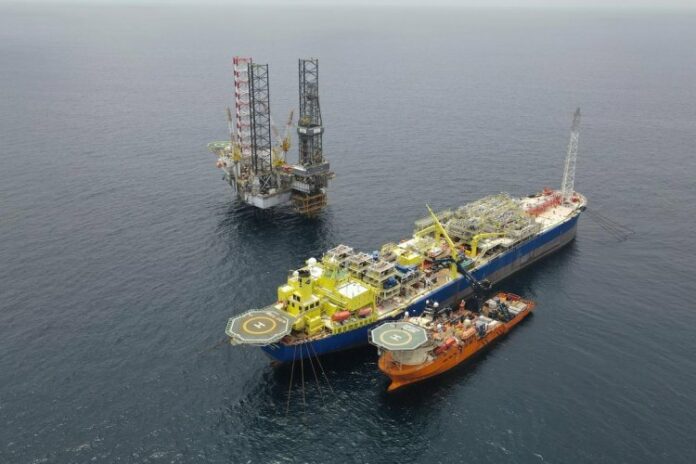
Yinson has announced that FPSO Abigail-Joseph has received its 1st Oil Certificate on 28 October 2020 following successful 72-hour Stabilisation Testing. 

The Yinson team achieved the delivery of first oil for production within 20 months after signing the contract with client FIRST Exploration & Petroleum Development Company Limited (“FIRST E&P”), as Operator of the Nigerian National Petroleum Corporation (“NNPC”) / FIRST E&P OMLs 83 & 85 Joint Venture (the “NNPC/ FIRST E&P JV”). The asset is operating in the Anyala and Madu fields within OMLs 83 & 85.

FPSO Abigail-Joseph is Nigeria’s first integrated oil and gas greenfield project that has been wholly executed by an indigenous oil company, and is the Group’s fourth offshore production asset to operate in Nigerian waters.

Yinson Chief Executive Officer Offshore Production, Flemming Grønnegaard said that the achievement was made possible through the great teamwork between the Yinson team, client and subcontractors. 

He said:

“I would like to thank the NNPC/FIRST E&P JV for the opportunity to undertake this project. This is a special project for us as it marks our continuous business presence in Nigeria, allowing us to continue positively impacting Nigeria’s development through our contribution to its energy landscape and local economy.”

He added that the team achieved zero lost time injuries throughout the 2.1 million man hours clocked during the conversion and commissioning of the FPSO. 

Flemming said:

“Yinson’s Core Values, R.O.A.D.S, stands for Reliable, Open, Adaptable, Decisive and Sustainable. To successfully complete this project, the values of, ‘Reliable’, ‘Adaptable’ and ‘Decisive’, in particular, were crucial to enable us to navigate through the challenges brought about by the Covid-19 pandemic to achieve first oil for FIRST E&P.”

Ademola Adeyemi-Bero, Managing Director of FIRST E&P, said:

“As a Nigerian independent with an offshore integrated oil and gas focus, the partnership with Yinson should enable our company to deliver world class operations that delivers value to the JV. We look forward to a long-term relationship that delivers mutual bottom-line benefits to both companies.” 

FPSO Abigail-Joseph has a storage capacity of 550,000 barrels and is designed to produce 50,000 barrels of oil per day with gas lift and gas injection capacities at 15 MMSCFD and 39 MMSCFD respectively.

Floating wind turbine “Nezzy²” passes its second test in the Baltic Sea

0

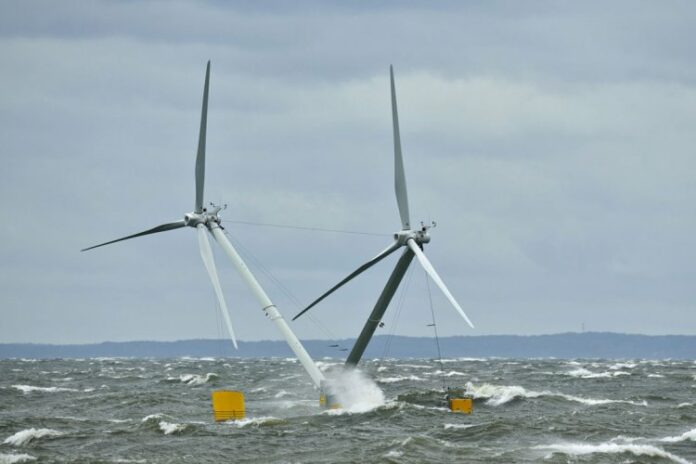
The floating wind turbine Nezzy² has successfully passed its two-month test in the Bay of Greifswald. The 18-metre-tall prototype built on a 1:10 scale consists of two wind turbines on a floating platform and is being tested jointly by the north German company aerondyn engineering and EnBW.

In the Bay of Greifswald, 180 sensors were used in 30 different measurements to establish how Nezzy² behaves when exposed to different wind directions and speeds as well as wave heights and directions. Nezzy² even withstood a storm tide in mid-October. Scaled up to the later true size of Nezzy², the wave and wind conditions were equivalent to a category four to five hurricane with waves reaching heights of up to 30 metres.

aerodyn managing director Sönke Siegfriedsen says:

“For one and a half days, we were able to observe how Nezzy² remained stable in the water in extreme weather conditions. Our tests have shown that our model is now ready to be tested in the sea on a full-size scale.” 

Prior to the test in the Baltic Sea, Nezzy² was tested in a flooded gravel pit in Bremerhaven.

Until now, offshore wind turbines have been anchored to the seabed with solid foundations at a maximum water depth of 50 metres. With floating wind turbines, new countries and sea regions at greater depths can now be considered. 

Hannah König, head of wind and maritime technology at EnBW, explains:

“We want to use the floating wind turbines ourselves for our international offshore projects. That is why we are really delighted that this technology can now be further developed with our support.” 

The 1:10 scale model has now been dismantled. Over the coming weeks, the recorded data will be evaluated. The findings will then be incorporated in the design of the 1:1 scale model, which is set to be tested in China at the end of 2021 or start of 2022.

Safehaven Marine launch new Interceptor 48 ‘Practicos Coruna Ocho’

0

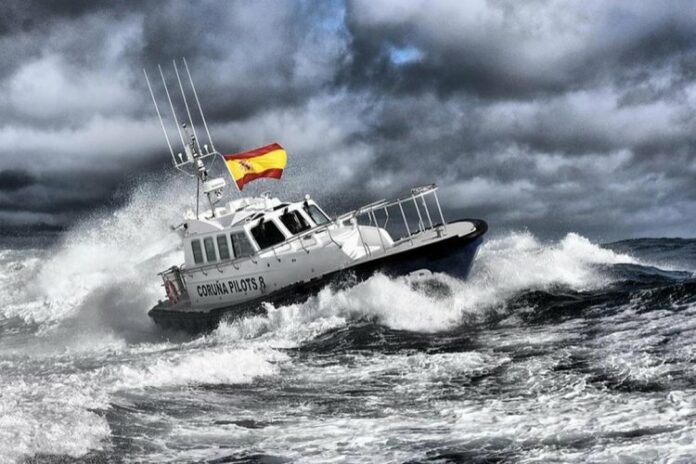
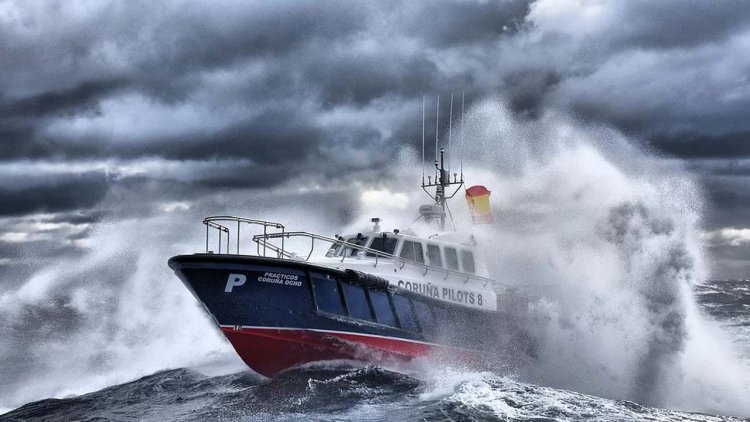
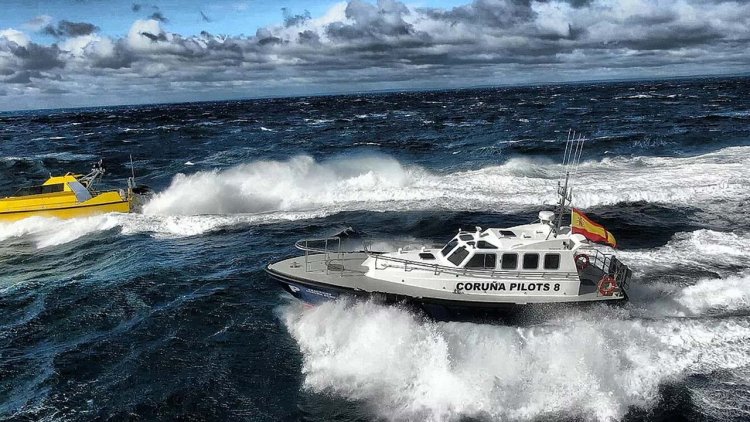
‘Practicos Coruna Ochno’ is powered by a pair of Volvo D13 500hp continuously rated engines and ZF Gearboxes. 

Propulsion is by conventional sterngear turning 28” propellers giving her a 25kts continuous operational speed. Capable of carrying 7 pilots and crew all on shock mitigation seating comfortably in her spacious fully lined cabin with extremely low noise levels of 73db recorded.

She is proving very economical using just under 80 litres of fuel per hr on each engine at 25kts.  She is heavily fendered all round and incorporating Safehaven’s sacrificial fender system protecting the vessel at her boarding area and softening the inevitable hard impact that can occur in poor conditions. Safehaven’s proven MOB recovery system is fitted on the transom allowing a casualty to be easily recovered in a MOB situation. A full suite of Garmin electronics are installed at her central helm position which provides excellent all round visibility and control of the craft when undertaking alongside ship pilot transfers.

Safehaven undertook extensive rough weather sea trials to fully test her and took advantage of being able to do multiple boarding trails alongside the ‘Taccola’ dredger that is operating in Cork harbour presently, demonstrating to clients how nicely she handles alongside, and captured some cool photos and video.

Recently delivered to Spain and in operation at the Port of Coruna after yet another remote Covid forced handover, with the owners being unable to visit at all throughout her construction, which was managed through plenty of on-line videos and photos which proved very effective, and of course the trust that Safehaven develops with its clients. She is to be shipped to Coruna only a few weeks late in early October, which is not bad considering the disruptions. Once in operation there Safehaven expect her to handle admirably the big ‘Bay of Biscay’ seas the port can experience this coming winter. She is Safehaven’s  5th pilot boat supplied to Spain and 45th pilot boat built overall.

ABB Azipod icebreaking propulsion to power a fleet of newbuild LNG carriers

0

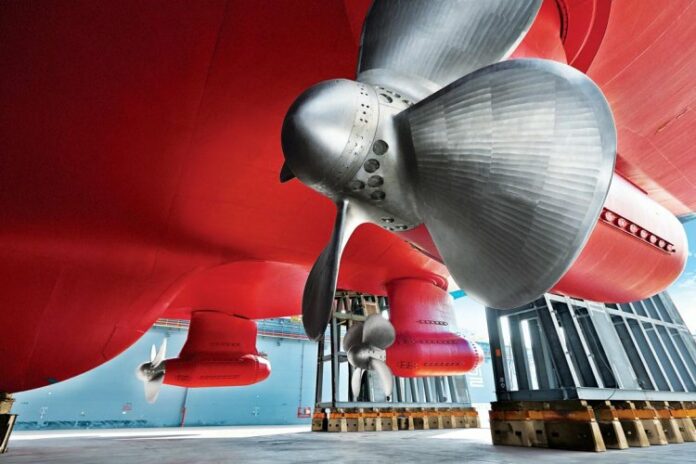
Each of the six newbuild vessels will feature a trio of the largest and most powerful Azipod® propulsion units ever supplied for ships operating in ice.

Together, the giant 17 MW Azipod® units will provide a total power of 51 MW (68,400 HP), enabling the vessels to navigate safely through ice up to 2.1 m thick. In similar conditions and without ABB’s leading technology, comparable ships would require icebreaker assistance.

Known for its unrivaled performance, ABB Azipod® propulsion has become an industry standard for ice-going vessels. The Azipod® propulsion system, where the electric drive motor is in a submerged pod outside the ship hull, can rotate 360 degrees to boost maneuverability, which is particularly crucial for vessels operating in ice. The new LNG carriers will be classed to ARC7 – the highest ice class rating for merchant vessels.

The order follows the successful delivery of ABB’s leading-edge technology for the 15-ship series servicing the Yamal LNG project – one of the largest orders ever for ABB Marine & Ports, completed in 2019.

Juha Koskela, Division President, ABB Marine & Ports, said:

“We are proud to see our technology to be once again chosen for demanding operations in the Arctic. We are committed to supporting the growing Arctic maritime industries with our unparalleled technology that has over the years proven to enable safe, sustainable operations and ensures year-round transportation of cargoes across the Northern Sea Route.”

Upon delivery starting from 2023, the six vessels will service Arctic LNG 2 – one of the largest industrial projects in the Arctic – and will each have the capacity to transport 170,000m3 of LNG.