-10.3 C
New York
Home Blog Page 742

ICTSI connecting its global network of terminals to TradeLens Blockchain network

0

International Container Terminal Services, Inc. (ICTSI), an international terminal operator operating in 19 countries, has signed on to connect its 31 terminals to the TradeLens platform.

Tracking of containers through the networked exchange of data enables efficient asset planning for all entities involved utilizing data in near real time to create end-to-end data visibility.  Leveraging a state-of-the-art enterprise data platform, ICTSI will manage a single global TradeLens connection that will enable rapid innovation and service improvement in partnership with TradeLens.

Brian Hibbert, ICTSI Vice President and Chief Information Officer, says:

“We are now testing the system and transferring information about loading and discharge of cargo, berthing of vessels to the blockchain platform. After complete integration of the system, we will be able to optimize work with regulatory authorities, improve our terminals’ visibility to what is coming to them as well as receive updates from the sea carriers online.”

Launched in 2018, the TradeLens ecosystem now includes more than 175 organizations – extending to more than 10 ocean carriers and encompassing data from more than 600 ports and terminals. Already, it has tracked 30 million container shipments, 1.5 billion events and roughly 13 million published documents.
 
Thomas Sproat, TradeLens Director of Network Development, says:

“The broadening geographic scope of the platform is bolstered by the addition of ICTSI and provides new opportunities for TradeLens participants as the ecosystem continues to expand rapidly. We are excited to welcome ICTSI and eagerly await the creation of new ways of working for shippers and consignees that indirectly utilize their services.”

TradeLens not only enables carriers and cargo owners to exchange transactional information in real time, it also sends associated trade documents to permissioned parties. Blockchain technology reduces the processing time of traditional paper documents, making it faster and easier to issue bills of lading for cargo, sanitary certificates, invoices for payment and other types of documentation. For terminals, this is especially important when considering hazardous cargo and potential efficiency gains in the terminal release and customs release processes.

The ability for clients to get faster and more granular information from terminals, like those managed by ICTSI, allows them to better manage a critical phase of the container journey. From container discharge information, to gate in empty details, having a single source of visibility for container movements directly improves efficiencies throughout the planning and invoice reconciliation cycles.
“K” Line: certified for cyber security management system in also Singapore

0

“K” Line Ship Management (Singapore) Pte Ltd (KLSM SGP), a group company of Kawasaki Kisen Kaisha, Ltd (“K” Line), was certified by ClassNK for Cyber Security Management System (CSMS) recently after CSMS acquisition of “K” Line Energy Ship Management Co., Ltd.,Tokyo.

The ship management companies in “K” Line group are not only targeting to acquire the CSMS certification but have been working on the development of practical measures and guide to safely protect ships from Cyber Security threats as first priority. KLSM SGP has been incorporated Cyber Security Management into Safety Management System (SMS) manual and developed Cyber Security Management Plan (CSMP) and its guide (CSMG) as supplementary volume, and KLSM SGP and container ship “ONE HAMBURG” managed by KLSM SGP acquired CSMS certification.

KLSM SGP prepared under the various restrictions imposed by COVID-19, and the certification process by ClassNK was completed on October 15, 2020. All vessels under the management of KLSM SGP will be equipped with required IT equipment and arrangements for Cyber Security measures in accordance with the certified guide in the same manner as “ONE HAMBURG”.

Proman Stena Bulk promotes greener shipping with methanol-ready vessel

0

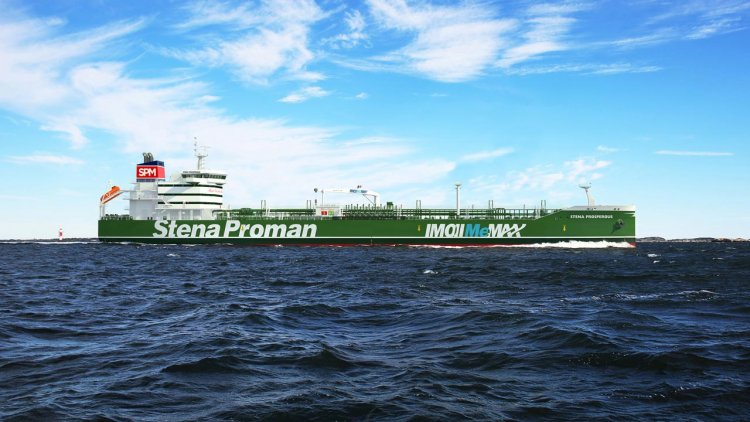
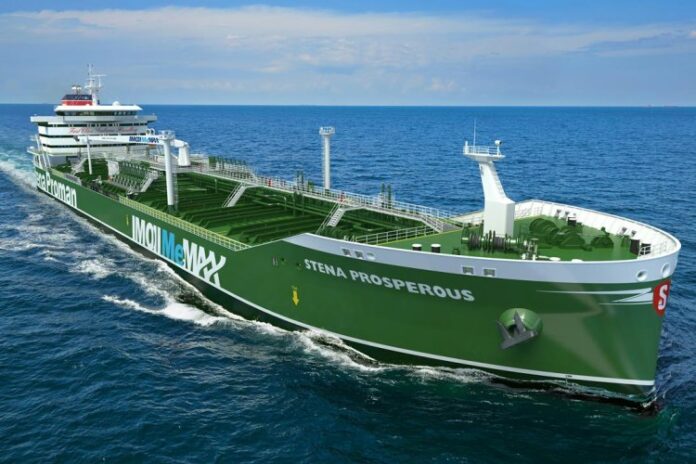
The methanol-powered Stena Prosperous will join the Stena ProPatria and the Stena ProMare in the Proman Stena fleet in H2 2022. Each vessel will use 12,500 tonnes per annum of methanol as a marine fuel, significantly reducing emissions in their normal commercial operations compared to conventional marine fuels. 

These new methanol-ready 49,900 DWT vessels will be state of the art, benefitting from several design and technical improvements to optimise energy and fuel efficiency. The latest generation MAN dual-fuel engines will feature revolutionary new water and fuel emulsion technology, which significantly reduces NOx emissions without the need for costly catalytic conversion technology. The vessels will also be equipped with the latest energy efficiency technology, including continually controlled combustion, optimised tuning, redesigned and aerodynamic hull lines, and an energy shaft generator, reducing fuel consumption and helping to meet strict emissions criteria. 

For Proman Shipping, these new vessels demonstrate a long-term commitment to methanol as a marine fuel for the future. Ahead of the International Maritime Organisation’s (IMO) updated strategy to cut greenhouse gas emissions from the global shipping industry, due to be adopted in 2023, these vessels will set a new benchmark for mid-range (MR) tanker sustainability.   

The Stena Prosperous will initially be utilised by Stena Bulk within their traded pool of ships for a period of two to three years. The vessel will therefore be the first methanol dual-fuel powered ship traded on the chemicals / CPP market by a conventional shipowner without an active contract to a methanol producer. After this initial period, the Stena Prosperous will then enter into a long-term time charter with Proman Shipping.

This underlines both Stena’s and Proman’s confidence in methanol as one of the most viable and low-emission future marine fuels and their belief in the dual-fuel technology, as well as making methanol more  readily available as a marine fuel for third party shipping companies. Methanol is already available at over 100 ports worldwide, including at all major bunkering hubs. It is a clean burning, safe to carry and fully biodegradable fuel, which provides a reduction in carbon dioxide (CO2)emissions, eliminates sulphur oxide (SOx) and particular matter completely, and cuts nitrogen oxide (NOx) emissions by 60% compared to traditional marine fuels.

For Stena Bulk, an internationally renowned ship owner, it further demonstrates the company’s commitment in developing methanol as a widely available and usable marine fuel, aiming to promote and encourage a pathway to greener shipping future. 

Erik Hånell, President and CEO of Stena Bulk said:

“In Stena Bulk we are very satisfied with the development of our Joint Venture with Proman Shipping, adding one more vessel into our joint venture. We see the strength in our joint commitment leading to new and exciting opportunities for us. It is in Stena Bulk´s objectives to contribute to making the shipping industry more sustainable. This joint venture is taking us in that direction with a partner whom we share many values that we believe will develop the shipping industry with new features driving improved performance and efficiency”.

David Cassidy, Chief Executive of Proman, said:

“This is an opportunity to build on the already excellent work we have achieved with Stena in our joint venture, which is now a three-vessel programme for the industry-leading IMOIIMeMAX dual-fuel vessels. These new vessels demonstrate our commitment to leading the transition towards methanol as a reliable marine fuel and are an exciting development for us as vessel owners. The vessels’ state-of-the-art fuel consumption and engine technology represent an important step in the move towards more sustainable shipping. In making Stena Prosperous available to the general market for the transportation of chemicals, we seek to encourage other producers to gain experience with these innovative methanol-powered vessels and to benefit from the significant reduction in emissions that operating these vessels will deliver”. 

PSA Marine forges ahead with offshore wind in Europe

0

With strong confidence in its successful business expansion into the offshore wind market in Europe, PSA Marine Pte Ltd (“PSA Marine”) has been granted a three-year EUR 30 million equivalent sustainability-linked loan from DBS Bank (“DBS”). This is PSA Marine’s first sustainability-linked loan and is the first of its kind granted to a company in Singapore’s maritime industry.

The loan features an interest rate adjustment linked to an Environmental, Social and Governance (“ESG”) target. This requires a fleet of PSA Marine’s Crew Transfer Vessels (“CTVs”) to be substantially deployed to support offshore wind energy-related activities, such as the transportation and accommodation of personnel, cargoes and equipment for offshore wind farms. PSA Marine’s subsidiary, Ventus Marine Limited, currently owns and operates a fleet of 10 modern CTVs to service the renewable offshore wind market in Europe.

Peter Chew, Managing Director of PSA Marine, said:

“PSA Marine has grown our business in the renewable energy sector since 2015 as part of our commitment to move towards sustainable energy. We are proud to play a part in supporting the offshore wind industry and will continue to partner with financial institutions and other organisations to explore new opportunities in this space.”

Er Wei Lim, VicePresident of Singapore and Head of Corporate Services of PSA Marine, said:

“The investment made in support of the offshore wind market through the sustainability-linked loan reaffirms PSA Marine’s commitment to support a cleaner and greener future. It creates a win-win outcome for our stakeholders as well as the environment.” 

PSA Marine’s other business offerings which help facilitate a transition to a low carbon economy include the provision of CTVs and Service Accommodation Transfer Vessel services to the offshore wind market in Taiwan, support vessel services to the Liquified Natural Gas (“LNG”) market in Bangladesh and harbour towage services with two dual fuel LNG harbour tugs in Singapore.

Committed to supporting customers like PSA Marine in their transition to more carbon-friendly operations, Boey Yin Chong, Managing Director and Global Head of Shipping, Aviation, Logistics and Transportation of DBS, said:

“A shift in mindsets by traditionally carbon-intensive industries like transportation towards more sustainable practices is a needed and progressive step in the right direction. We are very happy to have supported this with like-minded partners such as PSA Marine. As a bank, we remain committed to supporting this drive and look to structure more such sustainable-structured transactions to further build on our clients’ sustainability agendas which ultimately will become a key and important differentiator in their businesses.”

Since 2018, DBS has done around 100 sustainable finance deals worth over SGD 15 billion and has committed to financing SGD 20 billion in renewable, clean-energy and green projects by 2024.

Maersk doubles capacity on weekly ocean-rail service from Asia to Europe

0

Plans underway to scale up the service to daily services if customers´ demand continues on the current track.

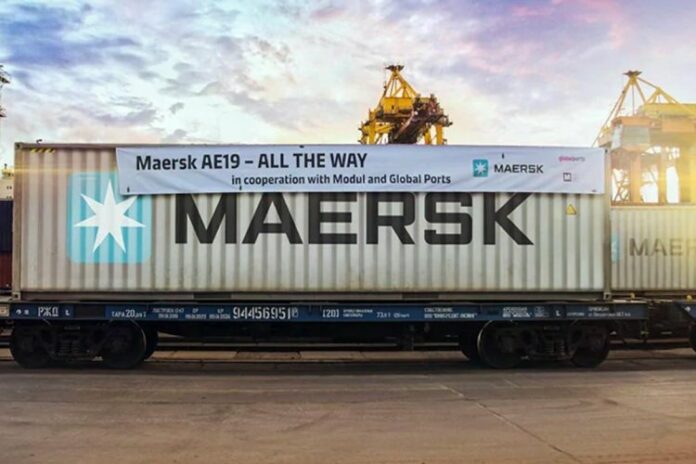
To create more supply chain flexibility in Asia/Europe routing options in response to COVID-19’s impact, Maersk is announcing an increase of up to two departures per week in its AE19 service. The AE19 service is a combination of a short-sea and intercontinental rail product between ports in Korea, China and Japan and Northern European ports in Finland, Poland, Germany and Scandinavia. The service covers both westbound and eastbound directions for dry, refrigerated and dangerous cargo.

Zsolt Katona, Managing Director, Eastern Europe, explains:

“The pandemic has triggered some trade bottlenecks in Europe that we can help solve by offering to our customers higher levels of supply chain management e.g. further developing rail into a cost efficient, reliable and scalable mode of transport between continents, creating fall back options which seems to be crucial in crisis situations.” 

Attracted by both competitive prices as well as faster transit, both North East Asia and North Europe shippers have increased bookings on the service, “boosting AE19 volumes by approx. 75% in April, May and June compared to pre-COVID-19; a trend that will likely improve in the second half of the year,” points out Zsolt.

AE19 is enabled by TradeLens, a digital platform developed by Maersk and IBM, which provides shipping data directly from the source of each party involved in near real-time while connecting this rail corridor directly to its established ecosystem of international transportation service providers.

ZeroNorth launches BunkerAction bunker recommendation software

0

Maritime technology company ZeroNorth has today announced the launch of its new bunker recommendation software, BunkerAction.

BunkerAction, which is being added to the suite of tools in ZeroNorth’s Optimise platform, uses data insights to provide tramp shipping operators with recommendations about where, when and what to bunker for vessels across their fleet. This will create a one-stop optimisation tool for operators.

Launching as a Beta product with more features to be added in the coming weeks and months, BunkerAction uses currently available data, such as vessel specifics, position, route, ETA, and tank capacity, as well as ZeroNorth data spanning bunker prices, weather, port details, sailing distances and market rates, to generate its actionable bunker planning insights.

Through its algorithm, BunkerAction calculates necessary parameters to make recommendations to operators about their bunker procurement. For example, depending on weather, market rates and dynamic speed and consumption, BunkerAction may recommend that a vessel takes on bunkers at an alternative port, if it calculates that cost and efficiency savings can be generated.

The impact of BunkerAction’s recommendations include the cost benefit and emissions transparency of each potential decision. Furthermore, as it is available in ZeroNorth’s Optimise, BunkerAction is an easy-to-use online tool which doesn’t require installation or any investment in vessel hardware.

Katrine Hastrup, Product Owner, ZeroNorth, said:

“We are delighted to get BunkerAction into the hands of owners and operators. We believe that the power of this new tool – in tandem with other actionable insights created in our Optimise platform – will help operators to unlock meaningful and transparent cost savings for their operations.

“Fuel is the single largest cost for most owners and operators in tramp shipping, so it makes sense that we apply the power of cutting-edge digital technologies to drive a meaningful impact. By taking available data from a vessel or fleet, we can generate immediate recommendations that we believe have the potential to revolutionise the way operators execute bunker planning.”

The new bunker recommendation software will be available in ZeroNorth’s Optimise platform. Alongside this new functionality, Optimise provides insight into vessel performance and determines the optimal speed of each vessel to optimise bunker spend. It monitors the entire fleet and alerts the operators if a vessel has the possibility to increase TCE by changing speed or considering alternative bunker ports.

Wärtsilä and CBO to partner in Latin America’s first hybrid vessel upgrade project

0

The technology group Wärtsilä and CBO, one of Brazil’s leading operators of offshore support vessels, have recently signed an agreement to convert a vessel from CBO’s fleet to operate with hybrid propulsion.

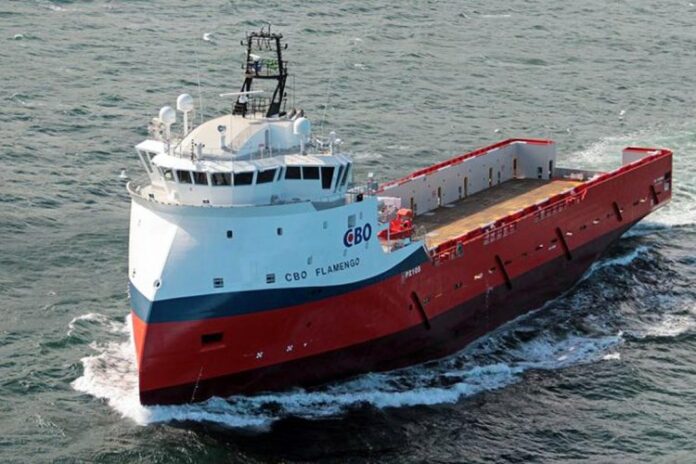
The ‘CBO Flamengo’ will be the first vessel in Latin America to be fitted with a battery pack for hybrid propulsion, which will improve the vessel’s energy consumption and reduce its carbon footprint. The order with Wärtsilä was placed in October 2020.

The Wärtsilä Hybrid Solution to be installed on the ‘CBO Flamengo’, a platform supply vessel (PSV), complies with the DNV-GL’s ‘Battery Power’ class notation, allowing the ship’s engines to run more efficiently by operating safely with fewer engines at a higher load. The hybrid system will provide redundancy power and reduce intermittent load increases (peak shaving), thereby saving fuel and reducing exhaust emission levels. Furthermore, because the engines will operate for fewer running hours, maintenance requirements and costs will be reduced.

Marcelo Martins, Technical and Commercial Director at CBO, says:

“CBO is always interested in new technologies and innovation is in our DNA. We seek less fossil fuel consumption and this, aligned with our ESG (environmental and social governance) initiatives, makes the decision to install batteries in our vessels a natural path. CBO will offer more efficient operation to our clients, and this will be the first step of more to come. Wärtsilä is a leader in innovation and has extensive know-how in hybrid battery systems for ships, so we are pleased to join forces with Wärtsilä to implement new technologies into CBO’s fleet.”

Ian Brouwer, Senior Sales Manager at Wärtsilä Marine Power, says:

“We are proud that a forward-looking company like CBO has selected Wärtsilä as its project partner in supplying this ground-breaking technology for Brazil’s first hybrid vessel. Our strong track-record and depth of experience in developing advanced hybrid solutions were the key reasons for the award of this contract.” 

The scope includes the power conversion, project services, the hybrid solution delivery, and commissioning. Delivery of the Wärtsilä equipment is scheduled for April 2021. Installation and integration of the equipment will be handled by CBO.

By combining its competences in marine electrical, automation and engine technologies, Wärtsilä has brought together multiple functions and systems to deliver a single integrated hybrid power module that combines engines, an energy storage system, and power electronics optimised by a unique and highly sophisticated energy management system (EMS).

The EMS functions as the ‘brain’ in the Wärtsilä Hybrid System. It optimises the energy flows between the different power sources, storage, and consumers to achieve the highest efficiency possible.

U.S. coral reefs’ health assessed for the first time on a national scale

0

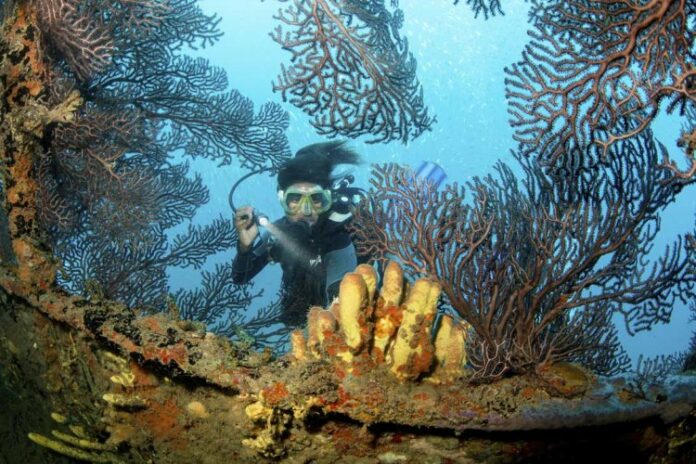
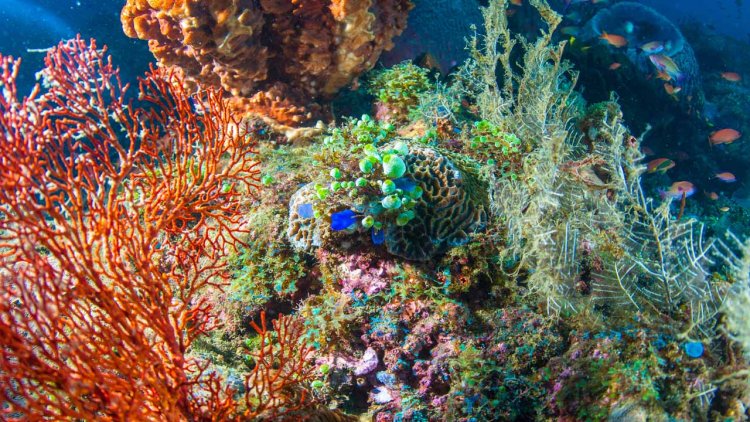
Coral reefs in both the Pacific and Atlantic oceans received a “fair” score in the first-ever condition status report for U.S. coral reefs released by NOAA and the University of Maryland Center for Environmental Science (UMCES). 

While the overall scores were “fair,” the report highlights coral reefs are vulnerable and declining. This is the first time coral reefs in all U.S. states and territories have been assessed using standardized monitoring data, creating datasets that offer a baseline of coral health on a national scale.

The U.S. Coral Reef Condition Status Report was developed by NOAA’s National Coral Reef Monitoring Program and UMCES’s Integration and Application Networkoffsite link using data collected between 2012 and 2018. The scores are denoted as “very good,” “good,” “fair,” “impaired,” and “critical.” The report was based on four categories when assigning a score: corals and algae abundance, reef fish populations, influence of climate on coral reefs, and human connections to reefs. 

Retired Navy Rear Adm. Tim Gallaudet, Ph.D., assistant secretary of commerce for oceans and atmosphere and deputy NOAA administrator, said:
“Considering the more than $3.4 billion in annual economic benefits of coral reefs, these reports and the policy actions that they will inform are critical to our American Blue Economy.”

Coral reefs near higher density human populations are degraded, which is likely due to local stressors including land-based sources of pollution and damaging impacts from fishing. 

Jennifer Koss, director of NOAA’s Coral Reef Conservation Program, said:

“We hope the report starts a dialogue about the various factors and potential solutions to the threats affecting coral reefs.” 

Greatest among the threats to coral reefs is climate change, according to the report. Warmer, more acidic seawater is negatively affecting coral reefs globally, no matter how remote they are. 

Heath Kelsey, director of UMCES’s Integration and Application Network, said:

“Our work in the Pacific and Atlantic Oceans shows a dire outlook for coral reef ecosystem health, from warming ocean waters, fishing, disease, and pollution from the land. Of all of these, climate change is the single biggest threat to shallow water coral reefs in the U.S., and worldwide.” 

This groundbreaking work began more than five years ago when UMCES and NOAA partnered to produce condition status reports for the nine coral reef jurisdictions of the United States. This new status report joins reports released in 2018 for American Samoa, the Commonwealth of the Northern Mariana Islands, Guam, Hawaii and the Northwestern Hawaiian Islands, and the Pacific Remote Islands; and reports released in May 2020 for Florida, Flower Garden Banks, Puerto Rico, and the U.S. Virgin Islands. Engaging a wide variety of stakeholders (scientists, managers, decision makers) across states and territories led to a shared vision and understanding of coral reef condition throughout the nation. For all status reports and methodology documents, visit NOAA’s Coral Reef Information System. 

The National Coral Reef Monitoring Program is an integrated and focused monitoring effort with partners across the U.S. The program was established by the NOAA Coral Reef Conservation Program and is supported by NOAA’s National Centers for Coastal Ocean Science, Pacific Islands Fisheries Science Center, Southeast Fisheries Science Center, Coral Reef Watch, Atlantic Oceanographic and Meteorological Laboratory and Ocean Acidification Program. 

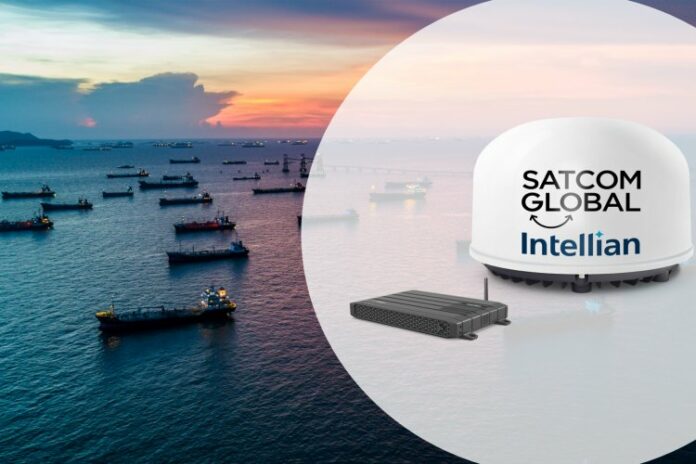
Satcom Global partners with Intellian to distribute ‘technically advanced’ C700 Iridium Certus terminal.

0

Delivering the very best in satellite technology to the maritime market, Satcom Global is adding the feature-rich C700 terminal to its primary service portfolio, due to its advanced capabilities including best in class RF performance, unique 12-patch phased array antenna design and out-of-the-box speeds of 352kbps up and 704kbps down.

The C700 Iridium Certus terminal will be the preferred hardware choice for the Iridium Certus back up connection that forms part of the Satcom Global Aura VSAT service. The C700 terminal will provide a reliable companion to Intellian NX series antenna’s, delivering seamless redundancy and continuity of high-quality connectivity for vessel operations, safety services and crew communications, should it be required.

The C700 will also be offered as a high-performance standalone solution, with key integrated features including firewall, IP PBX, WAN port and built-in Wi-Fi, making it incredibly easy for vessels to deploy with minimum cost and effort. The compact and lightweight antenna enables quick and easy installation, with user-friendly commissioning support from the AptusLX software.

Alex Stewart, Chief Operating Officer, Satcom Global commented:

“We are delighted that Intellian has developed the C700 terminal, applying their experience in producing class leading antenna’s to Iridium Certus. We have been using the market leading Ku antennas from Intellian to deliver the superior connectivity of Aura VSAT for a number of years now. As a result, we are confident that we are adding the most powerful and best-supported Iridium Certus terminal to our portfolio.”

Steve Cha, SVP, Satcom Business Unit at Intellian Technologies added:

“With longstanding experience in delivering and supporting maritime satellite communication solutions and specialist knowledge of Intellian systems, Satcom Global is the ideal provider to partner with us on the distribution of the C700. Satcom Global is committed to bringing only the very best solutions to their customers, and the C700 will provide a fantastic addition to their hardware portfolio, as well as enhancing their leading Aura VSAT service with the most powerful companion solution available.”

The C700 supply agreement is an extension to the strategic partnership entered into back in 2016, which gave accredited installer and VSAT market leader, Satcom Global, access to Intellian’s full range of Ku-band, Ka-band and FleetBroadband hardware, supporting the delivery of its portfolio of VSAT and L-band services to customers within the Americas, EMEA, Asia and Oceania.

GTMaritime delivers free service to support continuous ship software cyber compliance

0

As shipping lines grow ever more reliant on digital links to shore, GTMaritime is releasing Compliance Maintenance, a new service for customers that provides the option of automatically keeping GTMaritime software used onboard up-to-date to ensure that owners are constantly compliant with IMO cyber-security guidelines.  

The new service is the latest addition to a GTMaritime portfolio designed with the common goal of shielding onboard systems from multiplying cyber-threats, which can disrupt crew’s day-to-day work and even compromise vessel safety.

Running older versions of software is a key vector for cyber-criminals to penetrate onboard systems, but installing updates is often time-consuming and costly. The importance of a systematic approach to software updating is repeatedly emphasised in BIMCO’s Guidelines on Cyber Security Onboard Ships – the industry’s go-to guidance for hardening digital infrastructure ahead of cyber-security becoming mandatory within the ISM Code in January next year.

GTMaritime Operations Director, Jamie Jones, said:

“Updating is laborious and unrewarding, and therefore easily put off. It is particularly onerous when ships have varying software inventories or have legacy, though mission-critical applications that may stop working following a major OS update. Compliance Maintenance has been introduced so that owners can be confident that their GTMaritime solutions are fully up-to-date at all times.”

GTMaritime Compliance Maintenance will be provided free-of-charge to existing customers, making it available to more than 6,500 ships, or more than 10% of the global fleet. It will automatically update all GTMaritime solutions installed on an owner’s fleet.

After initial configuration, Compliance Maintenance updates are distributed fleetwide with no crew intervention required. This is enabled through FastNet, a new core hardware-agnostic platform for data transfer which works with all satellite link airtime providers.

FastNet was engineered to set a new standard for the maritime industry by providing a secure, auditable and independent platform for ship/shore data transfers. As a multi-stream platform, it uses sophisticated bandwidth management techniques to optimise, secure and then deliver data packets according to business needs.

Jones explained:

“With vessel operation becoming increasingly digitalised, we saw a pressing need for getting both raw data and applications on and off ships in a managed way that caters for expected exponential growth in data volumes; today’s piecemeal approach is no longer sustainable.”

FastNet already underpins GTDeploy, a software deployment application allowing remote patch management and software updates across all solutions fleet wide, and GTReplicate – an application for replicating/synchronising critical data files between ship and shore. Capable of seamlessly synchronising files of all types and sizes, GTReplicate is highly configurable and offers extensive reporting functions to meet auditing requirements.