-5.8 C
New York
Home Blog Page 723

First of two powerful state-of-the-art tugs arrives in Vancouver

0

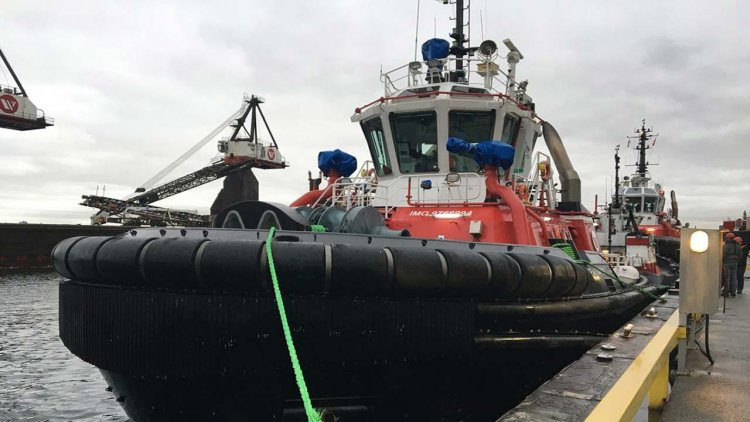
Delivered under its own steam by a crew from The Netherlands-headquartered maritime delivery company Redwise, the 2015-built tug has been renamed Seaspan Raptor by its new owners. The vessel had previously been operating in Turkey as part of Sanmar’s own fleet, where it was known as Bogacay Vlll.

The tug’s journey from Sanmar’s purpose-built state-of-the-art Altinova Shipyard to Vancouver was via Tenerife, St Maarten, Panama and Long Beach, California. The Redwise crew reported that Seaspan Raptor handled extremely well at sea in winter conditions, which included the remnants of Hurricane Iota off Honduras.

Seaspan Raptor is an example of the RAmparts 2400SX, designed exclusively for Sanmar by Canadian naval architects Robert Allan Ltd. It will be followed in the second quarter of 2021 by its sister tug built in 2016, which has also been operating as part of the Sanmar fleet.

Measuring 24.4m LOA, with a moulded beam of 11.25m, the tug can deliver an impressive 78 tonnes of bollard pull and a free running speed of 13.5 knots. Tug’s main engines each produce 2,350kW of power. Both Seaspan Raptor and its sister have a fuel capacity of 74.2m3, are escort rated and feature Class 1 fire-fighting capability.

Before setting off on its voyage to the Pacific, Seaspan Raptor underwent a full docking during which modifications were made to meet both Seaspan and Canadian flag requirements.

Seaspan already operates four Sanmar-built tugboats in and around Vancouver which were delivered between 2010 and 2012. The Terminal Class tugs Seaspan Raven, Eagle, Osprey and Kestrel are themselves sisters and examples of the 70-tonne bollard pull RAstar 2800 design, again from Robert Allan Ltd.

Ali Gurun, Vice President of Sanmar  said:

“We are proud by the safe arrival of this latest addition to the Seaspan fleet and thank our friends at Redwise and their crew for their professionalism in making this happen, not only during the winter season but also despite the additional challenges posed by measures to stop the spread of the Covid-19 coronavirus.”

Shell and Equinor combine digital forces to optimise inventory

0

Royal Dutch Shell and Equinor will develop the next generation of Shell Inventory Optimiser, a solution that leverages advanced analytics on historical data to optimise operational spare part inventory levels. 

The goal is for energy companies to have better control over available equipment and to optimise stock levels. Since first deployment in 2017, this proprietary solution has been deployed across Shell’s Upstream, Manufacturing and Integrated Gas assets globally, generating millions of dollars in value through optimized stock levels.

In March 2020, Shell and Equinor signed a Digital Collaboration Agreement to work together on digital projects in areas of mutual benefit (and in compliance with all applicable laws and regulations, including competition and anti-trust laws). Next generation solution is the first collaboration to take-place under this agreement.

Dan Jeavons, General Manager Data Science at Shell, says:

“The collaboration to co-develop the next stage of Shell Inventory Optimiser with Equinor is an important milestone for both our companies; it speaks to the digital cultural and technical strengths we share, and our history of successful collaborations in the supply chain domain and the value we can achieve working in partnership. I look forward to further collaboration with Equinor in the supply-chain and decarbonization domain, with the continued support of our mutual partner Microsoft.”

The co-development project will be run through a joint engineering team with digital and discipline specialists from Shell, Equinor and Microsoft all contributing.

The tool integrates Microsoft Azure Machine Learning, Azure Databricks and Azure Datalake and will see the tool enhanced with new features to further optimize the algorithm, driving the recommendations and an improved user experience. Both Equinor and Shell users will benefit from these new features. For Equinor, this tool could reduce inventory inflow with as much as 13%, which could save millions.

Oddvar Vermedal, VP Emerging Digital Technology for Equinor’s Digital Centre of Excellence, says:

 “We see many mutual benefits as both companies have applied cloud-based digital solutions as an approach to our industry’s digital transformation. Such collaborations are increasingly important to improve safety, increase value creation, reduce emissions and develop low carbon solutions by applying digital technologies. The first step with the initiative will be to safeguard our operations by rightsizing the inventory level. This will reduce the inventory inflow and establish optimised level of inventory stocks in Equinor. The next step in the co-development will focus on reducing carbon footprint in our supply chain. Therefore, this collaboration is an important step in our digital transformation journey”.

Microsoft will be working with Shell and Equinor to the develop the next evolution of Shell Inventory Optimiser, running on Microsoft Azure.

Darryl Willis, vice president of Energy, Microsoft, said:

“We are committed to supporting the transformation of the energy sector, co-developing solutions with organizations such as Shell and Equinor that aid in the energy transition.”

“Digital technology is transforming key industry areas such as the supply chain and we’re continuing to provide new digital solutions that support carbon reduction ambitions and advance the transition to a net-zero emissions future.”

The collaboration is the first of a series of planned co-innovation initiatives across the wider energy value chain (including themes such as maintenance, production optimisation and supply chain management) which are in development.

MSC Cruises signs new maritime Single-Use Plastic Charter

0

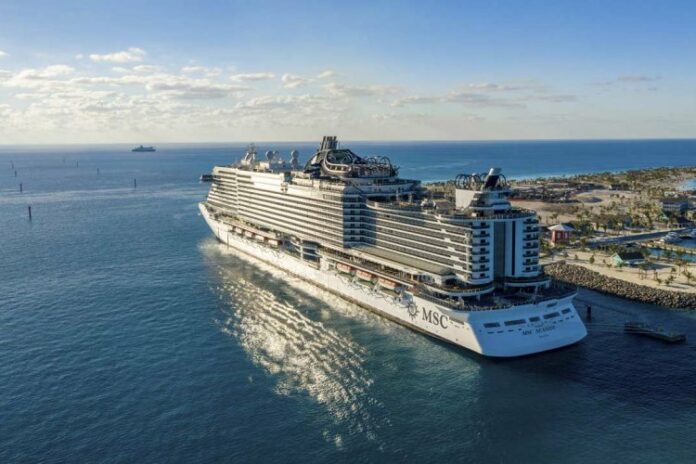
MSC Cruises has signed a new ‘Single-Use Plastic Charter’ established by the UK Chamber of Shipping which aims to scrap the use of single-use plastic items by the end of 2021.

The cruise line in 2019 eliminated 97 million items of plastic after identifying nearly 40,000 single-use plastic items in its hotel operations, shops, restaurants and kitchens.

Nearly 20 million plastic straws were replaced in the year with nine million compostable straws, plastic coverings for more than 10,000 sunbeds were removed and 12 tons of plastic packaging for dishwater detergents was replaced with eco-friendly alternatives.

Linden Coppell, Director of Sustainability, MSC Cruises, said:

“We are honoured to be one of the charter’s first signatories and we applaud the UK Chamber of Shipping in launching its initiative.

“The pledge goes beyond the UK Government’s commitment to ban single plastic items which we hope will encourage more organisations to do more to combat what is of real global concern.

“According to research by the British government, 80 per cent of plastic enters the marine environment from land-based sources, especially via rivers, but clearly all of us in the shipping community must play our part.”

MSC Cruises recently published its 2019 Sustainability Report that highlights its vision to become an environmental leader in the global maritime sector.

Its sustainability programme is organised around four key pillars: Planet, People, Place and Procurement.

This translates into a drive to continuously improve the fleet’s environmental performance; caring for all employees and promoting diversity and inclusion; working to ensure that the impact on the coastal communities that MSC Cruises reaches remains positive; and responsibly sourcing the products and services that the Company purchases.

Total: Go-ahead from the Norwegian Authorities for the Northern Lights CO2 Sequestration Project

0

Following a vote in the Norwegian parliament, the Government of the Kingdom of Norway announced its approval of the final investment decision for the Northern Lights project, enabling the shipping, reception and sequestration of CO2 in geological strata in the Northern North Sea, approximately 2,600 meters below the seabed.  

This approval demonstrates the Norwegian government’s strong support for the development of a Carbon Capture and Sequestration (CCS) value chain, which is essential if Europe is to achieve its carbon neutrality targets. With mergers clearances process underway, it will enable Total, Equinor, and Shell, the partners in this project, to launch the construction phase of Northern Lights.

Patrick Pouyanné, Chairman and CEO of Total, said:

“The development of the carbon capture and sequestration value chain is essential to decarbonize Europe’s industries. We are a long-standing partner of Norway, a pioneer country which has more than 20 years of experience in CCS, and today we thank its government for making possible the final investment decision to develop Northern Lights. CCS is key to achieving carbon neutrality in Europe and is fully part of our Climate Ambition to get to net zero emissions by 2050”.

Minister of Petroleum and Energy, Tina Bru, says:

“Carbon capture and storage (CCS) is important to achieve the goals of the Paris Agreement. “Longship” is the largest climate project ever in the Norwegian industry and will contribute substantially to the development of CCS as an efficient mitigation measure. Working together with the industry, the step-by-step approach has confirmed that the project is feasible. I want to thank the Northern Lights partners Equinor, Shell and Total – and I am looking forward to our continued cooperation.”

Equinor CEO Anders Opedal says:

“Northern Lights is a true pioneering project and the first of its kind offering a solution to cut emissions from industrial sources in Norway and Europe. With all necessary approvals in place, we are ready to start construction of what will be an important part of the climate solution. I want to thank the Norwegian government and for the broad political support in making this a reality. I am certain that we together with our partners and suppliers will make this project a success.”

Shell CEO Ben van Beurden says:

“The Norwegian government’s initiative and support for what will be the world’s first open source CO2, transport and storage project shows real vision and commitment. Northern Lights is designed to provide a service to industrial emitters who can now take action on emissions that can’t be avoided. This is key to bringing real progress towards tackling climate change. Shell will play our part in making this a reality.”

Canada’s Ocean Supercluster announces $3M digital ship in-service support project

0

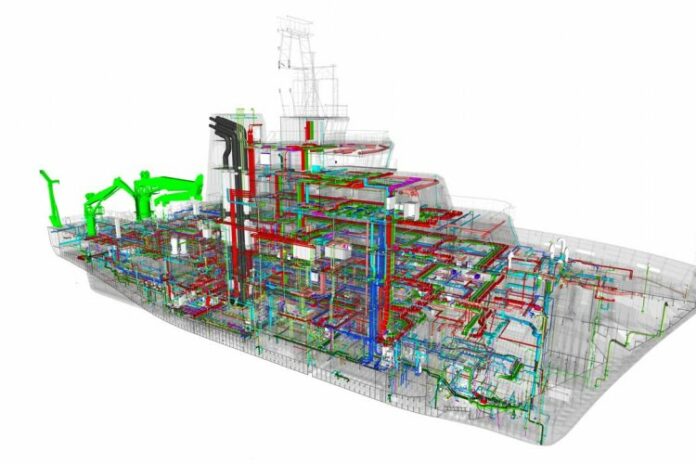
The Digital Ship In-Service Support Project comes from the OSC’s Accelerated Ocean Solutions Program and brings together two Canadian marine industry leaders from Canada’s west and east coasts to develop and commercialize 3D digital twin capabilities that will help make Canada more globally competitive, drive export opportunities, and create jobs in the marine sector.

Led by British Columbia-based Seaspan Shipyards together with partner and Newfoundland and Labrador-based, Genoa Design International, the Digital Ship In-Service Support Project will receive $2 million from Canada’s Ocean Supercluster with the balance of funding coming from the project participants. This represents the first Ocean Supercluster project to be led out of Canada’s west coast. The relationship between Seaspan and Genoa was originally built under Canada’s National Shipbuilding Strategy (NSS) and continues to thrive today including a teaming partnership for Canada’s future Polar Icebreaker program. This type of outcome is exactly what the NSS was intended to create.

The project will develop new integrated capabilities for vessel management and maintenance through an advanced technology platform that will help vessel designers, builders, operators and maintainers more efficiently manage vessel lifecycle; reduce down-time for repair and maintenance by providing predictive information; improve vessel design and construction to reduce costs; and integrate multiple data sources by leveraging the language of visualization. 

The Digital Ship In-Service Support Project makes this possible through its ability to provide:

  • Data streams to manage vessel maintenance and predict maintenance issues;
  • Dynamically-updated representations of vessels and their subsystems;
  • Virtual reality to visually interrogate and interact with 3D digital twin data;
  • A network of vessel sensors that report on the condition of the vessel and its subsystems; and
  • Advanced artificial intelligence and machine learning algorithms.

Canada’s Ocean Supercluster is an industry-led transformative cluster focused on tackling the shared challenges across ocean sectors through a collaborative program designed to accelerate the development and commercialization of globally-relevant solutions, while also building a highly-capable, inclusive workforce. To encourage innovation and trigger new industry investment during these challenging times, the Ocean Supercluster supplemented its core programs with an additional project stream called Accelerated Ocean Solutions Program (AOSP). This enables the development of smaller projects on a shorter timeline that deliver tangible outcomes, while continuing to build resiliency in our ocean sector.

Navdeep Bains, Minister of Innovation, Science and Industry, said:

“The Ocean Supercluster is creating opportunities for Canadian businesses to come together from coast to coast, leading to new and innovative technologies that will solve real-life challenges faced by the ocean sector. The Digital Ship In-Service Project has the potential to distinguish Canada in a multi-billion-dollar global market while driving exports and new high-quality jobs.”

Kendra MacDonald, CEO, Canada’s Ocean Supercluster, said:

“This is a project that has been built on an exciting partnership between industry leading companies from Canada’s west and east coasts that will drive new export opportunities, increase our global competitiveness, and create jobs. Collaboration is at the very foundation of what Canada’s Ocean Supercluster is all about, and we can’t wait to see the game-changing outcomes that are delivered by Seaspan and Genoa Design through this exciting new project.”

Dave Belton, Director, Strategy and Business Development, Seaspan Shipyards, said:

“The marine industry is at an exciting time of innovation, where advanced digital technologies are enabling us to fundamentally transform how we build and maintain ships. With the support of Canada’s Ocean Supercluster and the Government of Canada, this Digital Ship In-Service project will bring new powerful and predictive capabilities for vessel management and maintenance and further Canada’s leadership in this important industry.”

Laurie Balan, Chief Technical Officer, Genoa Design International, said:

“This shared initiative has the power to transform the global shipbuilding industry, and with the support of the Canada’s Ocean Supercluster and the Government of Canada, it begins right here. As the foundation for the Digital Twin, the 3D model offers an incredible tool for collaboration, evaluation, and decision making. Together with long-time partner, Seaspan Shipyards, we look forward to maximizing its potential and building upon its proven success to advance this industry.”

Capt(N) Jacques Olivier, Director Digital Navy, Royal Canadian Navy, said:

“Digital Twins are one of the top focus areas of the Royal Canadian Navy’s Digital Strategy. Anchored by Artificial Intelligence and Machine Learning, Digital Twins incorporate real-time operating data from the physical platform and offer the possibility of optimizing the operation and maintenance of future naval systems. Canadian companies like Seaspan and Genoa have a key role to play in developing Digital Twin capabilities. This project is one great example of Canadian-led innovations being developed in alignment with one of the key priorities of the RCN.”

BMT to support the Scottish Seafood Industry with innovative solutions

0

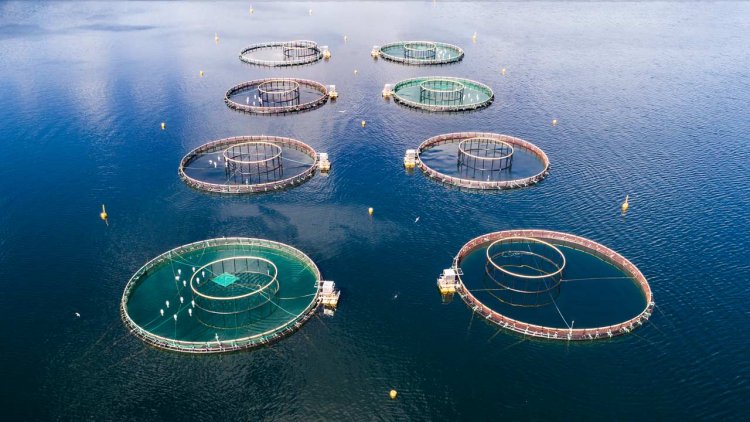
Administered by the Centre for Environment, Fisheries and Aquaculture Science (Cefas) on behalf of the Department for Environment, Food and Rural Affairs (Defra), the UK Seafood Innovation Fund supports projects with a long-term vision to improve the UK seafood, fishing and aquaculture industries, and has recognised BMT’s innovative solutions and contribution to these industries.

Matthew Roberts, Managing Director, BMT Environment UK commented:

“We are very excited to be part of this programme and recognised as one of the Seafood Innovators in the UK. Supported by Scottish Sea Farms, Marine Scotland Science, Aquatera and the Scottish Environment Protection Agency (SEPA), BMT will deliver a feasibility study using innovative approaches, and use our proprietary software AquaDEEP to model biologically active sea lice dispersion, infection risk to farmed fish, sea lice response to bath treatment and its environmental impacts.”

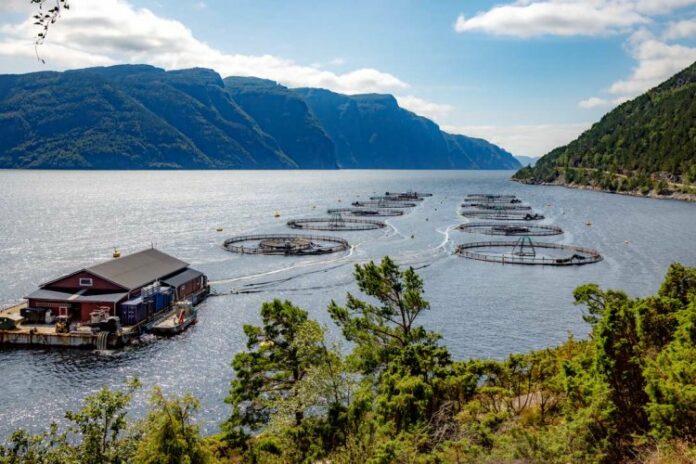
Sea lice infestation is a major issue facing aquaculture in Scotland. Productivity loss due to lice infestations has a major impact on the industry, which contributes £1.8 billion annually to the Scottish economy. Traditional treatment methods are costly and can have a detrimental impact on the marine environment.

To help businesses reduce commercial risks associated with expansion plans, while seeking to reach SEPA’s beyond compliance vision of sustainability, novel marine modelling techniques are needed to improve understanding of sea lice dispersion, infestation, the impact of chemical discharges on the marine ecosystem and benefits of targeted treatment methods.

BMT’s AquaDEEP, a fully integrated decision support system, powered by TUFLOW FV, incorporating hydrodynamic, particle tracking, water quality and aquatic ecosystem software helps farmers make informed decisions on site selection and operational management practices.  It incorporates novel advancements in modelling bioactive sea lice dispersion, infestation and response to bath treatment in a coupled hydrodynamic and ecosystem software and will support industry operators and environmental regulators with optimising aquaculture production and minimising ecosystem impacts.

Together with our partners we will be enhancing the particle tracking module in AquaDEEP to incorporate sea lice maturation and motility response to environmental triggers as well as mortality from bath treatment. This tool will be used to target effective lice treatment practices and minimise environmental impact while reducing treatment costs and production losses, ensuring seafood security for years to come through sustainable farming practices.

BMT has over 20 years of experience working with regulators and an expert understanding of regulatory requirements relevant to aquaculture and is the presently the go-to consultancy for the Western Australian Department of Fisheries.  Our knowledge of the environmental pressures and key cause-effect pathways relevant to aquaculture is extensive, as is our experience of best practice aquaculture environmental impact assessment (EIA) and operational management.

TOTE goes live with Tideworks Mainsail 10 at its Jacksonville Terminal

0

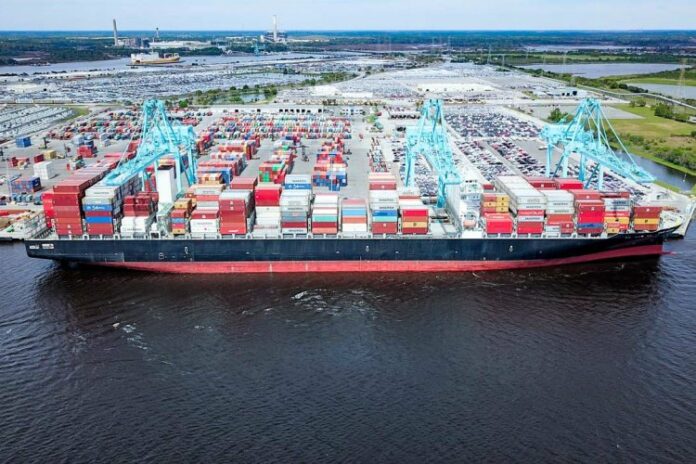
Tideworks Technology® Inc., a full-service provider of comprehensive terminal operating system (TOS) solutions, today announced the go-live of its new marine solution, Mainsail 10 with TOTE, LLC at its Jacksonville terminal. The go-live is Tideworks’ first cloud-based deployment of Mainsail 10 and marks another successful remote implementation of its solutions. 

Tideworks engineered Mainsail 10 to provide terminal operators with increased flexibility. The new TOS is a high performing management tool that supports seamless integrations with third-party systems, and the ability to scale to adapt to changing operational needs. The marine TOS provides rapid access to and management of real-time data to improve decision making and increase the flow of cargo through the terminal, while also reducing costs.

Thomas Rucker, president of Tideworks, said:

“The successful go-live of Mainsail 10 at TOTE Jacksonville is an exciting milestone. We recognize the importance of TOTE providing its terminals with a flexible, intelligent TOS that will help accelerate growth and productivity at Jacksonville, while also increasing collaboration across the shipping industry.”

TOTE Jacksonville is the first TOTE terminal to deploy Mainsail 10. The TOS is being hosted and supported in the Tideworks Cloud. Tideworks’ integration of Mainsail 10 at the Jacksonville terminal replaced Mainsail Vanguard that TOTE implemented in late 2015. The Jacksonville terminal is also utilizing Tideworks Spinnaker Planning Management System® and Traffic Control™.

TOTE has deployed a variety of Tideworks’ highly configurable and customizable solutions, which allow TOTE terminals to quickly tailor interfaces as needed and integrate the new Mainsail 10 TOS with its existing systems. Based on the success of Mainsail 10, TOTE has begun steps to roll out the new TOS at other terminal locations.

Tideworks provided implementation services for the go-live at Jacksonville on a fully remote basis. This included project management, software configuration and installation, integration services, user training and go-live assistance. Tideworks will continue to offer TOTE ongoing maintenance and support services, which include 24/7 technical support and software upgrades.

Mainsail 10 went live at TOTE Jacksonville in September 2020. TOTE plans to go-live with Mainsail 10 at its terminal in Tacoma, Washington in 2021 and its terminal in Anchorage, Alaska in 2022.

Oldendorff: IHM completed and fully digitised

0

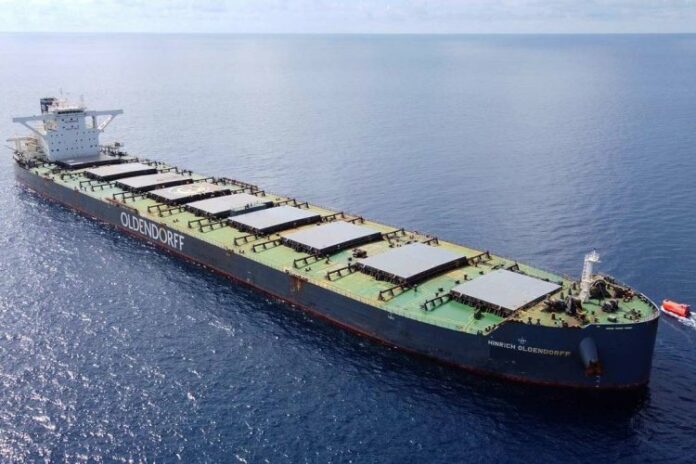
Oldendorff Carriers has completed the implementation of a certified Inventory of Hazardous Material (IHM) across the entire fleet.  This development has been finalised ahead of the regulatory EU deadline of 31st December 2020.

By identifying, recording and controlling hazardous materials onboard via IHM, Oldendorff supports its fleet to ensure crew safety, minimise risks and strengthen sound environmental practices through the vessels’ life cycle.

Looking beyond what it is mandated in the IHM legislation, Oldendorff has entered into an agreement with GSR Services and NautilusLog to implement a fully-digitised solution for the IHM maintainance. A cloud-based application that removes the administrative workload from its crews and enhance its fleet’s efficiency to comply with IHM regulations.

The relevant materials are now idenftified at the beginning of the purchasing process. Right after an order is imported into the NautilusLog platform, it is evaluated by GSR Services. Relevant suppliers are granted access to upload and manage the requested documentation. When this operation takes place, the documents are reviewed and integrated automatically in the platform, becoming so available onboard and ashore.

To date, this administrative process has been manually undertaken by the crew. From now forth, the IHM procedure is automated and included within the management system onshore. Immediate benefits include the increase of records efficiency, reduction of human errors and the release of our seaferes from a very time-consuming task.

The development of this platform serves the IHM maintainance, but also sets the foundation for migrating other procedures. The overall scope is to automate processes that keep its seafarers overloaded with tasks while ensuring the enhacement of safety onboard and regulations compliance.

The Danish Energy Agency grant permits for Vesterhav Syd and Nord

0

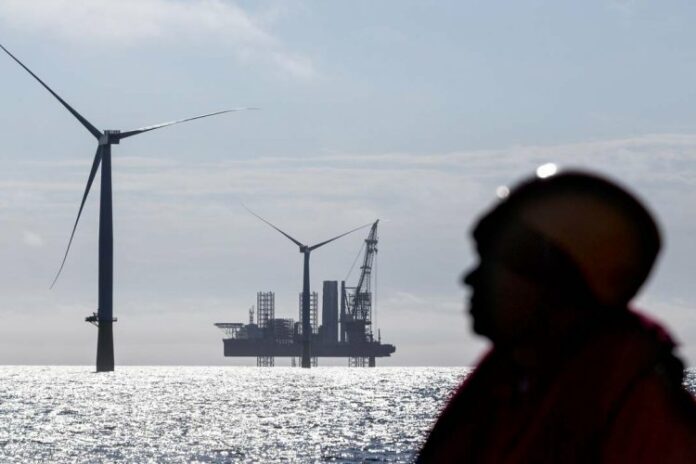
On Monday 14 December, the Danish Energy Agency approved Vattenfall’s construction plans for and environmental assessment of the offshore wind farms Vesterhav Syd and Nord.

This means that Vattenfall can now begin the next stage of work on the offshore wind farms, which will produce climate-friendly electricity equivalent to the annual consumption of 380,000 Danish households. 

Jacob Nørgaard Andersen, Vattenfall’s Director in Denmark, says:

“Getting approval from the Danish Energy Agency is good news for the green transition and the goal of enabling a fossil-free society in Denmark. The Danish Energy Agency has carried out a thorough review of our environmental assessment and the responses to the public consultation. We are satisfied that based on this they have given the green light to the projects.

In addition, we view the permits as a signal that the initiatives we have focused on, and will continue to work with, namely to ensure consideration for the local community as well as the environment and nature, have been positively received.”

Among the biggest initiatives is a completely new installation design for the two offshore wind farms that maximises the turbines’ distance to the coast within the area designated by the Danish state. 

For Vesterhav Syd this means that the turbines will be located around nine kilometres off the coast. For Vesterhav Nord, the northernmost turbine will be moving from its originally planned location to about eight kilometres off the coast. 

In addition to the location of the turbines, Vattenfall will install a radar system that allows the light markings on the turbines to be significantly dimmed at night, provided the Danish Transport, Construction and Housing Authority approves it. 

Approval of the radar system must be given by the Danish Transport, Construction and Housing Authority by the end of Q2 2021 in order for the radar system to be integrated optimally with the other processes in the projects. 

The establishment of Vesterhav Syd and Nord has been decided by the Danish Parliament, and the two areas, which are located between four and ten kilometres off the coast, were appointed by the Danish state in 2012.

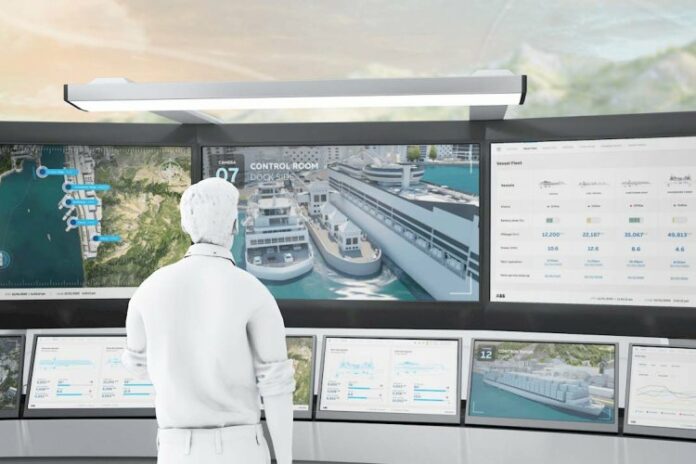
ABB Marine & Ports opens new lab to stress-test cyber threats to shipping

0

In line with the guidelines set out by the International Maritime Organization (IMO), the new laboratory features hardware and software systems developed to help shipowners and operators combat the maritime industry’s growing cyber security risks. Customers are now being invited for virtual demonstrations of the laboratory’s systems and capabilities.

With the rise of smarter, more connected systems, IMO urges all shipping companies to demonstrate that cyber threats have been part of every vessel’s Safety Management Systems (SMS) risk assessment from 2021 onwards. According to IMO’s guidelines on maritime risk management, “ships with complex cyber-related systems may require a greater level of care and should seek additional resources through reputable industry and government partners.”

Ahmed Hassan, Head of Cyber Security, ABB Marine & Ports, said:

“Cyber security is not a product but an evolving target which needs constant monitoring, managing and updating. As a single vendor offering operating technology (OT) and cyber security, we recognize that managing cyber security is a careful balance between risk, functionality and cost. The principles of cyber security must apply across all maritime stakeholders, from designers and builders, to owners, operators and crew; and from classification societies to universities and research bodies, government departments and insurers.”

ABB Marine & Ports’ new laboratory will offer cyber security support for shipping companies at all stages of digitalization and has the flexibility to meet various levels of cyber security requirements. While some companies may only require a one-off assessment of existing OT installations, others may need a long-term approach with continuing support.

New services offered by the ABB Marine & Ports cyber security lab include:

  • Reference architecture that targets network segmentation and segregation
  • Enforcing security policies to zones and conduits
  • Ability to monitor network traffic and act on vulnerabilities
  • Ability to collect and manage security logs for the control system components
  • ABB Ability™ Cyber Asset Inventory solution, which discovers and records system inventory, as well as notifies about vulnerabilities
  • Event monitoring, which enables sending alerts to crew members as well as ABB Ability™ Collaborative Operations Centers worldwide

Hassan concluded:

“Our systems have been developed to address the very latest threats and solutions available in cyber risk management. The new cyber lab confirms our position as a front-runner in the field of maritime security compliance.”