-8.6 C
New York
Home Blog Page 718

‘Esvagt Njord’ rescues seven injured fishermen

0

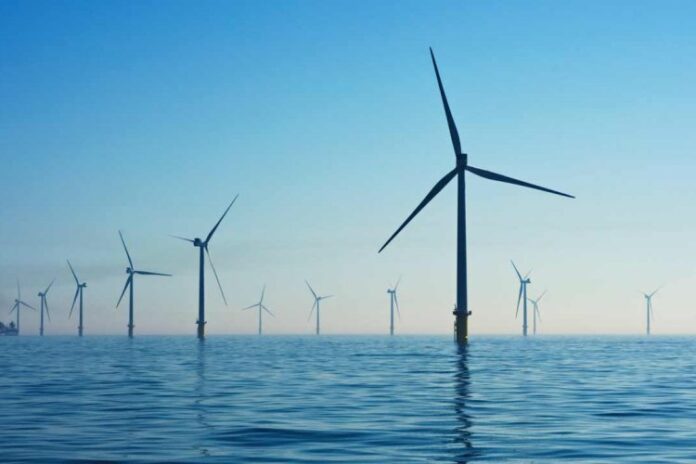
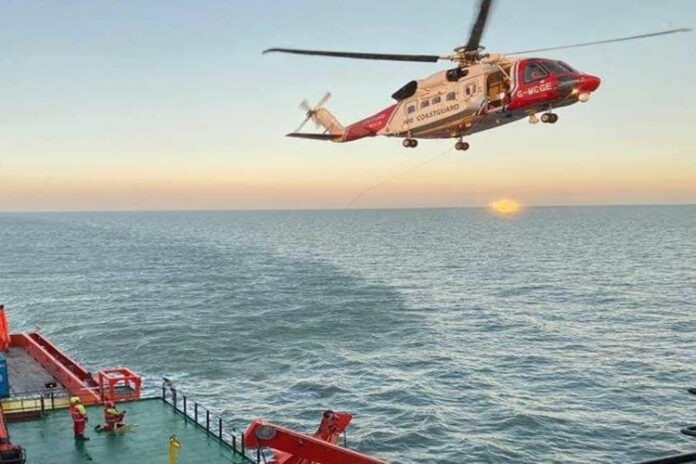
‘Esvagt Njord’ is a wind turbine ship assisting Equinor in the operation of the park off Great Yarmouth on the English east coast. Over the radio, skipper Brian Kristiansen heard a fishing vessel nearby calling for help, and when he responded, he learned that the ship was taking in water.

Brian Kristiansen says:

“The fishing vessel had yet to send out a Mayday. We had a feeling, however, that there was a need for help close by. So we deployed our FRB (Fast Rescue Boat) to be standby and ready to assist if the situation worsened. When the FRB arrived, it was clear for all that a serious accident had taken place. The fishing crew themselves spoke of several explosions on board, and all seven fishermen needed first aid – several were seriously injured.”

‘Esvagt Njord’ immediately deployed the larger STB7 as well and started evacuating the fishing vessel. 

Equinor, Certex and Siemens Gamesa, who also have people on board ‘Esvagt Njord’, offered to further assist with the first aid work that was going on, and the crew from Green Marines CTV also stepped in.

Brian Kristiansen says:

“All seven fishermen were seriously injured. Unfortunately, there were several fractures, tears and wounds – there was not a single one of them that did not require help. It was really good to be able to upgrade our medics team with competent support. Everyone was needed! Three fishermen were so badly injured that they were evacuated by helicopter.”

Since 1981, ESVAGT has rescued 148 people from a life-threatening situation at sea.

Vard: Agreement for a next-generation eco-friendly cable laying vessel

0

Fincantieri Norwegian subsidiary Vard, one of the major global shipbuilders of specialized vessels, has signed an agreement for the design and construction of a highly innovative eco-friendly cable laying vessel with the Dutch company Van Oord, leader in several offshore segments, which has preferred the project of the Fincantieri subsidiary to those of several competing companies.
 
The ship will be built at the yards of Tulcea (Romania) and Brattvaag (Norway) and be delivered in 2023.    

 The vessel will have a length of 130 meters and a beam of 28 meters, and it will be used for the offshore wind farm activities. This will enable Vard to strengthen its position in the sector, as well as in the one of specialized high performance vessels facing the most demanding environmental conditions. The ship will upgrade the technological and sustainability level of Van Oord’s fleet. Van Oord is a family-owned company with over 150 years of experience as a specialized marine contractor and about 5,000 employees.

The new unit will be based on the VARD 9 02 design, developed with the latest sustainable technologies for the reduction of the carbon footprint during operations and port mooring. Besides being run on biofuel, this hybrid vessel will feature future fuel ready engines with built-in flexibility to be powered with e-fuels, high-performance and low emissions synfuels. It will also have a large battery pack, a shore supply connection and a state-of-the-art energy management system. This sustainable set-up will result in higher energy efficiency, thus reducing CO2, NOx and SOx emissions.

The recent orders acquired by Vard confirm the company’s technological leadership in the sector of specialized vessels for the energy industry: a few weeks ago, Vard signed a contract with Ocean Infinity for 8 robotic vessels, featuring cutting-edge technologies to reduce environmental impact, such as fuel cells, and being among the first of their kind to be prepared for a green ammonia fuel system. In October, Vard signed an agreement for an additional state-of-the-art stern trawler for Luntos Co. Ltd, from which it had received a first order in 2019.

Last April, Vard entered the renewable energy sector with the contract for the design and construction of a Service Operation Vessel (SOV) for Ta San Shang Marine Co., Ltd., a joint venture between Mitsui OSK Lines Ltd. (MOL) and Ta Tong Marine Co., Ltd. (TTM). The unit, the first of its kind in Asia, will be specifically conceived to perform maintenance operations to be carried out in the Greater Changhua Wind Farms by the Danish energy company Ørsted. In 2020, Vard acquired an order for a sophisticated unit for the company P/F Akraberg, part of the Framherji group, one of the leading and most innovative fishing companies in the Faroe Islands.

MODEC obtains approval by ABS for new offshore repair method

0

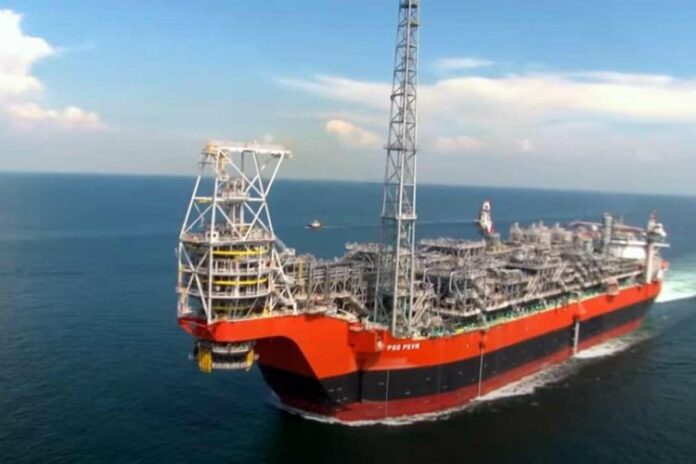
MODEC has announced that in December 2020 it obtained an approval by the American Bureau of Shipping (“ABS”) for the new offshore repair method which has been developed jointly with Toray Industries, Inc. (“Toray”) for hull structures of floating oil and gas production facilities such as Floating Production Storage and Offloading (FPSO) vessels as an original standard repair method.

Difficulties may be encountered from time to time in carrying out adequate maintenance at offshore for hulls of floating oil and gas production facilities that are producing oil and gas at offshore generally for more than 20 years without dry-docking. If corrosion is left unchecked, the hull strength will fall below the required level, but any work to repair and reinforce the hull that involves the use of open flames will disrupt production, and bringing in the needed equipment and materials is no easy task. Given onboard crew limits, securing accommodation for the crew members responsible for repairs also presents challenges.

In consideration of such circumstances and aiming at easily conveying equipment and materials to the floating facilities and completing cold repair work by a small number of personnel in a short time, MODEC, in conjunction with Toray, has developed a repair method to restore hull strength to the necessary level by applying an engineering method known as vacuum assisted resin transfer molding (“VaRTM”). With this new method, carbon fiber reinforced plastic (“CFRP”) can be affixed to the steel material of the hull in those areas whose strength has been compromised by advancing corrosion.

The primary purpose of this repair method is to minimize the impact of repair work on production activity. Therefore, since this repair method contributes to ensure integrity of hull structures of floating oil and gas production facilities, further stable operations and maintenance service of MODEC’s fleet can be expected.

Damen Ships multiple vessels to Canada in single shipment

0

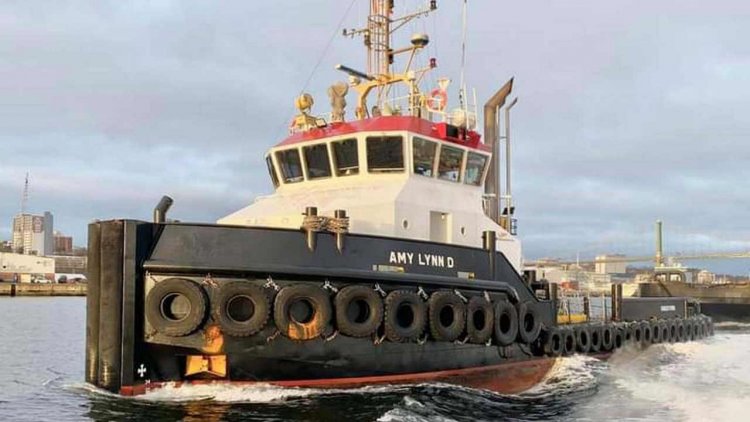
Early this year, Damen Shipyards Group signed a contract with Ontario-based Doornekamp Construction for the delivery of a Shoalbuster 3209. The vessel was formerly part of Damen Marine Services’ charter fleet. What seemed an ordinary ship sale contract was, in fact, just the beginning.

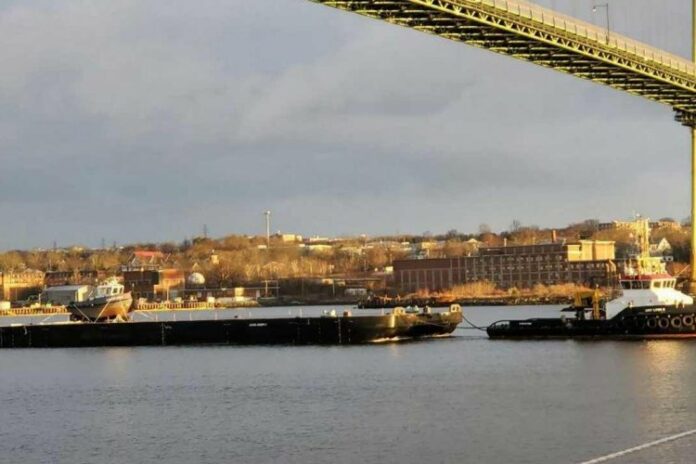
Shortly after this initial contract, Doornekamp Construction placed on order with Damen for a Stan Pontoon (barge) 7524. It was decided to deliver the vessels with the Shoalbuster, now renamed Amy Lynn D, on her own keel and towing the barge.

Before the vessels began their cross-Atlantic voyage, however, Damen, with the assistance of Alec Laing from ACL Shipbrokers, had booked three more vessel orders in Canada – three Stan Tugs 1205 for two new customers.

When considering the most efficient means of transportation for the vessels, it emerged they could also be towed by the Shoalbuster on board the barge, thus offering the owners of the Stan Tugs 1205 an extremely cost-effective means of delivery for their new vessels.

The shipment left Rotterdam on 27th October. In order to carry out the transportation as quickly as possible, Damen chartered a Shoalbuster from its long-standing client Van Wijngaarden Marine Services to tow the barge to Algeciras where it could meet up with Doornekamp’s Shoalbuster 3209.

It was important for the vessels to keep their schedule; their only access to the St. Lawrence Seaway being via the Montreal locks. The locks close annually around Christmas and do not reopen until April.

Fortunately, all went smoothly. The first two Stan Tugs 1205 were delivered to the client, Dominion, on 9th December in Halifax. The remaining tug was delivered on the 15th December in Montreal and, finally after a voyage covering 4,700 nautical miles, Amy Lynn D and the barge passed through the locks in the direction of Picton, Ontario and her new owners, Doornekamp Construction, arriving on 18th December.

The recent CETA trade agreement between the European Union and Canada meant that the shipment faced considerably reduced import duties. This agreement ensures Damen customers in the region of easier, most cost-efficient access to vessels in the future.

Damen sales manager Jurriaan Daams said:

“This has been an interesting process and one that demonstrates the synergy within the Damen Shipyards Group. It’s actually quite a complex process shipping multiple vessels to different clients on a single shipment like this. However, applying the synergy within our organisation we were able to get everything done in-house. For example, the commercial process was assisted by Damen Trading, the barge were docked at Damen Verolme, the Shoalbuster at Albwardy Damen in Sharjah and the Stan Tugs at Damen Shipyards Hardinxveld before sailing, the towing wire and bridle were supplied by AKF and the tow carried out by Damen Marine Services.”

CRISPR helps researchers uncover how corals adjust to warming oceans

0

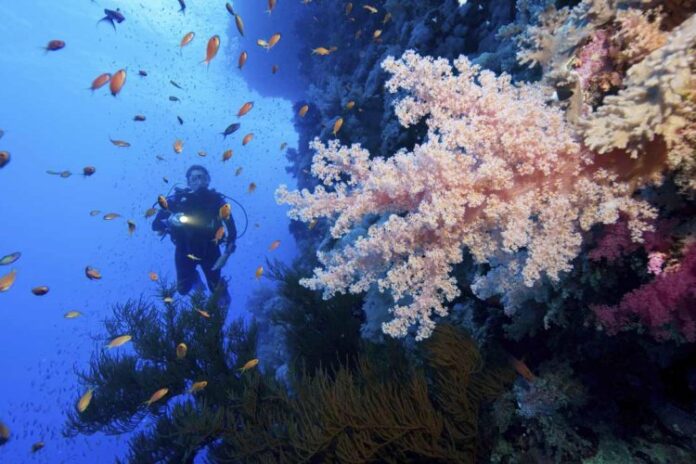
The CRISPR/Cas9 genome editing system can help scientists understand, and possibly improve, how corals respond to the environmental stresses of climate change. 

Work led by Phillip Cleves—who joined Carnegie’s Department of Embryology this fall—details how the revolutionary, Nobel Prize-winning technology can be deployed to guide conservation efforts for fragile reef ecosystems.

Cleves’ research team’s findings were recently published in two papers in the Proceedings of the National Academy of Sciences.

Corals are marine invertebrates that build extensive calcium carbonate skeletons from which reefs are constructed. But this architecture is only possible because of a mutually beneficial relationship between the coral and various species of single-celled algae that live inside individual coral cells. These algae convert the Sun’s energy into food using a process called photosynthesis and they share some of the nutrients they produce with their coral hosts—kind of like paying rent.

Coral reefs have great ecological, economic, and aesthetic value. Many communities depend on them for food and tourism. However, human activity is putting strain on coral reefs including warming oceans, pollution, and acidification and that affects this symbiotic relationship.

Cleves explained:

“In particular, increasing ocean temperatures can cause coral to lose their algae, a phenomenon called bleaching, because the coral takes on a ghostly white look in the absence of the algae’s pigment. Without the nutrients provided by photosynthesis, the coral can die of starvation.”
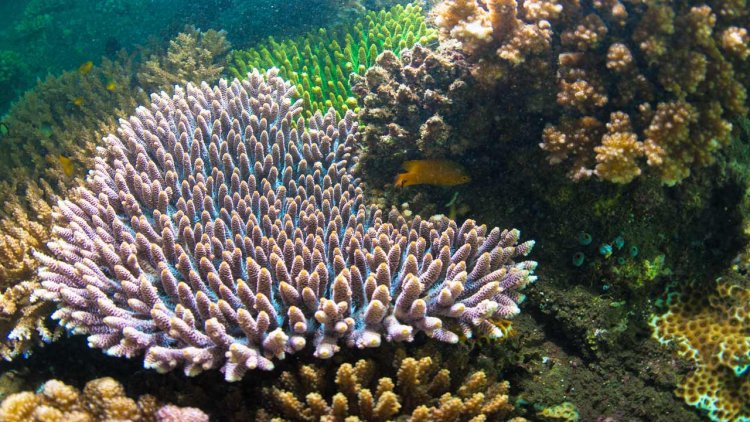
In 2018, Cleves headed up the team that demonstrated the first use of the CRISPR/Cas9 genome editing on coral. Now, his teams used CRISPR/Cas9 to identify a gene responsible for regulating coral’s response to heat stress.

Working first in the anemone Aiptasia, one team—including Stanford University’s Cory Krediet, Erik Lehnert, Masayuki Onishi, and John Pringle—identified a protein, called Heat Shock Factor 1 (HSF1), which activates many genes associated with the response to heat stress. Anemones are close coral relatives that have similar symbiotic relationships with photosynthetic algae, but they grow faster and are easier to study. These traits make Aiptasia a powerful model system to study coral biology in the lab.

Then another Cleves-led team—including Stanford University’s Amanda Tinoco and John Pringle, Queensland University of Technology’s Jacob Bradford and Dimitri Perrin, and Line Bay of the Australian Institute of Marine Science (AIMS)—used CRISPR/Cas9 to create mutations in the gene that encodes HSF1 in the coral Acropora millepora, demonstrating its importance for coping with a warming environment. Without a functioning HSF1 protein, the coral died rapidly when the surrounding water temperature increased.
Bay, who is the AIMS principal research scientist and head of its Reef Recovery, Restoration and Adaptation team, said:

“Understanding the genetic traits of heat tolerance of corals holds the key to understanding not only how corals will respond to climate change naturally but also balancing the benefits, opportunities and risks of novel management tools.”

Added Cleves:

“Our work further demonstrates how CRISPR/Cas9 can be used to elucidate aspects of coral physiology that can be used to guide conservation. This time we focused on one particular heat tolerance gene, but there are so many more mechanisms to reveal in order to truly understand coral biology and apply this knowledge to protecting these important communities.”

Cruise ship Mardi Gras delivered to Carnival Cruise Line from Meyer Turku shipyard

0

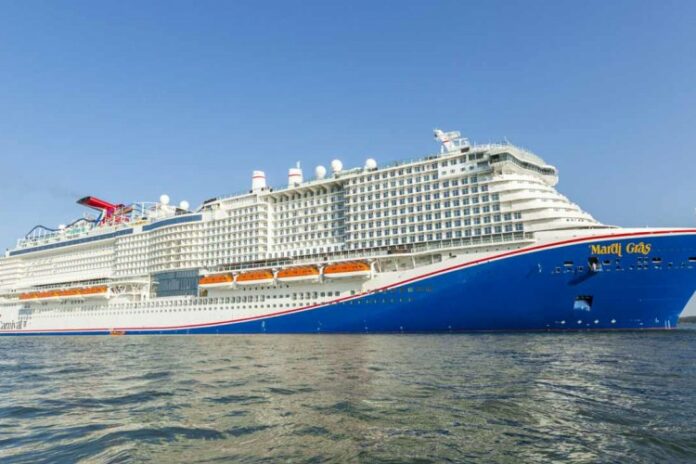
Meyer Turku has today delivered a 180 000 gross tonnage, LNG powered cruise ship to the world’s largest cruise ship operator Carnival Cruise Line. The delivery is a very important step for the yard especially under the actual circumstances of the COVID19 crises.

CEO of Meyer Turku, Tim Meyer, states:

“We are delivering a beautiful and highly advanced ship with world-class technology such as LNG propulsion, to name just one. With these sophisticated systems, she will be one of the most environmentally friendly ships to sail the North-American waters. I am very proud of our team of shipbuilders and would like to thank everyone involved of their dedication during the building process.” 

Mardi Gras has classical ship lines and predominately blue hull. The ship’s centerpiece is a three-stories-high atrium in the middle of the ship, opening up to a floor-to-ceiling window and movable LED screens. From the atrium, passengers are able to enjoy a close connection to the sea and marvel the views.

Another marvel of the ship is of course Bolt, the first ever roller coaster build on a ship. Bolt lets you to do the driving, you will be able to control the speed of the ride  with a top speed of 64km/h. Designing and building a rollercoaster is never easy – imagine doing so on a cruise ship.

Mardi Gras venues, dining and entertainment has been dispersed throughout six distinctive zones and guests will have the choice of more than 2600 staterooms and 180 suites across eleven categories.

Christine Duffy, president of Carnival Cruise Line, said:

“We value our partnership with Meyer Turku, which has worked closely with us to deliver a beautiful ship that our guests will love.  Mardi Gras’ technology, venues and accommodations will make this a game-changing vessel in North America.  With this delivery, we can now focus our collective efforts on the building of her sister ship, Carnival Celebration, which will arrive from Turku in 2022 in time for our 50th birthday.”

BC Ferries’ fourth LNG-fuelled Salish Class vessel launches at Remontowa Shipbuilding

0

BC Ferries continues to roll out its Clean Futures Plan with the launch of its fourth liquefied natural gas (LNG)-fuelled Salish Class vessel. 

The ship entered the water over the weekend at Remontowa Shipbuilding S.A. in Gdansk, Poland, with work continuing there until scheduled sea trials in late 2021.

Following successful sea trials, the vessel will make the 10,440 nautical mile journey from Gdansk, Poland to British Columbia in early 2022 for final preparations. The vessel is scheduled to go into service in the Southern Gulf Islands in 2022, and is identical to the three Salish Class vessels built by Remontowa for BC Ferries in 2016-2017, which supports efficiency and interoperability.

BC Ferries issued a Request for Expressions of Interest (RFEOI) for the construction of the vessel to leading shipyards in Canada and around the world in July 2018. Canadian shipyards were invited to participate in the competitive bidding process. BC Ferries received responses from 16 international shipyards and short-listed three shipyards to proceed to the Request for Proposal (RFP) stage. No Canadian companies submitted a bid.

The 107-metre Salish Class vessel will have the capacity to carry at least 138 vehicles and up to 600 passengers and crew, and is built as dual-fuel, capable of running on LNG or ultra-low sulphur diesel. Using primarily LNG to fuel the new ship will result in reduced emissions and reduced costs for BC Ferries. When the ship enters service, it will allow for the retirement of the Mayne Queen, a diesel-fuelled vessel.

In partnership with the First Peoples’ Cultural Council, BC Ferries will commission an artist to create designs for the new Salish Class vessel. 

ABS awards industry’s first AIP for infection mitigating design to SHI

0

In an industry first, ABS has awarded Samsung Heavy Industries (SHI) Approval in Principle (AIP) for crew accommodation and ventilation systems designed to mitigate the spread of infectious diseases such as COVID-19.

The AIP is the product of a joint development project (JDP) between ABS and SHI that applied the principles described in the ABS Guide for Mitigation of Infectious Disease Transmission On Board Marine and Offshore Assets to a crude oil tanker, a container carrier and an LNG carrier.

The design includes a designated area that can be used to isolate infected seafarers, along with dedicated medical support and infection mitigating laundry facilities. The ventilation system is also specially adapted to reduce the potential for transmission of infectious disease.

Patrick Ryan, ABS Senior Vice President, Global Engineering and Technology, said:

“We are focused on the safety of crew and securing the operations of vessels against the impact of infectious disease, which, as we have seen, is potentially very significant. ABS has pioneered an approach to mitigating the spread of disease on floating assets which has been developed with leading health practitioners and regulators to support the marine and offshore industries. We are proud to partner with SHI on applying our approach to the next generation of vessel designs and advancing the cause of safety.”

Jong-Hyun Yoon, Executive Vice President of SHI’s Shipbuilding & Drilling Engineering Division said:

“For shipping companies, the outbreak of infectious disease at sea is a very important issue that is directly related to the operation schedule as well as the safety of crews. And, we expect SHI’s design to mitigate the spread of infectious disease to be the best solution.”

ABS launched the ABS Guide for Mitigation of Infectious Disease Transmission On Board Marine and Offshore Assets in November 2020. And, in another industry first, introduced a new notation indicating compliance with the standards. It was the latest in a succession of support developed by ABS to assist the marine and offshore industries’ response to the COVID-19 pandemic and readiness to handle other infectious diseases.

VIDEO: The Single Window for Inland Navigation will go live in 2021

0

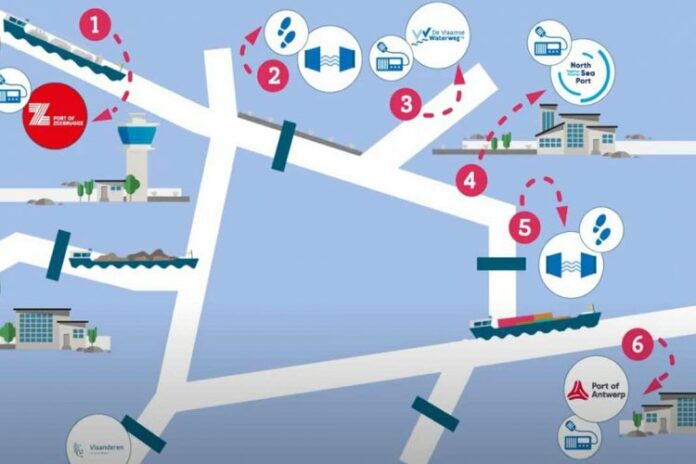
Since its development, various software suppliers and inland shipping operators have extensively tested this new platform.

If you are an inland shipping operator and you already report digitally, the transition to the Single Window for Inland Navigation requires very little effort. The only thing you need to do is enter your details correctly and always enter at least two waypoints. This ensures that all the ports and authorities on your route are immediately informed of your arrival, and they can coordinate their internal operations accordingly. 

As of 4 January 2021, inland shipping operators no longer need to report voyage, cargo and vessel details via VHF or at a special booth. From that time forward, you only need to report the data once, digitally (via reporting software). This ensures more efficient handling of your administration data, and smooth and correct invoicing.

NOV to supply equipment for offshore wind turbine installation jack-up vessel

0

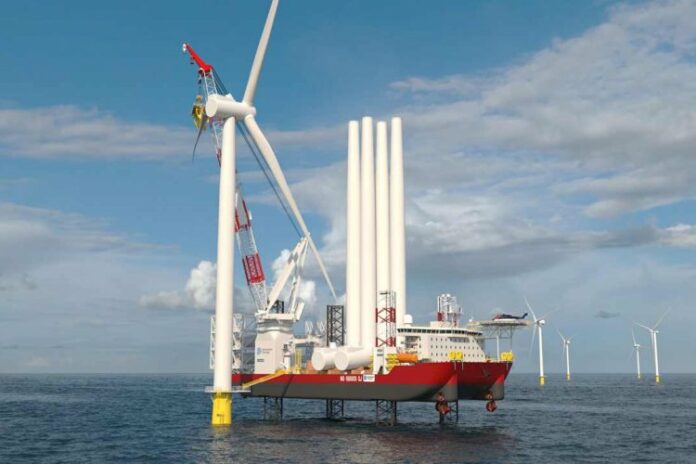
NOV has announced new contracts with Keppel AmFELS to design and deliver equipment for our GustoMSC™ NG-16000X-SJ offshore wind turbine installation jack-up vessel design for Dominion Energy. 

Keppel AmFELS will construct this first Jones Act-compliant vessel of its kind, and Seajacks will assist Dominion Energy during construction and operations.

As a leader in designing large self-propelled, self-elevating jack-up vessels for safe and efficient offshore installations, NOV’s GustoMSC operation will help Dominion Energy reach their target to install five gigawatts of US offshore wind turbine capacity. Along with the vessel design, NOV will supply the integrated jacking system that lifts the complete vessel and its cargo out of the water to safely install the turbines. This will mark the first US-built, Jones Act-compliant wind turbine installation jack-up vessel. The Jones Act requires all vessels carrying goods between two US points be transported on ships built, owned, and operated by American citizens.

The Dominion vessel hull will measure 144 m by 56 m with a depth of 11.5 m, making it one of the world’s largest jack-up vessels. The jack-up will accommodate up to 119 people, a 2,200-t main crane, and a 11,500-t carrying capacity. This cargo capacity is equivalent to more than 5,000 F-150 pick-up trucks. Using our jacking system to lift it safely from the water, the complete vessel and cargo will weigh over 37,000 t combined.

GustoMSC commercial director Jan-Mark Meeuwisse stated:

“At GustoMSC we are immensely proud to partner with Dominion Energy, Seajacks, and Keppel AmFELS as we make a historical step in US offshore wind. Together we are working hard to develop the first purpose-built wind turbine installation jack-up vessel for use in US waters.”

With the US East Coast planning for more than 28 gigawatts capacity in the next decade, there is a large gap in the US market of next-generation wind turbine installation vessels. We expect an increased demand for installation vessels with lifting and carrying capacity, in addition to hoisting height, as very few active and under-construction vessels currently meet the requirements. However, GustoMSC is well positioned to provide even more jack-up vessel designs and equipment to meet offshore renewable energy demand.

The Dominion vessel will be operational at the end of 2023 and is expected to base out of the Hampton Roads region of Virginia.