-9.3 C
New York
Home Blog Page 717

First ship-to-ship LNG -LBG blend bunkering conducted to cargo vessel

0

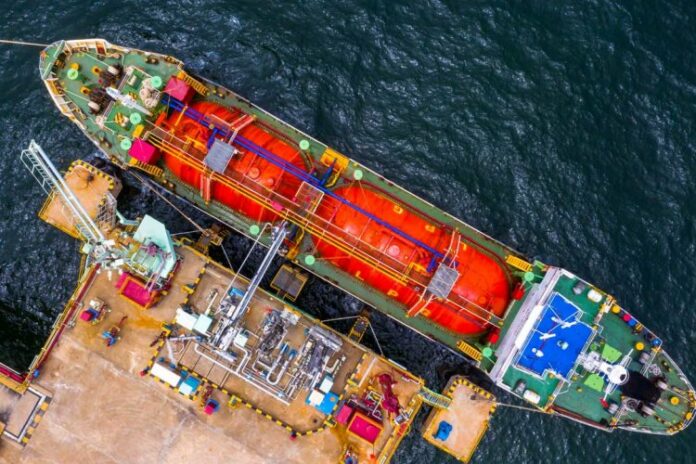
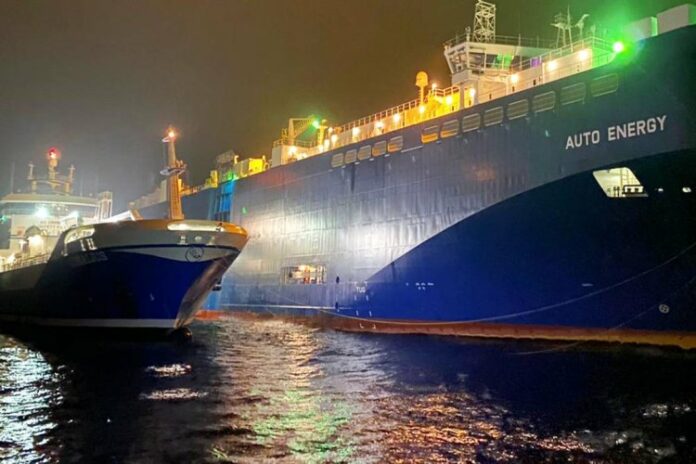
The bunkering was conducted by Gasum’s liquefied natural gas (LNG) bunker vessel Coralius at anchorage outside the port of Gothenburg in Sweden. A fuel blend consisting of LNG and 10% renewable liquefied biogas (LBG) was supplied to M/V Auto Energy, a dual fuel LNG pure car, truck carrier (PCTC) operated by United European Car Carriers (UECC).

UECC, the short sea roll-on roll-off ship owner and operator, is taking concrete action to lower their emissions by using a blend of LNG and LBG provided by Gasum in their pure car, truck carrier (PCTC). UECC’s vessel is the first vessel of its kind to bunker renewable fuel at anchorage ship-to-ship. The bunkering, performed by Gasum’s bunker vessel Coralius, is the first to supply a seagoing vessel with a blend of LNG and LBG. The fuel blend lowers the vessel’s CO2 emissions even more than the already lowered CO2 reduction by using LNG compared to conventional fuel. UECC has been actively exploring alternative fuel options and working towards decarbonation of cargo transport on sea.

Glenn Edvardsen, CEO in UECC, says:

“With this delivery, UECC further positions itself in the front of the market by demonstrating a bold commitment to the increased uptake of renewable fuels. We have made a significant investment in a pioneering solution that recognises our customers desire for a sustainable logistics partner. We choose this path because we believe in taking the initiative and signify to the market that it’s possible to transport your cargo carbon neutrally with UECC.”

LNG is rapidly becoming becoming the most commonly used alternative to traditional fuels in maritime transport. Using LNG reduces local air pollution and carbon emissions significantly compared to different oil products and coal. Switching to LNG completely removes SOx and particles and reduces NOx emissions by up to 85%. In addition, LNG reduces CO2 emissions by up to 21%. LNG is also interchangeable with LBG which means that the two gases can be mixed.

Renewable and sustainable LBG does not add any new CO2 into the atmosphere and thus it reduces greenhouse gas emissions even further. LBG emits close to zero NOx and SOx, and no particulate matter (PM), contributing to cleaner air especially for inhabitants living close to the sea and busy ports. Gasum’s extensive fleet of supply vessels offers flexibility by providing nearly every required percentage of LBG blended with LNG.  

Jacob Granqvist, Maritime Sales Director from Gasum, says:

“We are very excited to see our first ship-to-ship bunkering with the blend of LNG and LBG go smoothly. We can now perform ship-to-ship bunkering with different blends of LNG and LBG which will open new possibilities for our clients as well as for us to go forward in decarbonizing maritime transport.”
First in a new line of windfarm service vessels from Havyard

0

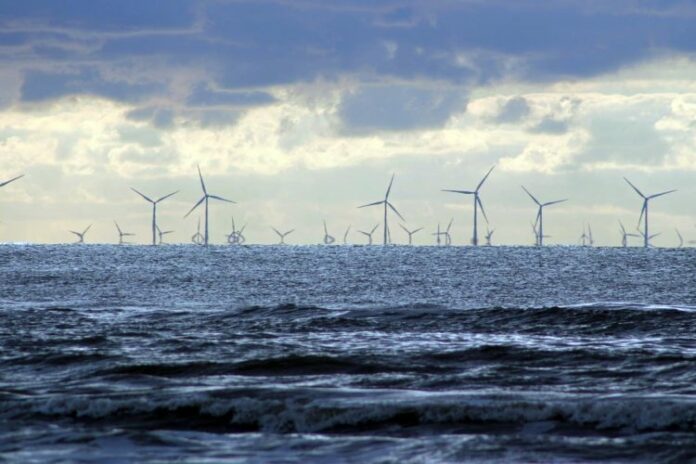
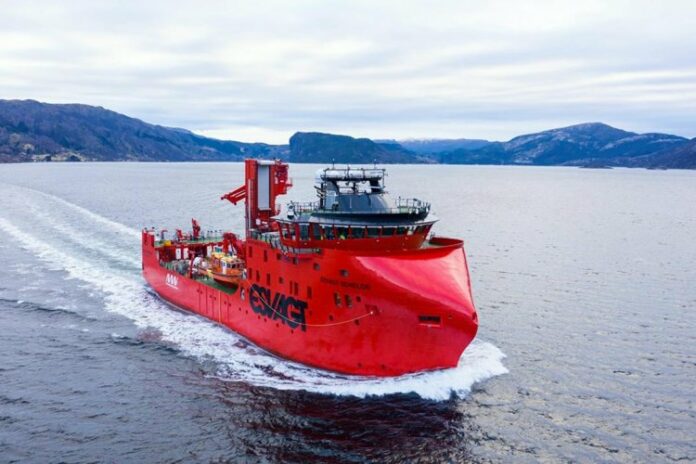
The ship is vessel number four and design number eight in the long-term collaboration between two spearheads in the offshore wind industry; ESVAGT, the Danish offshore wind pioneer, and Havyard, the first company to offer special designs for offshore wind vessels and now also the company behind a long line of world-leading windfarm service vessels.

The vessel is the last in a record series, but also the first in a new series to be delivered to ESVAGT. While the first vessel has been completed, work is well under way on the second vessel, and the third is being towed to the yard in Leirvik, scheduled for arrival early next year.

The work of fitting out the vessel faced some extra challenges due to the coronavirus pandemic, but Project Manager Jan-André Førde Systad at New Havyard Ship Technology says that the cooperation with ESVAGT has been excellent this time as well. He said:

‘ESVAGT is a good customer that we have worked with for a long time. We know their systems and their expectations, so the ship we’re handing over is a very good one. Now we’re looking forward to starting work on the next vessel.’

Major investments are expected to be made in offshore wind all over the world. In addition, more offshore wind parks are now being placed further away from the coast, which means the industry will need specialised service vessels. To accommodate this market, Havyard has used several of the group’s companies to develop and deliver HAVYARD 831L SOV, which provides customers with vessels that score high on environmental, safety and financial criteria.

Among other things, Havyard Design & Solutions has used the tools available in the Havyard lab, such as digital twin ships and a virtual ocean, to develop vessels with optimal positioning qualities and excellent seaworthiness – important qualities to ensure the operability of the offshore wind farms. This way, the shipping company and the client receive vessels tailored for the assignment in question, with optimum energy efficiency and reliability.

Gisle Vinjevoll Thrane, Vice President Sales at Havyard Design & Solutions, also emphasises the combination of Havyard design and ESVAGT’s own transfer vessel design. He said: 

‘This line of windfarm service vessels is a good example of the result of team efforts. Through our long-standing, close cooperation with ESVAGT, we have gotten to know each other and built trust. That means we can also challenge each other and build ships that are in high demand in the market.’

Norwegian Electric Systems has delivered the energy design, control systems and complete propulsion system for the vessel. New Havyard Ship Technology, on its part, has fitted out, tested and completed the vessel, which will now be sent to Belgium where equipment will be brought on board to prepare the vessel for assignments on the field already before the turn of the year.

ONE announces Letter of Intent for long-term charter of world’s largest ULCS

0

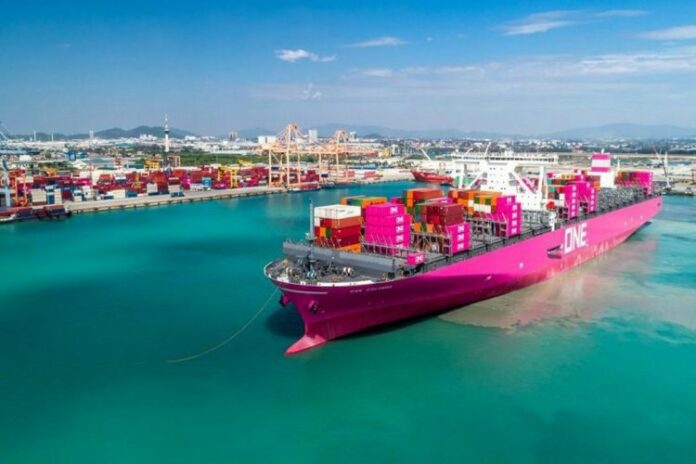
Ocean Network Express Pte. Ltd. has signed a Letter of Intent (LoI) with Shoei Kisen Kaisha, Ltd. for the 15-year long-term charter of six new Ultra Large Container Ships (ULCS) with capacity greater than 24,000 TEU each, the world’s largest class ever.

The new buildings are planned to be built by the consortium of Imabari Shipbuilding Co., Ltd. and Japan Marine United Corporation and ONE expects to take delivery in 2023/2024. This new class of ships will join its core fleet and forms part of its ongoing strategy to introduce large, modern, and fuel-efficient vessels to further strengthen our fleet competitiveness.

Currently, the world’s largest ULCS have a maximum capacity of slightly below 24,000 TEU. The six new ULCS with capacity exceeding 24,000 TEU will help bring economies of scale and significantly lower carbon emissions through a state-of-the-art hull design that aims to maximize cargo intake and minimize fuel consumption. The vessels will be equipped with exhaust gas cleaning systems to meet the emissions regulations of IMO.

VIDEO: Candela Speed Boat developed the world’s first electric hydrofoil boat

0

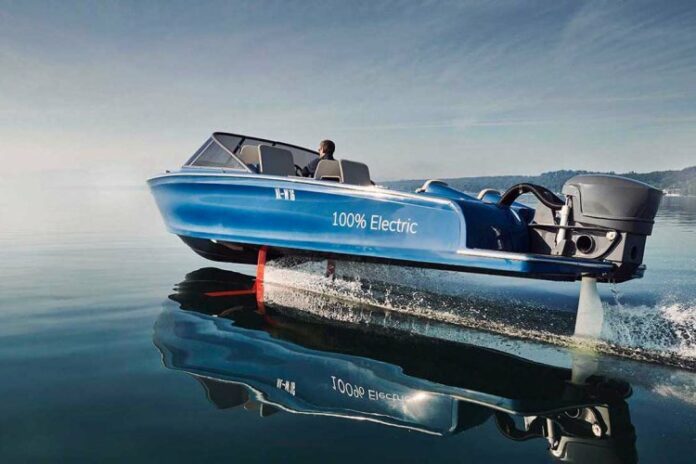
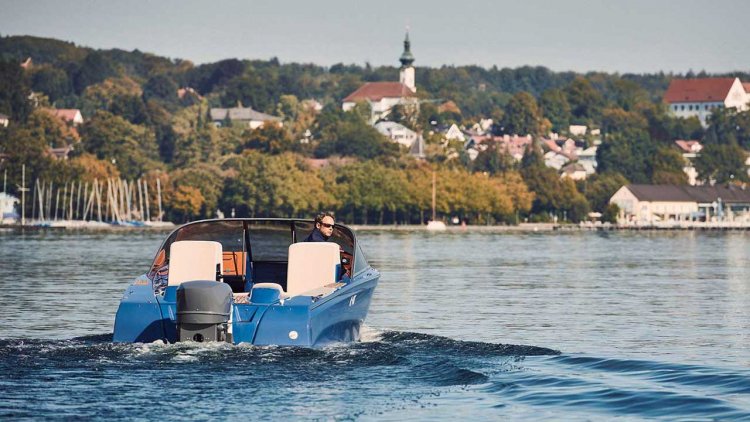
The speedboat Candela Seven literally flies above the surface of the water at cruising speed, its weight resting on two underwater wings called hydrofoils. Propelled by the Torqeedo Deep Blue 50i, the boat has a top speed of 55 km/h and a range of 92 km when driven at 37 km/h.

Dr Ralf Plieninger, managing director of Torqeedo, said:

“The Candela Seven combines minimum energy consumption with maximum performance. The electric hydrofoil is a game-changer for marine electric mobility.”

Candela Speed Boat is still a startup in the conventional sense. The company only had three employees in 2017. Now, the staff numbers 35. Many of them have worked at aerospace and technology companies such as Eurocopter, Saab Gripen, and Volvo. 

The Candela team was trying to crack a tough problem. A boat with a length of 7.5 meters consumes 12 to 18 times more fuel than an automobile, which is why it makes ecological and economical sense to switch from gasoline to electric motors. But since most batteries have a lower energy density than gasoline, electric boats must be optimized to have a long range or high speed, but not both. The idea behind their ambitious goal was if we want to establish viable electric transportation on the water, we need to solve the energy problem first.

The Candela Seven is 7.7 meters long and seats six. Its Deep Blue electric motor accelerates the boat smoothly and silently. For the first few meters, it feels like you’re in a very nice, standard boat. But everything changes at 27 km/h—that’s when the craft rises out of the water onto its hydrofoils. 

The boat runs very smoothly on its hydrofoils – there’s no slamming into waves, and no noise. Torqeedo’s Deep Blue is one of the quietest electric motors in its class.

The Candela Seven’s design is based on insights from the field of aeronautics. The hull and deck are made of carbon fibre and weighs 180 kg. At a total weight of 1300 kg, the Candela Seven is thirty per cent lighter than a conventional fibreglass boat. 

Candela has developed a ‘flight control’ system with multiple sensors that supply it with GPS, sonar, and engine data. The system then mechanically adjusts the main and aft foils on the fly. This keeps the boat steady in heavy waves or during sharp turns. And if you’re travelling through shallow water, the hydrofoils retract by tapping the touch screen.

In 2020, the plan is to quadruple production and reduce prices through automation and higher production volumes, according to Hasselskog. Torqeedo also feels that the combination of hydrofoils and electric motors has huge potential. The technology could offer ferry passengers a smoother ride or make rides in ambulance boats smoother and safer, for instance.

Hazardous pollution: microplastics discovered in the air above the ocean

0

A new study at the Weizmann Institute of Science reveals a troubling aspect of microplastics – defined as particles smaller than 5 mm across.

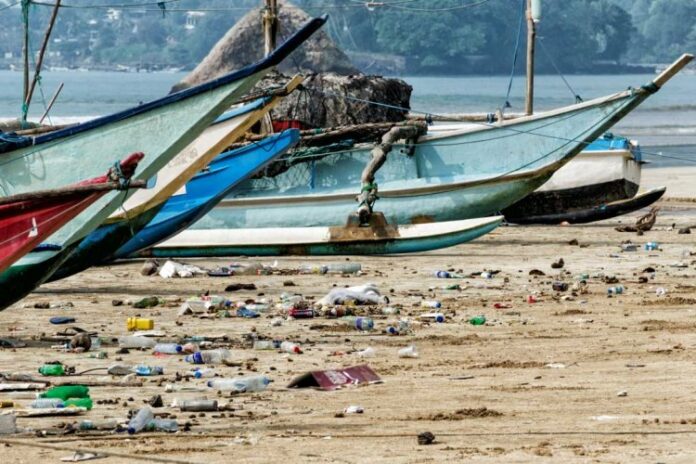
They are swept up into the atmosphere and carried on the wind to far-flung parts of the ocean, including those that appear to be clear. Analysis reveals that such minuscule fragments can stay airborne for hours or days, spreading the potential to harm the marine environment and, by climbing up the food chain, to affect human health.  

Dr. Miri Trainic, in the groups of Prof. Ilan Koren, of the Institute’s Earth and Planetary Sciences Department and Prof. Assaf Vardi of the Institute’s Plant and Environmental Sciences Department, says:

“A handful of studies have found microplastics in the atmosphere right above the water near shorelines. But we were surprised to find a non-trivial amount above seemingly pristine water.”

Koren, Vardi and Prof. Yinon Rudich of the Institute’s Earth and Planetary Sciences Department have been collaborating for a number of years on studies designed to understand the interface between ocean and air. While the way the oceans absorb materials from the atmosphere has been well studied, the opposite-direction’s process – aerosolization, in which volatiles, viruses, algal fragments and other particles are swept from seawater into the atmosphere – had been much less investigated.  

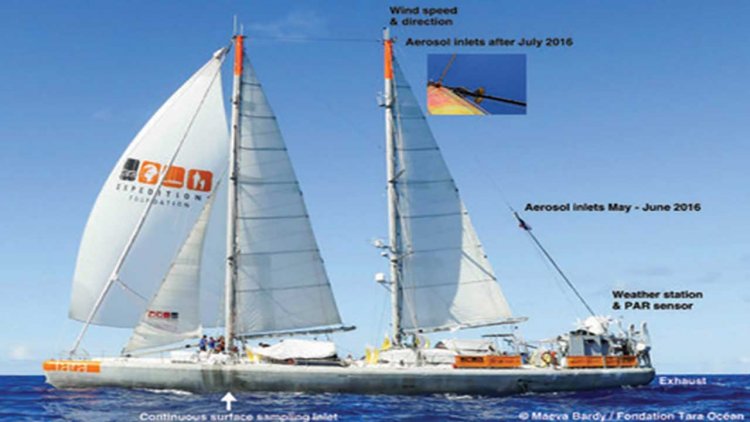
As part of this ongoing effort, aerosol samples were collected for study in the Weizmann labs during the 2016 run of the Tara research vessel, a schooner on which several international research teams at a time come together to study the effects of climate change, primarily on marine biodiversity.

The Weizmann team affixed the inlet of their measuring equipment to the top of one of the Tara’s masts (so as to avoid any aerosols produced by the schooner, itself) and Dr. J. Michel Flores, of Koren’s group, joined the mission to tend to the collecting as the schooner sailed across the North Atlantic Ocean.

Identifying and quantifying the microplastic bits trapped in their aerosol samples was far from easy, as the particles turned out to be hard to pick out under the microscope. To understand exactly what plastic was getting into the atmosphere, the team conducted Raman spectroscopy measurements, with the assistance of Dr. Iddo Pinkas of Chemical Research Support, to determine their chemical makeup and size. The researchers detected high levels of common plastics – polystyrene, polyethylene, polypropylene and more – in their samples. Then, calculating the shape and mass of the microplastic particles, along with the average wind directions and speeds over the oceans, the team showed that the source of these microplastics was most likely the plastic bags and other plastic waste that had been discarded near the shore and made its way into the ocean hundreds of kilometers away.

Checking the seawater beneath the sample sites showed the same type of plastic as in the aerosol, providing support for the idea that microplastics enter the atmosphere through bubbles on the ocean surface or are picked up by winds, and are transported on air currents to remote parts of the ocean.   

Trainic says:

“Once microplastics are in the atmosphere, they dry out, and they are exposed to UV light and atmospheric components with which they interact chemically. That means the particles that fall back into the ocean are likely to be even more harmful or toxic than before to any marine life that ingests them.” 

Vardi adds:

“On top of that, some of these plastics become scaffolds for bacterial growth for all kinds of marine bacteria, so airborne plastic could be offering a free ride to some species, including pathogenic bacteria that are harmful to marine life and humans.”

Trainic says:

“The real amount of microplastic in the ocean aerosols is almost certainly greater than what our measurements showed, because our setup was unable to detect those particles below a few micrometers in size. For example, in addition to plastics that break down into even smaller pieces, there are the nanoparticles that are added to cosmetics and which are easily washed into the ocean, or are formed in the ocean through microplastic fragmentation.”

Size, in the case of plastic particles, does matter, not only because lighter ones may stay airborne for longer periods. When they do land on the water’s surface, they are more likely to be eaten by equally small marine life, which, of course, cannot digest them. Thus, every one of these particles has the potential to harm a marine organism or to work its way up the food chain and into our bodies.  

Koren says:

“Last, but not least, like all aerosols, microplastics become part of the large planetary cycles – for example, carbon and oxygen – as they interact with other parts of the atmosphere. Because they are both lightweight and long-lived, we will be seeing more microplastics transported in the air as the plastics that are already polluting our oceans break up – even if we do not add any further plastics to our waterways.”  

ABS grants AiP to Wison’s FLNG Design

0

ABS has granted Approval in Principal to Wison Offshore and Marine (WOM) for its standardised 1.3MTPA and 3.0MTPA floating liquefied natural gas (FLNG) designs.

ABS Vice President, Global Gas Solutions, Mr. Patrick Janssens said: “ABS has been the preferred classification organization for the offshore and energy industry for more than 60 years. With increasing global concern for the environment, clean gas-based energy plays an integral role within that framework. ABS applies its experience and knowledge to support members and clients involved in gas-related projects, including LNG and LPG transportation, the use of LNG and other gases as fuel and emerging offshore LNG terminal technology projects”.

WOM’s FLNG division General Manager, Mr. WEI Huaqing stated:

“We really appreciated ABS for their support and help in the development of our standardised FLNG designs. Through close cooperation WOM has been able to optimise the design for both of the 1.3 MTPA and 3.0 MTPA facilities providing economic advantages to both potential Clients and EPCIC Contractor.”

WOM believes the standardised nature of the design enables economies of scale in terms of procurement and streamlines construction and commissioning processes.

AqualisBraemar acquisition of LOC Group completes

0

LOC has announced the completion of its acquisition by AqualisBraemar ASA (“AqualisBraemar”). The combined group is a leading global independent offshore energy and marine consultancy firm. It will have a total of 880 employees in 67 offices in 39 countries around the world.

The enlarged Group’s strategy is to grow through continued expansion in the rapidly growing offshore renewables industry, and leverage on its position within shipping and oil and gas markets, to support the global energy transition. The Company is targeting 50 percent of its revenues to come from the renewables sector and other sustainability and CO2-reducing activities by 2025.

The combined Group doubles its size within the renewables space, by joining the fast-growing specialist renewable entities of AqualisBraemar’s offshore wind consultancy firm, OWC, with LOC Group’s Innosea and other renewable focused units.

AqualisBraemar and LOC Group will trade separately until the latter part of 2021. As resolved by the extraordinary general meeting held on 14 December 2020 (the “EGM”), the parent company of the group, AqualisBraemar ASA, will change its name to AqualisBraemar LOC ASA with effect from today.

David Wells, CEO in Oslo-listed AqualisBraemar, says:

“This is a great day for both AqualisBraemar and our clients. We effectively double the size of our group, which will benefit our customers through greater capacity, improved geographical footprint and a much more complete skills base. With both companies having similar profiles, it also allows us to maintain our stated ambitious growth targets in support of the global energy transition.”

Dr R. V. Ahilan, CEO of LOC Group, added:

“The needs of our clients are rapidly changing. In part this is being driven by the energy transition agenda. This will create opportunity as well as pressure for clients but as a combined entity we can be at the forefront of the industry and are ideally placed to be able to offer the support they need, now and in the future. This is an exciting time for our industries, and I am much looking forward to working with clients to support them through this period of change.” 

AqualisBraemar is an Oslo-listed group that offers consultancy services to the offshore energy industries, including renewables and oil and gas, plus shipping and insurance industries. It operates under three brand names: AqualisBraemar, AqualisBraemar Yacht Services, and offshore wind consulting firm OWC.

ICTSI upgrades Cameroon terminal with new TOS

0

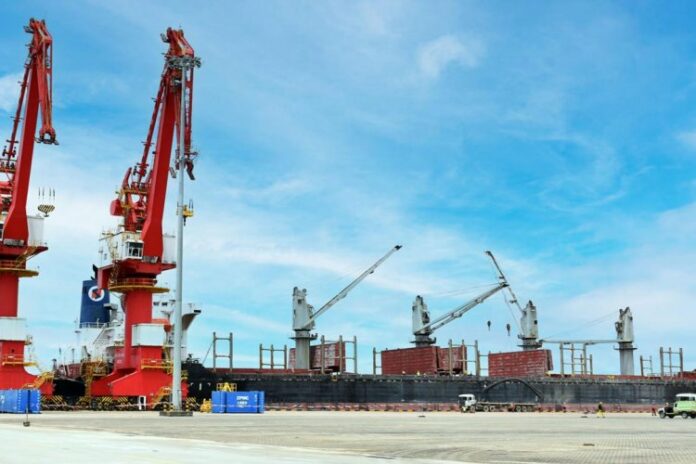
Kribi Multipurpose Terminal (KMT), the Cameroonian subsidiary of International Container Terminal Services, Inc. (ICTSI), recently implemented the Logstar®Terminal Operating System (TOS) as part of the company’s efforts to deliver world-class service at the Port of Kribi.

A major step in developing the port’s infrastructure and superstructure, this cloud-based TOS solution will facilitate efficiency. 

KMT is a purpose built deep water general cargo facility catering to ro-ro project and  heavy lift cargo, oil and gas industry, forestry and steel products, dry bulk and other general cargo.

Efficient terminal planning and operations management will streamline the flow of information at the terminal, says Kathy Magne, KMT Managing Director, thus boosting port operations and landside productivity.

Ms. Magne said:

“Providing KMT customers with the assurance that our world-class service is matched with world-class technology is a core focus for our rapidly expanding business in Cameroon. With the support of the local port users and our shipping line partners, we believe that the benefits of automating processes and information flow at KMT will help us deliver even greater efficiency beyond our fence and throughout our customer supply chains.”

This cloud based TOS system provides support for first class operations and service to KMT customers.  All aspects of vessel, gate, yard and warehouse operations are covered, and all fully integrated with billing and reporting systems.    

IMO Secretary-General denounces “no crew change” clauses

0

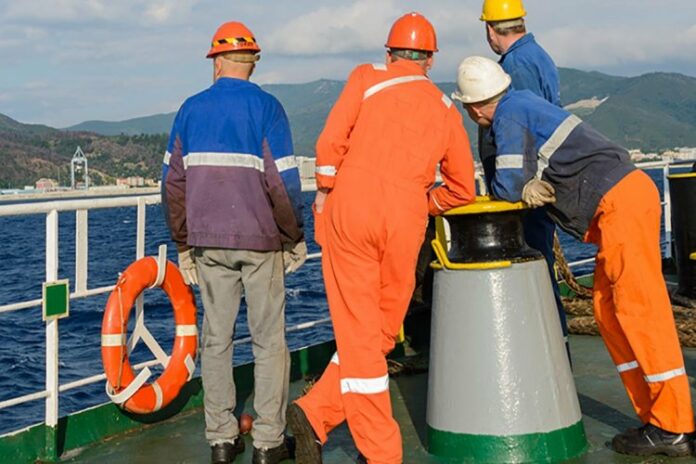
IMO Secretary-General Kitack Lim has spoken out against “no crew change” clauses in charterparties, pointing out that such clauses exacerbate the dire situation of stranded seafarers and undermine the efforts undertaken to resolve the ongoing crew change crisis. 

So-called “no crew change” clauses, which are demanded by certain charterers, state that no crew changes can occur whilst the charterer’s cargo is onboard – hence not allowing the ship to deviate to ports where crew changes could take place. IMO’s Seafarer Crisis Action Team (SCAT) has been made aware of this worrying development in recent weeks. 

In a strong statement, supported by the International Labour Organization (ILO), Mr Lim called upon all charterers to refrain from requesting to include “no crew change” clauses in charterparties, and further called upon shipowners and operators to reject them if they are demanded.  

Mr Lim said:

“Such clauses exacerbate the mental and physical fatigue among exhausted seafarers, undermine compliance with the provisions of the Maritime Labour Convention, 2006, as amended (MLC, 2006) and further threaten the safety of navigation.” 

He added that alternative contractual clauses that do allow for crew changes during the pandemic are available and should be utilized.  

The Secretary-General said:

“Resolving the crew change crisis requires the best efforts of all stakeholders. The elimination of the use of “no crew change” clauses is just one of those efforts.”

International organizations  made statements at the latest meeting of IMO’s Legal Committee, LEG 107, to condemn the use of “no crew change” clauses in charterparties. The Committee invited submissions on the matter to its 108th session, scheduled to take place in July 2021.  

As the crew change crisis now enters its tenth month, hundreds of thousands of seafarers remain onboard ships well beyond the expiration of their seafarer employment agreements, some not being paid and all unable to be repatriated. A similar number remain unable to join ships, and as a result find themselves unable to begin their contracts and earn a living.  

Mr Lim insisted:

“The situation continues to constitute a humanitarian crisis that threatens not only seafarers’ health and wellbeing but also the safety of navigation and the uninterrupted flow of the global supply chain, policies or practices that prevent or inhibit safe, regular crew changes should be revised or eliminated.” 

As of 18 December, 46 IMO Member States and one Associate Member* have designated seafarers as key workers. This is essential to exempt these professionals from specific COVID-related travel restrictions, allowing them to travel between their country of residence and ships, and to be repatriated at the end of their contracts. There have also been some encouraging signs of progress in the application of the industry-developed framework of protocols for ensuring safe crew changes and travel during the pandemic, which were endorsed by the Maritime Safety Committee and circulated as MSC.1/Circ.1636.

The plight of stranded seafarers is highlighted in an IMO video featuring seafarers who describe the challenges they have faced due to the pandemic, and the impacts of the ongoing crew change crisis on their physical and mental health. 

Halter Marine teaming with Gibbs & Cox on U.S. Navy’s large unmanned surface vessel

0

The LUSV studies contract has an anticipated completion date of August 2021 with an option for additional studies, which would extend the forecasted completion date to May 2022.

Halter Marine will provide shipbuilding expertise to complement the naval architecture and marine engineering of Gibbs & Cox.

Bob Merchent, President and CEO of Halter Marine, said:

”We are honored to be part of the Gibbs & Cox team participating in the Navy’s LUSV studies contract. We are currently working together on other contracts, and I have every confidence that our team will advise and enhance the ultimate design to most effectively implement the Navy’s current mission.”

Halter Marine is partnered with Gibbs & Cox on the Navy’s contract for industrial studies for the auxiliary general ocean surveillance ship (T-AGOS(X)) program as well as phase 1 preliminary/contract design for the National Oceanic and Atmospheric Administration’s AGOR Variant (NAV).

The LUSV will be a high-endurance ship able to accommodate various payloads for unmanned missions to augment the Navy’s manned surface force, according to the Navy’s program summary. Plans call for a vessel about 200 to 300 feet long that can function either partially or completely autonomously.