-7.3 C
New York
Home Blog Page 714

Port of San Diego to create a native oyster living shoreline

0

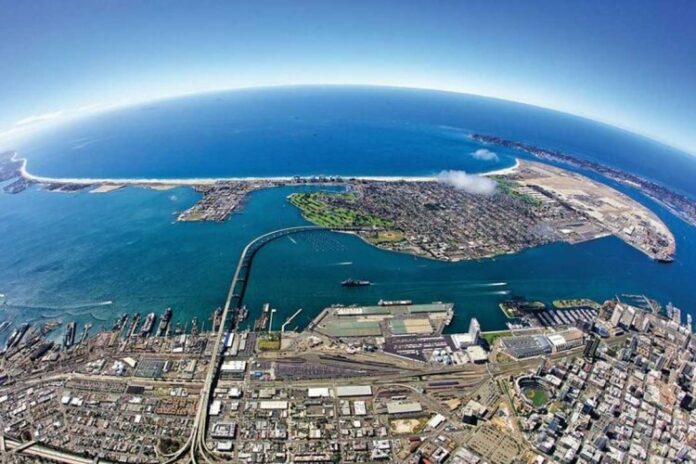
Installation of the native oyster living shoreline is expected to begin in spring 2021 adjacent to the Chula Vista Wildlife Reserve in south San Diego Bay.

The project will use constructed reef elements to demonstrate the ability to attract and establish native oyster populations that create structurally complex “reef” habitat for fish, birds, inverts and aquatic plants. The project is also expected to improve local water quality via filtration and settling of sediments and also increase wetland connectivity to intertidal and subtidal lands.

Chair Ann Moore, Port of San Diego Board of Port Commissioners, said:

“Living shorelines are an excellent resiliency strategy in the face of sea level rise due to their ability to naturally adapt and grow over time. The Port has long been concerned about sea level rise and undertakes several efforts to evaluate and assess the possible impacts. For this project, and many others, we work with our regional partners to share information, plan for and come up with solutions to protect our diverse ecosystem.”

Prior to installation and construction, and due to its proposed location, the project requires a Port Master Plan Amendment, which was approved by the Board of Port Commissioners at its December 8 meeting. The immediate next step is for the Port to submit the Port Master Plan Amendment to the California Coastal Commission for certification. The amendment will add the project and project description to the current Port Master Plan, which would then allow the Port to issue a Coastal Development Permit and ensure consistency with the California Coastal Act. 
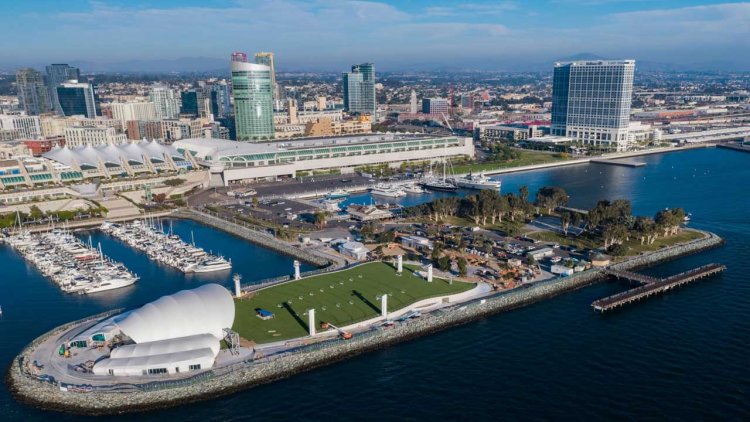
After installation, the pilot project and the adjacent shoreline will be monitored and assessed for five years to capture the amount of growth of native oysters on the reef elements; learn about the presence and/or absence of non-native species on the reef elements; learn how the reef impacts or enhances local species richness of fish and mobile invertebrates within the project footprint; and determine the ability of the reef elements to catalyze sediment accretion or reduce erosion of sediment shoreward of the project.

Sam Schuchat, Executive Officer of the California State Coastal Conservancy, said:

“Sea level rise is already impacting our shorelines and we need to take immediate actions to test and implement shoreline resilience projects. This project is at the cutting edge of techniques that protect and enhance our shoreline habitats and infrastructure.” 

The project is the result of over five years of collaboration across a project team representing state and federal agencies, academia, regional government and the non-profit sector. If successful, it will result in the permanent placement of the reef. Project partners share an interest in addressing shoreline protection, fishery populations and health, and climate change in San Diego Bay through scientifically supported alternatives to harmful shoreline armoring practices.
NOAA acquires two new research ships

0

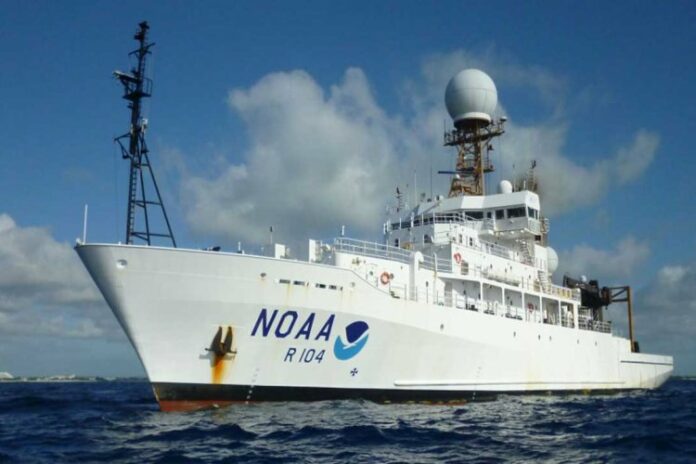
NOAA’s effort to recapitalize its aging fleet of research ships took a major step forward with the U.S. Navy’s award of a $178,082,877 contract to Thoma-Sea Marine Constructors LLC, Houma, Louisiana, for the detailed design and construction of two new oceanographic ships for the agency. 

NOAA is acquiring the vessels through an agreement with the Naval Sea Systems Command, a leader in building, providing and procuring large research ships for the nation’s research fleet.

U.S. Secretary of Commerce Wilbur Ross said:

“We can all be proud that these two new NOAA ships will be built in the United States by highly skilled workers, and to the highest standards. The nation will benefit greatly from the information these state-of-the-art vessels will collect for decades to come.”

The first ship, to be named Oceanographer, will be homeported in Honolulu. The second ship, to be named Discoverer, will be assigned a homeport at a future date. Both vessels will continue the legacies of their namesakes. The first Oceanographer served in the NOAA fleet from 1966 to 1996 and her sister ship, Discoverer, served from 1967 to 1996.

The new ships will support a wide variety of missions, ranging from general oceanographic research and exploration to marine life, climate and ocean ecosystem studies. These missions include shallow coastal, continental shelf, and worldwide ocean survey and data collection.

Designed as single-hull ships, Oceanographer and Discoverer will be built to commercial standards. They will incorporate the latest technologies, including high-efficiency, environmentally friendly EPA Tier IV diesel engines, emissions controls for stack gases, new information technology tools for monitoring shipboard systems, and underwater scientific research and survey equipment.

Neil Jacobs, Ph.D., acting NOAA administrator, said:

“These state-of-the-art ships will play a vital role in collecting high-quality data and leading scientific discoveries. The science missions aboard these vessels promise to push the boundaries of what is known about our still largely undiscovered ocean.”

The ships will be equipped to launch work boats, perform maintenance on buoys and moorings, deploy scientific instruments to collect weather and water column data, and conduct seafloor mapping surveys. Each vessel will operate with a crew of 20 and will accommodate up to 28 scientists.

Novel method reveals small microplastics throughout Japan’s subtropical ocean

0

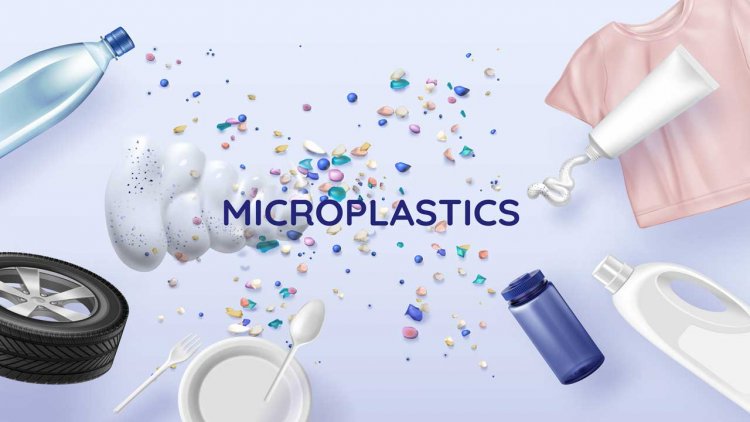
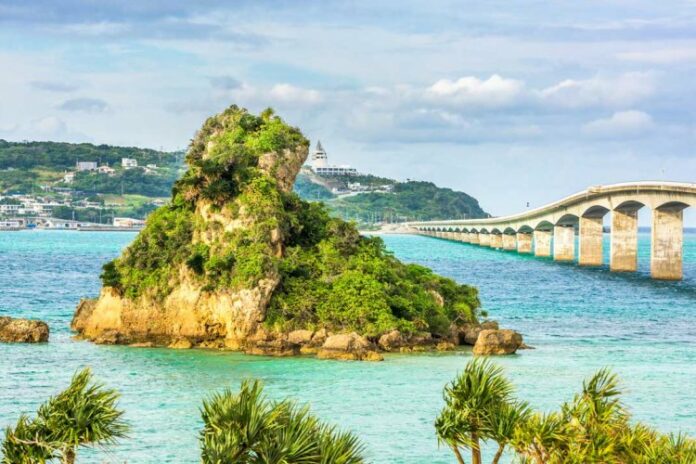
Research conducted in the Light-Matter Interactions for Quantum Technologies Unit at the Okinawa Institute of Science and Technology Graduate University (OIST) has revealed the presence of small microplastics in the ocean surrounding Okinawa. The study was published in Science of the Total Environment.

Christina Ripken, Ph.D. student in the Unit and lead author of the paper, said:

“There’s been a considerable amount of research on larger plastic pieces in the ocean. But the smaller pieces, those that are less than 5mm in size, haven’t been in the spotlight, so it was important to identify whether they’re present and the impacts they might have on living organisms.”

Okinawa was an interesting place to carry out this study. A small, subtropical island in southern Japan, it is surrounded by fringing coral reefs, which means that the ocean around the beaches is reliant on surface water and wind. It has also been deemed a ‘blue zone’—a region whose residents are exceptionally long-lived. Therefore, the researchers thought it crucial to monitor ocean pollution as it may adversely affect these residents.

In collaboration with the Okinawa Prefecture Government, Christina carried out the sampling in September 2018. Six sites were visited close to the island’s shoreline. To look at a range of different areas, two of the sites were to the south of the island, two were around the center, and two to the north. In Naha, the capital of the Okinawa Prefecture, samples were taken from beside the industrial port and the airport. Naha has an estimated population of over 300,000 inhabitants, which represents a fourth of the total population of the island. In contrast, Cape Hedo, at the far north of the island, has a very low population and is considerably less urbanized.

At each site, the surface water was trawled for one kilometer, allowing approximately 800 liters of water to be filtered and small particles to be removed. These particles were then analyzed in the lab at OIST.

Christina worked with Dr. Domna Kotsifaki, staff scientist in the Light-Matter Interactions for Quantum Technologies Unit, who combined two techniques—the optical tweezers technique and the micro-Raman technique—to provide a novel way of analyzing the particles.

The optical tweezers technique uses lasers to hold the particle in the liquid, while the micro-Raman technique identified the unique molecular fingerprint of each particle. This allowed the researchers to see exactly what was present, whether that be organic material, trace metal, or different plastics like polyethylene or polystyrene.

Dr. Kotsifaki said:

“This method is what sets the study apart from other research into marine microplastics. It meant that we didn’t need to filter out the plastic first, so we could see if there was plastic embedded within organic material or if any trace metals were present and the concentration of the plastics in the sampled seawater.”

As can be expected, the researchers found that there was more plastic in the water to the south of the island than to the north. But somewhat surprisingly, they found that the plastic correlated more with where people were living rather than with particularly industrialized areas.

Concerningly, they found plastic in all the samples. Over 75% of the plastics found in the samples were made from polyethylene, which the researchers theorized could come from broken fishing equipment, water bottle caps, household utensils, plastic bags, plastic containers, and packaging.

Christina said:

“In the fishing communities, at the ports and beaches where the fish are landed, workers use woven polymer sacks to store and transport items including fish. This is an example of how the small pieces of plastic might be leaching into the ocean.”

Another way is through plastic in road dust. Recent research found a high concentration of microplastics in dust samples taken from the roads of Okinawa’s heavily urbanized areas, which have considerable amounts of vehicle traffic. Some of this road dust may now be found in the ocean around Okinawa.

Christina said:

“We found more plastic around the heavily urbanized area in the south of the island than around the industrialized center or the rural north, but everywhere we found plastic. Our method means that we have a clearer view on the prevalence of microplastics around Okinawa and this can lead to risk analysis and influence policy. We hope it will help boost the environmental research area.”

Konecranes signs SBTi commitment to mitigate climate change

0

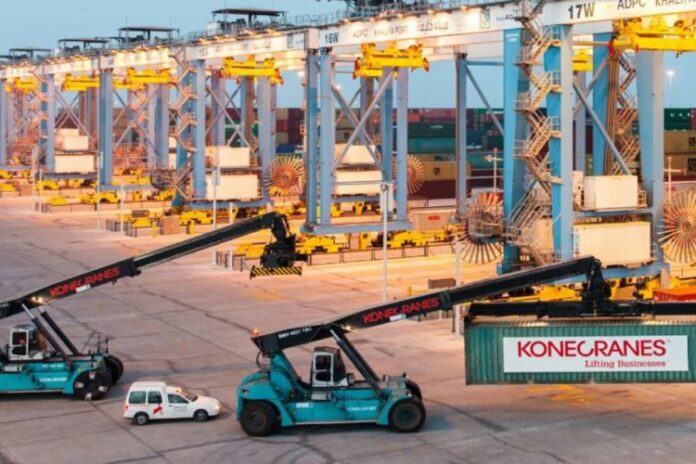
Konecranes has signed the commitment letter for the Science Based Targets Initiative (SBTi) and will define new climate targets for its operations in the coming months, reinforcing its commitment to cut emissions, further develop its low-carbon portfolio and mitigate climate risks.

Limiting global warming requires the decarbonization of all industry sectors. By committing to science-based targets, Konecranes is stepping up efforts to reduce its climate impact. The company is already charting the full carbon footprint from its own operations and supply chain as well as from the solutions it provides for its customers.

Konecranes President and CEO Rob Smith said:

“At Konecranes we have continually challenged ourselves over the past years to find innovative ways to reduce our carbon footprint, and based on that work we are now ready to reduce our climate impact even further. By committing to the SBTi we are agreeing to establish targets that are science-based and binding, not only for Konecranes but for our supply chain partners and our products. This is a level of ambition that will drive and inspire us as a company.”

The SBTi is a global initiative that directly links a company’s carbon emission targets to the Paris Agreement in order to keep the rise in global temperature below 1.5°C. It supports companies in establishing greenhouse gas reduction targets based on the latest climate science and the goals of the Paris Agreement. Konecranes’ new science-based targets that will be set next year will be validated by the SBTi.

Climate action and resource efficiency is one of the five cornerstones of Konecranes’ sustainability work. In addition, we focus on sustainable offering and circularity; a safe workplace and products; a diverse, inclusive and engaging workplace; and responsible business conduct. Earlier this month, Konecranes received recognition for its ambitious climate work, earning an A- rating in the CDP’s climate program and a Leadership ranking.

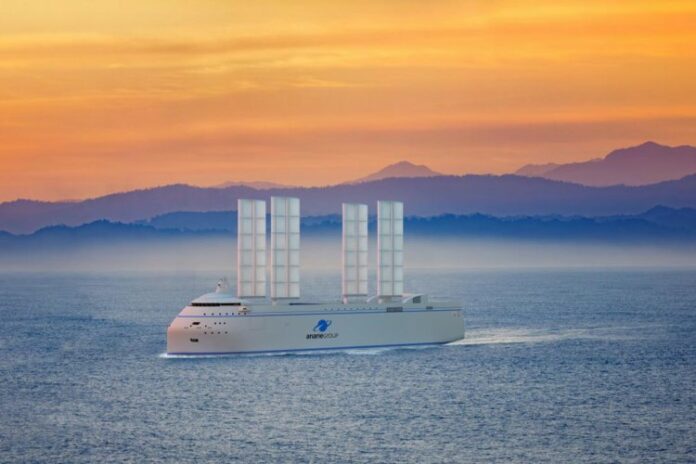
The vessel Canopee will be built by Neptune Shipyard

0

Once delivered at the end of 2022, the vessel will be operated by Alizes (Joint venture between Jifmar Offshore Services and Zephyr & Boree).

Following an international call for tenders in which the future operator Alizes and the client Arianegroup were associated, Neptune was selected.  

Jean-Michel Berud, CEO of Jifmar, said:

“The choice of a European shipyard seemed obvious to us to fit into the DNA of the Ariane project. The Neptune Marine shipyard gets strong track records in building cargo vessels that meet the highest industry standards. At Jifmar, we have trusted them for many years to build our innovative and versatile vessels. More than 15 units have already been ordered to meet our specifications.“ 

The signature with the Neptune Marine for the construction of the Canopee vessel took place in October. Since then, detailed engineering studies have been on their way with hull tank testing scheduled for the coming weeks. The laying of the keel will follow in the second quarter of 2021, while Alizes will take delivery of the vessel at the end of 2022 after a series of tests.

Nils Joyeux, CEO of Zephyr Et Boree, said:

“We look forward to operating this vessel on behalf of Arianegroup and showing the full potential of wind propulsion in the merchant navy. On the one hand, the option of a European shipyard secures this project in the context of uncertainty generated by the Covid-19 and its repercussions. On the other hand, we hope that this will allow Europe to take the lead in the construction of innovative vessels equipped with wind propulsion.”  

The construction of the vessel will take place between the Netherlands and Poland where the Neptune shipyards are located. To respect the design concept, Neptune has approached Groot Design, a design office specialized in “Open Top” cargo vessels. This was based on the architectural project carried by VPLP design which had enabled Alizes to win the Arianegroup tender. It is also a subsidiary of VPLP Design, Ayro which will supply the wings which will equip the ship.

Wilhelmsen’s Topeka hydrogen project awarded NOK 219 million

0

The Wilhelmsen led project, to construct the world’s first zero emission hydrogen vessels, has been awarded 219 million Norwegian kroner (MUSD 25) by the Norwegian government-owned organisation Enova.

These funds will enable Wilhelmsen to further develop the technology and additional infrastructure required to support the maritime industry’s ambitions towards zero emission fuels.

Senior Vice President, Industrial Investments at Wilhelmsen, Jan Eyvin Wang, says:

“The funds from Enova are a pivotal step in making Topeka happen, and an important milestone for the maritime industry and for Norway as a nation when considering hydrogen as a fuel.”

CEO for Enova, Nils Kristian Nakstad, says:

“To reach our ambitions for zero emission ocean transport, new technology has to be developed. Batteries cover many needs but not all. This means the introduction and usage of zero emission energy carriers such as hydrogen is crucial.”

The Topeka project revolves around the construction of two ro-ro vessels servicing the short sea segment. The vessels will, amongst other tasks, move goods between offshore supply bases along the Norwegian west coast. In addition, the Topeka vessels will transport hydrogen to different filling stations where local ferries and other vessels as well as land transport will have hydrogen as a ready-to-use fuel. 

Jan Eyvin Wang says:

“With this new funding, our vision of hydrogen vessels and infrastructure supporting various industries along the coast is much closer to becoming a reality and that is enormously exciting.”

SEACOR Marine & CMB announce transaction for windfarm support business

0

SEACOR Marine Holdings Inc. and Compagnie Maritime Belge (“CMB”) have announced that a wholly-owned subsidiary of the Company entered into a binding definitive sale and purchase agreement (“SPA”) to sell Windcat Workboats Holdings Limited (“Windcat”) and its crew transfer vessel (“CTV”) business to CMB.

As consideration for the sale, at the closing of the transaction, CMB will pay SEACOR Marine £32.8 million in cash, and assume all of the approximately £20.4 million of debt outstanding under Windcat’s existing revolving credit facility (equivalent to approximately US$44.6 million and US$27.8 million, respectively, based on the USD to GBP closing exchange rate on December 17, 2020). 

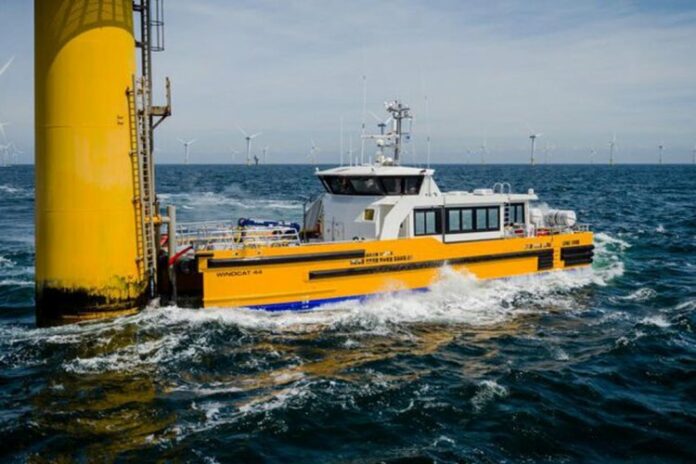
Windcat is among the leading offshore wind support vessel providers in Europe, and owns and operates, directly or through its joint ventures, a fleet of 46 CTVs in the European offshore wind sector. Windcat’s CTVs are designed and built under the supervision of Windcat management, a team with more than 18 years’ experience in the industry. The existing Windcat management team will continue to lead the company after the completion of the transaction.

Windcat is headquartered in Lowestoft, United Kingdom and IJmuiden, the Netherlands and has joint ventures with two strong local partners, FRS Windcat Offshore Logistics in Germany and TSM Windcat in France. Windcat employs approximately 180 shore-based and sea-going personnel.

John Gellert, SEACOR Marine’s Chief Executive Officer, commented:

“The proceeds from this transaction will enhance our liquidity, further strengthen our position in a challenging environment, and allow us to continue developing other opportunities in our core markets, including with our hybrid battery-powered platform supply vessels that we believe have significant potential.”

Alexander Saverys, CMB’s Chief Executive Officer, further commented:

“The acquisition of Windcat fits into CMB’s strategy to diversify its business portfolio into the fast-growing offshore wind market and scale up the deployment of hydrogen ships and engines. CMB wants to grow Windcat’s business by building on its strong market-leading European platform whilst expanding into new European and non-European markets, diversifying into the owning and operation of Construction Service Operation Vessels and Service Operation Vessels (CSOVs and SOVs), and deploying hydrogen engines developed by CMB.TECH onboard the existing and newbuilding Windcat fleet. The first hydrogen-powered CTV, the Hydrocat, is expected to be operational as early as June 2021. The construction of hydrogen refuelling stations in dedicated Windcat ports will be investigated as well.”

Willem van der Wel, Managing Director of Windcat, added:

“We have been working closely together with CMB over the past two years in the development of the Hydrocat, the world’s first Hydrogen driven CTV. This important step in Windcat’s history will allow us to further develop this cooperation and make further steps in the development of the company. With the global challenges to reduce the carbon footprint, CMB and Windcat will continue the development of the fleet in order to make significant steps in providing clean fuel solutions to wind farm support vessels.”

Crowley adds more than 350 new refrigerated containers

0

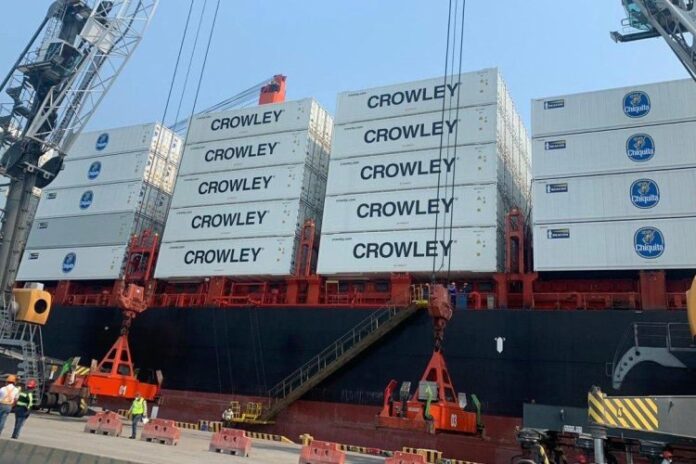
Crowley Logistics has added 355 new refrigerated (reefer) cargo containers to its industry-leading equipment fleet to ensure equipment availability at origin for perishables moving through the cold chain. These units are in addition to more than 500 new reefers received earlier this year. 

The new units, which are all 40-foot-long high cubes, are built to Crowley’s exacting standards. These units have wireless asset monitoring (WAM) technology, which provides continuous monitoring as the reefers transit from origin to destination, both at sea and over land, to ensure the integrity of the cold chain the entire time goods are moving.

Brett Bennett, senior vice president and general manager, Crowley Logistics, said:

“We realize the importance of having the best refrigerated equipment in the right quantities – all strategically positioned to meet customers’ needs during peak perishables season and throughout the rest of the year. It is a priority for us to ensure we are meeting all their needs for reliable logistics services, including the highest level of available equipment.”

The 355 new containers have arrived in Santo Tomas, Guatemala, and are already being used in support of Central America’s ongoing heavy northbound reefer season. The new containers are equipped with environmentally friendly Star Cool refrigeration units, incorporating several changes to further boost efficiency and reliability. 

Hvide Sande Shipyard orders Hull Vane® for new 64m OPV

0

As the lifecycle costs and seakeeping characteristics are very important for this vessel, Hvide Sande Shipyard worked with Hull Vane BV (Netherlands) during the bid phase.

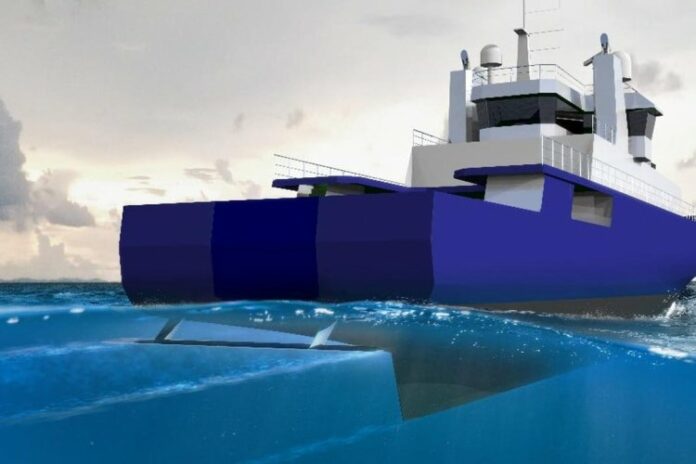
Hull Vane® is a patented hydrodynamic appendage which converts energy from the stern wave and of the ship motions into forward thrust. CFD analyses on the hull for the 64m OPV showed that indeed, the Hull Vane® would prove to be of significant added value for resistance reduction at all speeds (>7%). Based on this preliminary analysis, Hvide Sande Shipyard decided to integrate Hull Vane® in the bid as an integral part of the design.

Following the order for the vessel, Hvide Sande Shipyard commissioned Hull Vane BV to fully optimise the Hull Vane®, which was done with Computational Fluid Dynamics using the AMPO-RAGEC method (Automated Multi-Parameter Optimisation through Randomised Geometry Creation). The naval architects of Polarkonsult (Norway) then further optimised the aft ship and fore ship to reach the best possible overall hull efficiency, taking into account the effect of the Hull Vane®.

As the vessel will consume most fuel over the year at 14 knots, this was the focus speed for the optimisation, and the performance was also checked at 10 knots and the top speed of 17.5 knots. At all speeds, the total obtained resistance reduction is in excess of 10%, peaking at over 15% at 14 knots. The Hull Vane® works essentially by converting stern wave energy into forward thrust, and this effect is clearly visible in the reduction of stern wave.

The Offshore Patrol Vessel will have a stern ramp to launch a daughter craft by means of a slide-out cradle. Model tests on another OPV have shown that the dampening of the motions from the Hull Vane®, particularly in the aft ship, will be very beneficial for the launch and recovery of the daughter craft. The reduction of wake also improves the manoeuvre. As there will be almost no “reverse wake” pushing the daughter craft forward, launch and recovery can be done at higher speeds. The seakeeping benefits of the Hull Vane® will be particularly beneficial for the OPV, as she will spend most of her time in the rough North Sea. The Hull Vane® dampens the pitching motions and reduces bow slamming.

Construction of the Hull Vane® will start shortly, for a delivery in 2021. It is the 41st Hull Vane® to be ordered, and the 15th for a patrol vessel.

Europe’s first 3D-printed boat launched

0

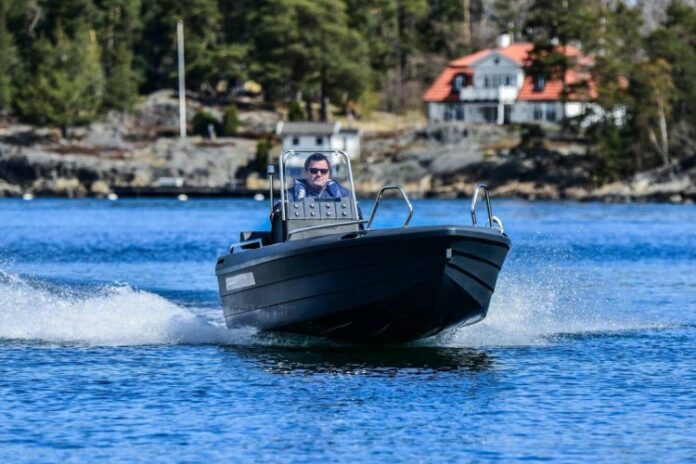
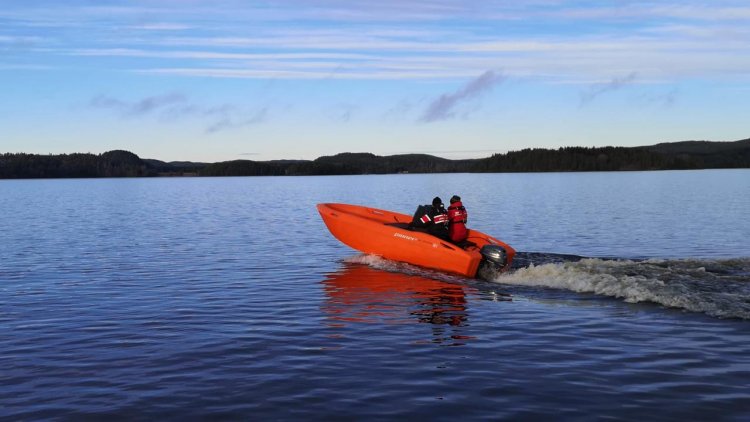
The boat has been printed at RISE and is the result of a collaboration between RISE and Cipax, which owns the boat model Pioner.

3D printing instead of conventional rotational molding in boat manufacturing makes it possible to manufacture tailor-made designed boats in small series at low cost and with short lead times.

Dag Eirik R Thomassen, CEO of Pioner, says:

“With this technology, we get far greater freedom in the design of our boats. We can easily make adjustments or additions, and then send the design file to the print.”

Already today, there is great interest in tailor-made designed boats among the company’s customers. With 3D printing, production can be adjusted to a completely different extent. Among customers in the public sector, there are other needs.

Dag Eirik R Thomassen says:

“We have customers like the police, the fire service and the Armed Forces. There we see how we will be able to design boats for their individual needs, such as firefighting in installations, reconnaissance equipment, gas masks and diving equipment.”

An advantage of 3D printing is that individual copies can be produced without the cost skyrocketing because no molds are needed. The challenge with 3D printing can be the need for a lot of support materials and thus waste. But by cleverly adapting the original boat design for 3D printing, it was possible to produce it with less than 4 percent generated material waste.

However, it is a challenge to meet product-specific properties. A recreational boat must, for example, according to current rules be able to float even if it is filled with water. The 3D-printed boat can almost live up to it, but only almost.

Jan Johansson, researcher at RISE, says:

“3D printing requires a different type of plastic, mixed with fiberglass not to collapse when it is laid layer upon layer. This makes the density slightly higher, so that it becomes higher than water. Before 3D printed boats can be sold commercially it is necessary to add some kind of floating bodies.”

The boat has been developed in a collaboration between RISE and Cipax, owner of the boat model Pioner, within the research project DiLAM. The project has investigated new ways of manufacturing large-scale products using industrial robot arms from ABB as flexible 3D printers. The project is supported by VINNOVA, the Swedish Energy Agency and Formas through Production2030.

Emil Johansson, researcher and project leader at RISE, says:

“Combining 3D printing with industrial robots and new materials opens up new opportunities for flexible and resource-efficient production of innovative large-scale products. This is not only useful in the marine industry but also in the automotive industry, construction, aerospace and furniture industry.”

By offering support along the entire value chain, from design to final product, we at RISE want to drive the development of additive manufacturing in the industry.

Dag Eirik R Thomassen says:

“As an industrial player, we want to work closely with the latest research. Innovation is the most important factor if you want to be a profitable player in the future, succeed with your products and develop at a high pace. 3D-printed boats will probably not replace the traditionally developed models, but they will be an important complement.”