-8.7 C
New York
Home Blog Page 704

Report: Gulf of Guinea records highest ever number of crew kidnapped in 2020

0

According to the report, Nigeria is the riskiest country in the world, with 35 attempted or actual attacks in 2020, which is the same high level as in 2019. In addition, neighbouring Benin accounts for 11 attacks, which is significantly higher than the three registered attacks 2019 and five in 2018. 

Jakob P. Larsen, BIMCO’s head of maritime safety and security, says:

“The attacks registered for Nigeria and Benin needs to be seen as a whole, because we know that the attacks off Benin are perpetrated by criminals based in Nigeria.”

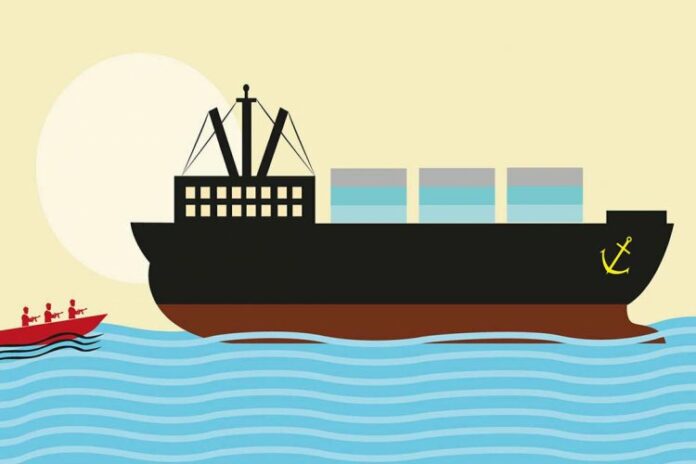
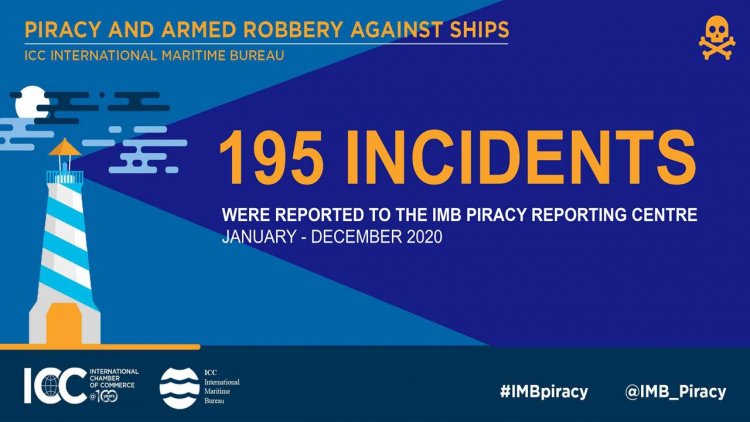
Globally, 135 crew were kidnapped from their vessels in 2020, with the Gulf of Guinea accounting for over 95% of crew numbers kidnapped. A record 130 crew members were kidnapped in 22 separate incidents. Since 2019, the Gulf of Guinea has experienced an unprecedented rise in the number of multiple crew kidnappings. In the last quarter of 2019 alone, the Gulf of Guinea recorded 39 crew kidnapped in two separate incidents.

Incidents in the Gulf of Guinea are particularly dangerous as over 80% of attackers were armed with guns, according to the latest IMB figures. All three vessel hijackings and nine of the 11 vessels fired upon in 2020 related to this region. Crew kidnappings were reported in 25% of vessel attacks in the Gulf of Guinea – more than any other region in the world.
Once kidnapped, crew are removed from their vessel and can be held on shore until their release is negotiated. The furthest crew kidnapping in 2020 occurred almost 200 nautical miles (NM) from land with the average kidnapping incident taking place over 60NM from land, according to IMB.

The rise in kidnapping incidents further away from shorelines demonstrates the increasing capabilities of pirates in the Gulf of Guinea. Given these developments, IMB advises vessels in the region to remain at least 250 NM from the coast at all times, or until the vessel can transit to commence cargo operations at a berth or safe anchorage.

Larsen says:

“The report underlines the concern BIMCO has expressed over Nigerian piracy in the Gulf of Guinea over the past few years, and the inability of regional governments to manage the problems. We continue to reiterate that we need international navies to do what is needed to suppress piracy in the area, ideally in collaboration with Nigerian law enforcement agencies.”

Michael Howlett, Director of the ICC International Maritime Bureau, said:

“The latest statistics confirm the increased capabilities of pirates in the Gulf of Guinea with more and more attacks taking place further from the coast. This is a worrying trend that can only be resolved through increased information exchange and coordination between vessels, reporting and response agencies in the Gulf of Guinea Region. Despite prompt action by navies in the region, there remains an urgent need to address this crime, which continues to have a direct impact on the safety and security of innocent seafarers.”
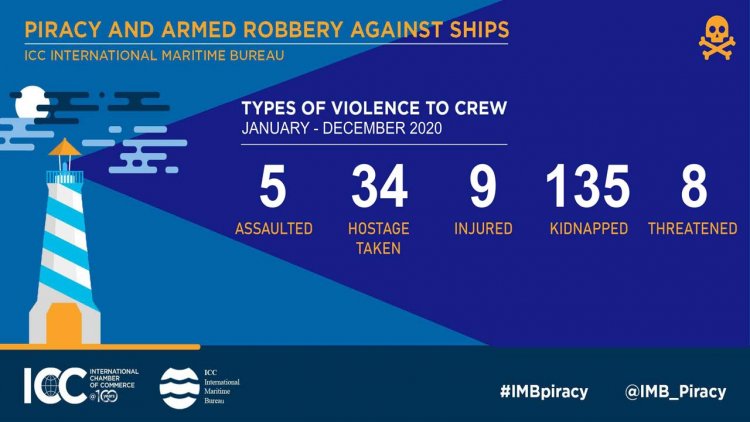
The increase in incidents against vessels underway within the Singapore Straits has continued since Q4 2019, with 23 incidents reported for 2020. Vessels were boarded in 22 of the 23 incidents. Although considered low level – i.e aimed at armed theft from the vessel – and tend to take place in the hours of darkness, one crew was injured, another taken hostage and two threatened during these incidents. Knives were reported in at least 14 incidents.

Armed robbery reports in Indonesia remained consistent with 26 low-level incidents reported in 2020, in comparison to 25 in 2019. Vessels continue to be boarded while anchored or berthed at Indonesian ports with two crew taken hostage and two threatened in 2020. The continued efforts of the Indonesian Marine Police are credited for maintaining the reduced levels of reported incidents.

The IMB PRC received zero incidents of piracy and armed robbery in 2020 for Somalia. While there were no recorded incidents, the IMB PRC warns that Somalia pirates continue to possess the capacity to carry out attacks in the Somali basin and wider Indian Ocean. In particular, the report warns that, ‘Masters and crew must remain vigilant and cautious when transiting these waters.’

The full report can be ordered for free.
VIDEO: Saildrone Surveyor 72-foot USV launched in California

0

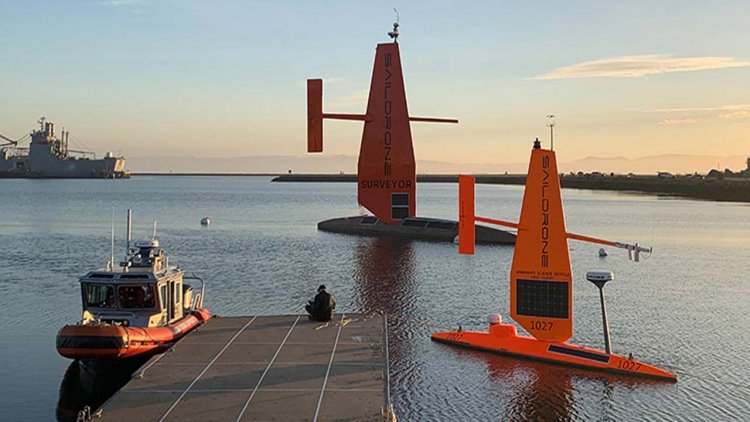
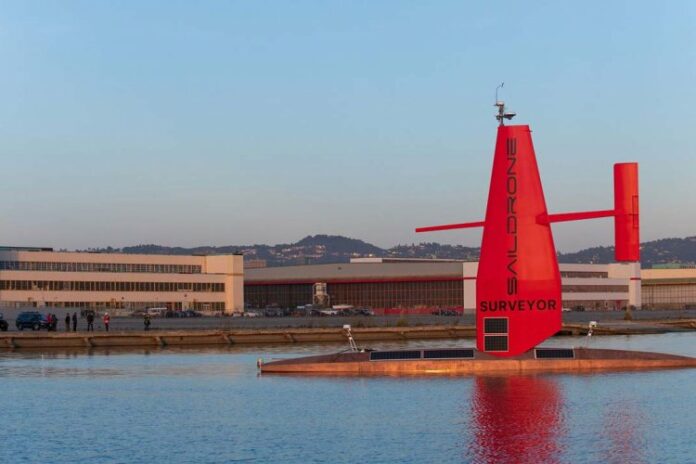
The Surveyor carries a sophisticated array of acoustic instruments for both shallow and deep-water ocean mapping; the Kongsberg EM 304 multibeam echo sounder is capable of mapping the seafloor down to 7,000 meters below the surface. 

The Surveyor also carries two state-of-the-art Acoustic Doppler Current Profilers (ADCPs), the Teledyne Pinnacle 45 kHz ADCP and the Simrad EC150-3C ADCP, to measure ocean currents and understand what is in the water column. The Surveyor is also equipped with the Simrad EK80 echo sounder for fish stock assessments.

The launch of the Saildrone Surveyor coincides with the start of the United Nations Decade of Ocean Science for Sustainable Development and presents a paradigm shift in enhanced seabed mapping. Ocean mapping is currently done with very large and expensive crewed ships. The Saildrone Surveyor is a scaled-up version of the Saildrone Explorer, the 23-foot wind and solar-powered saildrone, which has been proven in numerous operational missions for science, ocean mapping, and maritime security, covering more than 500,000 nautical miles from the Arctic to the Antarctic.

Like the Explorer, the Saildrone Surveyor is uncrewed and uses renewable solar energy to power its robust sensor suite; the Surveyor delivers an equivalent survey capability, but at a fraction of the cost and carbon footprint of a traditional survey ship and without putting human health and safety at risk.

Richard Jenkins, founder & CEO of Saildrone, said:

“The launch of the Surveyor is a huge step up, not just for Saildrone’s data services but for the capabilities of uncrewed systems in our oceans. For the first time, a scalable solution now exists to map our planet within our lifetime, at an affordable cost.”

Enhanced seabed mapping is vital for the security, safety, and economic health of every country bordering the ocean and critical to the growth of the “Blue Economy,” which, according to the Organization for Economic Cooperation and Development (OECD), is valued at $1.5 trillion a year and creates the equivalent of 31 million full-time jobs. 

With the Surveyor, Saildrone aims to accelerate many of the global mapping initiatives that seek to provide better insights into Earth’s processes: Seabed 2030 is a UN-backed joint initiative between GEBCO and the Nippon Foundation to produce a definitive map of the world ocean by 2030, and the 2019 White House Memorandum on Ocean Mapping calls for a national strategy for mapping, exploring, and characterizing the US exclusive economic zone.

Alan Leonardi, director of the NOAA Office of Ocean Exploration and Research, said:

“NOAA is supporting the development and testing of this new uncrewed system because we are confident it will expand the capability of our existing fleet of ships to help us accelerate in a cost-effective way our mission to map, characterize and explore our nation’s deep ocean territory, monitor valuable fisheries and other marine resources, and provide information to unleash the potential of our nation’s Blue Economy.”

The Saildrone Surveyor was developed in part through a public-private partnership with the University of New Hampshire (UNH) and the Monterey Bay Aquarium Research Institute (MBARI) to integrate and test sensors on the Saildrone Surveyor for mapping the seafloor and revealing life in the water column. While conducting ocean mapping missions, the Surveyor will collect samples of environmental DNA (eDNA) from the water column— DNA originating from the sloughed-off skin, mucus, and excrement of a wide variety of marine animals—which will reveal the genetic composition of organisms inhabiting the water. This PPP was supported by a three-year grant from the National Oceanic and Atmospheric Administration (NOAA) Office of Ocean Exploration and Research (OER) through the National Oceanographic Partnership Program (NOPP).

Saildrone’s fleet of USVs has logged more than 10,000 days at sea in some of the most extreme weather conditions on the planet. In 2020, Saildrone completed its first Arctic mapping mission on behalf of NOAA’s National Ocean Service, and in 2019, Saildrone completed the first autonomous circumnavigation of Antarctica, collecting critical carbon data related to climate science.

i4 Insight partner with FNT to integrate Condition Monitoring service

0

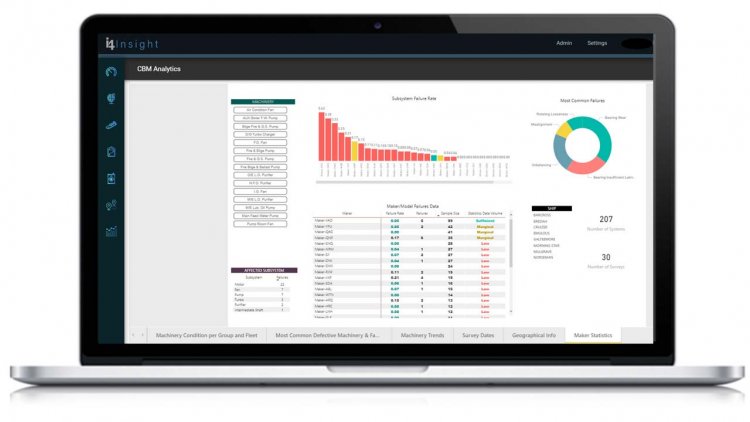
i4 Insight, creators of a platform that provides a single point of access for multiple data streams and applications offering a holistic view of fleet operations, is partnering with FNT at Sea Services to incorporate ‘Condition Monitoring’, a service that uses advanced analytics and sensing data to predict machine reliability and prevent breakdowns, onto the i4 Insight platform.

Together, Condition Monitoring and the i4 Insight platform provide an effective monitoring solution to help maritime companies realise greater operational efficiency and improved fleet performance.  

Condition Monitoring increases the availability and reliability of machinery while managing the risk of unpredictable breakdowns. It applies an extensive combination of advanced technologies to determine equipment condition and potentially predict equipment failure. Maritime organisations that use Condition Monitoring can experience less downtime, greater cost effectiveness of spare parts, and reduced overtime for responding to emergency breakdowns. FNT is a Class approved provider of condition monitoring services in the maritime industry worldwide.   

Xenofon Nikolakopoulos, Managing Director of FNT at Sea Services said:

“We believe that Condition Monitoring is the key element for any maintenance strategy in the future. Condition Monitoring provides the tools for more cost effective and efficient asset management. Working with i4 Insight and Lloyd’s Register is a great opportunity to share our ideas and solutions with the maritime industry to move forward toward a more efficient digital future.” 

Joel Meltzner, Chief Executive Officer of i4 Insight, a Lloyd’s Register company, said:

“Partnership is an integral component of our success, and that is why we created the ‘i4 Alliance’, which comprises leading maritime industry partners across the globe.  We are excited to partner with FNT and offer Condition Monitoring as part of the i4 platform,” continued Meltzner. “The ability to help maritime organisations better predict vessel reliability and prevent breakdowns is one more step toward our mission of ensuring a more sustainable shipping industry. Our goal is to provide an integrated set of products and services that help companies drive increased efficiency into their operations.” 

Carisbrooke, SMT and Nautilus Labs collaborate to optimize fleet performance

0

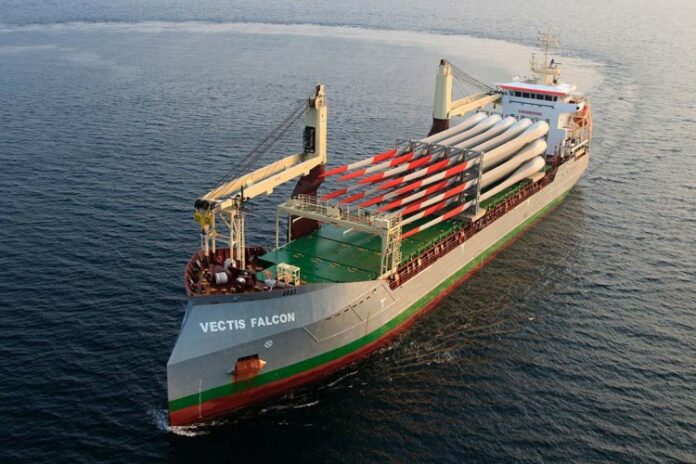
Both Carisbrooke, based in Cowes UK, and SMT, based in Limassol, Cyprus, are dry cargo and multi-purpose vessel owner/operators.

Carisbrooke and Nautilus originally launched their partnership in October 2019 and have since expanded their partnership over half of their fleet. Carisbrooke’s joint venture partner, SMT Shipping, entered its own partnership with Nautilus Labs in November 2020 to leverage voyage optimization on the vessels jointly managed with Carisbrooke with plans to expand to the rest of their fleet. 

The software application unifies the companies’ various data sets and systems to give a detailed analysis of fleet performance in real-time and to enhance transparency and collaboration across all stakeholders. Carisbrooke and SMT Shipping team members use Nautilus Platform to optimize voyage profits and reduce emissions by receiving operating recommendations and actionable insights. Nautilus Platform creates vessel-specific predictive performance profiles powered by sophisticated machine learning models.

On working with Nautilus, Helen Tveitan de Jong, CEO at Carisbrooke Shipping, says:

“Reducing carbon emissions and ensuring optimal fleet performance is core to our current strategy. We chose Nautilus Platform so that the Carisbrooke and SMT team members can work off the same information, driving collaboration, transparency, and accountability. By launching our Fleet Operations Center, our teams at Carisbrooke will use Nautilus Platform as the centerpiece to access vessel performance in real time, ensuring optimal operation of our fleet. We’re excited to embark on this innovative initiative with Nautilus that maximizes our fleet’s efficiency, reduces our carbon footprint, and improves our relationship with our partners at SMT.”

Mark Voorham, CEO at SMT Shipping, agrees, adding:

”In addition to its cost savings potential, SMT Shipping’s adoption of Nautilus Platform is an important step in our ongoing digitalization and sustainability efforts. Nautilus Platform will empower SMT Shipping’s relationship with Carisbrooke by enabling communication and greater transparency among our partnering Commercial, Operations, and Technical Management teams – leading to better, data-based decision making. Using data to analyze our carbon footprint will also lead to a sophisticated and effective approach to emissions management, which is a fundamental component of our sustainability plan.”

Matt Heider, CEO at Nautilus Labs, says:

“We’re excited to deepen our partnership with Carisbrooke and welcome SMT to Nautilus Platform. By partnering closely with both companies, team members will be able to take actions leveraging performance models in real time to improve TCE. We’re proud to support our clients on their path to operational excellence, all while reducing greenhouse gas emissions and improving sustainability.”

RTC Douala opts for Navis 360 Managed Services to better Manage N4 TOS

0

Navis, a part of Cargotec Corporation, has announced that Régie du Terminal à Conteneurs (RTC) Douala went live with Navis 360 Managed Services in the cloud to help make the most out of its N4 investment.

The terminal added 360 Managed Services to enhance its terminal operations, optimize operations and management on N4, and remain competitive in the industry.

RTC, formally Douala Container Terminal, within the main port in Cameroon, is located on the estuary of the Wouri River and accounts for the majority of Cameroonian port traffic. Operating at 380,000 TEU annually, RTC is one of the best-equipped ports in Central Africa and upgraded to Navis N4 TOS earlier this year to enhance its offerings with a more modern system. In six weeks, the terminal was running on N4 and opted to add Navis 360 Managed Services in the cloud to better manage the TOS and get the most impact and ROI, without the additional IT investment to manage the system.

Patrick Guy Abodioh, Deputy CIO of PAD, the owner of RTC, said:

“Given the tight timeline of this project, when we met with the Navis team we knew we would need the Navis TOS available in the cloud along with the Testing, Training and Production features that Navis Managed Services offered to get the most out of our N4 TOS. We have optimized our operations and service by using 360 Managed Services in the cloud and look forward to the additional benefits and savings that we will unlock from using the system in the coming years.”

Jacques Marchetti, General Manager of EMEA at Navis, said:

“Navis 360 Managed Services helps our customers navigate the technical aspects of the TOS so they can focus on the daily operations and providing the best services to their customers. We look forward to helping RTC perform at its best by ensuring the TOS is running at its peak, allowing them to remain competitive and reach their business goals.”

KVH Partners with Kilo Marine for KVH Watch Maritime IoT Solution

0

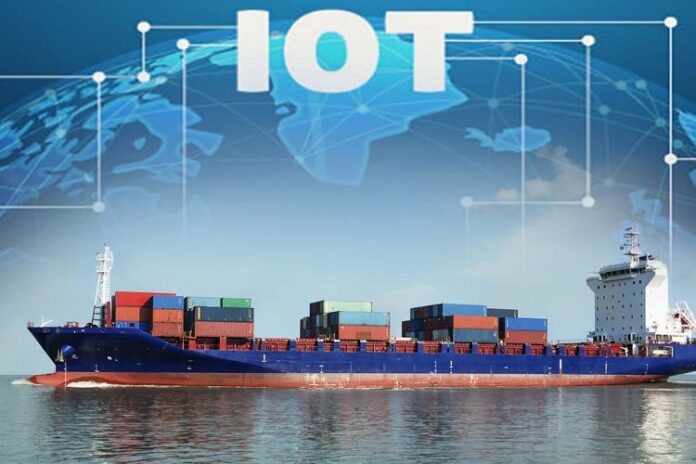
KVH Industries, Inc., has announced that marine technical services leader Kilo Marine has joined the KVH Watch® Solution Partner program and will offer KVH Watch connectivity as part of a wide range of marine services.

In particular, the digital services that Kilo Marine offers via its V-Node platform will use KVH Watch to provide dedicated connectivity and on-demand Remote Expert Intervention, allowing highly skilled Kilo Marine technicians to support their customer base anywhere around the world. Kilo Marine’s V-Node is a powerful IoT data acquisition tool offering intelligent data processing/sampling at source and compatibility with a wide range of electrical data formats.

Warren Haills, managing director of Kilo Marine, says:

“The unique combination of V-Node and KVH Watch will deliver an affordable and managed IoT infrastructure for shipowners and managers with the added benefit of real-time analytics and direct on-demand video interventions for troubleshooting, vetting, audits, and more.”

Sven Brooks, senior director of IoT business development for KVH, says:

“The ability to do field service remotely is becoming more and more important every day and we are pleased that the experts at Kilo Marine have chosen KVH Watch as one of their solutions for dedicated connectivity to enable remote monitoring, service, and intervention.”

Remote support at sea is particularly relevant during the COVID-19 pandemic and for the future of the digital ship as maritime operators seek increased operating efficiencies by adopting a range of digital processes. However, many multicard maritime service providers today must rely on in-port service calls due to lack of connectivity while the vessel is at sea. Dedicated satellite connectivity enables multicard service providers to perform real-time remote support and video interventions while the vessel is at sea.

KVH Watch is an IoT Connectivity as a Service solution that provides Flow, secure 24/7/365 machine-to-cloud satellite connectivity for remote monitoring of onboard equipment plus the ability to perform on-demand Remote Expert Interventions using video, voice, or text via KVH’s global HTS network. KVH Watch is designed for maritime equipment manufacturers, multicard service providers, and shipyards seeking affordable monthly subscription-based connectivity that L-band and cellular services cannot deliver at deep sea.

Tersan Shipyard launches a fully electric RoRo ferry

0

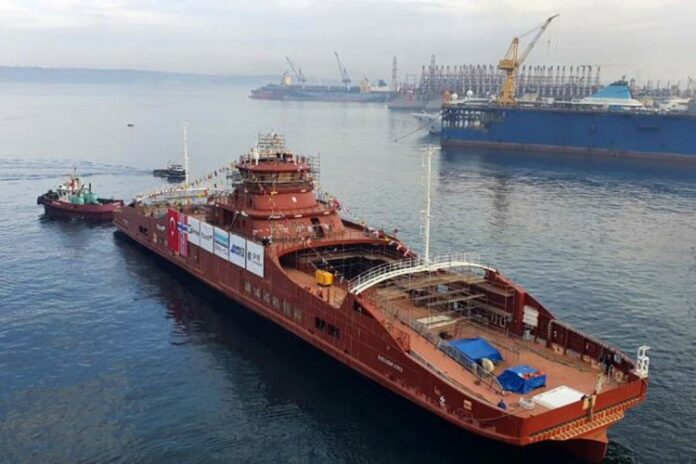
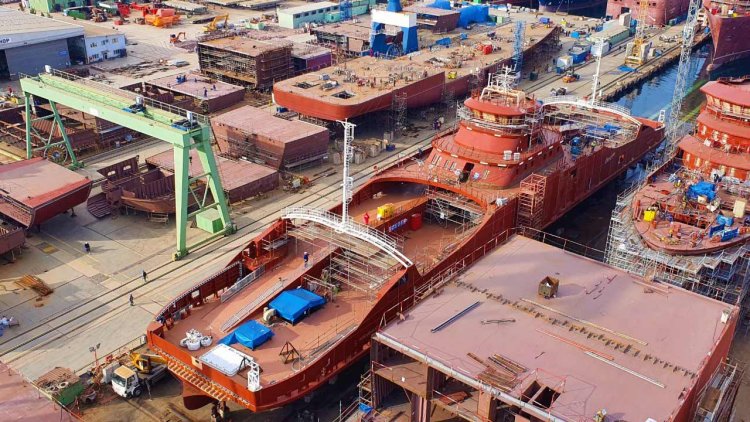
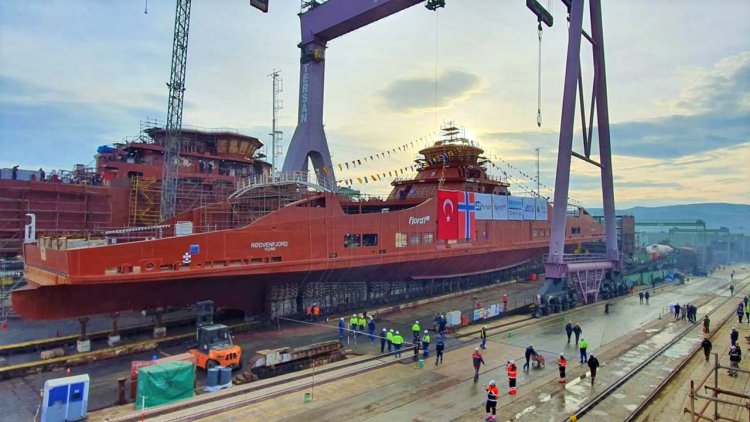
Fjord1 NB1097 (Rodvenfjord) is a fully electric RoRo ferry which is under construction in Turkey’s Tersan Shipyard & was successfully launched on January 8.

104.7M long and 17.7M beam vessel is DNV-GL classed. Designed by Multi Maritime, the vessel has a capacity of 299 Passengers and 120 Cars. 

Keel of the vessel was laid on 26 June 2020 and is scheduled to deliver in August 2021. Upon completion, the vessel is intended for use at Sølsnes – Åfarnes in Western Norway. 

The ferry is designed to operate as fully electric on batteries, but hybrid generators have been installed on board as a back-up.

OSM is currently supervising the whole construction progress of the vessel with a total of five site team members.

Ocean Technologies Group introduces new maritime learning platform

0

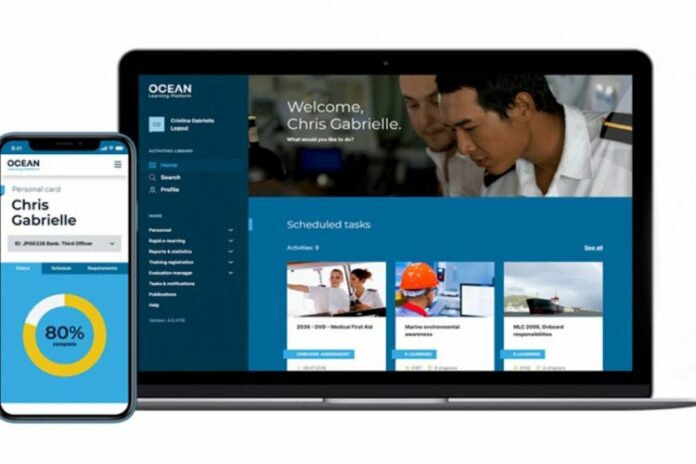
Ocean Technologies Group has made significant investments in its software and content offerings including a ground-up re-engineering of its UX (user experience) design to deliver a transformed learning experience on this new platform, carefully devised to engage and motivate the learner.

The Ocean Learning Platform is an enterprise level maritime learning management system designed to unite shore based and onboard training initiatives, online and across mobile devices. It delivers blended learning, assessment and competency management solutions that completely connect e-Learning and hands-on activity to improve knowledge, skills and behavioural development.

At its core is a new Ocean Learning Library bringing together materials from across the brands, with every ship type and trade catered for. Customers will now have access to the most comprehensive, diverse and media-rich blended-learning library available to the maritime sector today.

Upgraded software-enabled features and the introduction of micro-learning and gamified content will further enhance crew engagement encouraging the adoption of personalised and immersive learning sessions.

OTG’s diverse customer base of over 1,400 reputable ship owners, managers, training institutions, administrations and other stakeholders will also be able to combine information and content specific training for their companies and fleets, to complement the Ocean Learning Library. This is now further-enabled through an integrated rapid authoring tool, which allows companies to quickly create customised and trackable e-Learning content on subject areas of critical importance to the company.

Similarly, a pulse survey tool is now available as part of the Ocean Learning Platform, allowing ship managers and crew managers to actively engage with their seafarers on a range of interactive applications like employee experience, safety& operational matters and in-house campaigns. Survey data is then returned from the vessel and online sources providing insight and facilitating data-driven decision making.

This furthering of possibilities for data insight is also the theme of a new and improved performance appraisal tool added to improve the quality, efficiency, transparency and security of ongoing proficiency and career development.

Commenting on the launch Caspar Atkinson, Chief Product Officer at Ocean Technologies Group, said:

“The new Ocean Platform offers a compelling, engaging and comprehensive learning experience for the seafarer. It’s also the foundation for an exciting year of product innovation which we have planned.”

Manish Singh, Ocean Technology Group’s CEO, said:

“This combination of our sister companies is adding significant added value to our shared customer base. In addition to our transformed Ocean Learning Platform, we are working with partner customers by offering our Tero Marine fleet management software and document management system in our suite of services.”

Porthos: Biggest Dutch project for CO2 reduction in Rotterdam is on schedule

0

By the end of last year, four companies registered for a total of €2 billion from the SDE++ scheme for the next 15 years. The final sum may be considerably lower, especially due to the rising price of emission rights (ETS) in the next 15 years. Capture and storage of CO2 (Carbon Capture and Storage, CCS) is one of the cheapest ways to meet the climate targets in the short term.

Between 2008 and 2019, a total of approximately €4.5 billion in SDE funds was paid to many projects in the Netherlands. Because of these projects about 42 million tonnes of CO2 less has ended up in the atmosphere1. With even less than half the sum, the Porthos project will realise an almost equally big reduction: some 37 million tonnes of CO2 in a 15-year period. It is clear that CCS is the best way forward to make huge progress fast and relatively cheaply in meeting the climate targets.

It is set out in the Dutch Climate Agreement that half of the industry’s CO2 reduction in 2030 will be achieved by CSS. As to the other half, the industry concentrates on efficiency, electrification, solar and wind farms, and green hydrogen. For many industry processes, however, there are not enough ways to reduce CO2 emissions drastically in the short term.

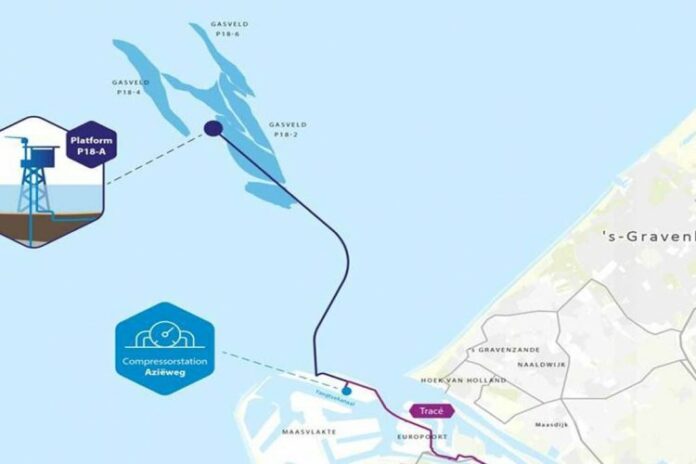
It is expected that the subsidy will be granted to the four companies (Air Liquide, Air Products, ExxonMobil, and Shell) next spring. According to expectations, the permit procedures will be completed by late 2021. The companies will use 2021 especially to prepare for the construction of the capture plants. This year, the Porthos project organisation (EBN, Gasunie, Port of Rotterdam Authority) will be working on the technical preparations of laying pipes on land and on the sea bed, building the compressor station, and adjusting the platform at sea. The final investment decision for Porthos has been planned for 2022, after which the realisation can proceed.

Major developments last year included submission of the Environmental Impact Assessment (EIA) and several permit applications, making arrangements between Porthos and the four companies that want to use the Porthos system, and the EU promise to contribute €102 million to the project.

The Quebec Government grants $55 million to the Contrecoeur container terminal project

0

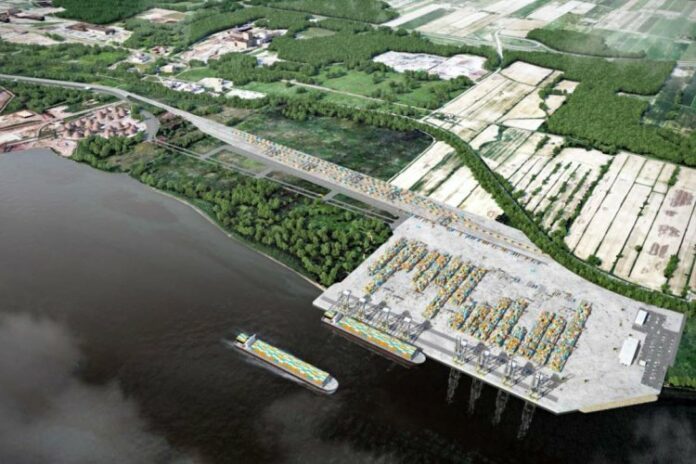
The Government of Quebec has announced $55 million in financial assistanceto the Montreal Port Authority (MPA) towards its expansion project in Contrecoeur.

MPA President and CEO Martin Imbleau said:

“The Government of Quebec’s backing is an important signal for the MPA and reflects a shared commitment to provide local businesses with a highly efficient supply chain. This funding will enable us to undertake thework necessary to develop the new container terminal in Contrecœur and to participate fully in the economic recovery.”

The announcement was made by Minister for Transport and Minister Responsible for the Metropolis and the Montreal Region Chantal Rouleau and Minister of Transport and Minister Responsible for the Estrie RegionFrançois Bonnardel, flanked by MNA for Nicolet-Bécancour and Parliamentary Assistant to the Premier (St. Lawrence Project and innovation zones)Donald Martel, MNA for VerchèresSuzanne Dansereau andMayor of ContrecoeurMaud Allaire.

Minister Rouleau said:

“I am very proud to announce the confirmation of the Quebec government’s financial participation in the Contrecœur project, an important step in the development of port activities in the metropolitan region. The Contrecœur Terminal will increase the competitiveness of our St. Lawrence River thanks to modern port infrastructures. This project is in synergy with our vision of developing the St. Lawrence River into an efficient economic corridor.”

Minister Bonnardel added:

“With the pandemic, Quebecers have become aware of the importance of shipping for our supply of essential goods.”

While this support remains conditional on obtaining the required authorizations, this fundingwill  be used to carry outthe start-up phase of the development project for the new Contrecoeur container terminal, making it possible to undertake site preparation and earthworks, among other things, and tobuild a visual and sound barrier.

The Port of Montreal’s expansion in Contrecoeur will lead to the creation of 5,000 jobs during construction and 1,000 jobs during its operation. The project will make it possible to increase container handling capacity while building on the ecosystem of 6,300 transportation and logistics businesses as well as the existing critical mass in Greater Montreal to effectively meet demand and, in turn, further the growth that began more than 50 years ago.