-10 C
New York
Home Blog Page 701

ABS-classed Suezmax is world’s first ammonia ready vessel

0

An ABS-classed Suezmax tanker ordered by Avin International LTD, the first vessel of a potential order of three vessels, is to be the first ammonia-fuel ready vessel in the world.

The landmark 274-meter-long vessel, hull number 0315852, is now under construction at New Times Shipbuilding Co., Ltd (NTS), with options for two further vessels. Currently conventionally fueled, the vessel complies with the ABS Ammonia Ready Level 1 requirements, indicating it is designed to be converted to run on ammonia in the future. All the ships in the project will also meet ABS LNG Fuel Ready Level 1 requirements.

Patrick Ryan, ABS Senior Vice President, Global Engineering and Technology, said:

“It is a challenging time for shipowners looking to invest in modern vessels able to support fleet decarbonization objectives throughout their life span. ABS’ alternative fuel ready suite of guidance and qualification programs is designed to give owners the flexibility they need and help prepare for a future in which alternative fuels such as ammonia take a bigger role. Ammonia is a promising zero-carbon fuel that can help meet the IMO’s GHG reduction target for 2050. It offers shipowners and operators a zero-carbon tank-to-wake emissions profile but is not without challenges, not the least of which is the greater prescriptive requirements for containment and equipment than most of the other alternative fuels under consideration. ABS is leading the way in supporting the industry in development and application of ammonia as a marine fuel.”

Mr. Michael Androulakakis, Technical Manager of Avin International LTD, said:

“The shipowners, seeking early decarbonization of their fleet, which LNG fuel operations alone are not enough to fully achieve, have additionally invested in making the vessels ready for ammonia fuel. This currently appears to be one of the most widely available and most promising carbon neutral fuels for the future.”

Mr. Chen Yajun, Sales Manager of NTS, said:

“Ammonia ready is the selling point of our new generation of Suezmax series. In the future, more and more shipowners will request clean energy, and ammonia is undoubtedly the best choice.”

Ammonia Fuel Ready Level 1 indicates the vessel conforms to the requirements outlined in the ABS Guide for Gas and Other Low-Flashpoint Fuel Ready Vessels. This is part of a suite of industry guidance on alternative fuels developed by ABS, including support for the development of ammonia as a marine fuel. In October 2020, ABS published its Sustainability Whitepaper: Ammonia as Marine Fuel evaluating the challenges in design and operation of ammonia-fueled vessels. The whitepaper built on the research in the industry-leading outlook Setting the Course to Low Carbon Shipping: Pathways to Sustainable Shipping, which analyzed decarbonization pathways for the industry.
Posidonia marine seagrass can catch and remove plastics from the sea

0

Posidonia oceanica seagrass –an endemic marine phanerogam with an important ecological role in the marine environment- can take and remove plastic materials that have been left at the sea, according to a study published in the journal Scientific Reports. 

The study describes for the first time the outstanding role of the Posidonia as a filter and trap for plastics in the coastal areas, and it is pioneer in the description of a natural mechanism to take and remove these materials from the sea. 

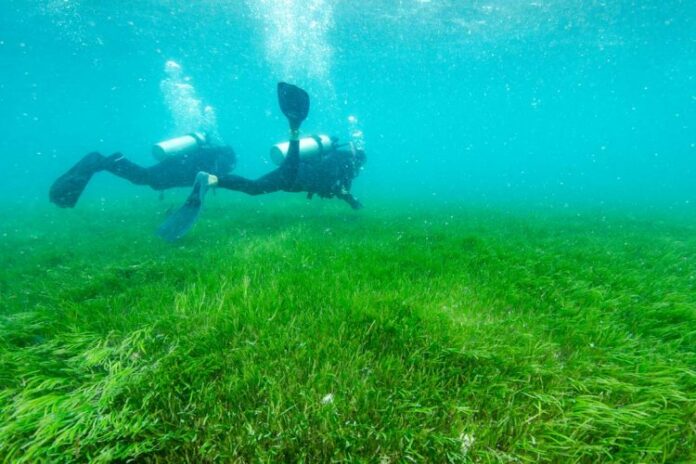
The Posidonia oceanica makes dense prairies that make a habitat with a great ecological value (nutrition, shelter, reproduction, etc.) for marine biodiversity. As part of the study, the team analysed the trapping and extraction of plastic in great seagrasses of the Posidonia in the coasts of Majorca. 

Anna Sànchez-Vidal, member of the Department of Ocean and Earth Dynamics of the UB, notes:

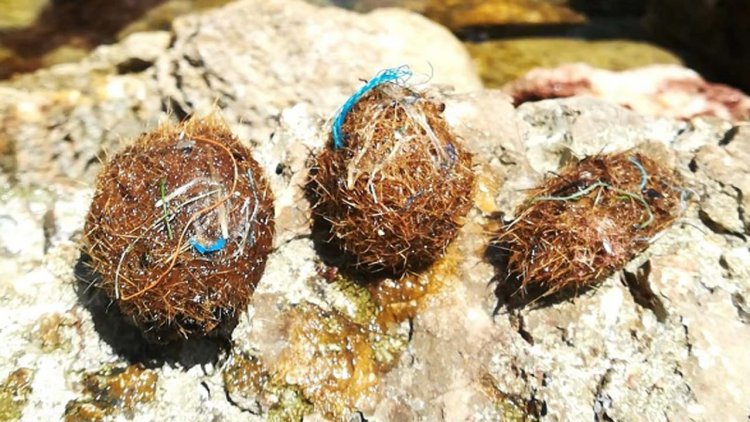
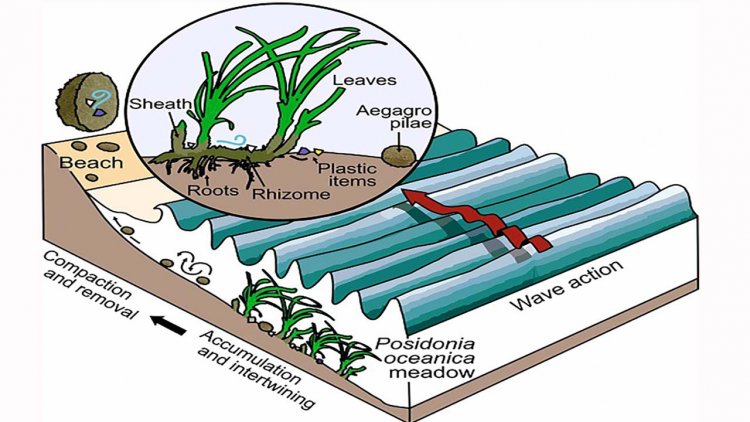
“Everything suggests that plastics are trapped in the Posidonia seagrass. In the grasslands, the plastics are incorporated to agglomerates of natural fiber with a ball shape –aegagropila or Posidonia Neptune balls- which are expulsed from the marine environment during storms.”

“According to the analyses, the trapped microplastics in the prairies of the Posidonia oceanica are mainly filaments, fibers and fragments of polymers which are denser than the sea water such as polyethylene terephthalate (PET).”

Posidonia aegagropilae are expelled from the prairies during periods of strong waves and a part ends up piled in the beaches. Although there are no studies that quantify the amount of aegagropilae expelled from the marine environment, it is estimated that about 1,470 plastics are taken per kilogram of plant fibre, amounts which are significantly higher than those captured through leaves or sand. As researcher Anna Sànchez-Vidal says:

“We cannot completely know the magnitude of this plastic export to the land. However, first estimations reveal that Posidonia balls could catch up to 867 million plastics per year”.

The polluting footprint of plastics that come from human activity is a serious environmental problem affecting coastal and ocean ecosystems worldwide. Since plastics were created massively in the 20th century fifties, these materials have been left and accumulated at the sea –seafloors act as a sink for microplastics— and are transported by ocean currents, wind and waves.

The new ecosystemic service of the Posidonia described in the article has a significant value in a marine area such as the Mediterranean –with high quantities of floating plastic and in the seafloors— and with Posidonia seagrass that can occupy large areas up to forty meters deep.

The experts conclude:

“This is why we need to protect and preserve these vulnerable ecosystems. However, the best environmental protection strategy to keep oceans free of plastic is to reduce landfills, an action that requires to limit its use by the population.”

The article’s first author is the tenure-track 2 lecturer Anna Sànchez-Vidal, from the Research Group on Marine Geosciences of the Faculty of Earth Sciences of the UB. Other authors of the study are the experts Miquel Canals, William P. de Haan and Marta Veny, from the Research Group on Marine Geosciences of the UB, and Javier Romero, from the Faculty of Biology and the Biodiversity Research Institute (IRBio) of the UB.

Neptune Energy awarded six licences in Norway

0

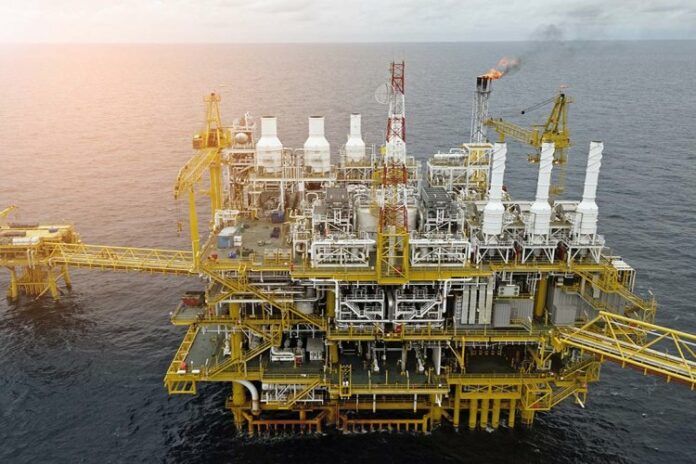
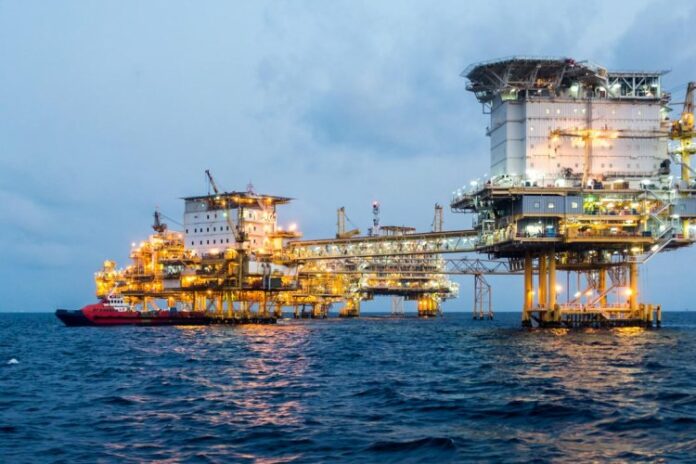
Neptune Energy has been awarded four licences in the Norwegian North Sea and two licences in the Norwegian Sea. All the licences are located close to existing infrastructure in areas where Neptune already has a presence, and according to its exploration strategy to focus on key opportunities within existing core areas. 

In three of the licences Neptune has been awarded operatorship.

Neptune Energy’s Managing Director in Norway, Odin Estensen,  said: “We are very pleased with the APA 2020 awards. Through this licensing round, Neptune Energy continues to build a sustainable exploration portfolio in our core areas. The awards strengthen Neptune Energy`s growing position in Norway and emphasise the importance of the Norwegian Continental Shelf within our global portfolio.”

The awarded licences are: 
 
Norwegian North Sea (4):
•    PL1096 (20% and Partner) 
•    PL1105S (50% and Operator) 
•    PL1107 (40% and Operator) 
•    PL1110 (30% and Partner 

Norwegian Sea (2): 
•    PL1112 (20% and Partner) 
•    PL1113 (40% and Operator) 

Neptune Energy’s Director of Subsurface in Norway, Steinar Meland, added:

“This year’s APA success shows that area knowledge, technology and organisational excellence deliver value to Neptune, particularly in this challenging period for our industry. We are very pleased with the six awards in all our three core areas. It’s especially exciting to have been awarded licence PL1107 close to Dugong, where we made one of last year’s largest discoveries and where we within a few weeks’ time will drill an additional appraisal well.” 

The Awards in Predefined Areas (APA) licensing round is held once a year in mature areas on the Norwegian Continental Shelf.

Port of Amsterdam welcomes new container service to Ireland

0

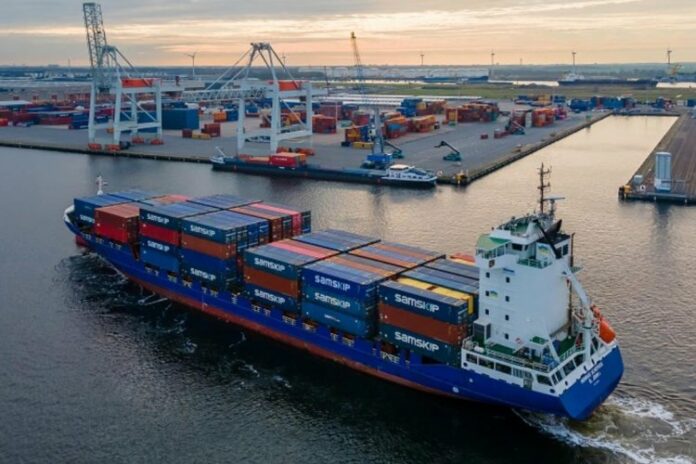
The service will start on fixed days, departing from Amsterdam on Monday and arriving in Dublin on Wednesday and returning to Amsterdam in the weekend. 

This expansion of the Samskip network is the latest in a series of its recent new connections via Amsterdam, including a direct rail service between Amsterdam – Duisburg and the addition of the Scottish port of Grangemouth to the UK connections this past summer/fall. It is another testament to the competitive position of the port of Amsterdam in the short sea and intermodal markets.

The service is launched at a time wherein direct connections between Ireland and the EU markets are of vital importance, as UK-routed cargo can run into Brexit related challenges. According to Thijs Goumans, Head of Ireland Trade Samskip, the service launch comes at a time when importers and exporters in Ireland-mainland Europe trades continue to weigh up options as the consequences of Brexit for supply chain management became clear. 

Dependent on demand, Samskip will consider calls to connect other ports in Ireland to Amsterdam direct. Goumans said:

“The Ireland-North Continent freight market is in a dynamic phase, and fixed day container services to/from Amsterdam provide the certainty on which supply chain managers serving the Dutch and German markets can base business growth.”

Michael van Toledo, General Manager TMA Amsterdam, also applauds the latest development:

‘This new service could have been custom-made for our ambitions to grow as a hub for shortsea container business in Amsterdam.’ It is the next step in our relationship with Samskip, targeting shippers’ greater appetite for direct container services between Ireland and the North Continent, post-Brexit, with TMA’s cross-docking services also winning over trailer operators in markets further south.’ 

Richard Archer, Regional Director Samskip Multimodal, confirms the attractiveness of the port:

‘Amsterdam is a high performance port connecting straight into the hinterland area and the entire Samskip Ireland team is delighted by this new commitment to pan-European transport.’

For Port of Amsterdam, the container service is another welcome addition to its short sea and intermodal network. Its strategic focus aims at leveraging its geographical position, hinterland connections, competitive advantages and strong commercial players into continued success in the short sea market. 

Koen Overtoom, CEO Port of Amsterdam, said:

“We are very pleased with this expansion of the short sea network of the port of Amsterdam. It underlines the strength of the services TMA Logistics and Samskip offer, as well as the strategic position of our port. Ireland is a key market, and especially in these rapidly changing times a direct connection such as this presents tremendous opportunities. As Port of Amsterdam, we will continue to work with TMA, Samskip and our international partners to make this service a success.”

Altus, Archer bag wireline services deals with Equinor

0

Archer Limited has announced that Equinor has awarded Archer Integrated Services AS, in alliance with Welltec Oilfield Services (Norway) AS and Schlumberger Norge AS, a five-year contract for the provision of integrated wireline services in the North Sea.

The services offered under the contract include cased hole mechanical wireline services, tractor and powered mechanical services as well as electric-line logging services. The scope of work will be delivered using leading edge technology, multiskilled crews and industry leading digital solutions in close collaboration with the alliance partners Welltec and Schlumberger, as well as Archer’s Platform Drilling division. Based on the current operational plans, the total estimated turnover from the contract will be approximately NOK 2.5 billion.

Dag Skindlo, CEO of Archer, comments:

“With this award, Archer and its partners have proven the commercial benefit and technical advantage of our strategic alliance.  We believe that the joint capabilities of Archer, Welltec, and Schlumberger are unmatched in the intervention industry.

In addition to our alliance service offering, Archer is in a unique position to offer more cost-efficient operation through our OneArcher operating model. As our Platform Drilling division is currently performing drilling operations on the Gullfaks and Statfjord platforms, we can further integrate and collaborate to offer a more efficient utilization of resources on these assets through cross training, operational synergies, and optimization of personnel.  This model will provide a meaningful cost savings to our client, in addition to supporting our industry’s goals of reducing carbon footprint and lessening of environmental impact.

We look forward to expanding our wireline operations for Equinor, in close cooperation with our alliance partners Welltec and Schlumberger.”

Wärtsilä signs a long-term service agreement with Nanjing Changjiang Waterway Engineering

0

The technology group Wärtsilä has signed a 5-year long-term service agreement with Nanjing Changjiang Waterway Engineering, a leading Chinese dredging company. 

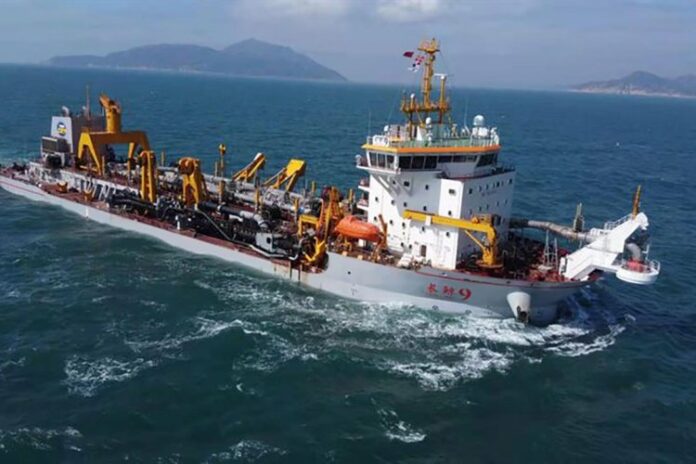
The agreement, signed in December 2020, covers the ‘Chang Jing 9’, a 13,800 cubic metre trailing suction dredger and the latest addition to the company’s fleet.

The ‘Chang Jing 9’ is a relatively new vessel having been delivered at the end of 2019. It is powered by two Wärtsilä 46F engines. The Optimised Maintenance agreement includes application of Wärtsilä’s Expert Insight predictive maintenance product, which facilitates optimal operation of the engines. Expert Insight is an innovative breakthrough that leverages artificial intelligence (AI) and advanced diagnostics to monitor equipment and systems in real-time. Together with Wärtsilä’s Dynamic Maintenance Planning, the service prevents unplanned maintenance costs and allows a flexible maintenance schedule that aligns with the vessel’s operational plans.

According to a Nanjing Changjiang Waterway Engineering spokesperson:

“Wärtsilä’s digital maintenance solution and their expert knowledge of engine technology will give real value by increasing the engines’ availability, thereby improving our dredgers’ operations. We have several vessels with Wärtsilä engines, so we know and trust their services and are pleased to extend our relationship with this long-term service agreement.”

Henrik Wilhelms, Director, Performance Services Sales, Wärtsilä Marine Power, says:

“Lifecycle customer support is a central pillar of our strategy, and our Optimised Maintenance agreement with Expert Insight is designed to minimise off-hire risk while ensuring accurate and cost-effective predictive maintenance assistance. Support is delivered via Wärtsilä Expertise Centres to greatly enhance the safety, availability, and efficiency of the installation.”

Wärtsilä will deliver the Asset Diagnostics mobilisation service in early 2021.

Global Drone Inspection launches ROV in water asset assessments

0

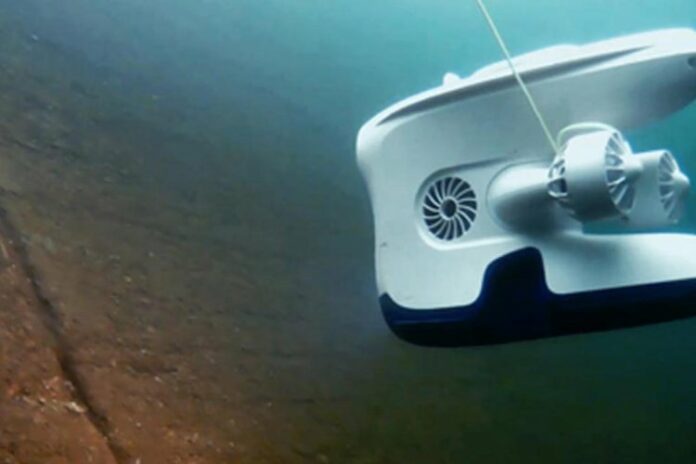
Global Drone Inspection (GDI), the new subsidiary company of robotic inspection specialists RIMS BV, have introduced the use of ROVs (Remotely Operated Vehicles) for the inspection of in water ship assets.

Building on the experience gained by sister company, RIMS BV, who are now an established, class approved supplier of UAV inspections in the maritime industry, GDI can now offer customers fast, flexible and safe inspections of stern tube seals, bow thrusters, hull land markings, as well as in use tanks, which are often unable to be emptied for inspections.  

The condition of the coatings, anti-fouling, deformations, damages, leaking seals, rudders and propellors require regular inspections, so there is a real need for fast, real-time, safe, and cost-effective inspections of floating assets and internals of tanks. GDI can now offer this service, operating the ROVs safely following the same procedures used currently for RIMS UAV inspections.

Using leading technology from Blueye Robotics, their small ROV provides high definition video recordings and images to clients.  This high-tech equipment is also able to stream live video, enabling real time decision making with regards to repairs and future maintenance.

David Knukkel, CEO, Global Drone Inspection, said:

“In water inspections present significant challenges and safety concerns, with incidents and accidents occurring during diving, in what have appeared to be straight forward inspections. These challenges are similar to that of confined spaces, so this was the natural next step for us to add this service for our customers through our new venture, GDI.

“Our policy is to only use divers when there is no other alternative and leave the humans safely onboard or ashore, while the ROV is in the water taking the risks. With our extensive experience in the flight/ sail of that  beyond the visual line of sight, as most of our drones are in tanks/cargo holds, our knowledge and experience in the maritime world, means we are familiar with the ship construction underwater, and know what to expect. Our experience teamed with the use of ROVs allow us to offer our customers with the assurance that these inspections can be executed in a safe and cost-efficient way.”

Austal launches VOLTA series of electric-powered high speed ferries

0

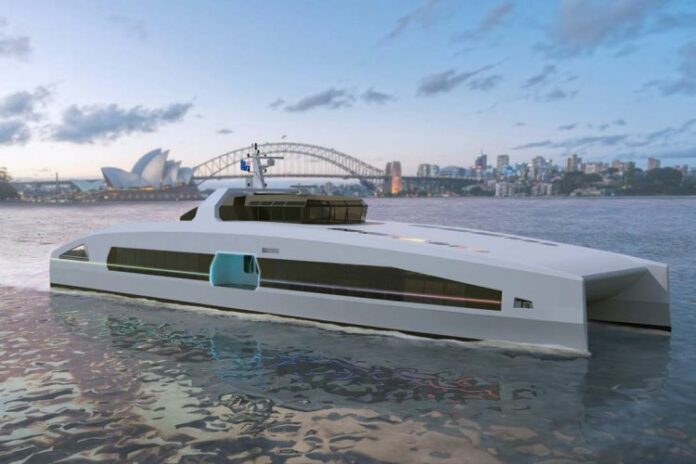
Austal Australia has launched the VOLTA series of electric-powered high speed ferry solutions, with the introduction of the Passenger Express 46V, a fully electric-powered 46 metre catamaran ferry design.

Austal’s new VOLTA series is distinct from existing, electric-powered vessels in the marketplace by going beyond the replacement of diesel engines with an electric (battery) power plant, to offer a completely integrated design, construction and support solution – including on-shore charging infrastructure and in-service support programs for operators.

VOLTA series vessels combine all new, light-weight, low-resistance hull forms, specifically designed, tested and optimised for electric-power propulsion, with state-of-the-art lithium ion batteries. Austal provides operators with a fully customised design and ‘turnkey’ solution, taking into account passenger numbers, vessel schedules and charging infrastructure.

Austal Chief Executive Officer Paddy Gregg said the new VOLTA series of high speed ferries represent the future of commercial maritime transport, offering operators a cost-effective electric-powered vessel; capable of zero emissions, lower operating costs, a quieter and more comfortable ride, and outstanding reliability.

Mr Gregg said:

“For any high speed vessel and even more so for electric-powered ferries, optimising vessel weight and performance is essential – driving not just operating costs, but the size and upfront purchase cost of the batteries and the charging system.

“With Austal’s unique VOLTA series of custom designed and built vessels, customers may achieve a lower total cost of ownership without compromising on performance or capability. Operators can reliably and profitably sail on schedule all day, every day.”

“Austal’s VOLTA series also future-proofs an operators’ fleet by introducing environmentally friendly, ‘green’ technology that already meets widely anticipated, low or zero-emission targets for public transport vehicles and operators, worldwide.”

Austal drew upon the company’s own vast experience and expertise in innovative, high-speed craft design, construction and support – and collaborated with industry leading electric technology partners from around the world – to develop the VOLTA series of electric-powered ferries over the past two years.

The first of class, 46 metre ‘Passenger Express 46V’ is a high speed passenger ferry, designed to provide an environmentally friendly, economical vessel ideal for metropolitan, inland waterway commuter ferry services. Boasting a capacity of up to 450 passengers, a maximum speed of 25 knots and fast charging capability, with a range of over 175 nautical miles per day, the Passenger Express 46V highlights the real advantages of the VOLTA design technology. 

The vessel’s striking, modern design features a natural, light filled interior enabled by large, panoramic windows and generous skylights, positioned along the entire length of the cabin. Double automatic-sliding external doors provide direct, easy access to the passenger deck for fast passenger turnarounds that match or better the succinct battery-charging times offered by the fully integrated, shore-based battery charging infrastructure.

Austal plans to expand the VOLTA series through the development of additional models for both commercial and defence applications, including autonomous vessels; and continue research and development into emerging propulsion technology, to deliver zero emission marine solutions globally.

Equinor awarded 17 new production licences on the Norwegian continental shelf

0

Equinor has been awarded 17 new production licences by Norway’s Ministry of Petroleum and Energy in the 2020 Award in Predefined Areas (APA) – 10 licences as operator and 7 licences as partner.

Nick Ashton, Equinor’s senior vice president for exploration Norway, says:

“We are pleased about the awards that will be an important supplement to our exploration portfolio and form the basis for future discoveries to be realized in line with Equinor’s climate roadmap.”

The MPE announced today that Equinor has been awarded 8 production licences in the North Sea and 9 licences in the Norwegian Sea.

The annual APA rounds are a central part of the NCS success story. Since the authorities introduced the APA rounds at the beginning of the 21st century, several discoveries have been made in mature areas with geology we know and already developed infrastructure.

Due to their location, these resources can often be realised with high profitability and create considerable value for society, and they can be produced with a low carbon footprint per barrel.

At the same time, new digital tools trigger more ideas and many new opportunities. Several of Equinor’s exploration wells in the past years are a direct result of this work.

Ashton says:

“We are living in very exciting times. Digitalization gives us new insight into the underground and an opportunity to find more oil and gas. At the same time, we are facing ever stricter requirements for CO2 emissions throughout the value chain, from discovery to consumption, and we must succeed in both areas. This is not an easy task, but it is highly rewarding to help solve it.”

Fleet management system CFM endorsed by Singapore government

0

Shipping companies based in Singapore can receive state funding of up to 80% of total project costs when choosing the fleet management system Cloud Fleet Manager.

Shipping, the backbone of the world economy, is undergoing a digital transformation. In light of the ongoing pandemic and the challenges that come along with it, the Singapore government has now further accelerated its ongoing activities to take a leading role in maritime’s digital transformation. The government strongly recommends shipping companies to take action to digitalise their processes and will grant funding for companies that choose innovative solutions.

A recent survey from Australian telco Telstra of more than 120 business leaders across four continents, found almost two-thirds of respondents believed Covid-19 had changed their organisations forever. It also showed that technology will be a key driver in their businesses in the future. 93% said they were accelerating the adoption of cloud services, while 97% of respondents in Europe and North Asia saw the cloud as ‘the only option’.

In line with these findings and to manage the current repercussions, the Singapore government has launched various initiatives and grants to help companies grow and transform across industries. These grants support small and medium enterprises (SMEs) to update and innovate their processes and to perform a digital transformation of their businesses. A special focus is on cloud-technology, which enables companies to work remotely and collaborate regardless of location.

Cloud Fleet Manager (CFM) being well recognised by local ship owners, managers and agencies as one of the leading and most efficient cloud-based technical ship management solutions, has now also been endorsed by the Singapore government. Local shipping companies that decide to accelerate their digitalisation by selecting CFM will be eligible to apply for governmental funding up to 80% of total project costs.

As a recent study from members of Maritime Singapore highlights, when companies digitalise their processes, they increase their performance, focus more deeply on innovation, and create more value. Digitalisation must therefore be on the agenda for shipping companies to ‘future-proof’ business. As part of the governmental program, the Maritime and Port Authority (MPA) of Singapore is involved as well, to further strengthen innovation in the maritime industry.

To encourage enterprises to continue their digitalisation and productivity upgrading efforts, the government will support companies financially and the maximum funding support level is currently raised until 30 September 2021.