-7.1 C
New York
Home Blog Page 700

BMT’s latest passenger catamaran ferry is delivered to Kitsap Transit

0

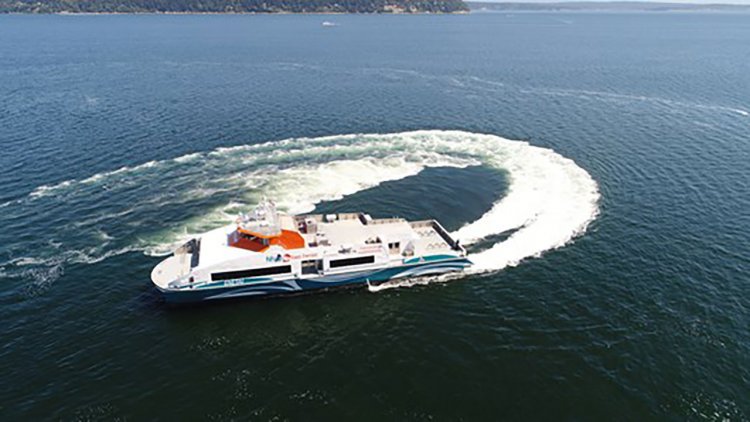
The ENETAI out-performed design requirements during vessel trials, delivering to Kitsap Transit; a lighter, faster, and smoother riding vessel.

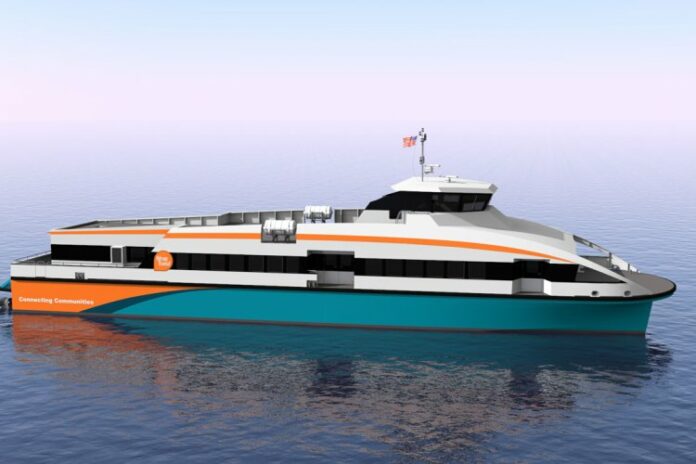
Enetai is the first of two 140ft (42.6 m) high speed catamarans built to a BMT design by Nichols Brothers Boat Builders (NBBB) in Seattle, US. Her sister vessel, Commander, is due to be launched later in 2021.

The vessel has a capacity of 255 passengers on a single deck; accommodating today’s commuter expectation of dedicated bike storage, with space for up to 26 bicycles. Designed with combined bow and side loaders to enable operations at multiple terminals, the vessel will provide a key commuter link between Pier 50 in Seattle, Southworth and Kingston.

Twin MTU 16V4000 M65L engines combined with Kongsberg S71-4 waterjets allow the vessel to reach a top speed of 38 knots and a cruising speed of 35 knots. This makes Enetai one of the fastest vessels designed to meet the new US EPA Tier IV exhaust emissions regulations.

The design also includes an active ride control system ensuring a smooth and comfortable ride at high-speed. The vessel displays nimble maneuverability and superior responsiveness owing to its latest generation of waterjet drives and design emphasis on lightweight construction.

Sylvain Julien, Director of Naval Architecture at BMT, explains:

“This new design incorporates the latest in exhaust after-treatment technologies, leading to a significant reduction in the emissions of NOx and Sox, thus paving the way for more environmentally friendly fast passenger ferries worldwide.”

BMT’s renowned expertise in efficient hull design, combined with NBBB’s proven ability to build high quality aluminium vessels to stringent weight requirements, has resulted in a vessel with low displacement and minimal wake wash, protecting the stunning flora and fauna of the Puget Sound and further enhancing her green credentials through reduced fuel consumption.
Norsepower installs first tiltable Rotor Sails on Sea-Cargo Ro-Ro

0

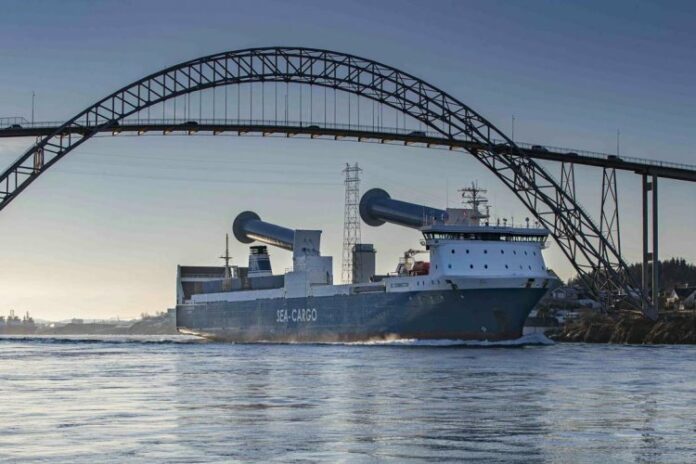
Norsepower Oy Ltd., the leading global provider of auxiliary wind propulsion systems, has successfully installed two 35m tall Rotor Sails for SEA-CARGO, a leading logistics provider in the North Sea market. This installation heralds the world’s first tiltable Rotor Sail, showcasing that vessels that have to negotiate height restricted routes can benefit from this fuel and emissions-saving solution.

According the analysis conducted by Norsepower and SEA-CARGO, the installation – on board the SC Connector, a 12,251 gross tonne (GT) sidedoor Ro-Ro – can achieve a fuel consumption, fuel cost and carbon emissions reduction of up to 25%. In good wind conditions, the sailing vessel will maintain regular service speed by sail alone.

As shipping transitions towards decarbonisation and meeting IMO’s targets of 2030 and 2050, the maritime transport industry is looking for proven solutions to ensure emissions reductions. Harnessing wind is a natural step to reducing emissions and fuel consumption. Norsepower’s Rotor Sail Solution is a modernised version of the Flettner rotor, a spinning cylinder that uses the Magnus effect to harness wind power to thrust a ship.

SC Connector, which sails between Western Norway, Denmark, the Netherlands and, also, Sweden and Poland, transits under multiple bridges and powerlines, requiring adaptation of the Rotor Sails to tilt to almost horizontal when required.

Tuomas Riski, CEO, Norsepower, said:

“Completing the installation has been extremely rewarding, as it reflects how, in taking a collaborative approach with a customer, we can innovate to create solutions that allow Rotor Sails to benefit almost any vessel type or trading route. As we get closer to 2030 IMO targets, we are seeing our technology gaining momentum – with the market seeing the flexibility we can provide to suit different vessel requirements. This installation demonstrates the technology can go a long way to future proofing IMO GHG compliance, while ensuring significant emissions, and fuel reductions to a variety of vessel profiles today.”

Ole Sævild, Managing Director, SEA-CARGO, added:

“We are focussing on utilising available renewable energy and using it for direct propulsion to design more environmentally friendly vessels. The Rotor Sail technology has been proven in the market for a while, but the size is unique for our project. The sails are far more efficient than conventional sails of same size and the tilting function is essential to our voyage routes. Given the estimated emissions savings, we will use our experience of this full scale project, and proceed to develop it further for other vessels in our fleet.”

The Norsepower Rotor Sail Solution is the first third-party verified and commercially operational auxiliary wind propulsion technology for the global maritime industry. The solution is fully automated and detects whenever the wind is strong enough to deliver fuel and emission savings, at which point the Rotor Sails start automatically.

A Danish-German breakthrough for Bornholm as a future energy island

0

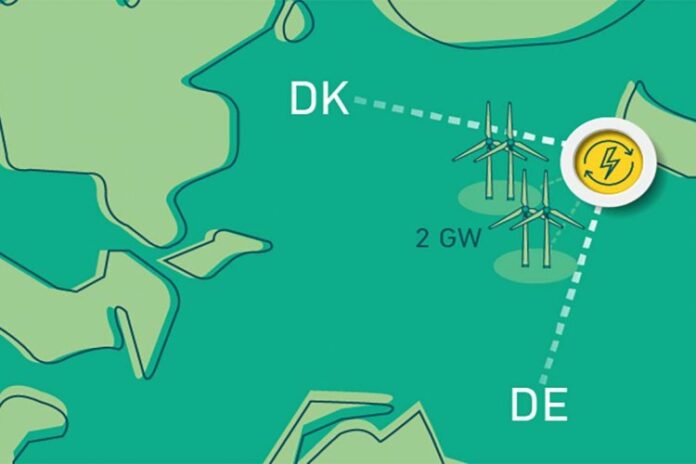
German 50Hertz and Energinet have entered into an agreement to carry out the studies which, before the end of the year, are to identify whether it is possible and advantageous to construct an electric cable connection between the two countries via Bornholm as a future energy island.

The agreement between German 50Hertz and Energinet is the first breakthrough for connecting the two Danish energy islands to other countries. Interconnectors between neighbouring countries are vital to the energy islands being a good idea, both financially and for the green transition.

With the agreement, Bornholm as an energy island is not only based on Danish and international political agreements but has also become a specific and cross-border cooperation on the energy island between TSOs of two countries.

Thomas Egebo, CEO of Energinet, says:

“If we are to succeed in the massive expansion of offshore wind, which is necessary in the coming years to fulfil the Paris climate agreement, it is absolutely vital that a significant change of gear is now taking place. A change of gears from national expansion with individual wind farms to energy islands, which in essence are and only can be transnational projects.

Therefore, I am very happy to put my signature on the agreement with 50Hertz. The agreement is the first specific cooperation agreement between two TSOs related to the construction of a specific energy island that has been politically decided upon in advance.”

On the occasion of signing of the mutual Letter of Intent (LoI), 50Hertz CEO Stefan Kapferer commented:

“For Europe’s energy future, the seas that surround us are of central importance. Together with our reliable partner Energinet, we want to launch a new innovative project for the energy transition and climate protection. With this project, we are not only making technological progress, but must also break new regulatory ground for the transnational use and remuneration of the generated power together with policy-makers and the offshore wind industry.”

A large majority of the Danish Parliament, Folketinget, has made an ambitious agreement on placing two energy islands in Danish waters by 2030. One in the North Sea, which will be an artificial island construction or platforms, and one in the Baltic Sea with Bornholm as a central hub for collecting, converting and forwarding power from offshore wind farms to Denmark and other countries, now perhaps Germany.

Thus, there is less than 10 years before the deadline for construction projects with large and complex electricity transmission systems, island constructions or offshore platforms, interconnectors, and offshore wind farms in GW sizes. Altogether, it will – with distance – become the largest infrastructure project in Danish history.

Thomas Egebo adds:

“No doubt, we will be very busy to achieve everything before 2030. However, it is also necessary that the speed and pace of expansion be markedly increased if we in Europe are to meet our target of 60 GW offshore wind in 2030 and the entire 300 GW in 2050. It is therefore both gratifying and necessary that we already now have made the first specific cooperation agreement on preparations for connecting the future energy island in the Baltic Sea to several countries.”

In November 2020, the Danish Minister for Climate, energy and utilities, Dan Jørgensen, gave Energinet the task to manage the preliminary studies and prepare for international connections to the two energy islands. In December 2020, Denmark, Germany, and the Netherlands joined political declarations on cooperation concerning energy islands and the expansion of offshore wind power in the North Sea and the Baltic Sea.

TFG Marine to start bunkering operations from Falmouth in the United Kingdom

0

TFG Marine Pte Ltd (“TFG Marine”), the global marine fuel supply and procurement company created by Trafigura and shipping firms Frontline and Golden Ocean, will start bunkering operations this month for vessels at the Falmouth Anchorage, off the South West Coast of the United Kingdom.

Trafigura has contracted with Falmouth Petroleum Limited, an affiliate of World Fuel Services, for marine fuel capacity at its Falmouth terminal, which is strategically located at the entrance to Northern Europe’s Sulphur Emission Control Area (SECA).

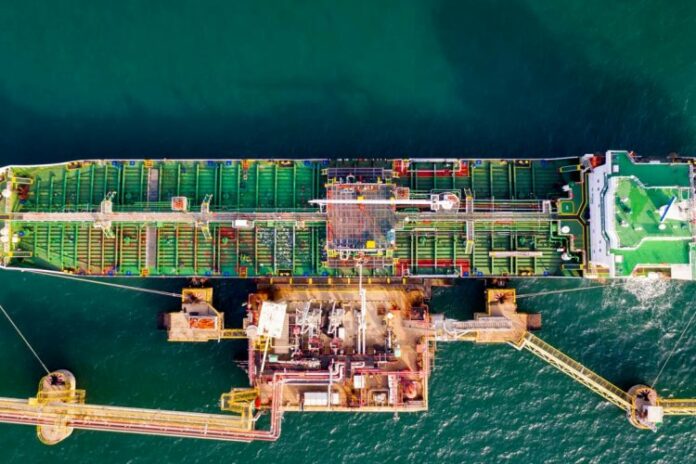
The agreement will allow TFG Marine to access volumes from the terminal of 0.5 percent very low-sulphur fuel oil (VLSFO), 0.1 percent low-sulphur gasoil (LSGO), as well as high-sulphur fuel oil (HSFO) for ships with on-board scrubbers.

TFG Marine will provide bunker operations from this month with two SIRE inspected barges and plans to add further barges to this operation over time.

Kenneth Dam, TFG Marine’s Global Head of Bunkering, said:

“This is an important development for TFG Marine’s growing off-shore marine fuels operation in waters between France and the United Kingdom that provide both fuel oil and gasoil to a wide range of vessels moving along the English Channel.”

TFG Marine is rapidly scaling up its global footprint, which already includes bunkering operations in Asia, the Americas, West and South Africa and Europe.

Windermere Lake Cruises’ oldest vessel given new navigation bridge for 130th birthday year

0

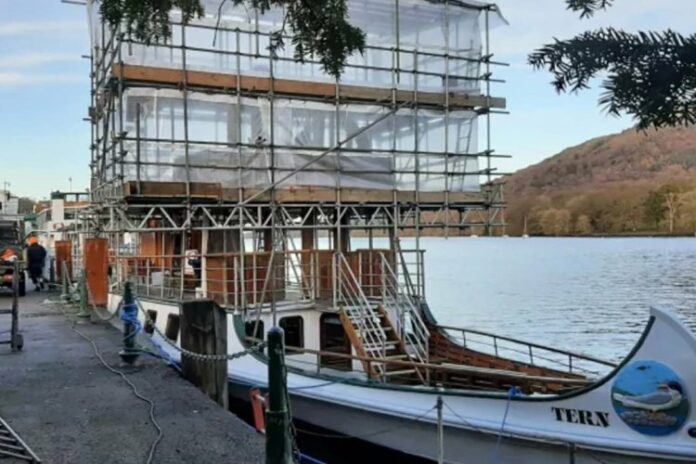
Originally to be named ‘Swallow’, a last-minute change of heart resulted in the vessel being named ‘MV Tern’ and has since become our oldest surviving boat. Launched in 1891 with an originalpassenger capacity of 633, MV Tern still sails today as the flagship of the Windermere fleet.

Tern’s current bridge has been in-place for the last 30 years, having been installed in 1991 when the vessel was substantially re-arranged to celebrate her centenary year. Prior to that, the bridge was positioned halfway along the boat.

Work is now underway on the 120-tonne craft at the Lakeside Pier, with scaffolding erected around Tern’s existing bridge to enable work to begin on stripping out the electrics before replacing the structure in March of this year.

Windermere Lake Cruises Operations Director, John Woodburn, says:

“The new bridge will be slightly wider to allow more space for Wi-Fi, amplifiers and modern electrical systems. It’s not the first redesign of the bridge, with Tern being fitted with a wind buffer for the skipper when converted to diesel over the winter of 1957/58, as well as a full wheelhouse in the early 1960s. It’s safe to say that Tern is certainly no stranger to tweaks and improvements! We’re really pleased that 130 years since her launch, MV Tern still graces the surface of England’s longest lake, providing Cumbria with its most successful heritage attraction. Between Tern and our brand new vessel, MV Swift which we launched last year, both vessels provide a fantastic reminder of just how much boating history there is to celebrate here.”

MV Tern was built by Forrest & Son, Wyvenhoe, Essex in 1891 and is 145ft in length and just 18ft wide. With a crew of four, Tern can reach a speed of 10 knots with its 2x 6-cylinder Cummins diesel engines, 2x auxiliary generators and bow thruster.

StratumFive integrates SOFeXchange as a Podium Compatible Solution

0

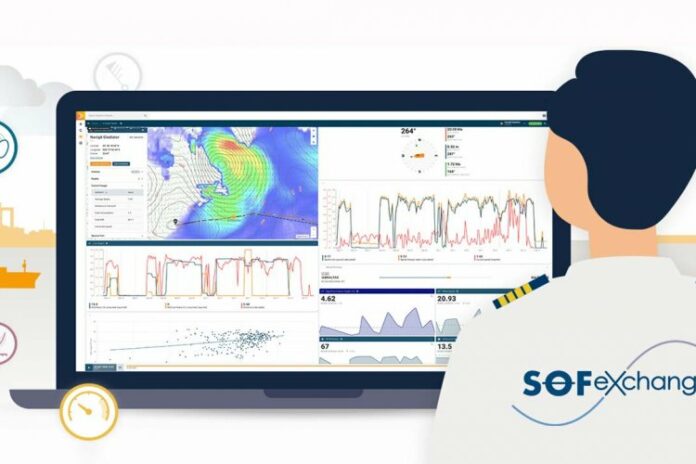
The Podium community of sensors and solutions continues to grow with the addition of SOFeXchange. UK-based StratumFive, a leading maritime tech company, and Osiris, a UK based technology start up, have signed an agreement to integrate the advanced port event logging functionality of SOFeXchange with Podium.

This development means the superior voyage performance data and analysis available within Podium will include near real time data for port calls. SOFeXchange will connect this data with a wide range of stakeholders and commercial systems increasing the scope and reach of Podium supported functionality.

Podium will be enhanced with the port event capability of SOFeXchange, including its extensive data validations. Podium continues to move data interpretation forward by connecting data  sources or solutions and integrating them within its unique timeline architecture. The correlated data streams and agile dashboard environment will be extended to included port events in detail transforming operational monitoring and decision-making.

Port Logs or Statements of Fact are currently produced by multiple parties in a variety of formats, including PDFs, Excel spreadsheets and even hand-written documents. Time and effort is required to collate and reconcile these statements before they can be applied to calculations. Masters, Captains, and Port Agents can enter events during a vessel’s stay in port in a standard form, which can be viewed by all relevant parties in real time.

Ship Owners, Charterers and Traders can then access the SOF in any format they choose. With SOFeXchange the final statement is available as soon as the port call is complete.

Ross Martin, StratumFive COO, says:

“The addition of SOFeXchange to Podium meets a number of our objectives with respect to solving real day to day practical problems with innovative solutions whilst generating valuable data for longer term benefit.

When we launched Podium we wanted to create a community where start-ups and innovation could thrive and we are delighted to welcome SOFeXchange as a Podium Compatible Solution and we wish Osiris every success.”

Adrian Challinor, Osiris Ltd CEO, says:

“For too long the industry has ignored the Statement Of Fact, despite it being such an important document. We believe that with our collaboration with Podium we can bring real improvements and streamline the process.”

Ørsted takes final investment decision on first renewable hydrogen project

0

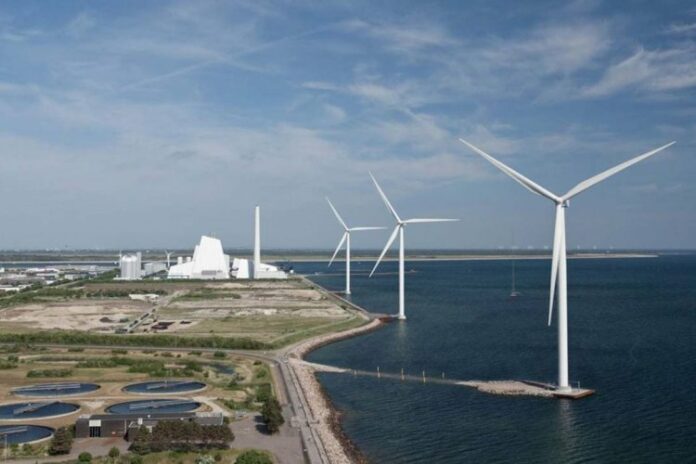
Ørsted has taken final investment decision on the Danish demonstration project H2RES, which will use offshore wind energy to produce renewable hydrogen. The project is expected to produce its first hydrogen in late 2021 and will be Ørsted’s first renewable hydrogen project in operation.

Ørsted has decided to take final investment decision on the H2RES renewable hydrogen demonstration project at Avedøre Holme in Copenhagen, Denmark. H2RES will be Ørsted’s first renewable hydrogen project in operation and marks a new era in Ørsted’s green journey, where the power of offshore wind will be harnessed to decarbonise society beyond direct electrification, offering a path towards zero emissions for otherwise hard to abate sectors.

H2RES will have a capacity of 2 MW. The facility will produce up to around 1,000 kg of renewable hydrogen daily, which will be used to fuel road transport in Greater Copenhagen and on Zealand. The project is expected to produce its first hydrogen in late 2021.

Martin Neubert, Executive Vice President and CEO of Ørsted Offshore, says:

“We see renewable hydrogen and other sustainable fuels as cornerstones in reaching net-zero emissions by 2050, and H2RES will contribute with key learnings to turn Europe’s ambitious build-out targets for renewable hydrogen into a new industrial success story. With the right framework in place that incentivises the shift away from fossil fuels, renewable hydrogen can decarbonise transport and heavy industry, which is paramount to creating a world that runs entirely on green energy.”

Ørsted has over the past 18 months partnered with different consortia in seven renewable hydrogen projects in Denmark, Germany, the Netherlands, and the United Kingdom.

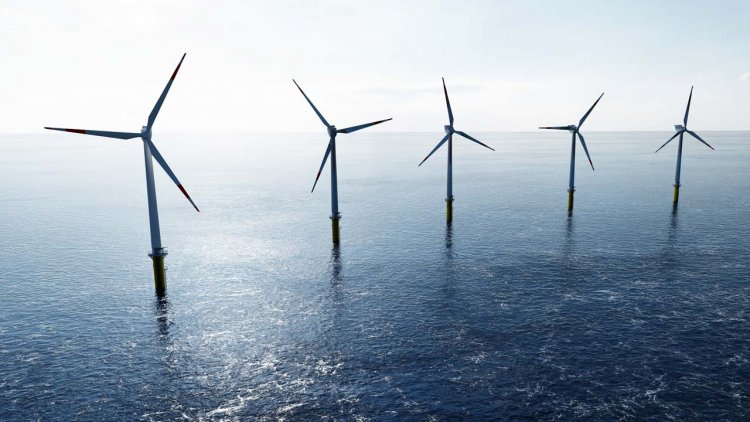
The practically unlimited global offshore wind resources are ideally suited to power renewable hydrogen electrolysis. The H2RES project will investigate how to best combine an electrolyser with the fluctuating power supply from offshore wind, using Ørsted’s two 3.6 MW offshore wind turbines at Avedøre Holme.

Anders Nordstrøm, Vice President and Head of Ørsted’s hydrogen activities, says:

“Renewable hydrogen will be a cornerstone in achieving Denmark’s ambitious decarbonisation target. H2RES is an example of how public co-funding coupled with a committed hydrogen industry and ambitious offtakers can drive the decarbonisation of the transport sector. H2RES is a small but important step towards large-scale renewable hydrogen production, and it will allow us to demonstrate how offshore wind combined with onshore electrolysis can offer decarbonisation beyond direct electrification.”

The Energy Technology Development and Demonstration Programme (EUDP) under the Danish Energy Agency has previously awarded DKK 34.6 million for the development of the H2RES project to Ørsted, Everfuel Europe A/S, NEL Hydrogen A/S, Green Hydrogen Systems A/S, DSV Panalpina A/S, Hydrogen Denmark, and Energinet Elsystemansvar A/S.

Wärtsilä to supply Waste Treatment Solution for up to Carnival’s vessels

0

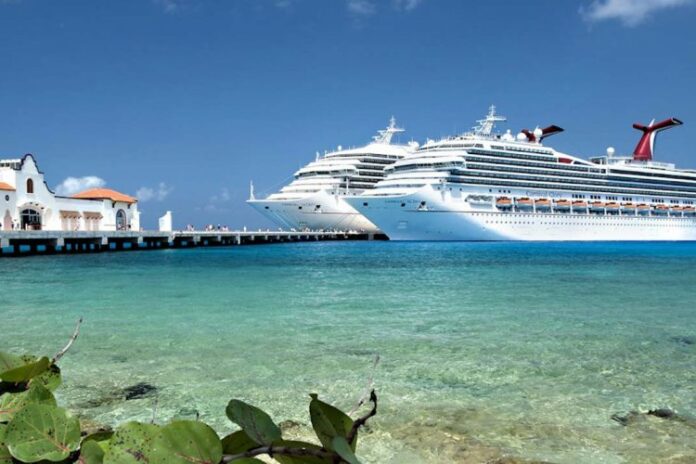
The technology group Wärtsilä has signed a framework agreement with Carnival Corporation, the global cruise ship operator, covering the supply and installation of Wärtsilä’s advanced waste water and dry waste treatment systems for up to 32 vessels across many of its operating brands.

The framework is consistent with Carnival’s policies for compliance with the latest and most stringent environmental legislation. Signing of the framework took place in October 2020.

Wärtsilä’s Membrane Bioreactor waste water treatment plants are well proven in the handling of black and grey waste water. The system surpasses the most demanding standards currently set by the International Maritime Organization (IMO) for sewage discharge, including paragraph 4.2 of MEPC 227 (64), which applies to special areas.

Similarly, Wärtsilä’s dry waste handling systems comply with the most stringent IMO Marpol requirements, and are designed to minimise greenhouse gas emissions. Wärtsilä’s advanced technologies and vast experience were cited as being major considerations in the award of this contract.

Arto Lehtinen, Director at Wärtsilä Water and Waste, says:

“There is increased awareness within the cruise industry of environmental sustainability, and Wärtsilä is proud and ready to support this focus with the most advanced and compliant solutions. We continue to work with Carnival to enhance their goals for waste reduction, in line with their internal strategy.”

Jon McKeown, Senior Vice President global strategic sourcing from Carnival Corporation, says:

“We very much appreciate Wärtsilä’s support and their capabilities in delivering high quality, reliable solutions tailored to our specific requirements. The environmental legislation barrier for the cruise industry is set very high, so we seek the latest technologies to ensure compliance. The Wärtsilä solution selected for the framework more than meets this standard.”

The Wärtsilä equipment will be delivered and installed onboard different ships across many of the operating brands between 2020 and 2025.

This framework agreement shows, despite the current challenges, that environmental compliance and sustainability remains a top priority for Carnival and proves Wärtsilä’s advanced waste system solutions are there to meet and surpass the most stringent legislations.
 

Damen signs with Svitzer for ASD Tug 3212

0

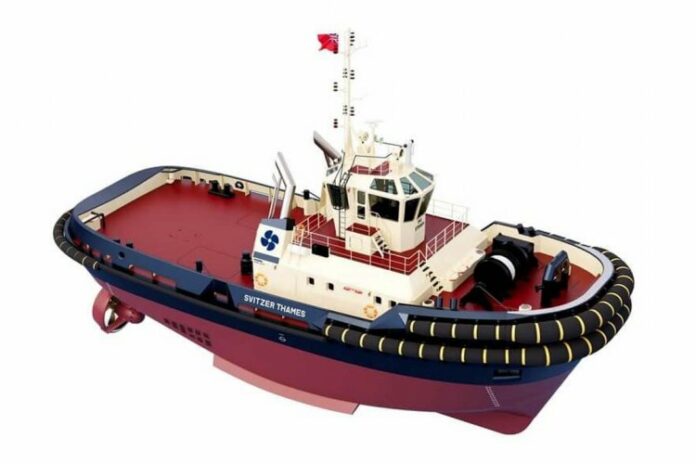
Damen Shipyards Group has signed a contract with Svitzer for the delivery of an ASD Tug 3212. She will be the fourth Damen ASD Tug 3212 in the company’s UK fleet.

Damen and Svitzer signed the contract for the vessel in December last year. Thanks to Damen’s practice of building proven, standardised vessels for stock, Svitzer is able to take delivery of its new tug in Q1 2021.

Kasper Karlsen, Svitzer Europe COO, said:

“We already operate a number of Damen ASD Tugs 3212, including four in the south of the UK so operational synergies are obvious. We’ve been impressed by the model’s ability to handle large container vessels and by its reliability. When we were looking to expand our fleet, it made sense to approach Damen.”

Damen sales manager Martin Verstraaten said of the order:

“I’m very pleased that Svitzer’s experience with the ASD Tug 3212 has brought them once again to Damen. Coming at the end of 2020, with various lockdowns and travel restrictions in place due to the coronavirus pandemic, the contract was not without its challenges. However, thanks to the excellent relationship we enjoy with Svitzer and to the clear channels of communication between Svitzer in the UK & Denmark and Damen, we were able to make this happen digitally.”

Damen’s ASD Tug 3212 exhibits excellent seakeeping characteristics, superb manoeuvrability and, with 80 tonnes bollard pull, the outstanding towing characteristics required to handle the large container vessels Svitzer Thames will encounter in the Port of London.

The state-of-the-art vessel includes the latest hull and skeg designs and the most recent developments in fender, fairlead and winch design.

Heavily built, the ASD Tug 3212 features rigid foundations, extra plate thickness, brackets and fenderings, going above and beyond class requirements.

Proman Stena Bulk starts steel cutting for new methanol-fuelled tanker Stena Pro Patria

0

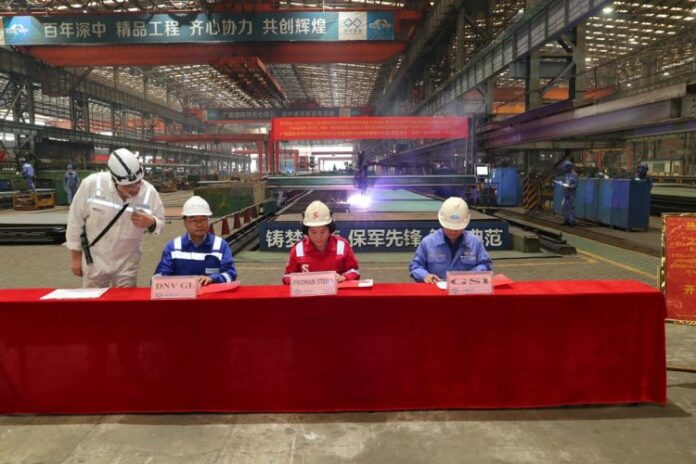
Proman Stena Bulk Ltd confirmed that steel cutting has commenced for its state-of-the-art IMOIIMeMAX methanol-fuelled 49,900 DWT vessel Stena Pro Patria, which is due for delivery in early 2022. 

The steel cutting for Stena Pro Patria, which started on the 7th of January 2021, is taking place at Guangzhou Shipyard International (GSI) in China and marks the operational beginning of Stena Bulk and Proman’s journey together as a joint venture. This partnership will also include the construction of two additional vessels: Stena ProMare and Stena Prosperous.
 
As a new methanol-ready 49,900 DWT tanker, Stena Pro Patria will benefit from several design and technical improvements to optimize energy and fuel efficiency. Additionally, the vessel’s latest generation MAN dual-fuel engines will also feature revolutionary new water and fuel emulsion technologies to significantly reduce nitrogen oxide (NOx) emissions.
 
Stena Pro Patria will use approximately 12,500 tonnes of methanol as fuel per year, which will significantly reduce the volume of carbon and greenhouse gas emissions resulting from the vessel’s commercial operations, especially compared to the use of conventional marine fuels.
 
On this announcement, Erik Hånell, President and CEO of Stena Bulk, said:

“The steel cutting for Stena Pro Patria is the first step in a fascinating series of projects that will further strengthen Stena’s commitment to sustainability excellence and with spearheading shipping’s fuel innovation and wider decarbonisation journey. In a quest of such magnitude, we’re proud to embrace a partnership approach through our successful joint venture with Proman. It’s fantastic to count on a partner like Proman to bring their exceptional latest innovations and dedicated expertise in the methanol field together with our progressive vision for minimum environmental impact.”

Anita Gajadhar, Managing Director of Proman Shipping, added:

“This steel cutting ceremony represents an important milestone for the Proman Stena Bulk partnership, marking the beginning of construction and day one in the life of the Stena Pro Patria, our first vessel together. We are very excited to begin this enterprise with Stena Bulk, with whom we are proud to share a sense of purpose as well as a commitment to continued innovation in the shipping industry. Today brings us another step closer towards reaping the benefits of methanol as a future-proof marine fuel and, in doing so, driving the transition towards more sustainable shipping worldwide.”

The Stena Pro Patria steel cutting activities represent another relevant milestone in Stena Bulk’s long-standing relationship with Guangzhou Shipyard International – the shipyard which has previously been responsible for building other Stena Bulk IMOIIMAXes.