-9.4 C
New York
Home Blog Page 676

United Wind takes ABB advisory software fleetwide to boost safety and efficiency of operations

0

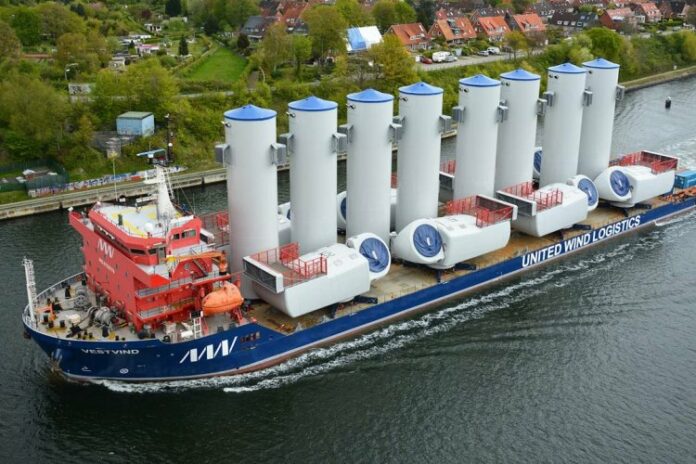
By minimizing unwanted vessel motions and accelerations, ABB Ability™ Marine Advisory System – OCTOPUS software will help protect high-value payloads in transit, at the same time boosting vessel efficiency by optimizing the route based on vessel motions resulting from weather and wave conditions. This will allow the module deck carrier to increase its operational window, during which it will be able to perform tasks safely and efficiently even during weather-sensitive operations.

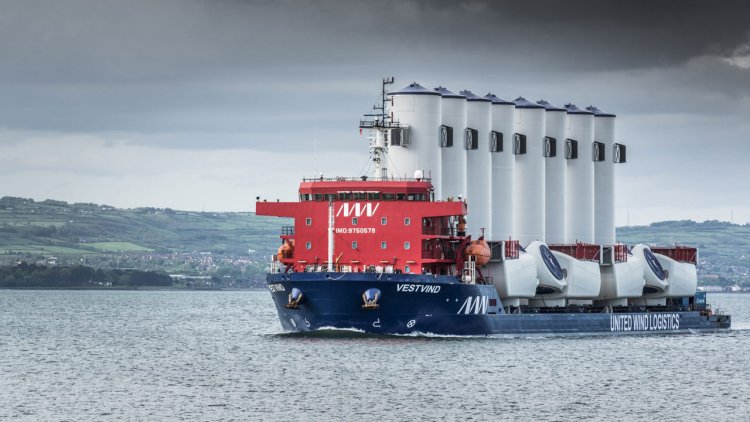
Installation of ABB’s market-leading solution on board the 130-meter, 10,238-DWTVestVind follows successful application on board United Wind’s module deck carriers BoldWind and BraveWind, both delivered in 2020.

Heavy lift operators like United Wind Logistics are increasingly turning to OCTOPUS for enhanced voyage planning and execution, with ABB estimating that the easy-to-install or retrofit platform supports 90 percent of the semi-submersible heavy lift ships in operation worldwide.

Antto Shemeikka, Vice President Digital Services, ABB Marine & Ports, said:

“ABB is pround that customers in the offshore wind farm segment are showing as much trust in OCTOPUS software as it has in other parts of the heavy lift vessel market. The growing demand for the offshore wind power calls for larger wind turbines, and the installation of these, in turn, requires larger, more sophisticated vessels. Insights into the motions of these vessels becomes more significant from the safety point of view and of greater value to charterers needing to evaluate movements of special loads.”
Christoph Puschmann, Managing Director, United Wind Logistics, said:

“The benefits of ABB’s marine advisory system continue to prove compelling. As demand for larger wind farm components grows and we are tasked with transporting heavier and ever-more expensive cargoes, the importance of motion monitoring and forecasting only increases. We look forward to reaping the same safety and efficiency benefits onboard VestVind as we have secured for our newbuildings BoldWind and BraveWind.”

ABB Ability™ Marine Fleet Portal implementation is also as part of the scope, making the benefits of OCTOPUS on board available to stakeholders ashore. The Fleet Portal allows vessel and cargo owners to view the status and location of assets online and gives access to reports sent from ship to server to ensure peace of mind during high-stakes operations.

The number of offshore wind installations worldwide continues to grow, and, according to the International Energy Agency, the global offshore wind capacity may increase 15-fold and attract around $1 trillion of cumulative investment by 2040, driven by decreasing costs, government policies and technological progress, such as larger turbines and floating foundations.
StratumFive integrates eyeGauge as Podium Connected

0

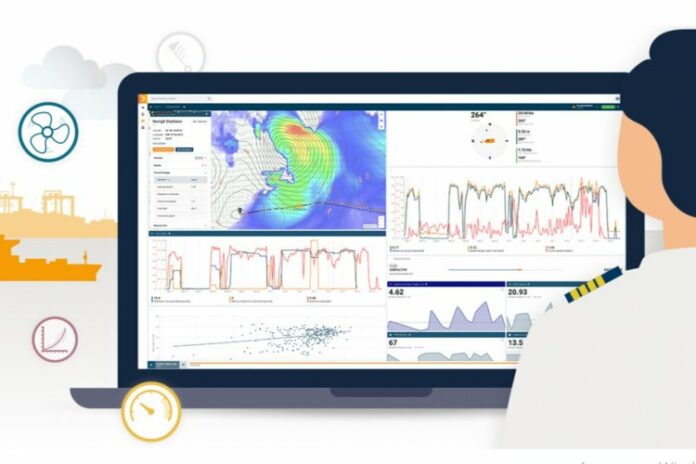
Digitalisation and the efficiencies it generates, is not progressing in some operations because valuable data points are siloed and/or have to be collected and reported manually. The eyeGauge solution offers a route to digitalising and networking these data points and connecting them to advanced technologies.

Podium has been designed with maximum flexibility to connect, enhance and analyse the wide range of data inputs available in the existing fleet. This flexibility combined with its unique timeline architecture makes Podium the go to voyage informatics platform.

EyeGauge has developed a cost effective solution which can be used on ships with limited automated data collection ability, increasing data frequency and integrity whilst reducing crew workload and repetitive tasking. This fits well with the benefits the Podium connected community is expected to deliver to the industry.

Ross Martin, StratumFive COO, says:

“Over time we expect sensor and system connectivity to be increasingly subject to standards, but in the interim there is a need to offer solutions tailored to conditions in the existing fleet. By digitising existing onboard machinery eyeGauge literally moves the dial in this respect.

The connection of eyeGauge increases the range of data sources available to owners and operators within Podium. This is important to meet our objective of delivering access to the benefits of digitalisation and associated data to everyone.

Including another innovative start up in the Podium Connected community alongside tried and tested data sources is also very welcome and in line with our objective of improving visibility to market for new entrants.” 

Rodion Denisyuk, CEO, eyeGauge Ltd., says:

“Nowadays we know how to optimize ship operations, to reduce fuel consumption and emissions, and even predict failures when we have enough data. But this data must be generated by “smart” or “connected” equipment.

However “connected” ships form only a small part of the merchant fleet, while on the majority of the ships we find “legacy” machinery and equipment that is monitored manually. Data collected manually is low frequency data, it is often inaccurate and averaged over a certain period of time. It is very difficult to work with, to analyse it and to apply in decision making. There is a clear need to digitise existing fleets, to connect that legacy onboard equipment. There are many retrofitting solutions on the market, but they are often complex and very expensive.

Our mission at eyeGauge is to simplify fleet digitalisation, to make it accessible to many more ship owners and ship operators, to get the data out of the darkest corners of the engine room, to make any ship and any fleet smart, no matter how old or diverse it is.”

Holland America Line and Princess Cruises extend cruise pause

0

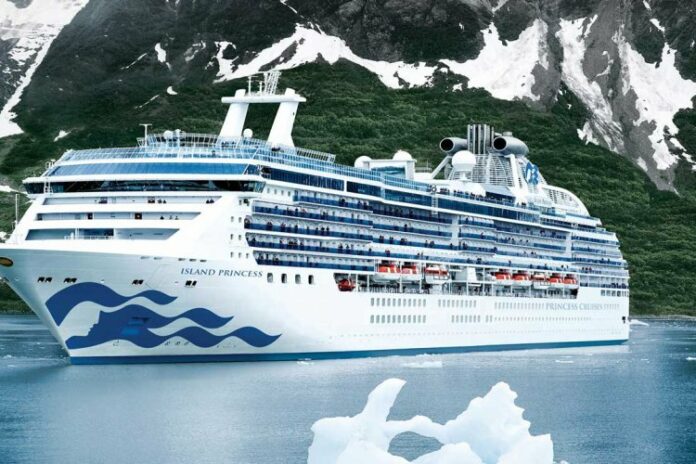
As Princess Cruises continues to review and assess its operations as a result of the Canadian Transport Ministry’s Interim Order that extends the closure of Canadian ports and waters to passenger vessels, the company has found it necessary to cancel the following voyages:

  • Alaska seven-day Voyage of the Glaciers cruises, sailing between Vancouver, B.C. and Anchorage (Whittier)
  • Pacific Coastals that start or end in Vancouver, B.C.
  • Canadian Adventure sailing roundtrip from Southampton, UK

Princess is engaged with various United States and Canadian government officials to try to preserve a portion of the Alaska and Canada & New England 2021 cruise seasons. In the meantime, Princess has committed to operating the Kenai Princess Wilderness lodge along with McKinley Chalet Resort in Denali and Westmark Fairbanks Hotel this summer and is currently working on vacation land package details that will be announced shortly.

For guests currently booked on a cancelled voyage who had paid in full, Princess will automatically rebook them to the same cruise or cruisetour in 2022. No action is required from guests or their travel advisors. 

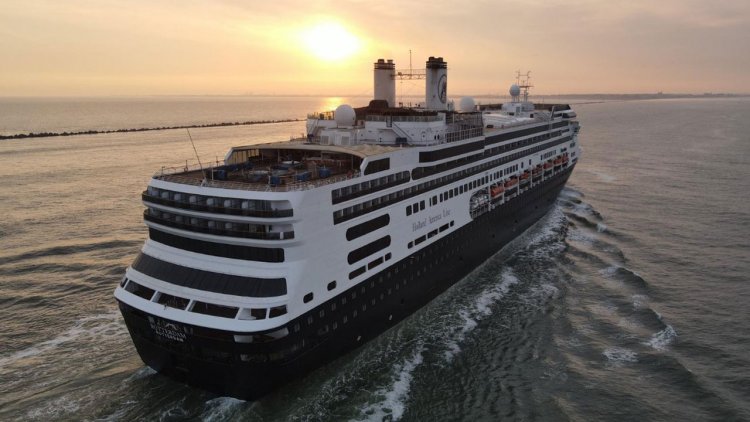
Photo: Holland America Line

In its turn, Holland America Line extends cruise pause to include all departures sailing to or from a Canadian Port in 2021. As Holland America Line continues to review and assess its plans around the Canadian Transport Ministry’s Interim Order that closed Canadian ports and waters to passenger vessels, the company is extending its pause of cruise operations to now include all sailings that depart from or conclude in a Canadian port in 2021. This will include several Alaska, three Canada/New England and two Pacific Coastal cruises in summer and fall of this year. It also includes all Land+Sea Journeys.

At this time, Alaska cruises departing from mid-May and sailing roundtrip from Seattle, Washington, are not being canceled. Discussions are underway with Canadian and United States government authorities to try to find a path forward to preserve these sailings. As more information is known, an announcement will be made. Guests on impacted Alaska cruises and Land+Sea Journeys involving a Vancouver, British Columbia, Canada, gateway may not move to roundtrip Seattle cruises at this time, as these departures are not open for sale pending further announcements.  

Cruises impacted by this pause in operation are:

  • Alaska: Cruises through September 2021 to Alaska from all departure ports aboard Koningsdam, Nieuw Amsterdam, Noordam and Zuiderdam. This also includes any Land+Sea Journeys connected with canceled Alaska sailings.
  • Pacific Coastal: Two sailings in early October aboard Koningsdam and Oosterdam.
  • Canada/New England: Three cruises aboard Zaandam departing in September 2021.

All 2022 Alaska and Canada/New England cruises will operate as scheduled. The Canadian Interim Order expires Feb. 28, 2022.

Holland America Line is closely following the protocol set forth by the Centers for Disease Control and Prevention (CDC), and is preparing ships and implementing procedures to meet all requirements for approval to sail at the appropriate time.

ABS to class first ever Jones Act wind turbine installation vessel

0

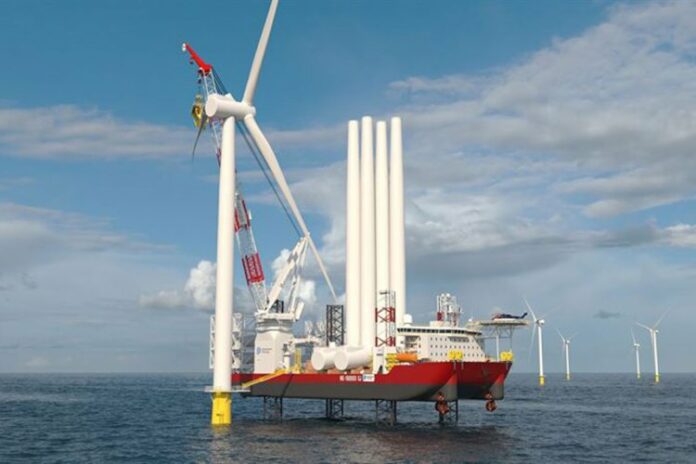
Now under construction by Keppel AmFELS, which is also undertaking the engineering and procurement for Dominion Energy, the 472-foot vessel is designed by GustoMSC to handle turbine sizes of 12 megawatt or larger and will also be capable of the installation of foundations for turbines and other heavy lifts.  

To be named Charybdis, the vessel will have accommodation for up to 119 crew and wind farm technicians. Seajacks will assist Dominion Energy with construction and operations oversight.

Matt Tremblay, ABS Senior Vice President, Global Offshore, said:

“ABS is the ideal partner for a highly specialized wind turbine installation vessel such as this for the U.S. market. Our extensive knowledge of U.S. regulations combined with offshore industry leadership means we are uniquely equipped to support this project and a range of other innovative vessels now being commissioned for U.S. wind farms. ABS is committed to playing a significant role in the safe development of the U.S. offshore wind industry.”

Mohamed Sahlan, President of Keppel AmFELS, said:

“We are pleased to be able to build the largest wind turbine installation vessel in the U.S. for Dominion Energy and support the growing offshore wind industry. Keppel AmFELS has a solid track record and capabilities in a wide range of offshore vessels and we are also able to leverage the experience of our parent company, Keppel Offshore & Marine, in offshore renewables to provide a compelling construction solution for this milestone project.”

Mark D. Mitchell, Senior Vice President of Project Construction, said:

“Dominion Energy is proud to be leading a consortium of respected industry participants in the construction of the first Jones Act compliant offshore wind turbine installation vessel, which will provide significant American jobs, and provide a reliable, home-grown installation solution with the capacity to handle the next generation of large-scale, highly-efficient turbine technologies. This will better enable the offshore wind industry to bring clean, renewable energy to customers in the U.S.”

Seajacks Chief Executive Blair Ainslie said:

“This next-generation turbine installation jack-up vessel is vital to the safe and cost-effective deployment of offshore wind energy in the U.S. Seajacks operates a fleet of offshore installation jack-ups in Europe and Asia and is looking forward to developing the offshore wind supply chain in the U.S. with our partners.”

Charybdis is just the latest vessel for the U.S. offshore wind industry to be supported by ABS. The first U.S flagged Jones Act offshore wind farm service operation vessel (SOV) ever ordered will be built to ABS Class. ABS has also issued AIPs for two Jones Act SOVs to Vard and for a series of other wind support vessels from European designers.

Telemar wins 50-vessel service and maintenance contract with Fairplay Towage group

0

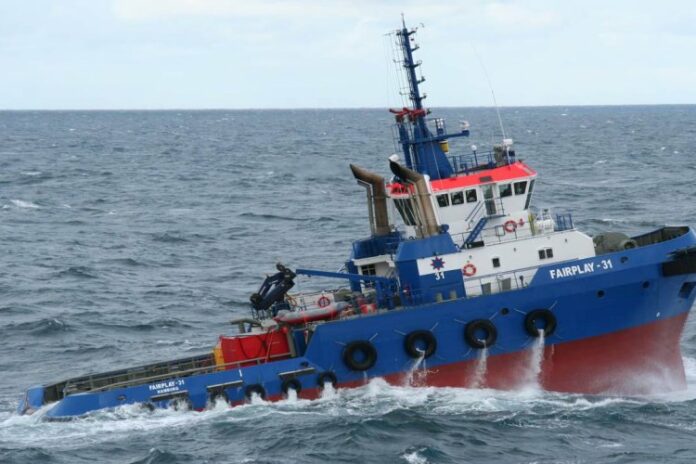
Marlink subsidiary Telemar has signed a service maintenance deal with Fairplay Towage, one of the industry’s largest providers of port and ocean towage, to deliver bridge maintenance services across 50 of the company’s vessels.

The contracts will consolidate service of critical bridge navigation equipment to a single provider, saving time and manpower and reducing the risk of non-compliance as scheduled service will be planned to agreed timeframes rather than carried out on an ‘ad hoc’ basis.

The contract includes managing GMDSS declarations, annual radio survey, annual radar inspection, exchange of  reserve-power batteries for GMDSS and SART/EPIRB/GMDSS handheld batteries. Where vessels are equipped with a gyrocompass, Telemar will perform an annual inspection and gyro compass overhaul including GPS compass check-up where fitted.

Telemar will also perform an annual performance test for Voyage Data Recorders and provide Certificates of Compliance for the two largest offshore tugs Nordic and Baltic. All 50 vessels will benefit from access to Telemar’s due date management software which provides reminders of upcoming service dates and access to remote service via a 24x7x365 hotline. Telemar will work to align all annual service items for each vessel so that the service calls can be minimized, ideally to one service call per vessel per year.

The 50 vessels under contract to Telemar are located in Germany, Holland and Belgium and will benefit from dedicated service co-ordinators working in close contact with Fairplay’s fleet managers and technical superintendents in each port. To support delivery of the contract, Telemar plans to employ a new service technician located in Marlink’s Netherlands office to provide its own service engineer  for calls in Dutch and Belgian ports.

Mr. Andree Hessling, Manager Nautical & Techncial Departement, at Fairplay Towage, said:

“Fairplay Towage required a service partner that could provide a one-stop service solution for bridge electronics across a mixed fleet of vessels with a planned and consistent approach to maintaining safety and compliance. Telemar’s ability to meet our needs with dedicated personnel across different port locations provides the level of confidence we need to meet our commitments to our customers.”

Kai Sangkuhl, Managing Director, Telemar Electronics GmbH, said:

“Telemar has long experience in bringing a proactive and predictable approach to service and maintenance of bridge electronics, providing visibility on timelines and ensuring continuity of operations for our clients. We are delighted to be working with Fairplay Towage which has set the standard for towage operations and continues to innovate across its fleet.”

Wärtsilä and OTG partner to deliver learning solutions to improve safety at sea

0

The leading provider of maritime smart Simulation and Training solutions Wärtsilä Voyage, and the leading maritime knowledge and technology solutions provider Ocean Technologies Group (OTG), have agreed to share their expertise and resources via a strategic partnership that will significantly enhance safety and efficiency in the maritime sector.

With complementary converging digital technologies and platforms, Wärtsilä Voyage and OTG will provide industry stakeholders in maritime learning – shipping companies, maritime training providers, manning agencies and seafarers – with a unique opportunity to be connected on a single end-to-end learning journey, combining on-demand digital training and assessment, virtual and simulation events via cloud-based solutions, and in-person learning experiences at maritime training centres or aboard ship.

Sean Fernback, President, Wärtsilä Voyage, said:

“Effective use of Smart Marine technology by mariners and shore staff is a critical component of its successful implementation and ensures a smooth transition from traditional methods of operation. By leveraging our combined smart learning technologies and mariner performance optimisation services, industry can achieve the desired outcome of operating with more efficient, safer, and environmentally aware mariners who are properly equipped to perform in a rapidly changing, digitised maritime industry.”

Initially the partnership makes Wärtsilä Voyage’s Cloud Simulation services and training catalogue available through OTG’s recently announced and significantly enhanced Ocean Learning Platform. The combined customer pool of over three thousand shipping companies and training centers, plus well over a million seafarers, will be able to access Wärtsilä training, assessment, and certification on an ‘on-demand’ basis, any time, and from anywhere in the world.

And this is just the beginning. Combining this with the learning, competence management and instructional tools provided by the Ocean Learning Platform, including cutting-edge solutions such as OTG’s virtual classroom and rapid e-learning, industry will be presented with the broadest and most comprehensive range of maritime specific digital learning solutions available in the market. For shipping companies and maritime training providers navigating the industry trend towards digital-learning, Wärtsilä Voyage and OTG are established and reliable partners providing a clear course to their destination.

Manish Singh, Ocean Technology Group’s CEO, said:

“Our objective is to equip seafarers and users, with the most relevant knowledge and resources, not only in a training centre, but also online and at point of operation onboard ships and other sites. Our partnership with Wärtsilä makes ‘on-demand’ access to cloud simulation and type-specific training and technical resources available to seafarers and shore-based personnel, helping them gain proficiency in safely and efficiently operating sophisticated Wärtsilä equipment.”

Opinion: Floating offshore could be largest frontier for wind power in Asia Pacific

0

A significant market for floating offshore technology is emerging in Asia. Developers in Japan, South Korea and Taiwan have announced plans to develop key demonstration projects, although the scale of deployment is still limited compared to conventional fixed-bottom technology. Floating offshore wind accounts for just 6% capacity of the 26 gigawatts (GW) of new offshore capacity expected in the current decade in Asia Pacific excluding China.

Wood Mackenzie principal analyst Robert Liew said:

“This 1.56 GW of new floating offshore capacity in Japan, South Korea and Taiwan will require investments of at least US$8 billion. If we consider the additional 9 GW project pipeline in early planning stages, total investment opportunities could be worth up to US$58 billion.”

Maintaining power supply is a key challenge for these markets as legacy thermal plants reach the end of their project life and opportunity for new-build coal and nuclear are severely limited. The three Northeast Asian markets face projected thermal and nuclear capacity retirements totalling 89 GW from 2020 to 2030.

Liew said:

“Governments in these markets are increasingly looking to renewables to fill the supply gap, but due to land constraints, scalable options are limited. Floating offshore wind is starting to gain more attention but the high cost remains a major barrier to widespread adoption of this technology. To ensure the long-term sustainability of floating offshore wind, prices must come down significantly to at least be competitive with new-build gas power.”

With a limited track record and only 21 megawatts (MW) of operating floating demonstration units, there is high uncertainty over project costs in Asia Pacific markets. For now, the Japanese government estimates that current capex costs of floating offshore can be as high as U$10 million per MW but could be commercially feasible if brought down to US$4 million/MW, compared to grounded offshore capex cost of US$2-3 million/MW and average Asia Pacific onshore wind capex cost of US$1.5 million/MW by 2030.

Wood Mackenzie expects average capex costs of floating offshore wind plants in the three pioneering markets to decline by around 40% to US$2.6 – 4 million per MW by 2025-2030.

Despite the cost challenge, governments in Japan and South Korea have set out support policies for the sector. In Japan, a feed-in tariff is available for floating projects compared to grounded offshore projects which are moving to price discovery through auctions. A small-scale 22-MW floating wind auction in the Goto Islands is also testing whether prices can be lower than the current feed-in tariff. In South Korea, floating offshore projects can be awarded higher weightings of renewable energy certificates depending on the distance between interconnection facilities. 

Liew said:

“With enough government support, developers will be more willing to bet on floating wind. Building a firm pipeline of floating projects will give the sector more forward visibility, which in turn will attract even more investors.”

Part of the buy-in from government is the long-term vision to establish a domestic floating offshore wind supply chain that will benefit the local economy. Floating offshore requires more vessels to install turbines compared to mainstream grounded offshore projects. This is attractive to governments that historically had a large domestic maritime sector. 

 Liew added:

“The Japanese and Korean governments are keen to establish a floating offshore supply chain hub for the region and potential future exports to other markets. This could also contribute significantly to lowering costs. Floating offshore represents perhaps the largest frontier for wind power in Asia Pacific in the long-term. There is significant future upside as almost all markets in Asia Pacific have coastlines and floating offshore can unlock wind resources near coastal cities even in low wind speed areas. Despite the limited scale today, floating offshore wind offers almost limitless potential.” 

Cargill and Maersk Tankers partner up to launch new bunker procurement service

0

Cargill and Maersk Tankers are embarking on a strategic partnership to combine their bunker volumes, offering a new bunker procurement service to tramp shipping companies and trading houses.

The initial goal is to procure bunker fuel for Cargill and Maersk Tankers’ combined fleet, while aiming to attract additional customers in the coming months. The service will leverage Cargill’s in-house bunker expertise and Maersk Tankers’ commercial and operational capabilities and will launch on April 1, 2021.

Cargill currently charters a fleet of around 700 vessels and procures 2.5 million tons of marine fuel per year. Maersk Tankers will add the volume stemming from its commercially managed fleet of more than 220 product tankers, increasing the joint annual bunker volume to 3.5 million tons. The increased scale and one voice approach will give access to better prices and services, leveraging relationships with key suppliers in the world’s busiest bunkering hubs to ensure optimal service and bunker premiums.

Olivier Josse, Head of Tankers and Marine Fuel at Cargill Ocean Transportation, said:

“As independent bunker consumers with no physical oil activity or bunker assets, there will be no conflicts of interest. We can therefore focus on providing transparency, robust benchmarking, and a modern and digital customer experience. We are excited to collaborate with Maersk Tankers and together we have ambitious plans to become a unique provider of bunker solutions.”  

The new one-stop-shop will give customers enhanced access to market information, optimization of bunker logistics, and improved claims support. By digitizing, centralizing and analyzing the large amount of available data, the service will offer increased reactivity to market conditions and refined views on short and mid-term price outlook.

Claus Gronborg, Chief Investment Officer at Maersk Tankers, says:

“Tramp shipping companies face challenges today in a bunker market that is becoming increasingly complex. With our new bunker procurement service, we want to make their lives easier. Through our scale, they will get access to bunker fuel at competitive prices, while getting an experienced partner that will navigate the bunker market on their behalf. We are excited to venture into this together with Cargill and utilize our combined expertise to provide this new solution to both our pool partners and other shipowners and operators.” 

As the maritime industry transitions towards carbon-neutral to meet the IMO’s target to reduce GHG by 50% by 2050, the bunker market will go through a radical transformation. Cargill and Maersk Tankers are united in their firm commitment to accelerate decarbonization and are building expertise in the use of new fuels and technologies. The new bunker service will provide unique access to future marine fuels, including Cargill’s growing internal biodiesel business.

This partnership follows a series of strategic collaborations between Cargill and Maersk Tankers, two of the maritime industry’s leading players. In 2019, Cargill and Maersk Tankers created a joint MR tankers pool and launched Project Njord with Mitsui & Co to bring turn-key energy-saving solutions to the market. Last year, Cargill became a strategic investor in ZeroNorth, a tech start-up focusing on vessel performance optimization and decarbonization founded by Maersk Tankers.  

Two new partners and name revealed for the ammonia-fuelled tanker JDP

0

Ammonia-fuelled tanker Joint Development Project (JDP) partners – MISC Berhad (MISC), LR, Samsung Heavy Industries (SHI) and MAN Energy Solutions (MAN) announced the entry of two new partners – the Maritime and Port Authority of Singapore (MPA) and Yara International ASA (Yara). The JDP partners also went on to announce the name of the expanded coalition – The Castor Initiative.

Leading fertilizer company – Yara will work alongside MISC, LR, SHI and MAN to develop ammonia propulsion ships to support the maritime industry’s drive to decarbonisation.

In addition, the consortium will be able to tap into MPA’s experience as a bunkering hub and flag state to gather insights on safety issues and ammonia bunkering procedures, and gain access to research capabilities in Singapore.

The addition of MPA and Yara means that the alliance, which was first unveiled in January 2020, now has a complete representation from all areas of the maritime ecosystem. The experience and expertise of each partner will be central to the success of the initiative, from conception to project realisation.

This announcement follows a key project milestone in September 2020 when LR awarded Approval in Principle to SHI for its ammonia-fuelled tanker design with the aim of commercialising these developments by 2024. 

To meet the International Maritime Organization’s (IMO) 2050 ambitions on halving greenhouse gas (GHG) emissions from 2008 levels, zero-carbon vessels need to enter the world fleet by 2030. The JDP was motivated by the partners’ shared belief that the maritime industry needs leadership and greater collaboration if shipping is to meet the IMO’s GHG ambitions.

While ammonia is one of the fuels being considered by maritime stakeholders, the partners also recognise that the shipping industry will need to explore multiple decarbonisation pathways and hope their collaboration will spur others in the maritime industry to join forces on addressing this global challenge.

MPA Chief Executive, Ms Quah Ley Hoon, said:

“Decarbonisation remains a key priority for the maritime sector, not just in Singapore but globally. As a transshipment and bunkering hub, we are committed to meet IMO2030/2050 decarbonisation goals. We are also looking forward to collaborating with like-minded industry partners to support the development and trials of alternative future marine fuels such as ammonia.”

LR Group CEO, Nick Brown said:

“Making deep-sea zero-carbon vessels a reality within this decade calls for leadership commitment and collaborative action. Lloyd’s Register welcomes the expertise that the MPA and Yara will bring to the ammonia-fuelled tanker joint development project (JDP). The calibre of the partners involved in this JDP as well as the milestones agreed are testament to the maritime industry’s determination to deliver on the IMO’s 2050 GHG ambitions.”

SHI President and CEO, Jin Taek Jung said:

“In the course of energy transition, joining this JDP towards developing zero-carbon vessels coincides with our endeavour to find sustainable growth momentum and fulfil our social responsibility for a clean environment. The long-term journey to realise zero-carbon and ultimately zero-emission vessels requires extensive cooperation of the stakeholders in the maritime industry. In light of this, participation of the Maritime and Port Authority of Singapore and Yara raises our expectations for the outcome of this JDP by adding expertise and fostering an ecosystem of the JDP partners playing a key role in the fields encompassing ammonia supply to operating vessels.”

Maersk backs plan to build Europe’s largest green ammonia facility

0

With A.P. Moller – Maersk as one of the collaborators, Copenhagen Infrastructure Partners (CIP) has unveiled plans for the establishment of Europe’s largest production facility of green ammonia. 

A.P. Moller – Maersk is on a quest to find the marine fuels of the future with green ammonia being one of three preferred fuel types.

The Power-to-X facility located in Esbjerg on the Danish west coast will convert power from wind turbines to green ammonia. The green ammonia produced at the facility can be utilized by the agricultural sector as green fertilizer and by the shipping industry as a truly sustainable green fuel.

A.P. Moller – Maersk along with Danish companies Arla, Danish Crown, DLG and DFDS has signed a memorandum of understanding, committing to work towards realizing the establishment of the facility as well as supporting the off-take of the green ammonia from the facility once it is ready to be delivered to the market.

There is a very real sense of urgency in curbing shipping’s emissions, and we must develop scalable carbon neutral fuels. Therefore, we welcome this project as an important development of green ammonia supply in the future.

Henriette Hallberg Thygesen, CEO of Fleet & Strategic Brands, A.P. Moller – Maersk, said:

“At A.P. Moller – Maersk we have announced that we will have our first carbon neutral vessel on the water by 2023 – seven years ahead of schedule. This vessel will be running on carbon neutral methanol. Nevertheless, we consider green ammonia as a promising option for marine fuels and a dual fuel engine for ammonia is under development. We are optimistic that ammonia, along with methanol and alcohol-lignin blends will be powering Maersk-vessels in the future,” adds Henriette Hallberg Thygesen.

According to CIP, the project has the potential to reduce CO2-emissions by about 1.5 million tons – equivalent to removing 730,000 cars from the roads permanently. The facility is planned to start producing green ammonia in 2026.

Copenhagen Infrastructure Partners (CIP) is the world’s largest dedicated fund manager within greenfield renewable energy infrastructure investments.