-7.9 C
New York
Home Blog Page 668

Awarding framework agreements for 4D towed streamer seismic acquisition offshore Norway

0

The agreements have a total estimated value of around NOK 700 million.

Peggy Krantz-Underland, Equinor’s chief procurement officer, says:

“This is a new way of working with seismic suppliers. We are moving away from annual tenders towards a more long-term collaboration model. This will ensure improved predictability and more sustainable rates for suppliers in the seismic industry that is traditionally exposed to significant cyclicality.” 

PGS and Shearwater have been awarded generic framework agreements covering 4D seismic services on the NCS for a firm period of two years starting in 2021. The agreements include two two-year options and can also be applied for the UK continental shelf.

Charlotte Bøe Tjølsen, vice president of petroleum technology operations in Equinor, says:

“4D seismic gives us better data to map remaining oil and gas resources as the reservoirs are being produced. These contracts will help us optimize the reservoir drainage and place new wells, and thereby achieve our ambition of recovering 60 percent of oil and 85 percent of gas on the NCS.”

PGS has also been awarded a specific framework agreement for 4D seismic services at the Gullfaks field. The agreement comprises an exclusive right to acquire up to three surveys prior to 2031.

PGS and Shearwater are Norwegian seismic suppliers with strong technical solutions, modern and well-equipped vessels and a good track record for Equinor.

The new agreements will create important activity for the suppliers. The offshore operations will be supported by PGS’s office in Oslo and Shearwater’s offices in Bergen and Gatwick.

MOL enhances function of AR navigation system to support vessel navigation

0

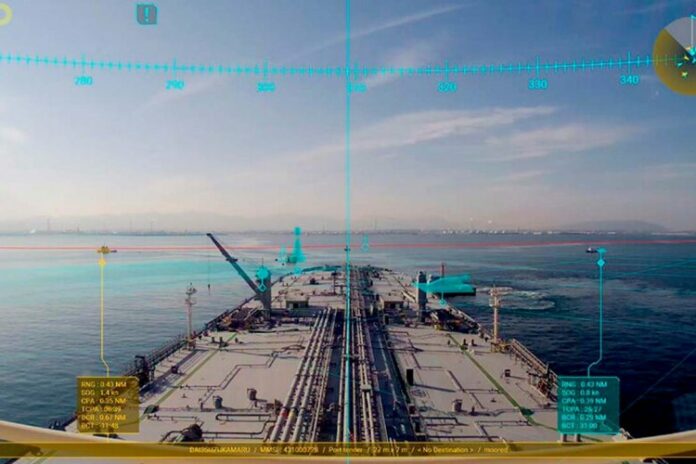
Mitsui O.S.K. Lines has announced an upgrade to the AR navigation system, jointly developed with Furuno Electric Co., Ltd., that enables the system to automatically display borders between deep-sea areas where vessels can navigate safely and shallower areas that may pose risks.

The previous system required manual setting to display shallow areas, but this upgrade allows for automatic full-time display of the Safety Contour in red, yellow, or orange (users can set the arbitrary color that they can easily scent the risk), supporting the navigators’ situation awareness visually.

The AR navigation system has already been installed on 24 MOL-operated very large crude carriers (VLCCs). MOL plans to expand the installation of the system to more vessels in the future, and is proceeding with trials on ships in its energy transport fleet including LNG carriers, as well as dry bulkers.

MOL continually positions safety as a top priority, and takes a proactive stance in development and improvement of products, including this AR navigation system, which contributes to the safety of marine traffic, with the aim of earning customers’ continued trust and becoming their first choice for shipping and logistics services.

Wärtsilä FOS is to be employed by ZSM for its managed tanker fleet

0

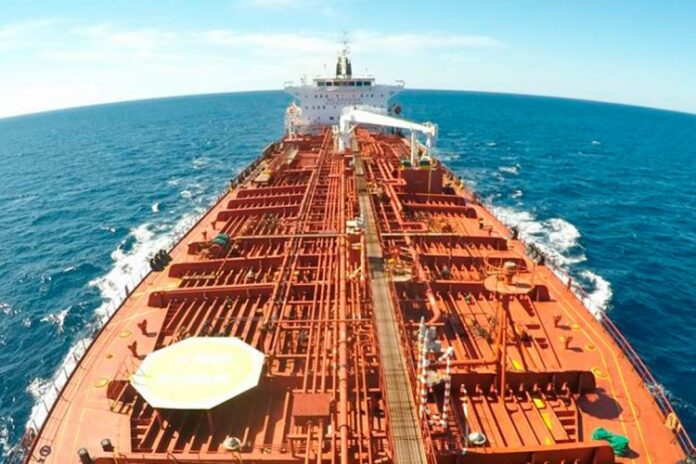
Hamburg-based third-party ship manager Zeaborn Ship Management (ZSM) has chosen Wärtsilä Voyage’s Fleet Operations Solution (FOS) as the digital navigation platform for its managed tanker fleet.

Each of their 12 vessels will deploy the state-of-the-art system, enabling ZSM to effectively benchmark voyage execution, support the safety of the fleet and reduce crew workload. The order with Wärtsilä Voyage was placed in December 2020.

FOS integrates Electronic Chart Display and Information System (ECDIS) with voyage planning functions as well as enabling a ship-to-shore link from the system. With the capability of harnessing data from other ship systems and external sources and deploying advanced analytics and machine learning to deliver insights, FOS is a powerful tool with multiple uses. For ZSM, supporting navigational safety was one of the priorities given its importance to tanker owners and charterers.

Matthias Ritters, Managing Director, Zeaborn Ship Management Tankers, said:

“Digital innovation is a key element for ZSM to ensure that our managed vessels are executing voyages as safely and as efficiently as possible. Wärtsilä’s solution gives us that increased transparency, connecting key stakeholders onboard and ashore in real-time, as well as making navigation and planning easier for the crew.”

Alex van Knotsenborg, Global Sales Director, Wärtsilä Voyage, said:

“This important contract with a progressive ship manager highlights the value that FOS can bring to a variety of maritime operators in diverse areas. Whether looking to make improvements on a single vessel or at a fleet level, to drive safety or improve efficiency, FOS can support you. We are delighted to begin this cooperation with ZSM.” 

The delivery includes the FOS navigation package, spanning voyage planning and execution modules, ECDIS operational leases and the Wärtsilä BridgeMate tablet application that enables back-up charts, navigation decision support and the berthing assistance on wings to be accessed from anywhere on the vessel.

Simplified voyage planning and accurately monitored voyage execution – allowing for benchmarking, assessment and continuous improvement – are fundamental to tanker owners and charterers given the high potential cost of safety concerns. One immediate benefit of FOS is a dramatic reduction in the amount of time needed to plan routes, leaving crew with more time to focus on other work critical to securing safe passage. Real-time monitoring, advanced weather routing and instant updates of charts are among the further advantages of the connected solution.

Green light for Thames tidal energy trial

0

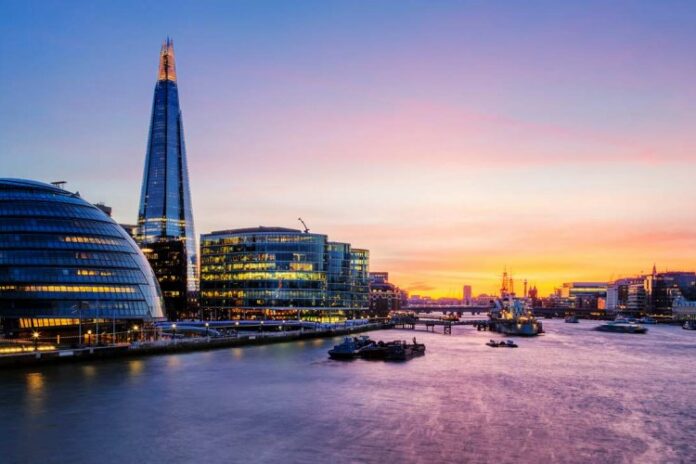
The mooring at Gallion’s Reach between Woolwich and Thamesmead, south east London, close to London City Airport, will enable promoters to test approaches for safe, sustainable energy generation in tidal inland waterways.

Technology providers are being invited to arrange a slot to use the mooring each year, having secured all relevant consents.

The test site is normally passed by a variety of vessels, large and small, including cruise ships and commercial cargo ships, as well as recreational river users

Tanya Ferry, PLA head of environment, said:

“Our research shows that the river could provide a power supply for operators and pier owners.

“Whilst traditional turbine technology is unlikely to be a viable option, due to the diminishing space available, this designated mooring provides developers opportunity to test other emerging technologies on the Thames.

“Safety is paramount. This site provides the best balance for safe trials, supported by a consenting regime to ensure negative impacts on wildlife and ecology are avoided too.”

Data from the trials will be used to inform future investment decisions.

Oil discovery near the Johan Castberg field in the Barents Sea

0

Equinor and partners Vår Energi and Petoro have struck oil in exploration well 7220/7-4 in production licence 532 in the Barents Sea. Recoverable resources are so far estimated at between 5 and 8 million standard cubic metres of recoverable oil, corresponding to 31 – 50 million barrels of recoverable oil.

Nick Ashton, Equinor’s senior vice president for exploration in Norway, says:

“Succeeding in the Barents Sea requires perseverance and a long-term perspective. This discovery strengthens our belief in the opportunities that exist, not least around the Castberg, Wisting, Snøhvit and Goliat areas.”

The well was drilled about 10 kilometres southwest from the well 7220/8-1 on the Johan Castberg field, and 210 kilometres northwest of Hammerfest.

Equinor has been active in the Barents Sea since it was opened more than forty years ago. Exploration well 7220/7-4 is the first of four planned exploration wells for Equinor in the Barents Sea this year (as operator or partner).

Ashton says:

“Equinor has been developing strong specialist communities for exploration, development and operations in Harstad and Hammerfest over many years. The follow-up of this discovery may strengthen this work.” 

The well struck 109 metres of oil in the Stø and Nordmela formations. The top reservoir was encountered at a vertical depth of 1788 metres below sea level. The expected gas cap was not encountered in the well.

The well was not formation tested, but extensive data acquisition and sampling took place.

Further development of the discovery towards the planned infrastructure for the Johan Castberg field will be considered at a later stage. The proven resources may thus generate important additional value and tax revenues for society from the Johan Castberg field.

This is the eleventh exploration well in production licence 532. The licence was awarded in the 20th licensing round in 2009.

The well was drilled to a vertical depth of 2080 metres below sea level and completed in the Tubåen formation from the Early Jurassic period in 351 metres of water. The well has now been permanently plugged and abandoned.

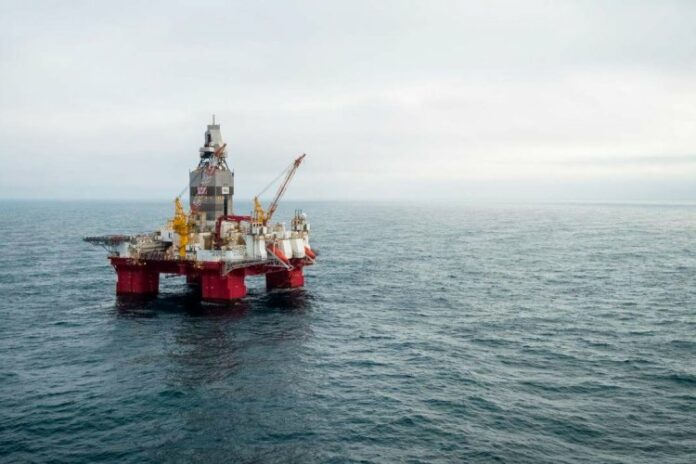
Well 7220/7-4 was drilled by the Transocean Enabler drilling rig, which will now return to and continue drilling on the Equinor-operated Johan Castberg field.

AAL expands fleet with two more ‘G-Class’ HL MPVS

0

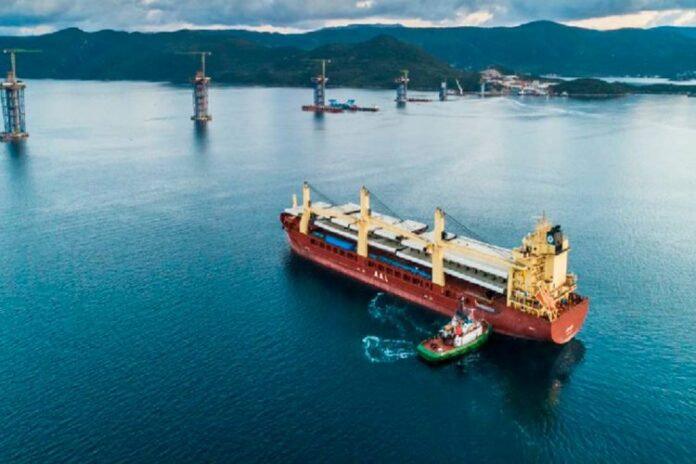
The Pacific Action and AAL Gladstone have both served in the AAL fleet in the past and re-join later this month – the former renamed this week, ‘AAL Gibraltar’.  

These versatile and relatively young vessels feature a total cargo intake of 35,705 cubic meters, four large cargo holds, three tweendecks and a maximum lift capacity of 240 tonnes – ideal for trading all manner of project heavy lift, breakbulk, steel and dry bulk commodities.   They join one of the sector’s largest and youngest fleets that already consists of two sister vessels, AAL Genoa and Pacific Alert (TBN AAL Galveston) and will operate worldwide in support of AAL’s well established monthly liner services, regular trade routes and tailormade tramp chartering solutions.

Kyriacos Panayides, Managing Director of AAL, commented:

‘We are delighted to have secured these vessels. Large heavy lift multipurpose ships of this calibre and lifting capability represent a small fraction of the global MPP fleet and AAL is uniquely well experienced in optimising their operations and harnessing their strengths in order to generate value for our customers’ global trading demands. They will add much needed capacity to a portfolio of multipurpose shipping services that have grown exponentially over the past 12 months.’

‘Since February 2020, we have built a scheduled monthly liner service between Europe, Middle East and Asia, a regular monthly tramp service between Asia and the Americas and frequent sailings from Asia to Europe – all this in addition to our Asia- Australia Liner Services and global Tramp Chartering operations. It has been an extremely busy and sustained period of growth for AAL and these new ladies will help to drive that momentum forward.’

Marc Willim, General Manager of AAL’s Chartering Team, added:

‘The G-Class are large 25,800 dwt MPVs, that complement our fleet profile. Global trading is only now emerging from the negative impact of COVID and also important multipurpose cargo sectors like oil and gas are still pressured.  However, there is growing optimism and the recent surges in the container and commodity markets have demonstrated the importance of being flexible and ready to serve cargo demand and from wherever it may come.

‘We are seeing market economies begin to strengthen and rebuild in confidence across Europe, Middle East, Asia and the Americas and trade war machinations of 2020 resolve. Energy, steel, infrastructure, bulk and general cargoes are all trading worldwide. Carriers like AAL, that have the expertise, trade route infrastructure and fleet capability to parcel these big and small cargoes on the same sailings and deliver worldwide will be in a position to offer shippers timely solutions and highly competitive economies of scale.’

Aker BioMarine commits to industry-leading emissions-free operations in Antarctica

0

As part of its sustainability strategy, Aker BioMarine commits to:  

  • Reduce CO2 emissions per ton krill produced by 50 percent by 2030 and reach net-zero carbon emissions by 2050.
  • Deploy use of green ammonia to power the company’s vessels to support the reduced emissions goal.
  • Reduce CO2 emissions per ton krill oil produced by 50 percent by 2030 in the Houston production plant. Aker BioMarine uses advanced science and data analysis to improve the production processes to reach the target.
  • Support and drive AION, the newly launched circularity company that will repurpose all product and plastic waste into new products that are used in high volume such as shopping baskets and food trays. AION is already working with customers such as McDonald’s, NorgesGruppen and Varner. 
  • Reduce the amount of fuel used to locate krill through use of ocean drones and flying drones. These devices minimize the time harvesting vessels need to spend searching for krill. Aker BioMarine has already deployed its first ocean data drone with the aim of significantly reducing financial and environmental costs and collecting scientific information. All the drones collecting data operate with zero emission.

Matts Johansen, CEO of Aker BioMarine, says:

“We consider ourselves pioneers at Aker BioMarine, which for us means that we want to lead our industry in a more sustainable direction. As a company, we make no excuses when it comes to meeting our targets. We are forging a new and more planet-friendly path, tackling challenges, embracing technology, and making more sustainable choices than ever done before in our industry.”
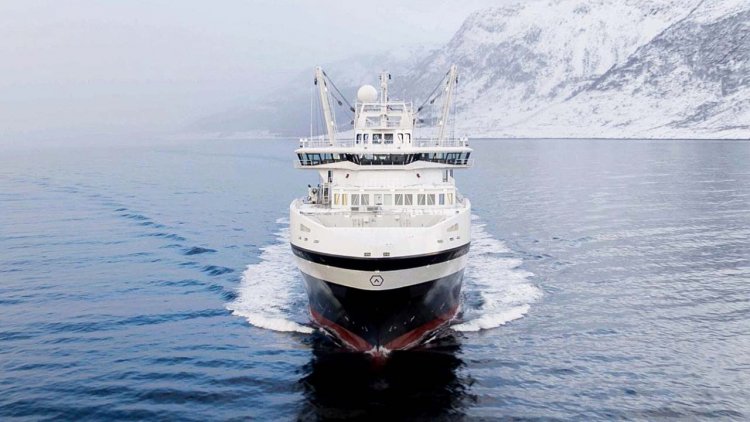
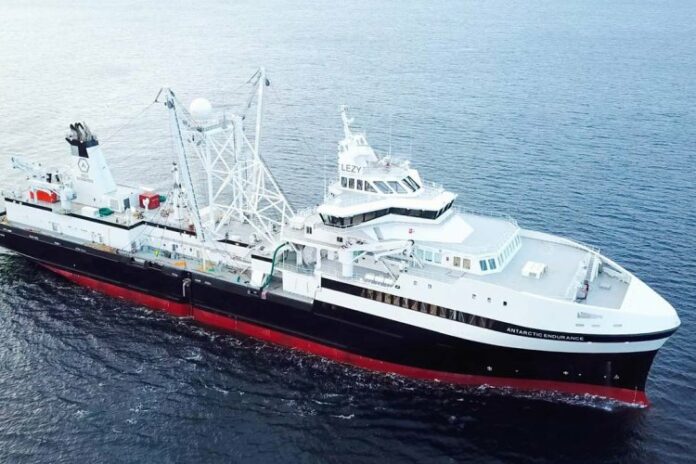
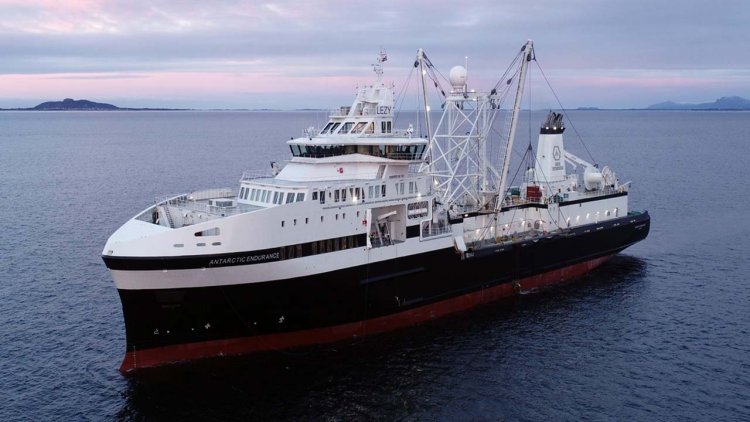
At the end of February 2021, Aker BioMarine and Aker Clean Hydrogen signed an agreement and are teaming up with other key players to industrialize the production of green ammonia, in an industry first move. This will support Aker BioMarine’s mission to make the vessels completely carbon-free. For example, Aker BioMarine’s newest support vessel, Antarctic Provider, is equipped with the most energy efficient engine in the world, a hybrid engine that is convertible for greener fuels of the future.

Christina Ianssen, Sustainability Manager at Aker BioMarine, says:

“Green ammonia is the most promising sustainable fuel for the shipping industry. It is essential that the industry tests and develops solutions for ammonia on a large scale. This will make it possible not only for Aker BioMarine, but also for Norwegian suppliers and renewable companies, to be world-leading on greener solutions for a broad range of sectors.”

Aker BioMarine plans to have vessels that are using ammonia as fuel towards 2030, when the infrastructure for production and distribution of green ammonia is in place.
The company’s ambitions for CO2-cuts are closely connected to the UN’s Sustainable Development Goals (SDGs), specifically goal 13, that calls for urgent action to combat climate change and to slow and stop global warming. To achieve this, CO2 emissions must be reduced significantly in the near-term.

In the last ten years Aker BioMarine has cut its CO2 emissions per ton krill produced by approximately 50 percent. The goal is to redo this in the next ten years. Aker BioMarine has already implemented several sustainability initiatives towards its goal, such as implementation of analytical tools to reduce consumption of consumables and energy at the Houston manufacturing plant, reuse of energy and efficiency projects on the vessels. These initiatives have put the company on course to reach its 2030 targets.

Further, Aker BioMarine has signed off on eight sustainability commitments to be achieved by 2030. 

Höegh Autoliners returns to Gothenburg

0

The service started this March and is offered every other week.

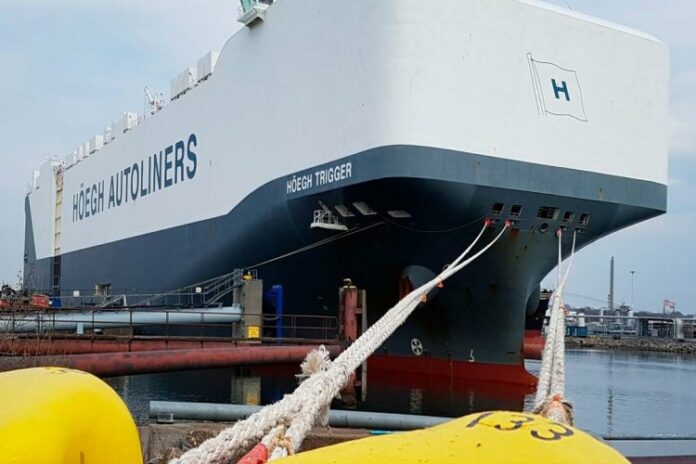
To service the Swedish import and export industry, Höegh Autoliners will call Gothenburg directly on its East Asia to Europe service. With direct calls to Gothenburg, customers will have the possibility to connect to a global trade network via ports on the continent or direct to South Africa and Oceania.

Oskar Orstadius, Chief Sales Officer, says:

“We are happy to be back with our new service in Gothenburg to support the demand in cargo flows in and out of Sweden, for both the automotive and high and heavy industries. We are working closely with our customers to offer sustainable and green solutions and are fully committed to lead the way for greener and more sustainable transportation.”

Höegh Autoliners operates some of the greenest and largest PCTC vessels in the world. The New Horizon series can transport up to 8500 car equivalent units and have been designed to minimise its impact on the environment. Built on state-of-the-art technology, the vessels emit only half of the CO2 per car transported compared to a standard car carrier.

Singapore ratified the Convention on the International Organization for Marine Aids to Navigation

0

Ratifying the Convention will support the International Association of Marine Aids to Navigation and Lighthouse Authorities (IALA) to become an intergovernmental organisation.

Established in 1957, IALA is the leading international association for technical standards in marine aids to navigation (ATON), vessel traffic services (VTS) and e-navigation. Consisting of technical committees that develop common standards and practices across the maritime industry, IALA drives the harmonisation of ATON worldwide to foster safe, economic and efficient shipping. As an intergovernmental organisation, IALA will be better placed to fulfil the crucial role it plays in facilitating marine navigation.

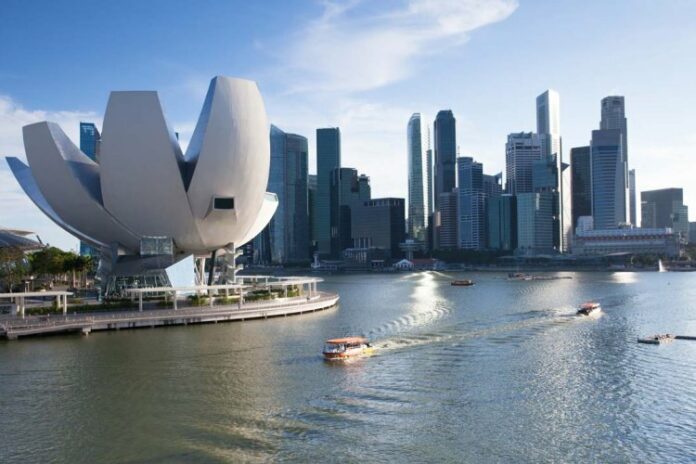
As a major hub port and a coastal state situated along one of the world’s busiest waterways for international shipping, Singapore recognises the importance of IALA’s efforts to establish common technical standards for VTS and e-Navigation in promoting safe and efficient shipping. Besides hosting various IALA workshops and courses over the years, Singapore also signed a memorandum of understanding with IALA in 2018, which committed S$1 million over five years to support the IALA World-Wide Academy in capacity building and human resource development for IALA’s National Members. Singapore is presently serving a four-year term as an elected Council Member of IALA.

Mr Francis Zachariae, Secretary-General of IALA, said:

“Over the years, the MPA has been instrumental in their active support to IALA and the generous sponsorship to the World-Wide Academy. Their strong experience and continued innovation, especially in the domains of vessel traffic services and e-navigation has greatly assisted the work of IALA. The MPA has also been instrumental in the change of status process and is now the first State to have ratified the Convention, for which I am very grateful.”

Mr Chee Hong Tat, Senior Minister of State for Transport and Foreign Affairs, said:

“Singapore supports the elevation of IALA’s status from a non-governmental organisation to an intergovernmental organisation. This will boost international participation in IALA’s activities and strengthen global cooperation and coordination in harmonising marine ATON and related services. As an IALA Council Member, Singapore strongly supports IALA in growing its mandate to improve navigational safety and the efficiency of maritime traffic for the global shipping community.”

Deltamarin, BAR Technologies and Cargill present WindWings virtual showroom

0

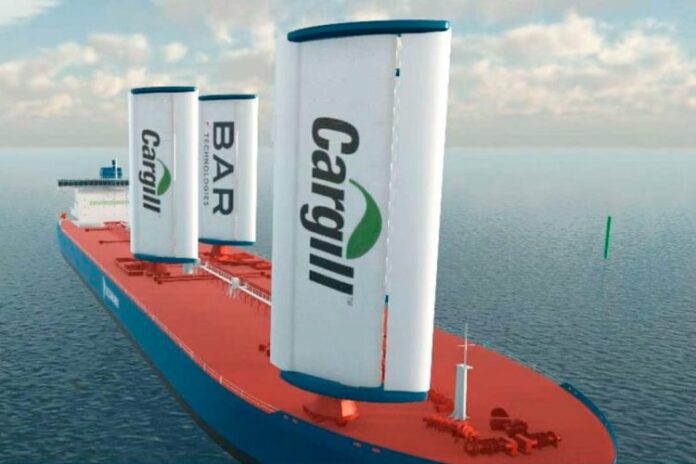
WindWings is a wind propulsion system designed for significant wind energy harvesting, and it can reduce a vessel’s CO2 emissions by up to 30%. You can now experience the principles of the system in the virtual showroom.

WindWings are large hard sails that can be fitted on the deck of a ship to harness the power of the wind and reduce the vessel’s fuel consumption and emissions. Equally important is that the design of vessel where the sails are fitted takes into account the required characteristics for maximal performance with wind assistance. The virtual showroom presents WindWings with adjustable features such as the position of the wings and the direction of the wind, so you can explore the principles of how the complete installation works.

This unique energy-efficient design will play an important role in the maritime industry’s transition to zero-carbon emissions. Shipping decarbonisation is a crucial topic that technically consists of three areas: operational optimisation, design and equipment upgrades and alternative fuels. The most economically feasible solutions are a smart combination of the three, and sail development is a good example of the necessary synthesis between design, equipment and operational optimisation.