-10.7 C
New York
Home Blog Page 666

Reseach: Sea-level rise drives wastewater leakage to coastal waters

0

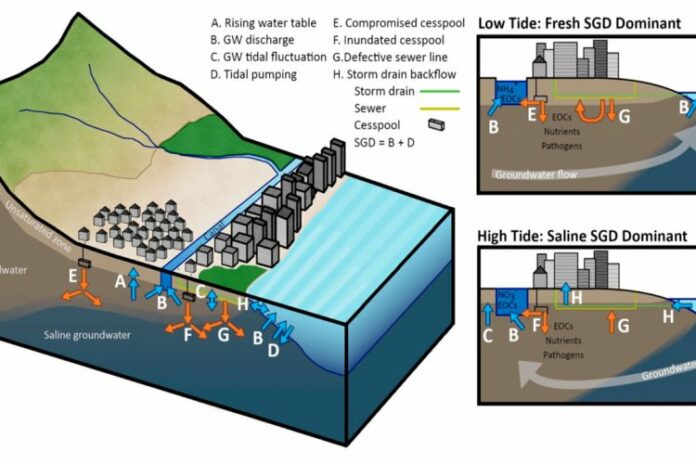
When people think of sea level rise, they usually think of coastal erosion. However, recent computer modeling studies indicate that coastal wastewater infrastructure, which includes sewer lines and cesspools, is likely to flood with groundwater as sea-level rises.

A new study, published by University of Hawai’i (UH) at Mānoa earth scientists, is the first to provide direct evidence that tidally-driven groundwater inundation of wastewater infrastructure is occurring today in urban Honolulu, Hawai’i. The study shows that higher ocean water levels are leading to wastewater entering storm drains and the coastal ocean—creating negative impacts to coastal water quality and ecological health.

The study was led by postdoctoral researcher Trista McKenzie and co-authored by UH Sea Grant coastal geologist Shellie Habel and Henrietta Dulai, advisor and associate professor in the UH Mānoa School of Ocean and Earth Science and Technology (SOEST). The team assessed coastal ocean water and storm drain water in low-lying areas during spring tides, which serve as an approximation of future sea levels.

To understand the connection between wastewater infrastructure, groundwater and the coastal ocean, the researchers used chemical tracers to detect groundwater discharge and wastewater present at each site. Radon is a naturally occurring gas that reliably indicates the presence of groundwater, while wastewater can be detected by measuring specific organic contaminants from human sources, such as caffeine and certain antibiotics.

McKenzie said:

“Our results confirm that indeed, both groundwater inundation and wastewater discharge to the coast and storm drains are occurring today and that it is tidally-influenced. While the results were predicted, I was surprised how prevalent the evidence for these processes and the scale of it.”

In low-lying inland areas, storm drains can overflow every spring tide. This study demonstrated that at the same time wastewater from compromised infrastructure also discharges into storm drains. During high tides, storm drains are becoming channels for untreated wastewater to flood streets and sidewalks. In addition to impeding traffic, including access by emergency vehicles, this flooding of contaminated water also poses a risk to human health.

The team also found evidence that many of the human-derived contaminants were in concentrations that pose a high risk to aquatic organisms. This has negative consequences to coastal organisms where the groundwater and storm drains discharge.

McKenzie said:

“Many people may think of sea-level rise as a future problem, but in fact, we are already seeing the effects today. Further, these threats to human health, ocean ecosystems and the wastewater infrastructure are expected to occur with even greater frequency and magnitude in the future.”

This project demonstrates that actions to mitigate the impact from sea-level rise to coastal wastewater infrastructure in Honolulu are no longer proactive but are instead critical to addressing current issues. Through its multi-partner effort, the Hawai’i State Climate Commission also raises awareness around the variety of impacts of sea level rise, including those highlighted by this study.

McKenzie said:

“Coastal municipalities should pursue mitigation strategies that account for increased connectivity between wastewater infrastructure and recreational and drinking water resources. We need to consider infrastructure that minimizes flooding opportunities and contact with contaminated water; and decreases the number of contaminant sources, such as installation of one-way valves for storm drains, decommissioning cesspools, monitoring defective sewer lines, and construction of raised walkways and streets.”
K LINE commenced Proof of Concept with NOKIA in the field of DX for ships

0

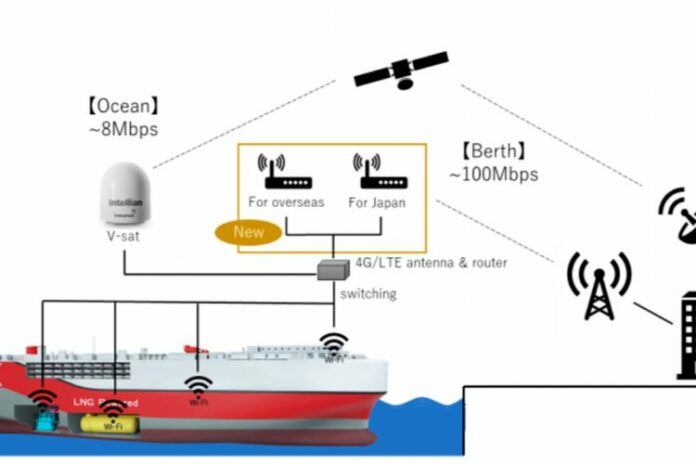
“K” LINE to install IP/MPLS solution with LTE communication proposed by NOKIA as Digital Transformation (DX) solution for ships to our LNG-fueled Pure Car Carrier “CENTURY HIGHWAY GREEN” completed by Tadotsu Shipyard Co., Ltd, the Imabari Shipbuilding Group. 

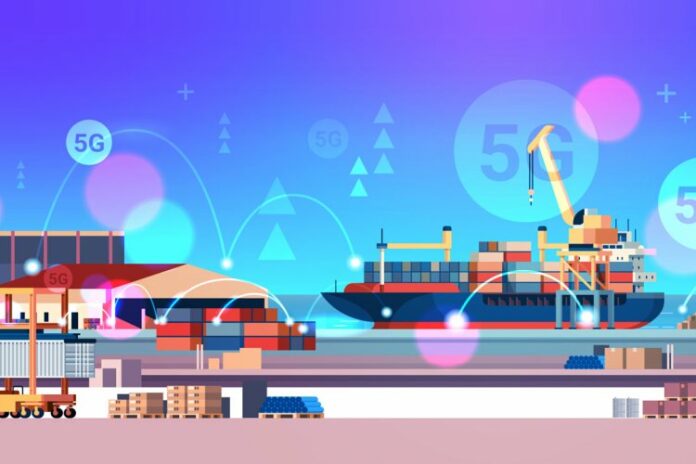
By 4G/LTE Field Area Network (FAN) that provides high speed and secure communications between ship and shore, on-site work of the vessel will be significantly improved using various Digital Technologies when the vessel stays at port in Japan or overseas.

“K” LINE’s aim Satellite communication normally used between ship and shore is said to be 10 years behind of land communication and this is one of the causes of delay for ships digitalization. With the 4G/LTE network, it will be able to communicate more smoothly during berthing, and available the same sophisticated technology on land, which will realize same quality of work environment on land to improve work efficiency on board, available skill sharing for maintenance, safety management. 

The Nokia industrial communication solution comprises the Nokia 7705 SAR-Hm (an industrial LTE router installed on ships), and the Nokia 7705 SAR-8 (a headend router in the office onshore). This solution enables “K” LINE to closely monitor loading and unloading in real time and significantly reduce time needed for large file exchange during port calls, greatly improving operation efficiency and industrial safety.

All data is protected by an encrypted communication solution called Network Group Encryption (NGE). NGE protects MPLS services with minimal overhead. This special encryption technology ensures a high level of security and quality of service without any degradation of LTE link performance. While this solution has been deployed in overseas mining sites, electric grids and ports, this is the first introduction in Japan.

In the Management Plan released on last August, “K” LINE declared to expand and accelerate safety, environment, and quality initiatives top in the shipping industry and announced that DX is the important means. This solution is positioned as an DX infrastructure for ship to introduce new advanced digital technologies near future.

Minesto and Schneider Electric join forces to commercialize marine energy

0

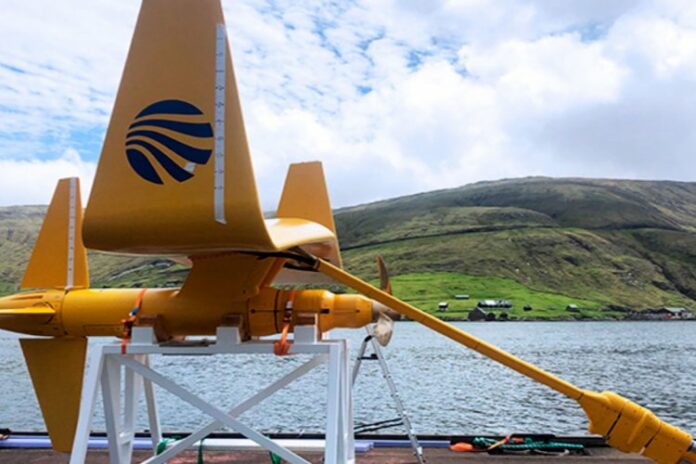
The collaboration between Minesto and Schneider Electric aims at accelerating the commercial roll-out of marine energy to enable the global transition towards net-zero societies, where energy systems that include plannable, renewable energy production are necessary.

To leverage the value proposition of ocean energy to customers, Minesto and Schneider Electric will engage with lead-users among independent power producers and electric utilities and integrate Schneider Electric’s know-how and products with Minesto’s pioneering tidal and ocean current energy technology.

Projects ranging from smaller microgrid installations to multimegawatt farms will be jointly identified, assessed, and developed, including exploiting the parties’ existing pipelines of leads. The collaboration will reach from technical system integration and project management to sales and project finance opportunities.

Dr Martin Edlund, CEO of Minesto said:

“We are delighted to join forces with Schneider Electric, a global leader in energy transition and digital transformation. It is for us a strategic partnership that will play a pivotal role in the commercial rollout of the Deep Green technology. Schneider Electric’s global presence, technological edge and expertise in integration of renewable energy production and microgrids will significantly enhance Minesto’s value proposition to customers and renewable energy project investors.”

“Beyond this, we will work to use this partnership to establish thought leadership and inform decision-makers on the opportunities and advantages of new complementary renewable energy technologies, not least building completely sustainable energy systems based on predictable baseload power generation from the ocean.“

Gary Lawrence, Power and Grid Segment President at Schneider Electric said:

“We look forward to working with Minesto to bring ocean energy into the global renewable energy mix, balancing variable renewables with predictable, renewable baseload. For us it has been of significant importance to enter the marine energy sector together with a partner developing a game-changing technology with both a global market and a potential for energy production at competitive cost of energy.”

Matthieu Mounier, Head of Microgrid at Schneider Electric said:

“Users and producers of energy increasingly demand sustainable solutions to reach their carbon reduction objectives while enhancing business resilience. Tidal and ocean current-based renewable energies are expecting to significantly contribute to the achievement, for both energy communities and remote users.”

MacGregor to supply environmentally sustainable PCTC solutions to NYK Line

0

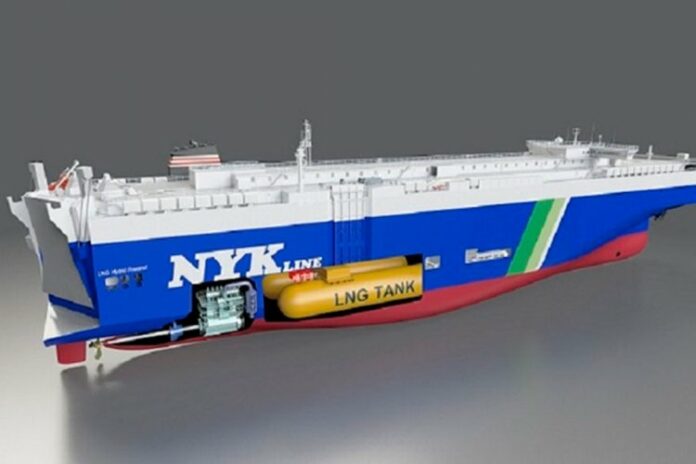
The vessels will be built at the China Merchants Jinling Shipyard (Nanjing) Co. Ltd for Nippon Yusen Kaisha (NYK Line). The order is booked into Cargotec’s first quarter 2021 order intake, with deliveries planned to commence during the fourth quarter of 2022 and completed during the fourth quarter of 2023. 

This contract is the result of a longstanding and successful collaboration between MacGregor and NYK Line, where MacGregor`s expertise and ability to support NYK Line in both the early phase of projects and throughout the lifecycle is fully recognised. 

The order includes a wide range of electrically operated equipment and encompasses quarter stern ramps and doors, side ramps and doors, internal ramps and covers, internal doors, and liftable car deck. The MacGregor patented Load Monitoring System, which is also included, increases the safe working load of the quarter-ramp by up to 50% without adding additional weight.

Magnus Sjöberg, Senior Vice President, Merchant Solutions Division, MacGregor, says:

”We are very pleased that NYK Line has selected us and we are able to help them with the development of environmentally sustainable PCTC solutions.”

Mr Tetsuya Kakinuma, Deputy Manager, Ship Planning Team, Technical Group, NYK Line, says:

”We have a longstanding and good collaboration with MacGregor and we regard them as a professional, reliable and innovative solution provider for a more sustainable future.”

VIDEO: North America’s tallest cranes rise at the Port of Oakland

0

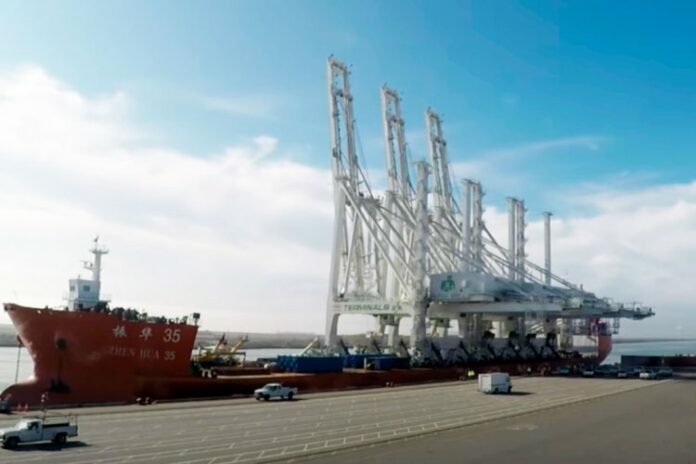
They’re new, they’re huge and they’re the tallest in North America; three, gigantic cranes are now part of the skyline at the Port of Oakland, California, U.S.A.

The Port has released a time lapse video  with footage of the assembly of one of the giant cranes. One of the most dramatic parts of the video features the raising of a crane’s mechanical housing. It takes weeks to build each crane and the third one was completed last week. The next phase is testing the cranes and then commissioning them for work. The first of three cranes may be going into service as soon as late March or early April.

Port of Oakland Maritime Director Bryan Brandes said:

“These new cranes at Oakland are going to make a significant difference in the ability to handle cargo more efficiently. Oakland international Container Terminal is the largest marine terminal at our port; and now it’s home to the tallest cranes that can receive the biggest ships calling North America.”

Stevedoring Services of America (SSA) operates Oakland International Container Terminal (OICT). SSA ordered the cranes from Shanghai Zhenhua Heavy Industries Company Limited (ZPMC) where they were first constructed. The cranes were sent on a ship in sections to Oakland where the cranes have been assembled on the wharf over the last two months. These larger cranes support maritime business and related jobs in Oakland and the region.

The first part of the video shows the arrival of the cranes and the workers assembling a customized ramp to roll the cranes off the ship. Then you see the builders up high, in tall construction cranes to reach work areas. No “fear of heights” is a requirement for this engineering feat.

It took Longshore workers to roll the cranes off the vessel when they first arrived at Oakland. It took electrical, mechanical and structural engineers as well as iron workers and construction crane operators to “build” the cranes on site. This was a very complex process involving multiple trades.

The lift height of the new ship-to-shore (STS) cranes above the dock is 174 feet. The lift height allows for greater flexibility when discharging and loading containers. Container stacks on a vessel are similar to a giant puzzle. One has to find the right container to pull it off the ship and that means moving “pieces of the puzzle” around on the vessel. With taller cranes there is more flexibility to move the containers on and off a ship.

The boom is the long arm of the crane that lowers to reach out horizontally across the width of a vessel. The boom in the maintenance position is nearly vertical at 442 feet high. The boom in its “stowage” position, at a 45-degree angle, is 372 feet high.

Next steps are testing and commissioning of the cranes. Testing includes electrical diagnostics and structural inspections. Endurance testing is required and that means checking things like the crane motors and crane hoisting equipment to ensure that they operate the way they are designed to function, when running at full speed. OSHA also has to inspect the equipment before the cranes can be put into service.

NAUTIS will start integrating innovative autodidactic tools within maritime simulation industry

0

Maritime training methodologies have been evolving radically over the past couple of years and the reliance on autodidactic or self-training technique has gained substantial admiration. 

Hence, the NAUTIS team at VSTEP is currently busy collaborating with Smart-Ship, a Delft based start-up that specializes in Haptic Feedback technology, to integrate haptics with NAUTIS maritime simulators. This integration will assist nautical students with their self-learning process.  

Haptic Feedback is an advanced technology that allows the user to receive tactile information by sending out various touch-based feedback. This technology is utilized by a vast range of industries ranging from gaming to medical to education and simulation. The usage of Haptic Feedback is even more prevalent in the modern automotive industry, guiding drivers in the form of vibration feedbacks when for example the driver pushes the accelerator or the break too hard or turns the steering wheel suddenly with excess strength. Maritime students and trainees undergoing training with NAUTIS Simulators will now also be able to train with the help of haptics, which would reduce the need for an instructor. This will guide them through their navigation journey by providing direction & input in the form of telegraph, helm guidance assistance, vibrations, sounds or light. 

Advantages of Haptic Feedback

  • Automated learning: Haptic Feedback controls provide guidance to its users on how to maneuver different types of vessels. Moreover, the advanced force-feedback system warns operators if their decisions may result in high-risk situations. This reduces dependency on instructors, making it cost effective and repeatable.  
  • Replay scenarios: The levers log all instructor and trainee input which allows for seamless replays of scenarios to increase effectiveness in learning. The software also enables ‘rewind’ to review and redo the exercises and assess the possible consequences.  
  • Customizable & remotely controllable: Haptic Feedback control can be integrated and used with all kinds of navigational simulators. Furthermore, the solution can be operated remotely which enables safe-distance training and limits unnecessary traveling. 

Xlinks develops the world’s longest subsea cable between the UK and Morocco

0

Xlinks is developing the world’s longest subsea cable between the UK and Morocco, which will transit through the territorial waters of France, Spain and Portugal.

Upon completion, the subsea cable, made up of two 3,850km rigid bipole HVDC systems with a total operational capacity of 3,600 MW, will provide the entire UK with a unique sustainable solar power source all the way from the Sahara.

The Permit Feasibility Study was completed through a comprehensive consultation process with the relevant authorities in each of the transit countries. Intertek’s final report outlines in detail the process Xlinks must follow to obtain the permits to survey the proposed route, install the cable system and complete the necessary maintenance throughout the project’s operation life. During the study a complete end-to-end assessment of the relevant regulations was undertaken and possible factors outside of the regulatory framework which were assessed as potential issues were also explored.

Potential environmental impacts assessed for subsea cable projects are largely associated with the installation phase. Once the cable is installed, any ongoing impacts are considered minor, for example in the rare case of a cable repair. The level of impact during installation will depend on the sensitivity of the marine environment through which the cable passes. Major impacts can be avoided through careful project planning and preparation, including robust marine survey and routing the cable around constraints such as sensitive marine habitats.

Where potential impacts are identified, these are reduced to as low as reasonably practicable through application of appropriate mitigation measures, in consultation with statutory authorities and project stakeholders. Xlinks is committed to the delivery of an environmental impact assessment which meets the requirements of all local regulations and to active engagement with relevant stakeholders in all jurisdictions.

Beth Monkman, Intertek Project Manager, commented:

“Intertek’s Energy & Water team brings a wealth of technical expertise and experience in the environmental assessment of marine cable projects. We are delighted to have supported Xlinks with the initial feasibility study for this exciting project.”
 

Kongsberg and Yxney team up to offer a tool for fleet energy management

0

Kongsberg Digital and Yxney, an  energy efficiency specialist helping customers achieve combined savings of more than 60 000 tons of CO2 in 2020, team up to offer shipowners and  operators a unique tool for fleet energy management. Their Maress application is available to all Vessel Insight users on the Kognifai Marketplace.         

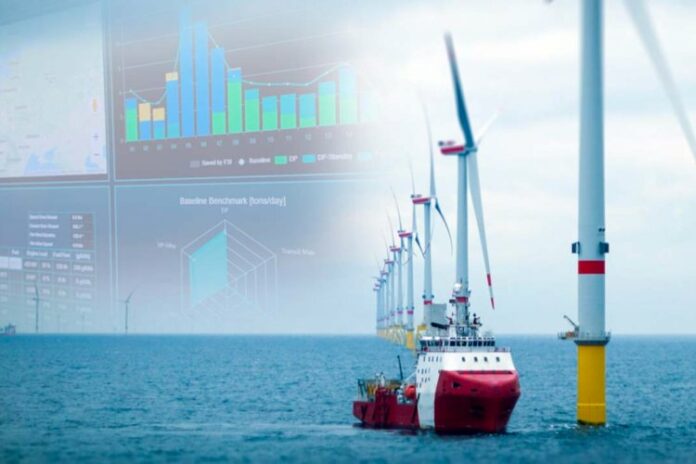
Yxney`s Maress  application is a digital management solution for decarbonizing maritime operations, providing vessel owners and operators with insight needed to  reduce fuel consumption and emission footprint. Maress facilitates transparency and a new way of collaborating towards industry emission targets. A baseline based on historic performance is calculated  for every activity for every vessel. With an up to date and real-time  overview of the operations of each vessel -and the total fleet, Maress makes analyzing the effect of individual energy saving initiatives, or whole programs easier.

By January 2021, approximately 300 vessels are  using Maress within the core segments offshore and shipping. Yxney has  experienced rapid growth the past few years, demonstrated by an  approximately 100 percent increase in its customer base from 2019 to  2020. The rapid growth suggests an increasing demand for data-driven  solutions that reduce fuel consumption, costs, and environmental impact  for shipowners and energy companies.

Eirik Næsje, Senior Vice President of Vessel Insight, KDI, says:

“We are very excited to partner up with Yxney. The concept of Yxney brilliantly challenge the dichotomy between reducing environmental footprint and cutting costs in the industry. This is a service that’s been highly called for in the industry. We can now offer our subscribers a powerful tool to improve their understanding of vessel energy consumption and to  capitalize on operational data. With the driving forces towards meeting  IMO2030, IMO2050 and continuously stricter regulations, it is a  much-needed application that will increase the business value of Vessel Insight for its users.”

Vessel Insight is a SaaS based solution that provides vessel-to-cloud  data infrastructure capturing and aggregating quality data in a cost  effective and secure way. The solution provides instant and easy access  to fleet overview, vessel specific dashboards and data analysis tools. In addition, through the Kognifai Marketplace, customers have access to a  large range of applications and services, now including Yxney`s Maress, that can offer further synergies, and are able to unlock immediate  effects and savings when they start using it. The Partnership will add  greater value to all users of KONGSBERG`s vessel-to-cloud data infrastructure solution, Vessel Insight. By being part of the Kognifai Marketplace, Yxney can reach more customers in need of their solution.

Yxney CEO Gjord Simen Sanna says:

“We see  Kongsberg as a leader in maritime technology and navigational systems. Vessel Insight and Kognifai enables Kongsberg systems installed on thousands of vessels worldwide to send data to the cloud. The  partnership between Kongsberg Digital and Yxney enables Maress to utilize the data from Kongsberg systems onboard the vessels to deliver  visualizations and transparency on data related to sustainability. With this partnership Kongsberg, Yxney and the customers can set sail to  drive change in the maritime industry for a sustainable energy future.”

Maritime industry leaders to explore ammonia as marine fuel in Singapore

0

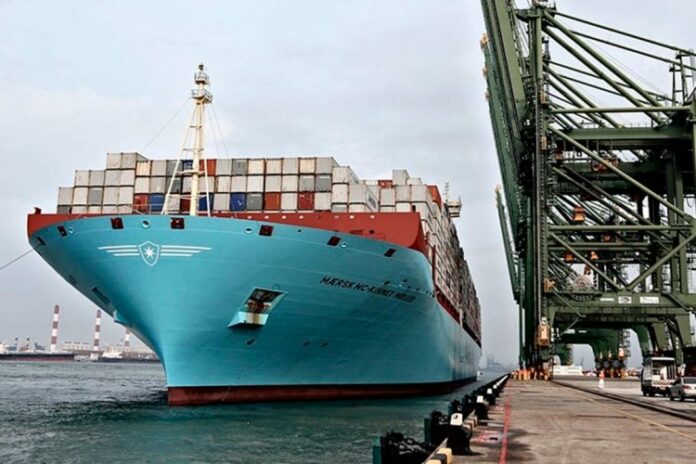
Maersk A/S, Fleet Management Limited, Keppel Offshore & Marine, Maersk Mc-Kinney Moller Center for Zero Carbon Shipping, Sumitomo Corporation and Yara International ASA have announced that the parties have entered into a Memorandum of Understanding to jointly conduct a feasibility study (hereinafter “Study”) with the aim to be one of the pioneers in establishing a comprehensive and competitive supply chain for the provision of green ammonia1 ship-to-ship bunkering at the Port of Singapore, the largest bunkering port in the world.

Emitting zero CO2 when combusted, ammonia has long been considered as one of the most promising alternative marine fuels to reduce greenhouse gas (GHG) emissions within the shipping industry, which is in line with the International Maritime Organization (IMO) strategy to reduce CO2 emission by 2050. In particular, green ammonia possesses great potential as it is produced from only renewable electricity, water and air with no CO2 emission.

The Study aims to cover the entire end-to-end supply chain of ammonia bunkering, which includes the development of a cost-effective green1 ammonia supply chain, design of ammonia bunkering vessels, as well as related supply chain infrastructure. Relevant government agencies and experts in Singapore will be engaged in working towards the standardization of safe operation and regulations. The study will assess the supply of ammonia including potential synergies with Liquefied Petroleum Gas (LPG) as a starting point. Considering the comparable requirements for mild refrigerated storage, vessels or barges initially designed for LPG can also handle brown3, blue2 and green1 ammonia.

Mr Morten Bo Christiansen, VP and Head of Decarbonisation, A.P. Moller – Maersk, said:

“Alongside Methanol, at A. P. Moller – Maersk we see green ammonia as an important future fuel for the decarbonisation of our fleet. A dual fuel Ammonia engine is currently under development, but for green ammonia to fuel our vessels in the future we also have supply, infrastructure and safety related challenges to solve, not least when it comes to bunkering operations. We are pleased to work with renowned companies in this field to pave the way for Ammonia as a future fuel to decarbonise global shipping.”

Mr Kishore Rajvanshy, Managing Director at Fleet Management, said:

“We are very pleased to support the development of the green transition pathway for our industry. We participate with our technical expertise across ship types to provide holistic solutions to sustainability, and alongside other alternative fuels such as methanol we feel ammonia will play a significant role”.

Mr Chris Ong, CEO of Keppel Offshore & Marine, said:

“There are multiple routes to the decarbonisation of the marine industry and we are pleased to be able to leverage our expertise in engineering and bunkering to spearhead the development of cleaner marine fuels such as ammonia. This includes the design of ammonia bunkering and ammonia-powered vessels, as well as developing the value chain necessary for the adoption of ammonia. This is in line with Keppel’s Vision 2030, which includes seizing opportunities in new energy.”

Mr Mr Bo Cerup-Simonsen, CEO of Maersk Mc-Kinney Moller Center for Zero Carbon Shipping, said:

“It is key to understand the complete life cycle and safety implications of any future fuel across the supply chain. This project will address gaps in infrastructure and regulation and bring forward the solutions needed for safe operations and bunkering of ammonia in ports. We truly look forward to the collaboration and to contribute to this important work.”

Hajime Mori, Executive officer of Sumitomo Corporation, said:

“With this MoU, we embark on our ambition to build the world’s first Ship-to-Ship ammonia bunkering base, which highlight our commitment to offer our customers the best available and technologically proven solution to reduce the emission footprint from maritime transport.”

Mr Magnus Ankarstrand, EVP of Yara Clean Ammonia, said:

“Ammonia as energy carrier is an enabler of the energy transition and we recognize the need for value chain collaboration to make zero emission shipping by using ammonia as a fuel a reality.”

APM Terminals Barcelona applies 5G technology to improve traffic safety

0

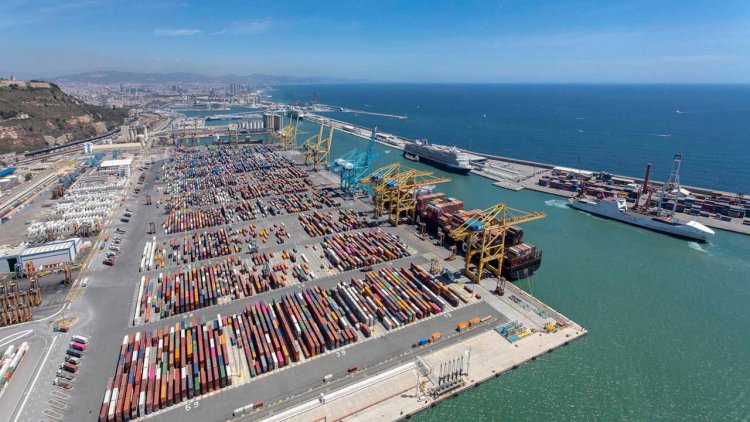
The information will be shared continuously and offer the position and trajectory of machinery, vehicles, and people in real time, enabling traffic coordination and warning drivers in the event of an accident risk. The pilot project is part of the 5G Barcelona initiative with Telefónica, APM Terminals and Mobile World Capital Barcelona as partners.

This 5G Barcelona initiative, together with Telefónica, APM Terminals, and Mobile World Capital Barcelona are working on a pilot project to improve security in ports thanks to the use of 5G networks to connect cranes, vehicles, and people by merging different advanced communication and localisation technologies. The main objective of the project is to minimise the potential risk of collisions between mobile machinery and fixed elements, vehicles, and people in the container terminal. 

The pilot test, which is based on technology of the C-V2X connected car and the low latency of 5G communications and Edge Computing, aims to turn APM Terminals Barcelona into a safer space for workers, thanks to a system that allows the coordination of port traffic and the implementation of advanced algorithms for accident traffic prevention. Through an alarm system, both crane drivers and trucks or pedestrian personnel will be warned about a potential collision against fixed and mobile elements and the system will in addition send an instant notification to a control centre in case of collision.

The development of the project involves the deployment of Telefónica’s 5G coverage at the APM Terminals in the Port of Barcelona, the provision of 5G connectivity to Straddle Carrier cranes, trucks and terminal personnel, as well as an acoustic warning system for possible collisions. 

The Straddle Carrier cranes will be equipped with an on-board unit capable of communicating via 5G and through C-V2X technology between them and with the rest of the actors. Trucks, truckers and terminal personnel will have a 5G smartphone, on which a C-V2X application will be installed. This way, the smartphone, becomes another piece of the V2X environment, as well as the lever for an easy transition towards a fleet of natively connected vehicles and direct inclusion of people in the ecosystem. 

Fixed elements, such as streetlights, will also be signalled with C-V2X communications, thus communicating with the rest of the mobile actors in real time. 

All the information communicated by the cranes, trucks and pedestrian personnel is sent securely to an application located geographically very close (Edge) to their place of consumption in order to offer immediate responses. This application, hosted on the Edge, has the intelligence to be able to coordinate this cooperative driving between the different actors – called intelligent cooperative transport system (C-ITS) – and also offers a dashboard to APM Terminals to visualise on a map the positions of each of the actors participating in the project. Obtaining a precise location is vital and for this reason a system has been developed to allow obtaining precise locations as close as centimetres.

This intelligent cooperative transport system is housed in the Edge Computing node of Telefónica’s Virtual Data Centre (VDC) service, located in Barcelona, which consolidates the company’s ability to offer very low latency services, along with the possibility of processing large amounts of information in real time to be able to extract high value data. 

Carlos Arias, Managing Director of APM Terminals Spanish Gateways, shared:

“Projects like this are part of our Way of Working at APM Terminals, in search of innovation and continuous improvement, and for operations in our terminal to be increasingly safe, more sustainable and more competitive.”

Telefónica’s Innovation Manager, Mercedes Fernández, affirms that this same technology can also be implemented in other ports, airports and all kinds of industrial sites with a similar traffic of elements”. The goal is common: “to reduce the accident rate among workers, vehicles and goods”. 

The project, which will be a reality as of next summer, has different phases of development and will use the facilities of the APM Terminals Barcelona as a test location. Depending on the results obtained, the system could be replicated and implemented in other ports to contribute the prevention of occupational accidents.

Eduard Martín, CEO of 5G Barcelona, CIO and director of Mobile World Capital Barcelona 5G Program, points out:

“We are very satisfied to be able to contribute to generating synergies between different actors in the industrial and technological sector, such as Mobile World Capital Barcelona, Telefónica and APM Terminals. We have a shared purpose for this pilot project to transcends and can be extended to other ports to improve the prevention of occupational accidents. ” 

The three promoters of the project are Telefónica, APM Terminals and Mobile World Capital Barcelona, with the collaboration of FICOSA for the integration of the onboard unit C-V2X in the cranes, the development of the intelligent cooperative transport system that resides in the MEC and the implementation of the solution that allows offering precise locations. HARMAN also participates for the development of the C-V2X application on smartphones.