-5.1 C
New York
Home Blog Page 655

KVH introduces TracPhone V30 marine VSAT antenna for affordable Internet at sea

0

KVH Industries, Inc., has introduced the TracPhone® V30, an ultra-compact Ku-band VSAT antenna designed to deliver data speeds as fast as 6 Mbps down/2 Mbps up for leisure and commercial boats wanting to experience the benefits of Internet at sea. 

Measuring just 37 cm (14.5 inches) diameter and weighing 10.6 kg (23.4 lbs), the TracPhone V30 is designed to provide ease of installation and retrofit with a single power-data coax cable, versus multiple cables, and to utilize DC power, a plus for small boats with a limited power supply.

KVH engineered the antenna with a modem in the dome to deliver outstanding reception with improved signal efficiency, as well as high-performance tracking and stabilization for fast boats and rough seas. A streamlined belowdecks unit, called the VSAT-Hub, provides state-of-the-art HTS modem connections, built-in Wi-Fi, data routing, firewall security, and a VoIP adapter for phone calls.

This combination of TracPhone V30’s small antenna size, easy installation, and fast data speed makes Internet connectivity, content streaming, and social media use possible on sailboats, center console boats, and recreational boats. In addition, the TracPhone V30 is well-suited to commercial vessels that don’t voyage globally, including fishing boats, tugboats, and offshore service vessels. For leisure and commercial vessels, the TracPhone V30 offers the advantages of advanced satcom technology as a replacement for legacy L-band systems that typically provide data speeds of only 432 Kbps.

Mark Woodhead, KVH executive vice president of mobile connectivity, says:

“Our new TracPhone V30 delivers fast data speeds in a compact unit and we anticipate it will disrupt the leisure and commercial markets by making VSAT at sea affordable like never before. Whether they are streaming content, checking email, using social media, or managing their business, both recreational boaters and small commercial vessel operators can count on reliable VSAT connectivity wherever they go.”

Although ultra-compact, the TracPhone V30 antenna has global reach via KVH’s mini-VSAT BroadbandSM network, which provides global coverage from multi-layered high-throughput satellites (HTS) in the Intelsat FlexMaritime network with additional coverage from SKY Perfect JSAT.

With the TracPhone V30, KVH has added a fourth system to its award-winning VSAT product line, which features the 37 cm TracPhone V3-HTS, the 60 cm TracPhone V7-HTS, and the 1 meter TracPhone V11-HTS, providing maximum data speeds ranging from 6/2 Mbps down/up to 20/3 Mbps down/up.


Djibouti PCS smooths the flow of cargo and documentation across the border into Ethiopia

0

About 90% of Ethiopia’s imports pass through Djibouti’s ports and a key focus of DPCS has been providing as much transparency and visibility as possible to the final customers who, of course, are in another country entirely.

First launched in July 2018, Djibouti Port Community System, an active member of IPCSA, covers the ports of SGTD Container Terminal (former DCT), Doraleh Multipurpose Port and the Port of Tadjourah. Before its implementation, all Djibouti ports, Customs and government agencies had their own separate systems. Since 2018, DPCS has developed rapidly.

Warsama Guirreh, CEO of DPCS, says:

“We have two main strategies driving our PCS implementation. Due to our location, we have about 30,000 vessels passing our coast every year; Djibouti Ports and Free Zones Authority is working to create an interconnected International Maritime Centre, investing in ports, in feeder services and in bunkering on the high seas, with the aim of attracting more liner services into our ports. Secondly, we are working to further improve the transit services provided to our neighbour, Ethiopia. The focus of our PCS has a lot to do with tracking and tracing; we have to provide as much transparency and visibility to the final customers as we can. After all, we have seen more than US$1.2 billion of investment in creating logistics and trade infrastructure in Djibouti – building digital services to improve the efficiency of those infrastructure is an essential component of that investment.”

In respect of the first strategy, Djibouti PCS is compliant with IMO FAL recommendations. The seven FAL Forms are submitted electronically to ease vessel documentation submission. Other maritime e-services that have contributed to a considerable increase in efficiency include electronic berth requests and vessel clearance e-certificates.

DPCS is also connecting all the different stakeholders – ports, shipping lines, forwarders, Customs – to provide a 360-degree view of cargo and documentation flows.

Warsama says:

“We are tracking the cargo to identify when it has been unloaded at the port, position of the container within the yard, gate-in/gate-out and at the same time tracking the documentation process – including e-do, port fees invoice, clearance, booking collection of the cargo, etc. Recently we have integrated Djibouti Corridor agency (DPCR) systems to provide ‘check points’ where the customer can follow the truck and its cargo all the way to Ethiopia. This is done through a QR Code scan of the DPCR ticket along the corridor.”

With the addition of this latest functionality, importers/exporters from Ethiopia can follow their trucks in Djibouti, verify the cargo that the trucks are transporting and investigate any delays on deliveries by tracking operations and documentation activities associated with their trucks. The shippers can also use this tracking and data availability to improve services and cut out unnecessary costs. Having said that, it’s important to emphasise that DPCS is not physically stopping anyone from doing anything; the transparency is there for the community to make use of.

This tracking capability has generated a lot of interest from the Federal Transport Authority of Ethiopia, whose transport department contacted DPCS with a view to integrating systems to provide full tracking and visibility of Ethiopia-based trucks, from starting their journey, through loading goods at the port to crossing the border and final delivery.

Port of Blyth supports UK oyster restoration project in UK waters

0

The Wild Oysters Project, a partnership between ZSL (Zoological Society of London), Blue Marine Foundation (BLUE) and British Marine aims to help restore healthy, resilient coastal waters around the UK by bringing back these ‘ocean superheroes’ from the brink of extinction.

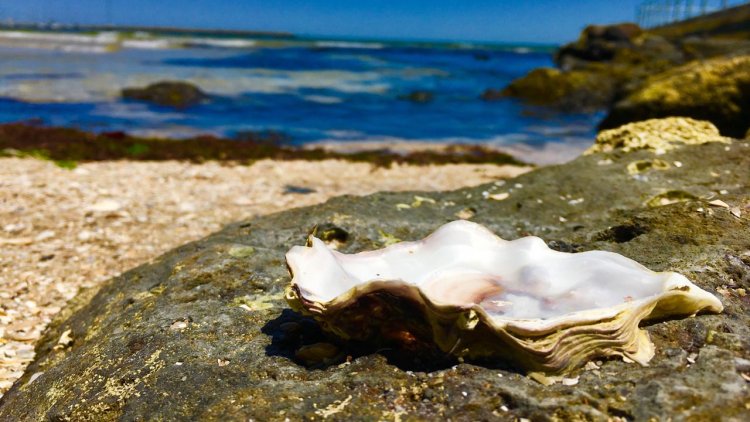
Native oysters provide huge benefits to our coastal waters by helping to clean our seas and acting as an important habitat for marine wildlife. Declining by 95% due to human activities, native oyster populations have continued to decrease since the 1800s, meaning their benefits to the ocean have been lost.

The first mature native oysters have now been housed in nurseries, a micro habitat acting as a maternity ward to the next generation of oysters, suspended underneath marina pontoons in the North East of England. These oysters will begin reproducing over the next few months, releasing millions of baby oysters, known as larvae, into the ocean. This is the first step in the project’s aim to restore native oysters, increasing wild populations around the British coast and see the return of healthy coastal waters.

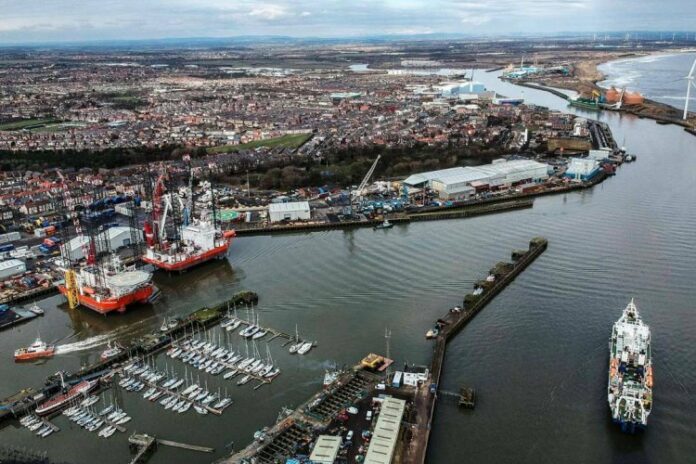
The project, which spans the UK, has begun by installing 47 nurseries with 1,300 native oysters underneath marina pontoons at the Port of Blyth and Sunderland Marina.

Ashleigh Tinlin- Mackenzie, Local Project Officer for the Wild Oysters Project, said:

“We are thrilled to bring oyster restoration efforts to North East coastal waters, to revive this forgotten and remarkable native species locally. It’s great to have active hands-on marine conservation work happening on the doorstep of local coastal communities.”

Edwin Dick, Harbour Master at Port of Blyth, said:

“We’re delighted to be supporting this project which is set to have a hugely positive effect on marine life on the North East England coast. We’re also looking forward to the nursery acting as an outdoor classroom for local schools and the community as we hope it will inspire the next generation to protect and care for the marine environment.”

The Wild Oysters project, a three-year ambition, was awarded £1.18m by the Postcode Dream Trust. The Dream Fund, run by Postcode Dream Trust, gives organisations the opportunity to bring ambitious, innovative and collaborative projects to life.

Microplastic collection device to be Installed on Marusumi Paper’s wood chip carrier

0

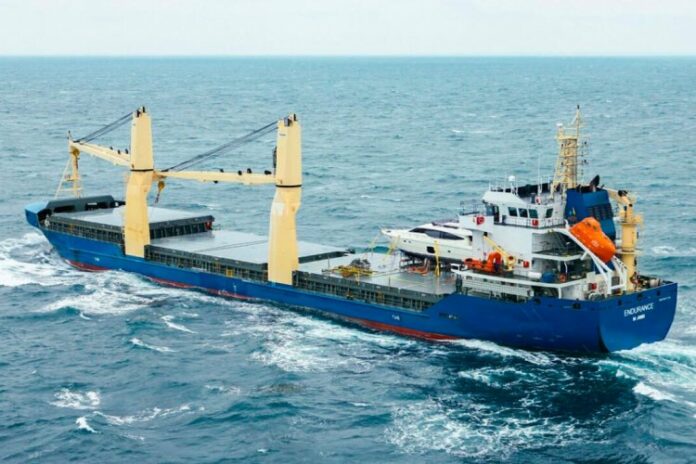
Marusumi Paper Co., Ltd. and Mitsui O.S.K. Lines, Ltd. have announced to install a microplastic collection device, which is under joint development by MOL and Miura Co., Ltd., on a newbuilding woodchip carrier that will be delivered in 2022 and sail under Charter contract with Marusumi Paper.

The first device was installed for a demonstration test announced on October 27, 2020. Since then, it has been installed on three bulk carriers, making this wood chip carrier the fifth vessel so equipped.

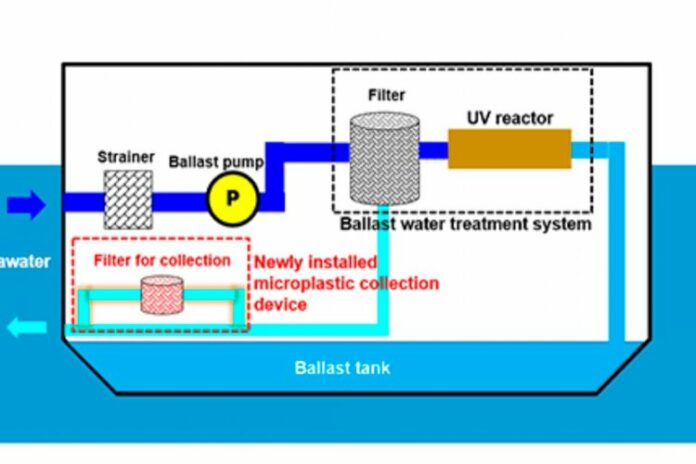
It is usual that the microplastics have been captured by the filter within the ballast water treatment system and discharged overboard. In order to collect the microplastics, the microplastic collection device has been installed and enable to collect the microplastics through this device. The performance of the devise has been confirmed as per designed through the demonstration test, making the device to be able to collect tens of thousands of microplastics per vessel annually.

Marusumi Paper states:

“We strive to protect our global environment” in its management philosophy, and it places a high value on monozukuri (manufacturing) in harmony with the environment. The company works tirelessly on an endless quest to promote resource recycling and worldwide efforts to address environmental and social issues.”

MOL aims to make the ocean clean and achieve resource recycling by installing the microplastic collection device on more vessels and recycling the collected microplastics. In addition, MOL as a global shipping company, will be promoting the conservation of marine and global environment proactively.

Miura works to protect the maritime and global environment through development and sales of its ballast water treatment system (cumulative total units sold as of end FY2020: 1,200), which was launched in 2014, as well as this microplastics collection device.

Candler adds its fleet to Telemar’s bridge electronics service and maintenance solution

0

Marlink subsidiary Telemar has signed a five-year service maintenance deal with Candler Schiffahrt GmbH Bremen (Candler) to provide service and maintenance across its fleet of bulk and multi-purpose vessels.

The contract will see Telemar provide global service co-ordination from its new Bremerhaven branch office, with a dedicated staff of five focussed on client service delivery. It also includes provision of the Telemar World Service (TWS), a web-based tool for managing service due dates across the Candler fleet, increasing visibility, saving time and optimizing vessel availability.

Candler manages eight geared bulk carriers and multi-purpose vessels operating in the word-wide tramp trade. By outsourcing bridge electronics maintenance as a service to Telemar, Candler can ensure the operational safety and efficiency of bridge electronics maintenance in a more streamlined way.

The contract includes annual radio survey, radar inspection, performance test for the Voyage Data Recorder and overhaul of gyro compass and five-year exchange of compass gyro sphere, in addition to multiple safety services including GMDSS.

In addition to the TWS tool, Telemar will also provide remote service co-ordination and access to a 24x7x365 service hotline. Having been updated with data on the Candler vessels, TWS automatically sends reminders to fleet managers and service co-ordinators advising on the need for system service or replacement. Candler also has access to the platform and can observe service status, reports and installation history in a single system.

Johann Wadephul, Managing Director, Candler, says:

“Candler and Telemar have a working relationship covering navigation and communications stretching back 25 years and as a Marlink connectivity customer there is good synergy in this area of our operations. We appreciate being able to work with local suppliers that can support us with a professional approach to our fleet and provide tools that increase transparency and improve planning and reporting.”

Kai Sangkuhl, Managing Director, Telemar Electronics, says:

“We are delighted to be working with Candler on a contract that reflects our local knowledge and expertise, with staff dedicated to managing the needs of customers regardless of fleet size. By combining our bridge electronics expertise with our dedicated planning system and coordination abilities we increase peace of mind for our customers safe and compliant operations.”

Fugro completes geotechnical investigation for world’s longest immersed tunnel

0

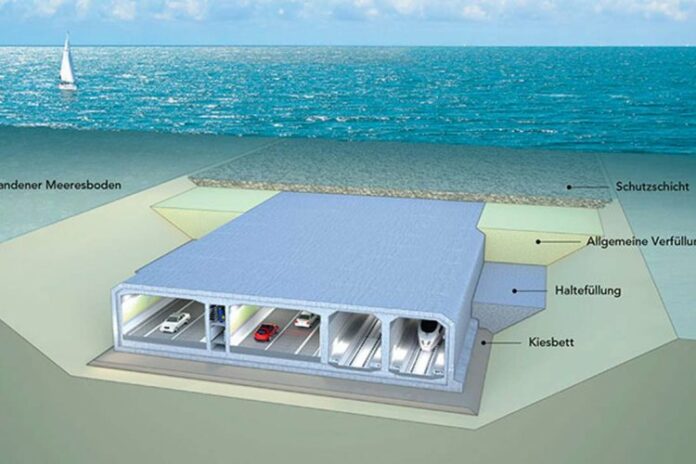
The client was Femern Link Contractors, the consortium building the 18 km tunnel that will reduce travel time between the two countries and contribute to a greener transport system.

Fugro has been involved in the Fehmarnbelt Tunnel project for the last 10 years, from early site investigation work up to the current geotechnical study. This latest phase included geotechnical site characterisation of the sub-seabed soil at both tunnel entrances and, on the Danish side, the production facility where the hollow concrete tunnel elements are being made.

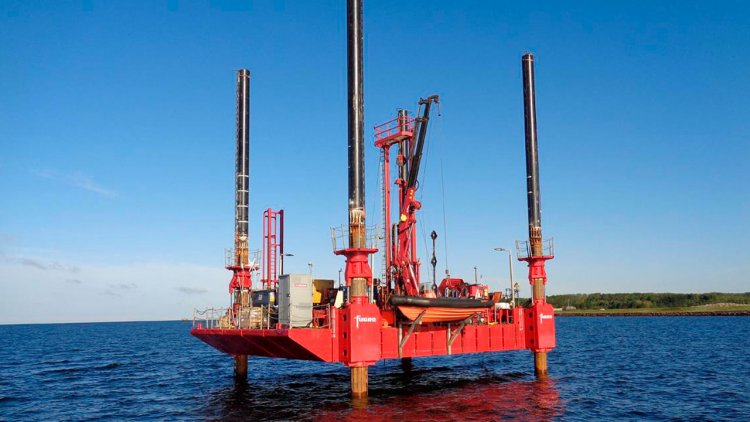
Fugro deployed their Skate 3 jack-up platform, a custom-designed geotechnical spread, and a specialist data acquisition team to perform core drilling and downhole cone penetration tests. The resulting data were then analysed to determine subsurface uncertainty to reduce the contractor’s and client’s ground risk exposure by providing secured geotechnical design input parameters.

Michael Neuhaus, Strategic Sales and Marketing Manager for Fugro in Germany, said:

“We are proud to play a significant role in this iconic project. Detailed knowledge of the subsurface soil properties has helped Femern Link Contractors to improve cost and time management during the preconstruction and design phases, and to meet their engineering objectives.”

Photo: Fugro

Kongsberg Maritime to supply a HUGIN AUV system to Lighthouse SpA

0

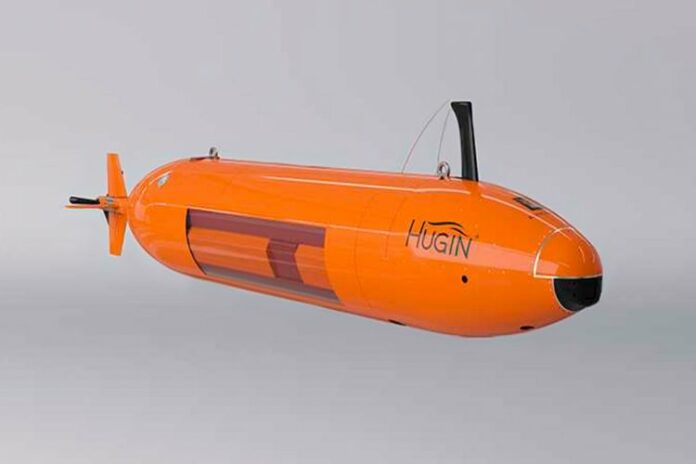
The HUGIN to be delivered is rated to 4,500 metres and equipped with a full geophysical survey payload, including a KONGSBERG HISAS 1032 synthetic aperture sonar, EM2040 multibeam echosounder, sub-bottom profiler, camera and laser, together with a range of environmental sensors.

The scope of supply extends to all equipment required for day-to-day operations, including a 30 ft AUV container housing the Stinger launch and recovery system, battery chargers and maintenance equipment. A 10 ft operations room container is configured for mission planning and dive management as well as data download and review.

The HUGIN AUV system is the most successful commercial AUV in the world. More survey kilometres have been completed by HUGINs than any other AUV. Lighthouse’s HUGIN benefits from some proven enabling technologies that further enhance its capabilities, including automatic pipeline following. This uses real-time data from the HISAS and EM2040 systems to detect pipelines, tracking either alongside or over the top of them to collect sonar, camera and laser data.

Mr Pietro Basciano, CEO of Lighthouse SpA, said:

“We at Lighthouse have chosen to invest in a HUGIN AUV System, confident that it will provide state-of-the-art AUV technology with unique quality and reliability. We believe this will open commercial opportunities for us. From our first contact with KONGSBERG we immediately realised that we had made the right choice; their competence and professionalism combined with an ability to understand our needs made everything easy. We look forward to operating the HUGIN for many years to come.”

Richard Mills, Vice President of Marine Robotics Sales at Kongsberg Maritime is keen to welcome Lighthouse to the growing family of HUGIN AUV operators:

“We are honoured that Lighthouse chose the KONGSBERG HUGIN AUV System for their survey operations. We look forward to working with their team to ensure the AUV exceeds their expectations.”

Nigerian port orders two Konecranes Gottwald Mobile Harbor Cranes

0

The order, booked in January 2021, shows Konecranes’ commitment to helping customers and industries grow and transform so they run more efficiently, sustainably and safely.

Longtime customer TICT, a subsidiary of Bolloré Transport & Logistics (Bolloré), the largest transport and logistics operator in Africa, placed the order in anticipation of expanded container traffic in 2021 and beyond. The new cranes, which will be delivered in August 2021, will also allow TICT to accommodate larger vessels.

Etienne Rocher, MD of TICT, says:

“Liner requirements are constantly evolving, increasingly requiring higher performance cranes with flexibility in cargo handling and twin-lift container operation as larger ships call more frequently at our Port. Our experience with Konecranes equipment has always been excellent. We are pleased to add two more of the Model 7 cranes to our facility.”

Andreas Czwalinna, Regional Sales Manager for Konecranes Port Solutions, says:

“These cranes will bring the size of the TICT Konecranes Gottwald Mobile Harbor Crane fleet to twelve, giving TICT the capacity to reduce vessel Port stay through improved operational efficiency. This order illustrates the strength of our long-term partnership with Bolloré, working with them at their facilities around the world as they continue to grow.” 

The new cranes will be operated by TICT in the Tincan area of the Port of Lagos, where they will handle containers alongside a fleet comprising of six Model 4, two Model 6 and two other Model 7 Konecranes Gottwald Mobile Harbor Cranes already on-site. 

Asia’s first ship-to-containership LNG bunkering undertaken by CMA CGM and FueLNG

0

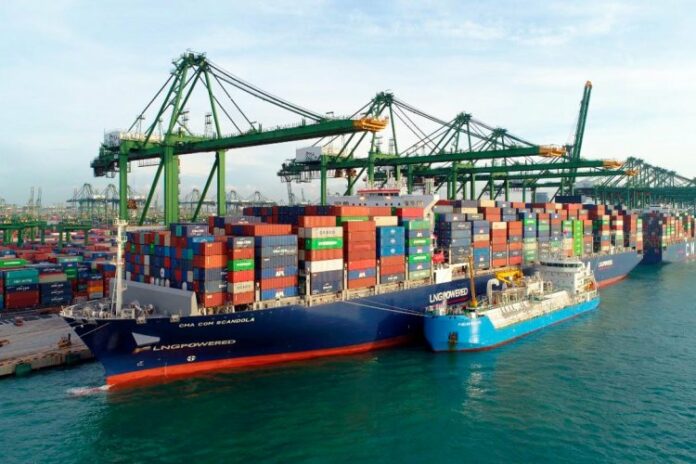
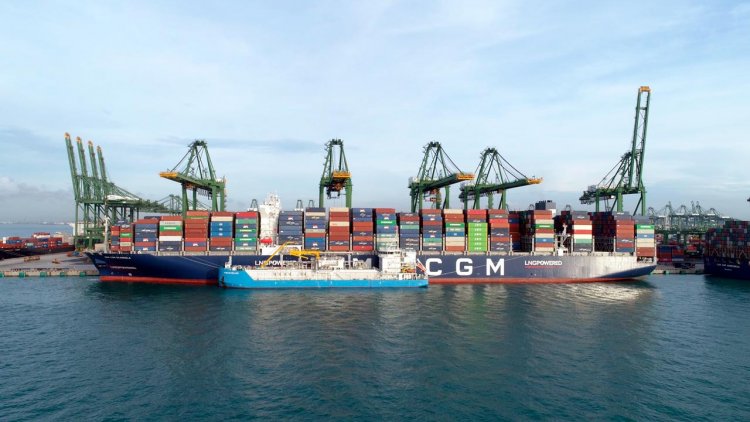
The first ship-to-containership Liquefied Natural Gas (LNG) bunkering operation in Asia was undertaken by CMA CGM, a world leader in shipping and logistics, and FueLNG, a joint venture between Keppel Offshore & Marine Ltd (Keppel O&M) and Shell Eastern Petroleum (Pte) Ltd, and the Maritime and Port Authority of Singapore (MPA). A containership, CMA CGM SCANDOLA, has been fuelled with 7,100m3 of LNG from FueLNG Bellina, Singapore’s first LNG bunkering vessel.

Senior Minister of State for Transport and Foreign Affairs, Mr Chee Hong Tat, said:

“The use of more sustainable fuels is an important element of the decarbonisation strategy. As the shipping industry explores alternative zero-carbon fuels, LNG is a viable transitional fuel. As a global bunkering hub, we are pleased to partner CMA CGM, FueLNG, Keppel Offshore & Marine and Shell Eastern Petroleum, to provide more sustainable bunkering solutions for the shipping industry. It also marks another major milestone as Asia’s first ship-to-ship LNG bunkering operation with simultaneous cargo operations.” 

CMA CGM SCANDOLA is the first of six new 15,000-TEU LNG-powered containerships which CMA CGM Group has lined-up to be bunkered in Singapore this year. These ships will be deployed on CMA CGM’s MEX 1 service between Asia and the Mediterranean.

It is also the first vessel in Asia to conduct simultaneous container loading and discharging operations alongside LNG bunkering operations, shortening port stay time. From Singapore, she will set sail with over 14,800 (twenty-foot equivalent units) containers, comprising household goods, electronic items, machinery and personal protection equipment for the Mediterranean.

This is also the first ship-to-ship operation for FueLNG Bellina. Designed and built by Keppel O&M, the 7,500m3 FueLNG Bellina provides more options for shipowners and operators to bunker LNG in Singapore. FueLNG aims to provide a total of about 30 to 50 ship-to-ship LNG bunkering operations in 2021, extending its track record of over 300 truck-to-ship LNG bunkering operations so far.

This ship-to-ship LNG bunkering operation by CMA CGM and FueLNG underscores the companies’ commitment to contribute to Singapore’s ambition to become a leading LNG bunkering hub in Asia.

LNG is currently the best and immediately available solution that can reduce the environmental impact of maritime transport and preserve air quality. It enables a reduction of 99% in sulfur dioxide, 91% in particulate matter emissions and 92% in nitrogen oxide emissions, far surpassing the requirements of current regulations. LNG also provides an initial solution to the challenge of tackling climate change. An LNG-powered vessel emits up to 20% less CO2 than conventional marine fuel-powered systems.

Mr Stephane Courquin, Chief Executive Officer of CMA CGM Asia Pacific, said:

“CMA CGM is committed to the energy transition in the shipping industry. Today, LNG is the most advanced solution when it comes to preserving air quality. This technology is one of the first steps towards achieving CMA CGM Group’s ambitious 2050 objective of carbon neutrality. CMA CGM SCANDOLA is the first of more CMA CGM-operated LNG vessels that will undergo simultaneous cargo and LNG bunkering operations in Singapore. The Group’s fleet of LNG containerships will grow to 32 by the end of 2022.”

Ms Quah Ley Hoon, Chief Executive of MPA, said:

“The use of LNG as a marine fuel is fast gaining traction worldwide amid a global push to use cleaner shipping fuels. As the world’s top bunkering and transshipment hub port, MPA is pleased that we are able to facilitate Asia’s very first ship-to-ship LNG bunkering operation with simultaneous cargo operations.  We will continue to work with the industry to promote LNG bunkering in Singapore and drive the transition to more sustainable shipping.”

Mr Chris Ong, Chairman of FueLNG and CEO of Keppel O&M, added:

“We are pleased to kickstart ship-to-ship LNG bunkering operations for the FueLNG Bellina in Singapore, which allows us to fuel larger vessels such as containerships. We have a number of ships lined up for FueLNG Bellina’s next bunkering operations, reflecting the strong demand for LNG bunkering in Singapore. LNG is an important part of the clean energy transition and this is in line with Keppel’s Vision 2030 to pursue greener energy developments.”

Mr Tahir Faruqui, Director, FueLNG and Head of Shell Downstream LNG, said:

“It’s crucial that the shipping sector employs the cleanest fuels available today and we continue to strengthen our network to supply our customers with cleaner burning fuels. In addition, vessels using LNG as a fuel should be comparatively more robust in addressing the financial impact of any CO2 levy potentially imposed in the future. Singapore is a new addition within our global LNG bunkering network of eight countries and nine ports. We plan to double this bunkering infrastructure on key international trade routes by the mid-2020s so that we can support the sector with the capabilities to tackle emissions with urgency.”

Inmarsat report guides passenger ships towards IMO 2021 cyber risk management compliance

0

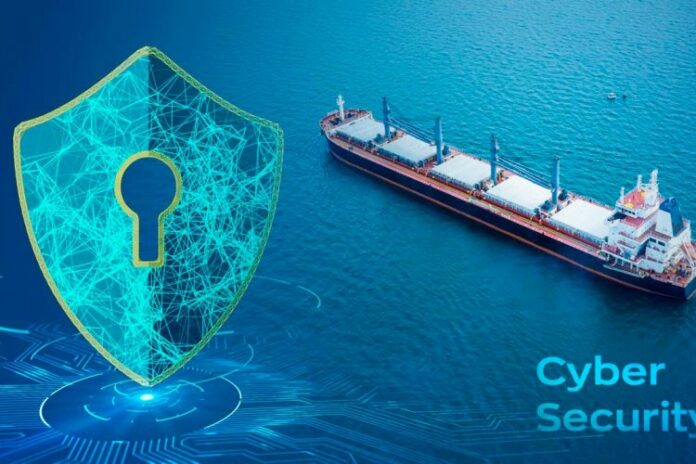
Inmarsat has released a new, free of charge report covering new International Maritime Organization obligations and their implications for cruise ship and ferry professionals. 

The obligations enter into force next year and the report aims to support owners, managers and captains on compliance as they work to protect passenger ship cyber security.

Published by the Inmarsat Research Programme, Cyber Security requirements for IMO 2021 offers unique insights into Inmarsat’s cyber security experience and examples of real cyberattacks on vessels, providing cruise ship and ferry owners, managers, captains, engineers and technical officers with a guide to the criteria for compliance. By IMO resolution, passenger ship Safety Management Systems must be documented as including cyber risk management under the International Safety Management Code no later than the first annual audit after 1 January 2021.

The 40-page document highlights the way threats continue to adapt and evolve, reporting a fourfold increase in cyberattacks on maritime targets that coincides with the industry’s move to home-based working through the Covid-19 pandemic. It also provides a comprehensive explanation of the often misunderstood distinctions between anti-virus software and network endpoint security.

Peter Broadhurst, Senior Vice President, Safety, Security, Yachting and Passenger, Inmarsat Maritime, said:

“As the passenger ship fleet heads towards a new regime on cyber security, this is a significant publication for anyone investigating the fast-evolving threats facing cruise vessels and ferries at sea. Anyone wanting to know what the new IMO rules mean and, in Fleet Secure Endpoint, the viable solutions already available to support towards compliance can’t afford to miss Cyber Security requirements for IMO 2021.”

To deepen industry understanding of the new cyber security regime, the report summarises industry exposure to date, identifies the vessel-specific vulnerabilities that have driven regulators to act and explores the precedents from outside and inside the maritime sector for IMO rule development. The context provides a vital preamble to a clear and concise guide to IMO 2021 compliance and the steps required to identify, protect against, detect, respond to, recover from and report on cyberattacks aimed at passenger ships.

Inmarsat also provides guidance on Fleet Secure Endpoint (FSE), its cyber security protection, monitoring and reporting tool that can support cruise ship and ferry owners and managers towards compliance. Without additional hardware, FSE’s multi-layered network protection against phishing, spyware, botnets and more updates system status using software on end-user machines.

Once more providing context, Cyber Security requirements for IMO 2021 focuses on FSE as a critical component in Total IT Best Practice for compliance, rather than providing a compliance solution in its own right. It also highlights Inmarsat’s role as partner to Maritime Cyber Security Awareness training developed for Stapleton International by MLA College, which is also available to FSE users.