-9.8 C
New York
Home Blog Page 652

Wärtsilä signs Optimised Maintenance agreements covering five Minerva Gas LNG Carriers

0

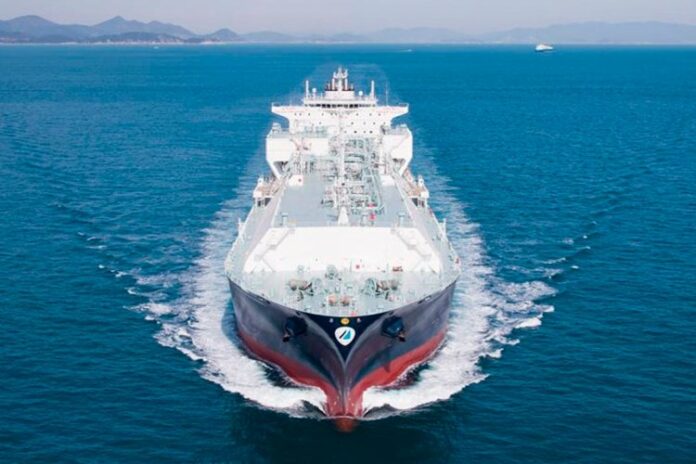
The technology group Wärtsilä has signed long-term Optimised Maintenance agreements covering five LNG Carrier vessels owned and operated by Greece-based Minerva Gas Inc. The advanced support package embodied in these agreements is designed to ensure operational certainty with budgeted maintenance costs. The agreements were signed in March 2021.

Included in the scope of the agreements is Wärtsilä’s Expert Insight, an innovative service that leverages artificial intelligence (AI) and advanced diagnostics to monitor equipment and systems in real-time, spot anomalies, foresee potential problems, and enable rapid reaction accordingly. Should anomalous behaviour be detected, it is flagged to specialists at Wärtsilä Expertise Centres, allowing them to support the customer proactively with an appropriate resolution to the issue. The combination of AI, advanced diagnostics, and the company’s extensive equipment expertise greatly enhances the reliability, efficiency, and safety of the installed equipment.

Sokratis Dimakopoulos, Chief Operating Officer at Minerva Gas, says:

“To achieve optimal operational efficiency and reliability, we intend to take advantage of the latest and most advanced technology available. These tailored agreements with Wärtsilä allow us to benefit from condition monitoring of the engines, maintenance planning, remote operational support, and of course Expert Insight, all supported by their global service network. Minerva Gas is committed to delivering reliable and flawless operations and these agreements with Wärtsilä assist us in meeting our objectives by using advanced tools and solutions in better managing our costs and risks.”

Mr Rajeev Janardhan, Sales Manager, 2-stroke engine Lifecycle solutions, Wärtsilä Marine Power, says:

“Our Optimised Maintenance Agreements are an important element within Wärtsilä’s Lifecycle Solutions offering, and a smart way to ensure optimal performance from modern marine engines. The implementation of Expert Insight is especially relevant since it can deliver an estimated fifty percent reduction in unplanned maintenance activities, and a two to five percent improvement in fuel efficiency, with a corresponding reduction in emissions.”

The vessels covered by the agreements are the ‘Minerva Kalymnos’, ‘Minerva Chios’ and “Minerva Amorgos”, which are powered by low pressure, WinGD X-DF two-stroke, dual-fuel main engines, and the ‘Minerva Psara’ and ‘‘Minerva Limnos’, which operate with Wärtsilä 34DF four-stroke dual-fuel auxiliary engines.

Hesselø OWF: New step closer to net zero subsidies to offshore wind

0

The Danish wind adventure has been on a path towards net zero subsidies for some years. The agreement on the subsidy scheme for Hesselø Offshore Wind Farm is a step closer to that political objective.

The Danish government together with the parties to the Climate Agreement have entered into an agreement on a subsidy scheme for Hesselø OWF that ensures a sound framework for reaching the political objectives of net zero subsidies while at the same time continuously supporting the future OWF owner.

On 26 March 2021, the Danish Government and the parties to the Climate Agreement for Energy and Industry of June 2020 (the Climate Agreement), have entered into an agreement about the subsidy scheme for Hesselø Offshore Windfarm (OWF), which is to be located north of Zealand. To a large extent, the subsidy scheme for Hesselø OWF is similar to the subsidy scheme decided for Thor OWF (in Danish only) which was based on the recommendations from The Danish Council on Climate Change.

This means that for Hesselø OWF there will be offered a 20-year period of risk sharing between the Danish State and the concession owner in accordance with the so-called two-way Contract-for-Difference (CfD) model. The CfD-model gives the concession owner certainty for the investment in the long run, but places more short-term risk by exposing the concession owner to market signals. The price premium will be calculated as the difference between the offered bid price and a reference price, which consists of the average electricity prices in the previous calendar year. The concession owner receives a premium in years in which the offered bid price is higher than the reference price, but correspondingly pays the Danish State in years in which the reference price is higher than the offered bid price.

The path towards net zero subsidies continues with the subsidy scheme for Hesselø OWF. The subsidy scheme provides automatic acceptance of the offered bid price given that the prequalified tenderers do not cross the threshold for net zero subsidies when submitting final tenders by the end of 2022. If the bid with the lowest offered price in “øre” per kWh amounts to the total subsidy costs over the 20-year period, which are equal to or below the budget evaluation threshold of net zero, award is guaranteed without any further approvals. If this is not the case, the parties to the Climate Agreement must decide whether to accept the bid and locate the required subsidy funds or whether to reject the bid.

When evaluating whether the bid will lead to subsidies that are within the net zero subsidy threshold, the Danish Energy Agency uses its electricity price forecast. However, when the concession is awarded, the actual amount of subsidies to be paid by the Danish State to the concession owneris DKK 5 bn. (2018 prices). In that case, if electricity prices develop significantly lower than expected, the concessionaire still has an insurance for their income from the Danish State. This cap on the subsidy payment made by the Danish state is counteracted by a cap of DKK 2.8 bn. (2018 prices) on the payment made by the concession owner to the Danish State in the two-way CfD. Both caps are net caps over the 20-year subsidy period.

Thus, the Danish state and the concession owner will share the long-term risk of market prices deviating from the forecasts.

Another feature in the subsidy scheme makes the cost related to renewable energy more transparent since the indirect support, granted as a separate premium as compensation for the feed-in tariff, will not be granted for Hesselø OWF. The feed-in tariff is a tariff payed by the consession owner for the electricity delivered to the transmission grid. Previously tendered offshore windfarms are compensated for this expense through a premium separated from the subsidy scheme. However, for Hesselø OWF, the concession owner will have to take account of the expenses for feed-in tariffs in the bid.

Opinion: Carbon pricing plans ‘could transform upstream oil and gas economics’

0

At present, few countries require producers to either pay a carbon tax or participate in an emissions trading scheme (ETS). But as governments seek to meet decarbonisation targets, that could soon change.

Carbon charges are likely to come, and they will transform the upstream sector, affecting both asset values and the industry’s economics.

Graham Kellas, senior vice president, global fiscal research, WoodMac, said:

“Governments have two options for imposing carbon charges on upstream operations. They can either levy a carbon tax, which is a fixed tax rate is applied to all carbon dioxide emissions, or implement an ETS. Under both schemes, the financial impact on specific projects can potentially be mitigated by an emissions allowance.”

More than 60 carbon charge regimes currently exist at international, national and subnational levels, but very few affect major oil and gas producing areas at a rate above US$20 per tonne.

Norway is the standout country for upstream carbon charges: as well as having levied a tax on CO2 since 1991, it is a member of the EU’s ETS. The EU scheme, in which the UK also participates, is the world’s largest and most active.

North America’s first carbon tax for large oil and gas producers was established by the Canadian province of Alberta in 2007. British Columbia implemented a similar tax in 2008, with the Canadian federal government introducing a levy in 2019. Last year, the Canadian government announced its carbon tax rate would rise to the equivalent of around US$135 per tonne by 2030. US President Joe Biden’s green agenda is making carbon charges for upstream operations in the US far more likely.

Meanwhile, the Norwegian government’s proposal to almost triple its overall carbon tax rate on upstream oil and gas operations makes a bold statement, considering that E&Ps operating on the Norwegian continental shelf already pay the highest carbon taxes in the world.

Norway’s new carbon plan aims to reduce emissions from sectors such as waste and agriculture, which are not already exposed to carbon taxes. However, oil and gas producers will be affected too.

Kyrah McKenzie, from WoodMac’s upstream research team, said:

“The proposals would see the combined Norway CO2 tax and EU ETS price reach US$262 per tonne by 2030 – nearly a three-fold increase compared to today’s price. The changes will increase carbon taxes to almost US$2 billion per annum by 2030, and would make up around US$2 per barrel of opex, similar to transportation tariffs. This could increase up to US$10 per barrel of oil equivalent at more mature fields.”

However, McKenzie said that Norway’s high tax rates, against which carbon taxes are deductible, would help offset the rise. Norway’s low carbon intensity also reduces exposure.

She added:

“As a result, the implications for asset and company value are minimal. We believe asset valuations would fall by about 1% (US$1.4 billion), though company value could fall by up to 5% for those with more mature, high-carbon portfolios.”

While cessation of production may be brought forward at some Norwegian fields, the impact on recovery is limited. WoodMac’s research indicates less than 50 million barrels of oil equivalent would be left in the ground.

McKenzie added:

“Our analysis shows that the fiscal treatment of carbon taxes is arguably more important than pricing. A US$262 per tonne carbon price in other parts of the world would have more serious implications.”

Kellas said producers have been including carbon pricing assumptions — usually between US$40 and US$100 per tonne — in their financial models for some time.

His analysis indicates that at US$40 per tonne, most asset values are relatively insensitive to the carbon charge, although even that rate could wipe out the remaining value of some assets. But at US$200 per tonne – a lower rate than Norway is proposing for 2030 – a third of all assets would have at least 50% of their remaining value transferred in carbon charges.

He said:

“These figures assume all emissions are subject to any carbon charge. Actual exposure will be lower, depending on each government’s willingness to offer emissions allowances in the form of free emissions credits. This is the most important measure governments can use to modify carbon charges, thereby safeguarding asset values and lessening the impact on investment in the sector.”

The other principal instrument to soften the impact of carbon charges is the ability to offset these against other payments to government.

Kellas said:

“While mitigating the impact of carbon charges is possible, it will be complicated to achieve in many jurisdictions. Countries with fiscal regimes including royalty, which is levied on gross revenue and does not allow deduction of operating costs, will be at a disadvantage relative to those with tax-centric systems. And for upstream operations governed by production sharing contracts mitigation will be even more complex.”

Damen Shipyards expands hopper dredger portfolio

0

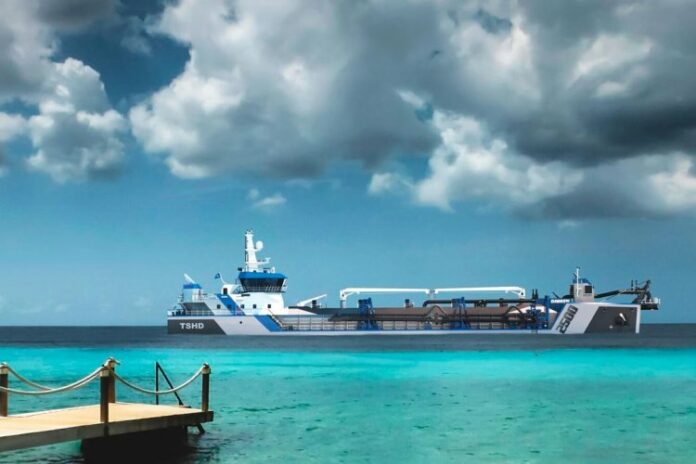
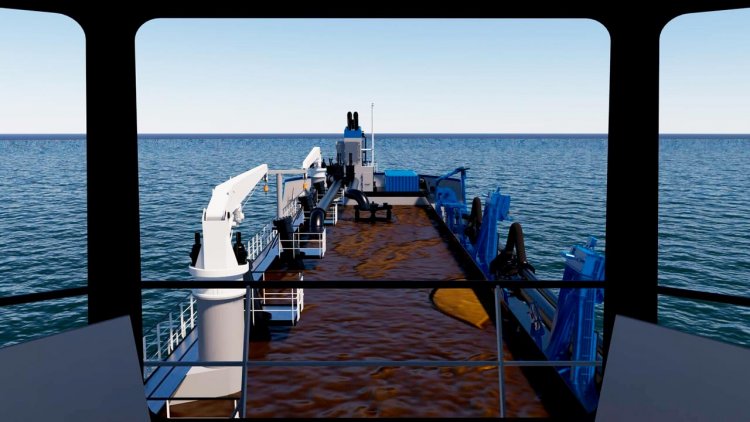
These vessels include a range of cutter suction dredgers, workboats and small to mid-size trailing suction hopper dredgers, or TSHDs. Recently the TSHD range has been renewed and expanded; the full range now covering hopper volumes from 650 m3 to 5,000 m3.

The updated portfolio includes both hopper dredgers for port maintenance and multi-purpose dredgers. All designs have a number of core values in common. The starting point for the designs were that the dredger be both practical in operation and in maintenance, and have a sustainable future-proof design. Moreover, each TSHD-type can be customised easily.

Olivier Marcus, Damen product director Dredging, explains:

“Practical maintenance is of vital importance on a TSHD. Due to the continuous wear of the sand/water mixture all piping and main components need frequent checks. In the design this has resulted in an efficient pipe routing, the use of high grade materials and ample space around the equipment for inspection and repairs.”

Moreover, the new series has been designed with sustainability in mind. For instance, no ballast water is needed throughout the operations, including sea voyages. And the designs do not have any fuel tanks in contact with the hull to avoid any future problems. The fully optimised, hence minimal amount of diesel, engines are fitted out with an SCR system, prepared for IMO Tier III, as can be expected from a responsible shipyard.

Olivier explains:

“Dredge operators always have a clear idea on the various tasks their hopper dredger is to perform, whether, for instance, channel maintenance for a Port Authority or efficient sand winning, transport and discharge for a commercial operator. This specific operation requires specific gear; the new TSHD range accommodates this. As hopper volumes range from as small as 650 m3 to a serious 5,000 m3 they fit a multitude of jobs. This standard range can be seen as a platform which can be fully customised by adding various options to ensure the dredger is 100% fit for its job.”

The recently unveiled complete TSHD range is the result of an industry-wide consultation. Ever increasing global trade requires revitalising ports and waterways, of which accessibility can only be guaranteed by timely and adequate dredging activities. 

Veson Nautical collaborates with three market-leading Charter Party Documentation tools

0

Veson Nautical has released details surrounding its Platform Partnerships with three leading Charter Party Documentation solutions providers: Chinsay, Marcura, and Maritech. 

In a display of collaboration and data standardization across maritime technology providers, Veson and its Platform Partners address a functionality gap in the market by developing native integrations that connect the Veson IMOS Platform (VIP) to Chinsay’s ICP.Freight platform, Marcura’s MarDocs, and Maritech’s Sea/contracts. The native integrations are being developed in response to a need in the industry for better connection and data flow in the Charter Party and Nominations workflow.

Eric Christofferson, Chief Product Officer at Veson Nautical, commented:

“We serve clients across the commercial maritime workflow who rely on Charter Party documentation systems to run their business every day. We wanted to improve their workflows by incorporating this information into VIP. However, recognizing the strengths of the existing solutions on the market, we realized this challenge could be addressed more quickly and effectively through integration and collaboration rather than new development. This led us to engage with leaders in the broader maritime technology market to pursue the best overall solution for our clients.”

Veson is currently building out native integrations between the Veson IMOS Platform and Marcura’s MarDocs, Maritech Sea/contracts, and Chinsay ICP.Freight solutions. These providers were selected due to each solution’s relative feature strength and their existing usage across the Veson Nautical client community. Each organization has formed a Platform Partnership with Veson under the Veson Partner Network, and the companies are finalizing development for the integrations within the next month. Joint clients of Veson and any of its Platform Partners are able to leverage these connections out-of-the-box with VIP.

Christofferson continued:

“First and foremost, our goal with these Platform Partnerships was to add value to our client base by solving one of their most pervasive challenges. As a system-agnostic freight management platform, we want to ensure that as many Veson clients as possible can take advantage of this functionality regardless of the Charter Party solution they use. That contributed to our selection of Maritech, Marcura, and Chinsay as our key integration partners, as these three providers are the most prevalent across our client community – not to mention leaders in the space.”

These integrations will allow joint clients to securely, accurately, and quickly exchange contract details between a client’s selected CP negotiation platform and the Veson IMOS Platform. Veson is currently working with the three Platform Partners to finalize development that will enable this bi-directional integration functionality.

Jere Richardson, Chief Commercial Officer at Veson Nautical, noted:

“We are pleased to leverage our new Partner Network to help streamline and digitize workflows for our customers. We look forward to building further points of integration between VIP and other business-critical systems in the market that serve to address similar challenges.”

DNV publishes world’s first recommended practice for floating solar power plants

0

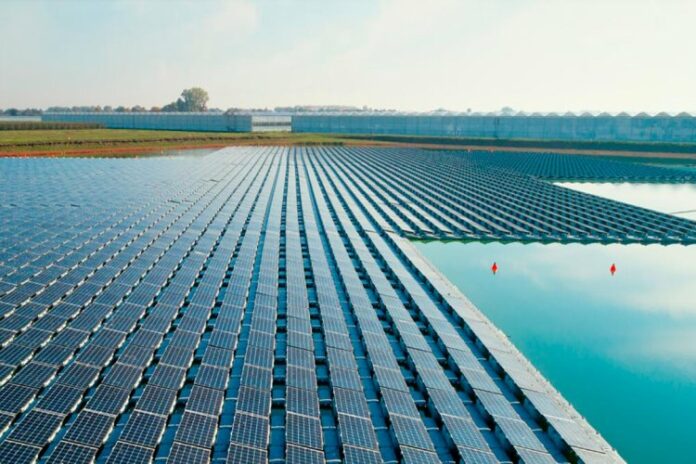
DNV, the independent energy expert and assurance provider today publishes the world’s first recommended practice (RP) for floating solar power projects following a collaborative joint industry project (JIP) involving 24 industry participants.

The Recommended Practice (DNVGL-RP-0584) will provide commonly recognized guidance based on a list of technical requirements for accelerating safe, sustainable and sound design, development, operation and decommissioning of floating solar photovoltaic (FPV) projects.

Floating solar power is a promising renewable energy technology in which solar panels are installed on floating structures on the surface of suitable bodies of water. The technology offers great potential for green energy production, particularly in areas where there is a shortage of available land for large photovoltaic plants.

The wider adoption of floating solar power could scale up particularly in countries that have high population density and limited spare land. such as in many Asian nations.

Following the first projects in 2006, installed capacity for floating solar power was just 10 MW by 2015 but has accelerated considerably since then, reaching 2 GW towards the end of 2020. It is estimated that the total global potential capacity for deploying floating solar power on manmade, inland waters alone could be as high as 4 TW with an expected pipeline of more than 10 GW by 2025.

While FPV is a promising growing industry, there are a number of complexities associated with the installation of floating solar plants. The RP offers insight into the technical complexity of designing, building and operating on and in water, especially in terms of electrical safety, anchoring and mooring issues, operation and maintenance, and designing FPV plants that can withstand site-specific environmental conditions.

Ditlev Engel, CEO of Energy Systems at DNV said:

“Floating solar is an untapped, fast-growing technology with huge potential and I hope this recommended practice will drive the adoption and scaling of this technology to accelerate the pace of the energy transition. With collaboration from leading companies around the world, it provides critical reassurance to the likes of investors and governments as well as leaders from across the energy industries that we are able to transition faster to a clean energy future and realize the goals as per the Paris agreement.

“With input from both our renewables and floating structures experts, this project perfectly demonstrates the strength and depth of our new Energy Systems business area.”

The JIP, which kicked off last summer, reviewed all aspects of developing floating solar projects on inland and near-shore waters. It focuses on five key topics: site conditions assessment, energy yield forecast, mooring & anchoring systems, floating structures, permitting and environmental impact.

DNV project manager Michele Tagliapietra said:

“We created this recommended practice to ensure harmonized and quality approaches in developing floating solar power projects to increase confidence from investors, regulators and other stakeholders. The guidance of this recommended practice aims to increase quality, minimize risks and ultimately increase trust, avoiding failures and accidents which may put a break on the potential growth of this promising market.

“It has been a highly collaborative effort, for which we thank all the participants involved. It is encouraging to see how everyone is striving to increase the quality and reliability of this exciting industry.”

Olivier Philippart, Director at Ciel & Terre International, one of the 24 participants in the project, said:

“Being pioneers of this floating solar market, we are delighted to see this JIP team work taking shape in the form of this Recommended Practice. We believe this is a great step towards unlocking the potential of floating solar.”

The RP focuses on methodology to keep the RP as technology neutral as possible and provide functional requirements, recommendations and guidelines. It has a holistic system-level approach, including single key components as well as procedures and design considerations and focus on FPV projects in inland and near-shore water bodies.

Ørsted to develop one of the world’s largest renewable hydrogen plants

0

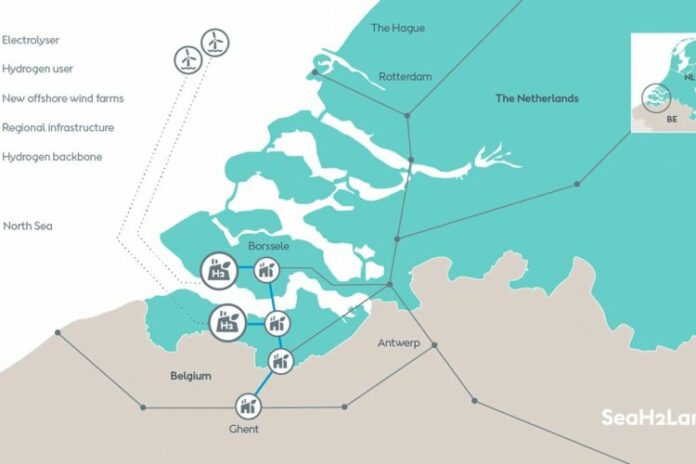
‘SeaH2Land’ is an ambitious vision, linking GW-scale electrolysis to the large industrial demand in the Dutch-Flemish North Sea Port cluster through an envisaged regional cross-border pipeline. 

The major industrial companies in the region ArcelorMittal, Yara, Dow Benelux, and Zeeland Refinery, support the development of the required regional infrastructure to enable sustainably-produced steel, ammonia, ethylene, and fuels in the future, helping the Netherlands and Belgium to accelerate their carbon reductions towards 2030 and beyond.

The SeaH2Land vision includes a renewable hydrogen production facility of 1 GW by 2030 to be developed by Ørsted. If realised, the electrolyser, which will produce the renewable hydrogen, can convert about 20 % of the current hydrogen consumption in the region to renewable hydrogen.

With 580,000 tonnes per year, the North Sea Port cluster is one of the largest production and demand centres of fossil hydrogen in Europe today. Driven by decarbonisation efforts, industrial demand in the cluster could grow to about 1,000,000 tonnes by 2050, equivalent to roughly 10 GW of electrolysis.

Ørsted proposes to connect the GW electrolyser directly to a new 2 GW offshore wind farm in the Dutch North Sea. This will enable the large-scale supply of renewable electricity required for production of renewable hydrogen and fits well with the ambitions of the Dutch authorities for an accelerated offshore wind roll-out in line with increasing electricity demand. The offshore wind farm could be built in one of the zones in the southern part of the Dutch exclusive economic zone that has already been designated for offshore wind development.

The industrial players in the region, united in the Smart Delta Resources (SDR) industry partnership, will continue the dialogue with TSOs for them to develop a regional open-access pipeline network of about 45 km, stretching across the North Sea Port area from Vlissingen-Oost (NL) to Gent (BE).
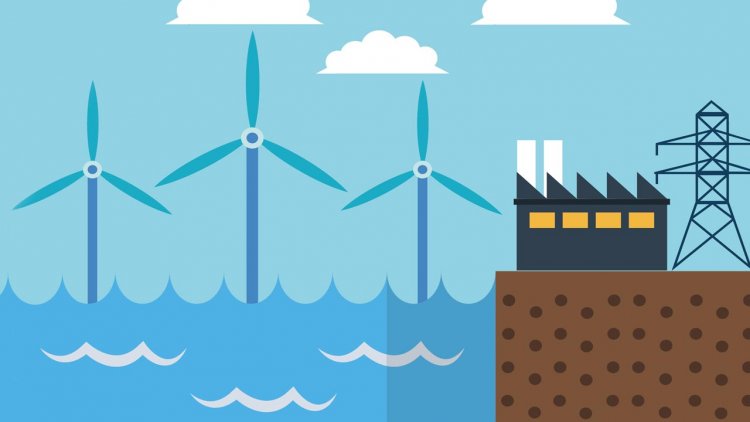
The GW electrolyser is proposed to link to the envisaged regional pipeline system connecting large-scale consumption and production in the cluster. Yara, in consortium with Ørsted, and Zeeland Refinery have each announced plans for mid-size renewable hydrogen production at their sites, while Dow has been exporting hydrogen to Yara since 2018 through the world’s first conversion of a gas pipeline into hydrogen. The network can be extended further south to ArcelorMittal as a short-term no-regret and further north, underneath the river Scheldt, to Zeeland Refinery, as a crucial link to create a unique regional ecosystem of hydrogen exchange with significant carbon reduction in the manufacturing processes of ammonia, chemicals, and steel and a significant contribution to the European Green Deal.

Moreover, the cluster strategy proposes to extend the 380 kV high-voltage network for the electrification needs of the industry south of the river Scheldt. This would enable GW-sized electrolysis and offshore wind landing zones on both sides of the river, turning the cluster into a true energy hub.

Subject to a regulatory framework being in place, the regional network will unlock the first phase of SeaH2Land, which comprises 500 MW of electrolyser capacity. The second phase of SeaH2Land which scales the electrolyser capacity to 1 GW will require the possibility to connect to a national hydrogen backbone, providing additional flexibility and storage. Several locations north and south of the river Scheldt have been identified for GW-scale electrolysis. In the meantime, several projects are being developed in the region on the sites of industrial players, such as Zeeland Refinery’s envisaged 150 MW electrolyser, which are also to be connected to the network.

The partnership will now move forward and engage in dialogue with the regulatory authorities on the framework and policies needed to support the development of renewable hydrogen linked to large-scale offshore wind, the regional infrastructure, and conduct a full feasibility study of the project. This ambition fits well with the Hydrogen Delta Programme for the region, developed by Smart Delta Resources – the association of industrial companies in the region – and supported by the Provinces of Zeeland and Oost-Vlaanderen.

If realised as envisaged, Ørsted – the world leader in offshore wind – will develop the offshore wind farm and electrolyser. North Sea Port – the port stretching from Zeeland (NL) into Flanders (BE) – and Smart Delta Resources will take the lead in developing the regional infrastructure in close collaboration with the TSOs, supported by the provinces of Zeeland and Oost-Vlaanderen. The biggest industrial companies in the region, ArcelorMittal – the world’s largest steel producer outside China, Yara – the world’s leading ammonia producer, Dow – one of the biggest material science companies in the world, and Zeeland Refinery – owned by leading oil and gas companies and a co-supplier of low-carbon hydrogen to the network – will continue to take part in the hydrogen exchange in the industrial cluster. The industrial demand in the region will provide the offtake of renewable hydrogen when the right framework conditions and economics are in place.
Martin Neubert, Chief Commercial Officer and Deputy Group CEO, Ørsted, says:

“The Dutch-Flemish North Sea Port covers one of the largest hydrogen clusters in Europe. As the world looks to decarbonise, it’s paramount that we act now to secure the long-term competitiveness of European industry in a green economy. The SeaH2Land project outlines a clear vision and roadmap for large-scale renewable hydrogen linked to new offshore wind capacity. With the right framework in place, the Netherlands and Belgium can leverage the nearly unlimited power of offshore wind to significantly advance renewable hydrogen as a true European industrial success story.”

Anton van Beek, Chairman of the Board, Dow Benelux, says:

“A 380 kV connection to Zeeuws Vlaanderen will be critical to support large-scale direct electrification of Dow’s world-scale ethylene plants in Terneuzen.”

Daan Schalck, CEO, North Sea Port, says:

“North Sea Port welcomes the ambition of Ørsted to further develop the cross-border port as an important hydrogen cluster in Europe together with the big industrial companies in the region.”

Steven Engels, General Manager Benelux, Ørsted, says:

“SeaH2Land will help the Netherlands to accelerate its offshore wind build-out and to work towards its ambition of 3-4 GW electrolyser capacity by 2030. SeaH2Land offers the Netherlands and Belgium an opportunity to get closer to realising its 2030 climate goals by reducing carbon emissions in the industrial sector. Governments can help this flagship project by putting in place a dedicated support mechanism and renewable hydrogen programme coupled to offshore wind. This should support the necessary industrial scaling to bring down the cost of renewable hydrogen.”

OHT: High demand for offshore wind transportation to China

0

OHT’s fleet of semi-submersible heavy transportation vessels have been busy transporting offshore wind equipment to China, supporting the huge surge in development of offshore wind farms in the fast-growing market. This followed OHT’s largest transportation project to date, which saw three of OHT’s transport vessels engaged in offshore wind foundation transportation from the UAE to Scotland for the majority of 2020.

OHT ASA, headquartered in Oslo, Norway, used to bring in 80% of its business from the oil and gas sector but has made a clear and significant commitment to exit from oil and gas markets by 2026, with the exception of decommissioning.

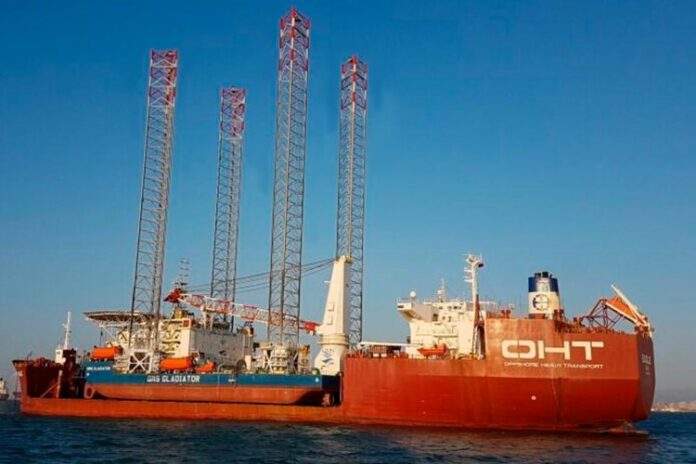
The latest series of projects includes the transportation of DEME Offshore’s Apollo from Rotterdam and the transportation of two additional liftboats and a jack-up barge from Abu Dhabi in the UAE. The four units are being transported to various locations in China, all destined for installation projects in the Chinese offshore wind market.

Roald Kaper, Head of Transportation for OHT said:

‘These contracts are significant for OHT, aligning our strong market leading position in transportation with our vision to be a leading player in the transport and installation of offshore wind turbines, contributing to a sustainable energy supply for the future’.

OHT announced their entry to the offshore wind installation market in 2018 with the order of the world’s largest, custom built foundation installation vessel, Alfa Lift. Since then, further announcements were made in 2020 which will see OHT’s installation fleet grow with the introduction of a next generation wind turbine installation vessel, plus options for three more.

OHT continues to hold the largest market share for transportation of drilling rigs but is now targeting work for their established fleet at the renewables sector, despite continued demand in oil and gas.

Torgeir E. Ramstad, CEO, OHT, said:

‘The globalisation of offshore wind presents huge opportunities for OHT. The sector is strong and growing rapidly. The vast offshore wind developments in China, which is fast overtaking the UK in terms of installed capacity, demands an ever-increasing requirement for installation and maintenance equipment and vessels. Our trusted fleet of transportation vessels are ideal for ensuring the right assets are delivered to the relevant locations at the right time’.

Three of OHT’s five heavy transport vessels are presently transporting assets to China which will each begin installation on three separate Chinese windfarms.

MV Falcon recently transported the jack-up barge JB118 from Abu Dhabi, UAE, to Guangzhou, China and has successfully discharged liftboat QMS Gladiator in Xiamen, where she will be utilized for the Changle offshore wind installation project. The liftboat, measuring over 100m in length and weighing more than 10,000 MT, was transported from Abu Dhabi in the UAE.

MV Albatross is mobilizing to transport the nearly 15,000 MT jack-up wind turbine installation vessel Apollo, from Rotterdam in the Netherlands to Guangzhou in China, where she will be working on the Yuedian Shaba offshore wind installation project.

Meanwhile, MV Osprey, also headed to Guangzhou, is preparing to transport another self-elevating platform from Abu Dhabi, UAE, with arrival estimated in May. The liftboat will be used for offshore construction projects in Southern China.

Hapag-Lloyd enhances Asia – East Africa connections with new service

0

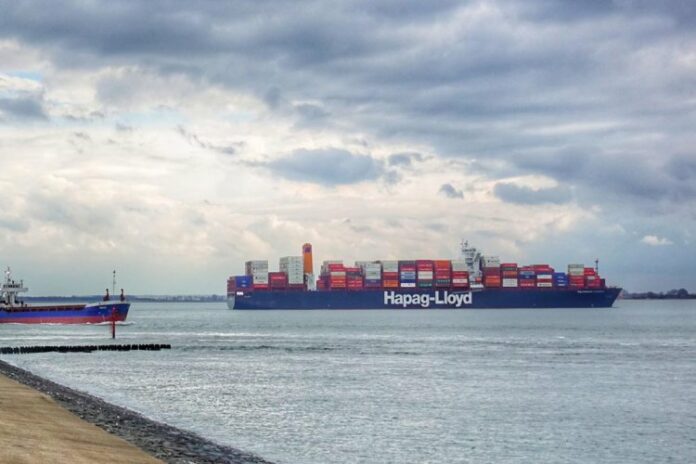
The new East Africa Service 3 (EAS3) will offer direct weekly sailings between China, South-East Asia, Kenya and Tanzania with very competitive transit times. It will be launched in late April enabling our customers to enjoy even better connectivity between Asia and East Africa.

In addition, the EAS3 will offer excellent connections to Hapag-Lloyd’s global network via the hub ports of Singapore, Port Kelang and Shanghai. Seven 2,800 TEU vessels will be deployed in the service, including two provided by Hapag-Lloyd.

Hapag-Lloyd entered the Sub-Sahara African market about 13 years ago and has seen steady and significant growth in transported volumes to and from Africa since then. In East Africa, the China Kenya Express Service (CKX) connects Kenya with some of the most important ports in Asia, such as Singapore and Shanghai, while the East Africa Service 2 (EAS2) connects the East African country with the west coast of India and Jebel Ali in Dubai.

In March 2021, Hapag-Lloyd also opened its own new office in Kenya to better serve and be closer to its customers in this thriving economic hub of East Africa. While the main business will be managed from the port city of Mombasa, the company will also have an office in Nairobi, the country’s capital.

Hapag-Lloyd also serves landlocked East African countries – such as Uganda, Rwanda, Burundi and South Sudan – with regular inland connections to and from Mombasa. As part of its growth strategy, the shipping company will also endeavour to develop inland connections to Somalia, Southern Ethiopia and Northern Tanzania.

Dheeraj Bhatia, Senior Managing Director Region Middle East at Hapag-Lloyd, said:

“Hapag-Lloyd has been steadily expanding its business in East Africa in recent years as part of our strategic focus on selected growth markets worldwide. Our new EAS3 service will create a new option for our customers and help us to forge even stronger connections between this flourishing region and the rest of the world.”

Hapag-Lloyd has also been strengthening its offerings and presence in West Africa in recent years. For example, in October 2019 the Middle East India Africa Express (MIAX) service has been launched, providing direct and fast connections between Middle East, India, South Africa and key markets in West Africa such as Ghana and Nigeria. In September 2020, a new office was opened in Lagos, Nigeria. And, in mid-March 2021, Hapag-Lloyd has signed a sale and purchase agreement with the Dutch container shipping company NileDutch. The acquisition of NileDutch allows customers to benefit from an even denser network and a much higher frequency of sailings, particularly from and to locations in West and South Africa. Currently, the completion of the transaction is subject to the approval of the responsible antitrust authorities.

Hapag-Lloyd now has five own offices on the continent: in South Africa, Egypt, Ghana, Nigeria and Kenya. In addition, it recently opened a Quality Service Center in Mauritius.

Opinion: Robots could replace hundreds of thousands of oil and gas jobs by 2030

0

Even when the Covid-19 downturn is finally past us, operators will have to continue exploring new avenues for cost reductions to be better equipped to withstand future market declines. In a report that looked into the adoption of robotics across the petroleum industry, Rystad Energy found that existing solutions could replace hundreds of thousands of oil and gas jobs globally and reduce drilling labor costs by several billion dollars by 2030, if there is an industry push for such a transition.

One of the segments with much to gain from the adoption of robotics is drilling, as it is highly cost-intensive and involves carrying out dangerous tasks in challenging environments. Robotic solutions have already been introduced successfully in drilling operations, with companies such as Nabors at the development forefront.

Applying current supplier specs, which suggest that robotic drilling systems can potentially reduce the number of roughnecks required on a drilling rig by 20% to 30%, Rystad Energy estimates that such a reduction in both offshore and onshore drilling crews can bring cost savings of more than $7 billion in wages in the US alone, based on present wage levels.

Inspection, maintenance and repair (IMR) operations are also ideal for robotic operations and is the segment where adoption of robotics has gained the most traction among operators in recent years. This has so far mainly been limited to subsea IMR activities, but Rystad Energy is now starting to see IMR robotics solutions also being used for topsides.

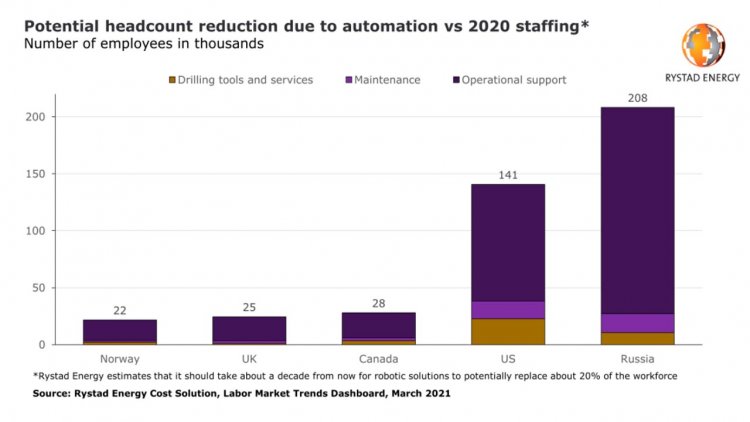
Overall, Rystad Energy believes that at least 20% of the jobs in segments such as drilling, operational support, and maintenance could in theory get automated in the next 10 years. Looking at the current staffing headcount of some key oil and gas producing countries, the US could reduce its staffing needs by over 140,000 employees and Russia by over 200,000 personnel. Canada, the UK, and Norway could shed between 20,000 and 30,000 jobs each.

Sumit Yadav, energy service analyst at Rystad Energy, says:

“Despite the huge potential of robotics, operators should be aware that these savings will be partially offset by the considerable investments required for the adoption of these solutions, which may vary depending on the cost structure and whether the robots are owned or leased.” 

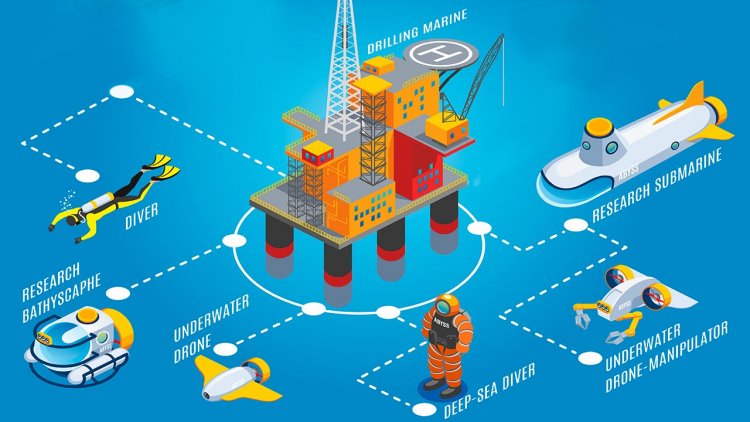
Nevertheless, the next generation of robotics solutions is already emerging within subsea IMR in the form of perpetually underwater robotics solutions that offer significantly lower costs and better reach than a conventional remotely operated vehicle (ROV). While a conventional ROV needs to be sent down from the surface, these new systems can stay underwater permanently and easily access places that are difficult to reach for conventional ROVs, irrespective of the weather conditions.

A notable example is the self-propelled robotics arms unit Eelume, developed by Kongsberg Maritime and used by Norwegian operator Equinor. Owing to their snake-like design, the robotic arms have the flexibility and agility to transit over long distances and carry out subsea IMR activities such as visual inspection, cleaning, and operating valves and chokes in highly confined spaces.

Not all digitization and robotization translates into a reduction in manpower, however. For instance, Transocean has introduced wearable safety technology that alarms a crew member if they come too close to the drilling equipment. If the crew member still doesn’t maintain a safe distance, the alarm will shut down the equipment.

Similarly, Diamond Offshore has launched the industry’s first cybernetic blow-out preventer (BOP) service. The service named Sim-Stack makes a virtual replica of the BOP hydraulically and electrically to assess its overall health and regulatory compliance. The system provides much faster information on component failures, reducing downtime and improving safety, and can also be used to train personnel, according to the rig operator.

While the emergence of robotics in the oil and gas industry seems inevitable, Rystad Energy believes that full-scale adoption is still a few years away as the long-term reliability of robotics in complex 3D environments such as those found on offshore platforms is yet to be tested. Another challenge in the implementation of robotics is limited communication capabilities, especially between robotics units. If robots are to fully replace humans, it is imperative that these systems communicate seamlessly to unlock true value. The implementation of such communication systems is both complex and costly.

Finally, job cuts due to robotics are likely to be met with some resistance from labor organizations, and robotized work processes may also need to pass regulatory hurdles as authorities seek to ensure that the operational changes brought on by the new technology satisfy safety and environmental standards.