-11.8 C
New York
Home Blog Page 648

K-tainer developed a new solution for empty containers

0

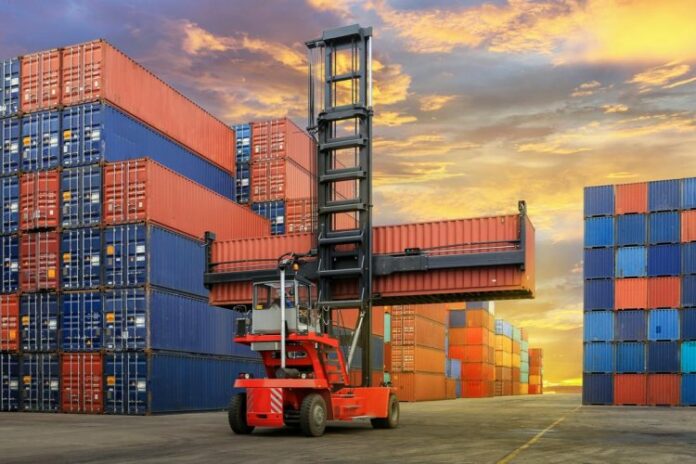
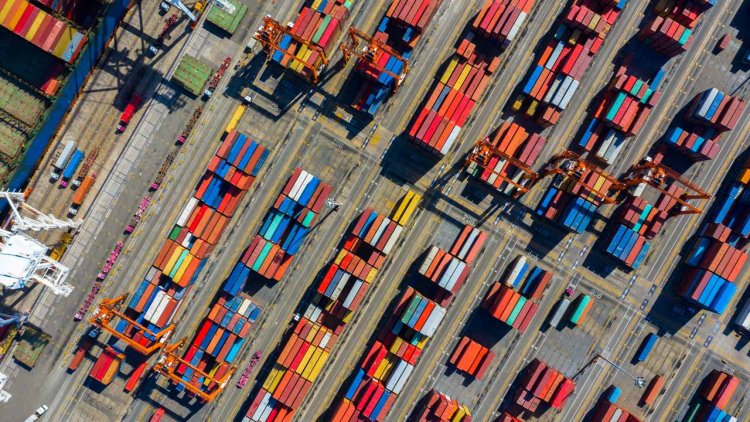
Some twenty million sea containers move across our planet, carrying freight to every corner of the globe. After being unloaded at their destination port, 40% of the containers continue over land, while 20% are returned empty by sea.

The Rotterdam firm K-tainer has come up with a new sustainable alternative to this procedure: one-way containers. This solution helps avoid unnecessary costs and carbon emissions.

The new and used containers offered by K-tainer Trading and K-tainer Leasing are attractively priced. K-Tainer director Walter Ferreira says:

“But not if we have to send them back empty. In that event, the container loses its cost advantage the moment it leaves port. And that’s leaving aside the environmental aspects.”

As the first – and for the time only – company worldwide, the Rotterdam-based firm has come up with an arrangement that reduces carbon emissions and completely ‘refunds’ these savings to the user transporting the container. That’s because there’s a third party in K-tainer’s concept, between the buyer and the seller: the carrier. Container shipping lines, exporters and road haulage firms have up to 30 days to use the containers free of charge, and can leave them with the buyer after unloading.
A diverse range of clients are already taking extensive advantage of this option. The main draw for users is that the ‘carbon savings refund’ enables them to increase the sustainability of their logistics service. And when in the near future, the private sector is required to pay per tonne of carbon emissions, this reduction will also translate into financial savings for companies that have taken up this offer. The one-way containers are complementary to carriers’ own equipment – specifically that share of their containers that won’t be filled with return cargo. 

Ferreira explains:

“Imagine a shipping company sends ten containers per week to Ireland, but only has enough freight to fill six containers on the return voyage. In this situation, the shipping company can benefit from henceforth using four of our one-way containers on its Ireland route, and leaving them there.” 

This client can use the carbon emissions saved through this solution to substantially reduce its carbon footprint.

K-tainer has been rewarded for this novel concept with a Lean & Green star, an international award recognising logistics companies that have truly explored every angle to reduce the sector’s carbon emissions. Carriers can fill the containers that would otherwise be shipped back empty. In addition, this solution removes the need for sending back an empty container after the first transport. K-tainer’s calculation, in which the company sets out to clients how much carbon emissions they can save with this solution, has been verified by Lean & Green’s auditor.
K-tainer trades in both used and new containers. Or, to be more precise: ‘once-used new’. Ferreira says:

“We have a new fleet of containers built in China, but of course, we don’t ship those empty either: we get a party to fill them with cargo. At least, that will again be our approach once the container market has recovered from its current situation.” 

According to Ferreira, the container sector was for many years a relatively stable market. But then Covid hit. Container manufacturers in China – the main centre of container production – saw next to no orders for new containers coming in since the market was expected to contract further due to the global pandemic.

Ferreira recounts how Covid also upended the container sector. He explains:

“In mid-2020, we saw a strong recovery in the economy, and Chinese production was ramped up in response. The increase in cargo combined with capacity shortages at the shipping companies led to a new balance between supply and demand. Market forces drove the prices of freight shipping and containers to record highs. Right now, we still see a major shortage in containers and many ports are faced with huge delays. Ships still have to wait very long before they can be unloaded – particularly in the US and Europe. This results in yet further delays and a growing shortage of container units.”
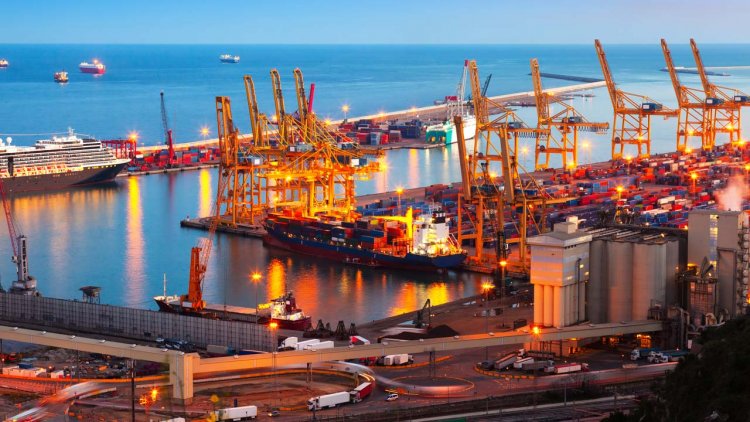
By now, the Chinese plants have received orders for hundreds of thousands of containers from shipping lines and lease companies. This has led to rising container prices – fuelled in part by a simultaneous increase in the price of raw materials – as well as mounting delivery times. 

Ferreira says:

“Fortunately, we still have ample stock for the time being. But the normal sequence of A-B-C can change quite rapidly if B is suddenly taken out of the equation. That means we will need to stay creative in the period ahead.”
Qatar Petroleum enters two offshore exploration blocks in Namibia

0

Under the terms of the agreement, which is subject to customary approvals, Qatar Petroleum will hold a 45% participating interest in the PEL 39 exploration license pertaining to Block 2913A and Block 2914B, while Shell (the Operator) will hold a 45% interest, and the National Petroleum Corporation of Namibia (NAMCOR) will hold the remaining 10% interest.

Commenting on the agreement, His Excellency Mr. Saad Sherida Al-Kaabi, the Minister of State for Energy Affairs, the President and CEO of Qatar Petroleum, said:

“With this second exploration and production sharing agreement in Namibia, we are pleased to expand our exploration footprint in the country, and to further strengthen our presence in the southern Africa region. Working on these promising and prospective blocks with our valued long-term partner, Shell, is another step in our stride towards achieving our international growth strategy. We look forward to working together with the Namibian Government, NAMCOR and Shell on these blocks.”

This is Qatar Petroleum’s second exploration license in Namibia. In August 2019, Qatar Petroleum entered into agreements for participating in blocks 2913B and 2912 offshore Namibia.

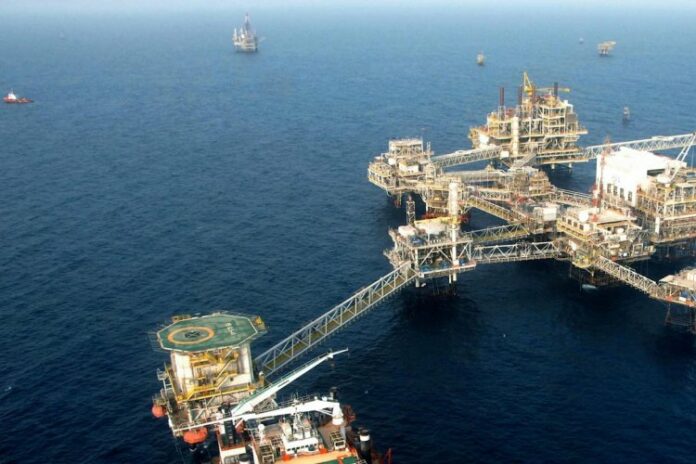
The PEL 39 blocks are located offshore Namibia in ultra-deep-water depths of about 2,500 m, covering an area of approximately 12,300 km2.​

HAV Design develops the world’s most environmentally friendly salmon transporter

0

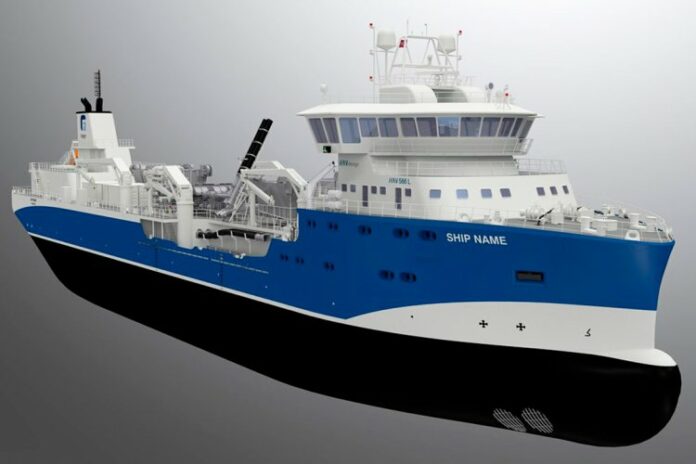
HAV Design has developed a live fish carrier with the smallest climate and environmental footprint in the world per kilo of transported salmon. 

HAV Design has many years of experience of R&D work on energy-efficient ships. With this new contract, the company has employed its entire toolbox and created an environmental giant for the aquaculture industry. The result is reduced climate emission which are in line with the climate plan for 2021-2030 that the Government presented in January.

Senior designer in seafood at HAV Design, Kjetil Myren, highlights in particular the interaction between the energy-efficient hull, onboard energy design and the cylindrical tanks that enable the ship to carry more fish per cubic metre:
‘We have drastically reduced energy consumption on board the ship. And when the tanks can also hold more fish, while enhancing fish welfare, we are confident in saying that this is the live fish carrier with the smallest climate and environmental footprint in the world per kilo of transported salmon.’

The new design is a further development of the well-known Havtrans series, through which the company has developed world-leading expertise in designing live fish carriers with cylindrical tanks after delivering six such designs since 2014. This new design’s capacity is nearly doubled, with a tank volume of 6,000 cubic metres divided between four cylindrical tanks.

The vessel has been developed in close cooperation with Frøy and Cermaq. Cermaq has had ‘Steigen’, one of the ships in the Havtrans series, in operation for many years, and has seen how the fish density ca be increased and still achieve a lower level of stress and oxygen consumption than in conventional tank systems.

Frode Holmvaag of Cermaq says:

‘With cylindrical tanks, we can carry more fish while also enhancing fish welfare.’

As well as greater cargo capacity, the new design also has more deck space that can, for example, be used for delousing equipment. The Hydrolicer system will be record-breaking and can treat 600 tons of salmon per hour and the freshwater production system used to treat the fish can produce 6,000 tons of fresh water a day. It has a high sorting capacity, and a closed system for infection-free transport of large quantities of fish is of course in place.

The energy production- and propulsion system on board the vessel will be delivered by Norwegian Electric Systems (NES).

The energy production system consists of DC – system powered by batteries and generators running at varying speed. According to Geir Larsen (CEO, NES), this means lower fuel consumption per kWh produced and reduced noise level from the ship. This is something the crew, local communities and the salmon will all appreciate.

The ship will be prepared for the use of climate-neutral biofuel, and the onboard battery pack combined with large shore power capacity, enables it to operate for longer periods on green, renewable energy. The battery system is also important for optimal operation of energy production on board the vessel and improves system safety, which is critical for fish welfare.

Residual heat from the engines’ cooling water is used for onboard heating, while heat from the exhaust and cooling water is used to produce electric power – both contributing to even better energy efficiency.

NES will also deliver an integrated bridge system (INS) where they, in cooperation with the customer, have further developed bridge design and workstations based on NES’s Raven INS and equipped the bridge with dynamic positioning system.

This is the seventh contract between HAV Design & Solutions and Frøy. Sales Manager Gisle Vinjevoll Thrane says the new wellboat design is an example of successful teamwork on the part of HAV Group:

‘We have combined the overall expertise in the group and created a new design that will both reduce the customer’s climate and environmental footprint and provide a tool for the future that will increase profitability, competitiveness and sustainability.’

The contract value for HAV Design and NES is about NOK 90 million. 

RAL delivered two new tugs to Svitzer Australia

0

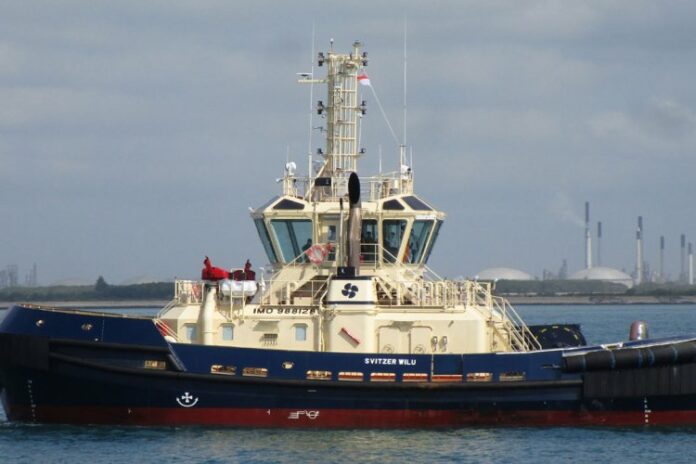
Robert Allan Ltd. has announced that TRAktor 2800-Z tugs Svitzer Abrolhos and Svitzer Wilu were successfully delivered to Svitzer Australia in January and March 2021, respectively. 

The two vessels will enter service at Geraldton Port, Western Australia, joining the Svitzer North, a Robert Allan Ltd. designed RAstar 3000-W tug which was delivered at the end of 2020. All three tugs were constructed at ASL Shipyard Pte. Ltd., Singapore.

These z-drive powered tugs were designed to operate both ahead and astern with superior maneuverability. They have excellent stability for escort operations using the winch on the aft deck. They also maintain good sea keeping performance for coasting towing and free-run operations with ahead navigation. As per the owner, these tugs are some of the most powerful tractor tugs in their Australian fleet. The new tugs will provide increased capability during heightened weather conditions and during emergency events.

In 2019, in conjunction with Mid West Ports, Svitzer Australia held a community naming competition. Svitzer Abrolhos was named in honour of the local, historically significant, island jewels off the coast of Geraldton. The Abrolhos Islands hold countless stories of shipwrecks, mutiny, and maritime history, and play an ongoing role in the region’s aquaculture and tourism industries. Wilu in Svitzer Wilu is the Yamaji word for sea, seaside or saltwater, reflecting the critical role the Yamaji people play in the Mid-West region.

Key particulars of the vessels are:

  • Length, overall (excluding fenders): 28.4 m
  • Beam, moulded: 12.80 m
  • Depth, least moulded: 4.68 m
  • Maximum draft (navigational): 5.71 m
  • Gross Tonnage: 443

The accommodations have been outfitted to a high standard for a crew of eight. The deckhouse contains an entrance lobby, the galley, mess, two officer cabins with ensuite WC, HVAC room and a change room with laundry and WC. The lower deck contains three double berth cabins each with an ensuite WC. The wheelhouse is designed with a single split control station which provides maximum all round visibility and exceptional visibility to the bow and side fendering. The engine room features an acoustically isolated switchboard room.

Trial results were as follows:

  • Bollard pull, ahead: Both Svitzer Albrolhos & Svitzer Wilu reached beyond the designed bollard pull of 70 tonnes
  • Free running speed, ahead: 12.8 kts

Fleet Xpress lands Clearwater Seafoods contract

0

Inmarsat has made a significant breakthrough in the fisheries sector, following an agreement with Clearwater Seafood that commits Canada’s largest vessel-operating seafood company to Fleet Xpress high-speed maritime broadband services.

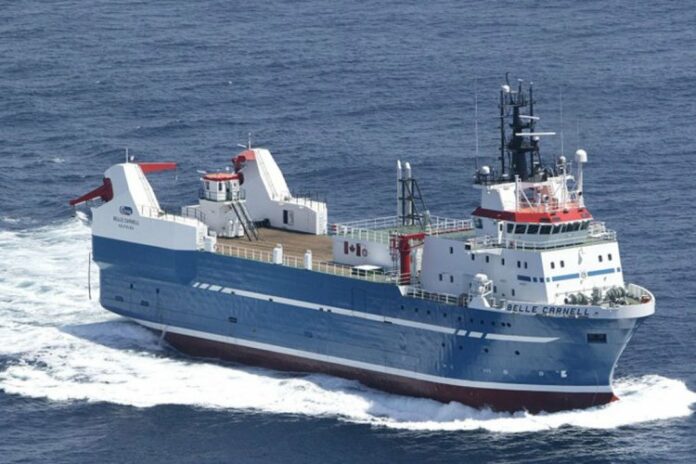
Clearwater Seafood chose to install the Fleet Xpress combination of high speed Ka-band and continuous FleetBroadband backup on board seven vessels replacing Ku-band services on each vessel. Deployed off Newfoundland and Nova Scotia, each vessel is being fitted with Inmarsat-approved, high-performance GX100NX antennas from Intellian.

Brad MacKinnon, Director, Canadian Fleet Operations, Clearwater Seafood, says:

“Robust connectivity for the crew is imperative for Clearwater. We have over 400 personnel at sea who expect stable and reliable connectivity in challenging North Atlantic conditions, given that they can be away from home for up to 35 days at a time.”

The contract also includes Inmarsat’s fully managed Fleet Care programme for Fleet Xpress, developed to maximise equipment uptime and minimise out of pocket expenses on unplanned maintenance. Based on a fixed monthly cost, customers secure all spare parts for 36 months on purchased hardware and benefit from a lifetime warranty for rented equipment, with free of charge support from certified technicians in over 50 ports worldwide. Fleet Care also includes remote equipment health checks and allows customers to update without additional cost as new hardware develops.

Eric Griffin, Vice President Offshore & Fishing, Inmarsat Maritime, says:

“This contract represents outstanding recognition of the Fleet Xpress platform which will make waves among fishing customers along Canada’s east coast and elsewhere. Regional and global market leaders establish their positions for good reason and, in a sector quickly realising the benefits of always-on connectivity, we expect that others will be keen to learn how greater reliability and enhanced crew communications can be secured at truly competitive pricing.”

Clearwater Seafood is active off the coasts of Canada, UK and Argentina and operates 21 vessels in total.

Fleet Xpress recently marked its 10,000th vessel installation. While the majority are merchant vessels, the maritime broadband platform continues to make inroads among offshore and fishing markets owners and operators. Griffin adds:

“The fact that this regional breakthrough came when Covid-19 restrictions have been in place also shows what is possible by adapting our processes as required, to deploy our technicians in the field, work with engineers remotely or – where possible – carry out installations virtually.”

New investments for Oldendorff’s fleet

0

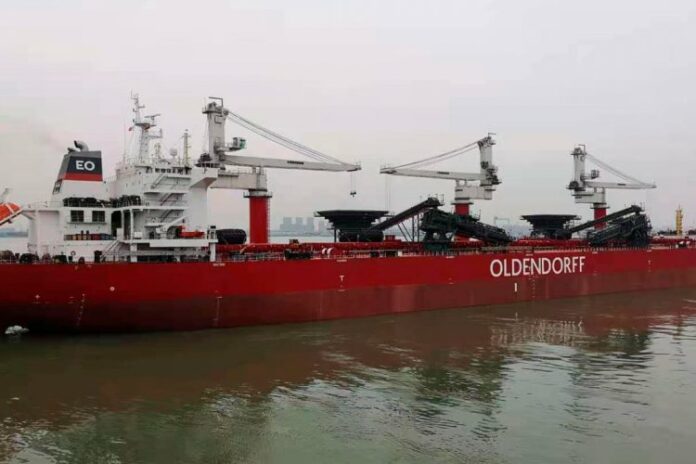
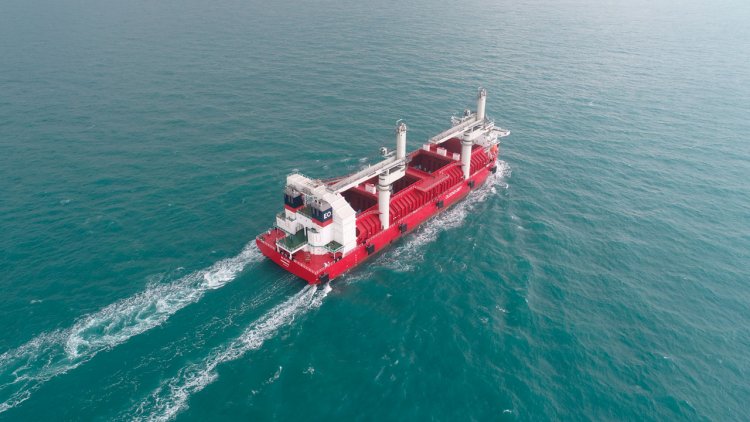
Oldendorff has reported, that earlier this year OLDENDORFF CARRIERS ordered two 61,300 Ultramax Newbuildings for delivery July 2022 and acquired two 93,000 tdw Post-panamaxes in separate transactions.

The 61,300 Ultramaxes will be delivered from Dalian Cosco Kawasaki Ship Engineering Co Ltd (DACKS) in July 2022 and are of the Kawasaki eco design, of which we had previously built 9 units at DACKS and sister yard NACKS until 2019. The vessels feature Masada / Mitsubishi cranes, bollards for the New Panama Canal, “Erma First” BWTS, a Hudong-MAN-B&W 6S50ME-B9.3 main engine and a large content of equipment imported from Japan, like Daihatsu auxiliary engines, Nakashima propeller, etc.

The two 93,000 tdw Post-panamaxes were built in 2012 in China and will be taken over in India in 1H April. They are equipped with a Korean-built Doosan-MAN-B&W 6S60MC and Doosan auxiliary engines. 

Oldendorff’s last two Newcastlemax newbuildings, MV “Heide Oldendorff” and “Hauke Oldendorff” will be delivered from Hantong Shipyard in August and October / November 2021. They will be used in its usual Capesize trades, before servicing a long term CoAs from 2023 onwards. That will complete the series of 18 “MARIC”-design Newcastlemaxes, built over 5 years at three different yards in China, of which the company had sold on 4 units with long term charter back.

The first of two highly specialized Transloader newbuildings, MV “Calypso” was delivered from Chengxi Shipyard on 15th January and sailed to North Vietnam, where she was commencing a 25 year transshipment CoA for a consortium of Marubeni and Kepco. Her sister vessel “Anna” will be commissioned in July.

Oldendorff’s Handysize bulker “Lily Oldendorff” (38,000 tdw, built 2017 at Avic Weihai) was sold to buyers in the United Arab Emirates and will deliver to them next month.

Adding these transaction and ships that were recently taken on period charter, Oldendorff Carriers’s fleet under operation will exceed 750 vessels.

£20 million fund to propel green shipbuilding launched

0

Hydrogen-powered vessels and e-charge points at ports could soon become a common sight on the seas, thanks to a £20 million competition launched to make innovative green maritime ideas a reality.

The fund will be used to support the development of prototype vessels and port infrastructure that could then be rolled out widely – propelling the sector towards net-zero, as the UK prepares to host the COP26 climate change summit in November.

The government is encouraging scientists and academics to collaborate with UK shipping, ports and shipbuilders to enter ambitious proposals into the competition:

  • driving economic growth
  • revitalising coastal communities
  • creating 1000s of jobs
  • positioning the country as a leader in the field

The trials will enable companies to test the new technologies, with a view to them being developed commercially if proven to be successful, helping us build back greener from the pandemic.

Transport Secretary Grant Shapps said:

“We have a proud shipbuilding history and, together with industry, I am determined to build on that as we look to develop the innovations of the future and meet our net-zero target. We are revolutionising maritime technology and, from electric boats to hydrogen ports, we will change the way this country sails forever, and bring jobs and prosperity to the UK.”

This competition launch comes as the government prepares to publish its transformational Transport Decarbonisation Plan, which sets out how all modes of transport – sea, rail, road and aviation – can make the switch to net zero.

Maritime Minister Robert Courts said:

“This is a turning point for the UK’s maritime sector. It’s an opportunity for businesses to develop the technologies of the future, not only protecting our environment but driving economic growth. I urge this country’s best thinkers to put their green ideas forward and help us deliver a better, cleaner maritime sector.”

The Maritime Minister confirmed the news ahead of the launch of 2 government-funded studies focused on achieving net-zero in both the recreational craft sector and offshore wind sectors.

Developed in partnership with the Carbon Trust, the new study on recreational craft, which will be published in late spring, will set out how we can overcome the barriers to the supply of, and demand for, zero-carbon recreational craft. It will make a series of recommendations to governments and industry, including using alternative fuels. Leisure boats and sports vessels are vital to the UK economy, worth almost £1.6 billion in annual exports and employing 40,000 people across the UK.

This follows the Prime Minister’s ten-point plan, which positions the UK at the forefront of shipbuilding and maritime technology to help push forward low carbon travel.

The recreational craft sector encompasses a wide range of vessel types, and there are unique challenges that need to be overcome. A combination of targeted innovation support, cross-industry collaboration and regulatory and financial intervention will be needed to accelerate the development and uptake of low carbon technologies.

A separate study is being developed on the offshore wind sector, produced in partnership with the Offshore Renewable Energy (ORE) Catapult and Workboat Association. It will bring a coalition of industry partners together to break down the barriers to moving all operational and maintenance vessels working in the North Sea offshore wind sector to zero emissions by 2025.

Andrew Jamieson, ORE Catapult chief executive, said:

“This report will make clear that the North Sea’s offshore wind and maritime industries, made up of wind farm, vessel and port operators, are united in their determination to decarbonise their operations. We are confident that the UK supply chain has the knowledge, endeavour and innovation to support this ambition while creating jobs and growth in coastal communities and providing a springboard for the UK to lead the clean maritime industry of the future.”

KR grants AIP for first Korean 8K ammonia bunkering vessel

0

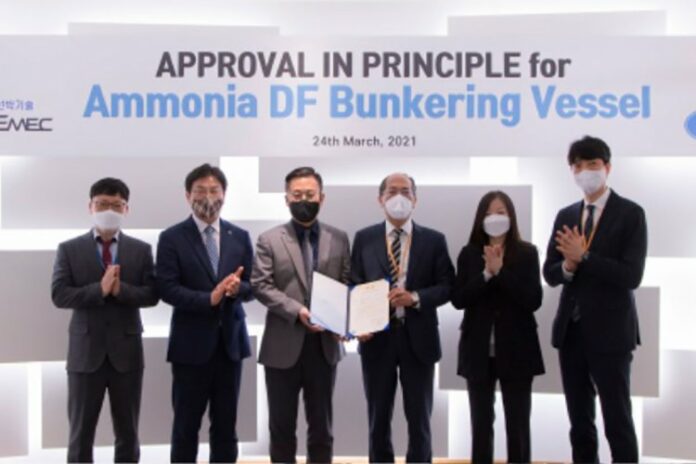
The Korean Register (KR) has granted Approval in Principle (AIP) for an 8K ammonia bunkering vessel, the first of its kind in Korea, which is owned by KMS EMEC, a design engineering company. 

The vessel has been developed through a joint development project (JDP) between KR, KMS EMEC, and the Singapore shipping company Navig8. It is the first 8K ammonia bunkering ship in Korea to be dual fueled, using both MGO (marine diesel) and ammonia.

The International Maritime Organization (IMO) has set the goal of reducing carbon dioxide emissions by 40% by 2030 and by 70% by 2050 compared to 2008 levels and to reducing greenhouse gas emissions by 50% by 2050. As a result, many countries are working to commercialize carbon-free ships through the development of ammonia engines and ammonia fuel cell systems. 

The Korean government is also working to support the transition to zero-carbon fueled ships through a range of R&D projects undertaken with industry stakeholders. Ammonia, a zero-carbon fuel is attracting worldwide attention as an eco-friendly fuel for next-generation ships. The adoption of ammonia as fuel is not technically difficult and as a result it has high potential for commercialization. 

Working with Navig8, KMS EMEC created the first domestic conceptual design, in accordance with the MAN Energy Solution’s engine specifications. KR then completed the necessary risk assessments, design safety verification and reviewed compliance with Korean and international regulations. Navig8 contributed to the 8K ammonia bunkering vessel design development by conducting a detailed review of the commercial feasibility and operational economics of ammonia as a ship fuel, from the viewpoint of a shipping company. 

KIM Dae-Heon, Executive Vice President of KR’s R&D Division, said:

“The whole maritime industry is interested in eco-friendly alternative fuels to meet the requirements of the new environmental regulations. As a result, this JDP confirming the feasibility of 8K ammonia bunkering ships is significant. KR will continue working to work with industry stakeholders to find the most effective ways to meet the environmental regulations and to respond quickly and effectively to any environmental challenge as it arises.” 

Bangladesh ferry disaster death toll hits 26

0

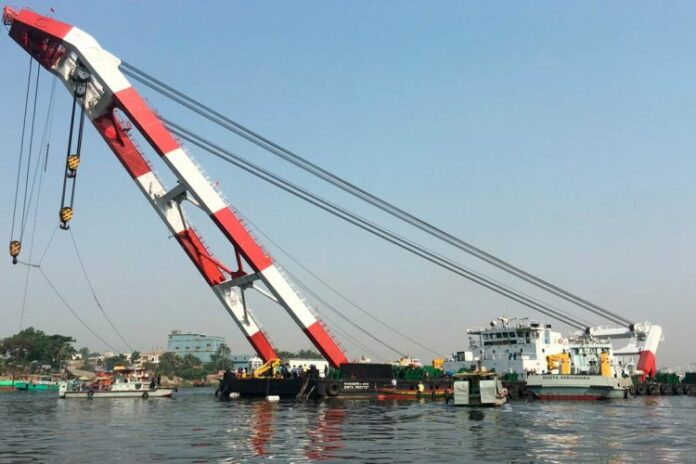
The death toll from a ferry disaster in Bangladesh jumped to 26 on Monday after rescuers pulled the vessel out of the water and found more bodies inside, officials said Monday.

The sunken ferry was extracted from the heavily polluted Shitalakshya River in the central district of Narayanganj as hundreds of onlookers and relatives of the missing watched from the shore.

Local official Mustain Billah told:

“We have found 21 bodies today after the ship was pulled out of the water.”

The one-and-a-half storey Sabit Al Hasan sank after it collided with a bigger cargo vessel on Sunday.

A local police inspector said the ferry was packed with passengers after the government confirmed it would impose a seven-day lockdown across the country to combat the recent rise in coronavirus cases.

Under the lockdown, all domestic travel services — including buses, ferries, trains and flights — will be suspended from Monday.

Shops and malls will be shut for a week and a night curfew in effect.

Public and private sector businesses were told to only have a skeleton crew in their offices.

Ferry accidents are common in Bangladesh, a delta nation crisscrossed by hundreds of rivers.

Millions of people are heavily reliant on ferries for transport, particularly in the country’s southern coastal region, but the vessels have a poor safety record.

Experts blame poor maintenance, lax safety standards at shipyards and overcrowding for many of the accidents.

In June last year, a ferry sank in Dhaka after it was hit from behind by another ferry, killing at least 32 people.

In February 2015, at least 78 people died when an overcrowded ship collided with a cargo boat in a central Bangladesh river.

The number of accidents has dropped sharply in recent years as authorities crack down on unseaworthy vessels.

Source: AFP

SOHAR Port implements Light on-Demand technology within its complex

0

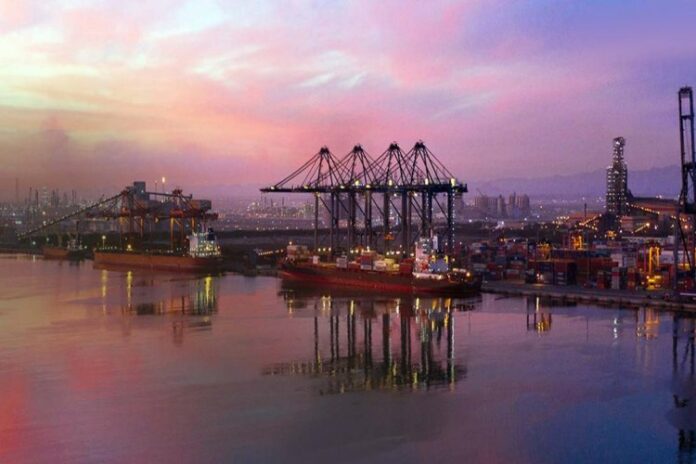
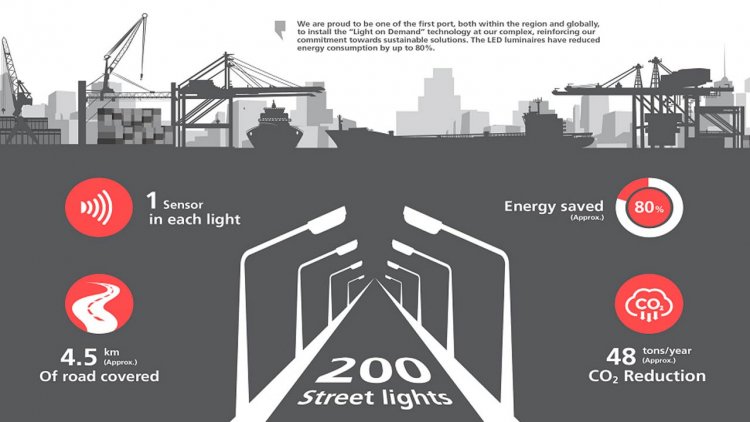
The implementation of this project, the first-of-its-kind in the region, positions SOHAR as pioneers in the sector. Apart from promoting a low carbon footprint, the LED luminaires have successfully reduced energy consumption by 80%.

Highlighting the importance of the project, Mark Geilenkirchen, CEO of SOHAR Port, said: “At SOHAR, we envision ourselves to be green front runners, by enabling and supporting sustainable development through energy efficiency projects and transitioning to cleaner fuels. Our overall objective is the need to develop a world-class complex and high-level of operations with state-of-the-art infrastructure that is safe, environmentally sustainable and legally compliant to attract investment and enhance industry diversification.”

Khalid Al Alawi,  Manager of Assets Management at SOHAR stated:

“The Assets Management Department has explored the recent development in the field of innovative technologies. The roads within the Port and Freezone area are not frequently used during the night, resulting in energy loss from the illuminated lights overnight. This is why we have identified a solution for real-time control of street lights within the respective areas.”

“Light on Demand” is a revolutionary integrated wireless motion sensor for presence-based monitoring and control of outdoor lighting. It ensures the reduction of energy consumption without compromising on public safety and driving comfort. The technology consists of precise sensors for about 200 street lights and hosts a cloud-based control and energy monitoring system dashboard, commissioned by experts from the Netherlands.

Mark added:

“We continue to proactively seek and invest in alternative energy sources, such as green hydrogen, as part of our strategy to diversify energy sources and become a greener Port and Freezone. In addition, through the execution of these projects, we can enhance the attractiveness of SOHAR and enable further foreign investment. We believe that the Light on-demand system will serve as a stepping stone in our efforts towards sustainability and the building of a brighter future, which in turn, furthers the contribution of SOHAR to the Oman Vision 2040.”