-11.8 C
New York
Home Blog Page 647

Maersk Drilling confirms long-term drillship contract with Tullow Oil offshore Ghana

0

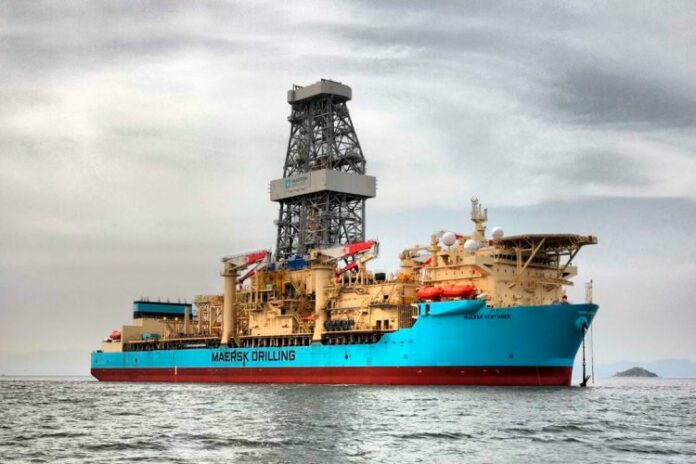
Based on the previously announced Conditional Letter of Award, Maersk Drilling has been awarded a contract from Tullow Ghana Ltd. for the provision of the ultra-deepwater drillship Maersk Venturer and additional services for a development drilling campaign at the TEN and Jubilee fields offshore Ghana.

The contract commenced in April 2021, with an estimated duration of around four years. The estimated contract value is approximately USD 370m, excluding additional services provided and potential performance bonuses.

The contract has a progressive day rate structure for the full duration. However, the contract contains certain provisions which, after an initial period of 18 months, permit a shift to a market-linked day rate structure and early termination for convenience by Tullow Ghana Ltd.

CEO Jørn Madsen of Maersk Drilling says:

“We’re thrilled to have firmed up this long-term contract for Maersk Venturer, bringing it back to a basin where the rig and its crew previously performed stable and highly efficient operations for Tullow. We’re delighted to have started up operations again in Ghana where we will continue our work with the Ghanaian community, our partner Rigworld and other local suppliers who have contributed to our successful operations in the region.”

Maersk Venturer is a high-specification 7th generation drillship which was delivered in 2014. It is currently operating at the Jubilee field offshore Ghana.

Wärtsilä and Finnish Border Guard test bio-LNG as marine fuel for patrol vessel

0

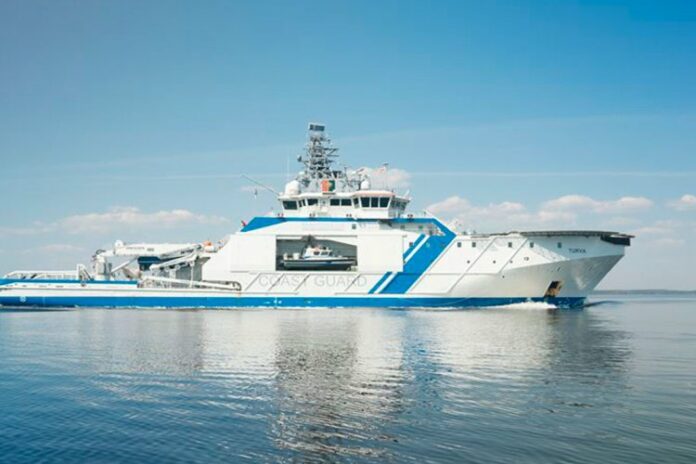
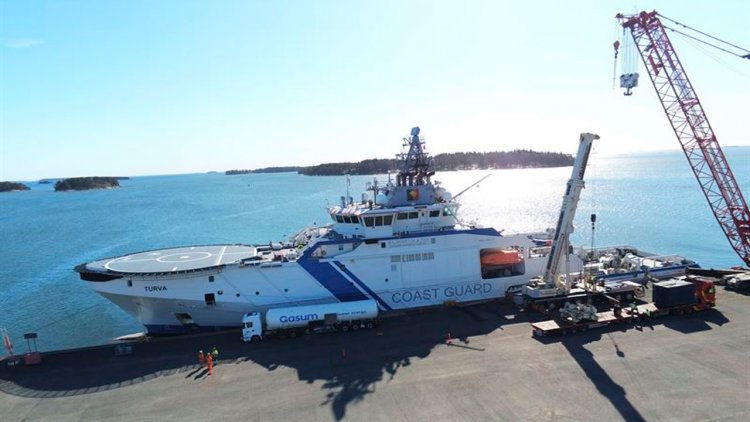
The aim is to lower greenhouse gas (GHG) emissions, thereby lessening the impact on global warming. The 96 metre long vessel, the ‘Turva’, is fitted with Wärtsilä dual-fuel engines and has been supported with a Wärtsilä maintenance agreement since its launch in 2014. The Bio LNG fuel is supplied by Gasum, a Finnish state-owned biogas refiner.

After close evaluation of the Bio LNG fuel specifications provided by Gasum, Wärtsilä is confident that it represents a viable fuel choice for the multi-fuel capability of the Wärtsilä engines. Following this evaluation, the Finnish Border Guard opted to proceed with the testing programme.

Commander Marko Aheristo from the Finnish Border Guard, says:

“The strategy for the Border Guard’s fleet of patrol vessels is to switch to environmentally sustainable fuels wherever possible. Testing the Bio LNG in the ‘Turva’ is an important step forward in fulfilling this strategy.”

Juha Kytölä, R&D and Engineering, Wärtsilä Marine Power, says:

“Wärtsilä is investing heavily in the development of technology for alternative clean fuels that can drive decarbonisation throughout the shipping industry. We have developed our engine technology to be compatible with the use of such fuels. LNG is already broadly accepted as a viable marine fuel, and we see Bio LNG as a natural next step. We are, therefore, extremely supportive of this testing programme.”

Bio LNG is a 100 percent renewable fuel that can reduce CO2 emissions over its life cycle by up to 90 percent compared to conventional fuel. It emits no particulate matter (PM), and close to zero nitrogen oxides (NOx) and sulphur oxides (SOx).

Helm Operations, ShipTracks launch new harbor automation tools

0

The new integration links Helm CONNECT Jobs, the most widely used dispatch software in the harbor docking market, and ShipTracks’ AIS technology to streamline and automate the creation of towage orders directly from the AIS system. The result is greater operational awareness, reduced workloads for dispatchers, and increased revenue as operators identify and capture jobs that were previously lost to their competitors.

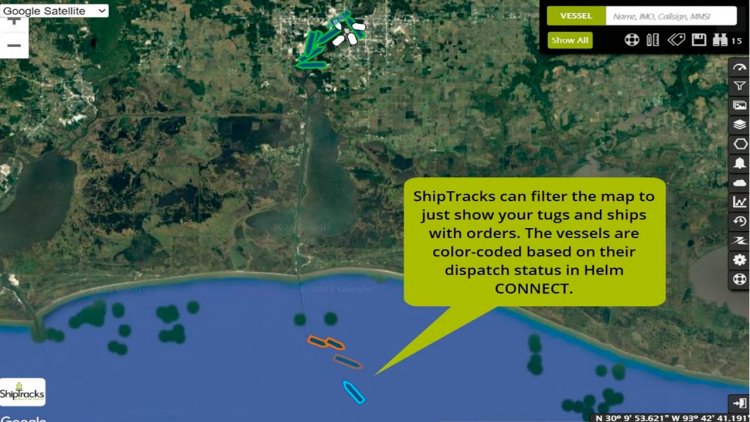
Modern harbor docking operations use a variety of tools to monitor their ports and ensure operational efficiency, including AIS systems to track vessel speed and movements, and tug dispatching and invoicing systems like Helm CONNECT Jobs to schedule and manage towage. Up until now, these systems have operated largely in isolation, but by integrating the systems, dispatchers can now not only receive automated notifications of vessels entering port, but also see immediately if their company has a contract with the vessel, if the towage work has been scheduled, and even automatically import the vessel and related jobs into the dispatch schedule all from the AIS screen.

Charles Riley, CEO of ShipTracks, says:

“When we traditionally look at AIS, what we’ve focused on is situational awareness. But with this integration with Helm CONNECT we can now offer customers true “revenue awareness” and help them not only plan for safe operations, but also track and automate every potential job and source of revenue in the port to help them maximize returns and market share.

“By notifying companies when a vessel enters their region, displaying who the job belongs to and what its status is, then letting them enter orders directly into Helm CONNECT from the ShipTracks screen, we can make it so they never miss a job again.”

Beyond just identifying new and potential revenue, the integration also provides operators with new tools to increase efficiency and reduce costs. 
Paul Cyr, Senior Account & Integration Manager at Helm Operations and a 20-year veteran of the industry, says:

“On the commercial side, many companies still have staff who watch AIS screens throughout the day to identify when new ships are arriving in port. With this integration we can automate that.

“On the dispatch side as well, we can automatically populate jobs for inbound vessels for review and approval by the dispatcher, reducing human error and saving hours of manual data entry. Even better, we can improve the dispatcher’s cost awareness by letting them know if tugs are moving without assigned work or if vessels are going too fast while mobilizing. This really makes it possible for dispatchers to reduce operational costs in port.”

The results are dramatically increased efficiencies and, although the integration is new to market, operators are already pleased with the results. John Buchanan, President of Harbor Docking and Towing, was an early user of the system. 

Mr. Buchanan says:

“This integration has allowed us to automate our processes and improve data quality. With ShipTracks, our dispatchers can create an order just by grabbing the vessel and dragging it to the order slot, prepopulating the form with vessel data provided by ShipTracks. What used to take them 5 or 10 minutes now only takes them 30 seconds and we know the information they’re using is accurate. With margins getting narrower in the tug industry there is less room for error, so I would absolutely recommend this integration; you will realize efficiencies in your operations with it.”
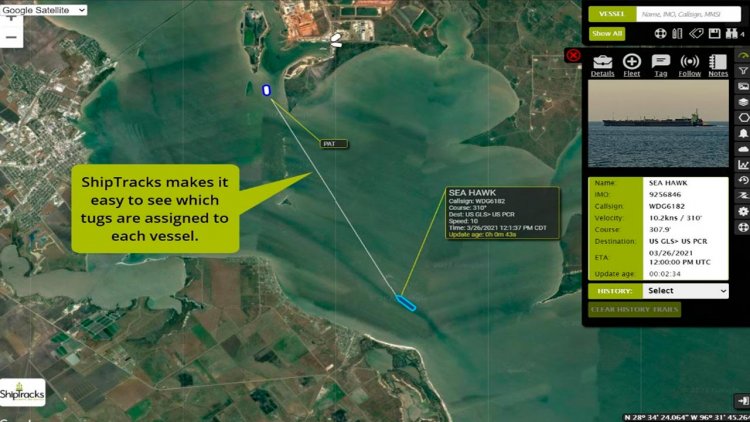
The partners say this is just the starting point for the integration, and they are exploring ways to more deeply integrate Helm CONNECT with ShipTracks’ AIS technology to improve vessel operations. 

Nolan Barclay, CEO of Helm Operations, says:

“At Helm, we realize that through partnership with other innovators and market leaders, such as ShipTracks for AIS, we make operations simpler, faster, and more efficient for our users.

“Working with ShipTracks, we’re looking to make even more data available to operators within their AIS screen, including operational events like crew changes or planned maintenance, which affect the capability of the vessel. Beyond just harbor towage, we want to give operators of all kinds the ability to leverage this type of data in their planning to increase the efficiency of their operations, and we plan to announce more of these efforts throughout the year.”  

MISC takes delivery of Seri Elbert – its sixth VLEC

0

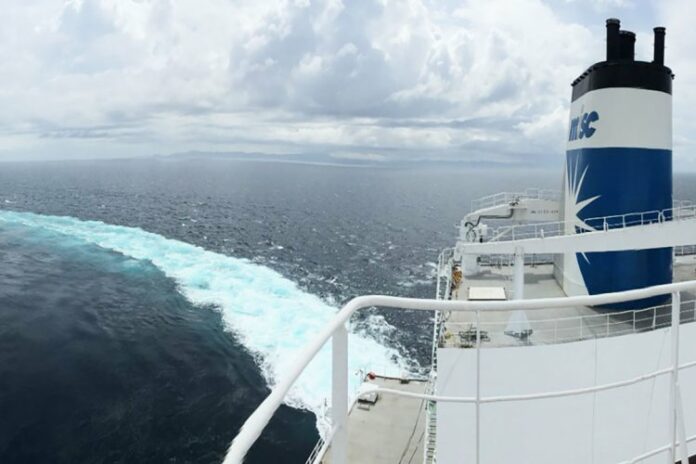
MISC Berhad (MISC) has taken delivery of its sixth Very Large Ethane Carrier (VLEC) – Seri Elbert, from Hyundai Heavy Industries (HHI) shipyard in Ulsan, South Korea. 

Seri Elbert and her sister vessels – Seri Everest, Seri Erlang, Seri Emei, Seri Emory and Seri Emperor are a series of second generation VLECs – all of which were acquired by MISC from Zhejiang Satellite Petrochemical Co. Ltd. (STL) in July 2020. 

Mr. Yee Yang Chien, President and Group Chief Executive Officer of MISC said:

“We are excited and pleased that Seri Elbert, MISC’s sixth VLEC was delivered safely today. Our sincere appreciation to our charterer, Zhejiang Satellite Petrochemical Co. Ltd. for their trust and confidence in us. This notable accomplishment is a culmination of hard work and dedication of various teams at sea and shore, from the inception point of this project up till the delivery of Seri Elbert.”

“We will continue to make great strides as we go on to serve the global ethane market. Our VLECs play a prominent role in addressing the need for large capacity ethane carriers in the supply chain. At present, MISC is the owner of the largest VLECs of its kind in the world with Eaglestar as the appointed shipmanager of all six VLECs. I would like to take this opportunity to wish the Master and crew of Seri Elbert, fair winds and following seas for their journey ahead.”

The 98,000 cbm Seri Elbert and her five sister vessels are on a long-term charter to STL. These six VLECs signify MISC’s entry into China and its position as the largest operator of VLECs in the niche and growing market of moving ethane globally.

OneWeb and The AST Group partner to broaden access to fast connectivity at sea

0

As part of its mission to deliver low latency, ‘fibre-like’ connectivity to the maritime and offshore industries, Low Earth Orbit (LEO) broadband satellite communications company OneWeb, has signed a Memorandum of Understanding (MoU) with The AST Group (AST).

By working together, AST and OneWeb will offer fixed-land and maritime customers access to OneWeb’s fast, flexible and affordable connectivity solutions seamlessly in even the most remote locations on land and at sea. Customer beta trials will be undertaken with AST before the end of the year and will be focused on delivering fixed services to support remote connectivity in Northern Europe.

Once full commercial service is available in 2022, OneWeb seeks to provide AST’s customers, primarily in the commercial shipping, fishing and high-end offshore sectors, with access to viable, high speed, low latency connectivity as an alternative to the current VSAT internet solutions to truly enable digitalisation and deliver the long-awaited leap in operational efficiencies.

This comes at a time when regulatory and commercial influences are driving demand for companies in maritime and offshore industries to decarbonise, improve broader sustainability and governance standards as well as improving business performance – all of which are underpinned by the need for more technology and data.

Commenting on the partnership, Gregory Darling, AST’s founder and Chairman said:

“We’re delighted to strengthen our relationship with OneWeb by becoming its distribution partner so that we can offer customers a fibre-like alternative to current solutions. AST’s focus is solution-based to ensure that customers improve their overall operational efficiency. OneWeb’s new satellite constellation and next-generation connectivity aligned with AST’s  INTEGRA network services will enable faster and better communications for the maritime industry. This new agreement marks further progress towards this transition.”

Carole Plessy, Head of Maritime at OneWeb, said:

“OneWeb believes that connectivity at sea should be as seamless and simple as it is onshore to improve the overall efficiency, sustainability and profitability of the maritime and offshore industries.

“We’re proud to work with The AST Group, not just because of the strength of its market insight, reach and capabilities, but because of our shared belief that remote, faultless connectivity is essential to delivering operational excellence. By partnering with AST, we are another step closer to making LEO connectivity available to more marine and offshore customers, ending the legacy of complex, slow and costly VSAT systems.”

Ørsted brings in NBIM as a partner in Borssele 1 & 2

0

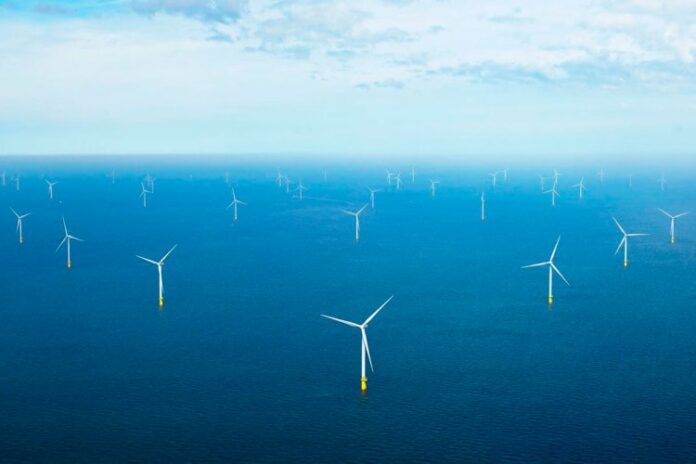
Today, Ørsted has signed an agreement with Norges Bank Investment Management (NBIM), who will be acquiring a 50 % ownership share of Ørsted’s 752 MW Borssele 1 & 2 Offshore Wind Farm, which was commissioned in the fourth quarter of 2020 and generates green power to the equivalent of one million households’ annual power consumption in the Netherlands.

The total value of the transaction is approx. EUR 1.375 billion (approx. DKK 10.2 billion) which is to be paid upon closing of the transaction. Closing is expected around summer 2021. As part of the agreement, Ørsted will continue to provide long-term operations and maintenance (O&M) services from its O&M base at the Port of Vlissingen in the Netherlands. Furthermore, Ørsted will provide NBIM with balancing services and a long-term route to market for the renewable electricity generated by Borssele 1 & 2.

Today’s agreement marks NBIM’s first investment in unlisted renewable energy infrastructure.

Martin Neubert, Chief Commercial Officer and Deputy Group CEO of Ørsted, says:

“As one of the world’s largest institutional investors, Norges Bank Investment Management is making a difference by making sustainable investments. We’re delighted to welcome NBIM as partner on Borssele 1 & 2, which is a landmark project for the Netherlands’ transition to renewable energy, and we’re pleased to support NBIM in their strategy to invest in renewable energy infrastructure assets.”

Mie Holstad, Chief Real Assets Officer at Norges Bank Investment Management, says:

“We are very pleased to partner on Borssele 1&2 with Ørsted, the market leader in offshore wind. We are excited to have made our first unlisted investment in renewable energy infrastructure, and we look forward to working alongside Ørsted on delivering green energy to Dutch households.”

Steven Engels, General Manager for Ørsted Benelux, says:

“I look forward to working with NBIM on delivering green power to the Dutch energy mix. Borssele 1 & 2 kickstarted the Netherlands’ ambitious programme for offshore wind build-out and will help the country meet its 2030 carbon reduction goals. We remain committed to the Netherlands and the Zeeland region to contribute to the energy transition for many years to come. At the same time, the wind farm creates benefits for the local economy by supporting employment and skills development.”

The divestment to NBIM is subject to regulatory approvals.

The information provided in this announcement does not change Ørsted’s previous financial guidance for the 2021 financial year of an EBITDA excluding new partnership agreements of DKK 15-16 bn or the announced expected investment level for 2021. In addition to the above, the EBITDA effect in 2021 from the Borssele 1 & 2 partnership, is expected to amount to around DKK 5 billion.

Facts about Borssele 1 & 2

  • The largest operational offshore wind farm in the Netherlands – and the second-largest operational offshore wind farm in the world – with an installed capacity of 752 MW.
  • Located 23 km off the coast of the Dutch region of Zeeland at water depths ranging from 14 to 36 m.
  • The 94 Siemens Gamesa 8 MW offshore wind turbines of Borssele 1 & 2 generate enough power to annually cover one million households with green energy in the Netherlands.
  • Fully commissioned in Q4 2020.

Babcock LGE’s ecoSMRT® chosen for Shell-chartered LNG carriers

0

Babcock’s LGE business, the market leader in liquefied gas solutions, has secured a further five supply contracts for its Liquefied Natural Gas (LNG) Boil-Off Gas (BOG) reliquefaction technology, ecoSMRT®, bringing the total to 50 in less than three years. The latest ecoSMRT® orders will be delivered to newbuild LNG carriers built at Hyundai Heavy Industries (HHI).

Four of the five LNG carriers to be fitted with ecoSMRT® systems are for charter to Shell Tankers (Singapore) Private Limited (“Shell”) and will be delivered from 2022 to multiple ship owners. This will bring the number of Shell-chartered ecoSMRT® vessels to over 20.

A further order has been placed with ship owner Sovcomflot for its latest LNG carrier newbuild at HHI. This order marks the 50th contract win for ecoSMRT® – a significant milestone in the rollout of this ground-breaking LNG reliquefaction technology.

Developed to combat inefficiencies in existing BOG reliquefaction systems, ecoSMRT® has a proven track record with 12 systems in service by the end of March 2021. All 12 are performing as designed and achieving market-leading reliquefaction capacity, offering unparalleled performance to ship owners, charterers and operators.

Neale Campbell, Babcock LGE Managing Director, said:

“We are delighted to have secured these latest contracts at Hyundai Heavy Industries and to be providing our innovative technology again to Shell and Sovcomflot, both of whom have multiple ecoSMRT® units in operation or on order.

“There are many benefits of the ecoSMRT® system; 30% increased efficiency versus competing systems, market-leading reliquefaction capability and low maintenance requirements. ecoSMRT® is an important technology for today’s modern LNG carriers.”

With each system capable of reducing CO2 emissions by up to 19,000 tonnes per year, ecoSMRT® also plays an important role in managing LNG carrier emissions. The system maximises vessels’ operating lifecycle and supports the marine industry’s transition towards a net-zero future.

2020 was another successful year for Babcock LGE, with multiple liquefied gas handling and reliquefaction system orders across the LPG, LNG and ethane markets, as well as retaining the position as new-build market leaders for LPG Fuel Gas – ecoFGSS™. With these latest project awards, as well as multiple development projects currently underway – all geared towards the net zero carbon future of maritime – the business is in an exciting phase of development.

Equinor: New service agreements for electrical equipment at offshore facilities in Norway

0

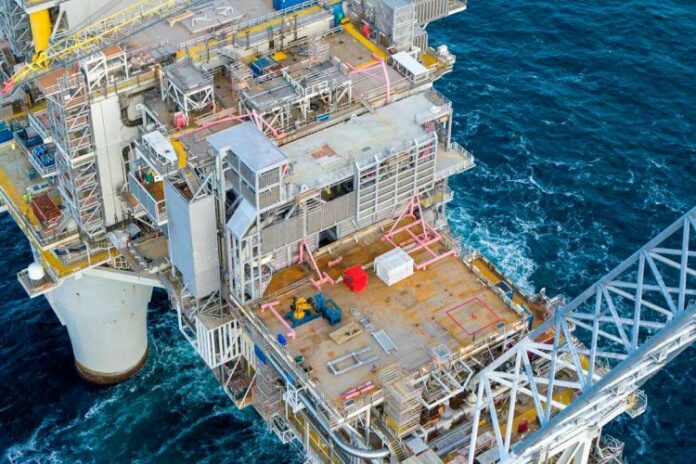
ABB AS and Siemens Energy AS are awarded framework agreements for providing service of electrical equipment on all Equinor’s installations on the Norwegian continental shelf (NCS) and onshore plants in Norway. The scope is expected to require about 100 man-years in Norway.

The agreements are awarded on behalf of Equinor-operated licences on the NCS and onshore plants in Norway, and on behalf of Gassco as the operator for the Kollsnes and Kårstø gas processing plants. The agreements can also be applied globally.

Peggy Krantz-Underland, Equinor’s chief procurement officer (CPO), says:

“We are pleased to continue our cooperation with ABB and Siemens Energy. The contracts will be a key enabler to ensure safe and sustainable operation and maintenance of our offshore and onshore facilities. They will also contribute to sustain important jobs in Norway for the supplier companies.”

Under the framework agreements, the suppliers will continue to provide operation, maintenance, modification, and upgrade of the electrical equipment installed onshore and offshore. The suppliers will also deliver front-end engineering and design (FEED) as well as engineering, procurement, construction, and installation (EPCI) for new electrical projects.

Gunnar Nakken, senior vice president in Operations Technology in Equinor, says:

“We anticipate an increased use of electrical equipment on the NCS, thereby replacing the need for fuel-driven engines. This will give us increased flexibility to use different power sources, and contribute to CO2 emission reductions.”

Both framework agreements have a firm period of eight years. The agreement awarded to Siemens Energy also includes three four-year options.

Long-term framework agreements provide predictability for both Equinor and the suppliers. They form a strong basis for collaboration and continuous improvement, allowing the use of new technologies as well as increased safety and value creation for all parties.

MHO-Co to develop carbon-neutral maritime transport using EUDP grants

0

Together with Aalborg University, among others, and with grants from the Energy Technology Development and Demonstration Program (EUDP), MHO-Co will test fuel cells and new battery technology on the shipping company’s advanced hybrid vessels.

Director of the shipping company MHO-Co, Mik Henriksen, says:

“The aim is to develop environmentally-friendly technology to replace fossil fuels and dominate the maritime industry in the future. With the EUDP grants as well as with knowledge and innovation from other participants, we will set new standards for what is possible in the maritime industry.”

The Danish shipping company is the initiator of the consortium which, apart from the companies Danfoss, Ballard Power Systems Europe A/S, Sterling PlanB Energy Solution and Stuart Friezer Marine, consists of research engineers from Aalborg University. They have joined forces on the project at a total of EUR 4.5 million, of which EUR 2.15 million are grants from the Energy Technology Development and Demonstration Program (EUDP).

Over the next three years, the six partners have an ambitious plan to develop and test a propulsion system for maritime transport that does not emit carbon dioxide. During this period, MHO-Co will test both fuel cells and liquid cooling system batteries. 

Ballard Power Systems Europe A/S will develop the first fuel cells for shipping.

Kristina Fløche Juelsgaard, director at Ballard Power Systems Europe A/S, says:

“Based on our experience with fuel cells for heavy transport, we are now focusing on how fuel cells and hydrogen can also become the green solution of the future in the maritime sector. This project is groundbreaking because together we can test the different options and find a sustainable solution, which can be approved by the authorities and live up to the current requirements for new technologies.”

Another pillar of the project is the use of energy storage systems for maritime use. This is where Sterling PlanB contributes to the project.

Brent Perry, CEO of Sterling PlanB, said:

“Sterling PlanB has long prided itself on engineering the safest and most robust energy storage systems available on the market, in support of emissions reductions. Our battery technology is engineered to be the most robust lithium battery possible, for a cost-effective, sustainable solution. We’re very proud to be a part of this project and partnering with like-minded experts in the industry to support shipping’s decarbonisation challenges.”

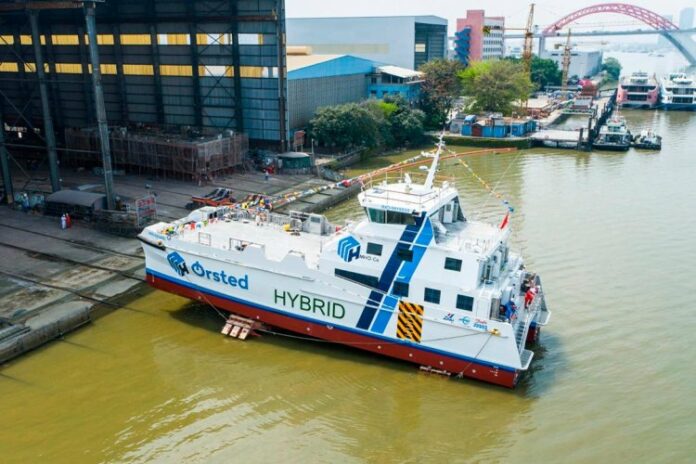
The next generation of MHO-Co’s vessels are custom designed to service the wind turbine and offshore industries, and the shipping company specializes in transporting technicians to and from large wind farms. Currently, the shipping company is building the world’s first Crew Transfer Vessels with hybrid propulsion, and these two vessels will be the focal point of the project.

Mik Henriksen (MHO-Co) explains:

“Our two new vessels are built as floating test platforms. They are designed to be adapted to the environmentally-friendly energy systems of the future – simply by replacing engine and propulsion packages. And since the vessels are catamarans, we have four platforms providing even better conditions for testing and comparing different sustainable solutions.“ 

The two new vessels are being built in China and are scheduled to be put into operation in Europe before the summer holidays of 2021.

PGNiG received the fifth cargo of LNG at the Klaipėda LNG reloading station

0

Polish Oil and Gas Company (PGNiG) received the fifth cargo of liquefied natural gas (LNG) at the Klaipėda LNG reloading station, operated by KN. During the first full year of its use, PGNiG loaded 327 tank trucks with a total volume of 5,856 tons of LNG for sale.

At the beginning of April, PGNiG unloaded approx. 3 thousand cubic meters of LNG originating in Norway. Cargo supplied by Gasum arrived by the Finnish tanker Kairos. It was the fifth gas supply to the Klaipėda LNG reloading station since April 1, 2020, when PGNiG started the exclusive use of the reloading station belonging to KN.

Darius Šilenskis, CEO of KN, said:

‘Assessing this first year of cooperation with PGNiG, we can confidently state that our efforts to create value for the growing regional LNG market have brought tangible results. We hope that this cooperation, defined by the five-year agreement, will continue to promote the opening of even greater potential in the region, especially as we see efforts in Lithuania to open up the use of LNG as an alternative fuel to commercial road transport. In that sense, Poland is an inspiring example.’

Paweł Majewski, President of the PGNiG Management Board, commented:

‘For PGNiG, the use of the Klaipeda station is an opportunity to expand into new markets in the small-scale LNG segment. Although still most of the loaded LNG tank trucks leaving from there are still purchased by customers from north-eastern Poland. In comparison to distance from Świnoujście, shorter routes between Klaipeda and recipients from this part of the country significantly affects the costs of transport, and therefore the price of gas supplied. Blue fuel is used not only by business customers. It also supplies LNG regasification stations in areas where the gas network does not reach. Our gas from Lithuania is also available at stations where LNG is refueled for heavy duty road transportation vehicles.”

So far, PGNiG has received in Klaipeda a total of approx. 8.4 thousand tonnes of LNG, which corresponds to approx. 127 GWh of energy. During the first full year of use of the station by the company, 92 percent the gas reloaded to tanker trucks was delivered to Poland, 6 percent to recipients in Lithuania, and the rest to Latvia. The contractors include PGNiG Obrót Detaliczny, for which LNG loads are carried from Lithuania by tanker trucks of Gas-Trading belonging to the PGNiG Group.