-7 C
New York
Home Blog Page 632

ABS launches cybersecurity offering to combat increasing global attacks

0

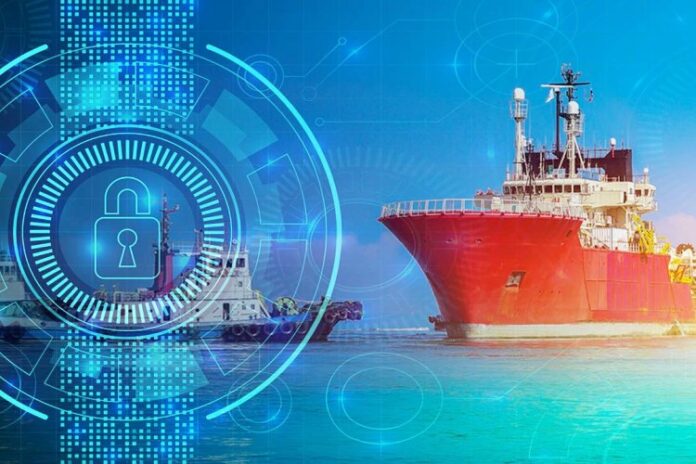
ABSG Consulting Inc. has launched an integrated new cybersecurity service designed to help organizations monitor, manage and reduce the growing threat of Operational Technology (OT) cyber attacks.

Ian Bramson, Global Head of Cybersecurity from ABS Consulting, says:

“The digital front line is expanding to the OT environment, impacting today’s industrial systems and equipment critical to high performing operations, business reputation and safety. This is a new area with low maturity and high risk. As digitalization expands so do the risks of a system breach or cyber attack.”

The solution is designed to deliver effective support to a wide range of industry sectors, including power plants, wind farms, oil rigs, platforms to ships, pipelines and industrial manufacturing. The new Cybersecurity Managed Services developed by ABS Consulting helps companies reduce cybersecurity risks across multiple facilities and assets by 24/7 monitoring of critical infrastructure and OT networks for cyber threats.

Bramson says:

“OT cybersecurity requires specialized skills and experience. Traditional Information Technology (IT) solutions do not work in these environments. Our service is a native OT solution designed specifically for industrial networks. Most organizations do not have adequate visibility into these systems to understand cyber vulnerabilities and activity. Our managed services solution gives them both visibility and control over these increasing risks.” 

The service offering improves awareness and supports decision making for industrial control systems and networks by delivering insights across a company’s digital ecosystem using OT domain expertise, and IT/OT integration included in a single user platform, which proactively monitors and manages a range of key issues:

  • Enables cybersecurity risk capabilities to identify systems, assets and data – capabilities that, when disrupted, pose risks to people, operations and the environment.
  • Implements risk control processes and measures to assist with contingency planning and continuity of operations.
  • Detects a cyber event at any time. Technology that never sleeps.
  • Provides cybersecurity resilience to programs, operations and services critical to business success and performance.
  • Supports the fast restoration of an organization’s systems for safe operations in line with a company’s disaster recovery plans.
RIX Industries launches industry-first mobile hydrogen generation system

0

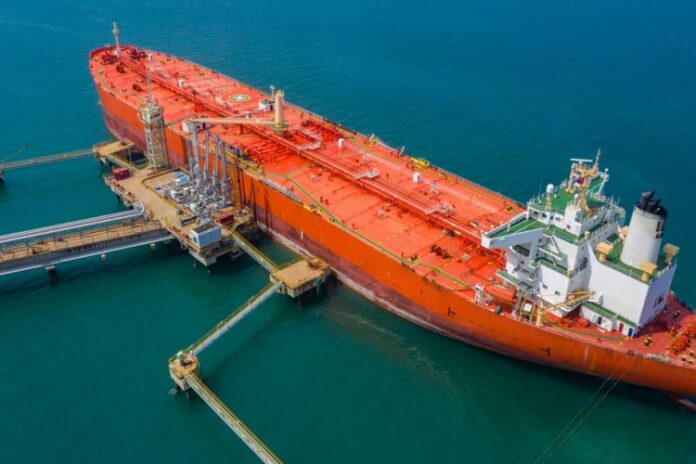
RIX Industries has announced availability of its flagship mobile hydrogen generation system, the M2H2-Series scalable family of Methanol-to-Hydrogen Power Systems, bringing green power to shipboard and marine environments. 

With the ability to generate hydrogen onboard and on demand, these systems offer users a safer and smaller shipboard volume requirement as compared to high-pressure compressed hydrogen solutions. The RIX M2H2-Series also eliminates the heavy and costly footprint of cryogenic liquid hydrogen storage. These highly efficient power systems provide marine shipbuilders and operators a readily available path away from environmentally damaging diesel-based propulsion systems.

Available now, the M2H2-Series systems create an effective commercial path to clean, scalable hydrogen power for maritime applications. This environmentally friendly system is a vital step in addressing the global challenge facing the shipping industry, now required to meet immediate reductions in greenhouse gas (GHG) emissions and eventual elimination of diesel power as mandated by the International Maritime Organization (IMO), a United Nations regulatory entity. The M2H2 systems, combined with fuel cells, produce power without any NOx, SOx, or particulate matter and Net Zero CO2 emission with renewable methanol.

Bryan Reid, Chief Sales Officer at RIX Industries, said:

“While hydrogen power technology is globally recognized as critical to reducing pollution and climate change, rugged readymade systems that capitalize on this technology have been absent from the power landscape. Tapping into the convenience of methanol as a hydrogen carrier, our industry-leading mobile system produces hydrogen safely, efficiently, and as needed – a sea change in hydrogen usability and competitive value for shipbuilders working to minimize their environmental impact.”

RIX M2H2-Series systems incorporate proven methanol fuel reforming technology to generate hydrogen. This technology is licensed from Element 1 (dba e1), developer of clean energy products, processes, and technologies, and is supported by RIX’s well-established manufacturing operations and integration services. As self-contained containerized power systems, the M2H2-Series blends methanol-to-hydrogen generation technology and PEM fuel cells to provide a high efficiency, minimal vibration/noise, and low emission solution for power critical applications including ship propulsion, auxiliary power systems, reefer container power, and cold ironing. 

Scalability is another advantage of the M2H2 power system, supporting 30 kW to 120 kW fuel cell solutions, which can be combined to support MW applications as well. Deployment does not require major retrofit of ship infrastructure, and existing diesel tanks can instead be used to store liquid methanol at ambient conditions as a feedstock. This eliminates the complexities and concerns of onboard hydrogen management, such as storage at high pressures or cryogenic temperatures, which have long been a roadblock for marine industries.

i4 Insight integrates optimal bunker planning data through BunkerEx

0

i4 Insight, creators of a platform that provides a single point of access for multiple data streams and applications offering a holistic view of fleet operations, has formed an alliance with BunkerEx to incorporate optimised bunker planning data into the i4 Insight platform.

The addition of BunkerEx to the i4 Insight platform will further help shipowners and operators realise greater voyage and operational efficiency and improved fleet performance. It follows the recent acquisition of C-MAP commercial and partnership agreements between i4 Insight and other maritime players including Greensteam, FNT and Laros.

With bunkers being one of the largest costs associated with a voyage, making the right choice about where to bunker is critical. The BunkerEx data provides the optimal recommendation using real-time, accurate price data, while identifying fuel availability and pricing for each location. The technology processes thousands of potential bunker options in seconds and combines that with distances and live pricing information to reveal the most cost-effective bunker option. In addition, BunkerEx data lists any surprise charges, such as barge fees, calling costs and port charges.

Ishaan Hemnani, co-founder of BunkerEx, said:

“Access to fast, transparent bunker information is vital for ship operators to make optimal decisions. By collaborating with other maritime platforms, we can greatly improve the customer experience and grow with our partners. This alliance with i4 Insight is further proof of that and demonstrates the benefits of collaboration.”

Joel Meltzner, i4 Insight Chief Executive Officer, said:

“We know fuel costs take up a large percentage of a ship’s operating costs. We have formed an alliance with BunkerEx to obtain live pricing data and fuel availability from ports around the world to be incorporated into our platform. We’re excited to bring more new products to the market very soon.”

Concordia Damen launches A-ROSA’s next-generation ‘E-Motion’ river cruise ship

0

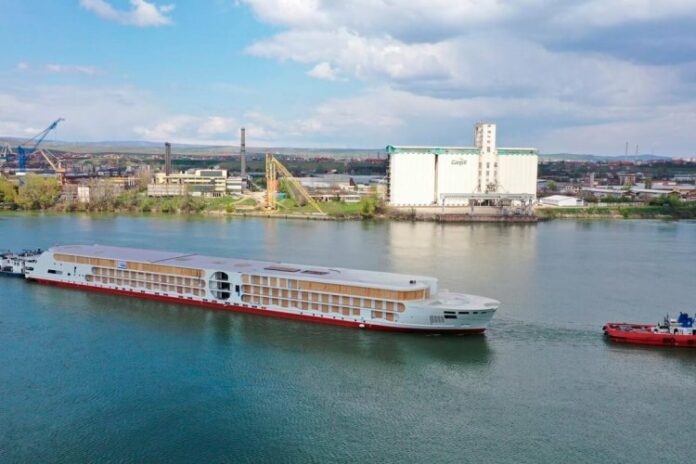
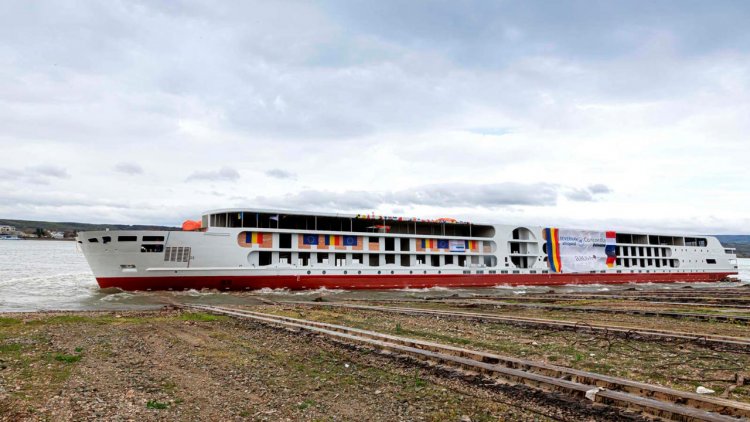
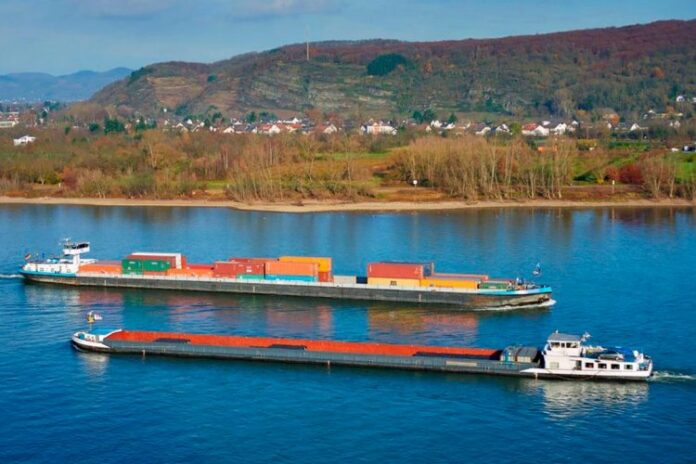
Concordia Damen has completed the build of the hull of the latest addition to the fleet of A-ROSA Flussschiff, one of Europe’s leading operators of river cruises. 

In the next stage of the vessel’s construction, the hull will be transported by the heavy-lift vessel Yacht Express to Damen Shipyards Gorinchem in the Netherlands, where Concordia Damen will perform the outfitting.

Measuring 135 metres in length and 17.7 metres across, the four-deck vessel will feature 140 cabins ranging from two person to family units, making her the largest vessel to be operating on the Rhine in terms of passenger numbers. The majority of the cabins will have their own balconies and accommodation with separate living and sleeping areas available. Other family-friendly features include a children’s play lounge and pool as well as a larger pool for all ages on the sun deck. The restaurant will also have a separate children’s eating area.

The adults meanwhile will be able to enjoy an unprecedented range of amenities including a sauna, whirlpool, ice grotto, heat bench and treatment rooms when they are not enjoying the sights from their balconies or the sun deck as they cruise along the river, or are ashore discovering the history and culture of the northern Rhine. Nor have the staff and crew been forgotten. They will have their own generously spaced cabins along with, for the first time, their own rest and relaxation area where they can unwind before and after working hours.

In line with the principles of both A-ROSA’s and Concordia Damen’s, the river cruise ship will have a special focus minimising impact on its surrounding environment. A-ROSA describes its newbuild as an ‘E-Motion’ vessel, and it will be equipped with a hybrid propulsion system including a zero-emissions battery drive. A diesel engine will be used for cruising, but when entering and leaving port the ship will switch to an electric engine powered by the battery for emissions-free operations. She will also be fitted for shore power, making her as clean at rest as she is underway. In addition, the hull has been optimised for minimum resistance and all heat and excess energy will be recovered where possible.

Project Manager Johan Muilenburg says:

“We are delighted to be the starting the next stage of this exciting new vessel. As a traditional yet innovative shipbuilder we are confident that she will both set a new standard in socially responsible river cruising and exceed the expectations of her guests when it comes to comfort and amenities.”

Delivery is scheduled for the spring of 2022 in time for the year’s summer season.

Successful deployment of autonomous lander to deepest part of global ocean

0

The Challenger Deep is one of the most extreme environments on Earth and one that few scientists have ever been able to reach because of pressure so intense that it can easily crush conventional oceanographic equipment.

Now, a researcher at Dalhousie University in Halifax, N.S., has joined that coterie after successfully deploying an autonomous lander from the area in the southern tip of the Mariana Trench in the western Pacific.

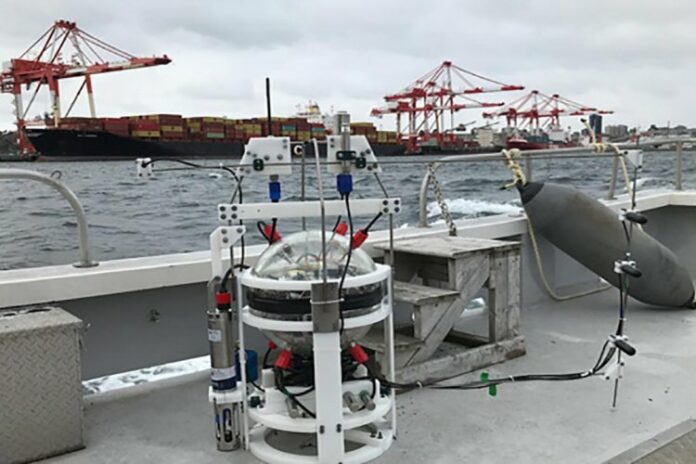
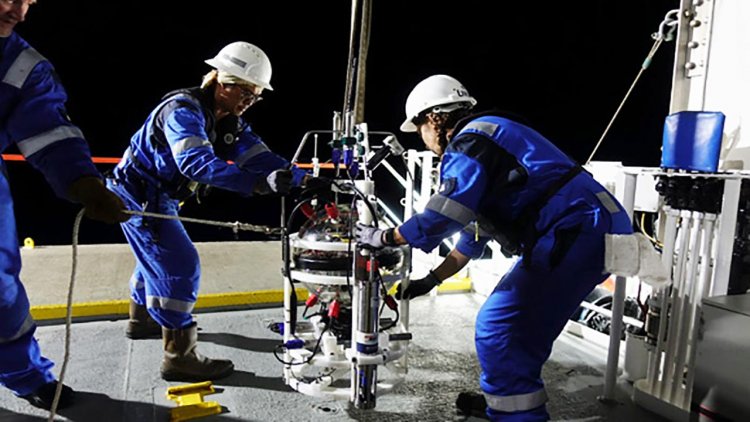
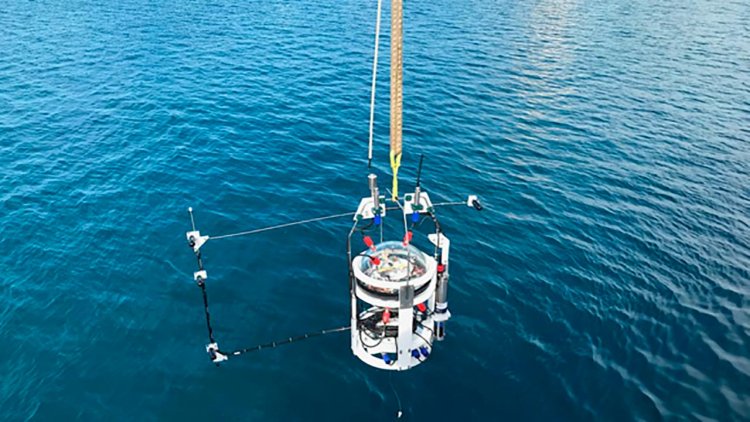
David Barclay, an associate professor in the Department of Oceanography and Canada Research Chair, led a team on board DSSV Pressure Drop that dropped his home-grown Deep Acoustic Lander—aptly named DAL—to the bottom of the trench last Friday.

Dr. Barclay said:

“The achievement of sending something down there, having it survive that pressure, getting it back to the surface and recovering it is a big technological and engineering win.

The demonstration of technology proves that we now have an elevator to the deep. The potential to develop more measurement capability for other researchers is huge. We could make measurements of ocean chemistry, biology, geology and physics at any depth.”

The lander is an autonomous free-falling instrument developed at Dalhousie that records four channels of audio and the surrounding water properties. Dr. Barclay used an array of four hydrophones to capture the ambient sound in the trench. The array, like our ears, allows us to separate different sources of sound and determine exactly how they mix with frequency and depth.

A recording captures the sounds of the DAL deployment from when it plunges into the ocean—picking up a mixture of the ship’s whirring propellers, distant waves, storms, ships and rainfall—to when it releases its anchor and rises to the surface.

Even at 3,000 meters below, it can pick up the sound of a bulk carrier passing dozens of kilometers away. The sound of glass shards breaking off the DAL’s sphere under the environment’s enormous pressure can also be heard. It becomes silent, however, after the lander plunks down on the bottom in one of the quietest places in the world’s oceans—making it only the second recording from the bottom of the Challenger Deep.

The acoustic and oceanographic data collected on the mission will provide valuable insight into the fundamental properties of seawater at high pressures while also informing a depth-dependent noise model of the deep ocean. That can quantify and shed light on the human impact on the underwater sound field, while also helping design systems that can better cut through the noise to find sound-producing objects in the ocean, such as whales, ships and submarines.

Wärtsilä to introduce engine plus emissions abatement package

0

The technology group Wärtsilä will introduce a combined engine plus selective catalytic reduction (SCR) packaged product aimed at complying with China’s Stage II marine engine emission standard that enters into force in July 2021.

The standard will apply to inland waterway, coastal, river-sea, channel and fishing vessels operating in most rivers and around the country’s major harbour areas.

The solution comprises a Wärtsilä 20 engine fitted with a Wärtsilä NOx Reducer (NOR). The Wärtsilä NOR is designed to effectively abate emissions of nitrogen oxides (NOx), while the incorporated dosing equipment ensures the precise amount of urea is applied to the system, and provides uniform mixing of the urea and ammonia with the exhaust gas.

Östen Lindell, Sales Director, Wärtsilä Marine Power, says:

“This product development is yet another example of Wärtsilä’s leadership position as the marine industry strives for environmentally sustainable shipping. Coastal and inland waterway vessels are particularly affected by environmental legislation, and we are committed to providing the compliance support needed by our customers.”

The certification testing of the Wärtsilä solution is being carried out at the premises of Wärtsilä’s Shanghai-based joint-venture company Wärtsilä Qiyao Diesel Company (WQDC). The project comprises an endurance test as well as the certification process. Emission testing is carried out before and after the endurance test, which is run continuously for close to 2000 hours. The statement of compliance will be issued by the China Classification Society (CCS).

The product is expected to be launched to the market in the third quarter of 2021.

Satcom extends Aura VSAT coverage in the North and South Pacific

0

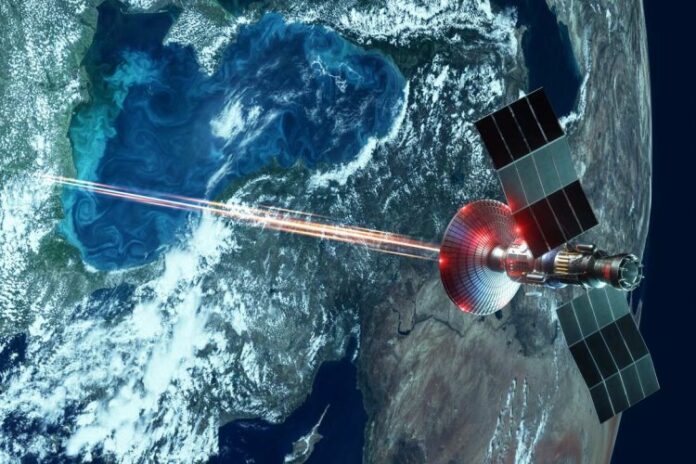
The new coverage will strengthen and extend the Aura network across the North Pacific and Oceania regions, supporting the high-quality connectivity demands of a diverse range of maritime sectors including shipping, commercial fishing, workboat, offshore supply and leisure.

The E174A North Pacific beam will benefit customers sailing Transpacific routes and operating out of the West Coast of North America, providing an additional layer of satellite coverage over key US maritime regions such as Alaska, Vancouver, Seattle, and the major ports in California, ultimately extending coverage down to the Western coast of Mexico.

The E174A South Pacific beam will overlap existing Aura network beams covering Western and Northern Australia, enhancing Ku-band service quality for vessels operating in those areas, as well as extending service coverage to the East of New Zealand.

Satcom Global has secured the high capacity E174A North and South Pacific beams with a guaranteed level of service quality (Committed Information Rate), with the option to scale up capacity, futureproofing emerging requirements. Adding new satellite beams to the Aura network is part of Satcom Global’s approach to deliver the most inclusive geographic coverage, as well as the highest quality connectivity to customers, with overlapping beams that provide both redundancy and abundant capacity.

The North and South Pacific E174A satellite beams were added to the Aura network at the beginning of April 2021. These most recent enhancements follow the introduction of the NSS-6 satellite to the Aura network in November 2020, covering the North Pacific Ocean, and the addition of Astra 4A Nordic and SES-12 IOR beams in March 2021.

The Eutelsat 174A satellite, built by Thales Alenia Space, is located at 174° East, offering extensive coverage and high-bandwidth capability over the Asia Pacific region via a payload of Ku-band transponders accessing interconnecting beams.

ONE conducts successful second trial use of sustainable biofuel for decarbonization

0

The specifications of the second trial were different from the first trial, with the mixing ratio three times higher in biofuel content, taking ONE another step closer to reducing its carbon footprint.

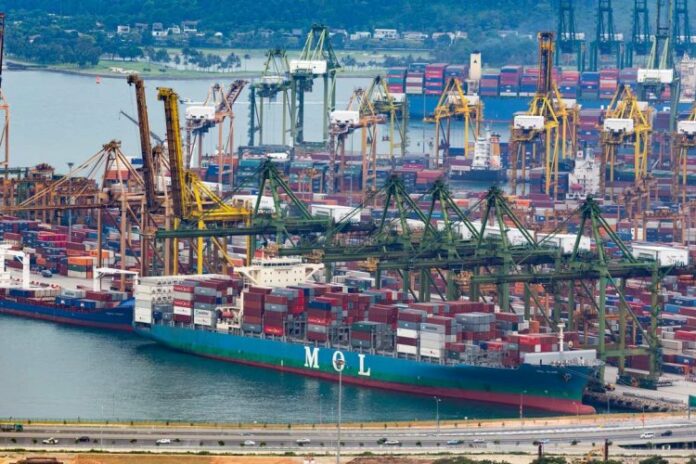
M/V MOL Experience was refuelled with marine biofuel during bunkering at the Port of Rotterdam, Netherlands on 7th March 2021. The vessel, deployed in AL5 service, fully consumed the biofuel 24 days into the 36-day trial period, which ended on 12th April 2021.

As with the first trial, the bunkering and testing period was performed in collaboration with shipowner Mitsui O.S.K. Lines and the leading sustainable biofuel pioneer GoodFuels. The success of the trial once again proves the viability of sustainable biofuels, while helping ONE to meet its carbon reduction targets by 2030 and 2050 respectively.

Biofuel is a fuel that is derived from renewable sources. The advanced biofuel used in the trial is produced from certified feedstocks labelled as 100% waste or residue, such as used cooking oil.

Biofuels are considered to be carbon-neutral because the carbon dioxide absorbed by the source of the biomass is equal to the carbon dioxide released when the fuel is burned. It has gained attention around the world as an environmentally-friendly alternative to fossil fuels.

GoodFuels’ sustainable biofuels are virtually free of sulphur oxides and deliver 80 to 90% well-toexhaust CO2 reduction versus fossil fuel equivalents. They are technically and operationally equivalent to petroleum-derived marine fuels and require no modifications to marine engines or fuel infrastructure. GoodFuels only works with renewable feedstocks that cannot be used for any higher quality application or recycling and are therefore regarded as truly sustainable.

The biofuel trial marks a positive step forward for ONE’s sustainability initiatives, which includes four areas of priority: Environment; Social; Governance; and Operational Excellence. The use of biofuels will help address its environmental sustainability targets, which aims to reduce carbon dioxide emissions (in gram/teu-km) by 25% from its 2018 baseline by 2030, and by 50% by 2050.

Takashi Mishima, General Manager of Fleet Management, ONE, said:

“The second trial was a big challenge for us because of the higher content ratio of biofuel. We are really happy to have completed the trial without any problem. I would like to express my sincere thanks to MOL, GoodFuels and related parties for their collaboration and effort. We will continue to study biofuel usage for ONE’s fleet, as we have the ambition to use biofuels in high ratio and large quantities to decarbonize our fleet.”

Isabel Welten, Chief Commercial Officer, GoodFuels, said:

“Today’s announcement is another important step towards accelerating the energy transition across shipping. Together with ONE, we are working towards a more structural supply of sustainable marine biofuels, and this second successful trial with ONE shows that there is great momentum behind advanced, sustainable biofuels today and into the future.

As some of the world’s first decarbonisation movers, together with ONE and MOL we are proving that solutions to reduce the environmental impact of ship operations already exist, and that marine biofuels will play a crucial role in enabling the industry to viably and profitably decarbonise. We’d like to thank ONE and MOL for their commitment towards sustainable shipping and look forward to further collaboration in the future.” 

Fountaine Pajot chooses EODev for its hydrogen powered yachts

0

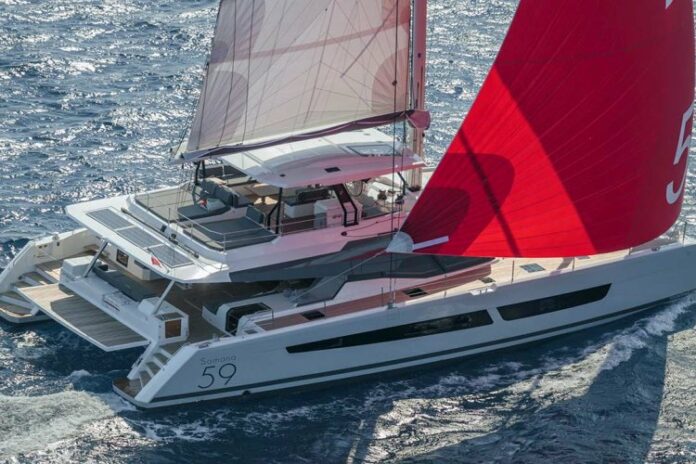
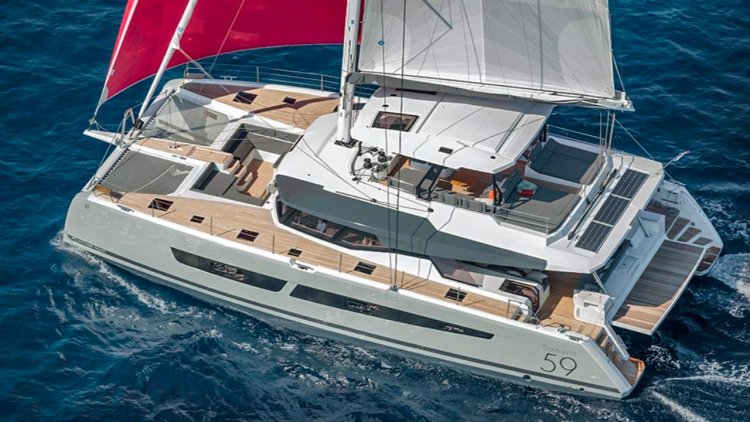
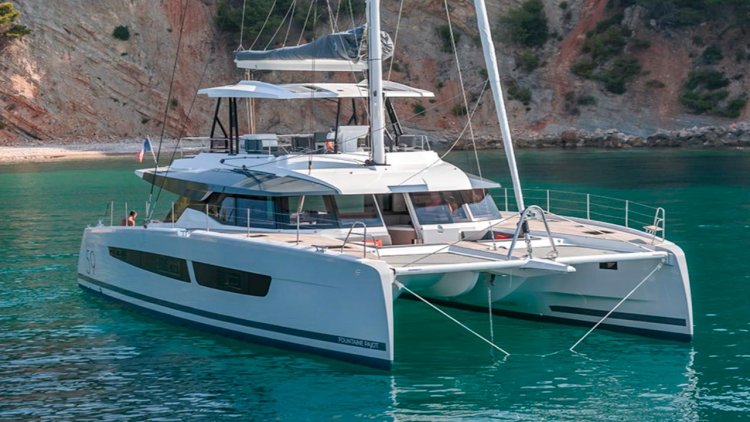
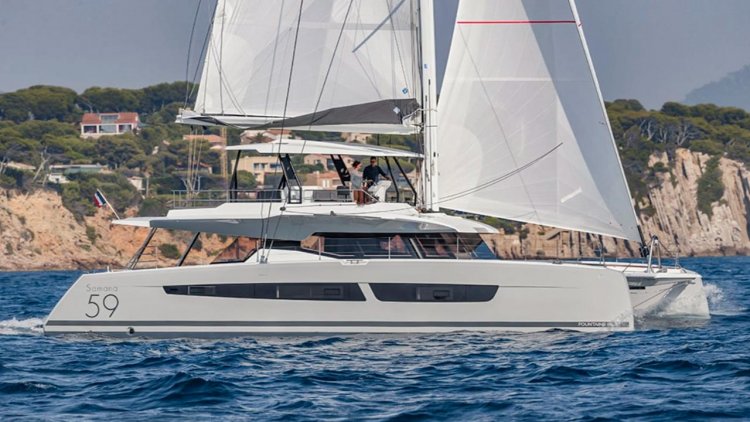
Fountaine Pajot’s ambition is to combine the power supply of its 59-foot sailing catamaran, SAMANA 59′, with EODev’s hydrogen power generator, REXH2®. This system will then be integrated by Alternatives Energies, partner of EODev, ideally located in La Rochelle, just a stone’s throw away from the Fountaine Pajot shipyard.

No matter the type of propulsion: wind or diesel, the energy needed for the hotel load on board the SAMANA 59 will be of electro-hydrogen origin, the objective being to be able to operate all on-board appliances, from lighting to the galley, and the air conditioning, without the need of a noisy and polluting diesel generator. It is thus the ideal solution when the boat is at anchor – allowing the passengers to enjoy the sea and swimming in total quietness.

In addition to a significant weight, and therefore energy consumption, saving, the advantage of the hydrogen-electric combination in comparison with a 100% electric system, is to allow the management of the energy needs depending on the use, thanks to the continuous power of the fuel cell, while being able to instantly use the batteries for occasional peak power requirements. The hydrogen powering this system is compressed and stored at 350 bar, the standard pressure used by hundreds of buses around the world.

Jérémie Lagarrigue, CEO, EODev commented:

«We are delighted that a French shipyard has decided to take the plunge. Trusting our solutions is one thing, convincing that they are accessible and relevant for the yachting market is another, while many continue to rely on diesel generators ‘because it is simple and cheaper’. It is thanks to collaborations such as the one with Fountaine Pajot that the acceleration of the energy transition in the maritime sector will be achieved more quickly. And it is urgent. Fountaine Pajot’s response is up to the challenge, and the long-term vision offered by the shipyard is the perfect demonstration that the future of the sector is being shaped now.»

In this first configuration, the SAMANA 59′ will have a REXH2® able to supply up to 70kW and a 44kWh LiFePO (Lithium Iron Phosphate) battery approved for maritime use, designed by EVE Systems and Alternative Energies. The hydrogen system will consist of a battery, its cooling system, a distribution board, the hydrogen supply line, and a tank with a capacity of 7.5kg of hydrogen. If necessary, depending on the user profile, additional tanks may be optionally integrated into the boat in order to offer extended range. The overall management will be ensured by an automated Power Management System specifically developed by EODev, which calculates the remaining range according to the user profile, in the same way as in a car.

The absence of moving parts in the fuel cell will guarantee simplified and predictive maintenance, for a service life of at least 15,000 hours. Finally, the REXH2® being a “plug and play” solution, there will be no need to be a hydrogen engineer to operate the boat. As in modern cars, the system will be fully automated and connected, with data from all components being collected and archived remotely.

The first SAMANA 59′ equipped with EODev’s technology will be launched at the beginning of 2022. Fountaine Pajot will thus be able to test the entire system in real conditions on boats which are intended to sail over long distances, in order to improve their autonomy without reducing their environmental performance or the space available for life on board. The next step will be the integration of EODev systems in other units, with different sizes and user profiles.

Romain Motteau, CEO, Fountaine Pajot, welcomes the shift:

«In the context of environmental transition, which is an integral part of our 2024 strategic plan, Fountaine Pajot is demonstrating here its positioning as an innovation platform. The choice of EODev’s technology is the illustration of our desire to bring together experts in solutions that benefit everyone, and to give substance to our ambition to achieve zero carbon emissions by 2050, whether for the production of boats or their use. We are proud and happy to be among the pioneers, and are eager to take further steps in the deployment of clean solutions.»

Fugro wins deepwater site investigation contract for Equinor in eastern Canada

0

Equinor has selected Fugro to perform a deepwater site investigation in Canada’s Flemish Pass, 500 km off the coast of St John’s, Newfoundland and Labrador, in water depths of approximately 1200 m.

Fugro’s field campaign will run from July until August and entails a seabed survey, an environmental survey and a soils investigation, with client deliverables scheduled for September.

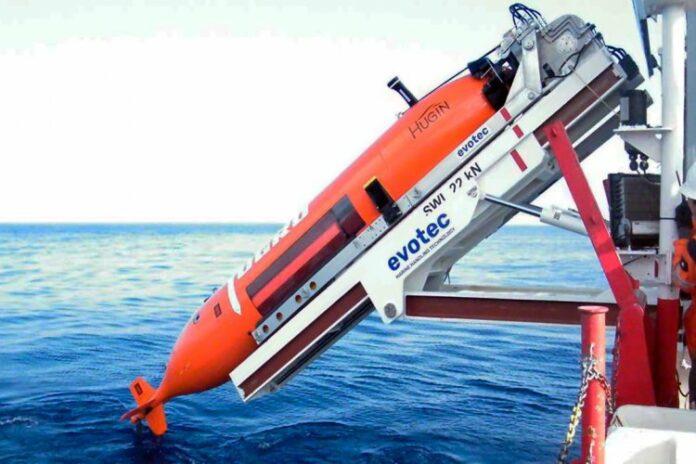
Having completed numerous projects for Equinor in the region for over a decade, Fugro is well versed in the complex geology and marine habitat of the Flemish Pass. This year’s seabed and environmental surveys will be performed using Fugro’s newest autonomous underwater vehicle (AUV), the Echo Surveyor VIII, which is designed to capture engineering-grade bathymetric, imaging and shallow geological feature data in deep water. 

The environmental survey will also utilise proprietary 3D photogrammetric methods for improved delineation of cold water corals and other benthic habitats. The soils investigation will be performed using Fugro’s SEACALF Mk IV® seabed cone penetration test (CPT) system, which uses a coiled push rod and compact continuous thrust machine for increased efficiency and reliability.

Mike Cole, Country Manager for Fugro in Canada, said: 

“We look forward to continuing our collaboration with Equinor in the region as we help address the company’s ongoing need for digital Geo-data acquisition, analysis and advice. This project will allow us to showcase our locally developed digital 3D photogrammetric mapping methods to augment traditional geophysical sensors, which allows more quantifiable target definition.”