-2.8 C
New York
Home Blog Page 630

New trailing suction hopper dredger is under construction at Kooiman Marine Group

0

The new trailing suction hopper dredger (TSHD) “Hegemann V” for German Detlef Hegemann Aktiengesellschaft will be equipped with SCHOTTEL RudderPropellers.

Currently under construction at Netherlands-based Kooiman Marine Group, the dredger is designed to execute multiple types of dredging activities at specific locations. Due to its relatively short length of about 75.9 metres in combination with the SCHOTTEL RudderPropellers, the vessel will be optimally manoeuvrable even in narrow rivers.

The propulsion system of the TSHD consists of two SCHOTTEL RudderPropellers type SRP 270 (840 kW each), featuring fixed pitch propellers with a diameter of 1.85 metres. The azimuth thrusters will be driven by diesel-electric systems to fulfil strictest emission requirements.

With medium-sized rudder propellers such as the SRP 270, SCHOTTEL is meeting new challenges in the international maritime market. These include shifted engine power classes, new ice class rules and the growing trend towards electric or hybrid-driven vessels. Combining the latest technologies in mechanical engineering, hydrodynamics, and digitalization, the medium-sized thrusters are available in three sizes which correspond to common engine power classes: SRP 210 (640 kW), SRP 240 (850 kW) and SRP 270 (1,000 kW).

The “Hegemann V” was developed by Kooiman Engineering, part of Kooiman Marine Group, in close collaboration with Hegemann Dredging. With a suction pipe on the starboard side and an inboard dredge pump, the vessel is able to fill the 1,500 m³ hold with silt or sand. When unloading through a row of bottom doors, the vessel must be manoeuvred and positioned precisely. In addition, the material can be pumped by one or two dredge pumps connected in series either with discharge connections on both sides of the vessel or via a bow connection.

The 75.9-metre-long and 15.8-metre-wide dredger is designed for worldwide operations on a 24/7/365 basis and is managed by a crew of eight. To maintain ports and waterways, it will also be able to load up to 1,930 m³ with lower densities.

“Hegemann V” is scheduled for delivery in July 2022.
Titan LNG announces the development tender of a new LNG bunkering barge

0

Krios will join the supplier’s two FlexFuelers, the Hyperion, and the Green Zeebrugge, further increasing LNG infrastructure.

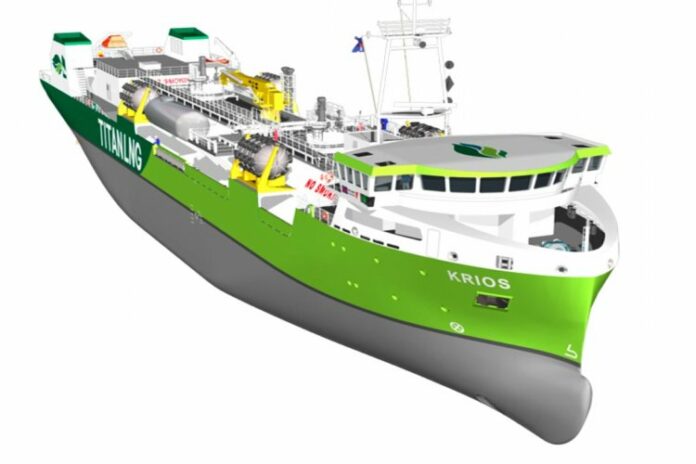
Titan LNG has announced the development tender of a new LNG bunkering barge, Titan Krios, increasing the accessibility of LNG as a marine fuel in the Port of Zeebrugge and in the English Channel ports.

The new vessel, which will fulfil part of the base demand in Zeebrugge that Titan LNG is already supplying, will operate with multiple tanks to segregate streams of LNG and bio-LNG – the sustainable carbon neutral fuel produced from biological waste streams. As it can be stored and supplied using existing infrastructure, blended with LNG, and dropped into existing engine technology, bio-LNG presents a financially sound long-term investment for many operators and owners looking to decarbonise operations, and comply with emission reductions regulations.

In line with Titan LNG’s design philosophy, Krios is a compact seagoing LNG bunker vessel having 4,200 cbm in capacity, thereby offering effortless client compatibility by virtue of its low air draught, high maneuverability, and small footprint. The first delivery is expected to be fulfilled in 2023 and will be equipped with all facilities to enable fast, flexible and reliable LNG supply. The vessel will be equipped with state of the art cargo conditioning equipment and will have 2 bow trusters for easy manouvering. The design of the vessel was done by HB Hunte engineering.

The development tender comes just one month after the christening and subsequent launch of FlexFueler002, a co-built LNG bunkering barge from Titan LNG and gas infrastructure group, Fluxys.

Michael Schaap, Titan LNG’s Commercial Director Marine, commented:

“As demand for LNG, and increasingly bio-LNG, accelerates, ensuring the right infrastructure and supply is in place for our customers is essential. LNG is the only fuel choice available today which offers immediate and long-term benefits to reducing GHG emissions, and a clear pathway to achieving decarbonisation targets. With the new Titan Krios joining our expanding fleet, we will continue our efforts to enable a more sustainable future for shipping through global accessibility to LNG, bio-LNG and eventually clean LNG produced from green hydrogen.”

Much like the Hyperion, Krios takes its name from Greek Mythology, continuing the theme for Titan LNG’s fleet.

Construction OEMs benefit from new RoRo berth at Hitachinaka port

0

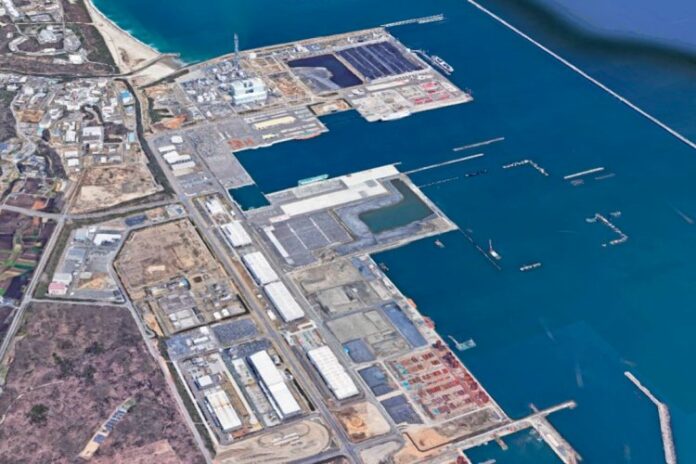
Recent expansions at Japan’s Hitachinaka port, including a RoRo berth in close proximity to several construction equipment OEMs’ assembly plants, are helping Japanese manufacturers to streamline their supply chains and speed up delivery to European and North American markets.

The Japanese port of Hitachinaka has opened a new RoRo berth as part of its ongoing expansion programme. Located in easy reach of a production hub for a number of equipment manufacturers with nearby factories, the new berth will ease congestion at the busy port and improve transit times to key markets.

Europe and North America are important export markets for these Japanese construction equipment OEMs, and the strategic location of this new berth will help keep supply chains running smoothly. Up until now for example, manufacturer Hitachi’s machinery exports to Europe and North America had been shipped from a berth 4km away from its factory. By comparison, the new berth is less than 1km away, therefore greatly improving the OEM’s access to the port, which is a strategic nerve centre for its global exports.

WW Ocean currently offers two sailings a month from Hitachinaka on the Asia-North America trade route and one sailing a month on the Asia-Europe route, as well as EUKOR’s two to three sailings on the Asia-Africa route. Our vessel M/V Asian Vision was among the first to call at the new berth.

Masaki Kunimatsu, Wallenius Wilhelmsen’s head of port and cargo operations in Japan, confirms:

“This new berth will help to improve the efficiency of our fleet and provide easier access and shorter transit times for customers.”

Alewijnse upgraded the control system on board the unique Kaliwaal 41

0

The Dutch owner, Van Nieuwpoort Bouwgrondstoffen, placed the order for the works with Alewijnse last year and the project was performed in two phases; in mid-2020 and then early 2021. 

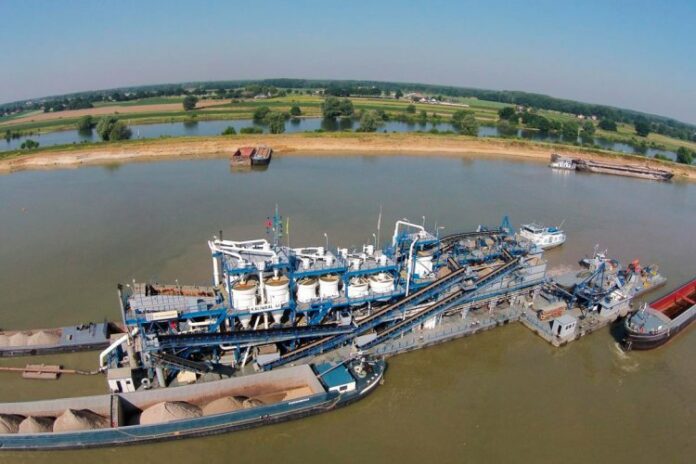
The new Alewijnse control system is for the management of the updated technology on the Kaliwaal 41 which carries out the extraction, grading and delivery of sand and gravel in an efficient, productive, reliable and sustainable way.

Michel van Komen, coordinator production and execution Van Nieuwpoort Group, said:

“In consultation with Alewijnse the project was well coordinated, enabling us to carry out the conversion in two phases during our downtime weeks. We are very pleased with the result. We are now able to monitor the operation and efficiency of our installation even better than before and Alewijnse can assist us remotely with their broad expertise.”

Jean-Pierre Gerrits, project manager Alewijnse, said:

“We were very pleased to receive the order from Van Nieuwpoort Group for the upgrade of the Kaliwaal. The cooperation with the client throughout the project was excellent. Together we were able to complete the project quickly, efficiently and satisfactorily. We aim to bring the same expertise in electrical engineering and automation to future projects and further cooperation.”

Kaliwaal 41 is a unique floating pontoon equipped with an industrial installation that receives material extracted from the water bed, separates the sand from the gravel, and then uses screens to deliver up to 144 different grades of sand for industrial applications. It is one of just a few floating sand separation installations in the Netherlands and is currently playing an important role in the Dutch Maaspark Well River widening project, which aims to create a safe living environment in the Maas valley between Well and Aijen. 

A custom sand dredger installation extracts the sand and pumps it to the Kaliwaal where it is separated on the basis of the particle size and then cleaned and dewatered. Thereafter different mixtures are prepared for different applications for concrete and construction companies.

Costa Cruises restarts today from Savona

0

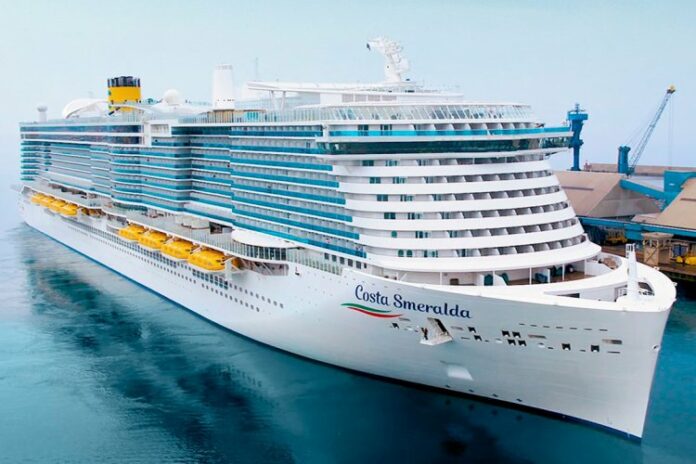
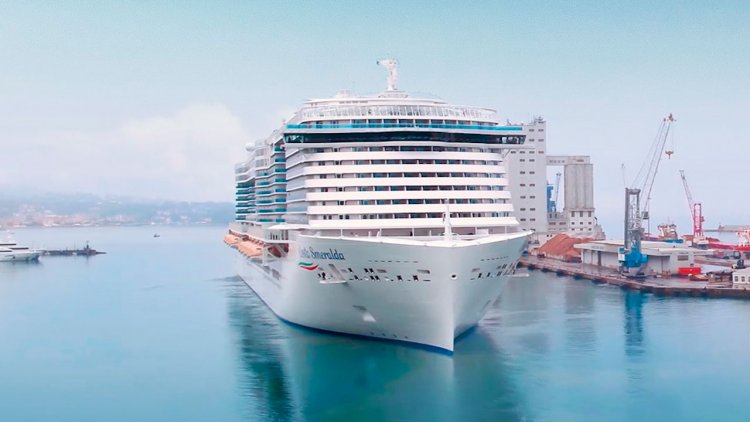
Costa Smeralda, Costa Cruises’ flagship, leaves today the port of Savona for a weeklong cruise in Italy. It is the first ship of the Italian company to resume operations in 2021, officially kicking off the summer season, which will see a total of four Costa ships cruising the Mediterranean.

Mario Zanetti, President of Costa Cruises, stated:

“The cruise and tourism sector is essential for the recovery of the Italian economy. Suffice it to say that, before the pause due to the Covid-19 emergency, our company generated an economic impact of €3.5 billion at national level, with over 17,000 direct and indirect jobs, working with about 5,000 partners. We hope that today’s restart will be a sign of a return to normality, for us, for our guests, whom we are pleased to welcome back onboard, and for all the suppliers working in our sector”.

Costa Smeralda’s first cruise features an all-Italian itinerary, visiting Savona, but also Civitavecchia/Rome, Naples, Messina, Cagliari and La Spezia. Guests can choose to book the entire itinerary, for a week-long holiday, or split it into three- and four-day mini-cruises, to experience a shorter holiday.

Health and safety procedures have been enhanced through the adoption of the Costa Safety Protocol, the protocol developed by the company together with scientific experts and Italian authorities, which contains operational measures related to all aspects of the cruise experience, both on board and ashore. 

Costa’s restart takes place with the most advanced ship in the fleet in terms of reducing environmental impact. Indeed, the Costa Smeralda is the first cruise ship of the company to be powered by LNG, the most advanced propulsion technology currently available for reducing emissions. The ship’s entire daily water requirements are met by directly transforming seawater using desalinators; energy consumption is reduced to a minimum thanks to an intelligent energy efficiency system; waste is managed on board with 100% separate collection for recycling of plastic, paper, glass and aluminum.

Costa Smeralda is the first of a total of four ships that will operate for Costa in summer 2021, offering cruises in the Mediterranean. 

New container terminal at the Port of Valencia will reduce CO2 emissions by 98%

0

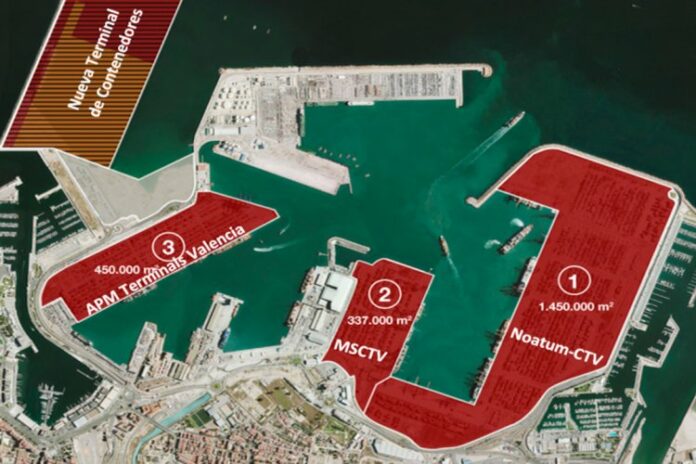
The container terminal planned for the inland waters of the northern extension of the Port of Valencia is a clear example of an infrastructure that combines sustainability and growth. On the one hand, the new terminal will be the most environmentally advanced in the world, and on the other hand, it will contribute to generating employment and wealth in the Valencian Community and Spain. This infrastructure will strengthen Valenciaport’s position in the Mediterranean and its role as a driving force in the Spanish economy.

In terms of the environment, the new container terminal will be a smoke-free space, as it will minimise CO2 emissions by supplying electricity to cranes and yard machinery, and to container ships. The project presented by TIL/MSC to Valenciaport includes the electrification of 98% of the driving components and installations of the terminal; and in addition, 100% of the electricity will come from renewable sources, which in turn will imply a 98% reduction in CO2 emissions.

Along these lines, the high level of automation of the equipment and operations, the use of advanced traffic prediction systems, the design of the buildings with energy efficiency criteria, and the external lighting system with LED-type luminaires will enable energy consumption to be minimised. This project is part of the “Valenciaport 2030, Zero Emissions” objective, which is based on actions that include a firm and decisive commitment to the implementation of renewable energies with investments in wind and photovoltaic energy, the construction of a new electrical substation that will allow ships docked in the port to be connected to the grid, the implementation of hydrogen projects in port facilities and machinery, and plans for the supply of LNG to ships.

In its project, TIL makes an important commitment to intermodality and offers to develop a railway terminal equipped with 6 tracks of 1,000 metres in length, with a capacity to move 305,000 TEUs/year by rail.

In addition, the automation of certain processes of the infrastructure will mean the creation of a technological cluster around it with the consequent creation of highly qualified employment.

The new container facility will create new qualified jobs and will boost the economic activity of the Valencian Community and Spain.  The terminal will involve an investment of close to 1,400 million euros: up to 400 million public (with public financing which will be guaranteed and covered by the Port through its daily operations) and 1,021 million private (committed by TIL in its Investment Plan). All this will generate an important economic impact both in the construction phase and when it comes into operation.

According to the study on the impact of the new Container Terminal of the North Extension of the Port of Valencia, in 2030, with the new terminal fully operational, the economic impact of the port of Valencia will represent in terms of added value 2.27% of the whole of the Valencian Community and employment will exceed 44,000 jobs, the average salary of which will be around 32,000 euros per year. 44,000 jobs, the average salary of which will be around 32,000 euros per annum. Overall, the port of Valencia will account for 2.2% of all employment in the Comunidad Valenciana.

This study was presented in February 2020 and was the result of collaboration between the Universitat Politècnica de València (UPV), the Valencian Business Confederation (CEV), the Chamber of Commerce of Valencia and the business association, Propeller Valencia.

Lundin Energy installs new emissions treatment technology on all West Bollsta’s engines

0

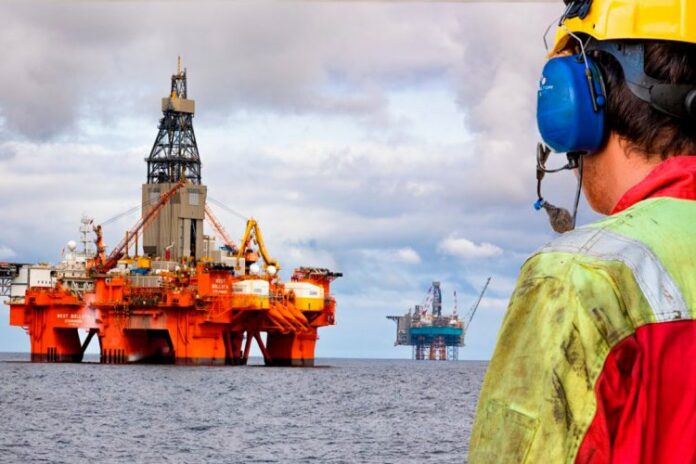
NOx is a generic term for nitrogen oxide gases, formed when raw materials are combusted at high temperatures. These gases are toxic and contribute to pollution. The West Bollsta drilling rig is equipped with treatment technology in the exhaust system which makes it possible to remove 85-90% of the NOx emissions.

Axel Kelley, Environmental Manager in Lundin Energy Norway, says:

“West Bollsta is one of the first rigs in the world to install the new emissions treatment technology on all engines, making it the rig with the lowest NOx emissions on the Norwegian shelf, maybe even worldwide.”

“We contracted the rig when it was new. It’s been in operation now for about half a year, and we are seeing emission reductions of as much as 86%.”

The technology used is called Selective Catalytic Reduction (SCR). The principle is similar to that used in modern diesel vehicles (AdBlue). This technology introduces a concentrated urea solution directly into the exhaust. Urea and NOX react on a hot, porous surfaces installed in the exhaust line, typically made of pumice. The residual products from the reaction are water, nitrogen gas (N2) and small amounts of carbon dioxide (CO2).

The NOx treatment system is complex and requires a lot of space. Therefore, it is difficult to retrofit on an existing rig. West Bollsta was designed and built with treatment plants on all eight engines. Each facility extends over four floors in height and weighs 86 tons.

NOx emissions contribute to air pollution and are an essential component of smog, which we sometimes see enveloping major cities. In order to reduce emissions in Norway, and fulfill our international obligations, NHO’s NOx fund was established. The reduction target set for 2020 was reached as early as 2017. We are now well on our way to reaching our group carbon neutral target set for 2025. The measures implemented at West Bollsta is a further step in the right direction.

Axel Kelley says:

“In addition to a substantial environmental benefit, this is also good business. Reduced emissions also mean reduced NOx tax. So far, we have saved more than 5 million kroner, so depending on which operations the rig performs, we expect that these measures will have paid for themselves in 2-5 years.”

North West Marine expands its fleet with the arrival of the JIF MAIRI

0

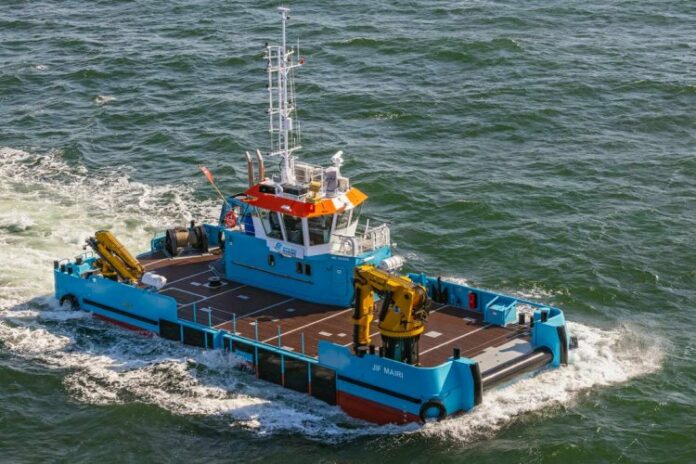
NORTH WEST MARINE, the Scottish subsidiary of JIFMAR OFFSHORE SERVICES, specialized in aquaculture, is expanding its fleet with the arrival of the JIF MAIRI.

This 24-meter-long and 9-meter-wide vessel has been completely redesigned, starting with the cranes. These have both been placed to starboard to facilitate work near the fish cages. In order to accommodate all the equipment necessary for the maintenance of the cages, the central winch has also been moved behind the castle, which offers a large free deck area of 150m2.

Also on the starboard side, D-fenders were installed to avoid amaging the nets. The vessel also has a “imbed” ladder to provide safe and convenient access for divers.

Tony RATCLIFFE, General Manager at NORTH WEST MARINE, says:

“We wanted to create a vessel that could meet 100% of the needs of our customers in the aquaculture sector. It’s a great tool for our sailors, which will be a huge asset to our customers.”

Like all the vessels in the Group’s fleet, this vessel will also be capable of carrying out missions in ports, towing, diving support, ROV support, wreck recovery and much more.

Affirms Jean-Michel BERUD, CEO of Jifmar Offshore Services, said:

“We wanted to keep for this vessel the versatility that is the strength of our fleet. The evolution of design to meet the specific needs of aquaculture should not come at the expense of other functions performed by an Eurocarrier. Thanks to the numerous exchanges between our Scottish and French teams and the shipyard, we have succeeded in this challenge.”

JIF MAIRI will start its first long-term contract at the end of April.

Upgraded Aeolus starts work on French offshore wind farm

0

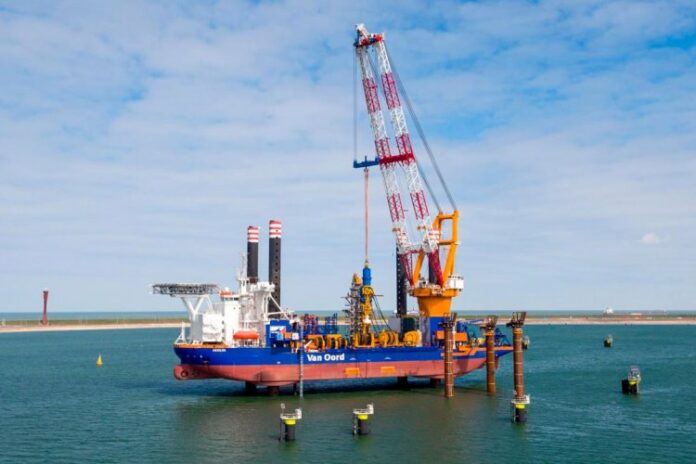
The wind farm is located 16,3 kilometres off the coast of Brittany and has a total capacity of 496 MW. Before installing the very first pin-piles for the jacket foundation this month, the Aeolus was upgraded and an extensive spread of project-specific installation equipment was placed on deck.

Van Oord is responsible for the transport and installation of 62 jacket foundations for the wind turbines (3 pin piles each) and the 4 foundation pin piles for the offshore substation. A total of 190 pin piles will be installed. Before the start of the operations in France, equipment was engineered, constructed and extensively tested to ensure perfect execution of the project. The Aeolus was put into service in 2014.

The main crane has a lifting capacity of more than 1,600 tonnes. This makes this vessel suitable for the transport and installation of foundations and wind turbines. Its advanced jacking system with its four giant legs, each measuring 85 metres and weighing 1,280 tonnes, allow Aeolus to be jacked up and to work in waters of up to 45 metres deep.

Due to the geotechnical circumstances in the Bay of Saint-Brieuc, harsh weather conditions combined with extremely strong currents, heavy Atlantic swell and very high waves, offshore operations are possible only between March and October. To ensure that the Aeolus can be safely jacked up above sea level the lifting spuds were modified with a flex-pin construction.

For the drilling operations, new hydraulic drills were engineered and built to handle all types of soil and rock conditions. A newly designed and created state-of-the-art drilling template will function as a positioning and holding-tool to ensure the precise placement of the pin-piles. Van Oord will also be deploying several other vessels on the project in the next months for the removal of boulders, installation of scour protection, transport of pin piles, etc. The installation campaign for the pin piles will be executed in 2021 and 2022. In 2022 the jackets will also be installed.

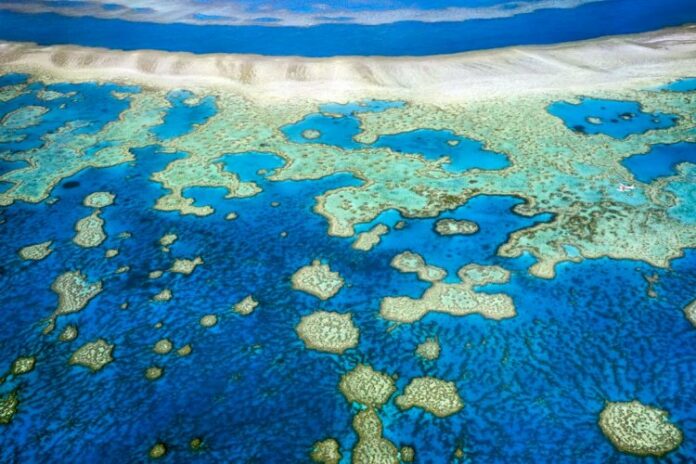
Intervention ‘could buy 20 years’ for declining Great Barrier Reef, scientists said

0

The reef faces “precipitous declines” in coral cover over the next five decades due to “intense pressure” from climate change, a study published in the peer-reviewed journal Royal Society Open Science said.

Climate change is causing marine heatwaves, more intense cyclones and flooding—all of which are damaging the health of the reef.

Lead author Scott Condie said:

“Coral reefs are some of the most climate-vulnerable ecosystems on Earth. The model projections suggest that coral cover on the Great Barrier Reef could fall below 10 percent within 20 years.”

But ambitious human interventions combined with “strong global climate action” could slow the rate of decline, said Condie, a senior research scientist at the government’s science agency CSIRO. The Great Barrier Reef has already suffered three mass coral bleaching events in five years and lost half its corals since 1995 as ocean temperatures have climbed, according to separate research. Condie and his co-authors modelled the potential impact of interventions such as “cloud brightening”, which was first trialled by scientists on the reef last year.

He added:

“Any large-scale interventions would require a major financial investment and need to be acceptable to local communities.”

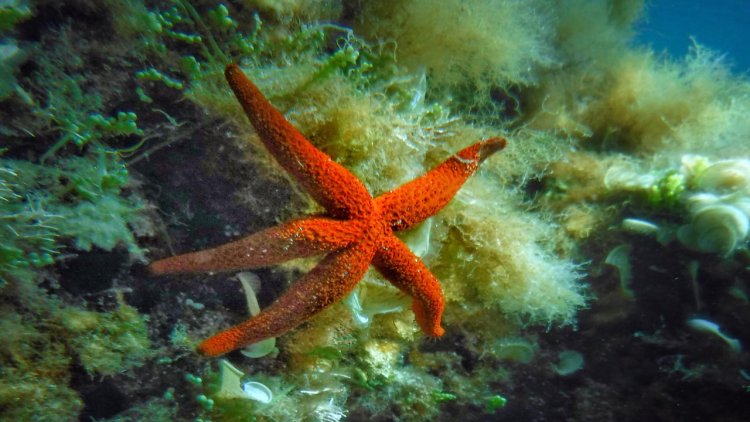
The modelling assumes global temperatures will not rise beyond 1.8 degrees Celsius by 2100, which would require governments to follow through on their Paris climate agreement pledges. The technology sends salt crystals into the air, making clouds reflect more sunlight to cool waters around the reef. They also modelled expanded measures to control the predatory crown-of-thorns starfish, which consume the corals and proliferate when bleaching forces bigger fish to leave an area.

Condie said:

“The results suggest that combinations of interventions may delay decline of the Great Barrier Reef by two decades or more.”

He said there was “clear urgency” to act but acknowledged that the scale of the work required was “much larger than anything that has previously been deployed on coral reefs”. Australia’s government—which has resisted calls to commit to a target of net zero emissions by 2050—has downgraded the reef’s long-term outlook to “very poor”. Aside from its inestimable natural, scientific and environmental value, the 2,300-kilometre-long (1,400-mile-long) reef was worth an estimated $4 billion a year in tourism revenue for the Australian economy before the coronavirus pandemic.