2.1 C
New York
Home Blog Page 627

Van Oord wins another contract for Aberdeen Harbour Expansion Project

0

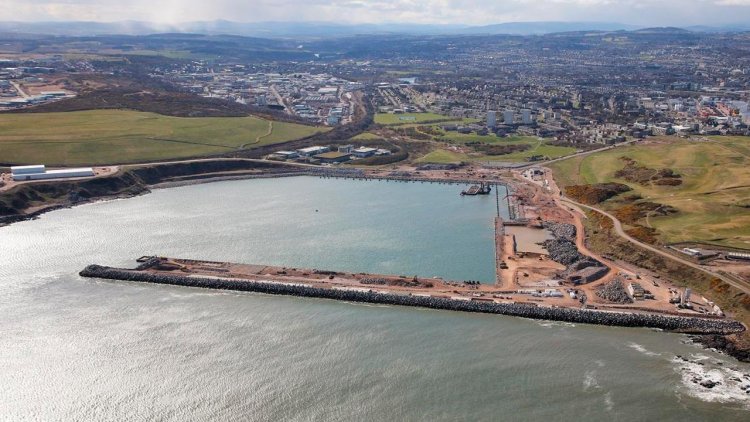
Van Oord continues its involvement in the Aberdeen South Harbour expansion project in the United Kingdom. 

End of April, Aberdeen Harbour Board awarded the South Breakwater contract to Van Oord. Van Oord has been involved in the project since 2017 and, most recently, successfully delivered critical rock dredging and revetment construction works.

When complete, the over 500-metres-long breakwater will protect the new port facilities from a one-in-300-year storm. Backhoe dredger Razende Bol, side-stone dumping vessel HAM 602 and split hopper barge Johannis de Rijke are part of the equipment to be deployed. Work on site will start imminently.

Keith Young, Project Director at Aberdeen Harbour Board, said:

‘The commencement of work on the South Breakwater is a critical step in the final 30% of construction, and I look forward to seeing the structure take shape in the coming months. Van Oord brings a wealth of engineering skill and innovation to the project, and its work will ensure smooth and safe marine and land-based operations at South Harbour for our customers and port users.’

The harbour expansion project is the largest marine infrastructure project underway in the United Kingdom. After completion it will open significant opportunities for the region, in both new and existing international markets.

Paul Hesk, Area Manager Van Oord, said:

‘We are very pleased that Aberdeen Harbour Board has entrusted us with delivering a further critical element of its harbour expansion project. Our experienced site team will deploy specialist equipment and methodologies to ensure the new breakwater is constructed safely, whilst at the same time minimising the impact of our work on the marine environment and rich wildlife of the surrounding area.’

NYK starts sharing Ship Operation Data with Japan’s Fisheries

0

NYK has started to share certain ship operation data with the Japan Fisheries Information Service Center (JAFIC) through IoS Open Platform (IoS-OP) a ship IoT data-sharing platform promoted by Ship Data Center Co. Ltd. (ShipDC).

This initiative is the first time that shipping industry data has been shared with other industries through IoS-OP.

NYK is an original core member of the IoS-OP Consortium, which was established in May 2018. Through its SIMS ship performance monitoring system, NYK collects data on the operation of about 200 SIMS-equipped ships and has been actively sharing that data through IoS-OP. This aids improvements in safety and economic efficiency in ship operation and design by utilizing actual sea area data that transcends the boundaries of companies, and addresses social issues through the data-sharing scheme provided by iOS-OP.

The data shared with JAFIC is seawater temperature information. Seawater is mainly used for cooling engine-related equipment on board the ship, and it is possible to constantly measure the water temperature through a sensor installed near the intake of the cooling seawater. Sharing this seawater temperature information not only addresses limited sea-area data collection by research vessels and fishing vessels but also helps to efficiently form fishing grounds, improve the accuracy of forecasting, and grasp the current sea state through JAFIC bulletins and short- to medium-term forecasts. In the future, NYK’s contribution is expected to contribute to the reduction of GHG emissions by the fishery industry and enhance its economic efficiency by helping to improve catches and reduce fuel cost.

Kawasaki develops cargo containment system for large liquefied hydrogen carrier

0

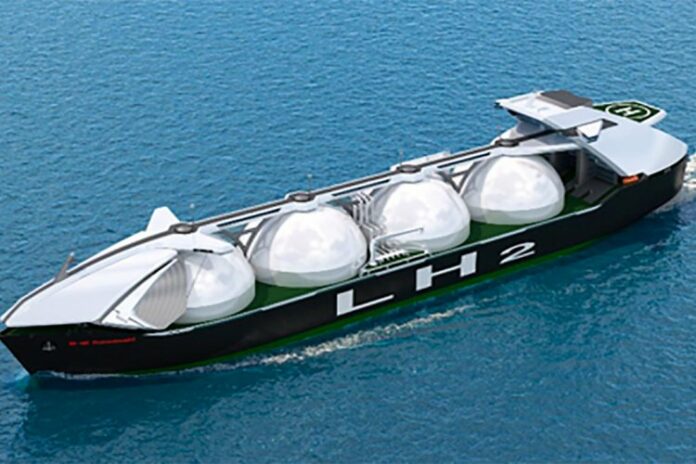
Kawasaki Heavy Industries, Ltd. has announced its obtainment of approval in principle (AiP) from Nippon Kaiji Kyokai (ClassNK) for a cargo containment system (CCS) offering the world’s largest capacity (40,000 m3 class per tank), developed for use on a large liquefied hydrogen carrier.

The CCS for which the AiP was obtained is designed to contain cryogenic liquefied hydrogen, reduced to a temperature of –253°C and one eight-hundredth its initial volume, for shipping by sea in large amounts. This containment system has the largest capacity of its kind worldwide used in liquefied hydrogen marine transport. The CCS was developed using design, construction and safety technologies fostered through building of the SUISO FRONTIER, a pioneering liquefied hydrogen carrier built by Kawasaki that boasts a 1,250 m3 carrying capacity. In addition, the CCS utilizes a new type of insulation structure.

The recently obtained AiP was issued by ClassNK following examinations to confirm that the CCS satisfies the IGC Code and the International Maritime Organization (IMO) Interim Recommendations for Carriage of Liquefied Hydrogen in Bulk, and also clears class regulations as well as a risk assessment based on Hazard Identification Study (HAZID)*4 methods.

The main features of the CCS are as follows.

1. Enables transportation of cryogenic liquefied hydrogen in large amounts thanks to tank capacity on par with tanks used on large liquefied natural gas (LNG) carriers
2. Utilizes an independent, self-supporting design with a structure capable of responding flexibly to thermal contraction that occurs when loading cryogenic liquefied hydrogen
3. Features a newly developed, high-performance heat insulation system that mitigates boil-off gas (BOG) which occurs in response to heat ingress
4. Designed to effectively utilize BOG as fuel to power the ship, thus contributing to reduced CO2 emissions from liquefied hydrogen transport operations

Kawasaki developed the CCS as part of a project with financial support from NEDO,*5 and the Company is currently developing a large, 160,000 m3 liquefied hydrogen carrier using four CCS tanks, which is scheduled to start commercial operations by the middle of the 2020s. Amid global calls for the early achievement of carbon neutrality targets, Kawasaki is striving to achieve large-volume transport of liquefied hydrogen—for which demand is expected to grow as a clean energy source—in order to promote the use of hydrogen energy and help achieve decarbonization, working as one for the good of the planet.

JFD conducts world-first simultaneous build of three submarine rescue vehicles

0

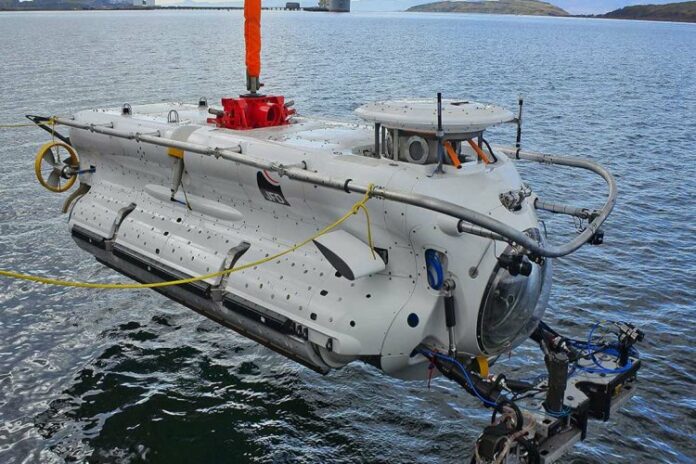
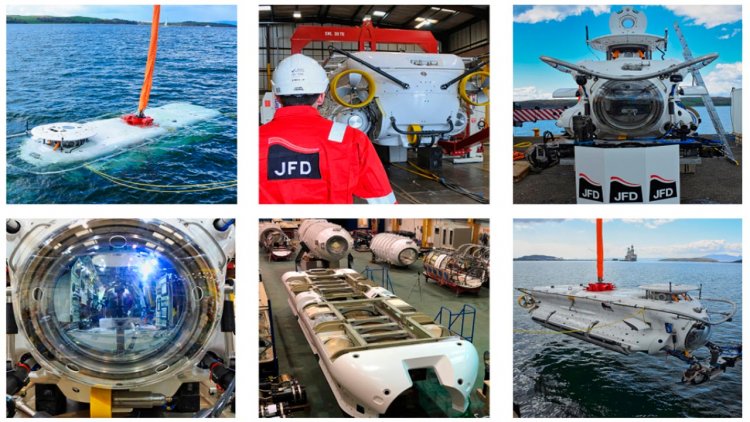
Due for delivery in 2021 and 2022, the SRVs are based on JFD’s third generation submarine rescue vehicles; tailored to customer specification. These SRVs will join the fleet of five of JFD SRVs in operation worldwide.

This unique capability has been possible due to JFD’s breadth and depth of expertise as world leaders in submarine rescue. This is the first time a build of multiple SRVs has occurred concurrently and despite the challenges presented by the COVID-19 pandemic, production remains on schedule. In parallel to these builds, JFD has continued to operate and maintain five of the world’s submarine rescue systems, including conducting multiple global exercises.

Richard Devlin, JFD Commercial Director, commented:

“Supporting our Submarine Rescue customers all over the world is part of JFD’s core business. Internationally, we are relied upon to deliver market leading submarine rescue equipment on time and without compromise. Our global pedigree, together with our detailed knowledge, experience, and understanding of delivering such complex programmes has allowed us to successfully navigate the challenges faced by all industries during the pandemic. Our teams have worked diligently with our local and international supply chain to ensure these submersibles can enter service on schedule”.

JFD is progressing the build of these systems at its headquarters in Glasgow, Scotland. Testing has been undertaken at its specialist facility, the National Hyperbaric Centre in Aberdeen, including pressurised testing on all sections of the pressure hull.

The SRVs will undergo factory acceptance tests before progressing to in-water harbour acceptance trials both locally in Glasgow and on location at JFD’s test site at Fort William in the Scottish Highlands. Upon successful completion of the harbour acceptance trials the SRVs will be ready to enter service.

JFD’s third generation submarine rescue SRVs are the most advanced in the world. An adaptable and reliable system, the technology has been developed over JFD’s 40 years of experience and it allows for maintenance while offshore with a minimal spares package. Lightweight, quick to deploy and with incredible endurance, this proven class of SRV is in operation worldwide.

NYK concludes bareboat charter contract with NOG for crew transfer vessel

0

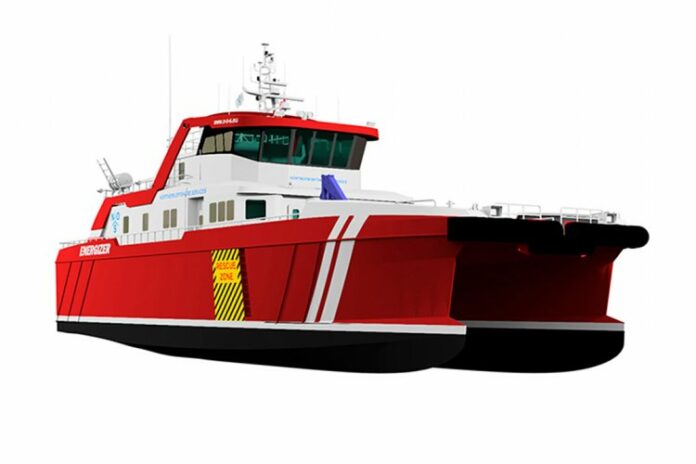
NYK and Northern Offshore Services AS (NOS), a subsidiary of the Sweden-based Northern Offshore Group AB (NOG), have concluded a bareboat charter contract for a crew transfer vessel (CTV) to service offshore wind farms.

The CTV, which is named “Energizer,” is owned by NYK and will be chartered to NOS through a 10-year bareboat charter contract to transfer crews to offshore wind power stations, mainly in Europe, under the operation of NOS.

NYK has additionally agreed to dispatch its engineers to NOS to participate in operations and ship management in Europe, a leading region in the offshore wind power business, in preparation for the development of the CTV business in Japan.

NOG operates over 60 CTVs in the offshore wind power market in Europe, and NYK and NOG signed an MoU in December 2019 to explore a CTV business related to offshore wind power generation. This bareboat charter contract is a partial development of that MoU and will be the first CTV owned by NYK, which will continue its efforts to contribute to the spread of offshore wind power generation through the CTV business in cooperation with NOG.

Energizer is a state-of-the-art CTV developed by NOS. It is equipped with a large-capacity battery that can be recharged from a power generation facility and can be switched to hybrid mode to reduce fuel consumption and emissions, thus contributing to a reduction of the vessel’s environmental impact.

The Japanese government has set a goal of reducing greenhouse gas emissions to zero by 2050. In particular, offshore wind power generation is one of the areas where market expansion is most expected, with the aim of installing stations capable of producing 30–45 million kilowatts by 2040 as an important source of future electricity. A CTV would fulfill the important role of transporting workers between offshore work site facilities and onshore locations during the installation and operation of offshore wind turbines.

Bareboat charter contract:

A contract in which the owner of a vessel leases the vessel, together with the equipment and furnishings on board. The name comes from the fact that the ship is rented out “bare” with no crew on board.

BV assigns full suite of smart ship notations to innovative Furetank chemical tanker

0

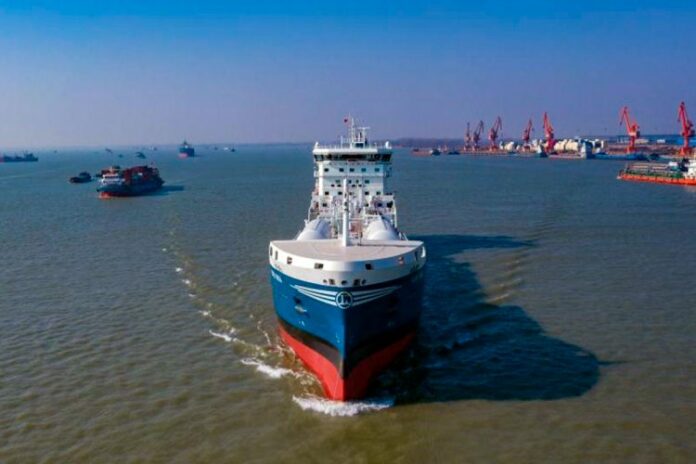
Designed by the Swedish engineering company FKAB and built by China Merchants Jinling Shipyard (Yangzhou) Dingheng, the vessel is operating in the Swedish Gothia Tanker Alliance fleet.

FURE VINGA has been equipped with smart systems for monitoring the ship’s hull condition (H), as well as integrated machinery (M) and navigation (N) systems. Therefore, the vessel is in compliance with all tier 1 requirements included in the Rule Note Additional Service Feature SMART (NR675) issued in January 2021, and is granted SMART (H1, M1, N1). The associated requirements have been specifically developed to set a benchmark for the safe and reliable design and operation of smart systems on board ships, covering both hardware and software, and includes extensive on-board system and integration testing.

While the vessel is already state-of-the-art from an environmental and energy efficiency perspective – the ship has optimized hull lines and is fitted with a ducted propeller as well as being equipped with a dual fuel engine capable of burning both liquid natural gas (LNG) and liquid bio-gas (LBG). A UPS battery pack for hybrid operation lowers fuel consumption and prevents black outs. The high level of digitalization and integration of on-board systems and equipment adds to its innovative character. Computer based systems incorporating smart functions for the collection, transmission, analysis and visualisation supports the crew with informed decision-making to enhance safety and optimize operations and maintenance.

Lars Hoglund, Managing Director, Furetank, said:

“We always have safety, quality and environmental care as our main priorities. This is why we equip our new vessels with the latest technology in order to be able to deliver the best possible performance to our clients. Our new generation of intermediate sized oil and chemical tankers get us to the next level in terms of on-board system integration. We are happy to work with Bureau Veritas, as they support innovative solutions with relevant classification notations and technical requirements, which set new standards in our industry.”

Gijsbert De Jong, Marine Chief Executive, Bureau Veritas Nordic, said:

“As the maritime industry continues its digital transformation journey, improving safety and minimizing operational risk using smart technology for monitoring and decision support makes a lot of sense. Furetank have achieved this across the key systems of FURE VINGA and therefore the ship has become the first BV classed ship to be assigned the full suite of smart notations. This, in turn, provides the ship owner with an additional – digital – differentiator in the charter market.”

The Port of Montreal and the Adani Group renew their cooperation agreement

0

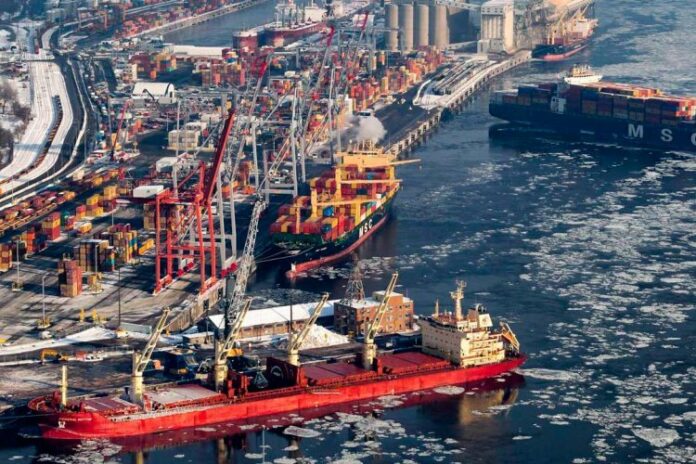
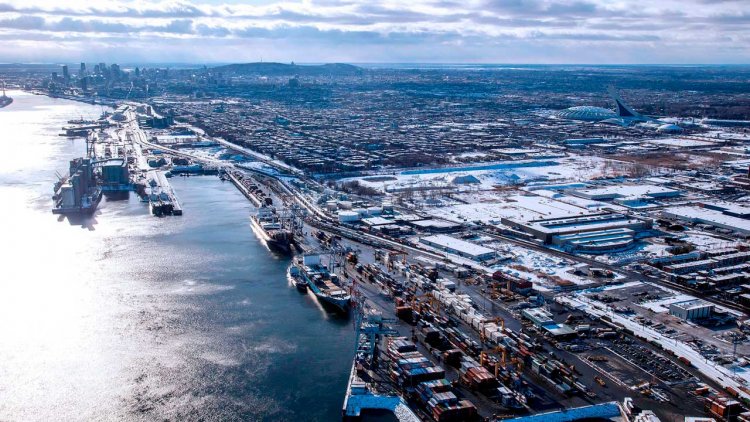
The Montreal Port Authority (MPA) and the Adani Group renewed their cooperation agreement on April 22, 2021, for a period of five years.

This new agreement continues the joint work begun in 2018 with the signing of the first agreement between the two port authorities: a collaboration focused on business development, marketing, information sharing on marine operations, new technologies and industry best practices.

A leading player in India’s transportation logistics industry, Adani Ports and Special Economic Zone Limited (APSEZ) operates, among others, Mundra Port, India’s largest commercial port, in Gujarat State. Like the Port of Montreal, it is a diversified port handling liquid and dry bulk and more than 5 million TEUs annually, and welcomes such major international shipping lines as CMA CGM, COSCO SHIPPING Lines, Hapag-Lloyd, Maersk, MSC and OOCL. The connection between the two ports is through transshipment ports in the Mediterranean.

Trade relations between India and Canada have grown substantially in recent years. In 2020, India represented 8% of the volume of containers transiting through Montreal, while this was an almost non-existent market just 10 years ago.

The success of the first protocol signed in 2018 and the productive exchanges established between the two ports in recent years, together with the shared values of both port authorities, prompted the decision to renew the cooperation agreement. In doing so, this new agreement will consolidate the existing ties between the partner services of both ports, enhance commercial relations and continue the work initiated over the years, including the search for best practices, optimization of its logistics services and port facilities, and the application of new technologies to marine and intermodal transport.

Areas of interest shared by both port authorities include:

  • Seeking innovative solutions to ease truck traffic in the vicinity of port facilities
  • Developing green energy
  • Planning and efficiently distributing goods in the intermodal network
  • Sharing information on container traceability
  • Developing port infrastructures

Captain Sandeep Mehta, President of Adani Ports and Special Economic Zone, said:

“It has been a pleasure to work with the Port of Montreal team and the first 3 years of our collaboration has been highly beneficial. With the exponential growth in trade between India and Canada as a backdrop and a number of very focused initiatives, I feel very confident that the next phase of our agreement will be even more productive for both parties.”

Martin Imbleau, President and Chief Executive Officer of the Montreal Port Authority, said:

“India represents a market of the future for the Port of Montreal. With this agreement, the Port of Montreal strengthens its strategic position as the North American gateway to the Asian container market. Sharing information and best practices, innovation and transparency are among the core values on which we are building our future vision and international business partnerships. Also, beyond the trade links between our two countries, we are united in the vast collective fight against the COVID-19 pandemic. At a time when India has been hit hard by an unprecedented wave, we offer our full solidarity and support to our colleagues and partners.”

UK charts course for net zero North Sea

0

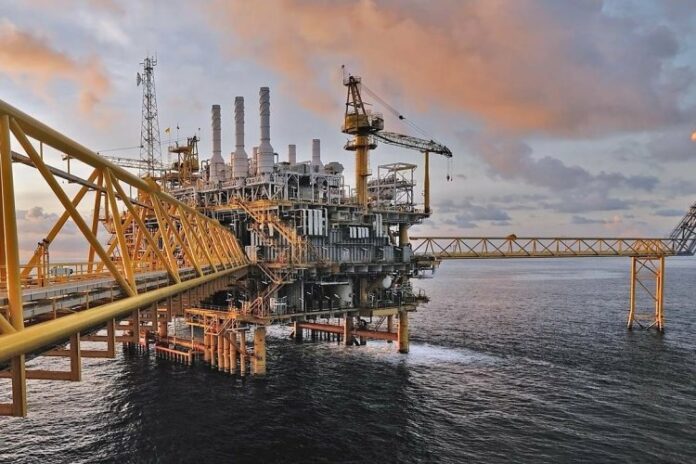
The UK government and the country’s oil and gas sector recently agreed a deal to leverage the upstream industry’s capabilities, accelerate the energy transition and help the North Sea reach net zero by 2050.

A significant opportunity exists to create a supply of clean, affordable energy by harnessing the North Sea’s natural resources, the UK’s world-class oil and gas and renewables sectors, and connections to substantial domestic and international markets.

The North Sea Transition Deal is based around four pillars, with clear targets set for each:

  • Supply decarbonisation: reduce emissions from oil and gas production by 50% by 2030;
  • Carbon capture and storage (CCS): target 10 Mtpa of carbon capture by 2030;
  • Hydrogen: deliver 5 GW of low-carbon hydrogen capacity by 2030;
  • Supply chain/people: deliver investment of £14-16 billion into low-carbon technology by 2030.

These targets are backed by measures including sector and government funding commitments, policy and regulatory development, as well as support for research and action plans.

Neivan Boroujerdi, principal analyst, Europe upstream, at Wood Mackenzie, said:

“Clear – near-term – targets are a big step in the right direction though some are more ambitious than others. Achieving 50% lower emissions by 2030 will require either full electrification of the West of Shetland and Central North Sea or earlier-than-expected field cessations.”

Similarly, Wood Mackenzie’s research indicates the lack of near-term projects will make meeting the hydrogen target of 5 GW by 2030 difficult.

While the CCS capacity target of 10 million tonnes per annum is achievable based on projects in the pipeline, all have hurdles to overcome before final investment decisions are made.
Boroujerdi said:

“Progress is required around funding, carbon pricing and regulation to really kickstart investment and turn the deal into a reality. 

“The UK has an opportunity to set its own path with carbon pricing as current EU area prices are not high enough to incentivise low-carbon energies.

“COP26 is likely to come with even more ambitious long-term proposals, but our analysis shows action is required in the short-term.”

He said Wood Mackenzie’s base-case forecast of emissions intensity falls short of the government’s supply decarbonisation target of 50% lower emissions by 2030.

While the commitment to a zero routine flaring initiative is positive, but flaring makes up less than 20% of gross upstream emissions.

Boroujerdi said:

“Over 70% of the UK North Sea’s gross upstream emissions come from processing and production, but this can be negated through electrification.
“However, with many key hubs in decline, time is running out to make the economic case for action.”

The UK government’s carbon capture, utilisation and storage target of four clusters and 10 million tonnes per annum by 2030 is broadly in line with Wood Mackenzie’s Accelerated Energy Transition 2-degree (AET-2) scenario – that is, the action we believe is required to keep global warming to the 2C cap set by the Paris Agreement.

Boroujerdi said:

“We think the UK target is achievable given the number of projects in the pipeline, but the timing is tight. But an even bigger ramp-up beyond 2030 will be required – we estimate over 50 million tonnes per annum by 2050 in our AET-2 scenario.”  

“The UK government’s target of 5 gigawatts – or 800, 000 tonnes per annum – by 2030 is not ambitious enough. The target is also challenging given the lack of near-term projects. More progress is required on all fronts.

“Much like carbon capture, utilisation and storage, a big ramp-up in capacity is required to meet our 2-degree scenario in 2050, where we see green hydrogen playing an increasing role.

“However, the case for upstream is still strong. While tax revenues have fallen, the sector still makes a significant contribution to the UK’s economy, with most spend being incurred locally. Even in the greenest scenario, UK demand for oil and gas will outstrip supply.”

However, Boroujerdi noted that upstream investment is set to hit a 50-year low and could fall below US$1 billion by 2023 unless new projects are sanctioned.

Fugro finishes first phase on ASN’ transpacific BiFrost Cable System

0

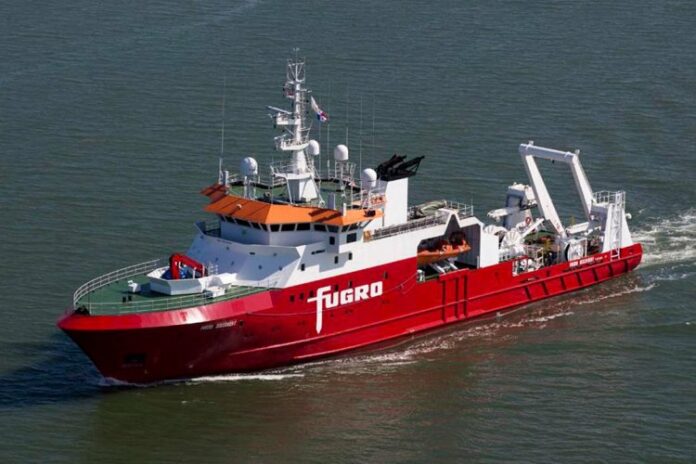
Fugro has completed the first phase of its marine site characterisation project for Alcatel Submarine Networks (ASN) to support the BiFrost Cable System, a new undersea fibre-optic cable system that will connect the west coast of North America, Guam, Indonesia, the Philippines and Singapore.

ASN is installing the cable system for a consortium comprising Keppel, Facebook and Telin to meet increased demand for broadband connectivity between the west coast of North America and Asia-Pacific. As a trusted partner to ASN, Fugro’s involvement is spanning the life of the development, from initial planning and cable design to routing and installation. Their work on the project began last November with a desk study to support permitting activities, followed by an ongoing geophysical and geotechnical campaign that will conclude in Singapore. Fugro’s integrated acquisition, processing and analysis capabilities are providing ASN with near-real-time Geo-data deliverables to inform the cable manufacturing process and guide optimal cable routing and burial depth.

Malte Cesson, Fugro’s Commercial Manager for Marine Site Characterisation in Bremen, Germany, said:

“We are very pleased to again be working with ASN on the BiFrost Cable System, a major cable infrastructure project, which marks another milestone in our well-proven strategic partnership. By delivering reliable, high-quality Geo-data in a safe and efficient manner, we are helping ASN and their customers better connect businesses and citizens across the globe.”  

Marine biodiversity: Enormous variety of animal life in the deep sea revealed

0

Ecologists at the University of Cologne’s Institute of Zoology have for the first time demonstrated the enormously high and also very specific species diversity of the deep sea in a comparison of 20 deep-sea basins in the Atlantic and Pacific Oceans. 

Over a period of 20 years, a research team led by Professor Dr. Hartmut Arndt at the Institute of Zoology has compiled a body of data that for the first time allows for a comparison of the diversity of existing eukaryotes—organisms with a cell nucleus. Sediment samples from depths of 4000 to 8350 meters, the cultivation and sequencing of populations found exclusively in the deep sea, and finally molecular analysis using high-throughput techniques are yielding a comprehensive picture of biodiversity in the deep sea. The research results have been published in Communications Biology under the title “High and specific diversity of protists in the deep-sea basins dominated by diplonemids, kinetoplastids, ciliates and foraminiferans.”

The deep-sea floor at water depths of more than 1000 meters covers more than 60 per cent of the Earth’s surface, making it the largest part of the biosphere. Yet little is known about the diversity, distribution patterns, and functional importance of organisms in this extreme and gigantic habitat. What is certain is that climate change—e.g. through warming, acidification, or oxygen depletion—is already having an impact on this sensitive ecosystem. In addition, the deep sea is under pressure from the growing interest in raw material extraction.

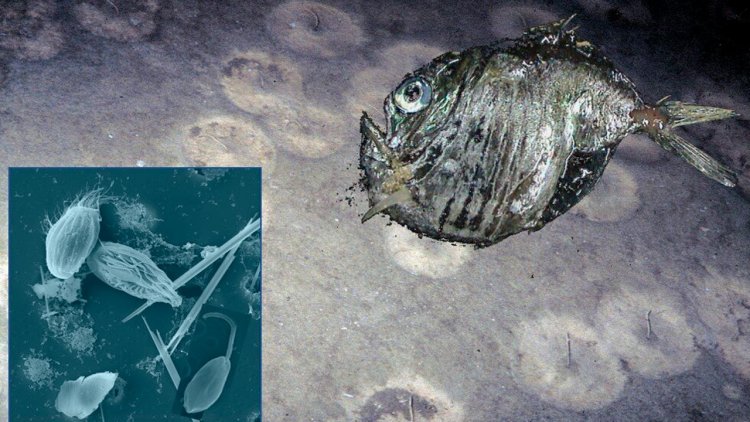
Photo: The deep sea has an enormous diversity of species. Among the organisms, unicellular organisms such as bacterivorous and parasitic flagellates and ciliates dominate.

Scientists previously assumed that deep-sea basins, which are all characterized by the same low temperature (0-4°C), salinity (about 3.6 per cent), high pressure (300-500bar depending on depth), and very similar sediment, have relatively low—and also the same—species diversity. Moreover, most deep-sea studies to date have focused on specific habitats such as hydrothermal vents and saltwater lenses. Until now, there has been a lack of data on the diversity of deep-sea plains, which make up by far the largest portion of the seafloor. 

Dr. Alexandra Schönle, lead author of the study, said:

“By using a new approach of combined molecular biology and cultivation-based studies, we found substantial, highly specific local differences in organism communities with little overlap to the organism communities of coastal regions.”