-1 C
New York
Home Blog Page 623

Princess Cruises cancels select cruise vacations

0

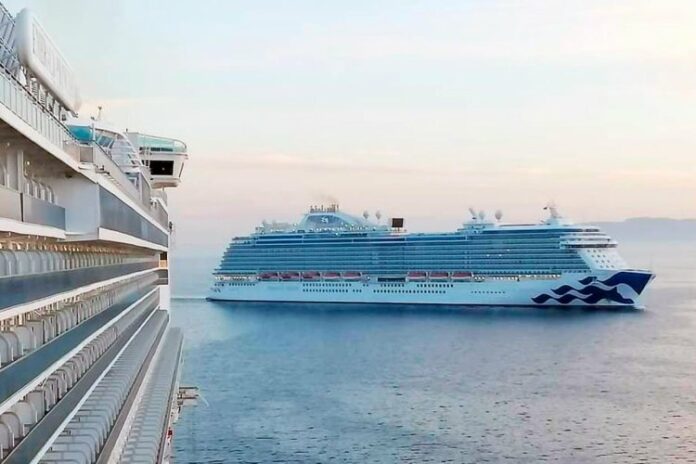
While Princess Cruises continues to work with various government and port authorities to finalize its additional plans for return to cruising and due to ongoing international travel restrictions, the company is cancelling the following cruise vacations:

  • California Coast and Mexico sailings on Ruby Princess through August 21, 2021
  • Caribbean sailings on Caribbean Princess through August 21, 2021
  • Remaining 2021 Mediterranean season on Enchanted Princess

Princess continues its discussion with various United States and Canadian government officials to try to preserve a portion of the Alaska 2021 cruise season.

Jan Swartz, Princess Cruises president, said:

“We continue to have constructive discussions with the CDC but still have many questions that remain unanswered. We are working diligently to resume sailing in the U.S. and meet the CDC guidelines. We know our guests are just as eager as we are to begin sailing, and we appreciate their patience as we get close to resuming cruising.”   

For guests booked on a cancelled cruise, Princess will offer to move guests to a choice of an equivalent cruise in 2021 or 2022. The rebooking process will have the added benefit of protecting the guests’ 2021 fare on their replacement cruise. Alternatively, guests can choose a future cruise credit (FCC) equivalent to 100% of the cruise fare paid plus an additional non-refundable bonus FCC equal to 10% of the cruise fare paid (minimum $25 USD) or a full refund to the original form of payment.    

Princess will protect travel agent commission on bookings that were paid in full in recognition of the critical role they play in the cruise line’s business and success.  
Two Finnish port software companies launch cooperation

0

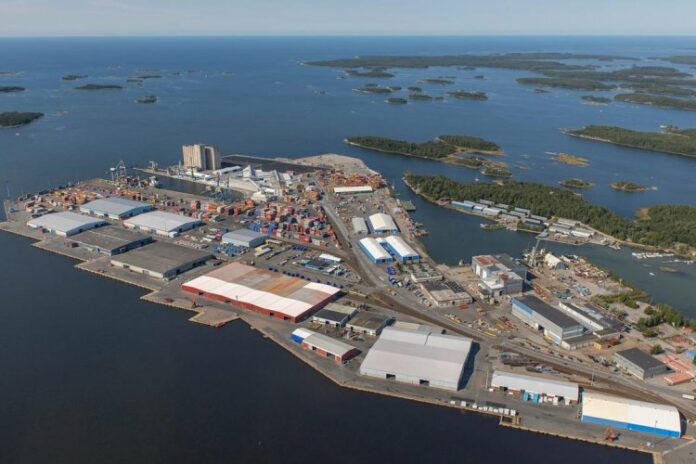
In ports, as well as in many other industries, there is a huge buzz around digitalization. Still, ports are facing challenges with software and data compatibility. The current solutions consider only one aspect of port’s operations, which increases the need for using multiple different software.

To bring the digitalization into everyday lives of ports Finnish software companies GISGRO and Satamatieto launch cooperation in spring 2021. The cooperation enables offering a comprehensive approach for accelerating digitalization in ports.

Kirsi Hänninen, CEO of VRT Finland, the company behind GISGRO, describes:

“The cooperation between GISGRO and Satamatieto brings together an extensive experience and a strong understanding of the port industry. Our goal is to offer easy-to-use and modern software to every port aiming at boost their business with digital tools.”

Ville Kuitunen, CEO of Satamatieto, states:

“Satamatieto’s experience with Finnish ports, combined with GISGRO’s innovativeness are the strengths of this co-operation. By working together, we can better meet the needs of the ports and bring the modern digital technology closer to ports’ everyday work.”

Takaroa Sun conducts world’s first barge-to-ship methanol bunkering

0

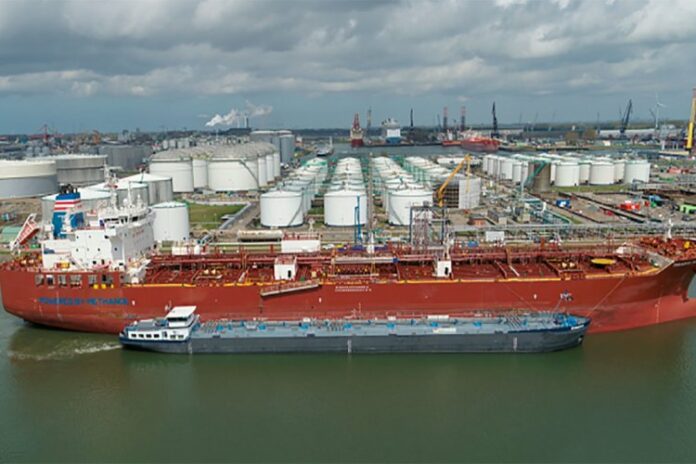
On May 10, the methanol-dual fueled chemical tanker Takaroa Sun, owned by NYK Bulkship (Asia) Pte. Ltd. (headquarters: Singapore), a wholly owned subsidiary company of NYK, participated in the world’s first barge-to-ship bunkering* of methanol fuel.

The bunkering of methanol fuel was conducted in Rotterdam port under the leadership of the charterer Waterfront Shipping Company Limited, together with the cooperation of the Port of Rotterdam, Royal Vopak N.V., and TankMatch B.V.

Methanol fuel produces up to 15% less carbon emissions during combustion than conventional fuel oil and reduces sulfur oxide (SOx) emissions by approximately 99%. Particulate matter (PM) and nitrogen oxides (NOx) are significantly reduced as well. Methanol is expected to be one of the next-generation fuels for future ships that will have a low environmental impact.

By conducting risk assessments and providing technical support for barge-to-ship methanol fuel bunkering, the NYK Group is contributing to the ability to safely supply methanol fuel to the vessels of the future. We will continue to actively cooperate with the introduction of next-generation fuels that have a low environmental impact and pursue environment-friendly transportation modes.

* Barge-to-ship bunkering
A method of bunkering where a bunkering barge comes alongside a vessel to supply fuel. This can be done at various locations, such as along the quay or pier or at anchor.

ABS signs JDP to develop CO2 carrier designs

0

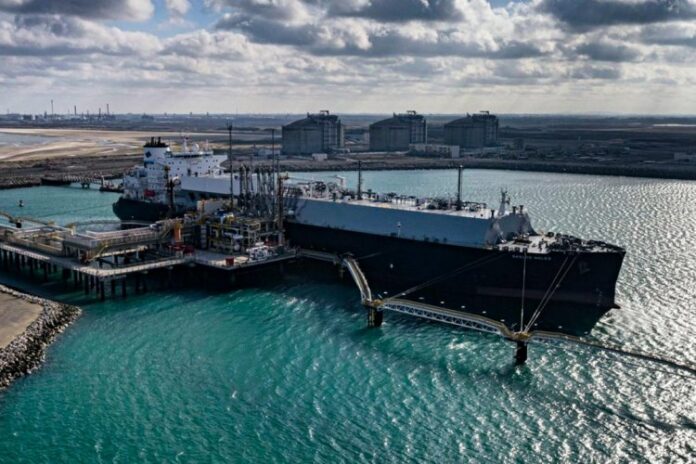
ABS, Hyundai Mipo Dockyard Co., Ltd. (HMD), Korea Shipbuilding & Marine Engineering Co., Ltd (KSOE) and the Republic of the Marshall Islands (RMI) Maritime Administrator have signed a JDP to develop liquefied CO2 carrier designs.

Meeting ambitious international climate goals may require global CO2 emissions to fall below zero in the second half of this century, achieving what is known as net negative emissions. Technology for the collection and storage of carbon emissions is a cornerstone of carbon negative strategies, where an organization removes more CO2 from the atmosphere than it emits.

Patrick Janssens, ABS Vice President, Global Gas, said:

“Carbon capture and storage (CCS) has the potential to make a significant contribution to global emissions reduction strategies and safe and efficient transport of liquefied carbon is going to be key to realizing these goals. Development of these next generation CO2 carrier designs will speed the adoption of CCS technology and facilitate net negative emissions strategies. As a global leader in the classification of gas carriers, ABS is delighted to be able to use our experience to support this project.”

Young-Jun Nam, HMD Executive Vice President, said:

“Along with the development of ammonia-fueled ships and a liquefied hydrogen carrier, HMD is going to raise its competitiveness through this joint development project for the liquefied CO2 carrier in the shipbuilding field which is concentrating on the Green Growth Market these days. It will make us a leader in the age of zero-carbon.”

Byeong-Yong Yoo, KSOE Vice President, said:

“It is high time the marine industry develops new transport solutions to contribute to global carbon neutrality. CO2 carriers will play an important role in the overall value chain of CCS and reduce global CO2 emissions. As a world leading shipbuilding and marine engineering company, KSOE is pleased to be able to leverage our expertise in LNG carrier and LPG carriers to pioneer development of a high-performance CO2 handling system.”

Tom Blenk, Deputy Commissioner of Maritime Affairs of the RMI, said:

“The world is transitioning to a low-carbon future and the RMI is pleased that our gas team has been selected to contribute in this effort to develop designs for the safe transportation of liquified CO2. The RMI fleet is the youngest and greenest in the world and we will continue to provide the technical support to industry stakeholders and our owners to advance the reduction of shipping’s environmental footprint.”

The carrier design will utilize adapted versions of HMD’s TYPE-C tank design to transport CO2 which has been reduced in volume by about 600 times under liquefaction.

HMD will develop a Cargo Containment System while KSOE will develop practical solutions for the management of liquid CO2 cargo onboard by providing a CO2 cargo handling system. ABS and RMI will evaluate designs for approval and verification.

For more than 50 years, ABS has classed LPG and LNG carriers – including the first conversion of a cargo vessel to carry LPG, the first purpose-built LNG carrier and the first Very Large Ethane Carrier (VLEC). 

Rolls-Royce to supply mtu generator sets for U.S. Navy frigate program

0

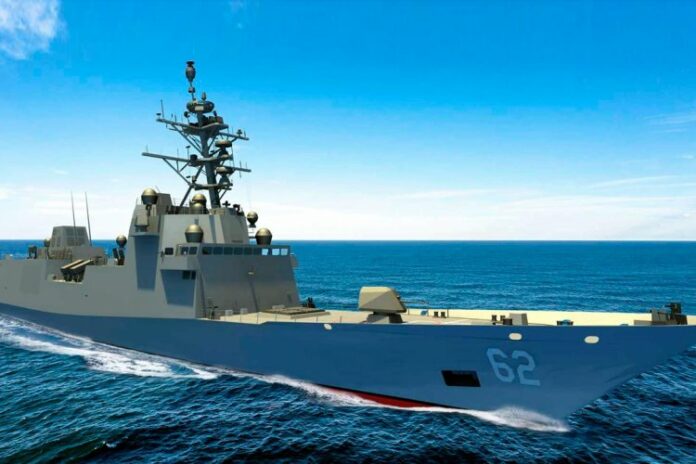
Rolls-Royce has been selected to supply its mtu naval generator sets for phase one of the U.S. Navy’s Constellation (FFG-62) class frigate program, previously known as the FFG(X) program. Rolls-Royce has received a contract for the first shipset to provide four mtu naval generator sets, each rated at 3000 kWe at 1800 rpm.

The Navy Constellation (FFG-62) Class Frigate is a multi-mission warship designed for operation in littoral and blue water environments to conduct air, anti-submarine, surface and electronic warfare, in addition to information operations. The generator sets are based on the mtu 20V 4000 M53B engine and provide a total power output of 12 MW for propulsion and on-board power supply.

Adam Wood, Director, Government Sales North America at Rolls-Royce business unit Power Systems, said:

“We’re very proud that Fincantieri Marinette Marine has placed its trust in our mtu naval generator sets for this important program. We have a legacy of strong support for our partners in both the U.S. Navy and the U.S. Coast Guard, and we are honored to be selected for FFG-62. There is no doubt that our systems will perform to the high expectations and unique demands of the U.S. Navy Constellation Class.”

The flexible design engineering of the frigate’s CODLAG propulsion system will allow for energy-efficient diesel power generation for propulsion at normal cruising speeds with extended range, while enhancing anti-submarine capability in its extremely quiet diesel-electric configuration. When completed, the lead ship will be nearly 500 feet in length, accommodate up to 200 Sailors and be capable of sustained speeds of more than 26 knots.

Fincantieri Marinette Marine (FMM) of Marinette, Wisconsin (USA), was awarded the build contract for the project, which includes the design and construction of the lead ship and the option to build up to 10 ships in total for phase one. A potential planned second phase would include another 10 ships.

Construction on the first ship is expected to begin later this year.

TSUNEISHI SHIPBUILDING collects actual operation data by IoS-OP

0

TSUNEISHI SHIPBUILDING Co., Ltd. starts to collect actual operation data for a new ship under construction by IoS-OP*.

The data to be collected includes the draft and shaft horsepower as well as the information from Voyage Data Recorder (VDR), and fuel consumption and power consumption from the main engine, generator, and auxiliary machineries, which amounts to about 800 items.

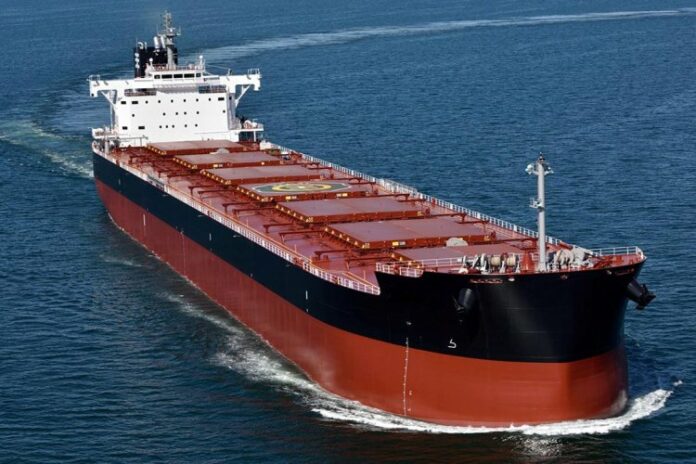
The monitoring system is installed in the 82,000DWT bulk carrier currently under construction, and its data measurement is started from the sea trial. The collected data will be shared between the shipyard and shipowner through “ShipDC Portal” provided by ShipDC on IoS-OP, and will be utilized for the development of new ship types based on the understanding of machineries’ condition and the evaluation of the ship’s performance.

ShipDC will continue to work together with its stakeholders to provide an infrastructure for the collection, distribution, and utilization of data in the maritime industry, with IoS-OP at the core, and will pursue safety, environmental contribution, and economic rationality through the utilization of data.

* A universal platform that enables the sharing of ship operation data among shipbuilders, manufacturers, and related service providers without compromising profits of data providers.

Five new yard gantries reinforce volume growth at the Port of Kribi

0

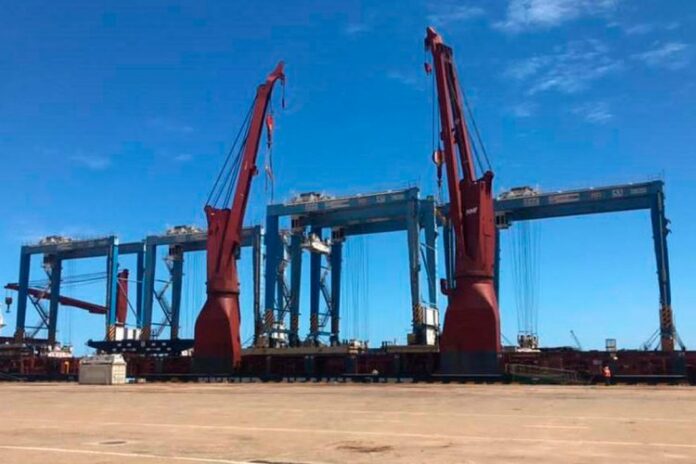
With a 50-tonne lifting capacity, the new equipment will further boost the growth in traffic at the Port of Kribi. In 2020, KCT posted a 56.27% increase in handling volumes.

The five Konecranes gantries provide KCT with additional handling capacities at the Kribi container terminal. They will optimise the use of the container storage park and improve processing times for trucks unloading and loading containers. The new equipment strengthens KCT’s policy on operational excellence to the benefit of partners, ship owners, road transport firms, and users of the Port of Kribi. 

After the delivery of a Gottwald mobile crane on 11 April 2021, Kribi Conteneurs Terminal is pursuing its investment plan with the new yard gantries. The company is committed alongside the Autonomous Port to boosting the attractiveness of the Kribi port for Cameroon, Chad and the Central African Republic.

Eric Lavenu, Managing Director of Kribi Conteneurs Terminal, said:

“Despite the COVID-19 pandemic, KCT is pursuing its investment programme. With the new equipment, we will help to improve productivity and significantly reduce truck waiting times. The objective is to be able to serve our loading and unloading customers in the timeliest manner. Working in synergy with the Port Authority, our aim is to boost the competitiveness of the Port of Kribi.”

Shell Marine expands Shipcare network

0

As an integrated marine solutions provider, Shell Marine has increased the availability of its Shell Shipcare range – a core portfolio of shipping maintenance products and solutions that allows shipowners to care for their vessels and manage their fleets in a more convenient and cost-effective manner.

First launched at the Port of Singapore last year, the Shell Shipcare portfolio is now available at eight ports around the world, including Amsterdam, Busan, Fujairah, Houston, Kobe, Rotterdam and Shanghai. Shell Marine customers enjoy a single point of contact for all their lubricants and maintenance products in these ports, as well as seamless end-to-end support for their vessels, from account management to technical support.

Shell Marine Global General Manager, Joris van Brussel, said:

“We want to help make our customers’ voyages more efficient, predictable and cleaner. It’s been a challenging few years for the shipping industry and operators need integrated solutions to keep their fleets well-maintained. With Shell Shipcare, we’ve been able to offer our customers greater convenience, smoother operations and better control of their total cost of operations – all in one place. Shell Shipcare is already available in eight major ports, and we plan to have 20 ports in total by the end of the year.”

The Shell Shipcare portfolio supports a variety of vessel types, from fishing boats and cruise ships to oceangoing tankers. It comprises a range of treatment chemicals for boilers, main-engine cooling water, evaporators and fuel, as well as dispersants and general cleaners such as hydrochloric descaler, carbon remover and solvent degreaser. The portfolio includes a range of test kits for determining chemical concentrations in water and meters for measuring critical parameters such as PH and conductivity.

Used effectively, the Shell Shipcare range helps keep machinery in good working condition by preventing corrosion and the formation of unwanted deposits. This can help fleet operators reduce total operational costs and protect the reliability and integrity of critical equipment. 

BHP awards McDermott FEED contract for Trion FPU

0

McDermott will apply its pre-FEED work, longstanding history of engineering deepwater facilities in the Gulf of Mexico

McDermott International, Ltd has announced it has been selected by BHP Petróleo Operaciones de México, S. De R.L. De C.V. (BHP), in partnership with Pemex, to provide Front-End Engineering Design (FEED) of a Semi-submersible Floating Production Unit (FPU) for the Trion Project in the Gulf of Mexico. The FPU will be designed for a water depth of approximately 8,200 feet (2,500 meters) and will be located in the Trion Field, approximately 19 miles (30 kilometers) south of the U.S./Mexico border and approximately 112 miles (180 kilometers) off the Mexican coastline.

Mark Coscio, Senior Vice President for McDermott’s North, Central and South America region, said:

“We look forward to being a partner with BHP and Pemex in the establishment of the first deepwater oil field development project in Mexico.” 

McDermott will lead a single, integrated team to perform project management and execution planning.

Samik Mukherjee, Group Senior Vice President for Projects, said:

“With integrated project management, engineering, procurement services and self-fabrication in our yards in Altamira, Mexico, and Batam, Indonesia—McDermott’s globally integrated EPC project delivery capabilities will allow us to reduce risk and enhance certainty of delivery on the BHP Trion project.” 

Matthew Ridolfi, Vice President Projects Petroleum, said:

“The awarding of the FPU FEED contract is an exciting milestone for the development. Starting the next phase of study will help us reach the level of design and execution plan maturity required to move Trion into further phases of development. We look forward to working with McDermott through the next phase.”

The scope of the FEED contract includes engineering tasks related to the configuration, sizing and analysis of the FPU, including topsides, hull, risers and mooring. McDermott was previously awarded and completed services under an initial pre-FEED contract.

Wärtsilä Cargo Handling and Fuel Supply Systems again selected for Oriental Energy vessels

0

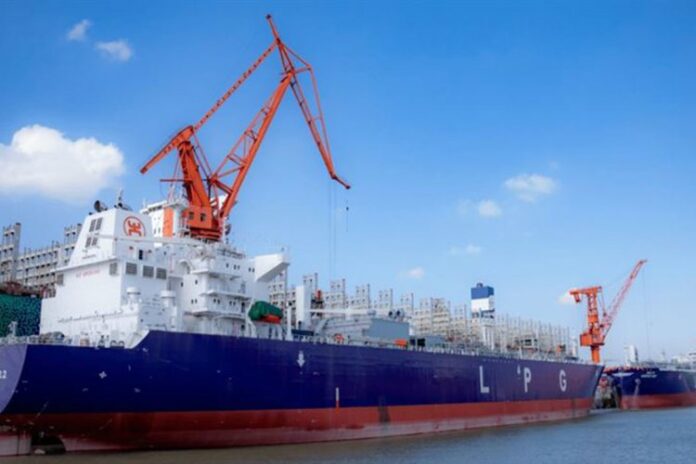
The technology group Wärtsilä will supply the Cargo Handling and LPG Fuel Supply Systems for two new very large gas carrier vessels (VLGC) being built for China-based Oriental Energy, a company mainly focusing on operation of PDH (Propane Dehydrogenation) factories and LPG trading.

The ships are under construction at the Jiangnan yard in China. The order with Wärtsilä was placed in April 2021.

The 93,000 cbm capacity vessels are among the largest of their type ever built. In addition to the Cargo Handling System, Wärtsilä will also deliver its unique LPG Fuel Supply System (LFSS) as an integrated element within the entire gas handling installation. Wärtsilä is currently the only company with LFSS units in operation.

Hans Jakob Buvarp, Sales Manager, Wärtsilä Gas Solutions, said:

“Our experience and track record in supplying state-of-the-art gas cargo systems for the global shipping fleet is unmatched, and we are delighted to have been contracted to supply these new vessels. We have established a strong relationship with the Jiangnan shipyard and look forward to working with them again on this project.”

The Wärtsilä equipment is scheduled for delivery in July 2022. Wärtsilä has earlier delivered similar systems to two Oriental Energy VLGCs.